 b46da8dfc7
* get link liquid tag to accept variables as param

* new liquid tag `link_as_article_card`

* refactor link liquid tag slightly so we can control what props get rendered

* generalize filterCodeExample to use in all guides section

* pass in `js-filter-card-max` instead of hardcode max

* tweaks and add `data` to CSP for images

* add liquid tag tests

* add some browser tests for card filters

* we still need to rely on `getPathWithLanguage` for hrefs that already have the language code embedded


Co-authored-by: Emily Gould <4822039+emilyistoofunky@users.noreply.github.com>
Markdown and Liquid rendering pipeline.
Usage
const renderContent = require('.')

const html = await renderContent(`
# Beep
{{ foo }}
`, {
  foo: 'bar'
})
Creates:
<h1 id="beep"><a href="#beep">Beep</a></h1>
<p>bar</p>
API
renderContent(markdown, context = {}, options = {})
Render a string of markdown with optional context. Returns a Promise.
Liquid will be looking for includes in ${process.cwd()}/includes.
Options:
encodeEntities: Encode html entities. Default:false.fileName: File name for debugging purposes.textOnly: Output text instead of html using cheerio.
.liquid
The Liquid instance used internally.
Code block headers
You can add a header to code blocks by adding the {:copy} annotation after the code fences:
```js{:copy}
const copyMe = true
```
This renders:
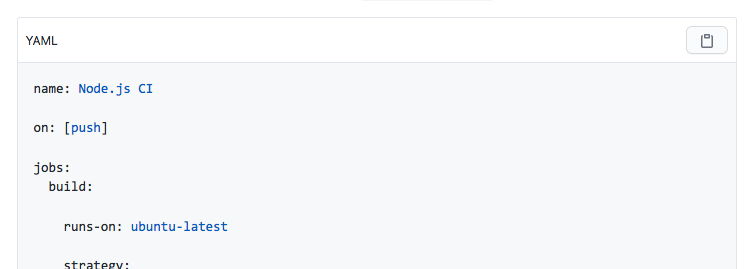
The un-highlighted text is available as button.js-btn-copy's data-clipboard-text attribute.