 989006bab5
* Write our plugin

* Include it

* Move the RegEx

* Don't rewriteLocalLinks with cheerio anymore

* Process after HTML ast is generated

* Use the same logic as before, just to see if it'll pass

* Don't require languageCode/version

* Only work on local links

* Needs an href

* Only update href if there's a new one to use

* Check for node.properties

* Some links are just mean
Markdown and Liquid rendering pipeline.
Usage
const renderContent = require('.')

const html = await renderContent(`
# Beep
{{ foo }}
`, {
  foo: 'bar'
})
Creates:
<h1 id="beep"><a href="#beep">Beep</a></h1>
<p>bar</p>
API
renderContent(markdown, context = {}, options = {})
Render a string of markdown with optional context. Returns a Promise.
Liquid will be looking for includes in ${process.cwd()}/includes.
Options:
encodeEntities: Encode html entities. Default:false.fileName: File name for debugging purposes.textOnly: Output text instead of html using cheerio.
.liquid
The Liquid instance used internally.
Code block headers
You can add a header to code blocks by adding the {:copy} annotation after the code fences:
```js{:copy}
const copyMe = true
```
This renders:
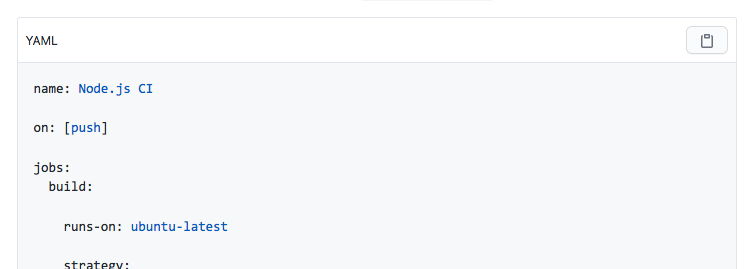
The un-highlighted text is available as button.js-btn-copy's data-clipboard-text attribute.