Compare commits
291 Commits
vizhur/aut
...
ak/revert-
| Author | SHA1 | Date | |
|---|---|---|---|

|
60de701207 | ||
|
|
5841fa4a42 | ||
|
|
659fb7abc3 | ||
|
|
2e404cfc3a | ||
|
|
5fcf4887bc | ||
|
|
1e7f3117ae | ||
|
|
bbb3f85da9 | ||
|
|
c816dfb479 | ||
|
|
8c128640b1 | ||
|
|
4d2b937846 | ||
|
|
5492f52faf | ||
|
|
735db9ebe7 | ||
|
|
573030b990 | ||
|
|
392a059000 | ||
|
|
3580e54fbb | ||
|
|
2017bcd716 | ||
|
|
4a3f8e7025 | ||
|
|
45880114db | ||
|
|
314bad72a4 | ||
|
|
f252308005 | ||
|
|
6622a6c5f2 | ||
|
|
6b19e2f263 | ||
|
|
42fd4598cb | ||
|
|
476d945439 | ||
|
|
e96bb9bef2 | ||
|
|
2be4a5e54d | ||
|
|
247a25f280 | ||
|
|
5d9d8eade6 | ||
|
|
dba978e42a | ||
|
|
7f4101c33e | ||
|
|
62b0d5df69 | ||
|
|
f10b55a1bc | ||
|
|
da9e86635e | ||
|
|
9ca6388996 | ||
|
|
3ce779063b | ||
|
|
ce635ce4fe | ||
|
|
f08e68c8e9 | ||
|
|
93a1d232db | ||
|
|
923483528c | ||
|
|
cbeacb2ab2 | ||
|
|
c928c50707 | ||
|
|
efb42bacf9 | ||
|
|
d8f349a1ae | ||
|
|
96a61fdc78 | ||
|
|
ff8128f023 | ||
|
|
8260302a68 | ||
|
|
fbd7f4a55b | ||
|
|
d4e4206179 | ||
|
|
a98b918feb | ||
|
|
890490ec70 | ||
|
|
c068c9b979 | ||
|
|
f334a3516f | ||
|
|
96248d8dff | ||
|
|
c42e865700 | ||
|
|
9233ce089a | ||
|
|
6bb1e2a3e3 | ||
|
|
e1724c8a89 | ||
|
|
446e0768cc | ||
|
|
8a2f114a16 | ||
|
|
80c0d4d30f | ||
|
|
e8f4708a5a | ||
|
|
fbaeb84204 | ||
|
|
da1fab0a77 | ||
|
|
94d2890bb5 | ||
|
|
4d1ec4f7d4 | ||
|
|
ace3153831 | ||
|
|
58bbfe57b2 | ||
|
|
11ea00b1d9 | ||
|
|
b81efca3e5 | ||
|
|
d7ceb9bca2 | ||
|
|
17730dc69a | ||
|
|
3a029d48a2 | ||
|
|
06d43956f3 | ||
|
|
a1cb9b33a5 | ||
|
|
fdc3fe2a53 | ||
|
|
628b35912c | ||
|
|
3f4cc22e94 | ||
|
|
18d7afb707 | ||
|
|
cd35ca30d4 | ||
|
|
30eae0b46c | ||
|
|
f16951387f | ||
|
|
0d8de29147 | ||
|
|
836354640c | ||
|
|
6162e80972 | ||
|
|
fe9fe3392d | ||
|
|
5ec6d8861b | ||
|
|
ae188f324e | ||
|
|
4c30c2bdb9 | ||
|
|
b891440e2d | ||
|
|
784827cdd2 | ||
|
|
0957af04ca | ||
|
|
a3bdd193d1 | ||
|
|
dff09970ac | ||
|
|
abc7d21711 | ||
|
|
ec12ef635f | ||
|
|
81b3e6f09f | ||
|
|
cc167dceda | ||
|
|
bc52a6d8ee | ||
|
|
5bbbdbe73c | ||
|
|
fd4de05ddd | ||
|
|
9eaab2189d | ||
|
|
12147754b2 | ||
|
|
90ef263823 | ||
|
|
143590cfb4 | ||
|
|
40379014ad | ||
|
|
f7b0e99fa1 | ||
|
|
7a7ac48411 | ||
|
|
50107c5b1e | ||
|
|
e41d7e6819 | ||
|
|
691e038e84 | ||
|
|
426e79d635 | ||
|
|
326677e87f | ||
|
|
44988e30ae | ||
|
|
646ae37384 | ||
|
|
457e29a663 | ||
|
|
2771edfb2c | ||
|
|
f0001ec322 | ||
|
|
d3e02a017d | ||
|
|
a0ebed6876 | ||
|
|
dc0ab6db47 | ||
|
|
ea7900f82c | ||
|
|
0cb3fd180d | ||
|
|
b05c3e46bb | ||
|
|
a1b7d298d3 | ||
|
|
cc5516c3b3 | ||
|
|
4fb6070b89 | ||
|
|
1b926cdf53 | ||
|
|
72fc00fb65 | ||
|
|
ddc6b57253 | ||
|
|
e8b3b98338 | ||
|
|
66325a1405 | ||
|
|
0efbeaf4b8 | ||
|
|
11d487fb28 | ||
|
|
073e319ef9 | ||
|
|
3ed75f28d1 | ||
|
|
bfc0367f54 | ||
|
|
075eeb583f | ||
|
|
b7531d3b9e | ||
|
|
41dc3bd1cf | ||
|
|
b790b385a4 | ||
|
|
8700328fe9 | ||
|
|
adbd2c8200 | ||
|
|
7d552effb0 | ||
|
|
bc81d2a5a7 | ||
|
|
7620de2d91 | ||
|
|
07a43a0444 | ||
|
|
f4d5874e09 | ||
|
|
8a0b4d24bd | ||
|
|
636f19be1f | ||
|
|
0fd7f7d9b2 | ||
|
|
ab6c66534f | ||
|
|
faccf13759 | ||
|
|
4c6a28e4ed | ||
|
|
64ad88e2cb | ||
|
|
969ac90d39 | ||
|
|
fb977c1e95 | ||
|
|
d5ba3916f7 | ||
|
|
f7f1087337 | ||
|
|
47ea2dbc03 | ||
|
|
bd2cf534e5 | ||
|
|
65f1668d69 | ||
|
|
e0fb7df0aa | ||
|
|
7047f76299 | ||
|
|
c39f2d5eb6 | ||
|
|
5fda69a388 | ||
|
|
87ce954eef | ||
|
|
ebbeac413a | ||
|
|
a68bbaaab4 | ||
|
|
8784dc979f | ||
|
|
f8047544fc | ||
|
|
eeb2a05e4f | ||
|
|
6db9d7bd8b | ||
|
|
80e2fde734 | ||
|
|
ae4f5d40ee | ||
|
|
5516edadfd | ||
|
|
475afbf44b | ||
|
|
197eaf1aab | ||
|
|
184680f1d2 | ||
|
|
474f58bd0b | ||
|
|
22c8433897 | ||
|
|
822cdd0f01 | ||
|
|
6e65d42986 | ||
|
|
4c0cbac834 | ||
|
|
44a7481ed1 | ||
|
|
8f418b216d | ||
|
|
2d549ecad3 | ||
|
|
4dbb024529 | ||
|
|
142a1a510e | ||
|
|
2522486c26 | ||
|
|
6d5226e47c | ||
|
|
e7676d7cdc | ||
|
|
a84f6636f1 | ||
|
|
41be10d1c1 | ||
|
|
429eb43914 | ||
|
|
c0dae0c645 | ||
|
|
e4d9a2b4c5 | ||
|
|
7648e8f516 | ||
|
|
b5ed94b4eb | ||
|
|
85e487f74f | ||
|
|
c0a5b2de79 | ||
|
|
0a9e076e5f | ||
|
|
e3b974811d | ||
|
|
381d1a6f35 | ||
|
|
adaa55675e | ||
|
|
5e3c592d4b | ||
|
|
9c6f1e2571 | ||
|
|
bd1bedd563 | ||
|
|
9716f3614e | ||
|
|
d2c72ca149 | ||
|
|
4f62f64207 | ||
|
|
16473eb33e | ||
|
|
d10474c249 | ||
|
|
6389cc16f9 | ||
|
|
bc0a8e0152 | ||
|
|
39384aea52 | ||
|
|
5bf4b0bafe | ||
|
|
f22adb7949 | ||
|
|
8409ab7133 | ||
|
|
32acd55774 | ||
|
|
7f65c1a255 | ||
|
|
bc7ccc7ef3 | ||
|
|
1cc79a71e9 | ||
|
|
c0bec5f110 | ||
|
|
77e5664482 | ||
|
|
e2eb64372a | ||
|
|
03cbb6a3a2 | ||
|
|
44d3d998a8 | ||
|
|
c626f37057 | ||
|
|
0175574864 | ||
|
|
f6e8d57da3 | ||
|
|
01cd31ce44 | ||
|
|
eb2024b3e0 | ||
|
|
6bce41b3d7 | ||
|
|
bbdabbb552 | ||
|
|
65343fc263 | ||
|
|
b6b27fded6 | ||
|
|
7e492cbeb6 | ||
|
|
4cc8f4c6af | ||
|
|
9fba46821b | ||
|
|
a45954a58f | ||
|
|
f16dfb0e5b | ||
|
|
edabbf9031 | ||
|
|
63d1d57dfb | ||
|
|
10f7004161 | ||
|
|
86ba4e7406 | ||
|
|
33bda032b8 | ||
|
|
0fd4bfbc56 | ||
|
|
3fe08c944e | ||
|
|
d587ea5676 | ||
|
|
edd8562102 | ||
|
|
5ac2c63336 | ||
|
|
1f4e4cdda2 | ||
|
|
2e245c1691 | ||
|
|
e1b09f71fa | ||
|
|
8e2220d397 | ||
|
|
f74ccf5048 | ||
|
|
97a6d9ca43 | ||
|
|
a0ff1c6b64 | ||
|
|
08f15ef4cf | ||
|
|
7160416c0b | ||
|
|
218fed3d65 | ||
|
|
b8499dfb98 | ||
|
|
6bfd472cc2 | ||
|
|
ecefb229e9 | ||
|
|
883ad806ba | ||
|
|
848b5bc302 | ||
|
|
58087b53a0 | ||
|
|
ff4d5450a7 | ||
|
|
e2b2b89842 | ||
|
|
390be2ba24 | ||
|
|
cd1258f81d | ||
|
|
8a0b48ea48 | ||
|
|
b0dc904189 | ||
|
|
82bede239a | ||
|
|
774517e173 | ||
|
|
c3ce2bc7fe | ||
|
|
5dd09a1f7c | ||
|
|
ee1da0ee19 | ||
|
|
ddfce6b24c | ||
|
|
31dfc3dc55 | ||
|
|
168c45b188 | ||
|
|
159948db67 | ||
|
|
d842731a3b | ||
|
|
7822fd4c13 | ||
|
|
d9fbe4cd87 | ||
|
|
a64f4d331a | ||
|
|
c41f449208 | ||
|
|
4fe8c1702d | ||
|
|
18cd152591 | ||
|
|
b025816c92 | ||
|
|
c75e820107 |
14
README.md
@@ -2,7 +2,8 @@
|
||||
|
||||
This repository contains example notebooks demonstrating the [Azure Machine Learning](https://azure.microsoft.com/en-us/services/machine-learning-service/) Python SDK which allows you to build, train, deploy and manage machine learning solutions using Azure. The AML SDK allows you the choice of using local or cloud compute resources, while managing and maintaining the complete data science workflow from the cloud.
|
||||
|
||||

|
||||

|
||||
|
||||
|
||||
## Quick installation
|
||||
```sh
|
||||
@@ -38,6 +39,7 @@ The [How to use Azure ML](./how-to-use-azureml) folder contains specific example
|
||||
- [Machine Learning Pipelines](./how-to-use-azureml/machine-learning-pipelines) - Examples showing how to create and use reusable pipelines for training and batch scoring
|
||||
- [Deployment](./how-to-use-azureml/deployment) - Examples showing how to deploy and manage machine learning models and solutions
|
||||
- [Azure Databricks](./how-to-use-azureml/azure-databricks) - Examples showing how to use Azure ML with Azure Databricks
|
||||
- [Monitor Models](./how-to-use-azureml/monitor-models) - Examples showing how to enable model monitoring services such as DataDrift
|
||||
|
||||
---
|
||||
## Documentation
|
||||
@@ -48,12 +50,18 @@ The [How to use Azure ML](./how-to-use-azureml) folder contains specific example
|
||||
|
||||
---
|
||||
|
||||
|
||||
## Community Repository
|
||||
Visit this [community repository](https://github.com/microsoft/MLOps/tree/master/examples) to find useful end-to-end sample notebooks. Also, please follow these [contribution guidelines](https://github.com/microsoft/MLOps/blob/master/contributing.md) when contributing to this repository.
|
||||
|
||||
## Projects using Azure Machine Learning
|
||||
|
||||
Visit following repos to see projects contributed by Azure ML users:
|
||||
|
||||
- [Fine tune natural language processing models using Azure Machine Learning service](https://github.com/Microsoft/AzureML-BERT)
|
||||
- [AMLSamples](https://github.com/Azure/AMLSamples) Number of end-to-end examples, including face recognition, predictive maintenance, customer churn and sentiment analysis.
|
||||
- [Learn about Natural Language Processing best practices using Azure Machine Learning service](https://github.com/microsoft/nlp)
|
||||
- [Pre-Train BERT models using Azure Machine Learning service](https://github.com/Microsoft/AzureML-BERT)
|
||||
- [Fashion MNIST with Azure ML SDK](https://github.com/amynic/azureml-sdk-fashion)
|
||||
- [UMass Amherst Student Samples](https://github.com/katiehouse3/microsoft-azure-ml-notebooks) - A number of end-to-end machine learning notebooks, including machine translation, image classification, and customer churn, created by students in the 696DS course at UMass Amherst.
|
||||
|
||||
## Data/Telemetry
|
||||
This repository collects usage data and sends it to Mircosoft to help improve our products and services. Read Microsoft's [privacy statement to learn more](https://privacy.microsoft.com/en-US/privacystatement)
|
||||
|
||||
@@ -1,47 +1,23 @@
|
||||
{
|
||||
"metadata": {
|
||||
"kernelspec": {
|
||||
"display_name": "Python 3.6",
|
||||
"name": "python36",
|
||||
"language": "python"
|
||||
},
|
||||
"authors": [
|
||||
{
|
||||
"name": "roastala"
|
||||
}
|
||||
],
|
||||
"language_info": {
|
||||
"mimetype": "text/x-python",
|
||||
"codemirror_mode": {
|
||||
"name": "ipython",
|
||||
"version": 3
|
||||
},
|
||||
"pygments_lexer": "ipython3",
|
||||
"name": "python",
|
||||
"file_extension": ".py",
|
||||
"nbconvert_exporter": "python",
|
||||
"version": "3.6.5"
|
||||
}
|
||||
},
|
||||
"nbformat": 4,
|
||||
"cells": [
|
||||
{
|
||||
"cell_type": "markdown",
|
||||
"metadata": {},
|
||||
"source": [
|
||||
"Copyright (c) Microsoft Corporation. All rights reserved.\n",
|
||||
"\n",
|
||||
"Licensed under the MIT License."
|
||||
],
|
||||
"cell_type": "markdown"
|
||||
]
|
||||
},
|
||||
{
|
||||
"cell_type": "markdown",
|
||||
"metadata": {},
|
||||
"source": [
|
||||
""
|
||||
],
|
||||
"cell_type": "markdown"
|
||||
]
|
||||
},
|
||||
{
|
||||
"cell_type": "markdown",
|
||||
"metadata": {},
|
||||
"source": [
|
||||
"# Configuration\n",
|
||||
@@ -83,19 +59,19 @@
|
||||
"### What is an Azure Machine Learning workspace\n",
|
||||
"\n",
|
||||
"An Azure ML Workspace is an Azure resource that organizes and coordinates the actions of many other Azure resources to assist in executing and sharing machine learning workflows. In particular, an Azure ML Workspace coordinates storage, databases, and compute resources providing added functionality for machine learning experimentation, deployment, inference, and the monitoring of deployed models."
|
||||
],
|
||||
"cell_type": "markdown"
|
||||
]
|
||||
},
|
||||
{
|
||||
"cell_type": "markdown",
|
||||
"metadata": {},
|
||||
"source": [
|
||||
"## Setup\n",
|
||||
"\n",
|
||||
"This section describes activities required before you can access any Azure ML services functionality."
|
||||
],
|
||||
"cell_type": "markdown"
|
||||
]
|
||||
},
|
||||
{
|
||||
"cell_type": "markdown",
|
||||
"metadata": {},
|
||||
"source": [
|
||||
"### 1. Azure Subscription\n",
|
||||
@@ -113,26 +89,26 @@
|
||||
"```\n",
|
||||
"\n",
|
||||
"Once installation is complete, the following cell checks the Azure ML SDK version:"
|
||||
],
|
||||
"cell_type": "markdown"
|
||||
]
|
||||
},
|
||||
{
|
||||
"cell_type": "code",
|
||||
"execution_count": null,
|
||||
"metadata": {
|
||||
"tags": [
|
||||
"install"
|
||||
]
|
||||
},
|
||||
"outputs": [],
|
||||
"execution_count": null,
|
||||
"source": [
|
||||
"import azureml.core\n",
|
||||
"\n",
|
||||
"print(\"This notebook was created using version 1.0.48.post1 of the Azure ML SDK\")\n",
|
||||
"print(\"This notebook was created using version 1.0.69 of the Azure ML SDK\")\n",
|
||||
"print(\"You are currently using version\", azureml.core.VERSION, \"of the Azure ML SDK\")"
|
||||
],
|
||||
"cell_type": "code"
|
||||
]
|
||||
},
|
||||
{
|
||||
"cell_type": "markdown",
|
||||
"metadata": {},
|
||||
"source": [
|
||||
"If you are using an older version of the SDK then this notebook was created using, you should upgrade your SDK.\n",
|
||||
@@ -150,10 +126,10 @@
|
||||
"```\n",
|
||||
"\n",
|
||||
"---"
|
||||
],
|
||||
"cell_type": "markdown"
|
||||
]
|
||||
},
|
||||
{
|
||||
"cell_type": "markdown",
|
||||
"metadata": {},
|
||||
"source": [
|
||||
"## Configure your Azure ML workspace\n",
|
||||
@@ -179,13 +155,13 @@
|
||||
"If you ran the Azure Machine Learning [quickstart](https://docs.microsoft.com/en-us/azure/machine-learning/service/quickstart-get-started) in Azure Notebooks, you already have a configured workspace! You can go to your Azure Machine Learning Getting Started library, view *config.json* file, and copy-paste the values for subscription ID, resource group and workspace name below.\n",
|
||||
"\n",
|
||||
"Replace the default values in the cell below with your workspace parameters"
|
||||
],
|
||||
"cell_type": "markdown"
|
||||
]
|
||||
},
|
||||
{
|
||||
"cell_type": "code",
|
||||
"execution_count": null,
|
||||
"metadata": {},
|
||||
"outputs": [],
|
||||
"execution_count": null,
|
||||
"source": [
|
||||
"import os\n",
|
||||
"\n",
|
||||
@@ -193,22 +169,22 @@
|
||||
"resource_group = os.getenv(\"RESOURCE_GROUP\", default=\"<my-resource-group>\")\n",
|
||||
"workspace_name = os.getenv(\"WORKSPACE_NAME\", default=\"<my-workspace-name>\")\n",
|
||||
"workspace_region = os.getenv(\"WORKSPACE_REGION\", default=\"eastus2\")"
|
||||
],
|
||||
"cell_type": "code"
|
||||
]
|
||||
},
|
||||
{
|
||||
"cell_type": "markdown",
|
||||
"metadata": {},
|
||||
"source": [
|
||||
"### Access your workspace\n",
|
||||
"\n",
|
||||
"The following cell uses the Azure ML SDK to attempt to load the workspace specified by your parameters. If this cell succeeds, your notebook library will be configured to access the workspace from all notebooks using the `Workspace.from_config()` method. The cell can fail if the specified workspace doesn't exist or you don't have permissions to access it. "
|
||||
],
|
||||
"cell_type": "markdown"
|
||||
]
|
||||
},
|
||||
{
|
||||
"cell_type": "code",
|
||||
"execution_count": null,
|
||||
"metadata": {},
|
||||
"outputs": [],
|
||||
"execution_count": null,
|
||||
"source": [
|
||||
"from azureml.core import Workspace\n",
|
||||
"\n",
|
||||
@@ -219,10 +195,10 @@
|
||||
" print(\"Workspace configuration succeeded. Skip the workspace creation steps below\")\n",
|
||||
"except:\n",
|
||||
" print(\"Workspace not accessible. Change your parameters or create a new workspace below\")"
|
||||
],
|
||||
"cell_type": "code"
|
||||
]
|
||||
},
|
||||
{
|
||||
"cell_type": "markdown",
|
||||
"metadata": {},
|
||||
"source": [
|
||||
"### Create a new workspace\n",
|
||||
@@ -239,17 +215,17 @@
|
||||
"* You are not a subscription owner or contributor and no Azure ML workspaces have ever been created in this subscription\n",
|
||||
"\n",
|
||||
"If workspace creation fails, please work with your IT admin to provide you with the appropriate permissions or to provision the required resources."
|
||||
],
|
||||
"cell_type": "markdown"
|
||||
]
|
||||
},
|
||||
{
|
||||
"cell_type": "code",
|
||||
"execution_count": null,
|
||||
"metadata": {
|
||||
"tags": [
|
||||
"create workspace"
|
||||
]
|
||||
},
|
||||
"outputs": [],
|
||||
"execution_count": null,
|
||||
"source": [
|
||||
"from azureml.core import Workspace\n",
|
||||
"\n",
|
||||
@@ -264,10 +240,10 @@
|
||||
"\n",
|
||||
"# write the details of the workspace to a configuration file to the notebook library\n",
|
||||
"ws.write_config()"
|
||||
],
|
||||
"cell_type": "code"
|
||||
]
|
||||
},
|
||||
{
|
||||
"cell_type": "markdown",
|
||||
"metadata": {},
|
||||
"source": [
|
||||
"### Create compute resources for your training experiments\n",
|
||||
@@ -287,13 +263,13 @@
|
||||
"\n",
|
||||
"\n",
|
||||
"To create a **CPU** cluster now, run the cell below. The autoscale settings mean that the cluster will scale down to 0 nodes when inactive and up to 4 nodes when busy."
|
||||
],
|
||||
"cell_type": "markdown"
|
||||
]
|
||||
},
|
||||
{
|
||||
"cell_type": "code",
|
||||
"execution_count": null,
|
||||
"metadata": {},
|
||||
"outputs": [],
|
||||
"execution_count": null,
|
||||
"source": [
|
||||
"from azureml.core.compute import ComputeTarget, AmlCompute\n",
|
||||
"from azureml.core.compute_target import ComputeTargetException\n",
|
||||
@@ -318,20 +294,20 @@
|
||||
" \n",
|
||||
" # Wait for the cluster to complete, show the output log\n",
|
||||
" cpu_cluster.wait_for_completion(show_output=True)"
|
||||
],
|
||||
"cell_type": "code"
|
||||
]
|
||||
},
|
||||
{
|
||||
"cell_type": "markdown",
|
||||
"metadata": {},
|
||||
"source": [
|
||||
"To create a **GPU** cluster, run the cell below. Note that your subscription must have sufficient quota for GPU VMs or the command will fail. To increase quota, see [these instructions](https://docs.microsoft.com/en-us/azure/azure-supportability/resource-manager-core-quotas-request). "
|
||||
],
|
||||
"cell_type": "markdown"
|
||||
]
|
||||
},
|
||||
{
|
||||
"cell_type": "code",
|
||||
"execution_count": null,
|
||||
"metadata": {},
|
||||
"outputs": [],
|
||||
"execution_count": null,
|
||||
"source": [
|
||||
"from azureml.core.compute import ComputeTarget, AmlCompute\n",
|
||||
"from azureml.core.compute_target import ComputeTargetException\n",
|
||||
@@ -355,10 +331,10 @@
|
||||
"\n",
|
||||
" # Wait for the cluster to complete, show the output log\n",
|
||||
" gpu_cluster.wait_for_completion(show_output=True)"
|
||||
],
|
||||
"cell_type": "code"
|
||||
]
|
||||
},
|
||||
{
|
||||
"cell_type": "markdown",
|
||||
"metadata": {},
|
||||
"source": [
|
||||
"---\n",
|
||||
@@ -368,16 +344,40 @@
|
||||
"In this notebook you configured this notebook library to connect easily to an Azure ML workspace. You can copy this notebook to your own libraries to connect them to you workspace, or use it to bootstrap new workspaces completely.\n",
|
||||
"\n",
|
||||
"If you came here from another notebook, you can return there and complete that exercise, or you can try out the [Tutorials](./tutorials) or jump into \"how-to\" notebooks and start creating and deploying models. A good place to start is the [train within notebook](./how-to-use-azureml/training/train-within-notebook) example that walks through a simplified but complete end to end machine learning process."
|
||||
],
|
||||
"cell_type": "markdown"
|
||||
]
|
||||
},
|
||||
{
|
||||
"cell_type": "code",
|
||||
"execution_count": null,
|
||||
"metadata": {},
|
||||
"outputs": [],
|
||||
"execution_count": null,
|
||||
"source": [],
|
||||
"cell_type": "code"
|
||||
"source": []
|
||||
}
|
||||
],
|
||||
"metadata": {
|
||||
"authors": [
|
||||
{
|
||||
"name": "roastala"
|
||||
}
|
||||
],
|
||||
"kernelspec": {
|
||||
"display_name": "Python 3.6",
|
||||
"language": "python",
|
||||
"name": "python36"
|
||||
},
|
||||
"language_info": {
|
||||
"codemirror_mode": {
|
||||
"name": "ipython",
|
||||
"version": 3
|
||||
},
|
||||
"file_extension": ".py",
|
||||
"mimetype": "text/x-python",
|
||||
"name": "python",
|
||||
"nbconvert_exporter": "python",
|
||||
"pygments_lexer": "ipython3",
|
||||
"version": "3.6.5"
|
||||
}
|
||||
},
|
||||
"nbformat": 4,
|
||||
"nbformat_minor": 2
|
||||
}
|
||||
@@ -1,50 +1,33 @@
|
||||
{
|
||||
"metadata": {
|
||||
"kernelspec": {
|
||||
"display_name": "Python 3.6",
|
||||
"name": "python36",
|
||||
"language": "python"
|
||||
},
|
||||
"authors": [
|
||||
{
|
||||
"name": "ksivas"
|
||||
}
|
||||
],
|
||||
"language_info": {
|
||||
"mimetype": "text/x-python",
|
||||
"codemirror_mode": {
|
||||
"name": "ipython",
|
||||
"version": 3
|
||||
},
|
||||
"pygments_lexer": "ipython3",
|
||||
"name": "python",
|
||||
"file_extension": ".py",
|
||||
"nbconvert_exporter": "python",
|
||||
"version": "3.6.6"
|
||||
}
|
||||
},
|
||||
"nbformat": 4,
|
||||
"cells": [
|
||||
{
|
||||
"cell_type": "markdown",
|
||||
"metadata": {},
|
||||
"source": [
|
||||
"Copyright (c) Microsoft Corporation. All rights reserved.\n",
|
||||
"\n",
|
||||
"Licensed under the MIT License."
|
||||
],
|
||||
"cell_type": "markdown"
|
||||
]
|
||||
},
|
||||
{
|
||||
"cell_type": "markdown",
|
||||
"metadata": {},
|
||||
"source": [
|
||||
""
|
||||
]
|
||||
},
|
||||
{
|
||||
"cell_type": "markdown",
|
||||
"metadata": {},
|
||||
"source": [
|
||||
"# NVIDIA RAPIDS in Azure Machine Learning"
|
||||
],
|
||||
"cell_type": "markdown"
|
||||
]
|
||||
},
|
||||
{
|
||||
"cell_type": "markdown",
|
||||
"metadata": {},
|
||||
"source": [
|
||||
"The [RAPIDS](https://www.developer.nvidia.com/rapids) suite of software libraries from NVIDIA enables the execution of end-to-end data science and analytics pipelines entirely on GPUs. In many machine learning projects, a significant portion of the model training time is spent in setting up the data; this stage of the process is known as Extraction, Transformation and Loading, or ETL. By using the DataFrame API for ETL\u00c3\u201a\u00c2\u00a0and GPU-capable ML algorithms in RAPIDS, data preparation and training models can be done in GPU-accelerated end-to-end pipelines without incurring serialization costs between the pipeline stages. This notebook demonstrates how to use NVIDIA RAPIDS to prepare data and train model\u00c2\u00a0in Azure.\n",
|
||||
"The [RAPIDS](https://www.developer.nvidia.com/rapids) suite of software libraries from NVIDIA enables the execution of end-to-end data science and analytics pipelines entirely on GPUs. In many machine learning projects, a significant portion of the model training time is spent in setting up the data; this stage of the process is known as Extraction, Transformation and Loading, or ETL. By using the DataFrame API for ETL\u00c2\u00a0and GPU-capable ML algorithms in RAPIDS, data preparation and training models can be done in GPU-accelerated end-to-end pipelines without incurring serialization costs between the pipeline stages. This notebook demonstrates how to use NVIDIA RAPIDS to prepare data and train model\u00c3\u201a\u00c2\u00a0in Azure.\n",
|
||||
" \n",
|
||||
"In this notebook, we will do the following:\n",
|
||||
" \n",
|
||||
@@ -59,30 +42,30 @@
|
||||
"* An Azure subscription to create a Machine Learning Workspace\n",
|
||||
"* Familiarity with the Azure ML SDK (refer to [notebook samples](https://github.com/Azure/MachineLearningNotebooks))\n",
|
||||
"* A Jupyter notebook environment with Azure Machine Learning SDK installed. Refer to instructions to [setup the environment](https://docs.microsoft.com/en-us/azure/machine-learning/service/how-to-configure-environment#local)"
|
||||
],
|
||||
"cell_type": "markdown"
|
||||
]
|
||||
},
|
||||
{
|
||||
"cell_type": "markdown",
|
||||
"metadata": {},
|
||||
"source": [
|
||||
"### Verify if Azure ML SDK is installed"
|
||||
],
|
||||
"cell_type": "markdown"
|
||||
]
|
||||
},
|
||||
{
|
||||
"cell_type": "code",
|
||||
"execution_count": null,
|
||||
"metadata": {},
|
||||
"outputs": [],
|
||||
"execution_count": null,
|
||||
"source": [
|
||||
"import azureml.core\n",
|
||||
"print(\"SDK version:\", azureml.core.VERSION)"
|
||||
],
|
||||
"cell_type": "code"
|
||||
]
|
||||
},
|
||||
{
|
||||
"cell_type": "code",
|
||||
"execution_count": null,
|
||||
"metadata": {},
|
||||
"outputs": [],
|
||||
"execution_count": null,
|
||||
"source": [
|
||||
"import os\n",
|
||||
"from azureml.core import Workspace, Experiment\n",
|
||||
@@ -92,17 +75,17 @@
|
||||
"from azureml.core.runconfig import RunConfiguration\n",
|
||||
"from azureml.core import ScriptRunConfig\n",
|
||||
"from azureml.widgets import RunDetails"
|
||||
],
|
||||
"cell_type": "code"
|
||||
]
|
||||
},
|
||||
{
|
||||
"cell_type": "markdown",
|
||||
"metadata": {},
|
||||
"source": [
|
||||
"### Create Azure ML Workspace"
|
||||
],
|
||||
"cell_type": "markdown"
|
||||
]
|
||||
},
|
||||
{
|
||||
"cell_type": "markdown",
|
||||
"metadata": {},
|
||||
"source": [
|
||||
"The following step is optional if you already have a workspace. If you want to use an existing workspace, then\n",
|
||||
@@ -110,13 +93,13 @@
|
||||
" \n",
|
||||
"<font color='red'>Important</font>: in the code cell below, be sure to set the correct values for the subscription_id, \n",
|
||||
"resource_group, workspace_name, region before executing this code cell."
|
||||
],
|
||||
"cell_type": "markdown"
|
||||
]
|
||||
},
|
||||
{
|
||||
"cell_type": "code",
|
||||
"execution_count": null,
|
||||
"metadata": {},
|
||||
"outputs": [],
|
||||
"execution_count": null,
|
||||
"source": [
|
||||
"subscription_id = os.environ.get(\"SUBSCRIPTION_ID\", \"<subscription_id>\")\n",
|
||||
"resource_group = os.environ.get(\"RESOURCE_GROUP\", \"<resource_group>\")\n",
|
||||
@@ -127,24 +110,26 @@
|
||||
"\n",
|
||||
"# write config to a local directory for future use\n",
|
||||
"ws.write_config()"
|
||||
],
|
||||
"cell_type": "code"
|
||||
]
|
||||
},
|
||||
{
|
||||
"cell_type": "markdown",
|
||||
"metadata": {},
|
||||
"source": [
|
||||
"### Load existing Workspace"
|
||||
],
|
||||
"cell_type": "markdown"
|
||||
]
|
||||
},
|
||||
{
|
||||
"cell_type": "code",
|
||||
"execution_count": null,
|
||||
"metadata": {},
|
||||
"outputs": [],
|
||||
"execution_count": null,
|
||||
"source": [
|
||||
"ws = Workspace.from_config()\n",
|
||||
"\n",
|
||||
"# if a locally-saved configuration file for the workspace is not available, use the following to load workspace\n",
|
||||
"# ws = Workspace(subscription_id=subscription_id, resource_group=resource_group, workspace_name=workspace_name)\n",
|
||||
"\n",
|
||||
"print('Workspace name: ' + ws.name, \n",
|
||||
" 'Azure region: ' + ws.location, \n",
|
||||
" 'Subscription id: ' + ws.subscription_id, \n",
|
||||
@@ -154,17 +139,17 @@
|
||||
"\n",
|
||||
"if not os.path.isdir(scripts_folder):\n",
|
||||
" os.mkdir(scripts_folder)"
|
||||
],
|
||||
"cell_type": "code"
|
||||
]
|
||||
},
|
||||
{
|
||||
"cell_type": "markdown",
|
||||
"metadata": {},
|
||||
"source": [
|
||||
"### Create AML Compute Target"
|
||||
],
|
||||
"cell_type": "markdown"
|
||||
]
|
||||
},
|
||||
{
|
||||
"cell_type": "markdown",
|
||||
"metadata": {},
|
||||
"source": [
|
||||
"Because NVIDIA RAPIDS requires P40 or V100 GPUs, the user needs to specify compute targets from one of [NC_v3](https://docs.microsoft.com/en-us/azure/virtual-machines/windows/sizes-gpu#ncv3-series), [NC_v2](https://docs.microsoft.com/en-us/azure/virtual-machines/windows/sizes-gpu#ncv2-series), [ND](https://docs.microsoft.com/en-us/azure/virtual-machines/windows/sizes-gpu#nd-series) or [ND_v2](https://docs.microsoft.com/en-us/azure/virtual-machines/windows/sizes-gpu#ndv2-series-preview) virtual machine types in Azure; these are the families of virtual machines in Azure that are provisioned with these GPUs.\n",
|
||||
@@ -172,20 +157,20 @@
|
||||
"Pick one of the supported VM SKUs based on the number of GPUs you want to use for ETL and training in RAPIDS.\n",
|
||||
" \n",
|
||||
"The script in this notebook is implemented for single-machine scenarios. An example supporting multiple nodes will be published later."
|
||||
],
|
||||
"cell_type": "markdown"
|
||||
]
|
||||
},
|
||||
{
|
||||
"cell_type": "code",
|
||||
"execution_count": null,
|
||||
"metadata": {},
|
||||
"outputs": [],
|
||||
"execution_count": null,
|
||||
"source": [
|
||||
"gpu_cluster_name = \"gpucluster\"\n",
|
||||
"\n",
|
||||
"if gpu_cluster_name in ws.compute_targets:\n",
|
||||
" gpu_cluster = ws.compute_targets[gpu_cluster_name]\n",
|
||||
" if gpu_cluster and type(gpu_cluster) is AmlCompute:\n",
|
||||
" print('found compute target. just use it. ' + gpu_cluster_name)\n",
|
||||
" print('Found compute target. Will use {0} '.format(gpu_cluster_name))\n",
|
||||
"else:\n",
|
||||
" print(\"creating new cluster\")\n",
|
||||
" # vm_size parameter below could be modified to one of the RAPIDS-supported VM types\n",
|
||||
@@ -194,74 +179,63 @@
|
||||
" # create the cluster\n",
|
||||
" gpu_cluster = ComputeTarget.create(ws, gpu_cluster_name, provisioning_config)\n",
|
||||
" gpu_cluster.wait_for_completion(show_output=True)"
|
||||
],
|
||||
"cell_type": "code"
|
||||
]
|
||||
},
|
||||
{
|
||||
"cell_type": "markdown",
|
||||
"metadata": {},
|
||||
"source": [
|
||||
"### Script to process data and train model"
|
||||
],
|
||||
"cell_type": "markdown"
|
||||
]
|
||||
},
|
||||
{
|
||||
"cell_type": "markdown",
|
||||
"metadata": {},
|
||||
"source": [
|
||||
"The _process_data.py_ script used in the step below is a slightly modified implementation of [RAPIDS E2E example](https://github.com/rapidsai/notebooks/blob/master/mortgage/E2E.ipynb)."
|
||||
],
|
||||
"cell_type": "markdown"
|
||||
"The _process_data.py_ script used in the step below is a slightly modified implementation of [RAPIDS Mortgage E2E example](https://github.com/rapidsai/notebooks-contrib/blob/master/intermediate_notebooks/E2E/mortgage/mortgage_e2e.ipynb)."
|
||||
]
|
||||
},
|
||||
{
|
||||
"cell_type": "code",
|
||||
"execution_count": null,
|
||||
"metadata": {},
|
||||
"outputs": [],
|
||||
"execution_count": null,
|
||||
"source": [
|
||||
"# copy process_data.py into the script folder\n",
|
||||
"import shutil\n",
|
||||
"shutil.copy('./process_data.py', os.path.join(scripts_folder, 'process_data.py'))\n",
|
||||
"\n",
|
||||
"with open(os.path.join(scripts_folder, './process_data.py'), 'r') as process_data_script:\n",
|
||||
" print(process_data_script.read())"
|
||||
],
|
||||
"cell_type": "code"
|
||||
"shutil.copy('./process_data.py', os.path.join(scripts_folder, 'process_data.py'))"
|
||||
]
|
||||
},
|
||||
{
|
||||
"cell_type": "markdown",
|
||||
"metadata": {},
|
||||
"source": [
|
||||
"### Data required to run this sample"
|
||||
],
|
||||
"cell_type": "markdown"
|
||||
]
|
||||
},
|
||||
{
|
||||
"cell_type": "markdown",
|
||||
"metadata": {},
|
||||
"source": [
|
||||
"This sample uses [Fannie Mae's Single-Family Loan Performance Data](http://www.fanniemae.com/portal/funding-the-market/data/loan-performance-data.html). Once you obtain access to the data, you will need to make this data available in an [Azure Machine Learning Datastore](https://docs.microsoft.com/en-us/azure/machine-learning/service/how-to-access-data), for use in this sample. The following code shows how to do that."
|
||||
],
|
||||
"cell_type": "markdown"
|
||||
]
|
||||
},
|
||||
{
|
||||
"cell_type": "markdown",
|
||||
"metadata": {},
|
||||
"source": [
|
||||
"### Downloading Data"
|
||||
],
|
||||
"cell_type": "markdown"
|
||||
},
|
||||
{
|
||||
"metadata": {},
|
||||
"source": [
|
||||
"<font color='red'>Important</font>: Python package progressbar2 is necessary to run the following cell. If it is not available in your environment where this notebook is running, please install it."
|
||||
],
|
||||
"cell_type": "markdown"
|
||||
]
|
||||
},
|
||||
{
|
||||
"cell_type": "code",
|
||||
"execution_count": null,
|
||||
"metadata": {},
|
||||
"outputs": [],
|
||||
"execution_count": null,
|
||||
"source": [
|
||||
"import tarfile\n",
|
||||
"import hashlib\n",
|
||||
"from urllib.request import urlretrieve\n",
|
||||
"from progressbar import ProgressBar\n",
|
||||
"\n",
|
||||
"def validate_downloaded_data(path):\n",
|
||||
" if(os.path.isdir(path) and os.path.exists(path + '//names.csv')) :\n",
|
||||
@@ -291,7 +265,7 @@
|
||||
" url_format = 'http://rapidsai-data.s3-website.us-east-2.amazonaws.com/notebook-mortgage-data/{0}.tgz'\n",
|
||||
" url = url_format.format(fileroot)\n",
|
||||
" print(\"...Downloading file :{0}\".format(filename))\n",
|
||||
" urlretrieve(url, filename,show_progress)\n",
|
||||
" urlretrieve(url, filename)\n",
|
||||
" pbar.finish()\n",
|
||||
" print(\"...File :{0} finished downloading\".format(filename))\n",
|
||||
" else:\n",
|
||||
@@ -306,18 +280,16 @@
|
||||
" so_far = 0\n",
|
||||
" for member_info in members:\n",
|
||||
" tar.extract(member_info,path=path)\n",
|
||||
" show_progress(so_far, 1, numFiles)\n",
|
||||
" so_far += 1\n",
|
||||
" pbar.finish()\n",
|
||||
" print(\"...All {0} files have been decompressed\".format(numFiles))\n",
|
||||
" tar.close()"
|
||||
],
|
||||
"cell_type": "code"
|
||||
]
|
||||
},
|
||||
{
|
||||
"cell_type": "code",
|
||||
"execution_count": null,
|
||||
"metadata": {},
|
||||
"outputs": [],
|
||||
"execution_count": null,
|
||||
"source": [
|
||||
"fileroot = 'mortgage_2000-2001'\n",
|
||||
"path = '.\\\\{0}'.format(fileroot)\n",
|
||||
@@ -329,40 +301,42 @@
|
||||
" filename = download_file(fileroot)\n",
|
||||
" decompress_file(filename,path)\n",
|
||||
" print(\"Input Data has been Downloaded and Decompressed\")"
|
||||
],
|
||||
"cell_type": "code"
|
||||
]
|
||||
},
|
||||
{
|
||||
"cell_type": "markdown",
|
||||
"metadata": {},
|
||||
"source": [
|
||||
"### Uploading Data to Workspace"
|
||||
],
|
||||
"cell_type": "markdown"
|
||||
]
|
||||
},
|
||||
{
|
||||
"cell_type": "code",
|
||||
"execution_count": null,
|
||||
"metadata": {},
|
||||
"outputs": [],
|
||||
"execution_count": null,
|
||||
"source": [
|
||||
"ds = ws.get_default_datastore()\n",
|
||||
"\n",
|
||||
"# download and uncompress data in a local directory before uploading to data store\n",
|
||||
"# directory specified in src_dir parameter below should have the acq, perf directories with data and names.csv file\n",
|
||||
"ds.upload(src_dir=path, target_path=fileroot, overwrite=True, show_progress=True)\n",
|
||||
"\n",
|
||||
"# ---->>>> UNCOMMENT THE BELOW LINE TO UPLOAD YOUR DATA IF NOT DONE SO ALREADY <<<<----\n",
|
||||
"# ds.upload(src_dir=path, target_path=fileroot, overwrite=True, show_progress=True)\n",
|
||||
"\n",
|
||||
"# data already uploaded to the datastore\n",
|
||||
"data_ref = DataReference(data_reference_name='data', datastore=ds, path_on_datastore=fileroot)"
|
||||
],
|
||||
"cell_type": "code"
|
||||
]
|
||||
},
|
||||
{
|
||||
"cell_type": "markdown",
|
||||
"metadata": {},
|
||||
"source": [
|
||||
"### Create AML run configuration to launch a machine learning job"
|
||||
],
|
||||
"cell_type": "markdown"
|
||||
]
|
||||
},
|
||||
{
|
||||
"cell_type": "markdown",
|
||||
"metadata": {},
|
||||
"source": [
|
||||
"RunConfiguration is used to submit jobs to Azure Machine Learning service. When creating RunConfiguration for a job, users can either \n",
|
||||
@@ -371,89 +345,86 @@
|
||||
"\n",
|
||||
"The second option is the recommended option in AML. \n",
|
||||
"The following steps have code for both options. You can pick the one that is more appropriate for your requirements. "
|
||||
],
|
||||
"cell_type": "markdown"
|
||||
]
|
||||
},
|
||||
{
|
||||
"cell_type": "markdown",
|
||||
"metadata": {},
|
||||
"source": [
|
||||
"#### Specify prebuilt conda environment"
|
||||
],
|
||||
"cell_type": "markdown"
|
||||
]
|
||||
},
|
||||
{
|
||||
"cell_type": "markdown",
|
||||
"metadata": {},
|
||||
"source": [
|
||||
"The following code shows how to use an existing image from [Docker Hub](https://hub.docker.com/r/rapidsai/rapidsai/) that has a prebuilt conda environment named 'rapids' when creating a RunConfiguration. Note that this conda environment does not include azureml-defaults package that is required for using AML functionality like metrics tracking, model management etc. This package is automatically installed when you use 'Specify package dependencies' option and that is why it is the recommended option to create RunConfiguraiton in AML."
|
||||
],
|
||||
"cell_type": "markdown"
|
||||
"The following code shows how to install RAPIDS using conda. The `rapids.yml` file contains the list of packages necessary to run this tutorial. **NOTE:** Initial build of the image might take up to 20 minutes as the service needs to build and cache the new image; once the image is built the subequent runs use the cached image and the overhead is minimal."
|
||||
]
|
||||
},
|
||||
{
|
||||
"cell_type": "code",
|
||||
"execution_count": null,
|
||||
"metadata": {},
|
||||
"outputs": [],
|
||||
"execution_count": null,
|
||||
"source": [
|
||||
"run_config = RunConfiguration()\n",
|
||||
"cd = CondaDependencies(conda_dependencies_file_path='rapids.yml')\n",
|
||||
"run_config = RunConfiguration(conda_dependencies=cd)\n",
|
||||
"run_config.framework = 'python'\n",
|
||||
"run_config.environment.python.user_managed_dependencies = True\n",
|
||||
"run_config.environment.python.interpreter_path = '/conda/envs/rapids/bin/python'\n",
|
||||
"run_config.target = gpu_cluster_name\n",
|
||||
"run_config.environment.docker.enabled = True\n",
|
||||
"run_config.environment.docker.gpu_support = True\n",
|
||||
"run_config.environment.docker.base_image = \"rapidsai/rapidsai:cuda9.2-runtime-ubuntu18.04\"\n",
|
||||
"# run_config.environment.docker.base_image_registry.address = '<registry_url>' # not required if the base_image is in Docker hub\n",
|
||||
"# run_config.environment.docker.base_image_registry.username = '<user_name>' # needed only for private images\n",
|
||||
"# run_config.environment.docker.base_image_registry.password = '<password>' # needed only for private images\n",
|
||||
"run_config.environment.docker.base_image = \"mcr.microsoft.com/azureml/base-gpu:intelmpi2018.3-cuda10.0-cudnn7-ubuntu16.04\"\n",
|
||||
"run_config.environment.spark.precache_packages = False\n",
|
||||
"run_config.data_references={'data':data_ref.to_config()}"
|
||||
],
|
||||
"cell_type": "code"
|
||||
]
|
||||
},
|
||||
{
|
||||
"cell_type": "markdown",
|
||||
"metadata": {},
|
||||
"source": [
|
||||
"#### Specify package dependencies"
|
||||
],
|
||||
"cell_type": "markdown"
|
||||
"#### Using Docker"
|
||||
]
|
||||
},
|
||||
{
|
||||
"cell_type": "markdown",
|
||||
"metadata": {},
|
||||
"source": [
|
||||
"The following code shows how to list package dependencies in a conda environment definition file (rapids.yml) when creating a RunConfiguration"
|
||||
],
|
||||
"cell_type": "markdown"
|
||||
"Alternatively, you can specify RAPIDS Docker image."
|
||||
]
|
||||
},
|
||||
{
|
||||
"cell_type": "code",
|
||||
"execution_count": null,
|
||||
"metadata": {},
|
||||
"outputs": [],
|
||||
"execution_count": null,
|
||||
"source": [
|
||||
"# cd = CondaDependencies(conda_dependencies_file_path='rapids.yml')\n",
|
||||
"# run_config = RunConfiguration(conda_dependencies=cd)\n",
|
||||
"# run_config = RunConfiguration()\n",
|
||||
"# run_config.framework = 'python'\n",
|
||||
"# run_config.environment.python.user_managed_dependencies = True\n",
|
||||
"# run_config.environment.python.interpreter_path = '/conda/envs/rapids/bin/python'\n",
|
||||
"# run_config.target = gpu_cluster_name\n",
|
||||
"# run_config.environment.docker.enabled = True\n",
|
||||
"# run_config.environment.docker.gpu_support = True\n",
|
||||
"# run_config.environment.docker.base_image = \"<image>\"\n",
|
||||
"# run_config.environment.docker.base_image_registry.address = '<registry_url>' # not required if the base_image is in Docker hub\n",
|
||||
"# run_config.environment.docker.base_image_registry.username = '<user_name>' # needed only for private images\n",
|
||||
"# run_config.environment.docker.base_image_registry.password = '<password>' # needed only for private images\n",
|
||||
"# run_config.environment.docker.base_image = \"rapidsai/rapidsai:cuda9.2-runtime-ubuntu18.04\"\n",
|
||||
"# # run_config.environment.docker.base_image_registry.address = '<registry_url>' # not required if the base_image is in Docker hub\n",
|
||||
"# # run_config.environment.docker.base_image_registry.username = '<user_name>' # needed only for private images\n",
|
||||
"# # run_config.environment.docker.base_image_registry.password = '<password>' # needed only for private images\n",
|
||||
"# run_config.environment.spark.precache_packages = False\n",
|
||||
"# run_config.data_references={'data':data_ref.to_config()}"
|
||||
],
|
||||
"cell_type": "code"
|
||||
]
|
||||
},
|
||||
{
|
||||
"cell_type": "markdown",
|
||||
"metadata": {},
|
||||
"source": [
|
||||
"### Wrapper function to submit Azure Machine Learning experiment"
|
||||
],
|
||||
"cell_type": "markdown"
|
||||
]
|
||||
},
|
||||
{
|
||||
"cell_type": "code",
|
||||
"execution_count": null,
|
||||
"metadata": {},
|
||||
"outputs": [],
|
||||
"execution_count": null,
|
||||
"source": [
|
||||
"# parameter cpu_predictor indicates if training should be done on CPU. If set to true, GPUs are used *only* for ETL and *not* for training\n",
|
||||
"# parameter num_gpu indicates number of GPUs to use among the GPUs available in the VM for ETL and if cpu_predictor is false, for training as well \n",
|
||||
@@ -490,20 +461,20 @@
|
||||
" run = exp.submit(config=src)\n",
|
||||
" RunDetails(run).show()\n",
|
||||
" return run"
|
||||
],
|
||||
"cell_type": "code"
|
||||
]
|
||||
},
|
||||
{
|
||||
"cell_type": "markdown",
|
||||
"metadata": {},
|
||||
"source": [
|
||||
"### Submit experiment (ETL & training on GPU)"
|
||||
],
|
||||
"cell_type": "markdown"
|
||||
]
|
||||
},
|
||||
{
|
||||
"cell_type": "code",
|
||||
"execution_count": null,
|
||||
"metadata": {},
|
||||
"outputs": [],
|
||||
"execution_count": null,
|
||||
"source": [
|
||||
"cpu_predictor = False\n",
|
||||
"# the value for num_gpu should be less than or equal to the number of GPUs available in the VM\n",
|
||||
@@ -511,22 +482,22 @@
|
||||
"data_part_count = 1\n",
|
||||
"# train using CPU, use GPU for both ETL and training\n",
|
||||
"run = run_rapids_experiment(cpu_predictor, num_gpu, data_part_count)"
|
||||
],
|
||||
"cell_type": "code"
|
||||
]
|
||||
},
|
||||
{
|
||||
"cell_type": "markdown",
|
||||
"metadata": {},
|
||||
"source": [
|
||||
"### Submit experiment (ETL on GPU, training on CPU)\n",
|
||||
"\n",
|
||||
"To observe performance difference between GPU-accelerated RAPIDS based training with CPU-only training, set 'cpu_predictor' predictor to 'True' and rerun the experiment"
|
||||
],
|
||||
"cell_type": "markdown"
|
||||
]
|
||||
},
|
||||
{
|
||||
"cell_type": "code",
|
||||
"execution_count": null,
|
||||
"metadata": {},
|
||||
"outputs": [],
|
||||
"execution_count": null,
|
||||
"source": [
|
||||
"cpu_predictor = True\n",
|
||||
"# the value for num_gpu should be less than or equal to the number of GPUs available in the VM\n",
|
||||
@@ -534,26 +505,50 @@
|
||||
"data_part_count = 1\n",
|
||||
"# train using CPU, use GPU for ETL\n",
|
||||
"run = run_rapids_experiment(cpu_predictor, num_gpu, data_part_count)"
|
||||
],
|
||||
"cell_type": "code"
|
||||
]
|
||||
},
|
||||
{
|
||||
"cell_type": "markdown",
|
||||
"metadata": {},
|
||||
"source": [
|
||||
"### Delete cluster"
|
||||
],
|
||||
"cell_type": "markdown"
|
||||
]
|
||||
},
|
||||
{
|
||||
"cell_type": "code",
|
||||
"execution_count": null,
|
||||
"metadata": {},
|
||||
"outputs": [],
|
||||
"execution_count": null,
|
||||
"source": [
|
||||
"# delete the cluster\n",
|
||||
"# gpu_cluster.delete()"
|
||||
],
|
||||
"cell_type": "code"
|
||||
]
|
||||
}
|
||||
],
|
||||
"nbformat_minor": 2
|
||||
"metadata": {
|
||||
"authors": [
|
||||
{
|
||||
"name": "ksivas"
|
||||
}
|
||||
],
|
||||
"kernelspec": {
|
||||
"display_name": "Python 3.6",
|
||||
"language": "python",
|
||||
"name": "python36"
|
||||
},
|
||||
"language_info": {
|
||||
"codemirror_mode": {
|
||||
"name": "ipython",
|
||||
"version": 3
|
||||
},
|
||||
"file_extension": ".py",
|
||||
"mimetype": "text/x-python",
|
||||
"name": "python",
|
||||
"nbconvert_exporter": "python",
|
||||
"pygments_lexer": "ipython3",
|
||||
"version": "3.6.8"
|
||||
}
|
||||
},
|
||||
"nbformat": 4,
|
||||
"nbformat_minor": 4
|
||||
}
|
||||
@@ -15,21 +15,6 @@ from glob import glob
|
||||
import os
|
||||
import argparse
|
||||
|
||||
def initialize_rmm_pool():
|
||||
from librmm_cffi import librmm_config as rmm_cfg
|
||||
|
||||
rmm_cfg.use_pool_allocator = True
|
||||
#rmm_cfg.initial_pool_size = 2<<30 # set to 2GiB. Default is 1/2 total GPU memory
|
||||
import cudf
|
||||
return cudf._gdf.rmm_initialize()
|
||||
|
||||
def initialize_rmm_no_pool():
|
||||
from librmm_cffi import librmm_config as rmm_cfg
|
||||
|
||||
rmm_cfg.use_pool_allocator = False
|
||||
import cudf
|
||||
return cudf._gdf.rmm_initialize()
|
||||
|
||||
def run_dask_task(func, **kwargs):
|
||||
task = func(**kwargs)
|
||||
return task
|
||||
@@ -207,26 +192,26 @@ def gpu_load_names(col_path):
|
||||
|
||||
def create_ever_features(gdf, **kwargs):
|
||||
everdf = gdf[['loan_id', 'current_loan_delinquency_status']]
|
||||
everdf = everdf.groupby('loan_id', method='hash').max()
|
||||
everdf = everdf.groupby('loan_id', method='hash').max().reset_index()
|
||||
del(gdf)
|
||||
everdf['ever_30'] = (everdf['max_current_loan_delinquency_status'] >= 1).astype('int8')
|
||||
everdf['ever_90'] = (everdf['max_current_loan_delinquency_status'] >= 3).astype('int8')
|
||||
everdf['ever_180'] = (everdf['max_current_loan_delinquency_status'] >= 6).astype('int8')
|
||||
everdf.drop_column('max_current_loan_delinquency_status')
|
||||
everdf['ever_30'] = (everdf['current_loan_delinquency_status'] >= 1).astype('int8')
|
||||
everdf['ever_90'] = (everdf['current_loan_delinquency_status'] >= 3).astype('int8')
|
||||
everdf['ever_180'] = (everdf['current_loan_delinquency_status'] >= 6).astype('int8')
|
||||
everdf.drop_column('current_loan_delinquency_status')
|
||||
return everdf
|
||||
|
||||
def create_delinq_features(gdf, **kwargs):
|
||||
delinq_gdf = gdf[['loan_id', 'monthly_reporting_period', 'current_loan_delinquency_status']]
|
||||
del(gdf)
|
||||
delinq_30 = delinq_gdf.query('current_loan_delinquency_status >= 1')[['loan_id', 'monthly_reporting_period']].groupby('loan_id', method='hash').min()
|
||||
delinq_30['delinquency_30'] = delinq_30['min_monthly_reporting_period']
|
||||
delinq_30.drop_column('min_monthly_reporting_period')
|
||||
delinq_90 = delinq_gdf.query('current_loan_delinquency_status >= 3')[['loan_id', 'monthly_reporting_period']].groupby('loan_id', method='hash').min()
|
||||
delinq_90['delinquency_90'] = delinq_90['min_monthly_reporting_period']
|
||||
delinq_90.drop_column('min_monthly_reporting_period')
|
||||
delinq_180 = delinq_gdf.query('current_loan_delinquency_status >= 6')[['loan_id', 'monthly_reporting_period']].groupby('loan_id', method='hash').min()
|
||||
delinq_180['delinquency_180'] = delinq_180['min_monthly_reporting_period']
|
||||
delinq_180.drop_column('min_monthly_reporting_period')
|
||||
delinq_30 = delinq_gdf.query('current_loan_delinquency_status >= 1')[['loan_id', 'monthly_reporting_period']].groupby('loan_id', method='hash').min().reset_index()
|
||||
delinq_30['delinquency_30'] = delinq_30['monthly_reporting_period']
|
||||
delinq_30.drop_column('monthly_reporting_period')
|
||||
delinq_90 = delinq_gdf.query('current_loan_delinquency_status >= 3')[['loan_id', 'monthly_reporting_period']].groupby('loan_id', method='hash').min().reset_index()
|
||||
delinq_90['delinquency_90'] = delinq_90['monthly_reporting_period']
|
||||
delinq_90.drop_column('monthly_reporting_period')
|
||||
delinq_180 = delinq_gdf.query('current_loan_delinquency_status >= 6')[['loan_id', 'monthly_reporting_period']].groupby('loan_id', method='hash').min().reset_index()
|
||||
delinq_180['delinquency_180'] = delinq_180['monthly_reporting_period']
|
||||
delinq_180.drop_column('monthly_reporting_period')
|
||||
del(delinq_gdf)
|
||||
delinq_merge = delinq_30.merge(delinq_90, how='left', on=['loan_id'], type='hash')
|
||||
delinq_merge['delinquency_90'] = delinq_merge['delinquency_90'].fillna(np.dtype('datetime64[ms]').type('1970-01-01').astype('datetime64[ms]'))
|
||||
@@ -279,16 +264,15 @@ def create_joined_df(gdf, everdf, **kwargs):
|
||||
def create_12_mon_features(joined_df, **kwargs):
|
||||
testdfs = []
|
||||
n_months = 12
|
||||
|
||||
for y in range(1, n_months + 1):
|
||||
tmpdf = joined_df[['loan_id', 'timestamp_year', 'timestamp_month', 'delinquency_12', 'upb_12']]
|
||||
tmpdf['josh_months'] = tmpdf['timestamp_year'] * 12 + tmpdf['timestamp_month']
|
||||
tmpdf['josh_mody_n'] = ((tmpdf['josh_months'].astype('float64') - 24000 - y) / 12).floor()
|
||||
tmpdf = tmpdf.groupby(['loan_id', 'josh_mody_n'], method='hash').agg({'delinquency_12': 'max','upb_12': 'min'})
|
||||
tmpdf['delinquency_12'] = (tmpdf['max_delinquency_12']>3).astype('int32')
|
||||
tmpdf['delinquency_12'] +=(tmpdf['min_upb_12']==0).astype('int32')
|
||||
tmpdf.drop_column('max_delinquency_12')
|
||||
tmpdf['upb_12'] = tmpdf['min_upb_12']
|
||||
tmpdf.drop_column('min_upb_12')
|
||||
tmpdf = tmpdf.groupby(['loan_id', 'josh_mody_n'], method='hash').agg({'delinquency_12': 'max','upb_12': 'min'}).reset_index()
|
||||
tmpdf['delinquency_12'] = (tmpdf['delinquency_12']>3).astype('int32')
|
||||
tmpdf['delinquency_12'] +=(tmpdf['upb_12']==0).astype('int32')
|
||||
tmpdf['upb_12'] = tmpdf['upb_12']
|
||||
tmpdf['timestamp_year'] = (((tmpdf['josh_mody_n'] * n_months) + 24000 + (y - 1)) / 12).floor().astype('int16')
|
||||
tmpdf['timestamp_month'] = np.int8(y)
|
||||
tmpdf.drop_column('josh_mody_n')
|
||||
@@ -329,6 +313,7 @@ def last_mile_cleaning(df, **kwargs):
|
||||
'delinquency_30', 'delinquency_90', 'delinquency_180', 'upb_12',
|
||||
'zero_balance_effective_date','foreclosed_after', 'disposition_date','timestamp'
|
||||
]
|
||||
|
||||
for column in drop_list:
|
||||
df.drop_column(column)
|
||||
for col, dtype in df.dtypes.iteritems():
|
||||
@@ -342,7 +327,6 @@ def last_mile_cleaning(df, **kwargs):
|
||||
return df.to_arrow(preserve_index=False)
|
||||
|
||||
def main():
|
||||
#print('XGBOOST_BUILD_DOC is ' + os.environ['XGBOOST_BUILD_DOC'])
|
||||
parser = argparse.ArgumentParser("rapidssample")
|
||||
parser.add_argument("--data_dir", type=str, help="location of data")
|
||||
parser.add_argument("--num_gpu", type=int, help="Number of GPUs to use", default=1)
|
||||
@@ -364,7 +348,6 @@ def main():
|
||||
print('data_dir = {0}'.format(data_dir))
|
||||
print('num_gpu = {0}'.format(num_gpu))
|
||||
print('part_count = {0}'.format(part_count))
|
||||
#part_count = part_count + 1 # adding one because the usage below is not inclusive
|
||||
print('end_year = {0}'.format(end_year))
|
||||
print('cpu_predictor = {0}'.format(cpu_predictor))
|
||||
|
||||
@@ -380,19 +363,17 @@ def main():
|
||||
client
|
||||
print(client.ncores())
|
||||
|
||||
# to download data for this notebook, visit https://rapidsai.github.io/demos/datasets/mortgage-data and update the following paths accordingly
|
||||
# to download data for this notebook, visit https://rapidsai.github.io/demos/datasets/mortgage-data and update the following paths accordingly
|
||||
acq_data_path = "{0}/acq".format(data_dir) #"/rapids/data/mortgage/acq"
|
||||
perf_data_path = "{0}/perf".format(data_dir) #"/rapids/data/mortgage/perf"
|
||||
col_names_path = "{0}/names.csv".format(data_dir) # "/rapids/data/mortgage/names.csv"
|
||||
start_year = 2000
|
||||
#end_year = 2000 # end_year is inclusive -- converted to parameter
|
||||
#part_count = 2 # the number of data files to train against -- converted to parameter
|
||||
|
||||
client.run(initialize_rmm_pool)
|
||||
client
|
||||
print(client.ncores())
|
||||
# NOTE: The ETL calculates additional features which are then dropped before creating the XGBoost DMatrix.
|
||||
# This can be optimized to avoid calculating the dropped features.
|
||||
print('--->>> Workers used: {0}'.format(client.ncores()))
|
||||
|
||||
# NOTE: The ETL calculates additional features which are then dropped before creating the XGBoost DMatrix.
|
||||
# This can be optimized to avoid calculating the dropped features.
|
||||
print("Reading ...")
|
||||
t1 = datetime.datetime.now()
|
||||
gpu_dfs = []
|
||||
@@ -414,14 +395,9 @@ def main():
|
||||
|
||||
wait(gpu_dfs)
|
||||
t2 = datetime.datetime.now()
|
||||
print("Reading time ...")
|
||||
print(t2-t1)
|
||||
print('len(gpu_dfs) is {0}'.format(len(gpu_dfs)))
|
||||
print("Reading time: {0}".format(str(t2-t1)))
|
||||
print('--->>> Number of data parts: {0}'.format(len(gpu_dfs)))
|
||||
|
||||
client.run(cudf._gdf.rmm_finalize)
|
||||
client.run(initialize_rmm_no_pool)
|
||||
client
|
||||
print(client.ncores())
|
||||
dxgb_gpu_params = {
|
||||
'nround': 100,
|
||||
'max_depth': 8,
|
||||
@@ -438,7 +414,7 @@ def main():
|
||||
'n_gpus': 1,
|
||||
'distributed_dask': True,
|
||||
'loss': 'ls',
|
||||
'objective': 'gpu:reg:linear',
|
||||
'objective': 'reg:squarederror',
|
||||
'max_features': 'auto',
|
||||
'criterion': 'friedman_mse',
|
||||
'grow_policy': 'lossguide',
|
||||
@@ -446,13 +422,13 @@ def main():
|
||||
}
|
||||
|
||||
if cpu_predictor:
|
||||
print('Training using CPUs')
|
||||
print('\n---->>>> Training using CPUs <<<<----\n')
|
||||
dxgb_gpu_params['predictor'] = 'cpu_predictor'
|
||||
dxgb_gpu_params['tree_method'] = 'hist'
|
||||
dxgb_gpu_params['objective'] = 'reg:linear'
|
||||
|
||||
else:
|
||||
print('Training using GPUs')
|
||||
print('\n---->>>> Training using GPUs <<<<----\n')
|
||||
|
||||
print('Training parameters are {0}'.format(dxgb_gpu_params))
|
||||
|
||||
@@ -482,13 +458,12 @@ def main():
|
||||
gc.collect()
|
||||
wait(gpu_dfs)
|
||||
|
||||
# TRAIN THE MODEL
|
||||
labels = None
|
||||
t1 = datetime.datetime.now()
|
||||
bst = dxgb_gpu.train(client, dxgb_gpu_params, gpu_dfs, labels, num_boost_round=dxgb_gpu_params['nround'])
|
||||
t2 = datetime.datetime.now()
|
||||
print("Training time ...")
|
||||
print(t2-t1)
|
||||
print('str(bst) is {0}'.format(str(bst)))
|
||||
print('\n---->>>> Training time: {0} <<<<----\n'.format(str(t2-t1)))
|
||||
print('Exiting script')
|
||||
|
||||
if __name__ == '__main__':
|
||||
|
||||
@@ -8,7 +8,7 @@ As a pre-requisite, run the [configuration Notebook](../configuration.ipynb) not
|
||||
* [train-on-local](./training/train-on-local): Learn how to submit a run to local computer and use Azure ML managed run configuration.
|
||||
* [train-on-amlcompute](./training/train-on-amlcompute): Use a 1-n node Azure ML managed compute cluster for remote runs on Azure CPU or GPU infrastructure.
|
||||
* [train-on-remote-vm](./training/train-on-remote-vm): Use Data Science Virtual Machine as a target for remote runs.
|
||||
* [logging-api](./training/logging-api): Learn about the details of logging metrics to run history.
|
||||
* [logging-api](./track-and-monitor-experiments/logging-api): Learn about the details of logging metrics to run history.
|
||||
* [register-model-create-image-deploy-service](./deployment/register-model-create-image-deploy-service): Learn about the details of model management.
|
||||
* [production-deploy-to-aks](./deployment/production-deploy-to-aks) Deploy a model to production at scale on Azure Kubernetes Service.
|
||||
* [enable-data-collection-for-models-in-aks](./deployment/enable-data-collection-for-models-in-aks) Learn about data collection APIs for deployed model.
|
||||
|
||||
@@ -155,11 +155,11 @@ jupyter notebook
|
||||
- [auto-ml-subsampling-local.ipynb](subsampling/auto-ml-subsampling-local.ipynb)
|
||||
- How to enable subsampling
|
||||
|
||||
- [auto-ml-dataprep.ipynb](dataprep/auto-ml-dataprep.ipynb)
|
||||
- Using DataPrep for reading data
|
||||
- [auto-ml-dataset.ipynb](dataprep/auto-ml-dataset.ipynb)
|
||||
- Using Dataset for reading data
|
||||
|
||||
- [auto-ml-dataprep-remote-execution.ipynb](dataprep-remote-execution/auto-ml-dataprep-remote-execution.ipynb)
|
||||
- Using DataPrep for reading data with remote execution
|
||||
- [auto-ml-dataset-remote-execution.ipynb](dataprep-remote-execution/auto-ml-dataset-remote-execution.ipynb)
|
||||
- Using Dataset for reading data with remote execution
|
||||
|
||||
- [auto-ml-classification-with-whitelisting.ipynb](classification-with-whitelisting/auto-ml-classification-with-whitelisting.ipynb)
|
||||
- Dataset: scikit learn's [digit dataset](http://scikit-learn.org/stable/modules/generated/sklearn.datasets.load_digits.html#sklearn.datasets.load_digits)
|
||||
@@ -175,10 +175,19 @@ jupyter notebook
|
||||
- Example of training an automated ML forecasting model on multiple time-series
|
||||
|
||||
- [auto-ml-classification-with-onnx.ipynb](classification-with-onnx/auto-ml-classification-with-onnx.ipynb)
|
||||
- Dataset: scikit learn's [digit dataset](http://scikit-learn.org/stable/modules/generated/sklearn.datasets.load_digits.html#sklearn.datasets.load_digits)
|
||||
- Dataset: scikit learn's [iris dataset](http://scikit-learn.org/stable/modules/generated/sklearn.datasets.load_iris.html)
|
||||
- Simple example of using automated ML for classification with ONNX models
|
||||
- Uses local compute for training
|
||||
|
||||
- [auto-ml-remote-amlcompute-with-onnx.ipynb](remote-amlcompute-with-onnx/auto-ml-remote-amlcompute-with-onnx.ipynb)
|
||||
- Dataset: scikit learn's [iris dataset](http://scikit-learn.org/stable/modules/generated/sklearn.datasets.load_iris.html)
|
||||
- Example of using automated ML for classification using remote AmlCompute for training
|
||||
- Train the models with ONNX compatible config on
|
||||
- Parallel execution of iterations
|
||||
- Async tracking of progress
|
||||
- Cancelling individual iterations or entire run
|
||||
- Retrieving the ONNX models and do the inference with them
|
||||
|
||||
- [auto-ml-bank-marketing-subscribers-with-deployment.ipynb](bank-marketing-subscribers-with-deployment/auto-ml-bank-marketing-with-deployment.ipynb)
|
||||
- Dataset: UCI's [bank marketing dataset](https://www.kaggle.com/janiobachmann/bank-marketing-dataset)
|
||||
- Simple example of using automated ML for classification to predict term deposit subscriptions for a bank
|
||||
|
||||
@@ -6,17 +6,22 @@ dependencies:
|
||||
- python>=3.5.2,<3.6.8
|
||||
- nb_conda
|
||||
- matplotlib==2.1.0
|
||||
- numpy>=1.11.0,<=1.16.2
|
||||
- numpy>=1.16.0,<=1.16.2
|
||||
- cython
|
||||
- urllib3<1.24
|
||||
- scipy>=1.0.0,<=1.1.0
|
||||
- scikit-learn>=0.19.0,<=0.20.3
|
||||
- pandas>=0.22.0,<=0.23.4
|
||||
- py-xgboost<=0.80
|
||||
- pyarrow>=0.11.0
|
||||
- conda-forge::fbprophet==0.5
|
||||
|
||||
- pip:
|
||||
# Required packages for AzureML execution, history, and data preparation.
|
||||
- azureml-sdk[automl,explain]
|
||||
- azureml-defaults
|
||||
- azureml-train-automl
|
||||
- azureml-widgets
|
||||
- azureml-explain-model
|
||||
- azureml-contrib-interpret
|
||||
- pandas_ml
|
||||
|
||||
|
||||
@@ -0,0 +1,28 @@
|
||||
name: azure_automl
|
||||
dependencies:
|
||||
# The python interpreter version.
|
||||
# Currently Azure ML only supports 3.5.2 and later.
|
||||
- pip
|
||||
- nomkl
|
||||
- python>=3.5.2,<3.6.8
|
||||
- nb_conda
|
||||
- matplotlib==2.1.0
|
||||
- numpy>=1.16.0,<=1.16.2
|
||||
- cython
|
||||
- urllib3<1.24
|
||||
- scipy>=1.0.0,<=1.1.0
|
||||
- scikit-learn>=0.19.0,<=0.20.3
|
||||
- pandas>=0.22.0,<0.23.0
|
||||
- py-xgboost<=0.80
|
||||
- pyarrow>=0.11.0
|
||||
- conda-forge::fbprophet==0.5
|
||||
|
||||
- pip:
|
||||
# Required packages for AzureML execution, history, and data preparation.
|
||||
- azureml-defaults
|
||||
- azureml-train-automl
|
||||
- azureml-widgets
|
||||
- azureml-explain-model
|
||||
- azureml-contrib-interpret
|
||||
- pandas_ml
|
||||
|
||||
@@ -1,47 +1,23 @@
|
||||
{
|
||||
"metadata": {
|
||||
"kernelspec": {
|
||||
"display_name": "Python 3.6",
|
||||
"name": "python36",
|
||||
"language": "python"
|
||||
},
|
||||
"authors": [
|
||||
{
|
||||
"name": "v-rasav"
|
||||
}
|
||||
],
|
||||
"language_info": {
|
||||
"mimetype": "text/x-python",
|
||||
"codemirror_mode": {
|
||||
"name": "ipython",
|
||||
"version": 3
|
||||
},
|
||||
"pygments_lexer": "ipython3",
|
||||
"name": "python",
|
||||
"file_extension": ".py",
|
||||
"nbconvert_exporter": "python",
|
||||
"version": "3.6.7"
|
||||
}
|
||||
},
|
||||
"nbformat": 4,
|
||||
"cells": [
|
||||
{
|
||||
"cell_type": "markdown",
|
||||
"metadata": {},
|
||||
"source": [
|
||||
"Copyright (c) Microsoft Corporation. All rights reserved.\n",
|
||||
"\n",
|
||||
"Licensed under the MIT License."
|
||||
],
|
||||
"cell_type": "markdown"
|
||||
]
|
||||
},
|
||||
{
|
||||
"cell_type": "markdown",
|
||||
"metadata": {},
|
||||
"source": [
|
||||
""
|
||||
],
|
||||
"cell_type": "markdown"
|
||||
]
|
||||
},
|
||||
{
|
||||
"cell_type": "markdown",
|
||||
"metadata": {},
|
||||
"source": [
|
||||
"# Automated Machine Learning\n",
|
||||
@@ -55,10 +31,10 @@
|
||||
"1. [Deploy](#Deploy)\n",
|
||||
"1. [Test](#Test)\n",
|
||||
"1. [Acknowledgements](#Acknowledgements)"
|
||||
],
|
||||
"cell_type": "markdown"
|
||||
]
|
||||
},
|
||||
{
|
||||
"cell_type": "markdown",
|
||||
"metadata": {},
|
||||
"source": [
|
||||
"## Introduction\n",
|
||||
@@ -76,53 +52,46 @@
|
||||
"6. Create a container image.\n",
|
||||
"7. Create an Azure Container Instance (ACI) service.\n",
|
||||
"8. Test the ACI service."
|
||||
],
|
||||
"cell_type": "markdown"
|
||||
]
|
||||
},
|
||||
{
|
||||
"cell_type": "markdown",
|
||||
"metadata": {},
|
||||
"source": [
|
||||
"## Setup\n",
|
||||
"\n",
|
||||
"As part of the setup you have already created an Azure ML `Workspace` object. For AutoML you will need to create an `Experiment` object, which is a named object in a `Workspace` used to run experiments."
|
||||
],
|
||||
"cell_type": "markdown"
|
||||
]
|
||||
},
|
||||
{
|
||||
"cell_type": "code",
|
||||
"execution_count": null,
|
||||
"metadata": {},
|
||||
"outputs": [],
|
||||
"execution_count": null,
|
||||
"source": [
|
||||
"import json\n",
|
||||
"import logging\n",
|
||||
"\n",
|
||||
"from matplotlib import pyplot as plt\n",
|
||||
"import numpy as np\n",
|
||||
"import pandas as pd\n",
|
||||
"import os\n",
|
||||
"from sklearn import datasets\n",
|
||||
"import azureml.dataprep as dprep\n",
|
||||
"from sklearn.model_selection import train_test_split\n",
|
||||
"\n",
|
||||
"import azureml.core\n",
|
||||
"from azureml.core.experiment import Experiment\n",
|
||||
"from azureml.core.workspace import Workspace\n",
|
||||
"from azureml.train.automl import AutoMLConfig\n",
|
||||
"from azureml.train.automl.run import AutoMLRun"
|
||||
],
|
||||
"cell_type": "code"
|
||||
"from azureml.core.dataset import Dataset\n",
|
||||
"from azureml.train.automl import AutoMLConfig"
|
||||
]
|
||||
},
|
||||
{
|
||||
"cell_type": "code",
|
||||
"execution_count": null,
|
||||
"metadata": {},
|
||||
"outputs": [],
|
||||
"execution_count": null,
|
||||
"source": [
|
||||
"ws = Workspace.from_config()\n",
|
||||
"\n",
|
||||
"# choose a name for experiment\n",
|
||||
"experiment_name = 'automl-classification-bmarketing'\n",
|
||||
"# project folder\n",
|
||||
"project_folder = './sample_projects/automl-classification-bankmarketing'\n",
|
||||
"\n",
|
||||
"experiment=Experiment(ws, experiment_name)\n",
|
||||
"\n",
|
||||
@@ -132,15 +101,14 @@
|
||||
"output['Workspace'] = ws.name\n",
|
||||
"output['Resource Group'] = ws.resource_group\n",
|
||||
"output['Location'] = ws.location\n",
|
||||
"output['Project Directory'] = project_folder\n",
|
||||
"output['Experiment Name'] = experiment.name\n",
|
||||
"pd.set_option('display.max_colwidth', -1)\n",
|
||||
"outputDf = pd.DataFrame(data = output, index = [''])\n",
|
||||
"outputDf.T"
|
||||
],
|
||||
"cell_type": "code"
|
||||
]
|
||||
},
|
||||
{
|
||||
"cell_type": "markdown",
|
||||
"metadata": {},
|
||||
"source": [
|
||||
"## Create or Attach existing AmlCompute\n",
|
||||
@@ -148,13 +116,13 @@
|
||||
"#### Creation of AmlCompute takes approximately 5 minutes. \n",
|
||||
"If the AmlCompute with that name is already in your workspace this code will skip the creation process.\n",
|
||||
"As with other Azure services, there are limits on certain resources (e.g. AmlCompute) associated with the Azure Machine Learning service. Please read this article on the default limits and how to request more quota."
|
||||
],
|
||||
"cell_type": "markdown"
|
||||
]
|
||||
},
|
||||
{
|
||||
"cell_type": "code",
|
||||
"execution_count": null,
|
||||
"metadata": {},
|
||||
"outputs": [],
|
||||
"execution_count": null,
|
||||
"source": [
|
||||
"from azureml.core.compute import AmlCompute\n",
|
||||
"from azureml.core.compute import ComputeTarget\n",
|
||||
@@ -179,43 +147,32 @@
|
||||
" # Create the cluster.\n",
|
||||
" compute_target = ComputeTarget.create(ws, amlcompute_cluster_name, provisioning_config)\n",
|
||||
" \n",
|
||||
" # Can poll for a minimum number of nodes and for a specific timeout.\n",
|
||||
" # If no min_node_count is provided, it will use the scale settings for the cluster.\n",
|
||||
" compute_target.wait_for_completion(show_output = True, min_node_count = None, timeout_in_minutes = 20)\n",
|
||||
"print('Checking cluster status...')\n",
|
||||
"# Can poll for a minimum number of nodes and for a specific timeout.\n",
|
||||
"# If no min_node_count is provided, it will use the scale settings for the cluster.\n",
|
||||
"compute_target.wait_for_completion(show_output = True, min_node_count = None, timeout_in_minutes = 20)\n",
|
||||
" \n",
|
||||
" # For a more detailed view of current AmlCompute status, use get_status()."
|
||||
],
|
||||
"cell_type": "code"
|
||||
"# For a more detailed view of current AmlCompute status, use get_status()."
|
||||
]
|
||||
},
|
||||
{
|
||||
"cell_type": "markdown",
|
||||
"metadata": {},
|
||||
"source": [
|
||||
"# Data\n",
|
||||
"\n",
|
||||
"Here load the data in the get_data() script to be utilized in azure compute. To do this first load all the necessary libraries and dependencies to set up paths for the data and to create the conda_Run_config."
|
||||
],
|
||||
"cell_type": "markdown"
|
||||
"Create a run configuration for the remote run."
|
||||
]
|
||||
},
|
||||
{
|
||||
"cell_type": "code",
|
||||
"execution_count": null,
|
||||
"metadata": {},
|
||||
"outputs": [],
|
||||
"execution_count": null,
|
||||
"source": [
|
||||
"if not os.path.isdir('data'):\n",
|
||||
" os.mkdir('data')\n",
|
||||
" \n",
|
||||
"if not os.path.exists(project_folder):\n",
|
||||
" os.makedirs(project_folder)"
|
||||
],
|
||||
"cell_type": "code"
|
||||
},
|
||||
{
|
||||
"metadata": {},
|
||||
"outputs": [],
|
||||
"execution_count": null,
|
||||
"source": [
|
||||
"from azureml.core.runconfig import RunConfiguration\n",
|
||||
"from azureml.core.conda_dependencies import CondaDependencies\n",
|
||||
"import pkg_resources\n",
|
||||
"\n",
|
||||
"# create a new RunConfig object\n",
|
||||
"conda_run_config = RunConfiguration(framework=\"python\")\n",
|
||||
@@ -223,38 +180,33 @@
|
||||
"# Set compute target to AmlCompute\n",
|
||||
"conda_run_config.target = compute_target\n",
|
||||
"conda_run_config.environment.docker.enabled = True\n",
|
||||
"conda_run_config.environment.docker.base_image = azureml.core.runconfig.DEFAULT_CPU_IMAGE\n",
|
||||
"\n",
|
||||
"\n",
|
||||
"cd = CondaDependencies.create(pip_packages=['azureml-sdk[automl]'], conda_packages=['numpy','py-xgboost<=0.80'])\n",
|
||||
"cd = CondaDependencies.create(conda_packages=['numpy','py-xgboost<=0.80'])\n",
|
||||
"conda_run_config.environment.python.conda_dependencies = cd"
|
||||
],
|
||||
"cell_type": "code"
|
||||
]
|
||||
},
|
||||
{
|
||||
"cell_type": "markdown",
|
||||
"metadata": {},
|
||||
"source": [
|
||||
"### Load Data\n",
|
||||
"\n",
|
||||
"Here we create the script to be run in azure comput for loading the data, we load the bank marketing dataset into X_train and y_train. Next X_train and y_train is returned for training the model."
|
||||
],
|
||||
"cell_type": "markdown"
|
||||
"Load the bank marketing dataset from a csv file containing both training features and labels. The features are inputs to the model, while the training labels represent the expected output of the model."
|
||||
]
|
||||
},
|
||||
{
|
||||
"cell_type": "code",
|
||||
"execution_count": null,
|
||||
"metadata": {},
|
||||
"outputs": [],
|
||||
"execution_count": null,
|
||||
"source": [
|
||||
"data = \"https://automlsamplenotebookdata.blob.core.windows.net/automl-sample-notebook-data/bankmarketing_train.csv\"\n",
|
||||
"dflow = dprep.auto_read_file(data)\n",
|
||||
"dflow.get_profile()\n",
|
||||
"X_train = dflow.drop_columns(columns=['y'])\n",
|
||||
"y_train = dflow.keep_columns(columns=['y'], validate_column_exists=True)\n",
|
||||
"dflow.head()"
|
||||
],
|
||||
"cell_type": "code"
|
||||
"dataset = Dataset.Tabular.from_delimited_files(data)\n",
|
||||
"dataset.take(5).to_pandas_dataframe()"
|
||||
]
|
||||
},
|
||||
{
|
||||
"cell_type": "markdown",
|
||||
"metadata": {},
|
||||
"source": [
|
||||
"## Train\n",
|
||||
@@ -268,18 +220,17 @@
|
||||
"|**iteration_timeout_minutes**|Time limit in minutes for each iteration.|\n",
|
||||
"|**iterations**|Number of iterations. In each iteration AutoML trains a specific pipeline with the data.|\n",
|
||||
"|**n_cross_validations**|Number of cross validation splits.|\n",
|
||||
"|**X**|(sparse) array-like, shape = [n_samples, n_features]|\n",
|
||||
"|**y**|(sparse) array-like, shape = [n_samples, ], Multi-class targets.|\n",
|
||||
"|**path**|Relative path to the project folder. AutoML stores configuration files for the experiment under this folder. You can specify a new empty folder.|\n",
|
||||
"|**training_data**|Input dataset, containing both features and label column.|\n",
|
||||
"|**label_column_name**|The name of the label column.|\n",
|
||||
"\n",
|
||||
"**_You can find more information about primary metrics_** [here](https://docs.microsoft.com/en-us/azure/machine-learning/service/how-to-configure-auto-train#primary-metric)"
|
||||
],
|
||||
"cell_type": "markdown"
|
||||
]
|
||||
},
|
||||
{
|
||||
"cell_type": "code",
|
||||
"execution_count": null,
|
||||
"metadata": {},
|
||||
"outputs": [],
|
||||
"execution_count": null,
|
||||
"source": [
|
||||
"automl_settings = {\n",
|
||||
" \"iteration_timeout_minutes\": 5,\n",
|
||||
@@ -293,49 +244,48 @@
|
||||
"\n",
|
||||
"automl_config = AutoMLConfig(task = 'classification',\n",
|
||||
" debug_log = 'automl_errors.log',\n",
|
||||
" path = project_folder,\n",
|
||||
" run_configuration=conda_run_config,\n",
|
||||
" X = X_train,\n",
|
||||
" y = y_train,\n",
|
||||
" training_data = dataset,\n",
|
||||
" label_column_name = 'y',\n",
|
||||
" **automl_settings\n",
|
||||
" )"
|
||||
],
|
||||
"cell_type": "code"
|
||||
]
|
||||
},
|
||||
{
|
||||
"cell_type": "markdown",
|
||||
"metadata": {},
|
||||
"source": [
|
||||
"Call the `submit` method on the experiment object and pass the run configuration. Execution of local runs is synchronous. Depending on the data and the number of iterations this can run for a while.\n",
|
||||
"In this example, we specify `show_output = True` to print currently running iterations to the console."
|
||||
],
|
||||
"cell_type": "markdown"
|
||||
]
|
||||
},
|
||||
{
|
||||
"cell_type": "code",
|
||||
"execution_count": null,
|
||||
"metadata": {},
|
||||
"outputs": [],
|
||||
"execution_count": null,
|
||||
"source": [
|
||||
"remote_run = experiment.submit(automl_config, show_output = True)"
|
||||
],
|
||||
"cell_type": "code"
|
||||
]
|
||||
},
|
||||
{
|
||||
"cell_type": "code",
|
||||
"execution_count": null,
|
||||
"metadata": {},
|
||||
"outputs": [],
|
||||
"execution_count": null,
|
||||
"source": [
|
||||
"remote_run"
|
||||
],
|
||||
"cell_type": "code"
|
||||
]
|
||||
},
|
||||
{
|
||||
"cell_type": "markdown",
|
||||
"metadata": {},
|
||||
"source": [
|
||||
"## Results"
|
||||
],
|
||||
"cell_type": "markdown"
|
||||
]
|
||||
},
|
||||
{
|
||||
"cell_type": "markdown",
|
||||
"metadata": {},
|
||||
"source": [
|
||||
"#### Widget for Monitoring Runs\n",
|
||||
@@ -343,20 +293,20 @@
|
||||
"The widget will first report a \"loading\" status while running the first iteration. After completing the first iteration, an auto-updating graph and table will be shown. The widget will refresh once per minute, so you should see the graph update as child runs complete.\n",
|
||||
"\n",
|
||||
"**Note:** The widget displays a link at the bottom. Use this link to open a web interface to explore the individual run details"
|
||||
],
|
||||
"cell_type": "markdown"
|
||||
]
|
||||
},
|
||||
{
|
||||
"cell_type": "code",
|
||||
"execution_count": null,
|
||||
"metadata": {},
|
||||
"outputs": [],
|
||||
"execution_count": null,
|
||||
"source": [
|
||||
"from azureml.widgets import RunDetails\n",
|
||||
"RunDetails(remote_run).show() "
|
||||
],
|
||||
"cell_type": "code"
|
||||
]
|
||||
},
|
||||
{
|
||||
"cell_type": "markdown",
|
||||
"metadata": {},
|
||||
"source": [
|
||||
"## Deploy\n",
|
||||
@@ -364,51 +314,51 @@
|
||||
"### Retrieve the Best Model\n",
|
||||
"\n",
|
||||
"Below we select the best pipeline from our iterations. The `get_output` method on `automl_classifier` returns the best run and the fitted model for the last invocation. Overloads on `get_output` allow you to retrieve the best run and fitted model for *any* logged metric or for a particular *iteration*."
|
||||
],
|
||||
"cell_type": "markdown"
|
||||
]
|
||||
},
|
||||
{
|
||||
"cell_type": "code",
|
||||
"execution_count": null,
|
||||
"metadata": {},
|
||||
"outputs": [],
|
||||
"execution_count": null,
|
||||
"source": [
|
||||
"best_run, fitted_model = remote_run.get_output()"
|
||||
],
|
||||
"cell_type": "code"
|
||||
]
|
||||
},
|
||||
{
|
||||
"cell_type": "markdown",
|
||||
"metadata": {},
|
||||
"source": [
|
||||
"### Register the Fitted Model for Deployment\n",
|
||||
"If neither `metric` nor `iteration` are specified in the `register_model` call, the iteration with the best primary metric is registered."
|
||||
],
|
||||
"cell_type": "markdown"
|
||||
]
|
||||
},
|
||||
{
|
||||
"cell_type": "code",
|
||||
"execution_count": null,
|
||||
"metadata": {},
|
||||
"outputs": [],
|
||||
"execution_count": null,
|
||||
"source": [
|
||||
"description = 'AutoML Model trained on bank marketing data to predict if a client will subscribe to a term deposit'\n",
|
||||
"tags = None\n",
|
||||
"model = remote_run.register_model(description = description, tags = tags)\n",
|
||||
"\n",
|
||||
"print(remote_run.model_id) # This will be written to the script file later in the notebook."
|
||||
],
|
||||
"cell_type": "code"
|
||||
]
|
||||
},
|
||||
{
|
||||
"cell_type": "markdown",
|
||||
"metadata": {},
|
||||
"source": [
|
||||
"### Create Scoring Script\n",
|
||||
"The scoring script is required to generate the image for deployment. It contains the code to do the predictions on input data."
|
||||
],
|
||||
"cell_type": "markdown"
|
||||
]
|
||||
},
|
||||
{
|
||||
"cell_type": "code",
|
||||
"execution_count": null,
|
||||
"metadata": {},
|
||||
"outputs": [],
|
||||
"execution_count": null,
|
||||
"source": [
|
||||
"%%writefile score.py\n",
|
||||
"import pickle\n",
|
||||
@@ -428,67 +378,65 @@
|
||||
"def run(rawdata):\n",
|
||||
" try:\n",
|
||||
" data = json.loads(rawdata)['data']\n",
|
||||
" data = numpy.array(data)\n",
|
||||
" data = np.array(data)\n",
|
||||
" result = model.predict(data)\n",
|
||||
" except Exception as e:\n",
|
||||
" result = str(e)\n",
|
||||
" return json.dumps({\"error\": result})\n",
|
||||
" return json.dumps({\"result\":result.tolist()})"
|
||||
],
|
||||
"cell_type": "code"
|
||||
]
|
||||
},
|
||||
{
|
||||
"cell_type": "markdown",
|
||||
"metadata": {},
|
||||
"source": [
|
||||
"### Create a YAML File for the Environment"
|
||||
],
|
||||
"cell_type": "markdown"
|
||||
]
|
||||
},
|
||||
{
|
||||
"cell_type": "markdown",
|
||||
"metadata": {},
|
||||
"source": [
|
||||
"To ensure the fit results are consistent with the training results, the SDK dependency versions need to be the same as the environment that trains the model. Details about retrieving the versions can be found in notebook [12.auto-ml-retrieve-the-training-sdk-versions](12.auto-ml-retrieve-the-training-sdk-versions.ipynb)."
|
||||
],
|
||||
"cell_type": "markdown"
|
||||
]
|
||||
},
|
||||
{
|
||||
"cell_type": "code",
|
||||
"execution_count": null,
|
||||
"metadata": {},
|
||||
"outputs": [],
|
||||
"execution_count": null,
|
||||
"source": [
|
||||
"dependencies = remote_run.get_run_sdk_dependencies(iteration = 1)"
|
||||
],
|
||||
"cell_type": "code"
|
||||
]
|
||||
},
|
||||
{
|
||||
"cell_type": "code",
|
||||
"execution_count": null,
|
||||
"metadata": {},
|
||||
"outputs": [],
|
||||
"execution_count": null,
|
||||
"source": [
|
||||
"for p in ['azureml-train-automl', 'azureml-sdk', 'azureml-core']:\n",
|
||||
"for p in ['azureml-train-automl', 'azureml-core']:\n",
|
||||
" print('{}\\t{}'.format(p, dependencies[p]))"
|
||||
],
|
||||
"cell_type": "code"
|
||||
]
|
||||
},
|
||||
{
|
||||
"cell_type": "code",
|
||||
"execution_count": null,
|
||||
"metadata": {},
|
||||
"outputs": [],
|
||||
"execution_count": null,
|
||||
"source": [
|
||||
"from azureml.core.conda_dependencies import CondaDependencies\n",
|
||||
"\n",
|
||||
"myenv = CondaDependencies.create(conda_packages=['numpy','scikit-learn','py-xgboost<=0.80'],\n",
|
||||
" pip_packages=['azureml-sdk[automl]'])\n",
|
||||
" pip_packages=['azureml-defaults','azureml-train-automl'])\n",
|
||||
"\n",
|
||||
"conda_env_file_name = 'myenv.yml'\n",
|
||||
"myenv.save_to_file('.', conda_env_file_name)"
|
||||
],
|
||||
"cell_type": "code"
|
||||
]
|
||||
},
|
||||
{
|
||||
"cell_type": "code",
|
||||
"execution_count": null,
|
||||
"metadata": {},
|
||||
"outputs": [],
|
||||
"execution_count": null,
|
||||
"source": [
|
||||
"# Substitute the actual version number in the environment file.\n",
|
||||
"# This is not strictly needed in this notebook because the model should have been generated using the current SDK version.\n",
|
||||
@@ -498,7 +446,7 @@
|
||||
" content = cefr.read()\n",
|
||||
"\n",
|
||||
"with open(conda_env_file_name, 'w') as cefw:\n",
|
||||
" cefw.write(content.replace(azureml.core.VERSION, dependencies['azureml-sdk']))\n",
|
||||
" cefw.write(content.replace(azureml.core.VERSION, dependencies['azureml-train-automl']))\n",
|
||||
"\n",
|
||||
"# Substitute the actual model id in the script file.\n",
|
||||
"\n",
|
||||
@@ -509,210 +457,164 @@
|
||||
"\n",
|
||||
"with open(script_file_name, 'w') as cefw:\n",
|
||||
" cefw.write(content.replace('<<modelid>>', remote_run.model_id))"
|
||||
],
|
||||
"cell_type": "code"
|
||||
]
|
||||
},
|
||||
{
|
||||
"cell_type": "markdown",
|
||||
"metadata": {},
|
||||
"source": [
|
||||
"### Create a Container Image\n",
|
||||
"\n",
|
||||
"Next use Azure Container Instances for deploying models as a web service for quickly deploying and validating your model\n",
|
||||
"or when testing a model that is under development."
|
||||
],
|
||||
"cell_type": "markdown"
|
||||
"### Deploy the model as a Web Service on Azure Container Instance"
|
||||
]
|
||||
},
|
||||
{
|
||||
"cell_type": "code",
|
||||
"execution_count": null,
|
||||
"metadata": {},
|
||||
"outputs": [],
|
||||
"execution_count": null,
|
||||
"source": [
|
||||
"from azureml.core.image import Image, ContainerImage\n",
|
||||
"\n",
|
||||
"image_config = ContainerImage.image_configuration(runtime= \"python\",\n",
|
||||
" execution_script = script_file_name,\n",
|
||||
" conda_file = conda_env_file_name,\n",
|
||||
" tags = {'area': \"bmData\", 'type': \"automl_classification\"},\n",
|
||||
" description = \"Image for automl classification sample\")\n",
|
||||
"\n",
|
||||
"image = Image.create(name = \"automlsampleimage\",\n",
|
||||
" # this is the model object \n",
|
||||
" models = [model],\n",
|
||||
" image_config = image_config, \n",
|
||||
" workspace = ws)\n",
|
||||
"\n",
|
||||
"image.wait_for_creation(show_output = True)\n",
|
||||
"\n",
|
||||
"if image.creation_state == 'Failed':\n",
|
||||
" print(\"Image build log at: \" + image.image_build_log_uri)"
|
||||
],
|
||||
"cell_type": "code"
|
||||
},
|
||||
{
|
||||
"metadata": {},
|
||||
"source": [
|
||||
"### Deploy the Image as a Web Service on Azure Container Instance\n",
|
||||
"\n",
|
||||
"Deploy an image that contains the model and other assets needed by the service."
|
||||
],
|
||||
"cell_type": "markdown"
|
||||
},
|
||||
{
|
||||
"metadata": {},
|
||||
"outputs": [],
|
||||
"execution_count": null,
|
||||
"source": [
|
||||
"from azureml.core.model import InferenceConfig\n",
|
||||
"from azureml.core.webservice import AciWebservice\n",
|
||||
"from azureml.core.webservice import Webservice\n",
|
||||
"from azureml.core.model import Model\n",
|
||||
"\n",
|
||||
"inference_config = InferenceConfig(runtime = \"python\", \n",
|
||||
" entry_script = script_file_name,\n",
|
||||
" conda_file = conda_env_file_name)\n",
|
||||
"\n",
|
||||
"aciconfig = AciWebservice.deploy_configuration(cpu_cores = 1, \n",
|
||||
" memory_gb = 1, \n",
|
||||
" tags = {'area': \"bmData\", 'type': \"automl_classification\"}, \n",
|
||||
" description = 'sample service for Automl Classification')"
|
||||
],
|
||||
"cell_type": "code"
|
||||
},
|
||||
{
|
||||
"metadata": {},
|
||||
"outputs": [],
|
||||
"execution_count": null,
|
||||
"source": [
|
||||
"from azureml.core.webservice import Webservice\n",
|
||||
" description = 'sample service for Automl Classification')\n",
|
||||
"\n",
|
||||
"aci_service_name = 'automl-sample-bankmarketing'\n",
|
||||
"print(aci_service_name)\n",
|
||||
"aci_service = Webservice.deploy_from_image(deployment_config = aciconfig,\n",
|
||||
" image = image,\n",
|
||||
" name = aci_service_name,\n",
|
||||
" workspace = ws)\n",
|
||||
"aci_service = Model.deploy(ws, aci_service_name, [model], inference_config, aciconfig)\n",
|
||||
"aci_service.wait_for_deployment(True)\n",
|
||||
"print(aci_service.state)"
|
||||
],
|
||||
"cell_type": "code"
|
||||
]
|
||||
},
|
||||
{
|
||||
"cell_type": "markdown",
|
||||
"metadata": {},
|
||||
"source": [
|
||||
"### Delete a Web Service\n",
|
||||
"\n",
|
||||
"Deletes the specified web service."
|
||||
],
|
||||
"cell_type": "markdown"
|
||||
]
|
||||
},
|
||||
{
|
||||
"cell_type": "code",
|
||||
"execution_count": null,
|
||||
"metadata": {},
|
||||
"outputs": [],
|
||||
"execution_count": null,
|
||||
"source": [
|
||||
"#aci_service.delete()"
|
||||
],
|
||||
"cell_type": "code"
|
||||
]
|
||||
},
|
||||
{
|
||||
"cell_type": "markdown",
|
||||
"metadata": {},
|
||||
"source": [
|
||||
"### Get Logs from a Deployed Web Service\n",
|
||||
"\n",
|
||||
"Gets logs from a deployed web service."
|
||||
],
|
||||
"cell_type": "markdown"
|
||||
]
|
||||
},
|
||||
{
|
||||
"cell_type": "code",
|
||||
"execution_count": null,
|
||||
"metadata": {},
|
||||
"outputs": [],
|
||||
"execution_count": null,
|
||||
"source": [
|
||||
"#aci_service.get_logs()"
|
||||
],
|
||||
"cell_type": "code"
|
||||
]
|
||||
},
|
||||
{
|
||||
"cell_type": "markdown",
|
||||
"metadata": {},
|
||||
"source": [
|
||||
"## Test\n",
|
||||
"\n",
|
||||
"Now that the model is trained split our data in the same way the data was split for training (The difference here is the data is being split locally) and then run the test data through the trained model to get the predicted values."
|
||||
],
|
||||
"cell_type": "markdown"
|
||||
]
|
||||
},
|
||||
{
|
||||
"cell_type": "code",
|
||||
"execution_count": null,
|
||||
"metadata": {},
|
||||
"outputs": [],
|
||||
"execution_count": null,
|
||||
"source": [
|
||||
"# Load the bank marketing datasets.\n",
|
||||
"from sklearn.datasets import load_diabetes\n",
|
||||
"from sklearn.model_selection import train_test_split\n",
|
||||
"from numpy import array"
|
||||
],
|
||||
"cell_type": "code"
|
||||
]
|
||||
},
|
||||
{
|
||||
"cell_type": "code",
|
||||
"execution_count": null,
|
||||
"metadata": {},
|
||||
"outputs": [],
|
||||
"execution_count": null,
|
||||
"source": [
|
||||
"data = \"https://automlsamplenotebookdata.blob.core.windows.net/automl-sample-notebook-data/bankmarketing_validate.csv\"\n",
|
||||
"dflow = dprep.auto_read_file(data)\n",
|
||||
"dflow.get_profile()\n",
|
||||
"X_test = dflow.drop_columns(columns=['y'])\n",
|
||||
"y_test = dflow.keep_columns(columns=['y'], validate_column_exists=True)\n",
|
||||
"dflow.head()"
|
||||
],
|
||||
"cell_type": "code"
|
||||
"dataset = Dataset.Tabular.from_delimited_files(data)\n",
|
||||
"X_test = dataset.drop_columns(columns=['y'])\n",
|
||||
"y_test = dataset.keep_columns(columns=['y'], validate=True)\n",
|
||||
"dataset.take(5).to_pandas_dataframe()"
|
||||
]
|
||||
},
|
||||
{
|
||||
"cell_type": "code",
|
||||
"execution_count": null,
|
||||
"metadata": {},
|
||||
"outputs": [],
|
||||
"execution_count": null,
|
||||
"source": [
|
||||
"X_test = X_test.to_pandas_dataframe()\n",
|
||||
"y_test = y_test.to_pandas_dataframe()"
|
||||
],
|
||||
"cell_type": "code"
|
||||
]
|
||||
},
|
||||
{
|
||||
"cell_type": "code",
|
||||
"execution_count": null,
|
||||
"metadata": {},
|
||||
"outputs": [],
|
||||
"execution_count": null,
|
||||
"source": [
|
||||
"y_pred = fitted_model.predict(X_test)\n",
|
||||
"actual = array(y_test)\n",
|
||||
"actual = actual[:,0]\n",
|
||||
"print(y_pred.shape, \" \", actual.shape)"
|
||||
],
|
||||
"cell_type": "code"
|
||||
]
|
||||
},
|
||||
{
|
||||
"cell_type": "markdown",
|
||||
"metadata": {},
|
||||
"source": [
|
||||
"### Calculate metrics for the prediction\n",
|
||||
"\n",
|
||||
"Now visualize the data on a scatter plot to show what our truth (actual) values are compared to the predicted values \n",
|
||||
"from the trained model that was returned."
|
||||
],
|
||||
"cell_type": "markdown"
|
||||
]
|
||||
},
|
||||
{
|
||||
"cell_type": "code",
|
||||
"execution_count": null,
|
||||
"metadata": {},
|
||||
"outputs": [],
|
||||
"execution_count": null,
|
||||
"source": [
|
||||
"%matplotlib notebook\n",
|
||||
"test_pred = plt.scatter(actual, y_pred, color='b')\n",
|
||||
"test_test = plt.scatter(actual, actual, color='g')\n",
|
||||
"plt.legend((test_pred, test_test), ('prediction', 'truth'), loc='upper left', fontsize=8)\n",
|
||||
"plt.show()"
|
||||
],
|
||||
"cell_type": "code"
|
||||
]
|
||||
},
|
||||
{
|
||||
"cell_type": "markdown",
|
||||
"metadata": {},
|
||||
"source": [
|
||||
"## Acknowledgements"
|
||||
],
|
||||
"cell_type": "markdown"
|
||||
]
|
||||
},
|
||||
{
|
||||
"cell_type": "markdown",
|
||||
"metadata": {},
|
||||
"source": [
|
||||
"This Bank Marketing dataset is made available under the Creative Commons (CCO: Public Domain) License: https://creativecommons.org/publicdomain/zero/1.0/. Any rights in individual contents of the database are licensed under the Database Contents License: https://creativecommons.org/publicdomain/zero/1.0/ and is available at: https://www.kaggle.com/janiobachmann/bank-marketing-dataset .\n",
|
||||
@@ -721,9 +623,33 @@
|
||||
"This data set is originally available within the UCI Machine Learning Database: https://archive.ics.uci.edu/ml/datasets/bank+marketing\n",
|
||||
"\n",
|
||||
"[Moro et al., 2014] S. Moro, P. Cortez and P. Rita. A Data-Driven Approach to Predict the Success of Bank Telemarketing. Decision Support Systems, Elsevier, 62:22-31, June 2014"
|
||||
],
|
||||
"cell_type": "markdown"
|
||||
]
|
||||
}
|
||||
],
|
||||
"metadata": {
|
||||
"authors": [
|
||||
{
|
||||
"name": "v-rasav"
|
||||
}
|
||||
],
|
||||
"kernelspec": {
|
||||
"display_name": "Python 3.6",
|
||||
"language": "python",
|
||||
"name": "python36"
|
||||
},
|
||||
"language_info": {
|
||||
"codemirror_mode": {
|
||||
"name": "ipython",
|
||||
"version": 3
|
||||
},
|
||||
"file_extension": ".py",
|
||||
"mimetype": "text/x-python",
|
||||
"name": "python",
|
||||
"nbconvert_exporter": "python",
|
||||
"pygments_lexer": "ipython3",
|
||||
"version": "3.6.7"
|
||||
}
|
||||
},
|
||||
"nbformat": 4,
|
||||
"nbformat_minor": 2
|
||||
}
|
||||
@@ -2,6 +2,9 @@ name: auto-ml-classification-bank-marketing
|
||||
dependencies:
|
||||
- pip:
|
||||
- azureml-sdk
|
||||
- interpret
|
||||
- azureml-defaults
|
||||
- azureml-explain-model
|
||||
- azureml-train-automl
|
||||
- azureml-widgets
|
||||
- matplotlib
|
||||
|
||||
@@ -1,47 +1,23 @@
|
||||
{
|
||||
"metadata": {
|
||||
"kernelspec": {
|
||||
"display_name": "Python 3.6",
|
||||
"name": "python36",
|
||||
"language": "python"
|
||||
},
|
||||
"authors": [
|
||||
{
|
||||
"name": "v-rasav"
|
||||
}
|
||||
],
|
||||
"language_info": {
|
||||
"mimetype": "text/x-python",
|
||||
"codemirror_mode": {
|
||||
"name": "ipython",
|
||||
"version": 3
|
||||
},
|
||||
"pygments_lexer": "ipython3",
|
||||
"name": "python",
|
||||
"file_extension": ".py",
|
||||
"nbconvert_exporter": "python",
|
||||
"version": "3.6.7"
|
||||
}
|
||||
},
|
||||
"nbformat": 4,
|
||||
"cells": [
|
||||
{
|
||||
"cell_type": "markdown",
|
||||
"metadata": {},
|
||||
"source": [
|
||||
"Copyright (c) Microsoft Corporation. All rights reserved.\n",
|
||||
"\n",
|
||||
"Licensed under the MIT License."
|
||||
],
|
||||
"cell_type": "markdown"
|
||||
]
|
||||
},
|
||||
{
|
||||
"cell_type": "markdown",
|
||||
"metadata": {},
|
||||
"source": [
|
||||
""
|
||||
],
|
||||
"cell_type": "markdown"
|
||||
]
|
||||
},
|
||||
{
|
||||
"cell_type": "markdown",
|
||||
"metadata": {},
|
||||
"source": [
|
||||
"# Automated Machine Learning\n",
|
||||
@@ -55,10 +31,10 @@
|
||||
"1. [Deploy](#Deploy)\n",
|
||||
"1. [Test](#Test)\n",
|
||||
"1. [Acknowledgements](#Acknowledgements)"
|
||||
],
|
||||
"cell_type": "markdown"
|
||||
]
|
||||
},
|
||||
{
|
||||
"cell_type": "markdown",
|
||||
"metadata": {},
|
||||
"source": [
|
||||
"## Introduction\n",
|
||||
@@ -76,50 +52,46 @@
|
||||
"6. Create a container image.\n",
|
||||
"7. Create an Azure Container Instance (ACI) service.\n",
|
||||
"8. Test the ACI service."
|
||||
],
|
||||
"cell_type": "markdown"
|
||||
]
|
||||
},
|
||||
{
|
||||
"cell_type": "markdown",
|
||||
"metadata": {},
|
||||
"source": [
|
||||
"## Setup\n",
|
||||
"\n",
|
||||
"As part of the setup you have already created an Azure ML `Workspace` object. For AutoML you will need to create an `Experiment` object, which is a named object in a `Workspace` used to run experiments."
|
||||
],
|
||||
"cell_type": "markdown"
|
||||
]
|
||||
},
|
||||
{
|
||||
"cell_type": "code",
|
||||
"execution_count": null,
|
||||
"metadata": {},
|
||||
"outputs": [],
|
||||
"execution_count": null,
|
||||
"source": [
|
||||
"import logging\n",
|
||||
"\n",
|
||||
"from matplotlib import pyplot as plt\n",
|
||||
"import pandas as pd\n",
|
||||
"import os\n",
|
||||
"from sklearn.model_selection import train_test_split\n",
|
||||
"import azureml.dataprep as dprep\n",
|
||||
"\n",
|
||||
"import azureml.core\n",
|
||||
"from azureml.core.experiment import Experiment\n",
|
||||
"from azureml.core.workspace import Workspace\n",
|
||||
"from azureml.train.automl import AutoMLConfig\n",
|
||||
"from azureml.train.automl.run import AutoMLRun"
|
||||
],
|
||||
"cell_type": "code"
|
||||
"from azureml.core.dataset import Dataset\n",
|
||||
"from azureml.train.automl import AutoMLConfig"
|
||||
]
|
||||
},
|
||||
{
|
||||
"cell_type": "code",
|
||||
"execution_count": null,
|
||||
"metadata": {},
|
||||
"outputs": [],
|
||||
"execution_count": null,
|
||||
"source": [
|
||||
"ws = Workspace.from_config()\n",
|
||||
"\n",
|
||||
"# choose a name for experiment\n",
|
||||
"experiment_name = 'automl-classification-ccard'\n",
|
||||
"# project folder\n",
|
||||
"project_folder = './sample_projects/automl-classification-creditcard'\n",
|
||||
"\n",
|
||||
"experiment=Experiment(ws, experiment_name)\n",
|
||||
"\n",
|
||||
@@ -129,15 +101,14 @@
|
||||
"output['Workspace'] = ws.name\n",
|
||||
"output['Resource Group'] = ws.resource_group\n",
|
||||
"output['Location'] = ws.location\n",
|
||||
"output['Project Directory'] = project_folder\n",
|
||||
"output['Experiment Name'] = experiment.name\n",
|
||||
"pd.set_option('display.max_colwidth', -1)\n",
|
||||
"outputDf = pd.DataFrame(data = output, index = [''])\n",
|
||||
"outputDf.T"
|
||||
],
|
||||
"cell_type": "code"
|
||||
]
|
||||
},
|
||||
{
|
||||
"cell_type": "markdown",
|
||||
"metadata": {},
|
||||
"source": [
|
||||
"## Create or Attach existing AmlCompute\n",
|
||||
@@ -145,13 +116,13 @@
|
||||
"#### Creation of AmlCompute takes approximately 5 minutes. \n",
|
||||
"If the AmlCompute with that name is already in your workspace this code will skip the creation process.\n",
|
||||
"As with other Azure services, there are limits on certain resources (e.g. AmlCompute) associated with the Azure Machine Learning service. Please read this article on the default limits and how to request more quota."
|
||||
],
|
||||
"cell_type": "markdown"
|
||||
]
|
||||
},
|
||||
{
|
||||
"cell_type": "code",
|
||||
"execution_count": null,
|
||||
"metadata": {},
|
||||
"outputs": [],
|
||||
"execution_count": null,
|
||||
"source": [
|
||||
"from azureml.core.compute import AmlCompute\n",
|
||||
"from azureml.core.compute import ComputeTarget\n",
|
||||
@@ -176,43 +147,32 @@
|
||||
" # Create the cluster.\n",
|
||||
" compute_target = ComputeTarget.create(ws, amlcompute_cluster_name, provisioning_config)\n",
|
||||
" \n",
|
||||
" # Can poll for a minimum number of nodes and for a specific timeout.\n",
|
||||
" # If no min_node_count is provided, it will use the scale settings for the cluster.\n",
|
||||
" compute_target.wait_for_completion(show_output = True, min_node_count = None, timeout_in_minutes = 20)\n",
|
||||
" \n",
|
||||
" # For a more detailed view of current AmlCompute status, use get_status()."
|
||||
],
|
||||
"cell_type": "code"
|
||||
"print('Checking cluster status...')\n",
|
||||
"# Can poll for a minimum number of nodes and for a specific timeout.\n",
|
||||
"# If no min_node_count is provided, it will use the scale settings for the cluster.\n",
|
||||
"compute_target.wait_for_completion(show_output = True, min_node_count = None, timeout_in_minutes = 20)\n",
|
||||
"\n",
|
||||
"# For a more detailed view of current AmlCompute status, use get_status()."
|
||||
]
|
||||
},
|
||||
{
|
||||
"cell_type": "markdown",
|
||||
"metadata": {},
|
||||
"source": [
|
||||
"# Data\n",
|
||||
"\n",
|
||||
"Here load the data in the get_data script to be utilized in azure compute. To do this, first load all the necessary libraries and dependencies to set up paths for the data and to create the conda_run_config."
|
||||
],
|
||||
"cell_type": "markdown"
|
||||
"Create a run configuration for the remote run."
|
||||
]
|
||||
},
|
||||
{
|
||||
"cell_type": "code",
|
||||
"execution_count": null,
|
||||
"metadata": {},
|
||||
"outputs": [],
|
||||
"execution_count": null,
|
||||
"source": [
|
||||
"if not os.path.isdir('data'):\n",
|
||||
" os.mkdir('data')\n",
|
||||
" \n",
|
||||
"if not os.path.exists(project_folder):\n",
|
||||
" os.makedirs(project_folder)"
|
||||
],
|
||||
"cell_type": "code"
|
||||
},
|
||||
{
|
||||
"metadata": {},
|
||||
"outputs": [],
|
||||
"execution_count": null,
|
||||
"source": [
|
||||
"from azureml.core.runconfig import RunConfiguration\n",
|
||||
"from azureml.core.conda_dependencies import CondaDependencies\n",
|
||||
"import pkg_resources\n",
|
||||
"\n",
|
||||
"# create a new RunConfig object\n",
|
||||
"conda_run_config = RunConfiguration(framework=\"python\")\n",
|
||||
@@ -220,39 +180,36 @@
|
||||
"# Set compute target to AmlCompute\n",
|
||||
"conda_run_config.target = compute_target\n",
|
||||
"conda_run_config.environment.docker.enabled = True\n",
|
||||
"conda_run_config.environment.docker.base_image = azureml.core.runconfig.DEFAULT_CPU_IMAGE\n",
|
||||
"\n",
|
||||
"\n",
|
||||
"cd = CondaDependencies.create(pip_packages=['azureml-sdk[automl]'], conda_packages=['numpy','py-xgboost<=0.80'])\n",
|
||||
"cd = CondaDependencies.create(conda_packages=['numpy','py-xgboost<=0.80'])\n",
|
||||
"conda_run_config.environment.python.conda_dependencies = cd"
|
||||
],
|
||||
"cell_type": "code"
|
||||
]
|
||||
},
|
||||
{
|
||||
"cell_type": "markdown",
|
||||
"metadata": {},
|
||||
"source": [
|
||||
"### Load Data\n",
|
||||
"\n",
|
||||
"Here create the script to be run in azure compute for loading the data, load the credit card dataset into cards and store the Class column (y) in the y variable and store the remaining data in the x variable. Next split the data using train_test_split and return X_train and y_train for training the model."
|
||||
],
|
||||
"cell_type": "markdown"
|
||||
"Load the credit card dataset from a csv file containing both training features and labels. The features are inputs to the model, while the training labels represent the expected output of the model. Next, we'll split the data using random_split and extract the training data for the model."
|
||||
]
|
||||
},
|
||||
{
|
||||
"cell_type": "code",
|
||||
"execution_count": null,
|
||||
"metadata": {},
|
||||
"outputs": [],
|
||||
"execution_count": null,
|
||||
"source": [
|
||||
"data = \"https://automlsamplenotebookdata.blob.core.windows.net/automl-sample-notebook-data/creditcard.csv\"\n",
|
||||
"dflow = dprep.auto_read_file(data)\n",
|
||||
"dflow.get_profile()\n",
|
||||
"X = dflow.drop_columns(columns=['Class'])\n",
|
||||
"y = dflow.keep_columns(columns=['Class'], validate_column_exists=True)\n",
|
||||
"X_train, X_test = X.random_split(percentage=0.8, seed=223)\n",
|
||||
"y_train, y_test = y.random_split(percentage=0.8, seed=223)"
|
||||
],
|
||||
"cell_type": "code"
|
||||
"dataset = Dataset.Tabular.from_delimited_files(data)\n",
|
||||
"training_data, validation_data = dataset.random_split(percentage=0.8, seed=223)\n",
|
||||
"label_column_name = 'Class'\n",
|
||||
"X_test = validation_data.drop_columns(columns=[label_column_name])\n",
|
||||
"y_test = validation_data.keep_columns(columns=[label_column_name], validate=True)\n"
|
||||
]
|
||||
},
|
||||
{
|
||||
"cell_type": "markdown",
|
||||
"metadata": {},
|
||||
"source": [
|
||||
"## Train\n",
|
||||
@@ -266,25 +223,24 @@
|
||||
"|**iteration_timeout_minutes**|Time limit in minutes for each iteration.|\n",
|
||||
"|**iterations**|Number of iterations. In each iteration AutoML trains a specific pipeline with the data.|\n",
|
||||
"|**n_cross_validations**|Number of cross validation splits.|\n",
|
||||
"|**X**|(sparse) array-like, shape = [n_samples, n_features]|\n",
|
||||
"|**y**|(sparse) array-like, shape = [n_samples, ], Multi-class targets.|\n",
|
||||
"|**path**|Relative path to the project folder. AutoML stores configuration files for the experiment under this folder. You can specify a new empty folder.|\n",
|
||||
"|**training_data**|Input dataset, containing both features and label column.|\n",
|
||||
"|**label_column_name**|The name of the label column.|\n",
|
||||
"\n",
|
||||
"**_You can find more information about primary metrics_** [here](https://docs.microsoft.com/en-us/azure/machine-learning/service/how-to-configure-auto-train#primary-metric)"
|
||||
],
|
||||
"cell_type": "markdown"
|
||||
]
|
||||
},
|
||||
{
|
||||
"cell_type": "markdown",
|
||||
"metadata": {},
|
||||
"source": [
|
||||
"##### If you would like to see even better results increase \"iteration_time_out minutes\" to 10+ mins and increase \"iterations\" to a minimum of 30"
|
||||
],
|
||||
"cell_type": "markdown"
|
||||
]
|
||||
},
|
||||
{
|
||||
"cell_type": "code",
|
||||
"execution_count": null,
|
||||
"metadata": {},
|
||||
"outputs": [],
|
||||
"execution_count": null,
|
||||
"source": [
|
||||
"automl_settings = {\n",
|
||||
" \"iteration_timeout_minutes\": 5,\n",
|
||||
@@ -297,50 +253,49 @@
|
||||
"}\n",
|
||||
"\n",
|
||||
"automl_config = AutoMLConfig(task = 'classification',\n",
|
||||
" debug_log = 'automl_errors_20190417.log',\n",
|
||||
" path = project_folder,\n",
|
||||
" debug_log = 'automl_errors.log',\n",
|
||||
" run_configuration=conda_run_config,\n",
|
||||
" X = X_train,\n",
|
||||
" y = y_train,\n",
|
||||
" training_data = training_data,\n",
|
||||
" label_column_name = label_column_name,\n",
|
||||
" **automl_settings\n",
|
||||
" )"
|
||||
],
|
||||
"cell_type": "code"
|
||||
]
|
||||
},
|
||||
{
|
||||
"cell_type": "markdown",
|
||||
"metadata": {},
|
||||
"source": [
|
||||
"Call the `submit` method on the experiment object and pass the run configuration. Execution of local runs is synchronous. Depending on the data and the number of iterations this can run for a while.\n",
|
||||
"In this example, we specify `show_output = True` to print currently running iterations to the console."
|
||||
],
|
||||
"cell_type": "markdown"
|
||||
]
|
||||
},
|
||||
{
|
||||
"cell_type": "code",
|
||||
"execution_count": null,
|
||||
"metadata": {},
|
||||
"outputs": [],
|
||||
"execution_count": null,
|
||||
"source": [
|
||||
"remote_run = experiment.submit(automl_config, show_output = True)"
|
||||
],
|
||||
"cell_type": "code"
|
||||
]
|
||||
},
|
||||
{
|
||||
"cell_type": "code",
|
||||
"execution_count": null,
|
||||
"metadata": {},
|
||||
"outputs": [],
|
||||
"execution_count": null,
|
||||
"source": [
|
||||
"remote_run"
|
||||
],
|
||||
"cell_type": "code"
|
||||
]
|
||||
},
|
||||
{
|
||||
"cell_type": "markdown",
|
||||
"metadata": {},
|
||||
"source": [
|
||||
"## Results"
|
||||
],
|
||||
"cell_type": "markdown"
|
||||
]
|
||||
},
|
||||
{
|
||||
"cell_type": "markdown",
|
||||
"metadata": {},
|
||||
"source": [
|
||||
"#### Widget for Monitoring Runs\n",
|
||||
@@ -348,20 +303,20 @@
|
||||
"The widget will first report a \"loading\" status while running the first iteration. After completing the first iteration, an auto-updating graph and table will be shown. The widget will refresh once per minute, so you should see the graph update as child runs complete.\n",
|
||||
"\n",
|
||||
"**Note:** The widget displays a link at the bottom. Use this link to open a web interface to explore the individual run details"
|
||||
],
|
||||
"cell_type": "markdown"
|
||||
]
|
||||
},
|
||||
{
|
||||
"cell_type": "code",
|
||||
"execution_count": null,
|
||||
"metadata": {},
|
||||
"outputs": [],
|
||||
"execution_count": null,
|
||||
"source": [
|
||||
"from azureml.widgets import RunDetails\n",
|
||||
"RunDetails(remote_run).show() "
|
||||
],
|
||||
"cell_type": "code"
|
||||
]
|
||||
},
|
||||
{
|
||||
"cell_type": "markdown",
|
||||
"metadata": {},
|
||||
"source": [
|
||||
"## Deploy\n",
|
||||
@@ -369,51 +324,51 @@
|
||||
"### Retrieve the Best Model\n",
|
||||
"\n",
|
||||
"Below we select the best pipeline from our iterations. The `get_output` method on `automl_classifier` returns the best run and the fitted model for the last invocation. Overloads on `get_output` allow you to retrieve the best run and fitted model for *any* logged metric or for a particular *iteration*."
|
||||
],
|
||||
"cell_type": "markdown"
|
||||
]
|
||||
},
|
||||
{
|
||||
"cell_type": "code",
|
||||
"execution_count": null,
|
||||
"metadata": {},
|
||||
"outputs": [],
|
||||
"execution_count": null,
|
||||
"source": [
|
||||
"best_run, fitted_model = remote_run.get_output()"
|
||||
],
|
||||
"cell_type": "code"
|
||||
]
|
||||
},
|
||||
{
|
||||
"cell_type": "markdown",
|
||||
"metadata": {},
|
||||
"source": [
|
||||
"### Register the Fitted Model for Deployment\n",
|
||||
"If neither `metric` nor `iteration` are specified in the `register_model` call, the iteration with the best primary metric is registered."
|
||||
],
|
||||
"cell_type": "markdown"
|
||||
]
|
||||
},
|
||||
{
|
||||
"cell_type": "code",
|
||||
"execution_count": null,
|
||||
"metadata": {},
|
||||
"outputs": [],
|
||||
"execution_count": null,
|
||||
"source": [
|
||||
"description = 'AutoML Model'\n",
|
||||
"tags = None\n",
|
||||
"model = remote_run.register_model(description = description, tags = tags)\n",
|
||||
"\n",
|
||||
"print(remote_run.model_id) # This will be written to the script file later in the notebook."
|
||||
],
|
||||
"cell_type": "code"
|
||||
]
|
||||
},
|
||||
{
|
||||
"cell_type": "markdown",
|
||||
"metadata": {},
|
||||
"source": [
|
||||
"### Create Scoring Script\n",
|
||||
"The scoring script is required to generate the image for deployment. It contains the code to do the predictions on input data."
|
||||
],
|
||||
"cell_type": "markdown"
|
||||
]
|
||||
},
|
||||
{
|
||||
"cell_type": "code",
|
||||
"execution_count": null,
|
||||
"metadata": {},
|
||||
"outputs": [],
|
||||
"execution_count": null,
|
||||
"source": [
|
||||
"%%writefile score.py\n",
|
||||
"import pickle\n",
|
||||
@@ -438,59 +393,59 @@
|
||||
" result = str(e)\n",
|
||||
" return json.dumps({\"error\": result})\n",
|
||||
" return json.dumps({\"result\":result.tolist()})"
|
||||
],
|
||||
"cell_type": "code"
|
||||
]
|
||||
},
|
||||
{
|
||||
"cell_type": "markdown",
|
||||
"metadata": {},
|
||||
"source": [
|
||||
"### Create a YAML File for the Environment"
|
||||
],
|
||||
"cell_type": "markdown"
|
||||
]
|
||||
},
|
||||
{
|
||||
"cell_type": "markdown",
|
||||
"metadata": {},
|
||||
"source": [
|
||||
"To ensure the fit results are consistent with the training results, the SDK dependency versions need to be the same as the environment that trains the model. Details about retrieving the versions can be found in notebook [12.auto-ml-retrieve-the-training-sdk-versions](12.auto-ml-retrieve-the-training-sdk-versions.ipynb)."
|
||||
],
|
||||
"cell_type": "markdown"
|
||||
]
|
||||
},
|
||||
{
|
||||
"cell_type": "code",
|
||||
"execution_count": null,
|
||||
"metadata": {},
|
||||
"outputs": [],
|
||||
"execution_count": null,
|
||||
"source": [
|
||||
"dependencies = remote_run.get_run_sdk_dependencies(iteration = 1)"
|
||||
],
|
||||
"cell_type": "code"
|
||||
]
|
||||
},
|
||||
{
|
||||
"cell_type": "code",
|
||||
"execution_count": null,
|
||||
"metadata": {},
|
||||
"outputs": [],
|
||||
"execution_count": null,
|
||||
"source": [
|
||||
"for p in ['azureml-train-automl', 'azureml-sdk', 'azureml-core']:\n",
|
||||
"for p in ['azureml-train-automl', 'azureml-core']:\n",
|
||||
" print('{}\\t{}'.format(p, dependencies[p]))"
|
||||
],
|
||||
"cell_type": "code"
|
||||
]
|
||||
},
|
||||
{
|
||||
"cell_type": "code",
|
||||
"execution_count": null,
|
||||
"metadata": {},
|
||||
"outputs": [],
|
||||
"execution_count": null,
|
||||
"source": [
|
||||
"myenv = CondaDependencies.create(conda_packages=['numpy','scikit-learn','py-xgboost<=0.80'],\n",
|
||||
" pip_packages=['azureml-sdk[automl]'])\n",
|
||||
" pip_packages=['azureml-defaults','azureml-train-automl'])\n",
|
||||
"\n",
|
||||
"conda_env_file_name = 'myenv.yml'\n",
|
||||
"myenv.save_to_file('.', conda_env_file_name)"
|
||||
],
|
||||
"cell_type": "code"
|
||||
]
|
||||
},
|
||||
{
|
||||
"cell_type": "code",
|
||||
"execution_count": null,
|
||||
"metadata": {},
|
||||
"outputs": [],
|
||||
"execution_count": null,
|
||||
"source": [
|
||||
"# Substitute the actual version number in the environment file.\n",
|
||||
"# This is not strictly needed in this notebook because the model should have been generated using the current SDK version.\n",
|
||||
@@ -500,7 +455,7 @@
|
||||
" content = cefr.read()\n",
|
||||
"\n",
|
||||
"with open(conda_env_file_name, 'w') as cefw:\n",
|
||||
" cefw.write(content.replace(azureml.core.VERSION, dependencies['azureml-sdk']))\n",
|
||||
" cefw.write(content.replace(azureml.core.VERSION, dependencies['azureml-train-automl']))\n",
|
||||
"\n",
|
||||
"# Substitute the actual model id in the script file.\n",
|
||||
"\n",
|
||||
@@ -511,166 +466,123 @@
|
||||
"\n",
|
||||
"with open(script_file_name, 'w') as cefw:\n",
|
||||
" cefw.write(content.replace('<<modelid>>', remote_run.model_id))"
|
||||
],
|
||||
"cell_type": "code"
|
||||
]
|
||||
},
|
||||
{
|
||||
"cell_type": "markdown",
|
||||
"metadata": {},
|
||||
"source": [
|
||||
"### Create a Container Image\n",
|
||||
"\n",
|
||||
"Next use Azure Container Instances for deploying models as a web service for quickly deploying and validating your model\n",
|
||||
"or when testing a model that is under development."
|
||||
],
|
||||
"cell_type": "markdown"
|
||||
"### Deploy the model as a Web Service on Azure Container Instance"
|
||||
]
|
||||
},
|
||||
{
|
||||
"cell_type": "code",
|
||||
"execution_count": null,
|
||||
"metadata": {},
|
||||
"outputs": [],
|
||||
"execution_count": null,
|
||||
"source": [
|
||||
"from azureml.core.image import Image, ContainerImage\n",
|
||||
"\n",
|
||||
"image_config = ContainerImage.image_configuration(runtime= \"python\",\n",
|
||||
" execution_script = script_file_name,\n",
|
||||
" conda_file = conda_env_file_name,\n",
|
||||
" tags = {'area': \"cards\", 'type': \"automl_classification\"},\n",
|
||||
" description = \"Image for automl classification sample\")\n",
|
||||
"\n",
|
||||
"image = Image.create(name = \"automlsampleimage\",\n",
|
||||
" # this is the model object \n",
|
||||
" models = [model],\n",
|
||||
" image_config = image_config, \n",
|
||||
" workspace = ws)\n",
|
||||
"\n",
|
||||
"image.wait_for_creation(show_output = True)\n",
|
||||
"\n",
|
||||
"if image.creation_state == 'Failed':\n",
|
||||
" print(\"Image build log at: \" + image.image_build_log_uri)"
|
||||
],
|
||||
"cell_type": "code"
|
||||
},
|
||||
{
|
||||
"metadata": {},
|
||||
"source": [
|
||||
"### Deploy the Image as a Web Service on Azure Container Instance\n",
|
||||
"\n",
|
||||
"Deploy an image that contains the model and other assets needed by the service."
|
||||
],
|
||||
"cell_type": "markdown"
|
||||
},
|
||||
{
|
||||
"metadata": {},
|
||||
"outputs": [],
|
||||
"execution_count": null,
|
||||
"source": [
|
||||
"from azureml.core.model import InferenceConfig\n",
|
||||
"from azureml.core.webservice import AciWebservice\n",
|
||||
"from azureml.core.webservice import Webservice\n",
|
||||
"from azureml.core.model import Model\n",
|
||||
"\n",
|
||||
"inference_config = InferenceConfig(runtime = \"python\", \n",
|
||||
" entry_script = script_file_name,\n",
|
||||
" conda_file = conda_env_file_name)\n",
|
||||
"\n",
|
||||
"aciconfig = AciWebservice.deploy_configuration(cpu_cores = 1, \n",
|
||||
" memory_gb = 1, \n",
|
||||
" tags = {'area': \"cards\", 'type': \"automl_classification\"}, \n",
|
||||
" description = 'sample service for Automl Classification')"
|
||||
],
|
||||
"cell_type": "code"
|
||||
},
|
||||
{
|
||||
"metadata": {},
|
||||
"outputs": [],
|
||||
"execution_count": null,
|
||||
"source": [
|
||||
"from azureml.core.webservice import Webservice\n",
|
||||
" description = 'sample service for Automl Classification')\n",
|
||||
"\n",
|
||||
"aci_service_name = 'automl-sample-creditcard'\n",
|
||||
"print(aci_service_name)\n",
|
||||
"aci_service = Webservice.deploy_from_image(deployment_config = aciconfig,\n",
|
||||
" image = image,\n",
|
||||
" name = aci_service_name,\n",
|
||||
" workspace = ws)\n",
|
||||
"aci_service = Model.deploy(ws, aci_service_name, [model], inference_config, aciconfig)\n",
|
||||
"aci_service.wait_for_deployment(True)\n",
|
||||
"print(aci_service.state)"
|
||||
],
|
||||
"cell_type": "code"
|
||||
]
|
||||
},
|
||||
{
|
||||
"cell_type": "markdown",
|
||||
"metadata": {},
|
||||
"source": [
|
||||
"### Delete a Web Service\n",
|
||||
"\n",
|
||||
"Deletes the specified web service."
|
||||
],
|
||||
"cell_type": "markdown"
|
||||
]
|
||||
},
|
||||
{
|
||||
"cell_type": "code",
|
||||
"execution_count": null,
|
||||
"metadata": {},
|
||||
"outputs": [],
|
||||
"execution_count": null,
|
||||
"source": [
|
||||
"#aci_service.delete()"
|
||||
],
|
||||
"cell_type": "code"
|
||||
]
|
||||
},
|
||||
{
|
||||
"cell_type": "markdown",
|
||||
"metadata": {},
|
||||
"source": [
|
||||
"### Get Logs from a Deployed Web Service\n",
|
||||
"\n",
|
||||
"Gets logs from a deployed web service."
|
||||
],
|
||||
"cell_type": "markdown"
|
||||
]
|
||||
},
|
||||
{
|
||||
"cell_type": "code",
|
||||
"execution_count": null,
|
||||
"metadata": {},
|
||||
"outputs": [],
|
||||
"execution_count": null,
|
||||
"source": [
|
||||
"#aci_service.get_logs()"
|
||||
],
|
||||
"cell_type": "code"
|
||||
]
|
||||
},
|
||||
{
|
||||
"cell_type": "markdown",
|
||||
"metadata": {},
|
||||
"source": [
|
||||
"## Test\n",
|
||||
"\n",
|
||||
"Now that the model is trained, split the data in the same way the data was split for training (The difference here is the data is being split locally) and then run the test data through the trained model to get the predicted values."
|
||||
],
|
||||
"cell_type": "markdown"
|
||||
]
|
||||
},
|
||||
{
|
||||
"cell_type": "code",
|
||||
"execution_count": null,
|
||||
"metadata": {},
|
||||
"outputs": [],
|
||||
"execution_count": null,
|
||||
"source": [
|
||||
"#Randomly select and test\n",
|
||||
"X_test = X_test.to_pandas_dataframe()\n",
|
||||
"y_test = y_test.to_pandas_dataframe()\n"
|
||||
],
|
||||
"cell_type": "code"
|
||||
]
|
||||
},
|
||||
{
|
||||
"cell_type": "code",
|
||||
"execution_count": null,
|
||||
"metadata": {},
|
||||
"outputs": [],
|
||||
"execution_count": null,
|
||||
"source": [
|
||||
"y_pred = fitted_model.predict(X_test)\n",
|
||||
"y_pred"
|
||||
],
|
||||
"cell_type": "code"
|
||||
]
|
||||
},
|
||||
{
|
||||
"cell_type": "markdown",
|
||||
"metadata": {},
|
||||
"source": [
|
||||
"### Calculate metrics for the prediction\n",
|
||||
"\n",
|
||||
"Now visualize the data on a scatter plot to show what our truth (actual) values are compared to the predicted values \n",
|
||||
"from the trained model that was returned."
|
||||
],
|
||||
"cell_type": "markdown"
|
||||
]
|
||||
},
|
||||
{
|
||||
"cell_type": "code",
|
||||
"execution_count": null,
|
||||
"metadata": {},
|
||||
"outputs": [],
|
||||
"execution_count": null,
|
||||
"source": [
|
||||
"#Randomly select and test\n",
|
||||
"# Plot outputs\n",
|
||||
@@ -680,17 +592,17 @@
|
||||
"plt.legend((test_pred, test_test), ('prediction', 'truth'), loc='upper left', fontsize=8)\n",
|
||||
"plt.show()\n",
|
||||
"\n"
|
||||
],
|
||||
"cell_type": "code"
|
||||
]
|
||||
},
|
||||
{
|
||||
"cell_type": "markdown",
|
||||
"metadata": {},
|
||||
"source": [
|
||||
"## Acknowledgements"
|
||||
],
|
||||
"cell_type": "markdown"
|
||||
]
|
||||
},
|
||||
{
|
||||
"cell_type": "markdown",
|
||||
"metadata": {},
|
||||
"source": [
|
||||
"This Credit Card fraud Detection dataset is made available under the Open Database License: http://opendatacommons.org/licenses/odbl/1.0/. Any rights in individual contents of the database are licensed under the Database Contents License: http://opendatacommons.org/licenses/dbcl/1.0/ and is available at: https://www.kaggle.com/mlg-ulb/creditcardfraud\n",
|
||||
@@ -704,9 +616,33 @@
|
||||
"o\tDal Pozzolo, Andrea Adaptive Machine learning for credit card fraud detection ULB MLG PhD thesis (supervised by G. Bontempi)\n",
|
||||
"\u00e2\u20ac\u00a2\tCarcillo, Fabrizio; Dal Pozzolo, Andrea; Le Borgne, Yann-A\u00c3\u00abl; Caelen, Olivier; Mazzer, Yannis; Bontempi, Gianluca. Scarff: a scalable framework for streaming credit card fraud detection with Spark, Information fusion,41, 182-194,2018,Elsevier\n",
|
||||
"\u00e2\u20ac\u00a2\tCarcillo, Fabrizio; Le Borgne, Yann-A\u00c3\u00abl; Caelen, Olivier; Bontempi, Gianluca. Streaming active learning strategies for real-life credit card fraud detection: assessment and visualization, International Journal of Data Science and Analytics, 5,4,285-300,2018,Springer International Publishing"
|
||||
],
|
||||
"cell_type": "markdown"
|
||||
]
|
||||
}
|
||||
],
|
||||
"metadata": {
|
||||
"authors": [
|
||||
{
|
||||
"name": "v-rasav"
|
||||
}
|
||||
],
|
||||
"kernelspec": {
|
||||
"display_name": "Python 3.6",
|
||||
"language": "python",
|
||||
"name": "python36"
|
||||
},
|
||||
"language_info": {
|
||||
"codemirror_mode": {
|
||||
"name": "ipython",
|
||||
"version": 3
|
||||
},
|
||||
"file_extension": ".py",
|
||||
"mimetype": "text/x-python",
|
||||
"name": "python",
|
||||
"nbconvert_exporter": "python",
|
||||
"pygments_lexer": "ipython3",
|
||||
"version": "3.6.7"
|
||||
}
|
||||
},
|
||||
"nbformat": 4,
|
||||
"nbformat_minor": 2
|
||||
}
|
||||
@@ -2,6 +2,9 @@ name: auto-ml-classification-credit-card-fraud
|
||||
dependencies:
|
||||
- pip:
|
||||
- azureml-sdk
|
||||
- interpret
|
||||
- azureml-defaults
|
||||
- azureml-explain-model
|
||||
- azureml-train-automl
|
||||
- azureml-widgets
|
||||
- matplotlib
|
||||
|
||||
@@ -1,47 +1,23 @@
|
||||
{
|
||||
"metadata": {
|
||||
"kernelspec": {
|
||||
"display_name": "Python 3.6",
|
||||
"name": "python36",
|
||||
"language": "python"
|
||||
},
|
||||
"authors": [
|
||||
{
|
||||
"name": "savitam"
|
||||
}
|
||||
],
|
||||
"language_info": {
|
||||
"mimetype": "text/x-python",
|
||||
"codemirror_mode": {
|
||||
"name": "ipython",
|
||||
"version": 3
|
||||
},
|
||||
"pygments_lexer": "ipython3",
|
||||
"name": "python",
|
||||
"file_extension": ".py",
|
||||
"nbconvert_exporter": "python",
|
||||
"version": "3.6.6"
|
||||
}
|
||||
},
|
||||
"nbformat": 4,
|
||||
"cells": [
|
||||
{
|
||||
"cell_type": "markdown",
|
||||
"metadata": {},
|
||||
"source": [
|
||||
"Copyright (c) Microsoft Corporation. All rights reserved.\n",
|
||||
"\n",
|
||||
"Licensed under the MIT License."
|
||||
],
|
||||
"cell_type": "markdown"
|
||||
]
|
||||
},
|
||||
{
|
||||
"cell_type": "markdown",
|
||||
"metadata": {},
|
||||
"source": [
|
||||
""
|
||||
],
|
||||
"cell_type": "markdown"
|
||||
]
|
||||
},
|
||||
{
|
||||
"cell_type": "markdown",
|
||||
"metadata": {},
|
||||
"source": [
|
||||
"# Automated Machine Learning\n",
|
||||
@@ -53,10 +29,10 @@
|
||||
"1. [Train](#Train)\n",
|
||||
"1. [Deploy](#Deploy)\n",
|
||||
"1. [Test](#Test)"
|
||||
],
|
||||
"cell_type": "markdown"
|
||||
]
|
||||
},
|
||||
{
|
||||
"cell_type": "markdown",
|
||||
"metadata": {},
|
||||
"source": [
|
||||
"## Introduction\n",
|
||||
@@ -74,22 +50,22 @@
|
||||
"6. Create a container image.\n",
|
||||
"7. Create an Azure Container Instance (ACI) service.\n",
|
||||
"8. Test the ACI service."
|
||||
],
|
||||
"cell_type": "markdown"
|
||||
]
|
||||
},
|
||||
{
|
||||
"cell_type": "markdown",
|
||||
"metadata": {},
|
||||
"source": [
|
||||
"## Setup\n",
|
||||
"\n",
|
||||
"As part of the setup you have already created an Azure ML `Workspace` object. For AutoML you will need to create an `Experiment` object, which is a named object in a `Workspace` used to run experiments."
|
||||
],
|
||||
"cell_type": "markdown"
|
||||
]
|
||||
},
|
||||
{
|
||||
"cell_type": "code",
|
||||
"execution_count": null,
|
||||
"metadata": {},
|
||||
"outputs": [],
|
||||
"execution_count": null,
|
||||
"source": [
|
||||
"import json\n",
|
||||
"import logging\n",
|
||||
@@ -104,20 +80,18 @@
|
||||
"from azureml.core.workspace import Workspace\n",
|
||||
"from azureml.train.automl import AutoMLConfig\n",
|
||||
"from azureml.train.automl.run import AutoMLRun"
|
||||
],
|
||||
"cell_type": "code"
|
||||
]
|
||||
},
|
||||
{
|
||||
"cell_type": "code",
|
||||
"execution_count": null,
|
||||
"metadata": {},
|
||||
"outputs": [],
|
||||
"execution_count": null,
|
||||
"source": [
|
||||
"ws = Workspace.from_config()\n",
|
||||
"\n",
|
||||
"# choose a name for experiment\n",
|
||||
"experiment_name = 'automl-classification-deployment'\n",
|
||||
"# project folder\n",
|
||||
"project_folder = './sample_projects/automl-classification-deployment'\n",
|
||||
"\n",
|
||||
"experiment=Experiment(ws, experiment_name)\n",
|
||||
"\n",
|
||||
@@ -127,15 +101,14 @@
|
||||
"output['Workspace'] = ws.name\n",
|
||||
"output['Resource Group'] = ws.resource_group\n",
|
||||
"output['Location'] = ws.location\n",
|
||||
"output['Project Directory'] = project_folder\n",
|
||||
"output['Experiment Name'] = experiment.name\n",
|
||||
"pd.set_option('display.max_colwidth', -1)\n",
|
||||
"outputDf = pd.DataFrame(data = output, index = [''])\n",
|
||||
"outputDf.T"
|
||||
],
|
||||
"cell_type": "code"
|
||||
]
|
||||
},
|
||||
{
|
||||
"cell_type": "markdown",
|
||||
"metadata": {},
|
||||
"source": [
|
||||
"## Train\n",
|
||||
@@ -150,15 +123,14 @@
|
||||
"|**iterations**|Number of iterations. In each iteration AutoML trains a specific pipeline with the data.|\n",
|
||||
"|**n_cross_validations**|Number of cross validation splits.|\n",
|
||||
"|**X**|(sparse) array-like, shape = [n_samples, n_features]|\n",
|
||||
"|**y**|(sparse) array-like, shape = [n_samples, ], Multi-class targets.|\n",
|
||||
"|**path**|Relative path to the project folder. AutoML stores configuration files for the experiment under this folder. You can specify a new empty folder.|"
|
||||
],
|
||||
"cell_type": "markdown"
|
||||
"|**y**|(sparse) array-like, shape = [n_samples, ], Multi-class targets.|"
|
||||
]
|
||||
},
|
||||
{
|
||||
"cell_type": "code",
|
||||
"execution_count": null,
|
||||
"metadata": {},
|
||||
"outputs": [],
|
||||
"execution_count": null,
|
||||
"source": [
|
||||
"digits = datasets.load_digits()\n",
|
||||
"X_train = digits.data[10:,:]\n",
|
||||
@@ -172,38 +144,37 @@
|
||||
" iterations = 10,\n",
|
||||
" verbosity = logging.INFO,\n",
|
||||
" X = X_train, \n",
|
||||
" y = y_train,\n",
|
||||
" path = project_folder)"
|
||||
],
|
||||
"cell_type": "code"
|
||||
" y = y_train)"
|
||||
]
|
||||
},
|
||||
{
|
||||
"cell_type": "markdown",
|
||||
"metadata": {},
|
||||
"source": [
|
||||
"Call the `submit` method on the experiment object and pass the run configuration. Execution of local runs is synchronous. Depending on the data and the number of iterations this can run for a while.\n",
|
||||
"In this example, we specify `show_output = True` to print currently running iterations to the console."
|
||||
],
|
||||
"cell_type": "markdown"
|
||||
]
|
||||
},
|
||||
{
|
||||
"cell_type": "code",
|
||||
"execution_count": null,
|
||||
"metadata": {},
|
||||
"outputs": [],
|
||||
"execution_count": null,
|
||||
"source": [
|
||||
"local_run = experiment.submit(automl_config, show_output = True)"
|
||||
],
|
||||
"cell_type": "code"
|
||||
]
|
||||
},
|
||||
{
|
||||
"cell_type": "code",
|
||||
"execution_count": null,
|
||||
"metadata": {},
|
||||
"outputs": [],
|
||||
"execution_count": null,
|
||||
"source": [
|
||||
"local_run"
|
||||
],
|
||||
"cell_type": "code"
|
||||
]
|
||||
},
|
||||
{
|
||||
"cell_type": "markdown",
|
||||
"metadata": {},
|
||||
"source": [
|
||||
"## Deploy\n",
|
||||
@@ -211,50 +182,50 @@
|
||||
"### Retrieve the Best Model\n",
|
||||
"\n",
|
||||
"Below we select the best pipeline from our iterations. The `get_output` method on `automl_classifier` returns the best run and the fitted model for the last invocation. Overloads on `get_output` allow you to retrieve the best run and fitted model for *any* logged metric or for a particular *iteration*."
|
||||
],
|
||||
"cell_type": "markdown"
|
||||
]
|
||||
},
|
||||
{
|
||||
"cell_type": "code",
|
||||
"execution_count": null,
|
||||
"metadata": {},
|
||||
"outputs": [],
|
||||
"execution_count": null,
|
||||
"source": [
|
||||
"best_run, fitted_model = local_run.get_output()"
|
||||
],
|
||||
"cell_type": "code"
|
||||
]
|
||||
},
|
||||
{
|
||||
"cell_type": "markdown",
|
||||
"metadata": {},
|
||||
"source": [
|
||||
"### Register the Fitted Model for Deployment\n",
|
||||
"If neither `metric` nor `iteration` are specified in the `register_model` call, the iteration with the best primary metric is registered."
|
||||
],
|
||||
"cell_type": "markdown"
|
||||
]
|
||||
},
|
||||
{
|
||||
"cell_type": "code",
|
||||
"execution_count": null,
|
||||
"metadata": {},
|
||||
"outputs": [],
|
||||
"execution_count": null,
|
||||
"source": [
|
||||
"description = 'AutoML Model'\n",
|
||||
"tags = None\n",
|
||||
"model = local_run.register_model(description = description, tags = tags)\n",
|
||||
"\n",
|
||||
"print(local_run.model_id) # This will be written to the script file later in the notebook."
|
||||
],
|
||||
"cell_type": "code"
|
||||
]
|
||||
},
|
||||
{
|
||||
"cell_type": "markdown",
|
||||
"metadata": {},
|
||||
"source": [
|
||||
"### Create Scoring Script"
|
||||
],
|
||||
"cell_type": "markdown"
|
||||
]
|
||||
},
|
||||
{
|
||||
"cell_type": "code",
|
||||
"execution_count": null,
|
||||
"metadata": {},
|
||||
"outputs": [],
|
||||
"execution_count": null,
|
||||
"source": [
|
||||
"%%writefile score.py\n",
|
||||
"import pickle\n",
|
||||
@@ -280,71 +251,71 @@
|
||||
" result = str(e)\n",
|
||||
" return json.dumps({\"error\": result})\n",
|
||||
" return json.dumps({\"result\":result.tolist()})"
|
||||
],
|
||||
"cell_type": "code"
|
||||
]
|
||||
},
|
||||
{
|
||||
"cell_type": "markdown",
|
||||
"metadata": {},
|
||||
"source": [
|
||||
"### Create a YAML File for the Environment"
|
||||
],
|
||||
"cell_type": "markdown"
|
||||
]
|
||||
},
|
||||
{
|
||||
"cell_type": "markdown",
|
||||
"metadata": {},
|
||||
"source": [
|
||||
"To ensure the fit results are consistent with the training results, the SDK dependency versions need to be the same as the environment that trains the model. The following cells create a file, myenv.yml, which specifies the dependencies from the run."
|
||||
],
|
||||
"cell_type": "markdown"
|
||||
]
|
||||
},
|
||||
{
|
||||
"cell_type": "code",
|
||||
"execution_count": null,
|
||||
"metadata": {},
|
||||
"outputs": [],
|
||||
"execution_count": null,
|
||||
"source": [
|
||||
"experiment = Experiment(ws, experiment_name)\n",
|
||||
"ml_run = AutoMLRun(experiment = experiment, run_id = local_run.id)"
|
||||
],
|
||||
"cell_type": "code"
|
||||
]
|
||||
},
|
||||
{
|
||||
"cell_type": "code",
|
||||
"execution_count": null,
|
||||
"metadata": {},
|
||||
"outputs": [],
|
||||
"execution_count": null,
|
||||
"source": [
|
||||
"dependencies = ml_run.get_run_sdk_dependencies(iteration = 7)"
|
||||
],
|
||||
"cell_type": "code"
|
||||
]
|
||||
},
|
||||
{
|
||||
"cell_type": "code",
|
||||
"execution_count": null,
|
||||
"metadata": {},
|
||||
"outputs": [],
|
||||
"execution_count": null,
|
||||
"source": [
|
||||
"for p in ['azureml-train-automl', 'azureml-sdk', 'azureml-core']:\n",
|
||||
"for p in ['azureml-train-automl', 'azureml-core']:\n",
|
||||
" print('{}\\t{}'.format(p, dependencies[p]))"
|
||||
],
|
||||
"cell_type": "code"
|
||||
]
|
||||
},
|
||||
{
|
||||
"cell_type": "code",
|
||||
"execution_count": null,
|
||||
"metadata": {},
|
||||
"outputs": [],
|
||||
"execution_count": null,
|
||||
"source": [
|
||||
"from azureml.core.conda_dependencies import CondaDependencies\n",
|
||||
"\n",
|
||||
"myenv = CondaDependencies.create(conda_packages=['numpy','scikit-learn','py-xgboost<=0.80'],\n",
|
||||
" pip_packages=['azureml-sdk[automl]'])\n",
|
||||
" pip_packages=['azureml-defaults','azureml-train-automl'])\n",
|
||||
"\n",
|
||||
"conda_env_file_name = 'myenv.yml'\n",
|
||||
"myenv.save_to_file('.', conda_env_file_name)"
|
||||
],
|
||||
"cell_type": "code"
|
||||
]
|
||||
},
|
||||
{
|
||||
"cell_type": "code",
|
||||
"execution_count": null,
|
||||
"metadata": {},
|
||||
"outputs": [],
|
||||
"execution_count": null,
|
||||
"source": [
|
||||
"# Substitute the actual version number in the environment file.\n",
|
||||
"# This is not strictly needed in this notebook because the model should have been generated using the current SDK version.\n",
|
||||
@@ -354,7 +325,7 @@
|
||||
" content = cefr.read()\n",
|
||||
"\n",
|
||||
"with open(conda_env_file_name, 'w') as cefw:\n",
|
||||
" cefw.write(content.replace(azureml.core.VERSION, dependencies['azureml-sdk']))\n",
|
||||
" cefw.write(content.replace(azureml.core.VERSION, dependencies['azureml-train-automl']))\n",
|
||||
"\n",
|
||||
"# Substitute the actual model id in the script file.\n",
|
||||
"\n",
|
||||
@@ -365,124 +336,98 @@
|
||||
"\n",
|
||||
"with open(script_file_name, 'w') as cefw:\n",
|
||||
" cefw.write(content.replace('<<modelid>>', local_run.model_id))"
|
||||
],
|
||||
"cell_type": "code"
|
||||
]
|
||||
},
|
||||
{
|
||||
"cell_type": "markdown",
|
||||
"metadata": {},
|
||||
"source": [
|
||||
"### Create a Container Image"
|
||||
],
|
||||
"cell_type": "markdown"
|
||||
"### Deploy the model as a Web Service on Azure Container Instance\n",
|
||||
"\n",
|
||||
"Create the configuration needed for deploying the model as a web service service."
|
||||
]
|
||||
},
|
||||
{
|
||||
"cell_type": "code",
|
||||
"execution_count": null,
|
||||
"metadata": {},
|
||||
"outputs": [],
|
||||
"execution_count": null,
|
||||
"source": [
|
||||
"from azureml.core.image import Image, ContainerImage\n",
|
||||
"\n",
|
||||
"image_config = ContainerImage.image_configuration(runtime= \"python\",\n",
|
||||
" execution_script = script_file_name,\n",
|
||||
" conda_file = conda_env_file_name,\n",
|
||||
" tags = {'area': \"digits\", 'type': \"automl_classification\"},\n",
|
||||
" description = \"Image for automl classification sample\")\n",
|
||||
"\n",
|
||||
"image = Image.create(name = \"automlsampleimage\",\n",
|
||||
" # this is the model object \n",
|
||||
" models = [model],\n",
|
||||
" image_config = image_config, \n",
|
||||
" workspace = ws)\n",
|
||||
"\n",
|
||||
"image.wait_for_creation(show_output = True)\n",
|
||||
"\n",
|
||||
"if image.creation_state == 'Failed':\n",
|
||||
" print(\"Image build log at: \" + image.image_build_log_uri)"
|
||||
],
|
||||
"cell_type": "code"
|
||||
},
|
||||
{
|
||||
"metadata": {},
|
||||
"source": [
|
||||
"### Deploy the Image as a Web Service on Azure Container Instance"
|
||||
],
|
||||
"cell_type": "markdown"
|
||||
},
|
||||
{
|
||||
"metadata": {},
|
||||
"outputs": [],
|
||||
"execution_count": null,
|
||||
"source": [
|
||||
"from azureml.core.model import InferenceConfig\n",
|
||||
"from azureml.core.webservice import AciWebservice\n",
|
||||
"\n",
|
||||
"inference_config = InferenceConfig(runtime = \"python\", \n",
|
||||
" entry_script = script_file_name,\n",
|
||||
" conda_file = conda_env_file_name)\n",
|
||||
"\n",
|
||||
"aciconfig = AciWebservice.deploy_configuration(cpu_cores = 1, \n",
|
||||
" memory_gb = 1, \n",
|
||||
" tags = {'area': \"digits\", 'type': \"automl_classification\"}, \n",
|
||||
" description = 'sample service for Automl Classification')"
|
||||
],
|
||||
"cell_type": "code"
|
||||
]
|
||||
},
|
||||
{
|
||||
"cell_type": "code",
|
||||
"execution_count": null,
|
||||
"metadata": {},
|
||||
"outputs": [],
|
||||
"execution_count": null,
|
||||
"source": [
|
||||
"from azureml.core.webservice import Webservice\n",
|
||||
"from azureml.core.model import Model\n",
|
||||
"\n",
|
||||
"aci_service_name = 'automl-sample-01'\n",
|
||||
"print(aci_service_name)\n",
|
||||
"aci_service = Webservice.deploy_from_image(deployment_config = aciconfig,\n",
|
||||
" image = image,\n",
|
||||
" name = aci_service_name,\n",
|
||||
" workspace = ws)\n",
|
||||
"aci_service = Model.deploy(ws, aci_service_name, [model], inference_config, aciconfig)\n",
|
||||
"aci_service.wait_for_deployment(True)\n",
|
||||
"print(aci_service.state)"
|
||||
],
|
||||
"cell_type": "code"
|
||||
]
|
||||
},
|
||||
{
|
||||
"cell_type": "markdown",
|
||||
"metadata": {},
|
||||
"source": [
|
||||
"### Get the logs from service deployment"
|
||||
]
|
||||
},
|
||||
{
|
||||
"cell_type": "code",
|
||||
"execution_count": null,
|
||||
"metadata": {},
|
||||
"outputs": [],
|
||||
"source": [
|
||||
"if aci_service.state != 'Healthy':\n",
|
||||
" # run this command for debugging.\n",
|
||||
" print(aci_service.get_logs())"
|
||||
]
|
||||
},
|
||||
{
|
||||
"cell_type": "markdown",
|
||||
"metadata": {},
|
||||
"source": [
|
||||
"### Delete a Web Service"
|
||||
],
|
||||
"cell_type": "markdown"
|
||||
]
|
||||
},
|
||||
{
|
||||
"cell_type": "code",
|
||||
"execution_count": null,
|
||||
"metadata": {},
|
||||
"outputs": [],
|
||||
"execution_count": null,
|
||||
"source": [
|
||||
"#aci_service.delete()"
|
||||
],
|
||||
"cell_type": "code"
|
||||
},
|
||||
{
|
||||
"metadata": {},
|
||||
"source": [
|
||||
"### Get Logs from a Deployed Web Service"
|
||||
],
|
||||
"cell_type": "markdown"
|
||||
},
|
||||
{
|
||||
"metadata": {},
|
||||
"outputs": [],
|
||||
"execution_count": null,
|
||||
"source": [
|
||||
"#aci_service.get_logs()"
|
||||
],
|
||||
"cell_type": "code"
|
||||
]
|
||||
},
|
||||
{
|
||||
"cell_type": "markdown",
|
||||
"metadata": {},
|
||||
"source": [
|
||||
"## Test"
|
||||
],
|
||||
"cell_type": "markdown"
|
||||
]
|
||||
},
|
||||
{
|
||||
"cell_type": "code",
|
||||
"execution_count": null,
|
||||
"metadata": {},
|
||||
"outputs": [],
|
||||
"execution_count": null,
|
||||
"source": [
|
||||
"#Randomly select digits and test\n",
|
||||
"digits = datasets.load_digits()\n",
|
||||
@@ -502,9 +447,33 @@
|
||||
" ax1.set_title(title)\n",
|
||||
" plt.imshow(images[index], cmap = plt.cm.gray_r, interpolation = 'nearest')\n",
|
||||
" plt.show()"
|
||||
],
|
||||
"cell_type": "code"
|
||||
]
|
||||
}
|
||||
],
|
||||
"metadata": {
|
||||
"authors": [
|
||||
{
|
||||
"name": "savitam"
|
||||
}
|
||||
],
|
||||
"kernelspec": {
|
||||
"display_name": "Python 3.6",
|
||||
"language": "python",
|
||||
"name": "python36"
|
||||
},
|
||||
"language_info": {
|
||||
"codemirror_mode": {
|
||||
"name": "ipython",
|
||||
"version": 3
|
||||
},
|
||||
"file_extension": ".py",
|
||||
"mimetype": "text/x-python",
|
||||
"name": "python",
|
||||
"nbconvert_exporter": "python",
|
||||
"pygments_lexer": "ipython3",
|
||||
"version": "3.6.6"
|
||||
}
|
||||
},
|
||||
"nbformat": 4,
|
||||
"nbformat_minor": 2
|
||||
}
|
||||
@@ -1,47 +1,23 @@
|
||||
{
|
||||
"metadata": {
|
||||
"kernelspec": {
|
||||
"display_name": "Python 3.6",
|
||||
"name": "python36",
|
||||
"language": "python"
|
||||
},
|
||||
"authors": [
|
||||
{
|
||||
"name": "savitam"
|
||||
}
|
||||
],
|
||||
"language_info": {
|
||||
"mimetype": "text/x-python",
|
||||
"codemirror_mode": {
|
||||
"name": "ipython",
|
||||
"version": 3
|
||||
},
|
||||
"pygments_lexer": "ipython3",
|
||||
"name": "python",
|
||||
"file_extension": ".py",
|
||||
"nbconvert_exporter": "python",
|
||||
"version": "3.6.6"
|
||||
}
|
||||
},
|
||||
"nbformat": 4,
|
||||
"cells": [
|
||||
{
|
||||
"cell_type": "markdown",
|
||||
"metadata": {},
|
||||
"source": [
|
||||
"Copyright (c) Microsoft Corporation. All rights reserved.\n",
|
||||
"\n",
|
||||
"Licensed under the MIT License."
|
||||
],
|
||||
"cell_type": "markdown"
|
||||
]
|
||||
},
|
||||
{
|
||||
"cell_type": "markdown",
|
||||
"metadata": {},
|
||||
"source": [
|
||||
""
|
||||
],
|
||||
"cell_type": "markdown"
|
||||
]
|
||||
},
|
||||
{
|
||||
"cell_type": "markdown",
|
||||
"metadata": {},
|
||||
"source": [
|
||||
"# Automated Machine Learning\n",
|
||||
@@ -53,17 +29,16 @@
|
||||
"1. [Data](#Data)\n",
|
||||
"1. [Train](#Train)\n",
|
||||
"1. [Results](#Results)\n",
|
||||
"1. [Test](#Test)\n",
|
||||
"\n"
|
||||
],
|
||||
"cell_type": "markdown"
|
||||
]
|
||||
},
|
||||
{
|
||||
"cell_type": "markdown",
|
||||
"metadata": {},
|
||||
"source": [
|
||||
"## Introduction\n",
|
||||
"\n",
|
||||
"In this example we use the scikit-learn's [digit dataset](http://scikit-learn.org/stable/datasets/index.html#optical-recognition-of-handwritten-digits-dataset) to showcase how you can use AutoML for a simple classification problem.\n",
|
||||
"In this example we use the scikit-learn's [iris dataset](http://scikit-learn.org/stable/modules/generated/sklearn.datasets.load_iris.html) to showcase how you can use AutoML for a simple classification problem.\n",
|
||||
"\n",
|
||||
"Make sure you have executed the [configuration](../../../configuration.ipynb) before running this notebook.\n",
|
||||
"\n",
|
||||
@@ -73,23 +48,24 @@
|
||||
"1. Create an `Experiment` in an existing `Workspace`.\n",
|
||||
"2. Configure AutoML using `AutoMLConfig`.\n",
|
||||
"3. Train the model using local compute with ONNX compatible config on.\n",
|
||||
"4. Explore the results and save the ONNX model."
|
||||
],
|
||||
"cell_type": "markdown"
|
||||
"4. Explore the results and save the ONNX model.\n",
|
||||
"5. Inference with the ONNX model."
|
||||
]
|
||||
},
|
||||
{
|
||||
"cell_type": "markdown",
|
||||
"metadata": {},
|
||||
"source": [
|
||||
"## Setup\n",
|
||||
"\n",
|
||||
"As part of the setup you have already created an Azure ML `Workspace` object. For AutoML you will need to create an `Experiment` object, which is a named object in a `Workspace` used to run experiments."
|
||||
],
|
||||
"cell_type": "markdown"
|
||||
]
|
||||
},
|
||||
{
|
||||
"cell_type": "code",
|
||||
"execution_count": null,
|
||||
"metadata": {},
|
||||
"outputs": [],
|
||||
"execution_count": null,
|
||||
"source": [
|
||||
"import logging\n",
|
||||
"\n",
|
||||
@@ -103,19 +79,18 @@
|
||||
"from azureml.core.experiment import Experiment\n",
|
||||
"from azureml.core.workspace import Workspace\n",
|
||||
"from azureml.train.automl import AutoMLConfig, constants"
|
||||
],
|
||||
"cell_type": "code"
|
||||
]
|
||||
},
|
||||
{
|
||||
"cell_type": "code",
|
||||
"execution_count": null,
|
||||
"metadata": {},
|
||||
"outputs": [],
|
||||
"execution_count": null,
|
||||
"source": [
|
||||
"ws = Workspace.from_config()\n",
|
||||
"\n",
|
||||
"# Choose a name for the experiment and specify the project folder.\n",
|
||||
"# Choose a name for the experiment.\n",
|
||||
"experiment_name = 'automl-classification-onnx'\n",
|
||||
"project_folder = './sample_projects/automl-classification-onnx'\n",
|
||||
"\n",
|
||||
"experiment = Experiment(ws, experiment_name)\n",
|
||||
"\n",
|
||||
@@ -125,66 +100,63 @@
|
||||
"output['Workspace Name'] = ws.name\n",
|
||||
"output['Resource Group'] = ws.resource_group\n",
|
||||
"output['Location'] = ws.location\n",
|
||||
"output['Project Directory'] = project_folder\n",
|
||||
"output['Experiment Name'] = experiment.name\n",
|
||||
"pd.set_option('display.max_colwidth', -1)\n",
|
||||
"outputDf = pd.DataFrame(data = output, index = [''])\n",
|
||||
"outputDf.T"
|
||||
],
|
||||
"cell_type": "code"
|
||||
]
|
||||
},
|
||||
{
|
||||
"cell_type": "markdown",
|
||||
"metadata": {},
|
||||
"source": [
|
||||
"## Data\n",
|
||||
"\n",
|
||||
"This uses scikit-learn's [load_iris](https://scikit-learn.org/stable/modules/generated/sklearn.datasets.load_iris.html) method."
|
||||
],
|
||||
"cell_type": "markdown"
|
||||
]
|
||||
},
|
||||
{
|
||||
"cell_type": "code",
|
||||
"execution_count": null,
|
||||
"metadata": {},
|
||||
"outputs": [],
|
||||
"execution_count": null,
|
||||
"source": [
|
||||
"iris = datasets.load_iris()\n",
|
||||
"X_train, X_test, y_train, y_test = train_test_split(iris.data, \n",
|
||||
" iris.target, \n",
|
||||
" test_size=0.2, \n",
|
||||
" random_state=0)\n",
|
||||
"\n",
|
||||
"\n"
|
||||
],
|
||||
"cell_type": "code"
|
||||
" random_state=0)"
|
||||
]
|
||||
},
|
||||
{
|
||||
"cell_type": "markdown",
|
||||
"metadata": {},
|
||||
"source": [
|
||||
"### Ensure the x_train and x_test are pandas DataFrame."
|
||||
],
|
||||
"cell_type": "markdown"
|
||||
]
|
||||
},
|
||||
{
|
||||
"cell_type": "code",
|
||||
"execution_count": null,
|
||||
"metadata": {},
|
||||
"outputs": [],
|
||||
"execution_count": null,
|
||||
"source": [
|
||||
"# Convert the X_train and X_test to pandas DataFrame and set column names,\n",
|
||||
"# This is needed for initializing the input variable names of ONNX model, \n",
|
||||
"# and the prediction with the ONNX model using the inference helper.\n",
|
||||
"X_train = pd.DataFrame(X_train, columns=['c1', 'c2', 'c3', 'c4'])\n",
|
||||
"X_test = pd.DataFrame(X_test, columns=['c1', 'c2', 'c3', 'c4'])"
|
||||
],
|
||||
"cell_type": "code"
|
||||
]
|
||||
},
|
||||
{
|
||||
"cell_type": "markdown",
|
||||
"metadata": {},
|
||||
"source": [
|
||||
"## Train with enable ONNX compatible models config on\n",
|
||||
"## Train\n",
|
||||
"\n",
|
||||
"Instantiate an `AutoMLConfig` object to specify the settings and data used to run the experiment.\n",
|
||||
"\n",
|
||||
"Set the parameter enable_onnx_compatible_models=True, if you also want to generate the ONNX compatible models. Please note, the forecasting task and TensorFlow models are not ONNX compatible yet.\n",
|
||||
"**Note:** Set the parameter enable_onnx_compatible_models=True, if you also want to generate the ONNX compatible models. Please note, the forecasting task and TensorFlow models are not ONNX compatible yet.\n",
|
||||
"\n",
|
||||
"|Property|Description|\n",
|
||||
"|-|-|\n",
|
||||
@@ -194,22 +166,21 @@
|
||||
"|**iterations**|Number of iterations. In each iteration AutoML trains a specific pipeline with the data.|\n",
|
||||
"|**X**|(sparse) array-like, shape = [n_samples, n_features]|\n",
|
||||
"|**y**|(sparse) array-like, shape = [n_samples, ], Multi-class targets.|\n",
|
||||
"|**enable_onnx_compatible_models**|Enable the ONNX compatible models in the experiment.|\n",
|
||||
"|**path**|Relative path to the project folder. AutoML stores configuration files for the experiment under this folder. You can specify a new empty folder.|"
|
||||
],
|
||||
"cell_type": "markdown"
|
||||
"|**enable_onnx_compatible_models**|Enable the ONNX compatible models in the experiment.|"
|
||||
]
|
||||
},
|
||||
{
|
||||
"cell_type": "markdown",
|
||||
"metadata": {},
|
||||
"source": [
|
||||
"### Set the preprocess=True, currently the InferenceHelper only supports this mode."
|
||||
],
|
||||
"cell_type": "markdown"
|
||||
]
|
||||
},
|
||||
{
|
||||
"cell_type": "code",
|
||||
"execution_count": null,
|
||||
"metadata": {},
|
||||
"outputs": [],
|
||||
"execution_count": null,
|
||||
"source": [
|
||||
"automl_config = AutoMLConfig(task = 'classification',\n",
|
||||
" debug_log = 'automl_errors.log',\n",
|
||||
@@ -220,45 +191,44 @@
|
||||
" X = X_train, \n",
|
||||
" y = y_train,\n",
|
||||
" preprocess=True,\n",
|
||||
" enable_onnx_compatible_models=True,\n",
|
||||
" path = project_folder)"
|
||||
],
|
||||
"cell_type": "code"
|
||||
" enable_onnx_compatible_models=True)"
|
||||
]
|
||||
},
|
||||
{
|
||||
"cell_type": "markdown",
|
||||
"metadata": {},
|
||||
"source": [
|
||||
"Call the `submit` method on the experiment object and pass the run configuration. Execution of local runs is synchronous. Depending on the data and the number of iterations this can run for a while.\n",
|
||||
"In this example, we specify `show_output = True` to print currently running iterations to the console."
|
||||
],
|
||||
"cell_type": "markdown"
|
||||
]
|
||||
},
|
||||
{
|
||||
"cell_type": "code",
|
||||
"execution_count": null,
|
||||
"metadata": {},
|
||||
"outputs": [],
|
||||
"execution_count": null,
|
||||
"source": [
|
||||
"local_run = experiment.submit(automl_config, show_output = True)"
|
||||
],
|
||||
"cell_type": "code"
|
||||
]
|
||||
},
|
||||
{
|
||||
"cell_type": "code",
|
||||
"execution_count": null,
|
||||
"metadata": {},
|
||||
"outputs": [],
|
||||
"execution_count": null,
|
||||
"source": [
|
||||
"local_run"
|
||||
],
|
||||
"cell_type": "code"
|
||||
]
|
||||
},
|
||||
{
|
||||
"cell_type": "markdown",
|
||||
"metadata": {},
|
||||
"source": [
|
||||
"## Results"
|
||||
],
|
||||
"cell_type": "markdown"
|
||||
]
|
||||
},
|
||||
{
|
||||
"cell_type": "markdown",
|
||||
"metadata": {},
|
||||
"source": [
|
||||
"#### Widget for Monitoring Runs\n",
|
||||
@@ -266,20 +236,20 @@
|
||||
"The widget will first report a \"loading\" status while running the first iteration. After completing the first iteration, an auto-updating graph and table will be shown. The widget will refresh once per minute, so you should see the graph update as child runs complete.\n",
|
||||
"\n",
|
||||
"**Note:** The widget displays a link at the bottom. Use this link to open a web interface to explore the individual run details."
|
||||
],
|
||||
"cell_type": "markdown"
|
||||
]
|
||||
},
|
||||
{
|
||||
"cell_type": "code",
|
||||
"execution_count": null,
|
||||
"metadata": {},
|
||||
"outputs": [],
|
||||
"execution_count": null,
|
||||
"source": [
|
||||
"from azureml.widgets import RunDetails\n",
|
||||
"RunDetails(local_run).show() "
|
||||
],
|
||||
"cell_type": "code"
|
||||
]
|
||||
},
|
||||
{
|
||||
"cell_type": "markdown",
|
||||
"metadata": {},
|
||||
"source": [
|
||||
"### Retrieve the Best ONNX Model\n",
|
||||
@@ -287,47 +257,47 @@
|
||||
"Below we select the best pipeline from our iterations. The `get_output` method returns the best run and the fitted model. The Model includes the pipeline and any pre-processing. Overloads on `get_output` allow you to retrieve the best run and fitted model for *any* logged metric or for a particular *iteration*.\n",
|
||||
"\n",
|
||||
"Set the parameter return_onnx_model=True to retrieve the best ONNX model, instead of the Python model."
|
||||
],
|
||||
"cell_type": "markdown"
|
||||
]
|
||||
},
|
||||
{
|
||||
"cell_type": "code",
|
||||
"execution_count": null,
|
||||
"metadata": {},
|
||||
"outputs": [],
|
||||
"execution_count": null,
|
||||
"source": [
|
||||
"best_run, onnx_mdl = local_run.get_output(return_onnx_model=True)"
|
||||
],
|
||||
"cell_type": "code"
|
||||
]
|
||||
},
|
||||
{
|
||||
"cell_type": "markdown",
|
||||
"metadata": {},
|
||||
"source": [
|
||||
"### Save the best ONNX model"
|
||||
],
|
||||
"cell_type": "markdown"
|
||||
]
|
||||
},
|
||||
{
|
||||
"cell_type": "code",
|
||||
"execution_count": null,
|
||||
"metadata": {},
|
||||
"outputs": [],
|
||||
"execution_count": null,
|
||||
"source": [
|
||||
"from azureml.automl.core.onnx_convert import OnnxConverter\n",
|
||||
"onnx_fl_path = \"./best_model.onnx\"\n",
|
||||
"OnnxConverter.save_onnx_model(onnx_mdl, onnx_fl_path)"
|
||||
],
|
||||
"cell_type": "code"
|
||||
]
|
||||
},
|
||||
{
|
||||
"cell_type": "markdown",
|
||||
"metadata": {},
|
||||
"source": [
|
||||
"### Predict with the ONNX model, using onnxruntime package"
|
||||
],
|
||||
"cell_type": "markdown"
|
||||
]
|
||||
},
|
||||
{
|
||||
"cell_type": "code",
|
||||
"execution_count": null,
|
||||
"metadata": {},
|
||||
"outputs": [],
|
||||
"execution_count": null,
|
||||
"source": [
|
||||
"import sys\n",
|
||||
"import json\n",
|
||||
@@ -366,16 +336,40 @@
|
||||
" print('Please use Python version 3.6 or 3.7 to run the inference helper.') \n",
|
||||
" if not onnxrt_present:\n",
|
||||
" print('Please install the onnxruntime package to do the prediction with ONNX model.')"
|
||||
],
|
||||
"cell_type": "code"
|
||||
]
|
||||
},
|
||||
{
|
||||
"cell_type": "code",
|
||||
"execution_count": null,
|
||||
"metadata": {},
|
||||
"outputs": [],
|
||||
"execution_count": null,
|
||||
"source": [],
|
||||
"cell_type": "code"
|
||||
"source": []
|
||||
}
|
||||
],
|
||||
"metadata": {
|
||||
"authors": [
|
||||
{
|
||||
"name": "savitam"
|
||||
}
|
||||
],
|
||||
"kernelspec": {
|
||||
"display_name": "Python 3.6",
|
||||
"language": "python",
|
||||
"name": "python36"
|
||||
},
|
||||
"language_info": {
|
||||
"codemirror_mode": {
|
||||
"name": "ipython",
|
||||
"version": 3
|
||||
},
|
||||
"file_extension": ".py",
|
||||
"mimetype": "text/x-python",
|
||||
"name": "python",
|
||||
"nbconvert_exporter": "python",
|
||||
"pygments_lexer": "ipython3",
|
||||
"version": "3.6.6"
|
||||
}
|
||||
},
|
||||
"nbformat": 4,
|
||||
"nbformat_minor": 2
|
||||
}
|
||||
@@ -1,47 +1,23 @@
|
||||
{
|
||||
"metadata": {
|
||||
"kernelspec": {
|
||||
"display_name": "Python 3.6",
|
||||
"name": "python36",
|
||||
"language": "python"
|
||||
},
|
||||
"authors": [
|
||||
{
|
||||
"name": "savitam"
|
||||
}
|
||||
],
|
||||
"language_info": {
|
||||
"mimetype": "text/x-python",
|
||||
"codemirror_mode": {
|
||||
"name": "ipython",
|
||||
"version": 3
|
||||
},
|
||||
"pygments_lexer": "ipython3",
|
||||
"name": "python",
|
||||
"file_extension": ".py",
|
||||
"nbconvert_exporter": "python",
|
||||
"version": "3.6.6"
|
||||
}
|
||||
},
|
||||
"nbformat": 4,
|
||||
"cells": [
|
||||
{
|
||||
"cell_type": "markdown",
|
||||
"metadata": {},
|
||||
"source": [
|
||||
"Copyright (c) Microsoft Corporation. All rights reserved.\n",
|
||||
"\n",
|
||||
"Licensed under the MIT License."
|
||||
],
|
||||
"cell_type": "markdown"
|
||||
]
|
||||
},
|
||||
{
|
||||
"cell_type": "markdown",
|
||||
"metadata": {},
|
||||
"source": [
|
||||
""
|
||||
],
|
||||
"cell_type": "markdown"
|
||||
]
|
||||
},
|
||||
{
|
||||
"cell_type": "markdown",
|
||||
"metadata": {},
|
||||
"source": [
|
||||
"# Automated Machine Learning\n",
|
||||
@@ -54,10 +30,10 @@
|
||||
"1. [Train](#Train)\n",
|
||||
"1. [Results](#Results)\n",
|
||||
"1. [Test](#Test)"
|
||||
],
|
||||
"cell_type": "markdown"
|
||||
]
|
||||
},
|
||||
{
|
||||
"cell_type": "markdown",
|
||||
"metadata": {},
|
||||
"source": [
|
||||
"## Introduction\n",
|
||||
@@ -65,7 +41,7 @@
|
||||
"In this example we use the scikit-learn's [digit dataset](http://scikit-learn.org/stable/datasets/index.html#optical-recognition-of-handwritten-digits-dataset) to showcase how you can use AutoML for a simple classification problem.\n",
|
||||
"\n",
|
||||
"Make sure you have executed the [configuration](../../../configuration.ipynb) before running this notebook.\n",
|
||||
"This notebooks shows how can automl can be trained on a a selected list of models,see the readme.md for the models.\n",
|
||||
"This notebooks shows how can automl can be trained on a selected list of models, see the readme.md for the models.\n",
|
||||
"This trains the model exclusively on tensorflow based models.\n",
|
||||
"\n",
|
||||
"In this notebook you will learn how to:\n",
|
||||
@@ -74,22 +50,22 @@
|
||||
"3. Train the model on a whilelisted models using local compute. \n",
|
||||
"4. Explore the results.\n",
|
||||
"5. Test the best fitted model."
|
||||
],
|
||||
"cell_type": "markdown"
|
||||
]
|
||||
},
|
||||
{
|
||||
"cell_type": "markdown",
|
||||
"metadata": {},
|
||||
"source": [
|
||||
"## Setup\n",
|
||||
"\n",
|
||||
"As part of the setup you have already created an Azure ML `Workspace` object. For AutoML you will need to create an `Experiment` object, which is a named object in a `Workspace` used to run experiments."
|
||||
],
|
||||
"cell_type": "markdown"
|
||||
]
|
||||
},
|
||||
{
|
||||
"cell_type": "code",
|
||||
"execution_count": null,
|
||||
"metadata": {},
|
||||
"outputs": [],
|
||||
"execution_count": null,
|
||||
"source": [
|
||||
"#Note: This notebook will install tensorflow if not already installed in the enviornment..\n",
|
||||
"import logging\n",
|
||||
@@ -114,19 +90,18 @@
|
||||
" whitelist_models=[\"TensorFlowLinearClassifier\", \"TensorFlowDNN\"]\n",
|
||||
"\n",
|
||||
"from azureml.train.automl import AutoMLConfig"
|
||||
],
|
||||
"cell_type": "code"
|
||||
]
|
||||
},
|
||||
{
|
||||
"cell_type": "code",
|
||||
"execution_count": null,
|
||||
"metadata": {},
|
||||
"outputs": [],
|
||||
"execution_count": null,
|
||||
"source": [
|
||||
"ws = Workspace.from_config()\n",
|
||||
"\n",
|
||||
"# Choose a name for the experiment and specify the project folder.\n",
|
||||
"# Choose a name for the experiment.\n",
|
||||
"experiment_name = 'automl-local-whitelist'\n",
|
||||
"project_folder = './sample_projects/automl-local-whitelist'\n",
|
||||
"\n",
|
||||
"experiment = Experiment(ws, experiment_name)\n",
|
||||
"\n",
|
||||
@@ -136,37 +111,36 @@
|
||||
"output['Workspace Name'] = ws.name\n",
|
||||
"output['Resource Group'] = ws.resource_group\n",
|
||||
"output['Location'] = ws.location\n",
|
||||
"output['Project Directory'] = project_folder\n",
|
||||
"output['Experiment Name'] = experiment.name\n",
|
||||
"pd.set_option('display.max_colwidth', -1)\n",
|
||||
"outputDf = pd.DataFrame(data = output, index = [''])\n",
|
||||
"outputDf.T"
|
||||
],
|
||||
"cell_type": "code"
|
||||
]
|
||||
},
|
||||
{
|
||||
"cell_type": "markdown",
|
||||
"metadata": {},
|
||||
"source": [
|
||||
"## Data\n",
|
||||
"\n",
|
||||
"This uses scikit-learn's [load_digits](http://scikit-learn.org/stable/modules/generated/sklearn.datasets.load_digits.html) method."
|
||||
],
|
||||
"cell_type": "markdown"
|
||||
]
|
||||
},
|
||||
{
|
||||
"cell_type": "code",
|
||||
"execution_count": null,
|
||||
"metadata": {},
|
||||
"outputs": [],
|
||||
"execution_count": null,
|
||||
"source": [
|
||||
"digits = datasets.load_digits()\n",
|
||||
"\n",
|
||||
"# Exclude the first 100 rows from training so that they can be used for test.\n",
|
||||
"X_train = digits.data[100:,:]\n",
|
||||
"y_train = digits.target[100:]"
|
||||
],
|
||||
"cell_type": "code"
|
||||
]
|
||||
},
|
||||
{
|
||||
"cell_type": "markdown",
|
||||
"metadata": {},
|
||||
"source": [
|
||||
"## Train\n",
|
||||
@@ -182,15 +156,14 @@
|
||||
"|**n_cross_validations**|Number of cross validation splits.|\n",
|
||||
"|**X**|(sparse) array-like, shape = [n_samples, n_features]|\n",
|
||||
"|**y**|(sparse) array-like, shape = [n_samples, ], Multi-class targets.|\n",
|
||||
"|**path**|Relative path to the project folder. AutoML stores configuration files for the experiment under this folder. You can specify a new empty folder.|\n",
|
||||
"|**whitelist_models**|List of models that AutoML should use. The possible values are listed [here](https://docs.microsoft.com/en-us/azure/machine-learning/service/how-to-configure-auto-train#configure-your-experiment-settings).|"
|
||||
],
|
||||
"cell_type": "markdown"
|
||||
]
|
||||
},
|
||||
{
|
||||
"cell_type": "code",
|
||||
"execution_count": null,
|
||||
"metadata": {},
|
||||
"outputs": [],
|
||||
"execution_count": null,
|
||||
"source": [
|
||||
"automl_config = AutoMLConfig(task = 'classification',\n",
|
||||
" debug_log = 'automl_errors.log',\n",
|
||||
@@ -201,45 +174,44 @@
|
||||
" X = X_train, \n",
|
||||
" y = y_train,\n",
|
||||
" enable_tf=True,\n",
|
||||
" whitelist_models=whitelist_models,\n",
|
||||
" path = project_folder)"
|
||||
],
|
||||
"cell_type": "code"
|
||||
" whitelist_models=whitelist_models)"
|
||||
]
|
||||
},
|
||||
{
|
||||
"cell_type": "markdown",
|
||||
"metadata": {},
|
||||
"source": [
|
||||
"Call the `submit` method on the experiment object and pass the run configuration. Execution of local runs is synchronous. Depending on the data and the number of iterations this can run for a while.\n",
|
||||
"In this example, we specify `show_output = True` to print currently running iterations to the console."
|
||||
],
|
||||
"cell_type": "markdown"
|
||||
]
|
||||
},
|
||||
{
|
||||
"cell_type": "code",
|
||||
"execution_count": null,
|
||||
"metadata": {},
|
||||
"outputs": [],
|
||||
"execution_count": null,
|
||||
"source": [
|
||||
"local_run = experiment.submit(automl_config, show_output = True)"
|
||||
],
|
||||
"cell_type": "code"
|
||||
]
|
||||
},
|
||||
{
|
||||
"cell_type": "code",
|
||||
"execution_count": null,
|
||||
"metadata": {},
|
||||
"outputs": [],
|
||||
"execution_count": null,
|
||||
"source": [
|
||||
"local_run"
|
||||
],
|
||||
"cell_type": "code"
|
||||
]
|
||||
},
|
||||
{
|
||||
"cell_type": "markdown",
|
||||
"metadata": {},
|
||||
"source": [
|
||||
"## Results"
|
||||
],
|
||||
"cell_type": "markdown"
|
||||
]
|
||||
},
|
||||
{
|
||||
"cell_type": "markdown",
|
||||
"metadata": {},
|
||||
"source": [
|
||||
"#### Widget for Monitoring Runs\n",
|
||||
@@ -247,32 +219,32 @@
|
||||
"The widget will first report a \"loading\" status while running the first iteration. After completing the first iteration, an auto-updating graph and table will be shown. The widget will refresh once per minute, so you should see the graph update as child runs complete.\n",
|
||||
"\n",
|
||||
"**Note:** The widget displays a link at the bottom. Use this link to open a web interface to explore the individual run details."
|
||||
],
|
||||
"cell_type": "markdown"
|
||||
]
|
||||
},
|
||||
{
|
||||
"cell_type": "code",
|
||||
"execution_count": null,
|
||||
"metadata": {},
|
||||
"outputs": [],
|
||||
"execution_count": null,
|
||||
"source": [
|
||||
"from azureml.widgets import RunDetails\n",
|
||||
"RunDetails(local_run).show() "
|
||||
],
|
||||
"cell_type": "code"
|
||||
]
|
||||
},
|
||||
{
|
||||
"cell_type": "markdown",
|
||||
"metadata": {},
|
||||
"source": [
|
||||
"\n",
|
||||
"#### Retrieve All Child Runs\n",
|
||||
"You can also use SDK methods to fetch all the child runs and see individual metrics that we log."
|
||||
],
|
||||
"cell_type": "markdown"
|
||||
]
|
||||
},
|
||||
{
|
||||
"cell_type": "code",
|
||||
"execution_count": null,
|
||||
"metadata": {},
|
||||
"outputs": [],
|
||||
"execution_count": null,
|
||||
"source": [
|
||||
"children = list(local_run.get_children())\n",
|
||||
"metricslist = {}\n",
|
||||
@@ -283,102 +255,102 @@
|
||||
"\n",
|
||||
"rundata = pd.DataFrame(metricslist).sort_index(1)\n",
|
||||
"rundata"
|
||||
],
|
||||
"cell_type": "code"
|
||||
]
|
||||
},
|
||||
{
|
||||
"cell_type": "markdown",
|
||||
"metadata": {},
|
||||
"source": [
|
||||
"### Retrieve the Best Model\n",
|
||||
"\n",
|
||||
"Below we select the best pipeline from our iterations. The `get_output` method returns the best run and the fitted model. The Model includes the pipeline and any pre-processing. Overloads on `get_output` allow you to retrieve the best run and fitted model for *any* logged metric or for a particular *iteration*."
|
||||
],
|
||||
"cell_type": "markdown"
|
||||
]
|
||||
},
|
||||
{
|
||||
"cell_type": "code",
|
||||
"execution_count": null,
|
||||
"metadata": {},
|
||||
"outputs": [],
|
||||
"execution_count": null,
|
||||
"source": [
|
||||
"best_run, fitted_model = local_run.get_output()\n",
|
||||
"print(best_run)\n",
|
||||
"print(fitted_model)"
|
||||
],
|
||||
"cell_type": "code"
|
||||
]
|
||||
},
|
||||
{
|
||||
"cell_type": "markdown",
|
||||
"metadata": {},
|
||||
"source": [
|
||||
"#### Best Model Based on Any Other Metric\n",
|
||||
"Show the run and the model that has the smallest `log_loss` value:"
|
||||
],
|
||||
"cell_type": "markdown"
|
||||
]
|
||||
},
|
||||
{
|
||||
"cell_type": "code",
|
||||
"execution_count": null,
|
||||
"metadata": {},
|
||||
"outputs": [],
|
||||
"execution_count": null,
|
||||
"source": [
|
||||
"lookup_metric = \"log_loss\"\n",
|
||||
"best_run, fitted_model = local_run.get_output(metric = lookup_metric)\n",
|
||||
"print(best_run)\n",
|
||||
"print(fitted_model)"
|
||||
],
|
||||
"cell_type": "code"
|
||||
]
|
||||
},
|
||||
{
|
||||
"cell_type": "markdown",
|
||||
"metadata": {},
|
||||
"source": [
|
||||
"#### Model from a Specific Iteration\n",
|
||||
"Show the run and the model from the third iteration:"
|
||||
],
|
||||
"cell_type": "markdown"
|
||||
]
|
||||
},
|
||||
{
|
||||
"cell_type": "code",
|
||||
"execution_count": null,
|
||||
"metadata": {},
|
||||
"outputs": [],
|
||||
"execution_count": null,
|
||||
"source": [
|
||||
"iteration = 3\n",
|
||||
"third_run, third_model = local_run.get_output(iteration = iteration)\n",
|
||||
"print(third_run)\n",
|
||||
"print(third_model)"
|
||||
],
|
||||
"cell_type": "code"
|
||||
]
|
||||
},
|
||||
{
|
||||
"cell_type": "markdown",
|
||||
"metadata": {},
|
||||
"source": [
|
||||
"## Test\n",
|
||||
"\n",
|
||||
"#### Load Test Data"
|
||||
],
|
||||
"cell_type": "markdown"
|
||||
]
|
||||
},
|
||||
{
|
||||
"cell_type": "code",
|
||||
"execution_count": null,
|
||||
"metadata": {},
|
||||
"outputs": [],
|
||||
"execution_count": null,
|
||||
"source": [
|
||||
"digits = datasets.load_digits()\n",
|
||||
"X_test = digits.data[:10, :]\n",
|
||||
"y_test = digits.target[:10]\n",
|
||||
"images = digits.images[:10]"
|
||||
],
|
||||
"cell_type": "code"
|
||||
]
|
||||
},
|
||||
{
|
||||
"cell_type": "markdown",
|
||||
"metadata": {},
|
||||
"source": [
|
||||
"#### Testing Our Best Fitted Model\n",
|
||||
"We will try to predict 2 digits and see how our model works."
|
||||
],
|
||||
"cell_type": "markdown"
|
||||
]
|
||||
},
|
||||
{
|
||||
"cell_type": "code",
|
||||
"execution_count": null,
|
||||
"metadata": {},
|
||||
"outputs": [],
|
||||
"execution_count": null,
|
||||
"source": [
|
||||
"# Randomly select digits and test.\n",
|
||||
"for index in np.random.choice(len(y_test), 2, replace = False):\n",
|
||||
@@ -391,9 +363,33 @@
|
||||
" ax1.set_title(title)\n",
|
||||
" plt.imshow(images[index], cmap = plt.cm.gray_r, interpolation = 'nearest')\n",
|
||||
" plt.show()"
|
||||
],
|
||||
"cell_type": "code"
|
||||
]
|
||||
}
|
||||
],
|
||||
"metadata": {
|
||||
"authors": [
|
||||
{
|
||||
"name": "savitam"
|
||||
}
|
||||
],
|
||||
"kernelspec": {
|
||||
"display_name": "Python 3.6",
|
||||
"language": "python",
|
||||
"name": "python36"
|
||||
},
|
||||
"language_info": {
|
||||
"codemirror_mode": {
|
||||
"name": "ipython",
|
||||
"version": 3
|
||||
},
|
||||
"file_extension": ".py",
|
||||
"mimetype": "text/x-python",
|
||||
"name": "python",
|
||||
"nbconvert_exporter": "python",
|
||||
"pygments_lexer": "ipython3",
|
||||
"version": "3.6.6"
|
||||
}
|
||||
},
|
||||
"nbformat": 4,
|
||||
"nbformat_minor": 2
|
||||
}
|
||||
@@ -1,47 +1,23 @@
|
||||
{
|
||||
"metadata": {
|
||||
"kernelspec": {
|
||||
"display_name": "Python 3.6",
|
||||
"name": "python36",
|
||||
"language": "python"
|
||||
},
|
||||
"authors": [
|
||||
{
|
||||
"name": "savitam"
|
||||
}
|
||||
],
|
||||
"language_info": {
|
||||
"mimetype": "text/x-python",
|
||||
"codemirror_mode": {
|
||||
"name": "ipython",
|
||||
"version": 3
|
||||
},
|
||||
"pygments_lexer": "ipython3",
|
||||
"name": "python",
|
||||
"file_extension": ".py",
|
||||
"nbconvert_exporter": "python",
|
||||
"version": "3.6.6"
|
||||
}
|
||||
},
|
||||
"nbformat": 4,
|
||||
"cells": [
|
||||
{
|
||||
"cell_type": "markdown",
|
||||
"metadata": {},
|
||||
"source": [
|
||||
"Copyright (c) Microsoft Corporation. All rights reserved.\n",
|
||||
"\n",
|
||||
"Licensed under the MIT License."
|
||||
],
|
||||
"cell_type": "markdown"
|
||||
]
|
||||
},
|
||||
{
|
||||
"cell_type": "markdown",
|
||||
"metadata": {},
|
||||
"source": [
|
||||
""
|
||||
],
|
||||
"cell_type": "markdown"
|
||||
]
|
||||
},
|
||||
{
|
||||
"cell_type": "markdown",
|
||||
"metadata": {},
|
||||
"source": [
|
||||
"# Automated Machine Learning\n",
|
||||
@@ -55,10 +31,10 @@
|
||||
"1. [Results](#Results)\n",
|
||||
"1. [Test](#Test)\n",
|
||||
"\n"
|
||||
],
|
||||
"cell_type": "markdown"
|
||||
]
|
||||
},
|
||||
{
|
||||
"cell_type": "markdown",
|
||||
"metadata": {},
|
||||
"source": [
|
||||
"## Introduction\n",
|
||||
@@ -73,22 +49,22 @@
|
||||
"3. Train the model using local compute.\n",
|
||||
"4. Explore the results.\n",
|
||||
"5. Test the best fitted model."
|
||||
],
|
||||
"cell_type": "markdown"
|
||||
]
|
||||
},
|
||||
{
|
||||
"cell_type": "markdown",
|
||||
"metadata": {},
|
||||
"source": [
|
||||
"## Setup\n",
|
||||
"\n",
|
||||
"As part of the setup you have already created an Azure ML `Workspace` object. For AutoML you will need to create an `Experiment` object, which is a named object in a `Workspace` used to run experiments."
|
||||
],
|
||||
"cell_type": "markdown"
|
||||
]
|
||||
},
|
||||
{
|
||||
"cell_type": "code",
|
||||
"execution_count": null,
|
||||
"metadata": {},
|
||||
"outputs": [],
|
||||
"execution_count": null,
|
||||
"source": [
|
||||
"import logging\n",
|
||||
"\n",
|
||||
@@ -101,10 +77,10 @@
|
||||
"from azureml.core.experiment import Experiment\n",
|
||||
"from azureml.core.workspace import Workspace\n",
|
||||
"from azureml.train.automl import AutoMLConfig"
|
||||
],
|
||||
"cell_type": "code"
|
||||
]
|
||||
},
|
||||
{
|
||||
"cell_type": "markdown",
|
||||
"metadata": {},
|
||||
"source": [
|
||||
"Accessing the Azure ML workspace requires authentication with Azure.\n",
|
||||
@@ -127,19 +103,18 @@
|
||||
"ws = Workspace.from_config(auth = auth)\n",
|
||||
"```\n",
|
||||
"For more details, see [aka.ms/aml-notebook-auth](http://aka.ms/aml-notebook-auth)"
|
||||
],
|
||||
"cell_type": "markdown"
|
||||
]
|
||||
},
|
||||
{
|
||||
"cell_type": "code",
|
||||
"execution_count": null,
|
||||
"metadata": {},
|
||||
"outputs": [],
|
||||
"execution_count": null,
|
||||
"source": [
|
||||
"ws = Workspace.from_config()\n",
|
||||
"\n",
|
||||
"# Choose a name for the experiment and specify the project folder.\n",
|
||||
"# Choose a name for the experiment.\n",
|
||||
"experiment_name = 'automl-classification'\n",
|
||||
"project_folder = './sample_projects/automl-classification'\n",
|
||||
"\n",
|
||||
"experiment = Experiment(ws, experiment_name)\n",
|
||||
"\n",
|
||||
@@ -149,37 +124,36 @@
|
||||
"output['Workspace Name'] = ws.name\n",
|
||||
"output['Resource Group'] = ws.resource_group\n",
|
||||
"output['Location'] = ws.location\n",
|
||||
"output['Project Directory'] = project_folder\n",
|
||||
"output['Experiment Name'] = experiment.name\n",
|
||||
"pd.set_option('display.max_colwidth', -1)\n",
|
||||
"outputDf = pd.DataFrame(data = output, index = [''])\n",
|
||||
"outputDf.T"
|
||||
],
|
||||
"cell_type": "code"
|
||||
]
|
||||
},
|
||||
{
|
||||
"cell_type": "markdown",
|
||||
"metadata": {},
|
||||
"source": [
|
||||
"## Data\n",
|
||||
"\n",
|
||||
"This uses scikit-learn's [load_digits](http://scikit-learn.org/stable/modules/generated/sklearn.datasets.load_digits.html) method."
|
||||
],
|
||||
"cell_type": "markdown"
|
||||
]
|
||||
},
|
||||
{
|
||||
"cell_type": "code",
|
||||
"execution_count": null,
|
||||
"metadata": {},
|
||||
"outputs": [],
|
||||
"execution_count": null,
|
||||
"source": [
|
||||
"digits = datasets.load_digits()\n",
|
||||
"\n",
|
||||
"# Exclude the first 100 rows from training so that they can be used for test.\n",
|
||||
"X_train = digits.data[100:,:]\n",
|
||||
"y_train = digits.target[100:]"
|
||||
],
|
||||
"cell_type": "code"
|
||||
]
|
||||
},
|
||||
{
|
||||
"cell_type": "markdown",
|
||||
"metadata": {},
|
||||
"source": [
|
||||
"## Train\n",
|
||||
@@ -201,75 +175,75 @@
|
||||
"* If you specify neither the `iterations` nor the `experiment_timeout_minutes`, automated ML keeps running iterations while it continues to see improvements in the scores.\n",
|
||||
"\n",
|
||||
"The following example doesn't specify `iterations` or `experiment_timeout_minutes` and so runs until the scores stop improving.\n"
|
||||
],
|
||||
"cell_type": "markdown"
|
||||
]
|
||||
},
|
||||
{
|
||||
"cell_type": "code",
|
||||
"execution_count": null,
|
||||
"metadata": {},
|
||||
"outputs": [],
|
||||
"execution_count": null,
|
||||
"source": [
|
||||
"automl_config = AutoMLConfig(task = 'classification',\n",
|
||||
" primary_metric = 'AUC_weighted',\n",
|
||||
" X = X_train, \n",
|
||||
" y = y_train,\n",
|
||||
" n_cross_validations = 3)"
|
||||
],
|
||||
"cell_type": "code"
|
||||
]
|
||||
},
|
||||
{
|
||||
"cell_type": "markdown",
|
||||
"metadata": {},
|
||||
"source": [
|
||||
"Call the `submit` method on the experiment object and pass the run configuration. Execution of local runs is synchronous. Depending on the data and the number of iterations this can run for a while.\n",
|
||||
"In this example, we specify `show_output = True` to print currently running iterations to the console."
|
||||
],
|
||||
"cell_type": "markdown"
|
||||
]
|
||||
},
|
||||
{
|
||||
"cell_type": "code",
|
||||
"execution_count": null,
|
||||
"metadata": {},
|
||||
"outputs": [],
|
||||
"execution_count": null,
|
||||
"source": [
|
||||
"local_run = experiment.submit(automl_config, show_output = True)"
|
||||
],
|
||||
"cell_type": "code"
|
||||
]
|
||||
},
|
||||
{
|
||||
"cell_type": "code",
|
||||
"execution_count": null,
|
||||
"metadata": {},
|
||||
"outputs": [],
|
||||
"execution_count": null,
|
||||
"source": [
|
||||
"local_run"
|
||||
],
|
||||
"cell_type": "code"
|
||||
]
|
||||
},
|
||||
{
|
||||
"cell_type": "markdown",
|
||||
"metadata": {},
|
||||
"source": [
|
||||
"Optionally, you can continue an interrupted local run by calling `continue_experiment` without the `iterations` parameter, or run more iterations for a completed run by specifying the `iterations` parameter:"
|
||||
],
|
||||
"cell_type": "markdown"
|
||||
]
|
||||
},
|
||||
{
|
||||
"cell_type": "code",
|
||||
"execution_count": null,
|
||||
"metadata": {},
|
||||
"outputs": [],
|
||||
"execution_count": null,
|
||||
"source": [
|
||||
"local_run = local_run.continue_experiment(X = X_train, \n",
|
||||
" y = y_train, \n",
|
||||
" show_output = True,\n",
|
||||
" iterations = 5)"
|
||||
],
|
||||
"cell_type": "code"
|
||||
]
|
||||
},
|
||||
{
|
||||
"cell_type": "markdown",
|
||||
"metadata": {},
|
||||
"source": [
|
||||
"## Results"
|
||||
],
|
||||
"cell_type": "markdown"
|
||||
]
|
||||
},
|
||||
{
|
||||
"cell_type": "markdown",
|
||||
"metadata": {},
|
||||
"source": [
|
||||
"#### Widget for Monitoring Runs\n",
|
||||
@@ -277,32 +251,36 @@
|
||||
"The widget will first report a \"loading\" status while running the first iteration. After completing the first iteration, an auto-updating graph and table will be shown. The widget will refresh once per minute, so you should see the graph update as child runs complete.\n",
|
||||
"\n",
|
||||
"**Note:** The widget displays a link at the bottom. Use this link to open a web interface to explore the individual run details."
|
||||
],
|
||||
"cell_type": "markdown"
|
||||
]
|
||||
},
|
||||
{
|
||||
"metadata": {},
|
||||
"outputs": [],
|
||||
"cell_type": "code",
|
||||
"execution_count": null,
|
||||
"metadata": {
|
||||
"tags": [
|
||||
"widget-rundetails-sample"
|
||||
]
|
||||
},
|
||||
"outputs": [],
|
||||
"source": [
|
||||
"from azureml.widgets import RunDetails\n",
|
||||
"RunDetails(local_run).show() "
|
||||
],
|
||||
"cell_type": "code"
|
||||
]
|
||||
},
|
||||
{
|
||||
"cell_type": "markdown",
|
||||
"metadata": {},
|
||||
"source": [
|
||||
"\n",
|
||||
"#### Retrieve All Child Runs\n",
|
||||
"You can also use SDK methods to fetch all the child runs and see individual metrics that we log."
|
||||
],
|
||||
"cell_type": "markdown"
|
||||
]
|
||||
},
|
||||
{
|
||||
"cell_type": "code",
|
||||
"execution_count": null,
|
||||
"metadata": {},
|
||||
"outputs": [],
|
||||
"execution_count": null,
|
||||
"source": [
|
||||
"children = list(local_run.get_children())\n",
|
||||
"metricslist = {}\n",
|
||||
@@ -313,41 +291,41 @@
|
||||
"\n",
|
||||
"rundata = pd.DataFrame(metricslist).sort_index(1)\n",
|
||||
"rundata"
|
||||
],
|
||||
"cell_type": "code"
|
||||
]
|
||||
},
|
||||
{
|
||||
"cell_type": "markdown",
|
||||
"metadata": {},
|
||||
"source": [
|
||||
"### Retrieve the Best Model\n",
|
||||
"\n",
|
||||
"Below we select the best pipeline from our iterations. The `get_output` method returns the best run and the fitted model. The Model includes the pipeline and any pre-processing. Overloads on `get_output` allow you to retrieve the best run and fitted model for *any* logged metric or for a particular *iteration*."
|
||||
],
|
||||
"cell_type": "markdown"
|
||||
]
|
||||
},
|
||||
{
|
||||
"cell_type": "code",
|
||||
"execution_count": null,
|
||||
"metadata": {},
|
||||
"outputs": [],
|
||||
"execution_count": null,
|
||||
"source": [
|
||||
"best_run, fitted_model = local_run.get_output()\n",
|
||||
"print(best_run)"
|
||||
],
|
||||
"cell_type": "code"
|
||||
]
|
||||
},
|
||||
{
|
||||
"cell_type": "markdown",
|
||||
"metadata": {},
|
||||
"source": [
|
||||
"#### Print the properties of the model\n",
|
||||
"The fitted_model is a python object and you can read the different properties of the object.\n",
|
||||
"The following shows printing hyperparameters for each step in the pipeline."
|
||||
],
|
||||
"cell_type": "markdown"
|
||||
]
|
||||
},
|
||||
{
|
||||
"cell_type": "code",
|
||||
"execution_count": null,
|
||||
"metadata": {},
|
||||
"outputs": [],
|
||||
"execution_count": null,
|
||||
"source": [
|
||||
"from pprint import pprint\n",
|
||||
"\n",
|
||||
@@ -370,98 +348,98 @@
|
||||
" print()\n",
|
||||
" \n",
|
||||
"print_model(fitted_model)"
|
||||
],
|
||||
"cell_type": "code"
|
||||
]
|
||||
},
|
||||
{
|
||||
"cell_type": "markdown",
|
||||
"metadata": {},
|
||||
"source": [
|
||||
"#### Best Model Based on Any Other Metric\n",
|
||||
"Show the run and the model that has the smallest `log_loss` value:"
|
||||
],
|
||||
"cell_type": "markdown"
|
||||
]
|
||||
},
|
||||
{
|
||||
"cell_type": "code",
|
||||
"execution_count": null,
|
||||
"metadata": {},
|
||||
"outputs": [],
|
||||
"execution_count": null,
|
||||
"source": [
|
||||
"lookup_metric = \"log_loss\"\n",
|
||||
"best_run, fitted_model = local_run.get_output(metric = lookup_metric)\n",
|
||||
"print(best_run)"
|
||||
],
|
||||
"cell_type": "code"
|
||||
]
|
||||
},
|
||||
{
|
||||
"cell_type": "code",
|
||||
"execution_count": null,
|
||||
"metadata": {},
|
||||
"outputs": [],
|
||||
"execution_count": null,
|
||||
"source": [
|
||||
"print_model(fitted_model)"
|
||||
],
|
||||
"cell_type": "code"
|
||||
]
|
||||
},
|
||||
{
|
||||
"cell_type": "markdown",
|
||||
"metadata": {},
|
||||
"source": [
|
||||
"#### Model from a Specific Iteration\n",
|
||||
"Show the run and the model from the third iteration:"
|
||||
],
|
||||
"cell_type": "markdown"
|
||||
]
|
||||
},
|
||||
{
|
||||
"cell_type": "code",
|
||||
"execution_count": null,
|
||||
"metadata": {},
|
||||
"outputs": [],
|
||||
"execution_count": null,
|
||||
"source": [
|
||||
"iteration = 3\n",
|
||||
"third_run, third_model = local_run.get_output(iteration = iteration)\n",
|
||||
"print(third_run)"
|
||||
],
|
||||
"cell_type": "code"
|
||||
]
|
||||
},
|
||||
{
|
||||
"cell_type": "code",
|
||||
"execution_count": null,
|
||||
"metadata": {},
|
||||
"outputs": [],
|
||||
"execution_count": null,
|
||||
"source": [
|
||||
"print_model(third_model)"
|
||||
],
|
||||
"cell_type": "code"
|
||||
]
|
||||
},
|
||||
{
|
||||
"cell_type": "markdown",
|
||||
"metadata": {},
|
||||
"source": [
|
||||
"## Test \n",
|
||||
"\n",
|
||||
"#### Load Test Data"
|
||||
],
|
||||
"cell_type": "markdown"
|
||||
]
|
||||
},
|
||||
{
|
||||
"cell_type": "code",
|
||||
"execution_count": null,
|
||||
"metadata": {},
|
||||
"outputs": [],
|
||||
"execution_count": null,
|
||||
"source": [
|
||||
"digits = datasets.load_digits()\n",
|
||||
"X_test = digits.data[:10, :]\n",
|
||||
"y_test = digits.target[:10]\n",
|
||||
"images = digits.images[:10]"
|
||||
],
|
||||
"cell_type": "code"
|
||||
]
|
||||
},
|
||||
{
|
||||
"cell_type": "markdown",
|
||||
"metadata": {},
|
||||
"source": [
|
||||
"#### Testing Our Best Fitted Model\n",
|
||||
"We will try to predict 2 digits and see how our model works."
|
||||
],
|
||||
"cell_type": "markdown"
|
||||
]
|
||||
},
|
||||
{
|
||||
"cell_type": "code",
|
||||
"execution_count": null,
|
||||
"metadata": {},
|
||||
"outputs": [],
|
||||
"execution_count": null,
|
||||
"source": [
|
||||
"# Randomly select digits and test.\n",
|
||||
"for index in np.random.choice(len(y_test), 2, replace = False):\n",
|
||||
@@ -474,9 +452,33 @@
|
||||
" ax1.set_title(title)\n",
|
||||
" plt.imshow(images[index], cmap = plt.cm.gray_r, interpolation = 'nearest')\n",
|
||||
" plt.show()"
|
||||
],
|
||||
"cell_type": "code"
|
||||
]
|
||||
}
|
||||
],
|
||||
"metadata": {
|
||||
"authors": [
|
||||
{
|
||||
"name": "savitam"
|
||||
}
|
||||
],
|
||||
"kernelspec": {
|
||||
"display_name": "Python 3.6",
|
||||
"language": "python",
|
||||
"name": "python36"
|
||||
},
|
||||
"language_info": {
|
||||
"codemirror_mode": {
|
||||
"name": "ipython",
|
||||
"version": 3
|
||||
},
|
||||
"file_extension": ".py",
|
||||
"mimetype": "text/x-python",
|
||||
"name": "python",
|
||||
"nbconvert_exporter": "python",
|
||||
"pygments_lexer": "ipython3",
|
||||
"version": "3.6.6"
|
||||
}
|
||||
},
|
||||
"nbformat": 4,
|
||||
"nbformat_minor": 2
|
||||
}
|
||||
@@ -1,51 +1,27 @@
|
||||
{
|
||||
"metadata": {
|
||||
"kernelspec": {
|
||||
"display_name": "Python 3.6",
|
||||
"name": "python36",
|
||||
"language": "python"
|
||||
},
|
||||
"authors": [
|
||||
{
|
||||
"name": "savitam"
|
||||
}
|
||||
],
|
||||
"language_info": {
|
||||
"mimetype": "text/x-python",
|
||||
"codemirror_mode": {
|
||||
"name": "ipython",
|
||||
"version": 3
|
||||
},
|
||||
"pygments_lexer": "ipython3",
|
||||
"name": "python",
|
||||
"file_extension": ".py",
|
||||
"nbconvert_exporter": "python",
|
||||
"version": "3.6.5"
|
||||
}
|
||||
},
|
||||
"nbformat": 4,
|
||||
"cells": [
|
||||
{
|
||||
"cell_type": "markdown",
|
||||
"metadata": {},
|
||||
"source": [
|
||||
"Copyright (c) Microsoft Corporation. All rights reserved.\n",
|
||||
"\n",
|
||||
"Licensed under the MIT License."
|
||||
],
|
||||
"cell_type": "markdown"
|
||||
]
|
||||
},
|
||||
{
|
||||
"cell_type": "markdown",
|
||||
"metadata": {},
|
||||
"source": [
|
||||
""
|
||||
],
|
||||
"cell_type": "markdown"
|
||||
]
|
||||
},
|
||||
{
|
||||
"cell_type": "markdown",
|
||||
"metadata": {},
|
||||
"source": [
|
||||
"# Automated Machine Learning\n",
|
||||
"_**Prepare Data using `azureml.dataprep` for Remote Execution (AmlCompute)**_\n",
|
||||
"_**Load Data using `TabularDataset` for Remote Execution (AmlCompute)**_\n",
|
||||
"\n",
|
||||
"## Contents\n",
|
||||
"1. [Introduction](#Introduction)\n",
|
||||
@@ -54,70 +30,63 @@
|
||||
"1. [Train](#Train)\n",
|
||||
"1. [Results](#Results)\n",
|
||||
"1. [Test](#Test)"
|
||||
],
|
||||
"cell_type": "markdown"
|
||||
]
|
||||
},
|
||||
{
|
||||
"cell_type": "markdown",
|
||||
"metadata": {},
|
||||
"source": [
|
||||
"## Introduction\n",
|
||||
"In this example we showcase how you can use the `azureml.dataprep` SDK to load and prepare data for AutoML. `azureml.dataprep` can also be used standalone; full documentation can be found [here](https://github.com/Microsoft/PendletonDocs).\n",
|
||||
"In this example we showcase how you can use AzureML Dataset to load data for AutoML.\n",
|
||||
"\n",
|
||||
"Make sure you have executed the [configuration](../../../configuration.ipynb) before running this notebook.\n",
|
||||
"\n",
|
||||
"In this notebook you will learn how to:\n",
|
||||
"1. Define data loading and preparation steps in a `Dataflow` using `azureml.dataprep`.\n",
|
||||
"2. Pass the `Dataflow` to AutoML for a local run.\n",
|
||||
"3. Pass the `Dataflow` to AutoML for a remote run."
|
||||
],
|
||||
"cell_type": "markdown"
|
||||
"1. Create a `TabularDataset` pointing to the training data.\n",
|
||||
"2. Pass the `TabularDataset` to AutoML for a remote run."
|
||||
]
|
||||
},
|
||||
{
|
||||
"cell_type": "markdown",
|
||||
"metadata": {},
|
||||
"source": [
|
||||
"## Setup\n",
|
||||
"\n",
|
||||
"Currently, Data Prep only supports __Ubuntu 16__ and __Red Hat Enterprise Linux 7__. We are working on supporting more linux distros."
|
||||
],
|
||||
"cell_type": "markdown"
|
||||
"## Setup"
|
||||
]
|
||||
},
|
||||
{
|
||||
"cell_type": "markdown",
|
||||
"metadata": {},
|
||||
"source": [
|
||||
"As part of the setup you have already created an Azure ML `Workspace` object. For AutoML you will need to create an `Experiment` object, which is a named object in a `Workspace` used to run experiments."
|
||||
],
|
||||
"cell_type": "markdown"
|
||||
]
|
||||
},
|
||||
{
|
||||
"cell_type": "code",
|
||||
"execution_count": null,
|
||||
"metadata": {},
|
||||
"outputs": [],
|
||||
"execution_count": null,
|
||||
"source": [
|
||||
"import logging\n",
|
||||
"import time\n",
|
||||
"\n",
|
||||
"import pandas as pd\n",
|
||||
"\n",
|
||||
"import azureml.core\n",
|
||||
"from azureml.core.compute import DsvmCompute\n",
|
||||
"from azureml.core.experiment import Experiment\n",
|
||||
"from azureml.core.workspace import Workspace\n",
|
||||
"import azureml.dataprep as dprep\n",
|
||||
"from azureml.core.dataset import Dataset\n",
|
||||
"from azureml.train.automl import AutoMLConfig"
|
||||
],
|
||||
"cell_type": "code"
|
||||
]
|
||||
},
|
||||
{
|
||||
"cell_type": "code",
|
||||
"execution_count": null,
|
||||
"metadata": {},
|
||||
"outputs": [],
|
||||
"execution_count": null,
|
||||
"source": [
|
||||
"ws = Workspace.from_config()\n",
|
||||
" \n",
|
||||
"\n",
|
||||
"# choose a name for experiment\n",
|
||||
"experiment_name = 'automl-dataprep-remote-dsvm'\n",
|
||||
"# project folder\n",
|
||||
"project_folder = './sample_projects/automl-dataprep-remote-dsvm'\n",
|
||||
"experiment_name = 'automl-dataset-remote-bai'\n",
|
||||
" \n",
|
||||
"experiment = Experiment(ws, experiment_name)\n",
|
||||
" \n",
|
||||
@@ -127,81 +96,66 @@
|
||||
"output['Workspace Name'] = ws.name\n",
|
||||
"output['Resource Group'] = ws.resource_group\n",
|
||||
"output['Location'] = ws.location\n",
|
||||
"output['Project Directory'] = project_folder\n",
|
||||
"output['Experiment Name'] = experiment.name\n",
|
||||
"pd.set_option('display.max_colwidth', -1)\n",
|
||||
"outputDf = pd.DataFrame(data = output, index = [''])\n",
|
||||
"outputDf.T"
|
||||
],
|
||||
"cell_type": "code"
|
||||
]
|
||||
},
|
||||
{
|
||||
"cell_type": "markdown",
|
||||
"metadata": {},
|
||||
"source": [
|
||||
"## Data"
|
||||
],
|
||||
"cell_type": "markdown"
|
||||
]
|
||||
},
|
||||
{
|
||||
"cell_type": "code",
|
||||
"execution_count": null,
|
||||
"metadata": {},
|
||||
"outputs": [],
|
||||
"execution_count": null,
|
||||
"source": [
|
||||
"# You can use `auto_read_file` which intelligently figures out delimiters and datatypes of a file.\n",
|
||||
"# The data referenced here was a 1MB simple random sample of the Chicago Crime data into a local temporary directory.\n",
|
||||
"# You can also use `read_csv` and `to_*` transformations to read (with overridable delimiter)\n",
|
||||
"# and convert column types manually.\n",
|
||||
"example_data = 'https://dprepdata.blob.core.windows.net/demo/crime0-random.csv'\n",
|
||||
"dflow = dprep.auto_read_file(example_data).skip(1) # Remove the header row.\n",
|
||||
"dflow.get_profile()"
|
||||
],
|
||||
"cell_type": "code"
|
||||
"dataset = Dataset.Tabular.from_delimited_files(example_data)\n",
|
||||
"dataset.take(5).to_pandas_dataframe()"
|
||||
]
|
||||
},
|
||||
{
|
||||
"cell_type": "markdown",
|
||||
"metadata": {},
|
||||
"source": [
|
||||
"### Review the data\n",
|
||||
"\n",
|
||||
"You can peek the result of a `TabularDataset` at any range using `skip(i)` and `take(j).to_pandas_dataframe()`. Doing so evaluates only `j` records, which makes it fast even against large datasets.\n",
|
||||
"\n",
|
||||
"`TabularDataset` objects are immutable and are composed of a list of subsetting transformations (optional)."
|
||||
]
|
||||
},
|
||||
{
|
||||
"cell_type": "code",
|
||||
"execution_count": null,
|
||||
"metadata": {},
|
||||
"outputs": [],
|
||||
"execution_count": null,
|
||||
"source": [
|
||||
"# As `Primary Type` is our y data, we need to drop the values those are null in this column.\n",
|
||||
"dflow = dflow.drop_nulls('Primary Type')\n",
|
||||
"dflow.head(5)"
|
||||
],
|
||||
"cell_type": "code"
|
||||
},
|
||||
{
|
||||
"metadata": {},
|
||||
"source": [
|
||||
"### Review the Data Preparation Result\n",
|
||||
"\n",
|
||||
"You can peek the result of a Dataflow at any range using `skip(i)` and `head(j)`. Doing so evaluates only `j` records for all the steps in the Dataflow, which makes it fast even against large datasets.\n",
|
||||
"\n",
|
||||
"`Dataflow` objects are immutable and are composed of a list of data preparation steps. A `Dataflow` object can be branched at any point for further usage."
|
||||
],
|
||||
"cell_type": "markdown"
|
||||
},
|
||||
{
|
||||
"metadata": {},
|
||||
"outputs": [],
|
||||
"execution_count": null,
|
||||
"source": [
|
||||
"X = dflow.drop_columns(columns=['Primary Type', 'FBI Code'])\n",
|
||||
"y = dflow.keep_columns(columns=['Primary Type'], validate_column_exists=True)"
|
||||
],
|
||||
"cell_type": "code"
|
||||
"training_data = dataset.drop_columns(columns=['FBI Code'])\n",
|
||||
"label_column_name = 'Primary Type'"
|
||||
]
|
||||
},
|
||||
{
|
||||
"cell_type": "markdown",
|
||||
"metadata": {},
|
||||
"source": [
|
||||
"## Train\n",
|
||||
"\n",
|
||||
"This creates a general AutoML settings object applicable for both local and remote runs."
|
||||
],
|
||||
"cell_type": "markdown"
|
||||
]
|
||||
},
|
||||
{
|
||||
"cell_type": "code",
|
||||
"execution_count": null,
|
||||
"metadata": {},
|
||||
"outputs": [],
|
||||
"execution_count": null,
|
||||
"source": [
|
||||
"automl_settings = {\n",
|
||||
" \"iteration_timeout_minutes\" : 10,\n",
|
||||
@@ -210,26 +164,26 @@
|
||||
" \"preprocess\" : True,\n",
|
||||
" \"verbosity\" : logging.INFO\n",
|
||||
"}"
|
||||
],
|
||||
"cell_type": "code"
|
||||
]
|
||||
},
|
||||
{
|
||||
"cell_type": "markdown",
|
||||
"metadata": {},
|
||||
"source": [
|
||||
"### Create or Attach an AmlCompute cluster"
|
||||
],
|
||||
"cell_type": "markdown"
|
||||
]
|
||||
},
|
||||
{
|
||||
"cell_type": "code",
|
||||
"execution_count": null,
|
||||
"metadata": {},
|
||||
"outputs": [],
|
||||
"execution_count": null,
|
||||
"source": [
|
||||
"from azureml.core.compute import AmlCompute\n",
|
||||
"from azureml.core.compute import ComputeTarget\n",
|
||||
"\n",
|
||||
"# Choose a name for your cluster.\n",
|
||||
"amlcompute_cluster_name = \"cpu-cluster\"\n",
|
||||
"amlcompute_cluster_name = \"automlc2\"\n",
|
||||
"\n",
|
||||
"found = False\n",
|
||||
"\n",
|
||||
@@ -250,21 +204,23 @@
|
||||
" # Create the cluster.\\n\",\n",
|
||||
" compute_target = ComputeTarget.create(ws, amlcompute_cluster_name, provisioning_config)\n",
|
||||
"\n",
|
||||
" # Can poll for a minimum number of nodes and for a specific timeout.\n",
|
||||
" # If no min_node_count is provided, it will use the scale settings for the cluster.\n",
|
||||
" compute_target.wait_for_completion(show_output = True, min_node_count = None, timeout_in_minutes = 20)\n",
|
||||
"print('Checking cluster status...')\n",
|
||||
"# Can poll for a minimum number of nodes and for a specific timeout.\n",
|
||||
"# If no min_node_count is provided, it will use the scale settings for the cluster.\n",
|
||||
"compute_target.wait_for_completion(show_output = True, min_node_count = None, timeout_in_minutes = 20)\n",
|
||||
"\n",
|
||||
" # For a more detailed view of current AmlCompute status, use get_status()."
|
||||
],
|
||||
"cell_type": "code"
|
||||
"# For a more detailed view of current AmlCompute status, use get_status()."
|
||||
]
|
||||
},
|
||||
{
|
||||
"cell_type": "code",
|
||||
"execution_count": null,
|
||||
"metadata": {},
|
||||
"outputs": [],
|
||||
"execution_count": null,
|
||||
"source": [
|
||||
"from azureml.core.runconfig import RunConfiguration\n",
|
||||
"from azureml.core.conda_dependencies import CondaDependencies\n",
|
||||
"import pkg_resources\n",
|
||||
"\n",
|
||||
"# create a new RunConfig object\n",
|
||||
"conda_run_config = RunConfiguration(framework=\"python\")\n",
|
||||
@@ -272,101 +228,99 @@
|
||||
"# Set compute target to AmlCompute\n",
|
||||
"conda_run_config.target = compute_target\n",
|
||||
"conda_run_config.environment.docker.enabled = True\n",
|
||||
"conda_run_config.environment.docker.base_image = azureml.core.runconfig.DEFAULT_CPU_IMAGE\n",
|
||||
"\n",
|
||||
"cd = CondaDependencies.create(pip_packages=['azureml-sdk[automl]'], conda_packages=['numpy','py-xgboost<=0.80'])\n",
|
||||
"cd = CondaDependencies.create(conda_packages=['numpy','py-xgboost<=0.80'])\n",
|
||||
"conda_run_config.environment.python.conda_dependencies = cd"
|
||||
],
|
||||
"cell_type": "code"
|
||||
]
|
||||
},
|
||||
{
|
||||
"cell_type": "markdown",
|
||||
"metadata": {},
|
||||
"source": [
|
||||
"### Pass Data with `Dataflow` Objects\n",
|
||||
"### Pass Data with `TabularDataset` Objects\n",
|
||||
"\n",
|
||||
"The `Dataflow` objects captured above can also be passed to the `submit` method for a remote run. AutoML will serialize the `Dataflow` object and send it to the remote compute target. The `Dataflow` will not be evaluated locally."
|
||||
],
|
||||
"cell_type": "markdown"
|
||||
"The `TabularDataset` objects captured above can also be passed to the `submit` method for a remote run. AutoML will serialize the `TabularDataset` object and send it to the remote compute target. The `TabularDataset` will not be evaluated locally."
|
||||
]
|
||||
},
|
||||
{
|
||||
"cell_type": "code",
|
||||
"execution_count": null,
|
||||
"metadata": {},
|
||||
"outputs": [],
|
||||
"execution_count": null,
|
||||
"source": [
|
||||
"automl_config = AutoMLConfig(task = 'classification',\n",
|
||||
" debug_log = 'automl_errors.log',\n",
|
||||
" path = project_folder,\n",
|
||||
" run_configuration=conda_run_config,\n",
|
||||
" X = X,\n",
|
||||
" y = y,\n",
|
||||
" training_data = training_data,\n",
|
||||
" label_column_name = label_column_name,\n",
|
||||
" **automl_settings)"
|
||||
],
|
||||
"cell_type": "code"
|
||||
]
|
||||
},
|
||||
{
|
||||
"cell_type": "code",
|
||||
"execution_count": null,
|
||||
"metadata": {},
|
||||
"outputs": [],
|
||||
"execution_count": null,
|
||||
"source": [
|
||||
"remote_run = experiment.submit(automl_config, show_output = True)"
|
||||
],
|
||||
"cell_type": "code"
|
||||
]
|
||||
},
|
||||
{
|
||||
"cell_type": "code",
|
||||
"execution_count": null,
|
||||
"metadata": {},
|
||||
"outputs": [],
|
||||
"execution_count": null,
|
||||
"source": [
|
||||
"remote_run"
|
||||
],
|
||||
"cell_type": "code"
|
||||
]
|
||||
},
|
||||
{
|
||||
"cell_type": "markdown",
|
||||
"metadata": {},
|
||||
"source": [
|
||||
"### Pre-process cache cleanup\n",
|
||||
"The preprocess data gets cache at user default file store. When the run is completed the cache can be cleaned by running below cell"
|
||||
],
|
||||
"cell_type": "markdown"
|
||||
]
|
||||
},
|
||||
{
|
||||
"cell_type": "code",
|
||||
"execution_count": null,
|
||||
"metadata": {},
|
||||
"outputs": [],
|
||||
"execution_count": null,
|
||||
"source": [
|
||||
"remote_run.clean_preprocessor_cache()"
|
||||
],
|
||||
"cell_type": "code"
|
||||
]
|
||||
},
|
||||
{
|
||||
"cell_type": "markdown",
|
||||
"metadata": {},
|
||||
"source": [
|
||||
"### Cancelling Runs\n",
|
||||
"You can cancel ongoing remote runs using the `cancel` and `cancel_iteration` functions."
|
||||
],
|
||||
"cell_type": "markdown"
|
||||
]
|
||||
},
|
||||
{
|
||||
"cell_type": "code",
|
||||
"execution_count": null,
|
||||
"metadata": {},
|
||||
"outputs": [],
|
||||
"execution_count": null,
|
||||
"source": [
|
||||
"# Cancel the ongoing experiment and stop scheduling new iterations.\n",
|
||||
"# remote_run.cancel()\n",
|
||||
"\n",
|
||||
"# Cancel iteration 1 and move onto iteration 2.\n",
|
||||
"# remote_run.cancel_iteration(1)"
|
||||
],
|
||||
"cell_type": "code"
|
||||
]
|
||||
},
|
||||
{
|
||||
"cell_type": "markdown",
|
||||
"metadata": {},
|
||||
"source": [
|
||||
"## Results"
|
||||
],
|
||||
"cell_type": "markdown"
|
||||
]
|
||||
},
|
||||
{
|
||||
"cell_type": "markdown",
|
||||
"metadata": {},
|
||||
"source": [
|
||||
"#### Widget for Monitoring Runs\n",
|
||||
@@ -374,31 +328,31 @@
|
||||
"The widget will first report a \"loading\" status while running the first iteration. After completing the first iteration, an auto-updating graph and table will be shown. The widget will refresh once per minute, so you should see the graph update as child runs complete.\n",
|
||||
"\n",
|
||||
"**Note:** The widget displays a link at the bottom. Use this link to open a web interface to explore the individual run details."
|
||||
],
|
||||
"cell_type": "markdown"
|
||||
]
|
||||
},
|
||||
{
|
||||
"cell_type": "code",
|
||||
"execution_count": null,
|
||||
"metadata": {},
|
||||
"outputs": [],
|
||||
"execution_count": null,
|
||||
"source": [
|
||||
"from azureml.widgets import RunDetails\n",
|
||||
"RunDetails(remote_run).show()"
|
||||
],
|
||||
"cell_type": "code"
|
||||
]
|
||||
},
|
||||
{
|
||||
"cell_type": "markdown",
|
||||
"metadata": {},
|
||||
"source": [
|
||||
"#### Retrieve All Child Runs\n",
|
||||
"You can also use SDK methods to fetch all the child runs and see individual metrics that we log."
|
||||
],
|
||||
"cell_type": "markdown"
|
||||
]
|
||||
},
|
||||
{
|
||||
"cell_type": "code",
|
||||
"execution_count": null,
|
||||
"metadata": {},
|
||||
"outputs": [],
|
||||
"execution_count": null,
|
||||
"source": [
|
||||
"children = list(remote_run.get_children())\n",
|
||||
"metricslist = {}\n",
|
||||
@@ -409,108 +363,109 @@
|
||||
" \n",
|
||||
"rundata = pd.DataFrame(metricslist).sort_index(1)\n",
|
||||
"rundata"
|
||||
],
|
||||
"cell_type": "code"
|
||||
]
|
||||
},
|
||||
{
|
||||
"cell_type": "markdown",
|
||||
"metadata": {},
|
||||
"source": [
|
||||
"### Retrieve the Best Model\n",
|
||||
"\n",
|
||||
"Below we select the best pipeline from our iterations. The `get_output` method returns the best run and the fitted model. Overloads on `get_output` allow you to retrieve the best run and fitted model for *any* logged metric or for a particular *iteration*."
|
||||
],
|
||||
"cell_type": "markdown"
|
||||
]
|
||||
},
|
||||
{
|
||||
"cell_type": "code",
|
||||
"execution_count": null,
|
||||
"metadata": {},
|
||||
"outputs": [],
|
||||
"execution_count": null,
|
||||
"source": [
|
||||
"best_run, fitted_model = remote_run.get_output()\n",
|
||||
"print(best_run)\n",
|
||||
"print(fitted_model)"
|
||||
],
|
||||
"cell_type": "code"
|
||||
]
|
||||
},
|
||||
{
|
||||
"cell_type": "markdown",
|
||||
"metadata": {},
|
||||
"source": [
|
||||
"#### Best Model Based on Any Other Metric\n",
|
||||
"Show the run and the model that has the smallest `log_loss` value:"
|
||||
],
|
||||
"cell_type": "markdown"
|
||||
]
|
||||
},
|
||||
{
|
||||
"cell_type": "code",
|
||||
"execution_count": null,
|
||||
"metadata": {},
|
||||
"outputs": [],
|
||||
"execution_count": null,
|
||||
"source": [
|
||||
"lookup_metric = \"log_loss\"\n",
|
||||
"best_run, fitted_model = remote_run.get_output(metric = lookup_metric)\n",
|
||||
"print(best_run)\n",
|
||||
"print(fitted_model)"
|
||||
],
|
||||
"cell_type": "code"
|
||||
]
|
||||
},
|
||||
{
|
||||
"cell_type": "markdown",
|
||||
"metadata": {},
|
||||
"source": [
|
||||
"#### Model from a Specific Iteration\n",
|
||||
"Show the run and the model from the first iteration:"
|
||||
],
|
||||
"cell_type": "markdown"
|
||||
]
|
||||
},
|
||||
{
|
||||
"cell_type": "code",
|
||||
"execution_count": null,
|
||||
"metadata": {},
|
||||
"outputs": [],
|
||||
"execution_count": null,
|
||||
"source": [
|
||||
"iteration = 0\n",
|
||||
"best_run, fitted_model = remote_run.get_output(iteration = iteration)\n",
|
||||
"print(best_run)\n",
|
||||
"print(fitted_model)"
|
||||
],
|
||||
"cell_type": "code"
|
||||
]
|
||||
},
|
||||
{
|
||||
"cell_type": "markdown",
|
||||
"metadata": {},
|
||||
"source": [
|
||||
"## Test\n",
|
||||
"\n",
|
||||
"#### Load Test Data\n",
|
||||
"For the test data, it should have the same preparation step as the train data. Otherwise it might get failed at the preprocessing step."
|
||||
],
|
||||
"cell_type": "markdown"
|
||||
]
|
||||
},
|
||||
{
|
||||
"cell_type": "code",
|
||||
"execution_count": null,
|
||||
"metadata": {},
|
||||
"outputs": [],
|
||||
"execution_count": null,
|
||||
"source": [
|
||||
"dflow_test = dprep.auto_read_file(path='https://dprepdata.blob.core.windows.net/demo/crime0-test.csv').skip(1)\n",
|
||||
"dflow_test = dflow_test.drop_nulls('Primary Type')"
|
||||
],
|
||||
"cell_type": "code"
|
||||
"dataset_test = Dataset.Tabular.from_delimited_files(path='https://dprepdata.blob.core.windows.net/demo/crime0-test.csv')\n",
|
||||
"\n",
|
||||
"df_test = dataset_test.to_pandas_dataframe()\n",
|
||||
"df_test = df_test[pd.notnull(df_test['Primary Type'])]\n",
|
||||
"\n",
|
||||
"y_test = df_test[['Primary Type']]\n",
|
||||
"X_test = df_test.drop(['Primary Type', 'FBI Code'], axis=1)"
|
||||
]
|
||||
},
|
||||
{
|
||||
"cell_type": "markdown",
|
||||
"metadata": {},
|
||||
"source": [
|
||||
"#### Testing Our Best Fitted Model\n",
|
||||
"We will use confusion matrix to see how our model works."
|
||||
],
|
||||
"cell_type": "markdown"
|
||||
]
|
||||
},
|
||||
{
|
||||
"cell_type": "code",
|
||||
"execution_count": null,
|
||||
"metadata": {},
|
||||
"outputs": [],
|
||||
"execution_count": null,
|
||||
"source": [
|
||||
"from pandas_ml import ConfusionMatrix\n",
|
||||
"\n",
|
||||
"y_test = dflow_test.keep_columns(columns=['Primary Type']).to_pandas_dataframe()\n",
|
||||
"X_test = dflow_test.drop_columns(columns=['Primary Type', 'FBI Code']).to_pandas_dataframe()\n",
|
||||
"\n",
|
||||
"\n",
|
||||
"ypred = fitted_model.predict(X_test)\n",
|
||||
"\n",
|
||||
"cm = ConfusionMatrix(y_test['Primary Type'], ypred)\n",
|
||||
@@ -518,9 +473,33 @@
|
||||
"print(cm)\n",
|
||||
"\n",
|
||||
"cm.plot()"
|
||||
],
|
||||
"cell_type": "code"
|
||||
]
|
||||
}
|
||||
],
|
||||
"metadata": {
|
||||
"authors": [
|
||||
{
|
||||
"name": "savitam"
|
||||
}
|
||||
],
|
||||
"kernelspec": {
|
||||
"display_name": "Python 3.6",
|
||||
"language": "python",
|
||||
"name": "python36"
|
||||
},
|
||||
"language_info": {
|
||||
"codemirror_mode": {
|
||||
"name": "ipython",
|
||||
"version": 3
|
||||
},
|
||||
"file_extension": ".py",
|
||||
"mimetype": "text/x-python",
|
||||
"name": "python",
|
||||
"nbconvert_exporter": "python",
|
||||
"pygments_lexer": "ipython3",
|
||||
"version": "3.6.5"
|
||||
}
|
||||
},
|
||||
"nbformat": 4,
|
||||
"nbformat_minor": 2
|
||||
}
|
||||
@@ -1,10 +1,11 @@
|
||||
name: regression-part2-automated-ml
|
||||
name: auto-ml-dataset-remote-execution
|
||||
dependencies:
|
||||
- pip:
|
||||
- azureml-sdk
|
||||
- interpret
|
||||
- azureml-defaults
|
||||
- azureml-explain-model
|
||||
- azureml-train-automl
|
||||
- azureml-widgets
|
||||
- azureml-explain-model
|
||||
- matplotlib
|
||||
- pandas_ml
|
||||
- seaborn
|
||||
@@ -1,51 +1,27 @@
|
||||
{
|
||||
"metadata": {
|
||||
"kernelspec": {
|
||||
"display_name": "Python 3.6",
|
||||
"name": "python36",
|
||||
"language": "python"
|
||||
},
|
||||
"authors": [
|
||||
{
|
||||
"name": "savitam"
|
||||
}
|
||||
],
|
||||
"language_info": {
|
||||
"mimetype": "text/x-python",
|
||||
"codemirror_mode": {
|
||||
"name": "ipython",
|
||||
"version": 3
|
||||
},
|
||||
"pygments_lexer": "ipython3",
|
||||
"name": "python",
|
||||
"file_extension": ".py",
|
||||
"nbconvert_exporter": "python",
|
||||
"version": "3.6.5"
|
||||
}
|
||||
},
|
||||
"nbformat": 4,
|
||||
"cells": [
|
||||
{
|
||||
"cell_type": "markdown",
|
||||
"metadata": {},
|
||||
"source": [
|
||||
""
|
||||
],
|
||||
"cell_type": "markdown"
|
||||
]
|
||||
},
|
||||
{
|
||||
"cell_type": "markdown",
|
||||
"metadata": {},
|
||||
"source": [
|
||||
"Copyright (c) Microsoft Corporation. All rights reserved.\n",
|
||||
"\n",
|
||||
"Licensed under the MIT License."
|
||||
],
|
||||
"cell_type": "markdown"
|
||||
]
|
||||
},
|
||||
{
|
||||
"cell_type": "markdown",
|
||||
"metadata": {},
|
||||
"source": [
|
||||
"# Automated Machine Learning\n",
|
||||
"_**Prepare Data using `azureml.dataprep` for Local Execution**_\n",
|
||||
"_**Load Data using `TabularDataset` for Local Execution**_\n",
|
||||
"\n",
|
||||
"## Contents\n",
|
||||
"1. [Introduction](#Introduction)\n",
|
||||
@@ -54,44 +30,41 @@
|
||||
"1. [Train](#Train)\n",
|
||||
"1. [Results](#Results)\n",
|
||||
"1. [Test](#Test)"
|
||||
],
|
||||
"cell_type": "markdown"
|
||||
]
|
||||
},
|
||||
{
|
||||
"cell_type": "markdown",
|
||||
"metadata": {},
|
||||
"source": [
|
||||
"## Introduction\n",
|
||||
"In this example we showcase how you can use the `azureml.dataprep` SDK to load and prepare data for AutoML. `azureml.dataprep` can also be used standalone; full documentation can be found [here](https://github.com/Microsoft/PendletonDocs).\n",
|
||||
"In this example we showcase how you can use AzureML Dataset to load data for AutoML.\n",
|
||||
"\n",
|
||||
"Make sure you have executed the [configuration](../../../configuration.ipynb) before running this notebook.\n",
|
||||
"\n",
|
||||
"In this notebook you will learn how to:\n",
|
||||
"1. Define data loading and preparation steps in a `Dataflow` using `azureml.dataprep`.\n",
|
||||
"2. Pass the `Dataflow` to AutoML for a local run.\n",
|
||||
"3. Pass the `Dataflow` to AutoML for a remote run."
|
||||
],
|
||||
"cell_type": "markdown"
|
||||
"1. Create a `TabularDataset` pointing to the training data.\n",
|
||||
"2. Pass the `TabularDataset` to AutoML for a local run."
|
||||
]
|
||||
},
|
||||
{
|
||||
"cell_type": "markdown",
|
||||
"metadata": {},
|
||||
"source": [
|
||||
"## Setup\n",
|
||||
"\n",
|
||||
"Currently, Data Prep only supports __Ubuntu 16__ and __Red Hat Enterprise Linux 7__. We are working on supporting more linux distros."
|
||||
],
|
||||
"cell_type": "markdown"
|
||||
"## Setup"
|
||||
]
|
||||
},
|
||||
{
|
||||
"cell_type": "markdown",
|
||||
"metadata": {},
|
||||
"source": [
|
||||
"As part of the setup you have already created an Azure ML `Workspace` object. For AutoML you will need to create an `Experiment` object, which is a named object in a `Workspace` used to run experiments."
|
||||
],
|
||||
"cell_type": "markdown"
|
||||
]
|
||||
},
|
||||
{
|
||||
"cell_type": "code",
|
||||
"execution_count": null,
|
||||
"metadata": {},
|
||||
"outputs": [],
|
||||
"execution_count": null,
|
||||
"source": [
|
||||
"import logging\n",
|
||||
"\n",
|
||||
@@ -100,22 +73,20 @@
|
||||
"import azureml.core\n",
|
||||
"from azureml.core.experiment import Experiment\n",
|
||||
"from azureml.core.workspace import Workspace\n",
|
||||
"import azureml.dataprep as dprep\n",
|
||||
"from azureml.core.dataset import Dataset\n",
|
||||
"from azureml.train.automl import AutoMLConfig"
|
||||
],
|
||||
"cell_type": "code"
|
||||
]
|
||||
},
|
||||
{
|
||||
"cell_type": "code",
|
||||
"execution_count": null,
|
||||
"metadata": {},
|
||||
"outputs": [],
|
||||
"execution_count": null,
|
||||
"source": [
|
||||
"ws = Workspace.from_config()\n",
|
||||
" \n",
|
||||
"# choose a name for experiment\n",
|
||||
"experiment_name = 'automl-dataprep-local'\n",
|
||||
"# project folder\n",
|
||||
"project_folder = './sample_projects/automl-dataprep-local'\n",
|
||||
"experiment_name = 'automl-dataset-local'\n",
|
||||
" \n",
|
||||
"experiment = Experiment(ws, experiment_name)\n",
|
||||
" \n",
|
||||
@@ -125,81 +96,66 @@
|
||||
"output['Workspace Name'] = ws.name\n",
|
||||
"output['Resource Group'] = ws.resource_group\n",
|
||||
"output['Location'] = ws.location\n",
|
||||
"output['Project Directory'] = project_folder\n",
|
||||
"output['Experiment Name'] = experiment.name\n",
|
||||
"pd.set_option('display.max_colwidth', -1)\n",
|
||||
"outputDf = pd.DataFrame(data = output, index = [''])\n",
|
||||
"outputDf.T"
|
||||
],
|
||||
"cell_type": "code"
|
||||
]
|
||||
},
|
||||
{
|
||||
"cell_type": "markdown",
|
||||
"metadata": {},
|
||||
"source": [
|
||||
"## Data"
|
||||
],
|
||||
"cell_type": "markdown"
|
||||
]
|
||||
},
|
||||
{
|
||||
"cell_type": "code",
|
||||
"execution_count": null,
|
||||
"metadata": {},
|
||||
"outputs": [],
|
||||
"execution_count": null,
|
||||
"source": [
|
||||
"# You can use `auto_read_file` which intelligently figures out delimiters and datatypes of a file.\n",
|
||||
"# The data referenced here was a 1MB simple random sample of the Chicago Crime data into a local temporary directory.\n",
|
||||
"# You can also use `read_csv` and `to_*` transformations to read (with overridable delimiter)\n",
|
||||
"# and convert column types manually.\n",
|
||||
"example_data = 'https://dprepdata.blob.core.windows.net/demo/crime0-random.csv'\n",
|
||||
"dflow = dprep.auto_read_file(example_data).skip(1) # Remove the header row.\n",
|
||||
"dflow.get_profile()"
|
||||
],
|
||||
"cell_type": "code"
|
||||
"dataset = Dataset.Tabular.from_delimited_files(example_data)\n",
|
||||
"dataset.take(5).to_pandas_dataframe()"
|
||||
]
|
||||
},
|
||||
{
|
||||
"cell_type": "markdown",
|
||||
"metadata": {},
|
||||
"source": [
|
||||
"### Review the data\n",
|
||||
"\n",
|
||||
"You can peek the result of a `TabularDataset` at any range using `skip(i)` and `take(j).to_pandas_dataframe()`. Doing so evaluates only `j` records, which makes it fast even against large datasets.\n",
|
||||
"\n",
|
||||
"`TabularDataset` objects are immutable and are composed of a list of subsetting transformations (optional)."
|
||||
]
|
||||
},
|
||||
{
|
||||
"cell_type": "code",
|
||||
"execution_count": null,
|
||||
"metadata": {},
|
||||
"outputs": [],
|
||||
"execution_count": null,
|
||||
"source": [
|
||||
"# As `Primary Type` is our y data, we need to drop the values those are null in this column.\n",
|
||||
"dflow = dflow.drop_nulls('Primary Type')\n",
|
||||
"dflow.head(5)"
|
||||
],
|
||||
"cell_type": "code"
|
||||
},
|
||||
{
|
||||
"metadata": {},
|
||||
"source": [
|
||||
"### Review the Data Preparation Result\n",
|
||||
"\n",
|
||||
"You can peek the result of a Dataflow at any range using `skip(i)` and `head(j)`. Doing so evaluates only `j` records for all the steps in the Dataflow, which makes it fast even against large datasets.\n",
|
||||
"\n",
|
||||
"`Dataflow` objects are immutable and are composed of a list of data preparation steps. A `Dataflow` object can be branched at any point for further usage."
|
||||
],
|
||||
"cell_type": "markdown"
|
||||
},
|
||||
{
|
||||
"metadata": {},
|
||||
"outputs": [],
|
||||
"execution_count": null,
|
||||
"source": [
|
||||
"X = dflow.drop_columns(columns=['Primary Type', 'FBI Code'])\n",
|
||||
"y = dflow.keep_columns(columns=['Primary Type'], validate_column_exists=True)"
|
||||
],
|
||||
"cell_type": "code"
|
||||
"training_data = dataset.drop_columns(columns=['FBI Code'])\n",
|
||||
"label_column_name = 'Primary Type'"
|
||||
]
|
||||
},
|
||||
{
|
||||
"cell_type": "markdown",
|
||||
"metadata": {},
|
||||
"source": [
|
||||
"## Train\n",
|
||||
"\n",
|
||||
"This creates a general AutoML settings object applicable for both local and remote runs."
|
||||
],
|
||||
"cell_type": "markdown"
|
||||
]
|
||||
},
|
||||
{
|
||||
"cell_type": "code",
|
||||
"execution_count": null,
|
||||
"metadata": {},
|
||||
"outputs": [],
|
||||
"execution_count": null,
|
||||
"source": [
|
||||
"automl_settings = {\n",
|
||||
" \"iteration_timeout_minutes\" : 10,\n",
|
||||
@@ -208,57 +164,57 @@
|
||||
" \"preprocess\" : True,\n",
|
||||
" \"verbosity\" : logging.INFO\n",
|
||||
"}"
|
||||
],
|
||||
"cell_type": "code"
|
||||
]
|
||||
},
|
||||
{
|
||||
"cell_type": "markdown",
|
||||
"metadata": {},
|
||||
"source": [
|
||||
"### Pass Data with `Dataflow` Objects\n",
|
||||
"### Pass Data with `TabularDataset` Objects\n",
|
||||
"\n",
|
||||
"The `Dataflow` objects captured above can be passed to the `submit` method for a local run. AutoML will retrieve the results from the `Dataflow` for model training."
|
||||
],
|
||||
"cell_type": "markdown"
|
||||
"The `TabularDataset` objects captured above can be passed to the `submit` method for a local run. AutoML will retrieve the results from the `TabularDataset` for model training."
|
||||
]
|
||||
},
|
||||
{
|
||||
"cell_type": "code",
|
||||
"execution_count": null,
|
||||
"metadata": {},
|
||||
"outputs": [],
|
||||
"execution_count": null,
|
||||
"source": [
|
||||
"automl_config = AutoMLConfig(task = 'classification',\n",
|
||||
" debug_log = 'automl_errors.log',\n",
|
||||
" X = X,\n",
|
||||
" y = y,\n",
|
||||
" training_data = training_data,\n",
|
||||
" label_column_name = label_column_name,\n",
|
||||
" **automl_settings)"
|
||||
],
|
||||
"cell_type": "code"
|
||||
]
|
||||
},
|
||||
{
|
||||
"cell_type": "code",
|
||||
"execution_count": null,
|
||||
"metadata": {},
|
||||
"outputs": [],
|
||||
"execution_count": null,
|
||||
"source": [
|
||||
"local_run = experiment.submit(automl_config, show_output = True)"
|
||||
],
|
||||
"cell_type": "code"
|
||||
]
|
||||
},
|
||||
{
|
||||
"cell_type": "code",
|
||||
"execution_count": null,
|
||||
"metadata": {},
|
||||
"outputs": [],
|
||||
"execution_count": null,
|
||||
"source": [
|
||||
"local_run"
|
||||
],
|
||||
"cell_type": "code"
|
||||
]
|
||||
},
|
||||
{
|
||||
"cell_type": "markdown",
|
||||
"metadata": {},
|
||||
"source": [
|
||||
"## Results"
|
||||
],
|
||||
"cell_type": "markdown"
|
||||
]
|
||||
},
|
||||
{
|
||||
"cell_type": "markdown",
|
||||
"metadata": {},
|
||||
"source": [
|
||||
"#### Widget for Monitoring Runs\n",
|
||||
@@ -266,31 +222,31 @@
|
||||
"The widget will first report a \"loading\" status while running the first iteration. After completing the first iteration, an auto-updating graph and table will be shown. The widget will refresh once per minute, so you should see the graph update as child runs complete.\n",
|
||||
"\n",
|
||||
"**Note:** The widget displays a link at the bottom. Use this link to open a web interface to explore the individual run details."
|
||||
],
|
||||
"cell_type": "markdown"
|
||||
]
|
||||
},
|
||||
{
|
||||
"cell_type": "code",
|
||||
"execution_count": null,
|
||||
"metadata": {},
|
||||
"outputs": [],
|
||||
"execution_count": null,
|
||||
"source": [
|
||||
"from azureml.widgets import RunDetails\n",
|
||||
"RunDetails(local_run).show()"
|
||||
],
|
||||
"cell_type": "code"
|
||||
]
|
||||
},
|
||||
{
|
||||
"cell_type": "markdown",
|
||||
"metadata": {},
|
||||
"source": [
|
||||
"#### Retrieve All Child Runs\n",
|
||||
"You can also use SDK methods to fetch all the child runs and see individual metrics that we log."
|
||||
],
|
||||
"cell_type": "markdown"
|
||||
]
|
||||
},
|
||||
{
|
||||
"cell_type": "code",
|
||||
"execution_count": null,
|
||||
"metadata": {},
|
||||
"outputs": [],
|
||||
"execution_count": null,
|
||||
"source": [
|
||||
"children = list(local_run.get_children())\n",
|
||||
"metricslist = {}\n",
|
||||
@@ -301,107 +257,109 @@
|
||||
" \n",
|
||||
"rundata = pd.DataFrame(metricslist).sort_index(1)\n",
|
||||
"rundata"
|
||||
],
|
||||
"cell_type": "code"
|
||||
]
|
||||
},
|
||||
{
|
||||
"cell_type": "markdown",
|
||||
"metadata": {},
|
||||
"source": [
|
||||
"### Retrieve the Best Model\n",
|
||||
"\n",
|
||||
"Below we select the best pipeline from our iterations. The `get_output` method returns the best run and the fitted model. Overloads on `get_output` allow you to retrieve the best run and fitted model for *any* logged metric or for a particular *iteration*."
|
||||
],
|
||||
"cell_type": "markdown"
|
||||
]
|
||||
},
|
||||
{
|
||||
"cell_type": "code",
|
||||
"execution_count": null,
|
||||
"metadata": {},
|
||||
"outputs": [],
|
||||
"execution_count": null,
|
||||
"source": [
|
||||
"best_run, fitted_model = local_run.get_output()\n",
|
||||
"print(best_run)\n",
|
||||
"print(fitted_model)"
|
||||
],
|
||||
"cell_type": "code"
|
||||
]
|
||||
},
|
||||
{
|
||||
"cell_type": "markdown",
|
||||
"metadata": {},
|
||||
"source": [
|
||||
"#### Best Model Based on Any Other Metric\n",
|
||||
"Show the run and the model that has the smallest `log_loss` value:"
|
||||
],
|
||||
"cell_type": "markdown"
|
||||
]
|
||||
},
|
||||
{
|
||||
"cell_type": "code",
|
||||
"execution_count": null,
|
||||
"metadata": {},
|
||||
"outputs": [],
|
||||
"execution_count": null,
|
||||
"source": [
|
||||
"lookup_metric = \"log_loss\"\n",
|
||||
"best_run, fitted_model = local_run.get_output(metric = lookup_metric)\n",
|
||||
"print(best_run)\n",
|
||||
"print(fitted_model)"
|
||||
],
|
||||
"cell_type": "code"
|
||||
]
|
||||
},
|
||||
{
|
||||
"cell_type": "markdown",
|
||||
"metadata": {},
|
||||
"source": [
|
||||
"#### Model from a Specific Iteration\n",
|
||||
"Show the run and the model from the first iteration:"
|
||||
],
|
||||
"cell_type": "markdown"
|
||||
]
|
||||
},
|
||||
{
|
||||
"cell_type": "code",
|
||||
"execution_count": null,
|
||||
"metadata": {},
|
||||
"outputs": [],
|
||||
"execution_count": null,
|
||||
"source": [
|
||||
"iteration = 0\n",
|
||||
"best_run, fitted_model = local_run.get_output(iteration = iteration)\n",
|
||||
"print(best_run)\n",
|
||||
"print(fitted_model)"
|
||||
],
|
||||
"cell_type": "code"
|
||||
]
|
||||
},
|
||||
{
|
||||
"cell_type": "markdown",
|
||||
"metadata": {},
|
||||
"source": [
|
||||
"## Test\n",
|
||||
"\n",
|
||||
"#### Load Test Data\n",
|
||||
"For the test data, it should have the same preparation step as the train data. Otherwise it might get failed at the preprocessing step."
|
||||
],
|
||||
"cell_type": "markdown"
|
||||
]
|
||||
},
|
||||
{
|
||||
"cell_type": "code",
|
||||
"execution_count": null,
|
||||
"metadata": {},
|
||||
"outputs": [],
|
||||
"execution_count": null,
|
||||
"source": [
|
||||
"dflow_test = dprep.auto_read_file(path='https://dprepdata.blob.core.windows.net/demo/crime0-test.csv').skip(1)\n",
|
||||
"dflow_test = dflow_test.drop_nulls('Primary Type')"
|
||||
],
|
||||
"cell_type": "code"
|
||||
"dataset_test = Dataset.Tabular.from_delimited_files(path='https://dprepdata.blob.core.windows.net/demo/crime0-test.csv')\n",
|
||||
"\n",
|
||||
"df_test = dataset_test.to_pandas_dataframe()\n",
|
||||
"df_test = df_test[pd.notnull(df_test['Primary Type'])]\n",
|
||||
"\n",
|
||||
"y_test = df_test[['Primary Type']]\n",
|
||||
"X_test = df_test.drop(['Primary Type', 'FBI Code'], axis=1)"
|
||||
]
|
||||
},
|
||||
{
|
||||
"cell_type": "markdown",
|
||||
"metadata": {},
|
||||
"source": [
|
||||
"#### Testing Our Best Fitted Model\n",
|
||||
"We will use confusion matrix to see how our model works."
|
||||
],
|
||||
"cell_type": "markdown"
|
||||
]
|
||||
},
|
||||
{
|
||||
"cell_type": "code",
|
||||
"execution_count": null,
|
||||
"metadata": {},
|
||||
"outputs": [],
|
||||
"execution_count": null,
|
||||
"source": [
|
||||
"from pandas_ml import ConfusionMatrix\n",
|
||||
"\n",
|
||||
"y_test = dflow_test.keep_columns(columns=['Primary Type']).to_pandas_dataframe()\n",
|
||||
"X_test = dflow_test.drop_columns(columns=['Primary Type', 'FBI Code']).to_pandas_dataframe()\n",
|
||||
"\n",
|
||||
"ypred = fitted_model.predict(X_test)\n",
|
||||
"\n",
|
||||
"cm = ConfusionMatrix(y_test['Primary Type'], ypred)\n",
|
||||
@@ -409,9 +367,33 @@
|
||||
"print(cm)\n",
|
||||
"\n",
|
||||
"cm.plot()"
|
||||
],
|
||||
"cell_type": "code"
|
||||
]
|
||||
}
|
||||
],
|
||||
"metadata": {
|
||||
"authors": [
|
||||
{
|
||||
"name": "savitam"
|
||||
}
|
||||
],
|
||||
"kernelspec": {
|
||||
"display_name": "Python 3.6",
|
||||
"language": "python",
|
||||
"name": "python36"
|
||||
},
|
||||
"language_info": {
|
||||
"codemirror_mode": {
|
||||
"name": "ipython",
|
||||
"version": 3
|
||||
},
|
||||
"file_extension": ".py",
|
||||
"mimetype": "text/x-python",
|
||||
"name": "python",
|
||||
"nbconvert_exporter": "python",
|
||||
"pygments_lexer": "ipython3",
|
||||
"version": "3.6.5"
|
||||
}
|
||||
},
|
||||
"nbformat": 4,
|
||||
"nbformat_minor": 2
|
||||
}
|
||||
@@ -1,4 +1,4 @@
|
||||
name: auto-ml-dataprep
|
||||
name: auto-ml-dataset
|
||||
dependencies:
|
||||
- pip:
|
||||
- azureml-sdk
|
||||
@@ -6,3 +6,4 @@ dependencies:
|
||||
- azureml-widgets
|
||||
- matplotlib
|
||||
- pandas_ml
|
||||
- azureml-dataprep[pandas]
|
||||
@@ -1,47 +1,23 @@
|
||||
{
|
||||
"metadata": {
|
||||
"kernelspec": {
|
||||
"display_name": "Python 3.6",
|
||||
"name": "python36",
|
||||
"language": "python"
|
||||
},
|
||||
"authors": [
|
||||
{
|
||||
"name": "savitam"
|
||||
}
|
||||
],
|
||||
"language_info": {
|
||||
"mimetype": "text/x-python",
|
||||
"codemirror_mode": {
|
||||
"name": "ipython",
|
||||
"version": 3
|
||||
},
|
||||
"pygments_lexer": "ipython3",
|
||||
"name": "python",
|
||||
"file_extension": ".py",
|
||||
"nbconvert_exporter": "python",
|
||||
"version": "3.6.6"
|
||||
}
|
||||
},
|
||||
"nbformat": 4,
|
||||
"cells": [
|
||||
{
|
||||
"cell_type": "markdown",
|
||||
"metadata": {},
|
||||
"source": [
|
||||
"Copyright (c) Microsoft Corporation. All rights reserved.\n",
|
||||
"\n",
|
||||
"Licensed under the MIT License."
|
||||
],
|
||||
"cell_type": "markdown"
|
||||
]
|
||||
},
|
||||
{
|
||||
"cell_type": "markdown",
|
||||
"metadata": {},
|
||||
"source": [
|
||||
""
|
||||
],
|
||||
"cell_type": "markdown"
|
||||
]
|
||||
},
|
||||
{
|
||||
"cell_type": "markdown",
|
||||
"metadata": {},
|
||||
"source": [
|
||||
"# Automated Machine Learning\n",
|
||||
@@ -53,10 +29,10 @@
|
||||
"1. [Explore](#Explore)\n",
|
||||
"1. [Download](#Download)\n",
|
||||
"1. [Register](#Register)"
|
||||
],
|
||||
"cell_type": "markdown"
|
||||
]
|
||||
},
|
||||
{
|
||||
"cell_type": "markdown",
|
||||
"metadata": {},
|
||||
"source": [
|
||||
"## Introduction\n",
|
||||
@@ -69,20 +45,20 @@
|
||||
"2. List all AutoML runs in an experiment.\n",
|
||||
"3. Get details for an AutoML run, including settings, run widget, and all metrics.\n",
|
||||
"4. Download a fitted pipeline for any iteration."
|
||||
],
|
||||
"cell_type": "markdown"
|
||||
]
|
||||
},
|
||||
{
|
||||
"cell_type": "markdown",
|
||||
"metadata": {},
|
||||
"source": [
|
||||
"## Setup"
|
||||
],
|
||||
"cell_type": "markdown"
|
||||
]
|
||||
},
|
||||
{
|
||||
"cell_type": "code",
|
||||
"execution_count": null,
|
||||
"metadata": {},
|
||||
"outputs": [],
|
||||
"execution_count": null,
|
||||
"source": [
|
||||
"import pandas as pd\n",
|
||||
"import json\n",
|
||||
@@ -90,36 +66,36 @@
|
||||
"from azureml.core.experiment import Experiment\n",
|
||||
"from azureml.core.workspace import Workspace\n",
|
||||
"from azureml.train.automl.run import AutoMLRun"
|
||||
],
|
||||
"cell_type": "code"
|
||||
]
|
||||
},
|
||||
{
|
||||
"cell_type": "code",
|
||||
"execution_count": null,
|
||||
"metadata": {},
|
||||
"outputs": [],
|
||||
"execution_count": null,
|
||||
"source": [
|
||||
"ws = Workspace.from_config()"
|
||||
],
|
||||
"cell_type": "code"
|
||||
]
|
||||
},
|
||||
{
|
||||
"cell_type": "markdown",
|
||||
"metadata": {},
|
||||
"source": [
|
||||
"## Explore"
|
||||
],
|
||||
"cell_type": "markdown"
|
||||
]
|
||||
},
|
||||
{
|
||||
"cell_type": "markdown",
|
||||
"metadata": {},
|
||||
"source": [
|
||||
"### List Experiments"
|
||||
],
|
||||
"cell_type": "markdown"
|
||||
]
|
||||
},
|
||||
{
|
||||
"cell_type": "code",
|
||||
"execution_count": null,
|
||||
"metadata": {},
|
||||
"outputs": [],
|
||||
"execution_count": null,
|
||||
"source": [
|
||||
"experiment_list = Experiment.list(workspace=ws)\n",
|
||||
"\n",
|
||||
@@ -130,21 +106,21 @@
|
||||
" \n",
|
||||
"pd.set_option('display.max_colwidth', -1)\n",
|
||||
"summary_df.T"
|
||||
],
|
||||
"cell_type": "code"
|
||||
]
|
||||
},
|
||||
{
|
||||
"cell_type": "markdown",
|
||||
"metadata": {},
|
||||
"source": [
|
||||
"### List runs for an experiment\n",
|
||||
"Set `experiment_name` to any experiment name from the result of the Experiment.list cell to load the AutoML runs."
|
||||
],
|
||||
"cell_type": "markdown"
|
||||
]
|
||||
},
|
||||
{
|
||||
"cell_type": "code",
|
||||
"execution_count": null,
|
||||
"metadata": {},
|
||||
"outputs": [],
|
||||
"execution_count": null,
|
||||
"source": [
|
||||
"experiment_name = 'automl-local-classification' # Replace this with any project name from previous cell.\n",
|
||||
"\n",
|
||||
@@ -170,22 +146,22 @@
|
||||
"from IPython.display import display\n",
|
||||
"display(projname_html)\n",
|
||||
"display(summary_df.T)"
|
||||
],
|
||||
"cell_type": "code"
|
||||
]
|
||||
},
|
||||
{
|
||||
"cell_type": "markdown",
|
||||
"metadata": {},
|
||||
"source": [
|
||||
"### Get details for a run\n",
|
||||
"\n",
|
||||
"Copy the project name and run id from the previous cell output to find more details on a particular run."
|
||||
],
|
||||
"cell_type": "markdown"
|
||||
]
|
||||
},
|
||||
{
|
||||
"cell_type": "code",
|
||||
"execution_count": null,
|
||||
"metadata": {},
|
||||
"outputs": [],
|
||||
"execution_count": null,
|
||||
"source": [
|
||||
"run_id = automl_runs_project[0] # Replace with your own run_id from above run ids\n",
|
||||
"assert (run_id in summary_df.keys()), \"Run id not found! Please set run id to a value from above run ids\"\n",
|
||||
@@ -221,129 +197,153 @@
|
||||
"display(HTML('<h3>Iterations</h3>'))\n",
|
||||
"RunDetails(ml_run).show() \n",
|
||||
"\n",
|
||||
"children = list(ml_run.get_children())\n",
|
||||
"all_metrics = ml_run.get_metrics(recursive=True)\n",
|
||||
"metricslist = {}\n",
|
||||
"for run in children:\n",
|
||||
" properties = run.get_properties()\n",
|
||||
" metrics = {k: v for k, v in run.get_metrics().items() if isinstance(v, float)}\n",
|
||||
" metricslist[int(properties['iteration'])] = metrics\n",
|
||||
"for run_id, metrics in all_metrics.items():\n",
|
||||
" iteration = int(run_id.split('_')[-1])\n",
|
||||
" float_metrics = {k: v for k, v in metrics.items() if isinstance(v, float)}\n",
|
||||
" metricslist[iteration] = float_metrics\n",
|
||||
"\n",
|
||||
"rundata = pd.DataFrame(metricslist).sort_index(1)\n",
|
||||
"display(HTML('<h3>Metrics</h3>'))\n",
|
||||
"display(rundata)\n"
|
||||
],
|
||||
"cell_type": "code"
|
||||
]
|
||||
},
|
||||
{
|
||||
"cell_type": "markdown",
|
||||
"metadata": {},
|
||||
"source": [
|
||||
"## Download"
|
||||
],
|
||||
"cell_type": "markdown"
|
||||
]
|
||||
},
|
||||
{
|
||||
"cell_type": "markdown",
|
||||
"metadata": {},
|
||||
"source": [
|
||||
"### Download the Best Model for Any Given Metric"
|
||||
],
|
||||
"cell_type": "markdown"
|
||||
]
|
||||
},
|
||||
{
|
||||
"cell_type": "code",
|
||||
"execution_count": null,
|
||||
"metadata": {},
|
||||
"outputs": [],
|
||||
"execution_count": null,
|
||||
"source": [
|
||||
"metric = 'AUC_weighted' # Replace with a metric name.\n",
|
||||
"best_run, fitted_model = ml_run.get_output(metric = metric)\n",
|
||||
"fitted_model"
|
||||
],
|
||||
"cell_type": "code"
|
||||
]
|
||||
},
|
||||
{
|
||||
"cell_type": "markdown",
|
||||
"metadata": {},
|
||||
"source": [
|
||||
"### Download the Model for Any Given Iteration"
|
||||
],
|
||||
"cell_type": "markdown"
|
||||
]
|
||||
},
|
||||
{
|
||||
"cell_type": "code",
|
||||
"execution_count": null,
|
||||
"metadata": {},
|
||||
"outputs": [],
|
||||
"execution_count": null,
|
||||
"source": [
|
||||
"iteration = 1 # Replace with an iteration number.\n",
|
||||
"best_run, fitted_model = ml_run.get_output(iteration = iteration)\n",
|
||||
"fitted_model"
|
||||
],
|
||||
"cell_type": "code"
|
||||
]
|
||||
},
|
||||
{
|
||||
"cell_type": "markdown",
|
||||
"metadata": {},
|
||||
"source": [
|
||||
"## Register"
|
||||
],
|
||||
"cell_type": "markdown"
|
||||
]
|
||||
},
|
||||
{
|
||||
"cell_type": "markdown",
|
||||
"metadata": {},
|
||||
"source": [
|
||||
"### Register fitted model for deployment\n",
|
||||
"If neither `metric` nor `iteration` are specified in the `register_model` call, the iteration with the best primary metric is registered."
|
||||
],
|
||||
"cell_type": "markdown"
|
||||
]
|
||||
},
|
||||
{
|
||||
"cell_type": "code",
|
||||
"execution_count": null,
|
||||
"metadata": {},
|
||||
"outputs": [],
|
||||
"execution_count": null,
|
||||
"source": [
|
||||
"description = 'AutoML Model'\n",
|
||||
"tags = None\n",
|
||||
"ml_run.register_model(description = description, tags = tags)\n",
|
||||
"print(ml_run.model_id) # Use this id to deploy the model as a web service in Azure."
|
||||
],
|
||||
"cell_type": "code"
|
||||
]
|
||||
},
|
||||
{
|
||||
"cell_type": "markdown",
|
||||
"metadata": {},
|
||||
"source": [
|
||||
"### Register the Best Model for Any Given Metric"
|
||||
],
|
||||
"cell_type": "markdown"
|
||||
]
|
||||
},
|
||||
{
|
||||
"cell_type": "code",
|
||||
"execution_count": null,
|
||||
"metadata": {},
|
||||
"outputs": [],
|
||||
"execution_count": null,
|
||||
"source": [
|
||||
"metric = 'AUC_weighted' # Replace with a metric name.\n",
|
||||
"description = 'AutoML Model'\n",
|
||||
"tags = None\n",
|
||||
"ml_run.register_model(description = description, tags = tags, metric = metric)\n",
|
||||
"print(ml_run.model_id) # Use this id to deploy the model as a web service in Azure."
|
||||
],
|
||||
"cell_type": "code"
|
||||
]
|
||||
},
|
||||
{
|
||||
"cell_type": "markdown",
|
||||
"metadata": {},
|
||||
"source": [
|
||||
"### Register the Model for Any Given Iteration"
|
||||
],
|
||||
"cell_type": "markdown"
|
||||
]
|
||||
},
|
||||
{
|
||||
"cell_type": "code",
|
||||
"execution_count": null,
|
||||
"metadata": {},
|
||||
"outputs": [],
|
||||
"execution_count": null,
|
||||
"source": [
|
||||
"iteration = 1 # Replace with an iteration number.\n",
|
||||
"description = 'AutoML Model'\n",
|
||||
"tags = None\n",
|
||||
"ml_run.register_model(description = description, tags = tags, iteration = iteration)\n",
|
||||
"print(ml_run.model_id) # Use this id to deploy the model as a web service in Azure."
|
||||
],
|
||||
"cell_type": "code"
|
||||
]
|
||||
}
|
||||
],
|
||||
"metadata": {
|
||||
"authors": [
|
||||
{
|
||||
"name": "savitam"
|
||||
}
|
||||
],
|
||||
"kernelspec": {
|
||||
"display_name": "Python 3.6",
|
||||
"language": "python",
|
||||
"name": "python36"
|
||||
},
|
||||
"language_info": {
|
||||
"codemirror_mode": {
|
||||
"name": "ipython",
|
||||
"version": 3
|
||||
},
|
||||
"file_extension": ".py",
|
||||
"mimetype": "text/x-python",
|
||||
"name": "python",
|
||||
"nbconvert_exporter": "python",
|
||||
"pygments_lexer": "ipython3",
|
||||
"version": "3.6.6"
|
||||
}
|
||||
},
|
||||
"nbformat": 4,
|
||||
"nbformat_minor": 2
|
||||
}
|
||||
@@ -1,47 +1,23 @@
|
||||
{
|
||||
"metadata": {
|
||||
"kernelspec": {
|
||||
"display_name": "Python 3.6",
|
||||
"name": "python36",
|
||||
"language": "python"
|
||||
},
|
||||
"authors": [
|
||||
{
|
||||
"name": "xiaga@microsoft.com, tosingli@microsoft.com, erwright@microsoft.com"
|
||||
}
|
||||
],
|
||||
"language_info": {
|
||||
"mimetype": "text/x-python",
|
||||
"codemirror_mode": {
|
||||
"name": "ipython",
|
||||
"version": 3
|
||||
},
|
||||
"pygments_lexer": "ipython3",
|
||||
"name": "python",
|
||||
"file_extension": ".py",
|
||||
"nbconvert_exporter": "python",
|
||||
"version": "3.6.8"
|
||||
}
|
||||
},
|
||||
"nbformat": 4,
|
||||
"cells": [
|
||||
{
|
||||
"cell_type": "markdown",
|
||||
"metadata": {},
|
||||
"source": [
|
||||
"Copyright (c) Microsoft Corporation. All rights reserved.\n",
|
||||
"\n",
|
||||
"Licensed under the MIT License."
|
||||
],
|
||||
"cell_type": "markdown"
|
||||
]
|
||||
},
|
||||
{
|
||||
"cell_type": "markdown",
|
||||
"metadata": {},
|
||||
"source": [
|
||||
""
|
||||
],
|
||||
"cell_type": "markdown"
|
||||
]
|
||||
},
|
||||
{
|
||||
"cell_type": "markdown",
|
||||
"metadata": {},
|
||||
"source": [
|
||||
"# Automated Machine Learning\n",
|
||||
@@ -53,10 +29,10 @@
|
||||
"1. [Data](#Data)\n",
|
||||
"1. [Train](#Train)\n",
|
||||
"1. [Evaluate](#Evaluate)"
|
||||
],
|
||||
"cell_type": "markdown"
|
||||
]
|
||||
},
|
||||
{
|
||||
"cell_type": "markdown",
|
||||
"metadata": {},
|
||||
"source": [
|
||||
"## Introduction\n",
|
||||
@@ -71,20 +47,20 @@
|
||||
"2. Configuration and local run of AutoML for a time-series model with lag and holiday features \n",
|
||||
"3. Viewing the engineered names for featurized data and featurization summary for all raw features\n",
|
||||
"4. Evaluating the fitted model using a rolling test "
|
||||
],
|
||||
"cell_type": "markdown"
|
||||
]
|
||||
},
|
||||
{
|
||||
"cell_type": "markdown",
|
||||
"metadata": {},
|
||||
"source": [
|
||||
"## Setup\n"
|
||||
],
|
||||
"cell_type": "markdown"
|
||||
]
|
||||
},
|
||||
{
|
||||
"cell_type": "code",
|
||||
"execution_count": null,
|
||||
"metadata": {},
|
||||
"outputs": [],
|
||||
"execution_count": null,
|
||||
"source": [
|
||||
"import azureml.core\n",
|
||||
"import pandas as pd\n",
|
||||
@@ -102,27 +78,25 @@
|
||||
"from azureml.train.automl import AutoMLConfig\n",
|
||||
"from matplotlib import pyplot as plt\n",
|
||||
"from sklearn.metrics import mean_absolute_error, mean_squared_error"
|
||||
],
|
||||
"cell_type": "code"
|
||||
]
|
||||
},
|
||||
{
|
||||
"cell_type": "markdown",
|
||||
"metadata": {},
|
||||
"source": [
|
||||
"As part of the setup you have already created a <b>Workspace</b>. To run AutoML, you also need to create an <b>Experiment</b>. An Experiment corresponds to a prediction problem you are trying to solve, while a Run corresponds to a specific approach to the problem."
|
||||
],
|
||||
"cell_type": "markdown"
|
||||
]
|
||||
},
|
||||
{
|
||||
"cell_type": "code",
|
||||
"execution_count": null,
|
||||
"metadata": {},
|
||||
"outputs": [],
|
||||
"execution_count": null,
|
||||
"source": [
|
||||
"ws = Workspace.from_config()\n",
|
||||
"\n",
|
||||
"# choose a name for the run history container in the workspace\n",
|
||||
"experiment_name = 'automl-bikeshareforecasting'\n",
|
||||
"# project folder\n",
|
||||
"project_folder = './sample_projects/automl-local-bikeshareforecasting'\n",
|
||||
"\n",
|
||||
"experiment = Experiment(ws, experiment_name)\n",
|
||||
"\n",
|
||||
@@ -132,33 +106,32 @@
|
||||
"output['Workspace'] = ws.name\n",
|
||||
"output['Resource Group'] = ws.resource_group\n",
|
||||
"output['Location'] = ws.location\n",
|
||||
"output['Project Directory'] = project_folder\n",
|
||||
"output['Run History Name'] = experiment_name\n",
|
||||
"pd.set_option('display.max_colwidth', -1)\n",
|
||||
"outputDf = pd.DataFrame(data = output, index = [''])\n",
|
||||
"outputDf.T"
|
||||
],
|
||||
"cell_type": "code"
|
||||
]
|
||||
},
|
||||
{
|
||||
"cell_type": "markdown",
|
||||
"metadata": {},
|
||||
"source": [
|
||||
"## Data\n",
|
||||
"Read bike share demand data from file, and preview data."
|
||||
],
|
||||
"cell_type": "markdown"
|
||||
]
|
||||
},
|
||||
{
|
||||
"cell_type": "code",
|
||||
"execution_count": null,
|
||||
"metadata": {},
|
||||
"outputs": [],
|
||||
"execution_count": null,
|
||||
"source": [
|
||||
"data = pd.read_csv('bike-no.csv', parse_dates=['date'])\n",
|
||||
"data.head()"
|
||||
],
|
||||
"cell_type": "code"
|
||||
]
|
||||
},
|
||||
{
|
||||
"cell_type": "markdown",
|
||||
"metadata": {},
|
||||
"source": [
|
||||
"Let's set up what we know about the dataset. \n",
|
||||
@@ -170,33 +143,33 @@
|
||||
"**Grain** is another word for an individual time series in your dataset. Grains are identified by values of the columns listed `grain_column_names`, for example \"store\" and \"item\" if your data has multiple time series of sales, one series for each combination of store and item sold.\n",
|
||||
"\n",
|
||||
"This dataset has only one time series. Please see the [orange juice notebook](https://github.com/Azure/MachineLearningNotebooks/tree/master/how-to-use-azureml/automated-machine-learning/forecasting-orange-juice-sales) for an example of a multi-time series dataset."
|
||||
],
|
||||
"cell_type": "markdown"
|
||||
]
|
||||
},
|
||||
{
|
||||
"cell_type": "code",
|
||||
"execution_count": null,
|
||||
"metadata": {},
|
||||
"outputs": [],
|
||||
"execution_count": null,
|
||||
"source": [
|
||||
"target_column_name = 'cnt'\n",
|
||||
"time_column_name = 'date'\n",
|
||||
"grain_column_names = []"
|
||||
],
|
||||
"cell_type": "code"
|
||||
]
|
||||
},
|
||||
{
|
||||
"cell_type": "markdown",
|
||||
"metadata": {},
|
||||
"source": [
|
||||
"## Split the data\n",
|
||||
"\n",
|
||||
"The first split we make is into train and test sets. Note we are splitting on time."
|
||||
],
|
||||
"cell_type": "markdown"
|
||||
]
|
||||
},
|
||||
{
|
||||
"cell_type": "code",
|
||||
"execution_count": null,
|
||||
"metadata": {},
|
||||
"outputs": [],
|
||||
"execution_count": null,
|
||||
"source": [
|
||||
"train = data[data[time_column_name] < '2012-09-01']\n",
|
||||
"test = data[data[time_column_name] >= '2012-09-01']\n",
|
||||
@@ -211,28 +184,28 @@
|
||||
"print(y_train.shape)\n",
|
||||
"print(X_test.shape)\n",
|
||||
"print(y_test.shape)"
|
||||
],
|
||||
"cell_type": "code"
|
||||
]
|
||||
},
|
||||
{
|
||||
"cell_type": "markdown",
|
||||
"metadata": {},
|
||||
"source": [
|
||||
"### Setting forecaster maximum horizon \n",
|
||||
"\n",
|
||||
"The forecast horizon is the number of periods into the future that the model should predict. Here, we set the horizon to 14 periods (i.e. 14 days). Notice that this is much shorter than the number of days in the test set; we will need to use a rolling test to evaluate the performance on the whole test set. For more discussion of forecast horizons and guiding principles for setting them, please see the [energy demand notebook](https://github.com/Azure/MachineLearningNotebooks/tree/master/how-to-use-azureml/automated-machine-learning/forecasting-energy-demand). "
|
||||
],
|
||||
"cell_type": "markdown"
|
||||
]
|
||||
},
|
||||
{
|
||||
"cell_type": "code",
|
||||
"execution_count": null,
|
||||
"metadata": {},
|
||||
"outputs": [],
|
||||
"execution_count": null,
|
||||
"source": [
|
||||
"max_horizon = 14"
|
||||
],
|
||||
"cell_type": "code"
|
||||
]
|
||||
},
|
||||
{
|
||||
"cell_type": "markdown",
|
||||
"metadata": {},
|
||||
"source": [
|
||||
"## Train\n",
|
||||
@@ -245,18 +218,19 @@
|
||||
"|**primary_metric**|This is the metric that you want to optimize.<br> Forecasting supports the following primary metrics <br><i>spearman_correlation</i><br><i>normalized_root_mean_squared_error</i><br><i>r2_score</i><br><i>normalized_mean_absolute_error</i>\n",
|
||||
"|**iterations**|Number of iterations. In each iteration, Auto ML trains a specific pipeline on the given data|\n",
|
||||
"|**iteration_timeout_minutes**|Time limit in minutes for each iteration.|\n",
|
||||
"|**X**|(sparse) array-like, shape = [n_samples, n_features]|\n",
|
||||
"|**y**|(sparse) array-like, shape = [n_samples, ], targets values.|\n",
|
||||
"|**training_data**|Input dataset, containing both features and label column.|\n",
|
||||
"|**label_column_name**|The name of the label column.|\n",
|
||||
"|**n_cross_validations**|Number of cross validation splits.|\n",
|
||||
"|**country_or_region**|The country/region used to generate holiday features. These should be ISO 3166 two-letter country/region codes (i.e. 'US', 'GB').|\n",
|
||||
"|**path**|Relative path to the project folder. AutoML stores configuration files for the experiment under this folder. You can specify a new empty folder. "
|
||||
],
|
||||
"cell_type": "markdown"
|
||||
"\n",
|
||||
"This notebook uses the blacklist_models parameter to exclude some models that take a longer time to train on this dataset. You can choose to remove models from the blacklist_models list but you may need to increase the iteration_timeout_minutes parameter value to get results."
|
||||
]
|
||||
},
|
||||
{
|
||||
"cell_type": "code",
|
||||
"execution_count": null,
|
||||
"metadata": {},
|
||||
"outputs": [],
|
||||
"execution_count": null,
|
||||
"source": [
|
||||
"automl_settings = {\n",
|
||||
" 'time_column_name': time_column_name,\n",
|
||||
@@ -270,86 +244,86 @@
|
||||
"\n",
|
||||
"automl_config = AutoMLConfig(task='forecasting', \n",
|
||||
" primary_metric='normalized_root_mean_squared_error',\n",
|
||||
" blacklist_models = ['ExtremeRandomTrees'],\n",
|
||||
" iterations=10,\n",
|
||||
" iteration_timeout_minutes=5,\n",
|
||||
" X=X_train,\n",
|
||||
" y=y_train,\n",
|
||||
" training_data=train,\n",
|
||||
" label_column_name=target_column_name,\n",
|
||||
" n_cross_validations=3, \n",
|
||||
" path=project_folder,\n",
|
||||
" verbosity=logging.INFO,\n",
|
||||
" **automl_settings)"
|
||||
],
|
||||
"cell_type": "code"
|
||||
]
|
||||
},
|
||||
{
|
||||
"cell_type": "markdown",
|
||||
"metadata": {},
|
||||
"source": [
|
||||
"We will now run the experiment, starting with 10 iterations of model search. The experiment can be continued for more iterations if more accurate results are required. You will see the currently running iterations printing to the console."
|
||||
],
|
||||
"cell_type": "markdown"
|
||||
]
|
||||
},
|
||||
{
|
||||
"cell_type": "code",
|
||||
"execution_count": null,
|
||||
"metadata": {},
|
||||
"outputs": [],
|
||||
"execution_count": null,
|
||||
"source": [
|
||||
"local_run = experiment.submit(automl_config, show_output=True)"
|
||||
],
|
||||
"cell_type": "code"
|
||||
]
|
||||
},
|
||||
{
|
||||
"cell_type": "markdown",
|
||||
"metadata": {},
|
||||
"source": [
|
||||
"Displaying the run objects gives you links to the visual tools in the Azure Portal. Go try them!"
|
||||
],
|
||||
"cell_type": "markdown"
|
||||
]
|
||||
},
|
||||
{
|
||||
"cell_type": "code",
|
||||
"execution_count": null,
|
||||
"metadata": {},
|
||||
"outputs": [],
|
||||
"execution_count": null,
|
||||
"source": [
|
||||
"local_run"
|
||||
],
|
||||
"cell_type": "code"
|
||||
]
|
||||
},
|
||||
{
|
||||
"cell_type": "markdown",
|
||||
"metadata": {},
|
||||
"source": [
|
||||
"### Retrieve the Best Model\n",
|
||||
"Below we select the best pipeline from our iterations. The get_output method on automl_classifier returns the best run and the fitted model for the last fit invocation. There are overloads on get_output that allow you to retrieve the best run and fitted model for any logged metric or a particular iteration."
|
||||
],
|
||||
"cell_type": "markdown"
|
||||
]
|
||||
},
|
||||
{
|
||||
"cell_type": "code",
|
||||
"execution_count": null,
|
||||
"metadata": {},
|
||||
"outputs": [],
|
||||
"execution_count": null,
|
||||
"source": [
|
||||
"best_run, fitted_model = local_run.get_output()\n",
|
||||
"fitted_model.steps"
|
||||
],
|
||||
"cell_type": "code"
|
||||
]
|
||||
},
|
||||
{
|
||||
"cell_type": "markdown",
|
||||
"metadata": {},
|
||||
"source": [
|
||||
"### View the engineered names for featurized data\n",
|
||||
"\n",
|
||||
"You can accees the engineered feature names generated in time-series featurization. Note that a number of named holiday periods are represented. We recommend that you have at least one year of data when using this feature to ensure that all yearly holidays are captured in the training featurization."
|
||||
],
|
||||
"cell_type": "markdown"
|
||||
]
|
||||
},
|
||||
{
|
||||
"cell_type": "code",
|
||||
"execution_count": null,
|
||||
"metadata": {},
|
||||
"outputs": [],
|
||||
"execution_count": null,
|
||||
"source": [
|
||||
"fitted_model.named_steps['timeseriestransformer'].get_engineered_feature_names()"
|
||||
],
|
||||
"cell_type": "code"
|
||||
]
|
||||
},
|
||||
{
|
||||
"cell_type": "markdown",
|
||||
"metadata": {},
|
||||
"source": [
|
||||
"### View the featurization summary\n",
|
||||
@@ -361,56 +335,59 @@
|
||||
"- Type detected\n",
|
||||
"- If feature was dropped\n",
|
||||
"- List of feature transformations for the raw feature"
|
||||
],
|
||||
"cell_type": "markdown"
|
||||
]
|
||||
},
|
||||
{
|
||||
"cell_type": "code",
|
||||
"execution_count": null,
|
||||
"metadata": {},
|
||||
"outputs": [],
|
||||
"execution_count": null,
|
||||
"source": [
|
||||
"fitted_model.named_steps['timeseriestransformer'].get_featurization_summary()"
|
||||
],
|
||||
"cell_type": "code"
|
||||
"# Get the featurization summary as a list of JSON\n",
|
||||
"featurization_summary = fitted_model.named_steps['timeseriestransformer'].get_featurization_summary()\n",
|
||||
"# View the featurization summary as a pandas dataframe\n",
|
||||
"pd.DataFrame.from_records(featurization_summary)"
|
||||
]
|
||||
},
|
||||
{
|
||||
"cell_type": "markdown",
|
||||
"metadata": {},
|
||||
"source": [
|
||||
"## Evaluate"
|
||||
],
|
||||
"cell_type": "markdown"
|
||||
]
|
||||
},
|
||||
{
|
||||
"cell_type": "markdown",
|
||||
"metadata": {},
|
||||
"source": [
|
||||
"We now use the best fitted model from the AutoML Run to make forecasts for the test set. \n",
|
||||
"\n",
|
||||
"We always score on the original dataset whose schema matches the training set schema."
|
||||
],
|
||||
"cell_type": "markdown"
|
||||
]
|
||||
},
|
||||
{
|
||||
"cell_type": "code",
|
||||
"execution_count": null,
|
||||
"metadata": {},
|
||||
"outputs": [],
|
||||
"execution_count": null,
|
||||
"source": [
|
||||
"X_test.head()"
|
||||
],
|
||||
"cell_type": "code"
|
||||
]
|
||||
},
|
||||
{
|
||||
"cell_type": "markdown",
|
||||
"metadata": {},
|
||||
"source": [
|
||||
"We now define some functions for aligning output to input and for producing rolling forecasts over the full test set. As previously stated, the forecast horizon of 14 days is shorter than the length of the test set - which is about 120 days. To get predictions over the full test set, we iterate over the test set, making forecasts 14 days at a time and combining the results. We also make sure that each 14-day forecast uses up-to-date actuals - the current context - to construct lag features. \n",
|
||||
"\n",
|
||||
"It is a good practice to always align the output explicitly to the input, as the count and order of the rows may have changed during transformations that span multiple rows."
|
||||
],
|
||||
"cell_type": "markdown"
|
||||
]
|
||||
},
|
||||
{
|
||||
"cell_type": "code",
|
||||
"execution_count": null,
|
||||
"metadata": {},
|
||||
"outputs": [],
|
||||
"execution_count": null,
|
||||
"source": [
|
||||
"def align_outputs(y_predicted, X_trans, X_test, y_test, predicted_column_name='predicted',\n",
|
||||
" horizon_colname='horizon_origin'):\n",
|
||||
@@ -488,30 +465,30 @@
|
||||
" origin_time = horizon_time\n",
|
||||
" \n",
|
||||
" return pd.concat(df_list, ignore_index=True)"
|
||||
],
|
||||
"cell_type": "code"
|
||||
]
|
||||
},
|
||||
{
|
||||
"cell_type": "code",
|
||||
"execution_count": null,
|
||||
"metadata": {},
|
||||
"outputs": [],
|
||||
"execution_count": null,
|
||||
"source": [
|
||||
"df_all = do_rolling_forecast(fitted_model, X_test, y_test, max_horizon)\n",
|
||||
"df_all"
|
||||
],
|
||||
"cell_type": "code"
|
||||
]
|
||||
},
|
||||
{
|
||||
"cell_type": "markdown",
|
||||
"metadata": {},
|
||||
"source": [
|
||||
"We now calculate some error metrics for the forecasts and vizualize the predictions vs. the actuals."
|
||||
],
|
||||
"cell_type": "markdown"
|
||||
]
|
||||
},
|
||||
{
|
||||
"cell_type": "code",
|
||||
"execution_count": null,
|
||||
"metadata": {},
|
||||
"outputs": [],
|
||||
"execution_count": null,
|
||||
"source": [
|
||||
"def APE(actual, pred):\n",
|
||||
" \"\"\"\n",
|
||||
@@ -530,13 +507,13 @@
|
||||
" actual_safe = actual[not_na & not_zero]\n",
|
||||
" pred_safe = pred[not_na & not_zero]\n",
|
||||
" return np.mean(APE(actual_safe, pred_safe))"
|
||||
],
|
||||
"cell_type": "code"
|
||||
]
|
||||
},
|
||||
{
|
||||
"cell_type": "code",
|
||||
"execution_count": null,
|
||||
"metadata": {},
|
||||
"outputs": [],
|
||||
"execution_count": null,
|
||||
"source": [
|
||||
"print(\"Simple forecasting model\")\n",
|
||||
"rmse = np.sqrt(mean_squared_error(df_all[target_column_name], df_all['predicted']))\n",
|
||||
@@ -546,49 +523,49 @@
|
||||
"print('MAPE: %.2f' % MAPE(df_all[target_column_name], df_all['predicted']))\n",
|
||||
"\n",
|
||||
"# Plot outputs\n",
|
||||
"%matplotlib notebook\n",
|
||||
"%matplotlib inline\n",
|
||||
"test_pred = plt.scatter(df_all[target_column_name], df_all['predicted'], color='b')\n",
|
||||
"test_test = plt.scatter(y_test, y_test, color='g')\n",
|
||||
"plt.legend((test_pred, test_test), ('prediction', 'truth'), loc='upper left', fontsize=8)\n",
|
||||
"plt.show()"
|
||||
],
|
||||
"cell_type": "code"
|
||||
]
|
||||
},
|
||||
{
|
||||
"cell_type": "markdown",
|
||||
"metadata": {},
|
||||
"source": [
|
||||
"The MAPE seems high; it is being skewed by an actual with a small absolute value. For a more informative evaluation, we can calculate the metrics by forecast horizon:"
|
||||
],
|
||||
"cell_type": "markdown"
|
||||
]
|
||||
},
|
||||
{
|
||||
"cell_type": "code",
|
||||
"execution_count": null,
|
||||
"metadata": {},
|
||||
"outputs": [],
|
||||
"execution_count": null,
|
||||
"source": [
|
||||
"df_all.groupby('horizon_origin').apply(\n",
|
||||
" lambda df: pd.Series({'MAPE': MAPE(df[target_column_name], df['predicted']),\n",
|
||||
" 'RMSE': np.sqrt(mean_squared_error(df[target_column_name], df['predicted'])),\n",
|
||||
" 'MAE': mean_absolute_error(df[target_column_name], df['predicted'])}))"
|
||||
],
|
||||
"cell_type": "code"
|
||||
]
|
||||
},
|
||||
{
|
||||
"cell_type": "markdown",
|
||||
"metadata": {},
|
||||
"source": [
|
||||
"It's also interesting to see the distributions of APE (absolute percentage error) by horizon. On a log scale, the outlying APE in the horizon-3 group is clear."
|
||||
],
|
||||
"cell_type": "markdown"
|
||||
]
|
||||
},
|
||||
{
|
||||
"cell_type": "code",
|
||||
"execution_count": null,
|
||||
"metadata": {},
|
||||
"outputs": [],
|
||||
"execution_count": null,
|
||||
"source": [
|
||||
"df_all_APE = df_all.assign(APE=APE(df_all[target_column_name], df_all['predicted']))\n",
|
||||
"APEs = [df_all_APE[df_all['horizon_origin'] == h].APE.values for h in range(1, max_horizon + 1)]\n",
|
||||
"\n",
|
||||
"%matplotlib notebook\n",
|
||||
"%matplotlib inline\n",
|
||||
"plt.boxplot(APEs)\n",
|
||||
"plt.yscale('log')\n",
|
||||
"plt.xlabel('horizon')\n",
|
||||
@@ -596,9 +573,33 @@
|
||||
"plt.title('Absolute Percentage Errors by Forecast Horizon')\n",
|
||||
"\n",
|
||||
"plt.show()"
|
||||
],
|
||||
"cell_type": "code"
|
||||
]
|
||||
}
|
||||
],
|
||||
"metadata": {
|
||||
"authors": [
|
||||
{
|
||||
"name": "erwright"
|
||||
}
|
||||
],
|
||||
"kernelspec": {
|
||||
"display_name": "Python 3.6",
|
||||
"language": "python",
|
||||
"name": "python36"
|
||||
},
|
||||
"language_info": {
|
||||
"codemirror_mode": {
|
||||
"name": "ipython",
|
||||
"version": 3
|
||||
},
|
||||
"file_extension": ".py",
|
||||
"mimetype": "text/x-python",
|
||||
"name": "python",
|
||||
"nbconvert_exporter": "python",
|
||||
"pygments_lexer": "ipython3",
|
||||
"version": "3.6.8"
|
||||
}
|
||||
},
|
||||
"nbformat": 4,
|
||||
"nbformat_minor": 2
|
||||
}
|
||||
@@ -1,47 +1,23 @@
|
||||
{
|
||||
"metadata": {
|
||||
"kernelspec": {
|
||||
"display_name": "Python 3.6",
|
||||
"name": "python36",
|
||||
"language": "python"
|
||||
},
|
||||
"authors": [
|
||||
{
|
||||
"name": "xiaga, tosingli, erwright"
|
||||
}
|
||||
],
|
||||
"language_info": {
|
||||
"mimetype": "text/x-python",
|
||||
"codemirror_mode": {
|
||||
"name": "ipython",
|
||||
"version": 3
|
||||
},
|
||||
"pygments_lexer": "ipython3",
|
||||
"name": "python",
|
||||
"file_extension": ".py",
|
||||
"nbconvert_exporter": "python",
|
||||
"version": "3.6.8"
|
||||
}
|
||||
},
|
||||
"nbformat": 4,
|
||||
"cells": [
|
||||
{
|
||||
"cell_type": "markdown",
|
||||
"metadata": {},
|
||||
"source": [
|
||||
"Copyright (c) Microsoft Corporation. All rights reserved.\n",
|
||||
"\n",
|
||||
"Licensed under the MIT License."
|
||||
],
|
||||
"cell_type": "markdown"
|
||||
]
|
||||
},
|
||||
{
|
||||
"cell_type": "markdown",
|
||||
"metadata": {},
|
||||
"source": [
|
||||
""
|
||||
],
|
||||
"cell_type": "markdown"
|
||||
]
|
||||
},
|
||||
{
|
||||
"cell_type": "markdown",
|
||||
"metadata": {},
|
||||
"source": [
|
||||
"# Automated Machine Learning\n",
|
||||
@@ -52,10 +28,10 @@
|
||||
"1. [Setup](#Setup)\n",
|
||||
"1. [Data](#Data)\n",
|
||||
"1. [Train](#Train)"
|
||||
],
|
||||
"cell_type": "markdown"
|
||||
]
|
||||
},
|
||||
{
|
||||
"cell_type": "markdown",
|
||||
"metadata": {},
|
||||
"source": [
|
||||
"## Introduction\n",
|
||||
@@ -69,20 +45,20 @@
|
||||
"3. View engineered features and prediction results\n",
|
||||
"4. Configuration and local run of AutoML for a time-series model with lag and rolling window features\n",
|
||||
"5. Estimate feature importance"
|
||||
],
|
||||
"cell_type": "markdown"
|
||||
]
|
||||
},
|
||||
{
|
||||
"cell_type": "markdown",
|
||||
"metadata": {},
|
||||
"source": [
|
||||
"## Setup\n"
|
||||
],
|
||||
"cell_type": "markdown"
|
||||
]
|
||||
},
|
||||
{
|
||||
"cell_type": "code",
|
||||
"execution_count": null,
|
||||
"metadata": {},
|
||||
"outputs": [],
|
||||
"execution_count": null,
|
||||
"source": [
|
||||
"import azureml.core\n",
|
||||
"import pandas as pd\n",
|
||||
@@ -98,27 +74,25 @@
|
||||
"from azureml.train.automl import AutoMLConfig\n",
|
||||
"from matplotlib import pyplot as plt\n",
|
||||
"from sklearn.metrics import mean_absolute_error, mean_squared_error, r2_score"
|
||||
],
|
||||
"cell_type": "code"
|
||||
]
|
||||
},
|
||||
{
|
||||
"cell_type": "markdown",
|
||||
"metadata": {},
|
||||
"source": [
|
||||
"As part of the setup you have already created a <b>Workspace</b>. To run AutoML, you also need to create an <b>Experiment</b>. An Experiment corresponds to a prediction problem you are trying to solve, while a Run corresponds to a specific approach to the problem."
|
||||
],
|
||||
"cell_type": "markdown"
|
||||
]
|
||||
},
|
||||
{
|
||||
"cell_type": "code",
|
||||
"execution_count": null,
|
||||
"metadata": {},
|
||||
"outputs": [],
|
||||
"execution_count": null,
|
||||
"source": [
|
||||
"ws = Workspace.from_config()\n",
|
||||
"\n",
|
||||
"# choose a name for the run history container in the workspace\n",
|
||||
"experiment_name = 'automl-energydemandforecasting'\n",
|
||||
"# project folder\n",
|
||||
"project_folder = './sample_projects/automl-local-energydemandforecasting'\n",
|
||||
"\n",
|
||||
"experiment = Experiment(ws, experiment_name)\n",
|
||||
"\n",
|
||||
@@ -128,51 +102,50 @@
|
||||
"output['Workspace'] = ws.name\n",
|
||||
"output['Resource Group'] = ws.resource_group\n",
|
||||
"output['Location'] = ws.location\n",
|
||||
"output['Project Directory'] = project_folder\n",
|
||||
"output['Run History Name'] = experiment_name\n",
|
||||
"pd.set_option('display.max_colwidth', -1)\n",
|
||||
"outputDf = pd.DataFrame(data = output, index = [''])\n",
|
||||
"outputDf.T"
|
||||
],
|
||||
"cell_type": "code"
|
||||
]
|
||||
},
|
||||
{
|
||||
"cell_type": "markdown",
|
||||
"metadata": {},
|
||||
"source": [
|
||||
"## Data\n",
|
||||
"We will use energy consumption data from New York City for model training. The data is stored in a tabular format and includes energy demand and basic weather data at an hourly frequency. Pandas CSV reader is used to read the file into memory. Special attention is given to the \"timeStamp\" column in the data since it contains text which should be parsed as datetime-type objects. "
|
||||
],
|
||||
"cell_type": "markdown"
|
||||
]
|
||||
},
|
||||
{
|
||||
"cell_type": "code",
|
||||
"execution_count": null,
|
||||
"metadata": {},
|
||||
"outputs": [],
|
||||
"execution_count": null,
|
||||
"source": [
|
||||
"data = pd.read_csv(\"nyc_energy.csv\", parse_dates=['timeStamp'])\n",
|
||||
"data.head()"
|
||||
],
|
||||
"cell_type": "code"
|
||||
]
|
||||
},
|
||||
{
|
||||
"cell_type": "markdown",
|
||||
"metadata": {},
|
||||
"source": [
|
||||
"We must now define the schema of this dataset. Every time-series must have a time column and a target. The target quantity is what will be eventually forecasted by a trained model. In this case, the target is the \"demand\" column. The other columns, \"temp\" and \"precip,\" are implicitly designated as features."
|
||||
],
|
||||
"cell_type": "markdown"
|
||||
]
|
||||
},
|
||||
{
|
||||
"cell_type": "code",
|
||||
"execution_count": null,
|
||||
"metadata": {},
|
||||
"outputs": [],
|
||||
"execution_count": null,
|
||||
"source": [
|
||||
"# Dataset schema\n",
|
||||
"time_column_name = 'timeStamp'\n",
|
||||
"target_column_name = 'demand'"
|
||||
],
|
||||
"cell_type": "code"
|
||||
]
|
||||
},
|
||||
{
|
||||
"cell_type": "markdown",
|
||||
"metadata": {},
|
||||
"source": [
|
||||
"### Forecast Horizon\n",
|
||||
@@ -183,30 +156,30 @@
|
||||
"\n",
|
||||
"\n",
|
||||
"Forecast horizons in AutoML are given as integer multiples of the time-series frequency. In this example, we set the horizon to 48 hours."
|
||||
],
|
||||
"cell_type": "markdown"
|
||||
]
|
||||
},
|
||||
{
|
||||
"cell_type": "code",
|
||||
"execution_count": null,
|
||||
"metadata": {},
|
||||
"outputs": [],
|
||||
"execution_count": null,
|
||||
"source": [
|
||||
"max_horizon = 48"
|
||||
],
|
||||
"cell_type": "code"
|
||||
]
|
||||
},
|
||||
{
|
||||
"cell_type": "markdown",
|
||||
"metadata": {},
|
||||
"source": [
|
||||
"### Split the data into train and test sets\n",
|
||||
"We now split the data into a train and a test set so that we may evaluate model performance. We note that the tail of the dataset contains a large number of NA values in the target column, so we designate the test set as the 48 hour window ending on the latest date of known energy demand. "
|
||||
],
|
||||
"cell_type": "markdown"
|
||||
]
|
||||
},
|
||||
{
|
||||
"cell_type": "code",
|
||||
"execution_count": null,
|
||||
"metadata": {},
|
||||
"outputs": [],
|
||||
"execution_count": null,
|
||||
"source": [
|
||||
"# Find time point to split on\n",
|
||||
"latest_known_time = data[~pd.isnull(data[target_column_name])][time_column_name].max()\n",
|
||||
@@ -219,10 +192,10 @@
|
||||
"# Move the target values into their own arrays \n",
|
||||
"y_train = X_train.pop(target_column_name).values\n",
|
||||
"y_test = X_test.pop(target_column_name).values"
|
||||
],
|
||||
"cell_type": "code"
|
||||
]
|
||||
},
|
||||
{
|
||||
"cell_type": "markdown",
|
||||
"metadata": {},
|
||||
"source": [
|
||||
"## Train\n",
|
||||
@@ -237,15 +210,14 @@
|
||||
"|**iteration_timeout_minutes**|Time limit in minutes for each iteration.|\n",
|
||||
"|**X**|(sparse) array-like, shape = [n_samples, n_features]|\n",
|
||||
"|**y**|(sparse) array-like, shape = [n_samples, ], targets values.|\n",
|
||||
"|**n_cross_validations**|Number of cross validation splits. Rolling Origin Validation is used to split time-series in a temporally consistent way.|\n",
|
||||
"|**path**|Relative path to the project folder. AutoML stores configuration files for the experiment under this folder. You can specify a new empty folder. "
|
||||
],
|
||||
"cell_type": "markdown"
|
||||
"|**n_cross_validations**|Number of cross validation splits. Rolling Origin Validation is used to split time-series in a temporally consistent way.|"
|
||||
]
|
||||
},
|
||||
{
|
||||
"cell_type": "code",
|
||||
"execution_count": null,
|
||||
"metadata": {},
|
||||
"outputs": [],
|
||||
"execution_count": null,
|
||||
"source": [
|
||||
"time_series_settings = {\n",
|
||||
" 'time_column_name': time_column_name,\n",
|
||||
@@ -255,80 +227,80 @@
|
||||
"automl_config = AutoMLConfig(task='forecasting',\n",
|
||||
" debug_log='automl_nyc_energy_errors.log',\n",
|
||||
" primary_metric='normalized_root_mean_squared_error',\n",
|
||||
" blacklist_models = ['ExtremeRandomTrees', 'AutoArima'],\n",
|
||||
" iterations=10,\n",
|
||||
" iteration_timeout_minutes=5,\n",
|
||||
" X=X_train,\n",
|
||||
" y=y_train,\n",
|
||||
" n_cross_validations=3,\n",
|
||||
" path=project_folder,\n",
|
||||
" verbosity = logging.INFO,\n",
|
||||
" **time_series_settings)"
|
||||
],
|
||||
"cell_type": "code"
|
||||
]
|
||||
},
|
||||
{
|
||||
"cell_type": "markdown",
|
||||
"metadata": {},
|
||||
"source": [
|
||||
"Submitting the configuration will start a new run in this experiment. For local runs, the execution is synchronous. Depending on the data and number of iterations, this can run for a while. Parameters controlling concurrency may speed up the process, depending on your hardware.\n",
|
||||
"\n",
|
||||
"You will see the currently running iterations printing to the console."
|
||||
],
|
||||
"cell_type": "markdown"
|
||||
]
|
||||
},
|
||||
{
|
||||
"cell_type": "code",
|
||||
"execution_count": null,
|
||||
"metadata": {},
|
||||
"outputs": [],
|
||||
"execution_count": null,
|
||||
"source": [
|
||||
"local_run = experiment.submit(automl_config, show_output=True)"
|
||||
],
|
||||
"cell_type": "code"
|
||||
]
|
||||
},
|
||||
{
|
||||
"cell_type": "code",
|
||||
"execution_count": null,
|
||||
"metadata": {},
|
||||
"outputs": [],
|
||||
"execution_count": null,
|
||||
"source": [
|
||||
"local_run"
|
||||
],
|
||||
"cell_type": "code"
|
||||
]
|
||||
},
|
||||
{
|
||||
"cell_type": "markdown",
|
||||
"metadata": {},
|
||||
"source": [
|
||||
"### Retrieve the Best Model\n",
|
||||
"Below we select the best pipeline from our iterations. The get_output method on automl_classifier returns the best run and the fitted model for the last fit invocation. There are overloads on get_output that allow you to retrieve the best run and fitted model for any logged metric or a particular iteration."
|
||||
],
|
||||
"cell_type": "markdown"
|
||||
]
|
||||
},
|
||||
{
|
||||
"cell_type": "code",
|
||||
"execution_count": null,
|
||||
"metadata": {},
|
||||
"outputs": [],
|
||||
"execution_count": null,
|
||||
"source": [
|
||||
"best_run, fitted_model = local_run.get_output()\n",
|
||||
"fitted_model.steps"
|
||||
],
|
||||
"cell_type": "code"
|
||||
]
|
||||
},
|
||||
{
|
||||
"cell_type": "markdown",
|
||||
"metadata": {},
|
||||
"source": [
|
||||
"### View the engineered names for featurized data\n",
|
||||
"Below we display the engineered feature names generated for the featurized data using the time-series featurization."
|
||||
],
|
||||
"cell_type": "markdown"
|
||||
]
|
||||
},
|
||||
{
|
||||
"cell_type": "code",
|
||||
"execution_count": null,
|
||||
"metadata": {},
|
||||
"outputs": [],
|
||||
"execution_count": null,
|
||||
"source": [
|
||||
"fitted_model.named_steps['timeseriestransformer'].get_engineered_feature_names()"
|
||||
],
|
||||
"cell_type": "code"
|
||||
]
|
||||
},
|
||||
{
|
||||
"cell_type": "markdown",
|
||||
"metadata": {},
|
||||
"source": [
|
||||
"### Test the Best Fitted Model\n",
|
||||
@@ -338,13 +310,13 @@
|
||||
"We need to pass the recent values of the target variable `y`, whereas the scikit-compatible `predict` function only takes the non-target variables `X`. In our case, the test data immediately follows the training data, and we fill the `y` variable with `NaN`. The `NaN` serves as a question mark for the forecaster to fill with the actuals. Using the forecast function will produce forecasts using the shortest possible forecast horizon. The last time at which a definite (non-NaN) value is seen is the _forecast origin_ - the last time when the value of the target is known. \n",
|
||||
"\n",
|
||||
"Using the `predict` method would result in getting predictions for EVERY horizon the forecaster can predict at. This is useful when training and evaluating the performance of the forecaster at various horizons, but the level of detail is excessive for normal use."
|
||||
],
|
||||
"cell_type": "markdown"
|
||||
]
|
||||
},
|
||||
{
|
||||
"cell_type": "code",
|
||||
"execution_count": null,
|
||||
"metadata": {},
|
||||
"outputs": [],
|
||||
"execution_count": null,
|
||||
"source": [
|
||||
"# Replace ALL values in y_pred by NaN. \n",
|
||||
"# The forecast origin will be at the beginning of the first forecast period\n",
|
||||
@@ -355,13 +327,13 @@
|
||||
"# This contains the assumptions that were made in the forecast\n",
|
||||
"# and helps align the forecast to the original data\n",
|
||||
"y_fcst, X_trans = fitted_model.forecast(X_test, y_query)"
|
||||
],
|
||||
"cell_type": "code"
|
||||
]
|
||||
},
|
||||
{
|
||||
"cell_type": "code",
|
||||
"execution_count": null,
|
||||
"metadata": {},
|
||||
"outputs": [],
|
||||
"execution_count": null,
|
||||
"source": [
|
||||
"# limit the evaluation to data where y_test has actuals\n",
|
||||
"def align_outputs(y_predicted, X_trans, X_test, y_test, predicted_column_name = 'predicted'):\n",
|
||||
@@ -397,37 +369,37 @@
|
||||
"\n",
|
||||
"df_all = align_outputs(y_fcst, X_trans, X_test, y_test)\n",
|
||||
"df_all.head()"
|
||||
],
|
||||
"cell_type": "code"
|
||||
]
|
||||
},
|
||||
{
|
||||
"cell_type": "markdown",
|
||||
"metadata": {},
|
||||
"source": [
|
||||
"Looking at `X_trans` is also useful to see what featurization happened to the data."
|
||||
],
|
||||
"cell_type": "markdown"
|
||||
]
|
||||
},
|
||||
{
|
||||
"cell_type": "code",
|
||||
"execution_count": null,
|
||||
"metadata": {},
|
||||
"outputs": [],
|
||||
"execution_count": null,
|
||||
"source": [
|
||||
"X_trans"
|
||||
],
|
||||
"cell_type": "code"
|
||||
]
|
||||
},
|
||||
{
|
||||
"cell_type": "markdown",
|
||||
"metadata": {},
|
||||
"source": [
|
||||
"### Calculate accuracy metrics\n",
|
||||
"Finally, we calculate some accuracy metrics for the forecast and plot the predictions vs. the actuals over the time range in the test set."
|
||||
],
|
||||
"cell_type": "markdown"
|
||||
]
|
||||
},
|
||||
{
|
||||
"cell_type": "code",
|
||||
"execution_count": null,
|
||||
"metadata": {},
|
||||
"outputs": [],
|
||||
"execution_count": null,
|
||||
"source": [
|
||||
"def MAPE(actual, pred):\n",
|
||||
" \"\"\"\n",
|
||||
@@ -440,13 +412,13 @@
|
||||
" pred_safe = pred[not_na & not_zero]\n",
|
||||
" APE = 100*np.abs((actual_safe - pred_safe)/actual_safe)\n",
|
||||
" return np.mean(APE)"
|
||||
],
|
||||
"cell_type": "code"
|
||||
]
|
||||
},
|
||||
{
|
||||
"cell_type": "code",
|
||||
"execution_count": null,
|
||||
"metadata": {},
|
||||
"outputs": [],
|
||||
"execution_count": null,
|
||||
"source": [
|
||||
"print(\"Simple forecasting model\")\n",
|
||||
"rmse = np.sqrt(mean_squared_error(df_all[target_column_name], df_all['predicted']))\n",
|
||||
@@ -456,7 +428,7 @@
|
||||
"print('MAPE: %.2f' % MAPE(df_all[target_column_name], df_all['predicted']))\n",
|
||||
"\n",
|
||||
"# Plot outputs\n",
|
||||
"%matplotlib notebook\n",
|
||||
"%matplotlib inline\n",
|
||||
"pred, = plt.plot(df_all[time_column_name], df_all['predicted'], color='b')\n",
|
||||
"actual, = plt.plot(df_all[time_column_name], df_all[target_column_name], color='g')\n",
|
||||
"plt.xticks(fontsize=8)\n",
|
||||
@@ -464,36 +436,38 @@
|
||||
"plt.title('Prediction vs. Actual Time-Series')\n",
|
||||
"\n",
|
||||
"plt.show()"
|
||||
],
|
||||
"cell_type": "code"
|
||||
]
|
||||
},
|
||||
{
|
||||
"cell_type": "markdown",
|
||||
"metadata": {},
|
||||
"source": [
|
||||
"The distribution looks a little heavy tailed: we underestimate the excursions of the extremes. A normal-quantile transform of the target might help, but let's first try using some past data with the lags and rolling window transforms.\n"
|
||||
],
|
||||
"cell_type": "markdown"
|
||||
]
|
||||
},
|
||||
{
|
||||
"cell_type": "markdown",
|
||||
"metadata": {},
|
||||
"source": [
|
||||
"### Using lags and rolling window features"
|
||||
],
|
||||
"cell_type": "markdown"
|
||||
]
|
||||
},
|
||||
{
|
||||
"cell_type": "markdown",
|
||||
"metadata": {},
|
||||
"source": [
|
||||
"We did not use lags in the previous model specification. In effect, the prediction was the result of a simple regression on date, grain and any additional features. This is often a very good prediction as common time series patterns like seasonality and trends can be captured in this manner. Such simple regression is horizon-less: it doesn't matter how far into the future we are predicting, because we are not using past data. In the previous example, the horizon was only used to split the data for cross-validation.\n",
|
||||
"\n",
|
||||
"Now that we configured target lags, that is the previous values of the target variables, and the prediction is no longer horizon-less. We therefore must still specify the `max_horizon` that the model will learn to forecast. The `target_lags` keyword specifies how far back we will construct the lags of the target variable, and the `target_rolling_window_size` specifies the size of the rolling window over which we will generate the `max`, `min` and `sum` features."
|
||||
],
|
||||
"cell_type": "markdown"
|
||||
"Now that we configured target lags, that is the previous values of the target variables, and the prediction is no longer horizon-less. We therefore must still specify the `max_horizon` that the model will learn to forecast. The `target_lags` keyword specifies how far back we will construct the lags of the target variable, and the `target_rolling_window_size` specifies the size of the rolling window over which we will generate the `max`, `min` and `sum` features.\n",
|
||||
"\n",
|
||||
"This notebook uses the blacklist_models parameter to exclude some models that take a longer time to train on this dataset. You can choose to remove models from the blacklist_models list but you may need to increase the iteration_timeout_minutes parameter value to get results."
|
||||
]
|
||||
},
|
||||
{
|
||||
"cell_type": "code",
|
||||
"execution_count": null,
|
||||
"metadata": {},
|
||||
"outputs": [],
|
||||
"execution_count": null,
|
||||
"source": [
|
||||
"time_series_settings_with_lags = {\n",
|
||||
" 'time_column_name': time_column_name,\n",
|
||||
@@ -505,59 +479,58 @@
|
||||
"automl_config_lags = AutoMLConfig(task='forecasting',\n",
|
||||
" debug_log='automl_nyc_energy_errors.log',\n",
|
||||
" primary_metric='normalized_root_mean_squared_error',\n",
|
||||
" blacklist_models=['ElasticNet'],\n",
|
||||
" blacklist_models=['ElasticNet','ExtremeRandomTrees','GradientBoosting','XGBoostRegressor'],\n",
|
||||
" iterations=10,\n",
|
||||
" iteration_timeout_minutes=10,\n",
|
||||
" X=X_train,\n",
|
||||
" y=y_train,\n",
|
||||
" n_cross_validations=3,\n",
|
||||
" path=project_folder,\n",
|
||||
" verbosity=logging.INFO,\n",
|
||||
" **time_series_settings_with_lags)"
|
||||
],
|
||||
"cell_type": "code"
|
||||
]
|
||||
},
|
||||
{
|
||||
"cell_type": "markdown",
|
||||
"metadata": {},
|
||||
"source": [
|
||||
"We now start a new local run, this time with lag and rolling window featurization. AutoML applies featurizations in the setup stage, prior to iterating over ML models. The full training set is featurized first, followed by featurization of each of the CV splits. Lag and rolling window features introduce additional complexity, so the run will take longer than in the previous example that lacked these featurizations."
|
||||
],
|
||||
"cell_type": "markdown"
|
||||
]
|
||||
},
|
||||
{
|
||||
"cell_type": "code",
|
||||
"execution_count": null,
|
||||
"metadata": {},
|
||||
"outputs": [],
|
||||
"execution_count": null,
|
||||
"source": [
|
||||
"local_run_lags = experiment.submit(automl_config_lags, show_output=True)"
|
||||
],
|
||||
"cell_type": "code"
|
||||
]
|
||||
},
|
||||
{
|
||||
"cell_type": "code",
|
||||
"execution_count": null,
|
||||
"metadata": {},
|
||||
"outputs": [],
|
||||
"execution_count": null,
|
||||
"source": [
|
||||
"best_run_lags, fitted_model_lags = local_run_lags.get_output()\n",
|
||||
"y_fcst_lags, X_trans_lags = fitted_model_lags.forecast(X_test, y_query)\n",
|
||||
"df_lags = align_outputs(y_fcst_lags, X_trans_lags, X_test, y_test)\n",
|
||||
"df_lags.head()"
|
||||
],
|
||||
"cell_type": "code"
|
||||
]
|
||||
},
|
||||
{
|
||||
"cell_type": "code",
|
||||
"execution_count": null,
|
||||
"metadata": {},
|
||||
"outputs": [],
|
||||
"execution_count": null,
|
||||
"source": [
|
||||
"X_trans_lags"
|
||||
],
|
||||
"cell_type": "code"
|
||||
]
|
||||
},
|
||||
{
|
||||
"cell_type": "code",
|
||||
"execution_count": null,
|
||||
"metadata": {},
|
||||
"outputs": [],
|
||||
"execution_count": null,
|
||||
"source": [
|
||||
"print(\"Forecasting model with lags\")\n",
|
||||
"rmse = np.sqrt(mean_squared_error(df_lags[target_column_name], df_lags['predicted']))\n",
|
||||
@@ -567,47 +540,145 @@
|
||||
"print('MAPE: %.2f' % MAPE(df_lags[target_column_name], df_lags['predicted']))\n",
|
||||
"\n",
|
||||
"# Plot outputs\n",
|
||||
"%matplotlib notebook\n",
|
||||
"%matplotlib inline\n",
|
||||
"pred, = plt.plot(df_lags[time_column_name], df_lags['predicted'], color='b')\n",
|
||||
"actual, = plt.plot(df_lags[time_column_name], df_lags[target_column_name], color='g')\n",
|
||||
"plt.xticks(fontsize=8)\n",
|
||||
"plt.legend((pred, actual), ('prediction', 'truth'), loc='upper left', fontsize=8)\n",
|
||||
"plt.show()"
|
||||
],
|
||||
"cell_type": "code"
|
||||
]
|
||||
},
|
||||
{
|
||||
"cell_type": "markdown",
|
||||
"metadata": {},
|
||||
"source": [
|
||||
"### What features matter for the forecast?"
|
||||
],
|
||||
"cell_type": "markdown"
|
||||
"### What features matter for the forecast?\n",
|
||||
"The following steps will allow you to compute and visualize engineered feature importance based on your test data for forecasting. "
|
||||
]
|
||||
},
|
||||
{
|
||||
"cell_type": "markdown",
|
||||
"metadata": {},
|
||||
"source": [
|
||||
"#### Setup the model explanations for AutoML models\n",
|
||||
"The *fitted_model* can generate the following which will be used for getting the engineered and raw feature explanations using *automl_setup_model_explanations*:-\n",
|
||||
"1. Featurized data from train samples/test samples \n",
|
||||
"2. Gather engineered and raw feature name lists\n",
|
||||
"3. Find the classes in your labeled column in classification scenarios\n",
|
||||
"\n",
|
||||
"The *automl_explainer_setup_obj* contains all the structures from above list. "
|
||||
]
|
||||
},
|
||||
{
|
||||
"cell_type": "code",
|
||||
"execution_count": null,
|
||||
"metadata": {},
|
||||
"outputs": [],
|
||||
"execution_count": null,
|
||||
"source": [
|
||||
"from azureml.train.automl.automlexplainer import explain_model\n",
|
||||
"\n",
|
||||
"# feature names are everything in the transformed data except the target\n",
|
||||
"features = X_trans_lags.columns[:-1]\n",
|
||||
"expl = explain_model(fitted_model_lags, X_train.copy(), X_test.copy(), features=features, best_run=best_run_lags, y_train=y_train)\n",
|
||||
"# unpack the tuple\n",
|
||||
"shap_values, expected_values, feat_overall_imp, feat_names, per_class_summary, per_class_imp = expl\n",
|
||||
"best_run_lags"
|
||||
],
|
||||
"cell_type": "code"
|
||||
"from azureml.train.automl.automl_explain_utilities import AutoMLExplainerSetupClass, automl_setup_model_explanations\n",
|
||||
"automl_explainer_setup_obj = automl_setup_model_explanations(fitted_model, X=X_train.copy(), \n",
|
||||
" X_test=X_test.copy(), y=y_train, \n",
|
||||
" task='forecasting')"
|
||||
]
|
||||
},
|
||||
{
|
||||
"cell_type": "markdown",
|
||||
"metadata": {},
|
||||
"source": [
|
||||
"#### Initialize the Mimic Explainer for feature importance\n",
|
||||
"For explaining the AutoML models, use the *MimicWrapper* from *azureml.explain.model* package. The *MimicWrapper* can be initialized with fields in *automl_explainer_setup_obj*, your workspace and a LightGBM model which acts as a surrogate model to explain the AutoML model (*fitted_model* here). The *MimicWrapper* also takes the *best_run* object where the raw and engineered explanations will be uploaded."
|
||||
]
|
||||
},
|
||||
{
|
||||
"cell_type": "code",
|
||||
"execution_count": null,
|
||||
"metadata": {},
|
||||
"outputs": [],
|
||||
"source": [
|
||||
"from azureml.explain.model.mimic.models.lightgbm_model import LGBMExplainableModel\n",
|
||||
"from azureml.explain.model.mimic_wrapper import MimicWrapper\n",
|
||||
"explainer = MimicWrapper(ws, automl_explainer_setup_obj.automl_estimator, LGBMExplainableModel, \n",
|
||||
" init_dataset=automl_explainer_setup_obj.X_transform, run=best_run,\n",
|
||||
" features=automl_explainer_setup_obj.engineered_feature_names, \n",
|
||||
" feature_maps=[automl_explainer_setup_obj.feature_map])"
|
||||
]
|
||||
},
|
||||
{
|
||||
"cell_type": "markdown",
|
||||
"metadata": {},
|
||||
"source": [
|
||||
"#### Use Mimic Explainer for computing and visualizing engineered feature importance\n",
|
||||
"The *explain()* method in *MimicWrapper* can be called with the transformed test samples to get the feature importance for the generated engineered features. You can also use *ExplanationDashboard* to view the dash board visualization of the feature importance values of the generated engineered features by AutoML featurizers."
|
||||
]
|
||||
},
|
||||
{
|
||||
"cell_type": "code",
|
||||
"execution_count": null,
|
||||
"metadata": {},
|
||||
"outputs": [],
|
||||
"source": [
|
||||
"engineered_explanations = explainer.explain(['local', 'global'], eval_dataset=automl_explainer_setup_obj.X_test_transform)\n",
|
||||
"print(engineered_explanations.get_feature_importance_dict())\n",
|
||||
"from azureml.contrib.interpret.visualize import ExplanationDashboard\n",
|
||||
"ExplanationDashboard(engineered_explanations, automl_explainer_setup_obj.automl_estimator, automl_explainer_setup_obj.X_test_transform)"
|
||||
]
|
||||
},
|
||||
{
|
||||
"cell_type": "markdown",
|
||||
"metadata": {},
|
||||
"source": [
|
||||
"#### Use Mimic Explainer for computing and visualizing raw feature importance\n",
|
||||
"The *explain()* method in *MimicWrapper* can be again called with the transformed test samples and setting *get_raw* to *True* to get the feature importance for the raw features. You can also use *ExplanationDashboard* to view the dash board visualization of the feature importance values of the raw features."
|
||||
]
|
||||
},
|
||||
{
|
||||
"cell_type": "code",
|
||||
"execution_count": null,
|
||||
"metadata": {},
|
||||
"outputs": [],
|
||||
"source": [
|
||||
"raw_explanations = explainer.explain(['local', 'global'], get_raw=True, \n",
|
||||
" raw_feature_names=automl_explainer_setup_obj.raw_feature_names,\n",
|
||||
" eval_dataset=automl_explainer_setup_obj.X_test_transform)\n",
|
||||
"print(raw_explanations.get_feature_importance_dict())\n",
|
||||
"from azureml.contrib.interpret.visualize import ExplanationDashboard\n",
|
||||
"ExplanationDashboard(raw_explanations, automl_explainer_setup_obj.automl_pipeline, automl_explainer_setup_obj.X_test_raw)"
|
||||
]
|
||||
},
|
||||
{
|
||||
"cell_type": "markdown",
|
||||
"metadata": {},
|
||||
"source": [
|
||||
"Please go to the Azure Portal's best run to see the top features chart.\n",
|
||||
"\n",
|
||||
"The informative features make all sorts of intuitive sense. Temperature is a strong driver of heating and cooling demand in NYC. Apart from that, the daily life cycle, expressed by `hour`, and the weekly cycle, expressed by `wday` drives people's energy use habits."
|
||||
],
|
||||
"cell_type": "markdown"
|
||||
]
|
||||
}
|
||||
],
|
||||
"metadata": {
|
||||
"authors": [
|
||||
{
|
||||
"name": "erwright"
|
||||
}
|
||||
],
|
||||
"kernelspec": {
|
||||
"display_name": "Python 3.6",
|
||||
"language": "python",
|
||||
"name": "python36"
|
||||
},
|
||||
"language_info": {
|
||||
"codemirror_mode": {
|
||||
"name": "ipython",
|
||||
"version": 3
|
||||
},
|
||||
"file_extension": ".py",
|
||||
"mimetype": "text/x-python",
|
||||
"name": "python",
|
||||
"nbconvert_exporter": "python",
|
||||
"pygments_lexer": "ipython3",
|
||||
"version": "3.6.8"
|
||||
}
|
||||
},
|
||||
"nbformat": 4,
|
||||
"nbformat_minor": 2
|
||||
}
|
||||
@@ -2,9 +2,11 @@ name: auto-ml-forecasting-energy-demand
|
||||
dependencies:
|
||||
- pip:
|
||||
- azureml-sdk
|
||||
- interpret
|
||||
- azureml-train-automl
|
||||
- azureml-widgets
|
||||
- matplotlib
|
||||
- pandas_ml
|
||||
- statsmodels
|
||||
- azureml-explain-model
|
||||
- azureml-contrib-interpret
|
||||
|
||||
@@ -0,0 +1,615 @@
|
||||
{
|
||||
"cells": [
|
||||
{
|
||||
"cell_type": "markdown",
|
||||
"metadata": {},
|
||||
"source": [
|
||||
"# Automated Machine Learning\n",
|
||||
"\n",
|
||||
"## Forecasting away from training data\n",
|
||||
"\n",
|
||||
"This notebook demonstrates the full interface to the `forecast()` function. \n",
|
||||
"\n",
|
||||
"The best known and most frequent usage of `forecast` enables forecasting on test sets that immediately follows training data. \n",
|
||||
"\n",
|
||||
"However, in many use cases it is necessary to continue using the model for some time before retraining it. This happens especially in **high frequency forecasting** when forecasts need to be made more frequently than the model can be retrained. Examples are in Internet of Things and predictive cloud resource scaling.\n",
|
||||
"\n",
|
||||
"Here we show how to use the `forecast()` function when a time gap exists between training data and prediction period.\n",
|
||||
"\n",
|
||||
"Terminology:\n",
|
||||
"* forecast origin: the last period when the target value is known\n",
|
||||
"* forecast periods(s): the period(s) for which the value of the target is desired.\n",
|
||||
"* forecast horizon: the number of forecast periods\n",
|
||||
"* lookback: how many past periods (before forecast origin) the model function depends on. The larger of number of lags and length of rolling window.\n",
|
||||
"* prediction context: `lookback` periods immediately preceding the forecast origin\n",
|
||||
"\n",
|
||||
""
|
||||
]
|
||||
},
|
||||
{
|
||||
"cell_type": "markdown",
|
||||
"metadata": {},
|
||||
"source": [
|
||||
"## Setup"
|
||||
]
|
||||
},
|
||||
{
|
||||
"cell_type": "markdown",
|
||||
"metadata": {},
|
||||
"source": [
|
||||
"Please make sure you have followed the `configuration.ipynb` notebook so that your ML workspace information is saved in the config file."
|
||||
]
|
||||
},
|
||||
{
|
||||
"cell_type": "code",
|
||||
"execution_count": null,
|
||||
"metadata": {},
|
||||
"outputs": [],
|
||||
"source": [
|
||||
"import pandas as pd\n",
|
||||
"import numpy as np\n",
|
||||
"import logging\n",
|
||||
"import warnings\n",
|
||||
"\n",
|
||||
"from pandas.tseries.frequencies import to_offset\n",
|
||||
"\n",
|
||||
"# Squash warning messages for cleaner output in the notebook\n",
|
||||
"warnings.showwarning = lambda *args, **kwargs: None\n",
|
||||
"\n",
|
||||
"np.set_printoptions(precision=4, suppress=True, linewidth=120)"
|
||||
]
|
||||
},
|
||||
{
|
||||
"cell_type": "code",
|
||||
"execution_count": null,
|
||||
"metadata": {},
|
||||
"outputs": [],
|
||||
"source": [
|
||||
"import azureml.core\n",
|
||||
"from azureml.core.workspace import Workspace\n",
|
||||
"from azureml.core.experiment import Experiment\n",
|
||||
"from azureml.train.automl import AutoMLConfig\n",
|
||||
"\n",
|
||||
"ws = Workspace.from_config()\n",
|
||||
"\n",
|
||||
"# choose a name for the run history container in the workspace\n",
|
||||
"experiment_name = 'automl-forecast-function-demo'\n",
|
||||
"\n",
|
||||
"experiment = Experiment(ws, experiment_name)\n",
|
||||
"\n",
|
||||
"output = {}\n",
|
||||
"output['SDK version'] = azureml.core.VERSION\n",
|
||||
"output['Subscription ID'] = ws.subscription_id\n",
|
||||
"output['Workspace'] = ws.name\n",
|
||||
"output['Resource Group'] = ws.resource_group\n",
|
||||
"output['Location'] = ws.location\n",
|
||||
"output['Run History Name'] = experiment_name\n",
|
||||
"pd.set_option('display.max_colwidth', -1)\n",
|
||||
"outputDf = pd.DataFrame(data = output, index = [''])\n",
|
||||
"outputDf.T"
|
||||
]
|
||||
},
|
||||
{
|
||||
"cell_type": "markdown",
|
||||
"metadata": {},
|
||||
"source": [
|
||||
"## Data\n",
|
||||
"For the demonstration purposes we will generate the data artificially and use them for the forecasting."
|
||||
]
|
||||
},
|
||||
{
|
||||
"cell_type": "code",
|
||||
"execution_count": null,
|
||||
"metadata": {},
|
||||
"outputs": [],
|
||||
"source": [
|
||||
"TIME_COLUMN_NAME = 'date'\n",
|
||||
"GRAIN_COLUMN_NAME = 'grain'\n",
|
||||
"TARGET_COLUMN_NAME = 'y'\n",
|
||||
"\n",
|
||||
"def get_timeseries(train_len: int,\n",
|
||||
" test_len: int,\n",
|
||||
" time_column_name: str,\n",
|
||||
" target_column_name: str,\n",
|
||||
" grain_column_name: str,\n",
|
||||
" grains: int = 1,\n",
|
||||
" freq: str = 'H'):\n",
|
||||
" \"\"\"\n",
|
||||
" Return the time series of designed length.\n",
|
||||
"\n",
|
||||
" :param train_len: The length of training data (one series).\n",
|
||||
" :type train_len: int\n",
|
||||
" :param test_len: The length of testing data (one series).\n",
|
||||
" :type test_len: int\n",
|
||||
" :param time_column_name: The desired name of a time column.\n",
|
||||
" :type time_column_name: str\n",
|
||||
" :param\n",
|
||||
" :param grains: The number of grains.\n",
|
||||
" :type grains: int\n",
|
||||
" :param freq: The frequency string representing pandas offset.\n",
|
||||
" see https://pandas.pydata.org/pandas-docs/stable/user_guide/timeseries.html\n",
|
||||
" :type freq: str\n",
|
||||
" :returns: the tuple of train and test data sets.\n",
|
||||
" :rtype: tuple\n",
|
||||
"\n",
|
||||
" \"\"\"\n",
|
||||
" data_train = [] # type: List[pd.DataFrame]\n",
|
||||
" data_test = [] # type: List[pd.DataFrame]\n",
|
||||
" data_length = train_len + test_len\n",
|
||||
" for i in range(grains):\n",
|
||||
" X = pd.DataFrame({\n",
|
||||
" time_column_name: pd.date_range(start='2000-01-01',\n",
|
||||
" periods=data_length,\n",
|
||||
" freq=freq),\n",
|
||||
" target_column_name: np.arange(data_length).astype(float) + np.random.rand(data_length) + i*5,\n",
|
||||
" 'ext_predictor': np.asarray(range(42, 42 + data_length)),\n",
|
||||
" grain_column_name: np.repeat('g{}'.format(i), data_length)\n",
|
||||
" })\n",
|
||||
" data_train.append(X[:train_len])\n",
|
||||
" data_test.append(X[train_len:])\n",
|
||||
" X_train = pd.concat(data_train)\n",
|
||||
" y_train = X_train.pop(target_column_name).values\n",
|
||||
" X_test = pd.concat(data_test)\n",
|
||||
" y_test = X_test.pop(target_column_name).values\n",
|
||||
" return X_train, y_train, X_test, y_test\n",
|
||||
"\n",
|
||||
"n_test_periods = 6\n",
|
||||
"n_train_periods = 30\n",
|
||||
"X_train, y_train, X_test, y_test = get_timeseries(train_len=n_train_periods,\n",
|
||||
" test_len=n_test_periods,\n",
|
||||
" time_column_name=TIME_COLUMN_NAME,\n",
|
||||
" target_column_name=TARGET_COLUMN_NAME,\n",
|
||||
" grain_column_name=GRAIN_COLUMN_NAME,\n",
|
||||
" grains=2)"
|
||||
]
|
||||
},
|
||||
{
|
||||
"cell_type": "markdown",
|
||||
"metadata": {},
|
||||
"source": [
|
||||
"Let's see what the training data looks like."
|
||||
]
|
||||
},
|
||||
{
|
||||
"cell_type": "code",
|
||||
"execution_count": null,
|
||||
"metadata": {},
|
||||
"outputs": [],
|
||||
"source": [
|
||||
"X_train.tail()"
|
||||
]
|
||||
},
|
||||
{
|
||||
"cell_type": "code",
|
||||
"execution_count": null,
|
||||
"metadata": {},
|
||||
"outputs": [],
|
||||
"source": [
|
||||
"# plot the example time series\n",
|
||||
"import matplotlib.pyplot as plt\n",
|
||||
"whole_data = X_train.copy()\n",
|
||||
"whole_data['y'] = y_train\n",
|
||||
"for g in whole_data.groupby('grain'): \n",
|
||||
" plt.plot(g[1]['date'].values, g[1]['y'].values, label=g[0])\n",
|
||||
"plt.legend()\n",
|
||||
"plt.show()"
|
||||
]
|
||||
},
|
||||
{
|
||||
"cell_type": "markdown",
|
||||
"metadata": {},
|
||||
"source": [
|
||||
"## Create the configuration and train a forecaster\n",
|
||||
"First generate the configuration, in which we:\n",
|
||||
"* Set metadata columns: target, time column and grain column names.\n",
|
||||
"* Ask for 10 iterations through models, last of which will represent the Ensemble of previous ones.\n",
|
||||
"* Validate our data using cross validation with rolling window method.\n",
|
||||
"* Set normalized root mean squared error as a metric to select the best model.\n",
|
||||
"\n",
|
||||
"* Finally, we set the task to be forecasting.\n",
|
||||
"* By default, we apply the lag lead operator and rolling window to the target value i.e. we use the previous values as a predictor for the future ones."
|
||||
]
|
||||
},
|
||||
{
|
||||
"cell_type": "code",
|
||||
"execution_count": null,
|
||||
"metadata": {},
|
||||
"outputs": [],
|
||||
"source": [
|
||||
"lags = [1,2,3]\n",
|
||||
"rolling_window_length = 0 # don't do rolling windows\n",
|
||||
"max_horizon = n_test_periods\n",
|
||||
"time_series_settings = { \n",
|
||||
" 'time_column_name': TIME_COLUMN_NAME,\n",
|
||||
" 'grain_column_names': [ GRAIN_COLUMN_NAME ],\n",
|
||||
" 'max_horizon': max_horizon,\n",
|
||||
" 'target_lags': lags\n",
|
||||
"}"
|
||||
]
|
||||
},
|
||||
{
|
||||
"cell_type": "markdown",
|
||||
"metadata": {},
|
||||
"source": [
|
||||
"Run the model selection and training process."
|
||||
]
|
||||
},
|
||||
{
|
||||
"cell_type": "code",
|
||||
"execution_count": null,
|
||||
"metadata": {},
|
||||
"outputs": [],
|
||||
"source": [
|
||||
"from azureml.core.workspace import Workspace\n",
|
||||
"from azureml.core.experiment import Experiment\n",
|
||||
"from azureml.train.automl import AutoMLConfig\n",
|
||||
"\n",
|
||||
"\n",
|
||||
"automl_config = AutoMLConfig(task='forecasting',\n",
|
||||
" debug_log='automl_forecasting_function.log',\n",
|
||||
" primary_metric='normalized_root_mean_squared_error', \n",
|
||||
" iterations=10, \n",
|
||||
" X=X_train,\n",
|
||||
" y=y_train,\n",
|
||||
" n_cross_validations=3,\n",
|
||||
" verbosity = logging.INFO,\n",
|
||||
" **time_series_settings)\n",
|
||||
"\n",
|
||||
"local_run = experiment.submit(automl_config, show_output=True)\n",
|
||||
"\n",
|
||||
"# Retrieve the best model to use it further.\n",
|
||||
"_, fitted_model = local_run.get_output()"
|
||||
]
|
||||
},
|
||||
{
|
||||
"cell_type": "markdown",
|
||||
"metadata": {},
|
||||
"source": [
|
||||
"## Forecasting from the trained model"
|
||||
]
|
||||
},
|
||||
{
|
||||
"cell_type": "markdown",
|
||||
"metadata": {},
|
||||
"source": [
|
||||
"In this section we will review the `forecast` interface for two main scenarios: forecasting right after the training data, and the more complex interface for forecasting when there is a gap (in the time sense) between training and testing data."
|
||||
]
|
||||
},
|
||||
{
|
||||
"cell_type": "markdown",
|
||||
"metadata": {},
|
||||
"source": [
|
||||
"### X_train is directly followed by the X_test\n",
|
||||
"\n",
|
||||
"Let's first consider the case when the prediction period immediately follows the training data. This is typical in scenarios where we have the time to retrain the model every time we wish to forecast. Forecasts that are made on daily and slower cadence typically fall into this category. Retraining the model every time benefits the accuracy because the most recent data is often the most informative.\n",
|
||||
"\n",
|
||||
"\n",
|
||||
"\n",
|
||||
"The `X_test` and `y_query` below, taken together, form the **forecast request**. The two are interpreted as aligned - `y_query` could actally be a column in `X_test`. `NaN`s in `y_query` are the question marks. These will be filled with the forecasts.\n",
|
||||
"\n",
|
||||
"When the forecast period immediately follows the training period, the models retain the last few points of data. You can simply fill `y_query` filled with question marks - the model has the data for the lookback already.\n"
|
||||
]
|
||||
},
|
||||
{
|
||||
"cell_type": "markdown",
|
||||
"metadata": {},
|
||||
"source": [
|
||||
"#### Typical path: X_test is known, forecast all upcoming periods"
|
||||
]
|
||||
},
|
||||
{
|
||||
"cell_type": "code",
|
||||
"execution_count": null,
|
||||
"metadata": {},
|
||||
"outputs": [],
|
||||
"source": [
|
||||
"# The data set contains hourly data, the training set ends at 01/02/2000 at 05:00\n",
|
||||
"\n",
|
||||
"# These are predictions we are asking the model to make (does not contain thet target column y),\n",
|
||||
"# for 6 periods beginning with 2000-01-02 06:00, which immediately follows the training data\n",
|
||||
"X_test"
|
||||
]
|
||||
},
|
||||
{
|
||||
"cell_type": "code",
|
||||
"execution_count": null,
|
||||
"metadata": {},
|
||||
"outputs": [],
|
||||
"source": [
|
||||
"y_query = np.repeat(np.NaN, X_test.shape[0])\n",
|
||||
"y_pred_no_gap, xy_nogap = fitted_model.forecast(X_test, y_query)\n",
|
||||
"\n",
|
||||
"# xy_nogap contains the predictions in the _automl_target_col column.\n",
|
||||
"# Those same numbers are output in y_pred_no_gap\n",
|
||||
"xy_nogap"
|
||||
]
|
||||
},
|
||||
{
|
||||
"cell_type": "markdown",
|
||||
"metadata": {},
|
||||
"source": [
|
||||
"#### Distribution forecasts\n",
|
||||
"\n",
|
||||
"Often the figure of interest is not just the point prediction, but the prediction at some quantile of the distribution. \n",
|
||||
"This arises when the forecast is used to control some kind of inventory, for example of grocery items of virtual machines for a cloud service. In such case, the control point is usually something like \"we want the item to be in stock and not run out 99% of the time\". This is called a \"service level\". Here is how you get quantile forecasts."
|
||||
]
|
||||
},
|
||||
{
|
||||
"cell_type": "code",
|
||||
"execution_count": null,
|
||||
"metadata": {},
|
||||
"outputs": [],
|
||||
"source": [
|
||||
"# specify which quantiles you would like \n",
|
||||
"fitted_model.quantiles = [0.01, 0.5, 0.95]\n",
|
||||
"# use forecast_quantiles function, not the forecast() one\n",
|
||||
"y_pred_quantiles = fitted_model.forecast_quantiles(X_test, y_query)\n",
|
||||
"\n",
|
||||
"# it all nicely aligns column-wise\n",
|
||||
"pd.concat([X_test.reset_index(), pd.DataFrame({'query' : y_query}), y_pred_quantiles], axis=1)"
|
||||
]
|
||||
},
|
||||
{
|
||||
"cell_type": "markdown",
|
||||
"metadata": {},
|
||||
"source": [
|
||||
"#### Destination-date forecast: \"just do something\"\n",
|
||||
"\n",
|
||||
"In some scenarios, the X_test is not known. The forecast is likely to be weak, becaus eit is missing contemporaneous predictors, which we will need to impute. If you still wish to predict forward under the assumption that the last known values will be carried forward, you can forecast out to \"destination date\". The destination date still needs to fit within the maximum horizon from training."
|
||||
]
|
||||
},
|
||||
{
|
||||
"cell_type": "code",
|
||||
"execution_count": null,
|
||||
"metadata": {},
|
||||
"outputs": [],
|
||||
"source": [
|
||||
"# We will take the destination date as a last date in the test set.\n",
|
||||
"dest = max(X_test[TIME_COLUMN_NAME])\n",
|
||||
"y_pred_dest, xy_dest = fitted_model.forecast(forecast_destination=dest)\n",
|
||||
"\n",
|
||||
"# This form also shows how we imputed the predictors which were not given. (Not so well! Use with caution!)\n",
|
||||
"xy_dest"
|
||||
]
|
||||
},
|
||||
{
|
||||
"cell_type": "markdown",
|
||||
"metadata": {},
|
||||
"source": [
|
||||
"## Forecasting away from training data\n",
|
||||
"\n",
|
||||
"Suppose we trained a model, some time passed, and now we want to apply the model without re-training. If the model \"looks back\" -- uses previous values of the target -- then we somehow need to provide those values to the model.\n",
|
||||
"\n",
|
||||
"\n",
|
||||
"\n",
|
||||
"The notion of forecast origin comes into play: the forecast origin is **the last period for which we have seen the target value**. This applies per grain, so each grain can have a different forecast origin. \n",
|
||||
"\n",
|
||||
"The part of data before the forecast origin is the **prediction context**. To provide the context values the model needs when it looks back, we pass definite values in `y_test` (aligned with corresponding times in `X_test`)."
|
||||
]
|
||||
},
|
||||
{
|
||||
"cell_type": "code",
|
||||
"execution_count": null,
|
||||
"metadata": {},
|
||||
"outputs": [],
|
||||
"source": [
|
||||
"# generate the same kind of test data we trained on, \n",
|
||||
"# but now make the train set much longer, so that the test set will be in the future\n",
|
||||
"X_context, y_context, X_away, y_away = get_timeseries(train_len=42, # train data was 30 steps long\n",
|
||||
" test_len=4,\n",
|
||||
" time_column_name=TIME_COLUMN_NAME,\n",
|
||||
" target_column_name=TARGET_COLUMN_NAME,\n",
|
||||
" grain_column_name=GRAIN_COLUMN_NAME,\n",
|
||||
" grains=2)\n",
|
||||
"\n",
|
||||
"# end of the data we trained on\n",
|
||||
"print(X_train.groupby(GRAIN_COLUMN_NAME)[TIME_COLUMN_NAME].max())\n",
|
||||
"# start of the data we want to predict on\n",
|
||||
"print(X_away.groupby(GRAIN_COLUMN_NAME)[TIME_COLUMN_NAME].min())"
|
||||
]
|
||||
},
|
||||
{
|
||||
"cell_type": "markdown",
|
||||
"metadata": {},
|
||||
"source": [
|
||||
"There is a gap of 12 hours between end of training and beginning of `X_away`. (It looks like 13 because all timestamps point to the start of the one hour periods.) Using only `X_away` will fail without adding context data for the model to consume."
|
||||
]
|
||||
},
|
||||
{
|
||||
"cell_type": "code",
|
||||
"execution_count": null,
|
||||
"metadata": {},
|
||||
"outputs": [],
|
||||
"source": [
|
||||
"try: \n",
|
||||
" y_query = y_away.copy()\n",
|
||||
" y_query.fill(np.NaN)\n",
|
||||
" y_pred_away, xy_away = fitted_model.forecast(X_away, y_query)\n",
|
||||
" xy_away\n",
|
||||
"except Exception as e:\n",
|
||||
" print(e)"
|
||||
]
|
||||
},
|
||||
{
|
||||
"cell_type": "markdown",
|
||||
"metadata": {},
|
||||
"source": [
|
||||
"How should we read that eror message? The forecast origin is at the last time themodel saw an actual values of `y` (the target). That was at the end of the training data! Because the model received all `NaN` (and not an actual target value), it is attempting to forecast from the end of training data. But the requested forecast periods are past the maximum horizon. We need to provide a define `y` value to establish the forecast origin.\n",
|
||||
"\n",
|
||||
"We will use this helper function to take the required amount of context from the data preceding the testing data. It's definition is intentionally simplified to keep the idea in the clear."
|
||||
]
|
||||
},
|
||||
{
|
||||
"cell_type": "code",
|
||||
"execution_count": null,
|
||||
"metadata": {},
|
||||
"outputs": [],
|
||||
"source": [
|
||||
"def make_forecasting_query(fulldata, time_column_name, target_column_name, forecast_origin, horizon, lookback):\n",
|
||||
"\n",
|
||||
" \"\"\"\n",
|
||||
" This function will take the full dataset, and create the query\n",
|
||||
" to predict all values of the grain from the `forecast_origin`\n",
|
||||
" forward for the next `horizon` horizons. Context from previous\n",
|
||||
" `lookback` periods will be included.\n",
|
||||
"\n",
|
||||
" \n",
|
||||
"\n",
|
||||
" fulldata: pandas.DataFrame a time series dataset. Needs to contain X and y.\n",
|
||||
" time_column_name: string which column (must be in fulldata) is the time axis\n",
|
||||
" target_column_name: string which column (must be in fulldata) is to be forecast\n",
|
||||
" forecast_origin: datetime type the last time we (pretend to) have target values \n",
|
||||
" horizon: timedelta how far forward, in time units (not periods)\n",
|
||||
" lookback: timedelta how far back does the model look?\n",
|
||||
"\n",
|
||||
" Example:\n",
|
||||
"\n",
|
||||
"\n",
|
||||
" ```\n",
|
||||
"\n",
|
||||
" forecast_origin = pd.to_datetime('2012-09-01') + pd.DateOffset(days=5) # forecast 5 days after end of training\n",
|
||||
" print(forecast_origin)\n",
|
||||
"\n",
|
||||
" X_query, y_query = make_forecasting_query(data, \n",
|
||||
" forecast_origin = forecast_origin,\n",
|
||||
" horizon = pd.DateOffset(days=7), # 7 days into the future\n",
|
||||
" lookback = pd.DateOffset(days=1), # model has lag 1 period (day)\n",
|
||||
" )\n",
|
||||
"\n",
|
||||
" ```\n",
|
||||
" \"\"\"\n",
|
||||
"\n",
|
||||
" X_past = fulldata[ (fulldata[ time_column_name ] > forecast_origin - lookback) &\n",
|
||||
" (fulldata[ time_column_name ] <= forecast_origin)\n",
|
||||
" ]\n",
|
||||
"\n",
|
||||
" X_future = fulldata[ (fulldata[ time_column_name ] > forecast_origin) &\n",
|
||||
" (fulldata[ time_column_name ] <= forecast_origin + horizon)\n",
|
||||
" ]\n",
|
||||
"\n",
|
||||
" y_past = X_past.pop(target_column_name).values.astype(np.float)\n",
|
||||
" y_future = X_future.pop(target_column_name).values.astype(np.float)\n",
|
||||
"\n",
|
||||
" # Now take y_future and turn it into question marks\n",
|
||||
" y_query = y_future.copy().astype(np.float) # because sometimes life hands you an int\n",
|
||||
" y_query.fill(np.NaN)\n",
|
||||
"\n",
|
||||
"\n",
|
||||
" print(\"X_past is \" + str(X_past.shape) + \" - shaped\")\n",
|
||||
" print(\"X_future is \" + str(X_future.shape) + \" - shaped\")\n",
|
||||
" print(\"y_past is \" + str(y_past.shape) + \" - shaped\")\n",
|
||||
" print(\"y_query is \" + str(y_query.shape) + \" - shaped\")\n",
|
||||
"\n",
|
||||
"\n",
|
||||
" X_pred = pd.concat([X_past, X_future])\n",
|
||||
" y_pred = np.concatenate([y_past, y_query])\n",
|
||||
" return X_pred, y_pred"
|
||||
]
|
||||
},
|
||||
{
|
||||
"cell_type": "markdown",
|
||||
"metadata": {},
|
||||
"source": [
|
||||
"Let's see where the context data ends - it ends, by construction, just before the testing data starts."
|
||||
]
|
||||
},
|
||||
{
|
||||
"cell_type": "code",
|
||||
"execution_count": null,
|
||||
"metadata": {},
|
||||
"outputs": [],
|
||||
"source": [
|
||||
"print(X_context.groupby(GRAIN_COLUMN_NAME)[TIME_COLUMN_NAME].agg(['min','max','count']))\n",
|
||||
"print( X_away.groupby(GRAIN_COLUMN_NAME)[TIME_COLUMN_NAME].agg(['min','max','count']))\n",
|
||||
"X_context.tail(5)"
|
||||
]
|
||||
},
|
||||
{
|
||||
"cell_type": "code",
|
||||
"execution_count": null,
|
||||
"metadata": {},
|
||||
"outputs": [],
|
||||
"source": [
|
||||
"# Since the length of the lookback is 3, \n",
|
||||
"# we need to add 3 periods from the context to the request\n",
|
||||
"# so that the model has the data it needs\n",
|
||||
"\n",
|
||||
"# Put the X and y back together for a while. \n",
|
||||
"# They like each other and it makes them happy.\n",
|
||||
"X_context[TARGET_COLUMN_NAME] = y_context\n",
|
||||
"X_away[TARGET_COLUMN_NAME] = y_away\n",
|
||||
"fulldata = pd.concat([X_context, X_away])\n",
|
||||
"\n",
|
||||
"# forecast origin is the last point of data, which is one 1-hr period before test\n",
|
||||
"forecast_origin = X_away[TIME_COLUMN_NAME].min() - pd.DateOffset(hours=1)\n",
|
||||
"# it is indeed the last point of the context\n",
|
||||
"assert forecast_origin == X_context[TIME_COLUMN_NAME].max()\n",
|
||||
"print(\"Forecast origin: \" + str(forecast_origin))\n",
|
||||
" \n",
|
||||
"# the model uses lags and rolling windows to look back in time\n",
|
||||
"n_lookback_periods = max(max(lags), rolling_window_length)\n",
|
||||
"lookback = pd.DateOffset(hours=n_lookback_periods)\n",
|
||||
"\n",
|
||||
"horizon = pd.DateOffset(hours=max_horizon)\n",
|
||||
"\n",
|
||||
"# now make the forecast query from context (refer to figure)\n",
|
||||
"X_pred, y_pred = make_forecasting_query(fulldata, TIME_COLUMN_NAME, TARGET_COLUMN_NAME,\n",
|
||||
" forecast_origin, horizon, lookback)\n",
|
||||
"\n",
|
||||
"# show the forecast request aligned\n",
|
||||
"X_show = X_pred.copy()\n",
|
||||
"X_show[TARGET_COLUMN_NAME] = y_pred\n",
|
||||
"X_show"
|
||||
]
|
||||
},
|
||||
{
|
||||
"cell_type": "markdown",
|
||||
"metadata": {},
|
||||
"source": [
|
||||
"Note that the forecast origin is at 17:00 for both grains, and periods from 18:00 are to be forecast."
|
||||
]
|
||||
},
|
||||
{
|
||||
"cell_type": "code",
|
||||
"execution_count": null,
|
||||
"metadata": {},
|
||||
"outputs": [],
|
||||
"source": [
|
||||
"# Now everything works\n",
|
||||
"y_pred_away, xy_away = fitted_model.forecast(X_pred, y_pred)\n",
|
||||
"\n",
|
||||
"# show the forecast aligned\n",
|
||||
"X_show = xy_away.reset_index()\n",
|
||||
"# without the generated features\n",
|
||||
"X_show[['date', 'grain', 'ext_predictor', '_automl_target_col']]\n",
|
||||
"# prediction is in _automl_target_col"
|
||||
]
|
||||
}
|
||||
],
|
||||
"metadata": {
|
||||
"authors": [
|
||||
{
|
||||
"name": "erwright, nirovins"
|
||||
}
|
||||
],
|
||||
"kernelspec": {
|
||||
"display_name": "Python 3.6",
|
||||
"language": "python",
|
||||
"name": "python36"
|
||||
},
|
||||
"language_info": {
|
||||
"codemirror_mode": {
|
||||
"name": "ipython",
|
||||
"version": 3
|
||||
},
|
||||
"file_extension": ".py",
|
||||
"mimetype": "text/x-python",
|
||||
"name": "python",
|
||||
"nbconvert_exporter": "python",
|
||||
"pygments_lexer": "ipython3",
|
||||
"version": "3.6.7"
|
||||
}
|
||||
},
|
||||
"nbformat": 4,
|
||||
"nbformat_minor": 2
|
||||
}
|
||||
@@ -1,8 +1,9 @@
|
||||
name: auto-ml-dataprep-remote-execution
|
||||
name: automl-forecasting-function
|
||||
dependencies:
|
||||
- pip:
|
||||
- azureml-sdk
|
||||
- azureml-train-automl
|
||||
- azureml-widgets
|
||||
- matplotlib
|
||||
- pandas_ml
|
||||
- statsmodels
|
||||
- matplotlib
|
||||
@@ -1,47 +1,23 @@
|
||||
{
|
||||
"metadata": {
|
||||
"kernelspec": {
|
||||
"display_name": "Python 3.6",
|
||||
"name": "python36",
|
||||
"language": "python"
|
||||
},
|
||||
"authors": [
|
||||
{
|
||||
"name": "erwright, tosingli"
|
||||
}
|
||||
],
|
||||
"language_info": {
|
||||
"mimetype": "text/x-python",
|
||||
"codemirror_mode": {
|
||||
"name": "ipython",
|
||||
"version": 3
|
||||
},
|
||||
"pygments_lexer": "ipython3",
|
||||
"name": "python",
|
||||
"file_extension": ".py",
|
||||
"nbconvert_exporter": "python",
|
||||
"version": "3.6.8"
|
||||
}
|
||||
},
|
||||
"nbformat": 4,
|
||||
"cells": [
|
||||
{
|
||||
"cell_type": "markdown",
|
||||
"metadata": {},
|
||||
"source": [
|
||||
"Copyright (c) Microsoft Corporation. All rights reserved.\n",
|
||||
"\n",
|
||||
"Licensed under the MIT License."
|
||||
],
|
||||
"cell_type": "markdown"
|
||||
]
|
||||
},
|
||||
{
|
||||
"cell_type": "markdown",
|
||||
"metadata": {},
|
||||
"source": [
|
||||
""
|
||||
],
|
||||
"cell_type": "markdown"
|
||||
]
|
||||
},
|
||||
{
|
||||
"cell_type": "markdown",
|
||||
"metadata": {},
|
||||
"source": [
|
||||
"# Automated Machine Learning\n",
|
||||
@@ -54,10 +30,10 @@
|
||||
"1. [Train](#Train)\n",
|
||||
"1. [Predict](#Predict)\n",
|
||||
"1. [Operationalize](#Operationalize)"
|
||||
],
|
||||
"cell_type": "markdown"
|
||||
]
|
||||
},
|
||||
{
|
||||
"cell_type": "markdown",
|
||||
"metadata": {},
|
||||
"source": [
|
||||
"## Introduction\n",
|
||||
@@ -66,20 +42,20 @@
|
||||
"Make sure you have executed the [configuration notebook](../../../configuration.ipynb) before running this notebook.\n",
|
||||
"\n",
|
||||
"The examples in the follow code samples use the University of Chicago's Dominick's Finer Foods dataset to forecast orange juice sales. Dominick's was a grocery chain in the Chicago metropolitan area."
|
||||
],
|
||||
"cell_type": "markdown"
|
||||
]
|
||||
},
|
||||
{
|
||||
"cell_type": "markdown",
|
||||
"metadata": {},
|
||||
"source": [
|
||||
"## Setup"
|
||||
],
|
||||
"cell_type": "markdown"
|
||||
]
|
||||
},
|
||||
{
|
||||
"cell_type": "code",
|
||||
"execution_count": null,
|
||||
"metadata": {},
|
||||
"outputs": [],
|
||||
"execution_count": null,
|
||||
"source": [
|
||||
"import azureml.core\n",
|
||||
"import pandas as pd\n",
|
||||
@@ -94,27 +70,25 @@
|
||||
"from azureml.core.experiment import Experiment\n",
|
||||
"from azureml.train.automl import AutoMLConfig\n",
|
||||
"from sklearn.metrics import mean_absolute_error, mean_squared_error"
|
||||
],
|
||||
"cell_type": "code"
|
||||
]
|
||||
},
|
||||
{
|
||||
"cell_type": "markdown",
|
||||
"metadata": {},
|
||||
"source": [
|
||||
"As part of the setup you have already created a <b>Workspace</b>. To run AutoML, you also need to create an <b>Experiment</b>. An Experiment corresponds to a prediction problem you are trying to solve, while a Run corresponds to a specific approach to the problem. "
|
||||
],
|
||||
"cell_type": "markdown"
|
||||
]
|
||||
},
|
||||
{
|
||||
"cell_type": "code",
|
||||
"execution_count": null,
|
||||
"metadata": {},
|
||||
"outputs": [],
|
||||
"execution_count": null,
|
||||
"source": [
|
||||
"ws = Workspace.from_config()\n",
|
||||
"\n",
|
||||
"# choose a name for the run history container in the workspace\n",
|
||||
"experiment_name = 'automl-ojforecasting'\n",
|
||||
"# project folder\n",
|
||||
"project_folder = './sample_projects/automl-local-ojforecasting'\n",
|
||||
"\n",
|
||||
"experiment = Experiment(ws, experiment_name)\n",
|
||||
"\n",
|
||||
@@ -124,84 +98,83 @@
|
||||
"output['Workspace'] = ws.name\n",
|
||||
"output['Resource Group'] = ws.resource_group\n",
|
||||
"output['Location'] = ws.location\n",
|
||||
"output['Project Directory'] = project_folder\n",
|
||||
"output['Run History Name'] = experiment_name\n",
|
||||
"pd.set_option('display.max_colwidth', -1)\n",
|
||||
"outputDf = pd.DataFrame(data = output, index = [''])\n",
|
||||
"outputDf.T"
|
||||
],
|
||||
"cell_type": "code"
|
||||
]
|
||||
},
|
||||
{
|
||||
"cell_type": "markdown",
|
||||
"metadata": {},
|
||||
"source": [
|
||||
"## Data\n",
|
||||
"You are now ready to load the historical orange juice sales data. We will load the CSV file into a plain pandas DataFrame; the time column in the CSV is called _WeekStarting_, so it will be specially parsed into the datetime type."
|
||||
],
|
||||
"cell_type": "markdown"
|
||||
]
|
||||
},
|
||||
{
|
||||
"cell_type": "code",
|
||||
"execution_count": null,
|
||||
"metadata": {},
|
||||
"outputs": [],
|
||||
"execution_count": null,
|
||||
"source": [
|
||||
"time_column_name = 'WeekStarting'\n",
|
||||
"data = pd.read_csv(\"dominicks_OJ.csv\", parse_dates=[time_column_name])\n",
|
||||
"data.head()"
|
||||
],
|
||||
"cell_type": "code"
|
||||
]
|
||||
},
|
||||
{
|
||||
"cell_type": "markdown",
|
||||
"metadata": {},
|
||||
"source": [
|
||||
"Each row in the DataFrame holds a quantity of weekly sales for an OJ brand at a single store. The data also includes the sales price, a flag indicating if the OJ brand was advertised in the store that week, and some customer demographic information based on the store location. For historical reasons, the data also include the logarithm of the sales quantity. The Dominick's grocery data is commonly used to illustrate econometric modeling techniques where logarithms of quantities are generally preferred. \n",
|
||||
"\n",
|
||||
"The task is now to build a time-series model for the _Quantity_ column. It is important to note that this dataset is comprised of many individual time-series - one for each unique combination of _Store_ and _Brand_. To distinguish the individual time-series, we thus define the **grain** - the columns whose values determine the boundaries between time-series: "
|
||||
],
|
||||
"cell_type": "markdown"
|
||||
]
|
||||
},
|
||||
{
|
||||
"cell_type": "code",
|
||||
"execution_count": null,
|
||||
"metadata": {},
|
||||
"outputs": [],
|
||||
"execution_count": null,
|
||||
"source": [
|
||||
"grain_column_names = ['Store', 'Brand']\n",
|
||||
"nseries = data.groupby(grain_column_names).ngroups\n",
|
||||
"print('Data contains {0} individual time-series.'.format(nseries))"
|
||||
],
|
||||
"cell_type": "code"
|
||||
]
|
||||
},
|
||||
{
|
||||
"cell_type": "markdown",
|
||||
"metadata": {},
|
||||
"source": [
|
||||
"For demonstration purposes, we extract sales time-series for just a few of the stores:"
|
||||
],
|
||||
"cell_type": "markdown"
|
||||
]
|
||||
},
|
||||
{
|
||||
"cell_type": "code",
|
||||
"execution_count": null,
|
||||
"metadata": {},
|
||||
"outputs": [],
|
||||
"execution_count": null,
|
||||
"source": [
|
||||
"use_stores = [2, 5, 8]\n",
|
||||
"data_subset = data[data.Store.isin(use_stores)]\n",
|
||||
"nseries = data_subset.groupby(grain_column_names).ngroups\n",
|
||||
"print('Data subset contains {0} individual time-series.'.format(nseries))"
|
||||
],
|
||||
"cell_type": "code"
|
||||
]
|
||||
},
|
||||
{
|
||||
"cell_type": "markdown",
|
||||
"metadata": {},
|
||||
"source": [
|
||||
"### Data Splitting\n",
|
||||
"We now split the data into a training and a testing set for later forecast evaluation. The test set will contain the final 20 weeks of observed sales for each time-series. The splits should be stratified by series, so we use a group-by statement on the grain columns."
|
||||
],
|
||||
"cell_type": "markdown"
|
||||
]
|
||||
},
|
||||
{
|
||||
"cell_type": "code",
|
||||
"execution_count": null,
|
||||
"metadata": {},
|
||||
"outputs": [],
|
||||
"execution_count": null,
|
||||
"source": [
|
||||
"n_test_periods = 20\n",
|
||||
"\n",
|
||||
@@ -214,10 +187,10 @@
|
||||
" return df_head, df_tail\n",
|
||||
"\n",
|
||||
"X_train, X_test = split_last_n_by_grain(data_subset, n_test_periods)"
|
||||
],
|
||||
"cell_type": "code"
|
||||
]
|
||||
},
|
||||
{
|
||||
"cell_type": "markdown",
|
||||
"metadata": {},
|
||||
"source": [
|
||||
"## Modeling\n",
|
||||
@@ -232,20 +205,20 @@
|
||||
"AutoML will currently train a single, regression-type model across **all** time-series in a given training set. This allows the model to generalize across related series.\n",
|
||||
"\n",
|
||||
"You are almost ready to start an AutoML training job. First, we need to separate the target column from the rest of the DataFrame: "
|
||||
],
|
||||
"cell_type": "markdown"
|
||||
]
|
||||
},
|
||||
{
|
||||
"cell_type": "code",
|
||||
"execution_count": null,
|
||||
"metadata": {},
|
||||
"outputs": [],
|
||||
"execution_count": null,
|
||||
"source": [
|
||||
"target_column_name = 'Quantity'\n",
|
||||
"y_train = X_train.pop(target_column_name).values"
|
||||
],
|
||||
"cell_type": "code"
|
||||
]
|
||||
},
|
||||
{
|
||||
"cell_type": "markdown",
|
||||
"metadata": {},
|
||||
"source": [
|
||||
"## Train\n",
|
||||
@@ -268,20 +241,20 @@
|
||||
"|**X**|Training matrix of features as a pandas DataFrame, shape = [n_training_samples, n_features]|\n",
|
||||
"|**y**|Target values as a numpy.ndarray, shape = [n_training_samples, ]|\n",
|
||||
"|**n_cross_validations**|Number of cross-validation folds to use for model/pipeline selection|\n",
|
||||
"|**enable_ensembling**|Allow AutoML to create ensembles of the best performing models\n",
|
||||
"|**enable_voting_ensemble**|Allow AutoML to create a Voting ensemble of the best performing models\n",
|
||||
"|**enable_stack_ensemble**|Allow AutoML to create a Stack ensemble of the best performing models\n",
|
||||
"|**debug_log**|Log file path for writing debugging information\n",
|
||||
"|**path**|Relative path to the project folder. AutoML stores configuration files for the experiment under this folder. You can specify a new empty folder.|\n",
|
||||
"|**time_column_name**|Name of the datetime column in the input data|\n",
|
||||
"|**grain_column_names**|Name(s) of the columns defining individual series in the input data|\n",
|
||||
"|**drop_column_names**|Name(s) of columns to drop prior to modeling|\n",
|
||||
"|**max_horizon**|Maximum desired forecast horizon in units of time-series frequency|"
|
||||
],
|
||||
"cell_type": "markdown"
|
||||
]
|
||||
},
|
||||
{
|
||||
"cell_type": "code",
|
||||
"execution_count": null,
|
||||
"metadata": {},
|
||||
"outputs": [],
|
||||
"execution_count": null,
|
||||
"source": [
|
||||
"time_series_settings = {\n",
|
||||
" 'time_column_name': time_column_name,\n",
|
||||
@@ -297,88 +270,88 @@
|
||||
" X=X_train,\n",
|
||||
" y=y_train,\n",
|
||||
" n_cross_validations=3,\n",
|
||||
" enable_ensembling=False,\n",
|
||||
" path=project_folder,\n",
|
||||
" enable_voting_ensemble=False,\n",
|
||||
" enable_stack_ensemble=False,\n",
|
||||
" verbosity=logging.INFO,\n",
|
||||
" **time_series_settings)"
|
||||
],
|
||||
"cell_type": "code"
|
||||
]
|
||||
},
|
||||
{
|
||||
"cell_type": "markdown",
|
||||
"metadata": {},
|
||||
"source": [
|
||||
"You can now submit a new training run. For local runs, the execution is synchronous. Depending on the data and number of iterations this operation may take several minutes.\n",
|
||||
"Information from each iteration will be printed to the console."
|
||||
],
|
||||
"cell_type": "markdown"
|
||||
]
|
||||
},
|
||||
{
|
||||
"cell_type": "code",
|
||||
"execution_count": null,
|
||||
"metadata": {},
|
||||
"outputs": [],
|
||||
"execution_count": null,
|
||||
"source": [
|
||||
"local_run = experiment.submit(automl_config, show_output=True)"
|
||||
],
|
||||
"cell_type": "code"
|
||||
]
|
||||
},
|
||||
{
|
||||
"cell_type": "markdown",
|
||||
"metadata": {},
|
||||
"source": [
|
||||
"### Retrieve the Best Model\n",
|
||||
"Each run within an Experiment stores serialized (i.e. pickled) pipelines from the AutoML iterations. We can now retrieve the pipeline with the best performance on the validation dataset:"
|
||||
],
|
||||
"cell_type": "markdown"
|
||||
]
|
||||
},
|
||||
{
|
||||
"cell_type": "code",
|
||||
"execution_count": null,
|
||||
"metadata": {},
|
||||
"outputs": [],
|
||||
"execution_count": null,
|
||||
"source": [
|
||||
"best_run, fitted_pipeline = local_run.get_output()\n",
|
||||
"fitted_pipeline.steps"
|
||||
],
|
||||
"cell_type": "code"
|
||||
]
|
||||
},
|
||||
{
|
||||
"cell_type": "markdown",
|
||||
"metadata": {},
|
||||
"source": [
|
||||
"# Forecasting\n",
|
||||
"\n",
|
||||
"Now that we have retrieved the best pipeline/model, it can be used to make predictions on test data. First, we remove the target values from the test set:"
|
||||
],
|
||||
"cell_type": "markdown"
|
||||
]
|
||||
},
|
||||
{
|
||||
"cell_type": "code",
|
||||
"execution_count": null,
|
||||
"metadata": {},
|
||||
"outputs": [],
|
||||
"execution_count": null,
|
||||
"source": [
|
||||
"y_test = X_test.pop(target_column_name).values"
|
||||
],
|
||||
"cell_type": "code"
|
||||
]
|
||||
},
|
||||
{
|
||||
"cell_type": "code",
|
||||
"execution_count": null,
|
||||
"metadata": {},
|
||||
"outputs": [],
|
||||
"execution_count": null,
|
||||
"source": [
|
||||
"X_test.head()"
|
||||
],
|
||||
"cell_type": "code"
|
||||
]
|
||||
},
|
||||
{
|
||||
"cell_type": "markdown",
|
||||
"metadata": {},
|
||||
"source": [
|
||||
"To produce predictions on the test set, we need to know the feature values at all dates in the test set. This requirement is somewhat reasonable for the OJ sales data since the features mainly consist of price, which is usually set in advance, and customer demographics which are approximately constant for each store over the 20 week forecast horizon in the testing data. \n",
|
||||
"\n",
|
||||
"We will first create a query `y_query`, which is aligned index-for-index to `X_test`. This is a vector of target values where each `NaN` serves the function of the question mark to be replaced by forecast. Passing definite values in the `y` argument allows the `forecast` function to make predictions on data that does not immediately follow the train data which contains `y`. In each grain, the last time point where the model sees a definite value of `y` is that grain's _forecast origin_."
|
||||
],
|
||||
"cell_type": "markdown"
|
||||
]
|
||||
},
|
||||
{
|
||||
"cell_type": "code",
|
||||
"execution_count": null,
|
||||
"metadata": {},
|
||||
"outputs": [],
|
||||
"execution_count": null,
|
||||
"source": [
|
||||
"# Replace ALL values in y_pred by NaN.\n",
|
||||
"# The forecast origin will be at the beginning of the first forecast period.\n",
|
||||
@@ -389,19 +362,19 @@
|
||||
"# This contains the assumptions that were made in the forecast\n",
|
||||
"# and helps align the forecast to the original data\n",
|
||||
"y_pred, X_trans = fitted_pipeline.forecast(X_test, y_query)"
|
||||
],
|
||||
"cell_type": "code"
|
||||
]
|
||||
},
|
||||
{
|
||||
"cell_type": "markdown",
|
||||
"metadata": {},
|
||||
"source": [
|
||||
"If you are used to scikit pipelines, perhaps you expected `predict(X_test)`. However, forecasting requires a more general interface that also supplies the past target `y` values. Please use `forecast(X,y)` as `predict(X)` is reserved for internal purposes on forecasting models.\n",
|
||||
"\n",
|
||||
"The [energy demand forecasting notebook](https://github.com/Azure/MachineLearningNotebooks/tree/master/how-to-use-azureml/automated-machine-learning/forecasting-energy-demand) demonstrates the use of the forecast function in more detail in the context of using lags and rolling window features. "
|
||||
],
|
||||
"cell_type": "markdown"
|
||||
]
|
||||
},
|
||||
{
|
||||
"cell_type": "markdown",
|
||||
"metadata": {},
|
||||
"source": [
|
||||
"# Evaluate\n",
|
||||
@@ -409,13 +382,13 @@
|
||||
"To evaluate the accuracy of the forecast, we'll compare against the actual sales quantities for some select metrics, included the mean absolute percentage error (MAPE). \n",
|
||||
"\n",
|
||||
"It is a good practice to always align the output explicitly to the input, as the count and order of the rows may have changed during transformations that span multiple rows."
|
||||
],
|
||||
"cell_type": "markdown"
|
||||
]
|
||||
},
|
||||
{
|
||||
"cell_type": "code",
|
||||
"execution_count": null,
|
||||
"metadata": {},
|
||||
"outputs": [],
|
||||
"execution_count": null,
|
||||
"source": [
|
||||
"def align_outputs(y_predicted, X_trans, X_test, y_test, predicted_column_name = 'predicted'):\n",
|
||||
" \"\"\"\n",
|
||||
@@ -450,13 +423,13 @@
|
||||
" return(clean)\n",
|
||||
"\n",
|
||||
"df_all = align_outputs(y_pred, X_trans, X_test, y_test)"
|
||||
],
|
||||
"cell_type": "code"
|
||||
]
|
||||
},
|
||||
{
|
||||
"cell_type": "code",
|
||||
"execution_count": null,
|
||||
"metadata": {},
|
||||
"outputs": [],
|
||||
"execution_count": null,
|
||||
"source": [
|
||||
"def MAPE(actual, pred):\n",
|
||||
" \"\"\"\n",
|
||||
@@ -469,13 +442,13 @@
|
||||
" pred_safe = pred[not_na & not_zero]\n",
|
||||
" APE = 100*np.abs((actual_safe - pred_safe)/actual_safe)\n",
|
||||
" return np.mean(APE)"
|
||||
],
|
||||
"cell_type": "code"
|
||||
]
|
||||
},
|
||||
{
|
||||
"cell_type": "code",
|
||||
"execution_count": null,
|
||||
"metadata": {},
|
||||
"outputs": [],
|
||||
"execution_count": null,
|
||||
"source": [
|
||||
"print(\"Simple forecasting model\")\n",
|
||||
"rmse = np.sqrt(mean_squared_error(df_all[target_column_name], df_all['predicted']))\n",
|
||||
@@ -487,54 +460,54 @@
|
||||
"# Plot outputs\n",
|
||||
"import matplotlib.pyplot as plt\n",
|
||||
"\n",
|
||||
"%matplotlib notebook\n",
|
||||
"%matplotlib inline\n",
|
||||
"test_pred = plt.scatter(df_all[target_column_name], df_all['predicted'], color='b')\n",
|
||||
"test_test = plt.scatter(y_test, y_test, color='g')\n",
|
||||
"plt.legend((test_pred, test_test), ('prediction', 'truth'), loc='upper left', fontsize=8)\n",
|
||||
"plt.show()"
|
||||
],
|
||||
"cell_type": "code"
|
||||
]
|
||||
},
|
||||
{
|
||||
"cell_type": "markdown",
|
||||
"metadata": {},
|
||||
"source": [
|
||||
"# Operationalize"
|
||||
],
|
||||
"cell_type": "markdown"
|
||||
]
|
||||
},
|
||||
{
|
||||
"cell_type": "markdown",
|
||||
"metadata": {},
|
||||
"source": [
|
||||
"_Operationalization_ means getting the model into the cloud so that other can run it after you close the notebook. We will create a docker running on Azure Container Instances with the model."
|
||||
],
|
||||
"cell_type": "markdown"
|
||||
]
|
||||
},
|
||||
{
|
||||
"cell_type": "code",
|
||||
"execution_count": null,
|
||||
"metadata": {},
|
||||
"outputs": [],
|
||||
"execution_count": null,
|
||||
"source": [
|
||||
"description = 'AutoML OJ forecaster'\n",
|
||||
"tags = None\n",
|
||||
"model = local_run.register_model(description = description, tags = tags)\n",
|
||||
"\n",
|
||||
"print(local_run.model_id)"
|
||||
],
|
||||
"cell_type": "code"
|
||||
]
|
||||
},
|
||||
{
|
||||
"cell_type": "markdown",
|
||||
"metadata": {},
|
||||
"source": [
|
||||
"### Develop the scoring script\n",
|
||||
"\n",
|
||||
"Serializing and deserializing complex data frames may be tricky. We first develop the `run()` function of the scoring script locally, then write it into a scoring script. It is much easier to debug any quirks of the scoring function without crossing two compute environments. For this exercise, we handle a common quirk of how pandas dataframes serialize time stamp values."
|
||||
],
|
||||
"cell_type": "markdown"
|
||||
]
|
||||
},
|
||||
{
|
||||
"cell_type": "code",
|
||||
"execution_count": null,
|
||||
"metadata": {},
|
||||
"outputs": [],
|
||||
"execution_count": null,
|
||||
"source": [
|
||||
"# this is where we test the run function of the scoring script interactively\n",
|
||||
"# before putting it in the scoring script\n",
|
||||
@@ -573,13 +546,13 @@
|
||||
" return json.dumps({\"forecast\": forecast_as_list, # return the minimum over the wire: \n",
|
||||
" \"index\": index_as_df.to_json() # no forecast and its featurized values\n",
|
||||
" })"
|
||||
],
|
||||
"cell_type": "code"
|
||||
]
|
||||
},
|
||||
{
|
||||
"cell_type": "code",
|
||||
"execution_count": null,
|
||||
"metadata": {},
|
||||
"outputs": [],
|
||||
"execution_count": null,
|
||||
"source": [
|
||||
"# test the run function here before putting in the scoring script\n",
|
||||
"import json\n",
|
||||
@@ -593,20 +566,20 @@
|
||||
"y_fcst_all[time_column_name] = pd.to_datetime(y_fcst_all[time_column_name], unit = 'ms')\n",
|
||||
"y_fcst_all['forecast'] = res_dict['forecast']\n",
|
||||
"y_fcst_all.head()"
|
||||
],
|
||||
"cell_type": "code"
|
||||
]
|
||||
},
|
||||
{
|
||||
"cell_type": "markdown",
|
||||
"metadata": {},
|
||||
"source": [
|
||||
"Now that the function works locally in the notebook, let's write it down into the scoring script. The scoring script is authored by the data scientist. Adjust it to taste, adding inputs, outputs and processing as needed."
|
||||
],
|
||||
"cell_type": "markdown"
|
||||
]
|
||||
},
|
||||
{
|
||||
"cell_type": "code",
|
||||
"execution_count": null,
|
||||
"metadata": {},
|
||||
"outputs": [],
|
||||
"execution_count": null,
|
||||
"source": [
|
||||
"%%writefile score_fcast.py\n",
|
||||
"import pickle\n",
|
||||
@@ -659,13 +632,13 @@
|
||||
" return json.dumps({\"forecast\": forecast_as_list, # return the minimum over the wire: \n",
|
||||
" \"index\": index_as_df.to_json() # no forecast and its featurized values\n",
|
||||
" })"
|
||||
],
|
||||
"cell_type": "code"
|
||||
]
|
||||
},
|
||||
{
|
||||
"cell_type": "code",
|
||||
"execution_count": null,
|
||||
"metadata": {},
|
||||
"outputs": [],
|
||||
"execution_count": null,
|
||||
"source": [
|
||||
"# get the model\n",
|
||||
"from azureml.train.automl.run import AutoMLRun\n",
|
||||
@@ -673,13 +646,13 @@
|
||||
"experiment = Experiment(ws, experiment_name)\n",
|
||||
"ml_run = AutoMLRun(experiment = experiment, run_id = local_run.id)\n",
|
||||
"best_iteration = int(str.split(best_run.id,'_')[-1]) # the iteration number is a postfix of the run ID."
|
||||
],
|
||||
"cell_type": "code"
|
||||
]
|
||||
},
|
||||
{
|
||||
"cell_type": "code",
|
||||
"execution_count": null,
|
||||
"metadata": {},
|
||||
"outputs": [],
|
||||
"execution_count": null,
|
||||
"source": [
|
||||
"# get the best model's dependencies and write them into this file\n",
|
||||
"from azureml.core.conda_dependencies import CondaDependencies\n",
|
||||
@@ -687,19 +660,19 @@
|
||||
"conda_env_file_name = 'fcast_env.yml'\n",
|
||||
"\n",
|
||||
"dependencies = ml_run.get_run_sdk_dependencies(iteration = best_iteration)\n",
|
||||
"for p in ['azureml-train-automl', 'azureml-sdk', 'azureml-core']:\n",
|
||||
"for p in ['azureml-train-automl', 'azureml-core']:\n",
|
||||
" print('{}\\t{}'.format(p, dependencies[p]))\n",
|
||||
"\n",
|
||||
"myenv = CondaDependencies.create(conda_packages=['numpy','scikit-learn'], pip_packages=['azureml-sdk[automl]'])\n",
|
||||
"myenv = CondaDependencies.create(conda_packages=['numpy>=1.16.0,<=1.16.2','scikit-learn','fbprophet==0.5'], pip_packages=['azureml-defaults','azureml-train-automl'])\n",
|
||||
"\n",
|
||||
"myenv.save_to_file('.', conda_env_file_name)"
|
||||
],
|
||||
"cell_type": "code"
|
||||
]
|
||||
},
|
||||
{
|
||||
"cell_type": "code",
|
||||
"execution_count": null,
|
||||
"metadata": {},
|
||||
"outputs": [],
|
||||
"execution_count": null,
|
||||
"source": [
|
||||
"# this is the script file name we wrote a few cells above\n",
|
||||
"script_file_name = 'score_fcast.py'\n",
|
||||
@@ -712,7 +685,7 @@
|
||||
" content = cefr.read()\n",
|
||||
"\n",
|
||||
"with open(conda_env_file_name, 'w') as cefw:\n",
|
||||
" cefw.write(content.replace(azureml.core.VERSION, dependencies['azureml-sdk']))\n",
|
||||
" cefw.write(content.replace(azureml.core.VERSION, dependencies['azureml-train-automl']))\n",
|
||||
"\n",
|
||||
"# Substitute the actual model id in the script file.\n",
|
||||
"\n",
|
||||
@@ -721,93 +694,54 @@
|
||||
"\n",
|
||||
"with open(script_file_name, 'w') as cefw:\n",
|
||||
" cefw.write(content.replace('<<modelid>>', local_run.model_id))"
|
||||
],
|
||||
"cell_type": "code"
|
||||
]
|
||||
},
|
||||
{
|
||||
"cell_type": "markdown",
|
||||
"metadata": {},
|
||||
"source": [
|
||||
"### Create a Container Image"
|
||||
],
|
||||
"cell_type": "markdown"
|
||||
"### Deploy the model as a Web Service on Azure Container Instance"
|
||||
]
|
||||
},
|
||||
{
|
||||
"cell_type": "code",
|
||||
"execution_count": null,
|
||||
"metadata": {},
|
||||
"outputs": [],
|
||||
"execution_count": null,
|
||||
"source": [
|
||||
"from azureml.core.image import Image, ContainerImage\n",
|
||||
"\n",
|
||||
"image_config = ContainerImage.image_configuration(runtime= \"python\",\n",
|
||||
" execution_script = script_file_name,\n",
|
||||
" conda_file = conda_env_file_name,\n",
|
||||
" tags = {'type': \"automl-forecasting\"},\n",
|
||||
" description = \"Image for automl forecasting sample\")\n",
|
||||
"\n",
|
||||
"image = Image.create(name = \"automl-fcast-image\",\n",
|
||||
" # this is the model object \n",
|
||||
" models = [model],\n",
|
||||
" image_config = image_config, \n",
|
||||
" workspace = ws)\n",
|
||||
"\n",
|
||||
"image.wait_for_creation(show_output = True)\n",
|
||||
"\n",
|
||||
"if image.creation_state == 'Failed':\n",
|
||||
" print(\"Image build log at: \" + image.image_build_log_uri)"
|
||||
],
|
||||
"cell_type": "code"
|
||||
},
|
||||
{
|
||||
"metadata": {},
|
||||
"source": [
|
||||
"### Deploy the Image as a Web Service on Azure Container Instance"
|
||||
],
|
||||
"cell_type": "markdown"
|
||||
},
|
||||
{
|
||||
"metadata": {},
|
||||
"outputs": [],
|
||||
"execution_count": null,
|
||||
"source": [
|
||||
"from azureml.core.model import InferenceConfig\n",
|
||||
"from azureml.core.webservice import AciWebservice\n",
|
||||
"from azureml.core.webservice import Webservice\n",
|
||||
"from azureml.core.model import Model\n",
|
||||
"\n",
|
||||
"inference_config = InferenceConfig(runtime = \"python\", \n",
|
||||
" entry_script = script_file_name,\n",
|
||||
" conda_file = conda_env_file_name)\n",
|
||||
"\n",
|
||||
"aciconfig = AciWebservice.deploy_configuration(cpu_cores = 1, \n",
|
||||
" memory_gb = 2, \n",
|
||||
" tags = {'type': \"automl-forecasting\"},\n",
|
||||
" description = \"Automl forecasting sample service\")"
|
||||
],
|
||||
"cell_type": "code"
|
||||
},
|
||||
{
|
||||
"metadata": {},
|
||||
"outputs": [],
|
||||
"execution_count": null,
|
||||
"source": [
|
||||
"from azureml.core.webservice import Webservice\n",
|
||||
" description = \"Automl forecasting sample service\")\n",
|
||||
"\n",
|
||||
"aci_service_name = 'automl-forecast-01'\n",
|
||||
"print(aci_service_name)\n",
|
||||
"\n",
|
||||
"aci_service = Webservice.deploy_from_image(deployment_config = aciconfig,\n",
|
||||
" image = image,\n",
|
||||
" name = aci_service_name,\n",
|
||||
" workspace = ws)\n",
|
||||
"aci_service = Model.deploy(ws, aci_service_name, [model], inference_config, aciconfig)\n",
|
||||
"aci_service.wait_for_deployment(True)\n",
|
||||
"print(aci_service.state)"
|
||||
],
|
||||
"cell_type": "code"
|
||||
]
|
||||
},
|
||||
{
|
||||
"cell_type": "markdown",
|
||||
"metadata": {},
|
||||
"source": [
|
||||
"### Call the service"
|
||||
],
|
||||
"cell_type": "markdown"
|
||||
]
|
||||
},
|
||||
{
|
||||
"cell_type": "code",
|
||||
"execution_count": null,
|
||||
"metadata": {},
|
||||
"outputs": [],
|
||||
"execution_count": null,
|
||||
"source": [
|
||||
"# we send the data to the service serialized into a json string\n",
|
||||
"test_sample = json.dumps({'X':X_test.to_json(), 'y' : y_query.tolist()})\n",
|
||||
@@ -821,35 +755,59 @@
|
||||
" y_fcst_all['forecast'] = res_dict['forecast'] \n",
|
||||
"except:\n",
|
||||
" print(res_dict)"
|
||||
],
|
||||
"cell_type": "code"
|
||||
]
|
||||
},
|
||||
{
|
||||
"cell_type": "code",
|
||||
"execution_count": null,
|
||||
"metadata": {},
|
||||
"outputs": [],
|
||||
"execution_count": null,
|
||||
"source": [
|
||||
"y_fcst_all.head()"
|
||||
],
|
||||
"cell_type": "code"
|
||||
]
|
||||
},
|
||||
{
|
||||
"cell_type": "markdown",
|
||||
"metadata": {},
|
||||
"source": [
|
||||
"### Delete the web service if desired"
|
||||
],
|
||||
"cell_type": "markdown"
|
||||
]
|
||||
},
|
||||
{
|
||||
"cell_type": "code",
|
||||
"execution_count": null,
|
||||
"metadata": {},
|
||||
"outputs": [],
|
||||
"execution_count": null,
|
||||
"source": [
|
||||
"serv = Webservice(ws, 'automl-forecast-01')\n",
|
||||
"# serv.delete() # don't do it accidentally"
|
||||
],
|
||||
"cell_type": "code"
|
||||
]
|
||||
}
|
||||
],
|
||||
"metadata": {
|
||||
"authors": [
|
||||
{
|
||||
"name": "erwright"
|
||||
}
|
||||
],
|
||||
"kernelspec": {
|
||||
"display_name": "Python 3.6",
|
||||
"language": "python",
|
||||
"name": "python36"
|
||||
},
|
||||
"language_info": {
|
||||
"codemirror_mode": {
|
||||
"name": "ipython",
|
||||
"version": 3
|
||||
},
|
||||
"file_extension": ".py",
|
||||
"mimetype": "text/x-python",
|
||||
"name": "python",
|
||||
"nbconvert_exporter": "python",
|
||||
"pygments_lexer": "ipython3",
|
||||
"version": "3.6.7"
|
||||
}
|
||||
},
|
||||
"nbformat": 4,
|
||||
"nbformat_minor": 2
|
||||
}
|
||||
@@ -1,47 +1,23 @@
|
||||
{
|
||||
"metadata": {
|
||||
"kernelspec": {
|
||||
"display_name": "Python 3.6",
|
||||
"name": "python36",
|
||||
"language": "python"
|
||||
},
|
||||
"authors": [
|
||||
{
|
||||
"name": "savitam"
|
||||
}
|
||||
],
|
||||
"language_info": {
|
||||
"mimetype": "text/x-python",
|
||||
"codemirror_mode": {
|
||||
"name": "ipython",
|
||||
"version": 3
|
||||
},
|
||||
"pygments_lexer": "ipython3",
|
||||
"name": "python",
|
||||
"file_extension": ".py",
|
||||
"nbconvert_exporter": "python",
|
||||
"version": "3.6.6"
|
||||
}
|
||||
},
|
||||
"nbformat": 4,
|
||||
"cells": [
|
||||
{
|
||||
"cell_type": "markdown",
|
||||
"metadata": {},
|
||||
"source": [
|
||||
"Copyright (c) Microsoft Corporation. All rights reserved.\n",
|
||||
"\n",
|
||||
"Licensed under the MIT License."
|
||||
],
|
||||
"cell_type": "markdown"
|
||||
]
|
||||
},
|
||||
{
|
||||
"cell_type": "markdown",
|
||||
"metadata": {},
|
||||
"source": [
|
||||
""
|
||||
],
|
||||
"cell_type": "markdown"
|
||||
]
|
||||
},
|
||||
{
|
||||
"cell_type": "markdown",
|
||||
"metadata": {},
|
||||
"source": [
|
||||
"# Automated Machine Learning\n",
|
||||
@@ -54,10 +30,10 @@
|
||||
"1. [Train](#Train)\n",
|
||||
"1. [Results](#Results)\n",
|
||||
"1. [Test](#Test)\n"
|
||||
],
|
||||
"cell_type": "markdown"
|
||||
]
|
||||
},
|
||||
{
|
||||
"cell_type": "markdown",
|
||||
"metadata": {},
|
||||
"source": [
|
||||
"## Introduction\n",
|
||||
@@ -77,22 +53,22 @@
|
||||
"- **Blacklisting** certain pipelines\n",
|
||||
"- Specifying **target metrics** to indicate stopping criteria\n",
|
||||
"- Handling **missing data** in the input"
|
||||
],
|
||||
"cell_type": "markdown"
|
||||
]
|
||||
},
|
||||
{
|
||||
"cell_type": "markdown",
|
||||
"metadata": {},
|
||||
"source": [
|
||||
"## Setup\n",
|
||||
"\n",
|
||||
"As part of the setup you have already created an Azure ML `Workspace` object. For AutoML you will need to create an `Experiment` object, which is a named object in a `Workspace` used to run experiments."
|
||||
],
|
||||
"cell_type": "markdown"
|
||||
]
|
||||
},
|
||||
{
|
||||
"cell_type": "code",
|
||||
"execution_count": null,
|
||||
"metadata": {},
|
||||
"outputs": [],
|
||||
"execution_count": null,
|
||||
"source": [
|
||||
"import logging\n",
|
||||
"\n",
|
||||
@@ -105,19 +81,18 @@
|
||||
"from azureml.core.experiment import Experiment\n",
|
||||
"from azureml.core.workspace import Workspace\n",
|
||||
"from azureml.train.automl import AutoMLConfig"
|
||||
],
|
||||
"cell_type": "code"
|
||||
]
|
||||
},
|
||||
{
|
||||
"cell_type": "code",
|
||||
"execution_count": null,
|
||||
"metadata": {},
|
||||
"outputs": [],
|
||||
"execution_count": null,
|
||||
"source": [
|
||||
"ws = Workspace.from_config()\n",
|
||||
"\n",
|
||||
"# Choose a name for the experiment.\n",
|
||||
"experiment_name = 'automl-local-missing-data'\n",
|
||||
"project_folder = './sample_projects/automl-local-missing-data'\n",
|
||||
"\n",
|
||||
"experiment = Experiment(ws, experiment_name)\n",
|
||||
"\n",
|
||||
@@ -127,25 +102,24 @@
|
||||
"output['Workspace'] = ws.name\n",
|
||||
"output['Resource Group'] = ws.resource_group\n",
|
||||
"output['Location'] = ws.location\n",
|
||||
"output['Project Directory'] = project_folder\n",
|
||||
"output['Experiment Name'] = experiment.name\n",
|
||||
"pd.set_option('display.max_colwidth', -1)\n",
|
||||
"outputDf = pd.DataFrame(data = output, index = [''])\n",
|
||||
"outputDf.T"
|
||||
],
|
||||
"cell_type": "code"
|
||||
]
|
||||
},
|
||||
{
|
||||
"cell_type": "markdown",
|
||||
"metadata": {},
|
||||
"source": [
|
||||
"## Data"
|
||||
],
|
||||
"cell_type": "markdown"
|
||||
]
|
||||
},
|
||||
{
|
||||
"cell_type": "code",
|
||||
"execution_count": null,
|
||||
"metadata": {},
|
||||
"outputs": [],
|
||||
"execution_count": null,
|
||||
"source": [
|
||||
"digits = datasets.load_digits()\n",
|
||||
"X_train = digits.data[10:,:]\n",
|
||||
@@ -159,21 +133,21 @@
|
||||
"rng.shuffle(missing_samples)\n",
|
||||
"missing_features = rng.randint(0, X_train.shape[1], n_missing_samples)\n",
|
||||
"X_train[np.where(missing_samples)[0], missing_features] = np.nan"
|
||||
],
|
||||
"cell_type": "code"
|
||||
]
|
||||
},
|
||||
{
|
||||
"cell_type": "code",
|
||||
"execution_count": null,
|
||||
"metadata": {},
|
||||
"outputs": [],
|
||||
"execution_count": null,
|
||||
"source": [
|
||||
"df = pd.DataFrame(data = X_train)\n",
|
||||
"df['Label'] = pd.Series(y_train, index=df.index)\n",
|
||||
"df.head()"
|
||||
],
|
||||
"cell_type": "code"
|
||||
]
|
||||
},
|
||||
{
|
||||
"cell_type": "markdown",
|
||||
"metadata": {},
|
||||
"source": [
|
||||
"## Train\n",
|
||||
@@ -190,15 +164,14 @@
|
||||
"|**experiment_exit_score**|*double* value indicating the target for *primary_metric*. <br>Once the target is surpassed the run terminates.|\n",
|
||||
"|**blacklist_models**|*List* of *strings* indicating machine learning algorithms for AutoML to avoid in this run.<br><br> Allowed values for **Classification**<br><i>LogisticRegression</i><br><i>SGD</i><br><i>MultinomialNaiveBayes</i><br><i>BernoulliNaiveBayes</i><br><i>SVM</i><br><i>LinearSVM</i><br><i>KNN</i><br><i>DecisionTree</i><br><i>RandomForest</i><br><i>ExtremeRandomTrees</i><br><i>LightGBM</i><br><i>GradientBoosting</i><br><i>TensorFlowDNN</i><br><i>TensorFlowLinearClassifier</i><br><br>Allowed values for **Regression**<br><i>ElasticNet</i><br><i>GradientBoosting</i><br><i>DecisionTree</i><br><i>KNN</i><br><i>LassoLars</i><br><i>SGD</i><br><i>RandomForest</i><br><i>ExtremeRandomTrees</i><br><i>LightGBM</i><br><i>TensorFlowLinearRegressor</i><br><i>TensorFlowDNN</i>|\n",
|
||||
"|**X**|(sparse) array-like, shape = [n_samples, n_features]|\n",
|
||||
"|**y**|(sparse) array-like, shape = [n_samples, ], Multi-class targets.|\n",
|
||||
"|**path**|Relative path to the project folder. AutoML stores configuration files for the experiment under this folder. You can specify a new empty folder.|"
|
||||
],
|
||||
"cell_type": "markdown"
|
||||
"|**y**|(sparse) array-like, shape = [n_samples, ], Multi-class targets.|"
|
||||
]
|
||||
},
|
||||
{
|
||||
"cell_type": "code",
|
||||
"execution_count": null,
|
||||
"metadata": {},
|
||||
"outputs": [],
|
||||
"execution_count": null,
|
||||
"source": [
|
||||
"automl_config = AutoMLConfig(task = 'classification',\n",
|
||||
" debug_log = 'automl_errors.log',\n",
|
||||
@@ -210,45 +183,44 @@
|
||||
" blacklist_models = ['KNN','LinearSVM'],\n",
|
||||
" verbosity = logging.INFO,\n",
|
||||
" X = X_train, \n",
|
||||
" y = y_train,\n",
|
||||
" path = project_folder)"
|
||||
],
|
||||
"cell_type": "code"
|
||||
" y = y_train)"
|
||||
]
|
||||
},
|
||||
{
|
||||
"cell_type": "markdown",
|
||||
"metadata": {},
|
||||
"source": [
|
||||
"Call the `submit` method on the experiment object and pass the run configuration. Execution of local runs is synchronous. Depending on the data and the number of iterations this can run for a while.\n",
|
||||
"In this example, we specify `show_output = True` to print currently running iterations to the console."
|
||||
],
|
||||
"cell_type": "markdown"
|
||||
]
|
||||
},
|
||||
{
|
||||
"cell_type": "code",
|
||||
"execution_count": null,
|
||||
"metadata": {},
|
||||
"outputs": [],
|
||||
"execution_count": null,
|
||||
"source": [
|
||||
"local_run = experiment.submit(automl_config, show_output = True)"
|
||||
],
|
||||
"cell_type": "code"
|
||||
]
|
||||
},
|
||||
{
|
||||
"cell_type": "code",
|
||||
"execution_count": null,
|
||||
"metadata": {},
|
||||
"outputs": [],
|
||||
"execution_count": null,
|
||||
"source": [
|
||||
"local_run"
|
||||
],
|
||||
"cell_type": "code"
|
||||
]
|
||||
},
|
||||
{
|
||||
"cell_type": "markdown",
|
||||
"metadata": {},
|
||||
"source": [
|
||||
"## Results"
|
||||
],
|
||||
"cell_type": "markdown"
|
||||
]
|
||||
},
|
||||
{
|
||||
"cell_type": "markdown",
|
||||
"metadata": {},
|
||||
"source": [
|
||||
"#### Widget for Monitoring Runs\n",
|
||||
@@ -256,32 +228,32 @@
|
||||
"The widget will first report a \"loading\" status while running the first iteration. After completing the first iteration, an auto-updating graph and table will be shown. The widget will refresh once per minute, so you should see the graph update as child runs complete.\n",
|
||||
"\n",
|
||||
"**Note:** The widget displays a link at the bottom. Use this link to open a web interface to explore the individual run details."
|
||||
],
|
||||
"cell_type": "markdown"
|
||||
]
|
||||
},
|
||||
{
|
||||
"cell_type": "code",
|
||||
"execution_count": null,
|
||||
"metadata": {},
|
||||
"outputs": [],
|
||||
"execution_count": null,
|
||||
"source": [
|
||||
"from azureml.widgets import RunDetails\n",
|
||||
"RunDetails(local_run).show() "
|
||||
],
|
||||
"cell_type": "code"
|
||||
]
|
||||
},
|
||||
{
|
||||
"cell_type": "markdown",
|
||||
"metadata": {},
|
||||
"source": [
|
||||
"\n",
|
||||
"#### Retrieve All Child Runs\n",
|
||||
"You can also use SDK methods to fetch all the child runs and see individual metrics that we log."
|
||||
],
|
||||
"cell_type": "markdown"
|
||||
]
|
||||
},
|
||||
{
|
||||
"cell_type": "code",
|
||||
"execution_count": null,
|
||||
"metadata": {},
|
||||
"outputs": [],
|
||||
"execution_count": null,
|
||||
"source": [
|
||||
"children = list(local_run.get_children())\n",
|
||||
"metricslist = {}\n",
|
||||
@@ -292,81 +264,81 @@
|
||||
"\n",
|
||||
"rundata = pd.DataFrame(metricslist).sort_index(1)\n",
|
||||
"rundata"
|
||||
],
|
||||
"cell_type": "code"
|
||||
]
|
||||
},
|
||||
{
|
||||
"cell_type": "markdown",
|
||||
"metadata": {},
|
||||
"source": [
|
||||
"### Retrieve the Best Model\n",
|
||||
"\n",
|
||||
"Below we select the best pipeline from our iterations. The `get_output` method returns the best run and the fitted model. The Model includes the pipeline and any pre-processing. Overloads on `get_output` allow you to retrieve the best run and fitted model for *any* logged metric or for a particular *iteration*."
|
||||
],
|
||||
"cell_type": "markdown"
|
||||
]
|
||||
},
|
||||
{
|
||||
"cell_type": "code",
|
||||
"execution_count": null,
|
||||
"metadata": {},
|
||||
"outputs": [],
|
||||
"execution_count": null,
|
||||
"source": [
|
||||
"best_run, fitted_model = local_run.get_output()"
|
||||
],
|
||||
"cell_type": "code"
|
||||
]
|
||||
},
|
||||
{
|
||||
"cell_type": "markdown",
|
||||
"metadata": {},
|
||||
"source": [
|
||||
"#### Best Model Based on Any Other Metric\n",
|
||||
"Show the run and the model which has the smallest `accuracy` value:"
|
||||
],
|
||||
"cell_type": "markdown"
|
||||
]
|
||||
},
|
||||
{
|
||||
"cell_type": "code",
|
||||
"execution_count": null,
|
||||
"metadata": {},
|
||||
"outputs": [],
|
||||
"execution_count": null,
|
||||
"source": [
|
||||
"# lookup_metric = \"accuracy\"\n",
|
||||
"# best_run, fitted_model = local_run.get_output(metric = lookup_metric)"
|
||||
],
|
||||
"cell_type": "code"
|
||||
]
|
||||
},
|
||||
{
|
||||
"cell_type": "markdown",
|
||||
"metadata": {},
|
||||
"source": [
|
||||
"#### Model from a Specific Iteration\n",
|
||||
"Show the run and the model from the third iteration:"
|
||||
],
|
||||
"cell_type": "markdown"
|
||||
]
|
||||
},
|
||||
{
|
||||
"cell_type": "code",
|
||||
"execution_count": null,
|
||||
"metadata": {},
|
||||
"outputs": [],
|
||||
"execution_count": null,
|
||||
"source": [
|
||||
"# iteration = 3\n",
|
||||
"# best_run, fitted_model = local_run.get_output(iteration = iteration)"
|
||||
],
|
||||
"cell_type": "code"
|
||||
]
|
||||
},
|
||||
{
|
||||
"cell_type": "markdown",
|
||||
"metadata": {},
|
||||
"source": [
|
||||
"#### View the engineered names for featurized data\n",
|
||||
"Below we display the engineered feature names generated for the featurized data using the preprocessing featurization."
|
||||
],
|
||||
"cell_type": "markdown"
|
||||
]
|
||||
},
|
||||
{
|
||||
"cell_type": "code",
|
||||
"execution_count": null,
|
||||
"metadata": {},
|
||||
"outputs": [],
|
||||
"execution_count": null,
|
||||
"source": [
|
||||
"fitted_model.named_steps['datatransformer'].get_engineered_feature_names()"
|
||||
],
|
||||
"cell_type": "code"
|
||||
]
|
||||
},
|
||||
{
|
||||
"cell_type": "markdown",
|
||||
"metadata": {},
|
||||
"source": [
|
||||
"#### View the featurization summary\n",
|
||||
@@ -376,29 +348,32 @@
|
||||
"- Type detected\n",
|
||||
"- If feature was dropped\n",
|
||||
"- List of feature transformations for the raw feature"
|
||||
],
|
||||
"cell_type": "markdown"
|
||||
]
|
||||
},
|
||||
{
|
||||
"cell_type": "code",
|
||||
"execution_count": null,
|
||||
"metadata": {},
|
||||
"outputs": [],
|
||||
"execution_count": null,
|
||||
"source": [
|
||||
"fitted_model.named_steps['datatransformer'].get_featurization_summary()"
|
||||
],
|
||||
"cell_type": "code"
|
||||
"# Get the featurization summary as a list of JSON\n",
|
||||
"featurization_summary = fitted_model.named_steps['datatransformer'].get_featurization_summary()\n",
|
||||
"# View the featurization summary as a pandas dataframe\n",
|
||||
"pd.DataFrame.from_records(featurization_summary)"
|
||||
]
|
||||
},
|
||||
{
|
||||
"cell_type": "markdown",
|
||||
"metadata": {},
|
||||
"source": [
|
||||
"## Test"
|
||||
],
|
||||
"cell_type": "markdown"
|
||||
]
|
||||
},
|
||||
{
|
||||
"cell_type": "code",
|
||||
"execution_count": null,
|
||||
"metadata": {},
|
||||
"outputs": [],
|
||||
"execution_count": null,
|
||||
"source": [
|
||||
"digits = datasets.load_digits()\n",
|
||||
"X_test = digits.data[:10, :]\n",
|
||||
@@ -416,9 +391,33 @@
|
||||
" ax1.set_title(title)\n",
|
||||
" plt.imshow(images[index], cmap = plt.cm.gray_r, interpolation = 'nearest')\n",
|
||||
" plt.show()\n"
|
||||
],
|
||||
"cell_type": "code"
|
||||
]
|
||||
}
|
||||
],
|
||||
"metadata": {
|
||||
"authors": [
|
||||
{
|
||||
"name": "savitam"
|
||||
}
|
||||
],
|
||||
"kernelspec": {
|
||||
"display_name": "Python 3.6",
|
||||
"language": "python",
|
||||
"name": "python36"
|
||||
},
|
||||
"language_info": {
|
||||
"codemirror_mode": {
|
||||
"name": "ipython",
|
||||
"version": 3
|
||||
},
|
||||
"file_extension": ".py",
|
||||
"mimetype": "text/x-python",
|
||||
"name": "python",
|
||||
"nbconvert_exporter": "python",
|
||||
"pygments_lexer": "ipython3",
|
||||
"version": "3.6.6"
|
||||
}
|
||||
},
|
||||
"nbformat": 4,
|
||||
"nbformat_minor": 2
|
||||
}
|
||||
@@ -0,0 +1,593 @@
|
||||
{
|
||||
"cells": [
|
||||
{
|
||||
"cell_type": "markdown",
|
||||
"metadata": {},
|
||||
"source": [
|
||||
"Copyright (c) Microsoft Corporation. All rights reserved.\n",
|
||||
"\n",
|
||||
"Licensed under the MIT License."
|
||||
]
|
||||
},
|
||||
{
|
||||
"cell_type": "markdown",
|
||||
"metadata": {},
|
||||
"source": [
|
||||
""
|
||||
]
|
||||
},
|
||||
{
|
||||
"cell_type": "markdown",
|
||||
"metadata": {},
|
||||
"source": [
|
||||
"# Automated Machine Learning\n",
|
||||
"_**Regression on remote compute using Computer Hardware dataset with model explanations**_\n",
|
||||
"\n",
|
||||
"## Contents\n",
|
||||
"1. [Introduction](#Introduction)\n",
|
||||
"1. [Setup](#Setup)\n",
|
||||
"1. [Train](#Train)\n",
|
||||
"1. [Results](#Results)\n",
|
||||
"1. [Explanations](#Explanations)"
|
||||
]
|
||||
},
|
||||
{
|
||||
"cell_type": "markdown",
|
||||
"metadata": {},
|
||||
"source": [
|
||||
"## Introduction\n",
|
||||
"\n",
|
||||
"In this example we use the Hardware Performance Dataset to showcase how you can use AutoML for a simple regression problem. After training AutoML models for this regression data set, we show how you can compute model explanations on your remote compute using a sample explainer script.\n",
|
||||
"\n",
|
||||
"If you are using an Azure Machine Learning Notebook VM, you are all set. Otherwise, go through the [configuration](../../../configuration.ipynb) notebook first if you haven't already to establish your connection to the AzureML Workspace. \n",
|
||||
"\n",
|
||||
"In this notebook you will learn how to:\n",
|
||||
"1. Create an `Experiment` in an existing `Workspace`.\n",
|
||||
"2. Configure AutoML using `AutoMLConfig`.\n",
|
||||
"3. Train the model using remote compute.\n",
|
||||
"4. Explore the results.\n",
|
||||
"5. Setup remote compute for computing the model explanations for a given AutoML model.\n",
|
||||
"6. Start an AzureML experiment on your remote compute to compute explanations for an AutoML model.\n",
|
||||
"7. Download the feature importance for engineered features and visualize the explanations for engineered features. \n",
|
||||
"8. Download the feature importance for raw features and visualize the explanations for raw features. \n"
|
||||
]
|
||||
},
|
||||
{
|
||||
"cell_type": "markdown",
|
||||
"metadata": {},
|
||||
"source": [
|
||||
"## Setup\n",
|
||||
"\n",
|
||||
"As part of the setup you have already created an Azure ML `Workspace` object. For AutoML you will need to create an `Experiment` object, which is a named object in a `Workspace` used to run experiments."
|
||||
]
|
||||
},
|
||||
{
|
||||
"cell_type": "code",
|
||||
"execution_count": null,
|
||||
"metadata": {},
|
||||
"outputs": [],
|
||||
"source": [
|
||||
"import logging\n",
|
||||
"\n",
|
||||
"from matplotlib import pyplot as plt\n",
|
||||
"import pandas as pd\n",
|
||||
"import os\n",
|
||||
"\n",
|
||||
"import azureml.core\n",
|
||||
"from azureml.core.experiment import Experiment\n",
|
||||
"from azureml.core.workspace import Workspace\n",
|
||||
"from azureml.core.dataset import Dataset\n",
|
||||
"from azureml.train.automl import AutoMLConfig"
|
||||
]
|
||||
},
|
||||
{
|
||||
"cell_type": "code",
|
||||
"execution_count": null,
|
||||
"metadata": {},
|
||||
"outputs": [],
|
||||
"source": [
|
||||
"ws = Workspace.from_config()\n",
|
||||
"\n",
|
||||
"# choose a name for experiment\n",
|
||||
"experiment_name = 'automl-regression-computer-hardware'\n",
|
||||
"\n",
|
||||
"experiment=Experiment(ws, experiment_name)\n",
|
||||
"\n",
|
||||
"output = {}\n",
|
||||
"output['SDK version'] = azureml.core.VERSION\n",
|
||||
"output['Subscription ID'] = ws.subscription_id\n",
|
||||
"output['Workspace'] = ws.name\n",
|
||||
"output['Resource Group'] = ws.resource_group\n",
|
||||
"output['Location'] = ws.location\n",
|
||||
"output['Experiment Name'] = experiment.name\n",
|
||||
"pd.set_option('display.max_colwidth', -1)\n",
|
||||
"outputDf = pd.DataFrame(data = output, index = [''])\n",
|
||||
"outputDf.T"
|
||||
]
|
||||
},
|
||||
{
|
||||
"cell_type": "markdown",
|
||||
"metadata": {},
|
||||
"source": [
|
||||
"### Create or Attach existing AmlCompute\n",
|
||||
"You will need to create a compute target for your AutoML run. In this tutorial, you create AmlCompute as your training compute resource.\n",
|
||||
"#### Creation of AmlCompute takes approximately 5 minutes. \n",
|
||||
"If the AmlCompute with that name is already in your workspace this code will skip the creation process.\n",
|
||||
"As with other Azure services, there are limits on certain resources (e.g. AmlCompute) associated with the Azure Machine Learning service. Please read this article on the default limits and how to request more quota."
|
||||
]
|
||||
},
|
||||
{
|
||||
"cell_type": "code",
|
||||
"execution_count": null,
|
||||
"metadata": {},
|
||||
"outputs": [],
|
||||
"source": [
|
||||
"from azureml.core.compute import AmlCompute\n",
|
||||
"from azureml.core.compute import ComputeTarget\n",
|
||||
"\n",
|
||||
"# Choose a name for your cluster.\n",
|
||||
"amlcompute_cluster_name = \"automlcl\"\n",
|
||||
"\n",
|
||||
"found = False\n",
|
||||
"# Check if this compute target already exists in the workspace.\n",
|
||||
"cts = ws.compute_targets\n",
|
||||
"if amlcompute_cluster_name in cts and cts[amlcompute_cluster_name].type == 'AmlCompute':\n",
|
||||
" found = True\n",
|
||||
" print('Found existing compute target.')\n",
|
||||
" compute_target = cts[amlcompute_cluster_name]\n",
|
||||
" \n",
|
||||
"if not found:\n",
|
||||
" print('Creating a new compute target...')\n",
|
||||
" provisioning_config = AmlCompute.provisioning_configuration(vm_size = \"STANDARD_D2_V2\", # for GPU, use \"STANDARD_NC6\"\n",
|
||||
" #vm_priority = 'lowpriority', # optional\n",
|
||||
" max_nodes = 6)\n",
|
||||
"\n",
|
||||
" # Create the cluster.\n",
|
||||
" compute_target = ComputeTarget.create(ws, amlcompute_cluster_name, provisioning_config)\n",
|
||||
" \n",
|
||||
"print('Checking cluster status...')\n",
|
||||
"# Can poll for a minimum number of nodes and for a specific timeout.\n",
|
||||
"# If no min_node_count is provided, it will use the scale settings for the cluster.\n",
|
||||
"compute_target.wait_for_completion(show_output = True, min_node_count = None, timeout_in_minutes = 20)\n",
|
||||
" \n",
|
||||
"# For a more detailed view of current AmlCompute status, use get_status()."
|
||||
]
|
||||
},
|
||||
{
|
||||
"cell_type": "markdown",
|
||||
"metadata": {},
|
||||
"source": [
|
||||
"### Conda Dependecies for AutoML training experiment\n",
|
||||
"\n",
|
||||
"Create the conda dependencies for running AutoML experiment on remote compute."
|
||||
]
|
||||
},
|
||||
{
|
||||
"cell_type": "code",
|
||||
"execution_count": null,
|
||||
"metadata": {},
|
||||
"outputs": [],
|
||||
"source": [
|
||||
"from azureml.core.runconfig import RunConfiguration\n",
|
||||
"from azureml.core.conda_dependencies import CondaDependencies\n",
|
||||
"import pkg_resources\n",
|
||||
"\n",
|
||||
"# create a new RunConfig object\n",
|
||||
"conda_run_config = RunConfiguration(framework=\"python\")\n",
|
||||
"\n",
|
||||
"# Set compute target to AmlCompute\n",
|
||||
"conda_run_config.target = compute_target\n",
|
||||
"conda_run_config.environment.docker.enabled = True\n",
|
||||
"\n",
|
||||
"cd = CondaDependencies.create(conda_packages=['numpy','py-xgboost<=0.80'])\n",
|
||||
"conda_run_config.environment.python.conda_dependencies = cd"
|
||||
]
|
||||
},
|
||||
{
|
||||
"cell_type": "markdown",
|
||||
"metadata": {},
|
||||
"source": [
|
||||
"### Setup Training and Test Data for AutoML experiment\n",
|
||||
"\n",
|
||||
"Here we create the train and test datasets for hardware performance dataset. We also register the datasets in your workspace using a name so that these datasets may be accessed from the remote compute."
|
||||
]
|
||||
},
|
||||
{
|
||||
"cell_type": "code",
|
||||
"execution_count": null,
|
||||
"metadata": {},
|
||||
"outputs": [],
|
||||
"source": [
|
||||
"# Data source\n",
|
||||
"data = \"https://automlsamplenotebookdata.blob.core.windows.net/automl-sample-notebook-data/machineData.csv\"\n",
|
||||
"\n",
|
||||
"# Create dataset from the url\n",
|
||||
"dataset = Dataset.Tabular.from_delimited_files(data)\n",
|
||||
"\n",
|
||||
"# Split the dataset into train and test datasets\n",
|
||||
"train_dataset, test_dataset = dataset.random_split(percentage=0.8, seed=223)\n",
|
||||
"\n",
|
||||
"# Register the train dataset with your workspace\n",
|
||||
"train_dataset.register(workspace = ws, name = 'hardware_performance_train_dataset',\n",
|
||||
" description = 'hardware performance training data',\n",
|
||||
" create_new_version=True)\n",
|
||||
"\n",
|
||||
"# Register the test dataset with your workspace\n",
|
||||
"test_dataset.register(workspace = ws, name = 'hardware_performance_test_dataset',\n",
|
||||
" description = 'hardware performance test data',\n",
|
||||
" create_new_version=True)\n",
|
||||
"\n",
|
||||
"# Drop the labeled column from the train dataset\n",
|
||||
"X_train = train_dataset.drop_columns(columns=['ERP'])\n",
|
||||
"y_train = train_dataset.keep_columns(columns=['ERP'], validate=True)\n",
|
||||
"\n",
|
||||
"# Drop the labeled column from the test dataset\n",
|
||||
"X_test = test_dataset.drop_columns(columns=['ERP']) \n",
|
||||
"\n",
|
||||
"# Display the top rows in the train dataset\n",
|
||||
"X_train.take(5).to_pandas_dataframe()"
|
||||
]
|
||||
},
|
||||
{
|
||||
"cell_type": "markdown",
|
||||
"metadata": {},
|
||||
"source": [
|
||||
"## Train\n",
|
||||
"\n",
|
||||
"Instantiate an `AutoMLConfig` object to specify the settings and data used to run the experiment.\n",
|
||||
"\n",
|
||||
"|Property|Description|\n",
|
||||
"|-|-|\n",
|
||||
"|**task**|classification or regression|\n",
|
||||
"|**primary_metric**|This is the metric that you want to optimize. Regression supports the following primary metrics: <br><i>spearman_correlation</i><br><i>normalized_root_mean_squared_error</i><br><i>r2_score</i><br><i>normalized_mean_absolute_error</i>|\n",
|
||||
"|**iteration_timeout_minutes**|Time limit in minutes for each iteration.|\n",
|
||||
"|**iterations**|Number of iterations. In each iteration AutoML trains a specific pipeline with the data.|\n",
|
||||
"|**n_cross_validations**|Number of cross validation splits.|\n",
|
||||
"|**X**|(sparse) array-like, shape = [n_samples, n_features]|\n",
|
||||
"|**y**|(sparse) array-like, shape = [n_samples, ], targets values.|\n",
|
||||
"\n",
|
||||
"**_You can find more information about primary metrics_** [here](https://docs.microsoft.com/en-us/azure/machine-learning/service/how-to-configure-auto-train#primary-metric)"
|
||||
]
|
||||
},
|
||||
{
|
||||
"cell_type": "code",
|
||||
"execution_count": null,
|
||||
"metadata": {},
|
||||
"outputs": [],
|
||||
"source": [
|
||||
"automl_settings = {\n",
|
||||
" \"iteration_timeout_minutes\": 5,\n",
|
||||
" \"iterations\": 10,\n",
|
||||
" \"n_cross_validations\": 2,\n",
|
||||
" \"primary_metric\": 'spearman_correlation',\n",
|
||||
" \"preprocess\": True,\n",
|
||||
" \"max_concurrent_iterations\": 1,\n",
|
||||
" \"verbosity\": logging.INFO,\n",
|
||||
"}\n",
|
||||
"\n",
|
||||
"automl_config = AutoMLConfig(task = 'regression',\n",
|
||||
" debug_log = 'automl_errors_model_exp.log',\n",
|
||||
" run_configuration=conda_run_config,\n",
|
||||
" X = X_train,\n",
|
||||
" y = y_train,\n",
|
||||
" **automl_settings\n",
|
||||
" )"
|
||||
]
|
||||
},
|
||||
{
|
||||
"cell_type": "markdown",
|
||||
"metadata": {},
|
||||
"source": [
|
||||
"Call the `submit` method on the experiment object and pass the run configuration. Execution of local runs is synchronous. Depending on the data and the number of iterations this can run for a while.\n",
|
||||
"In this example, we specify `show_output = True` to print currently running iterations to the console."
|
||||
]
|
||||
},
|
||||
{
|
||||
"cell_type": "code",
|
||||
"execution_count": null,
|
||||
"metadata": {},
|
||||
"outputs": [],
|
||||
"source": [
|
||||
"remote_run = experiment.submit(automl_config, show_output = True)"
|
||||
]
|
||||
},
|
||||
{
|
||||
"cell_type": "code",
|
||||
"execution_count": null,
|
||||
"metadata": {},
|
||||
"outputs": [],
|
||||
"source": [
|
||||
"remote_run"
|
||||
]
|
||||
},
|
||||
{
|
||||
"cell_type": "markdown",
|
||||
"metadata": {},
|
||||
"source": [
|
||||
"## Results"
|
||||
]
|
||||
},
|
||||
{
|
||||
"cell_type": "markdown",
|
||||
"metadata": {},
|
||||
"source": [
|
||||
"#### Widget for Monitoring Runs\n",
|
||||
"\n",
|
||||
"The widget will first report a \"loading\" status while running the first iteration. After completing the first iteration, an auto-updating graph and table will be shown. The widget will refresh once per minute, so you should see the graph update as child runs complete.\n",
|
||||
"\n",
|
||||
"**Note:** The widget displays a link at the bottom. Use this link to open a web interface to explore the individual run details"
|
||||
]
|
||||
},
|
||||
{
|
||||
"cell_type": "code",
|
||||
"execution_count": null,
|
||||
"metadata": {},
|
||||
"outputs": [],
|
||||
"source": [
|
||||
"from azureml.widgets import RunDetails\n",
|
||||
"RunDetails(remote_run).show() "
|
||||
]
|
||||
},
|
||||
{
|
||||
"cell_type": "markdown",
|
||||
"metadata": {},
|
||||
"source": [
|
||||
"## Explanations\n",
|
||||
"This section will walk you through the workflow to compute model explanations for an AutoML model on your remote compute.\n",
|
||||
"\n",
|
||||
"### Retrieve any AutoML Model for explanations\n",
|
||||
"\n",
|
||||
"Below we select the some AutoML pipeline from our iterations. The `get_output` method returns the a AutoML run and the fitted model for the last invocation. Overloads on `get_output` allow you to retrieve the best run and fitted model for *any* logged metric or for a particular *iteration*."
|
||||
]
|
||||
},
|
||||
{
|
||||
"cell_type": "code",
|
||||
"execution_count": null,
|
||||
"metadata": {},
|
||||
"outputs": [],
|
||||
"source": [
|
||||
"automl_run, fitted_model = remote_run.get_output(iteration=5)"
|
||||
]
|
||||
},
|
||||
{
|
||||
"cell_type": "markdown",
|
||||
"metadata": {},
|
||||
"source": [
|
||||
"### Setup model explanation run on the remote compute\n",
|
||||
"The following section provides details on how to setup an AzureML experiment to run model explanations for an AutoML model on your remote compute."
|
||||
]
|
||||
},
|
||||
{
|
||||
"cell_type": "markdown",
|
||||
"metadata": {},
|
||||
"source": [
|
||||
"#### Sample script used for computing explanations\n",
|
||||
"View the sample script for computing the model explanations for your AutoML model on remote compute."
|
||||
]
|
||||
},
|
||||
{
|
||||
"cell_type": "code",
|
||||
"execution_count": null,
|
||||
"metadata": {},
|
||||
"outputs": [],
|
||||
"source": [
|
||||
"with open('train_explainer.py', 'r') as cefr:\n",
|
||||
" print(cefr.read())"
|
||||
]
|
||||
},
|
||||
{
|
||||
"cell_type": "markdown",
|
||||
"metadata": {},
|
||||
"source": [
|
||||
"#### Substitute values in your sample script\n",
|
||||
"The following cell shows how you change the values in the sample script so that you can change the sample script according to your experiment and dataset."
|
||||
]
|
||||
},
|
||||
{
|
||||
"cell_type": "code",
|
||||
"execution_count": null,
|
||||
"metadata": {},
|
||||
"outputs": [],
|
||||
"source": [
|
||||
"import shutil\n",
|
||||
"\n",
|
||||
"# create script folder\n",
|
||||
"script_folder = './sample_projects/automl-regression-computer-hardware'\n",
|
||||
"if not os.path.exists(script_folder):\n",
|
||||
" os.makedirs(script_folder)\n",
|
||||
"\n",
|
||||
"# Copy the sample script to script folder.\n",
|
||||
"shutil.copy('train_explainer.py', script_folder)\n",
|
||||
"\n",
|
||||
"# Create the explainer script that will run on the remote compute.\n",
|
||||
"script_file_name = script_folder + '/train_explainer.py'\n",
|
||||
"\n",
|
||||
"# Open the sample script for modification\n",
|
||||
"with open(script_file_name, 'r') as cefr:\n",
|
||||
" content = cefr.read()\n",
|
||||
"\n",
|
||||
"# Replace the values in train_explainer.py file with the appropriate values\n",
|
||||
"content = content.replace('<<experimnet_name>>', automl_run.experiment.name) # your experiment name.\n",
|
||||
"content = content.replace('<<run_id>>', automl_run.id) # Run-id of the AutoML run for which you want to explain the model.\n",
|
||||
"content = content.replace('<<target_column_name>>', 'ERP') # Your target column name\n",
|
||||
"content = content.replace('<<task>>', 'regression') # Training task type\n",
|
||||
"# Name of your training dataset register with your workspace\n",
|
||||
"content = content.replace('<<train_dataset_name>>', 'hardware_performance_train_dataset') \n",
|
||||
"# Name of your test dataset register with your workspace\n",
|
||||
"content = content.replace('<<test_dataset_name>>', 'hardware_performance_test_dataset')\n",
|
||||
"\n",
|
||||
"# Write sample file into your script folder.\n",
|
||||
"with open(script_file_name, 'w') as cefw:\n",
|
||||
" cefw.write(content)"
|
||||
]
|
||||
},
|
||||
{
|
||||
"cell_type": "markdown",
|
||||
"metadata": {},
|
||||
"source": [
|
||||
"#### Create conda configuration for model explanations experiment\n",
|
||||
"We need `azureml-explain-model`, `azureml-train-automl` and `azureml-core` packages for computing model explanations for your AutoML model on remote compute."
|
||||
]
|
||||
},
|
||||
{
|
||||
"cell_type": "code",
|
||||
"execution_count": null,
|
||||
"metadata": {},
|
||||
"outputs": [],
|
||||
"source": [
|
||||
"from azureml.core.runconfig import RunConfiguration\n",
|
||||
"from azureml.core.conda_dependencies import CondaDependencies\n",
|
||||
"import pkg_resources\n",
|
||||
"\n",
|
||||
"# create a new RunConfig object\n",
|
||||
"conda_run_config = RunConfiguration(framework=\"python\")\n",
|
||||
"\n",
|
||||
"# Set compute target to AmlCompute\n",
|
||||
"conda_run_config.target = compute_target\n",
|
||||
"conda_run_config.environment.docker.enabled = True\n",
|
||||
"azureml_pip_packages = [\n",
|
||||
" 'azureml-train-automl', 'azureml-core', 'azureml-explain-model'\n",
|
||||
"]\n",
|
||||
"\n",
|
||||
"# specify CondaDependencies obj\n",
|
||||
"conda_run_config.environment.python.conda_dependencies = CondaDependencies.create(\n",
|
||||
" conda_packages=['scikit-learn', 'numpy','py-xgboost<=0.80'],\n",
|
||||
" pip_packages=azureml_pip_packages)"
|
||||
]
|
||||
},
|
||||
{
|
||||
"cell_type": "markdown",
|
||||
"metadata": {},
|
||||
"source": [
|
||||
"#### Submit the experiment for model explanations\n",
|
||||
"Submit the experiment with the above `run_config` and the sample script for computing explanations."
|
||||
]
|
||||
},
|
||||
{
|
||||
"cell_type": "code",
|
||||
"execution_count": null,
|
||||
"metadata": {},
|
||||
"outputs": [],
|
||||
"source": [
|
||||
"# Now submit a run on AmlCompute for model explanations\n",
|
||||
"from azureml.core.script_run_config import ScriptRunConfig\n",
|
||||
"\n",
|
||||
"script_run_config = ScriptRunConfig(source_directory=script_folder,\n",
|
||||
" script='train_explainer.py',\n",
|
||||
" run_config=conda_run_config)\n",
|
||||
"\n",
|
||||
"run = experiment.submit(script_run_config)\n",
|
||||
"\n",
|
||||
"# Show run details\n",
|
||||
"run"
|
||||
]
|
||||
},
|
||||
{
|
||||
"cell_type": "code",
|
||||
"execution_count": null,
|
||||
"metadata": {},
|
||||
"outputs": [],
|
||||
"source": [
|
||||
"%%time\n",
|
||||
"# Shows output of the run on stdout.\n",
|
||||
"run.wait_for_completion(show_output=True)"
|
||||
]
|
||||
},
|
||||
{
|
||||
"cell_type": "markdown",
|
||||
"metadata": {},
|
||||
"source": [
|
||||
"### Feature importance and explanation dashboard\n",
|
||||
"In this section we describe how you can download the explanation results from the explanations experiment and visualize the feature importance for your AutoML model. "
|
||||
]
|
||||
},
|
||||
{
|
||||
"cell_type": "markdown",
|
||||
"metadata": {},
|
||||
"source": [
|
||||
"#### Setup for visualizing the model explanation results\n",
|
||||
"For visualizing the explanation results for the *fitted_model* we need to perform the following steps:-\n",
|
||||
"1. Featurize test data samples.\n",
|
||||
"\n",
|
||||
"The *automl_explainer_setup_obj* contains all the structures from above list. "
|
||||
]
|
||||
},
|
||||
{
|
||||
"cell_type": "code",
|
||||
"execution_count": null,
|
||||
"metadata": {},
|
||||
"outputs": [],
|
||||
"source": [
|
||||
"from azureml.train.automl.automl_explain_utilities import AutoMLExplainerSetupClass, automl_setup_model_explanations\n",
|
||||
"explainer_setup_class = automl_setup_model_explanations(fitted_model, 'regression', X_test=X_test)"
|
||||
]
|
||||
},
|
||||
{
|
||||
"cell_type": "markdown",
|
||||
"metadata": {},
|
||||
"source": [
|
||||
"#### Download engineered feature importance from artifact store\n",
|
||||
"You can use *ExplanationClient* to download the engineered feature explanations from the artifact store of the *automl_run*. You can also use ExplanationDashboard to view the dash board visualization of the feature importance values of the engineered features."
|
||||
]
|
||||
},
|
||||
{
|
||||
"cell_type": "code",
|
||||
"execution_count": null,
|
||||
"metadata": {},
|
||||
"outputs": [],
|
||||
"source": [
|
||||
"from azureml.explain.model._internal.explanation_client import ExplanationClient\n",
|
||||
"from azureml.contrib.interpret.visualize import ExplanationDashboard\n",
|
||||
"client = ExplanationClient.from_run(automl_run)\n",
|
||||
"engineered_explanations = client.download_model_explanation(raw=False)\n",
|
||||
"print(engineered_explanations.get_feature_importance_dict())\n",
|
||||
"ExplanationDashboard(engineered_explanations, explainer_setup_class.automl_estimator, explainer_setup_class.X_test_transform)"
|
||||
]
|
||||
},
|
||||
{
|
||||
"cell_type": "markdown",
|
||||
"metadata": {},
|
||||
"source": [
|
||||
"#### Download raw feature importance from artifact store\n",
|
||||
"You can use *ExplanationClient* to download the raw feature explanations from the artifact store of the *automl_run*. You can also use ExplanationDashboard to view the dash board visualization of the feature importance values of the raw features."
|
||||
]
|
||||
},
|
||||
{
|
||||
"cell_type": "code",
|
||||
"execution_count": null,
|
||||
"metadata": {},
|
||||
"outputs": [],
|
||||
"source": [
|
||||
"raw_explanations = client.download_model_explanation(raw=True)\n",
|
||||
"print(raw_explanations.get_feature_importance_dict())\n",
|
||||
"ExplanationDashboard(raw_explanations, explainer_setup_class.automl_pipeline, explainer_setup_class.X_test_raw)"
|
||||
]
|
||||
}
|
||||
],
|
||||
"metadata": {
|
||||
"authors": [
|
||||
{
|
||||
"name": "v-rasav"
|
||||
}
|
||||
],
|
||||
"kernelspec": {
|
||||
"display_name": "Python 3.6",
|
||||
"language": "python",
|
||||
"name": "python36"
|
||||
},
|
||||
"language_info": {
|
||||
"codemirror_mode": {
|
||||
"name": "ipython",
|
||||
"version": 3
|
||||
},
|
||||
"file_extension": ".py",
|
||||
"mimetype": "text/x-python",
|
||||
"name": "python",
|
||||
"nbconvert_exporter": "python",
|
||||
"pygments_lexer": "ipython3",
|
||||
"version": "3.6.7"
|
||||
}
|
||||
},
|
||||
"nbformat": 4,
|
||||
"nbformat_minor": 2
|
||||
}
|
||||
@@ -0,0 +1,11 @@
|
||||
name: auto-ml-model-explanations-remote-compute
|
||||
dependencies:
|
||||
- pip:
|
||||
- azureml-sdk
|
||||
- interpret
|
||||
- azureml-train-automl
|
||||
- azureml-widgets
|
||||
- matplotlib
|
||||
- pandas_ml
|
||||
- azureml-explain-model
|
||||
- azureml-contrib-interpret
|
||||
@@ -0,0 +1,64 @@
|
||||
# Copyright (c) Microsoft. All rights reserved.
|
||||
# Licensed under the MIT license.
|
||||
import os
|
||||
|
||||
from azureml.core.run import Run
|
||||
from azureml.core.experiment import Experiment
|
||||
from sklearn.externals import joblib
|
||||
from azureml.core.dataset import Dataset
|
||||
from azureml.train.automl.automl_explain_utilities import AutoMLExplainerSetupClass, automl_setup_model_explanations
|
||||
from azureml.explain.model.mimic.models.lightgbm_model import LGBMExplainableModel
|
||||
from azureml.explain.model.mimic_wrapper import MimicWrapper
|
||||
from automl.client.core.common.constants import MODEL_PATH
|
||||
|
||||
|
||||
OUTPUT_DIR = './outputs/'
|
||||
os.makedirs(OUTPUT_DIR, exist_ok=True)
|
||||
|
||||
# Get workspace from the run context
|
||||
run = Run.get_context()
|
||||
ws = run.experiment.workspace
|
||||
|
||||
# Get the AutoML run object from the experiment name and the workspace
|
||||
experiment = Experiment(ws, '<<experimnet_name>>')
|
||||
automl_run = Run(experiment=experiment, run_id='<<run_id>>')
|
||||
|
||||
# Download the best model from the artifact store
|
||||
automl_run.download_file(name=MODEL_PATH, output_file_path='model.pkl')
|
||||
|
||||
# Load the AutoML model into memory
|
||||
fitted_model = joblib.load('model.pkl')
|
||||
|
||||
# Get the train dataset from the workspace
|
||||
train_dataset = Dataset.get_by_name(workspace=ws, name='<<train_dataset_name>>')
|
||||
# Drop the lablled column to get the training set.
|
||||
X_train = train_dataset.drop_columns(columns=['<<target_column_name>>'])
|
||||
y_train = train_dataset.keep_columns(columns=['<<target_column_name>>'], validate=True)
|
||||
|
||||
# Get the train dataset from the workspace
|
||||
test_dataset = Dataset.get_by_name(workspace=ws, name='<<test_dataset_name>>')
|
||||
# Drop the lablled column to get the testing set.
|
||||
X_test = test_dataset.drop_columns(columns=['<<target_column_name>>'])
|
||||
|
||||
# Setup the class for explaining the AtuoML models
|
||||
automl_explainer_setup_obj = automl_setup_model_explanations(fitted_model, '<<task>>',
|
||||
X=X_train, X_test=X_test,
|
||||
y=y_train)
|
||||
|
||||
# Initialize the Mimic Explainer
|
||||
explainer = MimicWrapper(ws, automl_explainer_setup_obj.automl_estimator, LGBMExplainableModel,
|
||||
init_dataset=automl_explainer_setup_obj.X_transform, run=automl_run,
|
||||
features=automl_explainer_setup_obj.engineered_feature_names,
|
||||
feature_maps=[automl_explainer_setup_obj.feature_map],
|
||||
classes=automl_explainer_setup_obj.classes)
|
||||
|
||||
# Compute the engineered explanations
|
||||
engineered_explanations = explainer.explain(['local', 'global'],
|
||||
eval_dataset=automl_explainer_setup_obj.X_test_transform)
|
||||
|
||||
# Compute the raw explanations
|
||||
raw_explanations = explainer.explain(['local', 'global'], get_raw=True,
|
||||
raw_feature_names=automl_explainer_setup_obj.raw_feature_names,
|
||||
eval_dataset=automl_explainer_setup_obj.X_test_transform)
|
||||
|
||||
print("Engineered and raw explanations computed successfully")
|
||||
@@ -1,62 +1,40 @@
|
||||
{
|
||||
"metadata": {
|
||||
"kernelspec": {
|
||||
"display_name": "Python 3.6",
|
||||
"name": "python36",
|
||||
"language": "python"
|
||||
},
|
||||
"authors": [
|
||||
{
|
||||
"name": "xif"
|
||||
}
|
||||
],
|
||||
"language_info": {
|
||||
"mimetype": "text/x-python",
|
||||
"codemirror_mode": {
|
||||
"name": "ipython",
|
||||
"version": 3
|
||||
},
|
||||
"pygments_lexer": "ipython3",
|
||||
"name": "python",
|
||||
"file_extension": ".py",
|
||||
"nbconvert_exporter": "python",
|
||||
"version": "3.6.6"
|
||||
}
|
||||
},
|
||||
"nbformat": 4,
|
||||
"cells": [
|
||||
{
|
||||
"cell_type": "markdown",
|
||||
"metadata": {},
|
||||
"source": [
|
||||
"Copyright (c) Microsoft Corporation. All rights reserved.\n",
|
||||
"\n",
|
||||
"Licensed under the MIT License."
|
||||
],
|
||||
"cell_type": "markdown"
|
||||
]
|
||||
},
|
||||
{
|
||||
"cell_type": "markdown",
|
||||
"metadata": {},
|
||||
"source": [
|
||||
""
|
||||
],
|
||||
"cell_type": "markdown"
|
||||
]
|
||||
},
|
||||
{
|
||||
"cell_type": "markdown",
|
||||
"metadata": {},
|
||||
"source": [
|
||||
"# Automated Machine Learning\n",
|
||||
"_**Explain classification model and visualize the explanation**_\n",
|
||||
"_**Explain classification model, visualize the explanation and operationalize the explainer along with AutoML model**_\n",
|
||||
"\n",
|
||||
"## Contents\n",
|
||||
"1. [Introduction](#Introduction)\n",
|
||||
"1. [Setup](#Setup)\n",
|
||||
"1. [Data](#Data)\n",
|
||||
"1. [Train](#Train)\n",
|
||||
"1. [Results](#Results)"
|
||||
],
|
||||
"cell_type": "markdown"
|
||||
"1. [Results](#Results)\n",
|
||||
"1. [Explanations](#Explanations)\n",
|
||||
"1. [Operationailze](#Operationailze)"
|
||||
]
|
||||
},
|
||||
{
|
||||
"cell_type": "markdown",
|
||||
"metadata": {},
|
||||
"source": [
|
||||
"## Introduction\n",
|
||||
@@ -69,23 +47,24 @@
|
||||
"2. Instantiating AutoMLConfig\n",
|
||||
"3. Training the Model using local compute and explain the model\n",
|
||||
"4. Visualization model's feature importance in widget\n",
|
||||
"5. Explore best model's explanation"
|
||||
],
|
||||
"cell_type": "markdown"
|
||||
"5. Explore any model's explanation\n",
|
||||
"6. Operationalize the AutoML model and the explaination model"
|
||||
]
|
||||
},
|
||||
{
|
||||
"cell_type": "markdown",
|
||||
"metadata": {},
|
||||
"source": [
|
||||
"## Setup\n",
|
||||
"\n",
|
||||
"As part of the setup you have already created a <b>Workspace</b>. For AutoML you would need to create an <b>Experiment</b>. An <b>Experiment</b> is a named object in a <b>Workspace</b>, which is used to run experiments."
|
||||
],
|
||||
"cell_type": "markdown"
|
||||
]
|
||||
},
|
||||
{
|
||||
"cell_type": "code",
|
||||
"execution_count": null,
|
||||
"metadata": {},
|
||||
"outputs": [],
|
||||
"execution_count": null,
|
||||
"source": [
|
||||
"import logging\n",
|
||||
"\n",
|
||||
@@ -93,21 +72,21 @@
|
||||
"import azureml.core\n",
|
||||
"from azureml.core.experiment import Experiment\n",
|
||||
"from azureml.core.workspace import Workspace\n",
|
||||
"from azureml.train.automl import AutoMLConfig"
|
||||
],
|
||||
"cell_type": "code"
|
||||
"from azureml.train.automl import AutoMLConfig\n",
|
||||
"from azureml.core.dataset import Dataset\n",
|
||||
"from azureml.explain.model._internal.explanation_client import ExplanationClient"
|
||||
]
|
||||
},
|
||||
{
|
||||
"cell_type": "code",
|
||||
"execution_count": null,
|
||||
"metadata": {},
|
||||
"outputs": [],
|
||||
"execution_count": null,
|
||||
"source": [
|
||||
"ws = Workspace.from_config()\n",
|
||||
"\n",
|
||||
"# choose a name for experiment\n",
|
||||
"experiment_name = 'automl-model-explanation'\n",
|
||||
"# project folder\n",
|
||||
"project_folder = './sample_projects/automl-model-explanation'\n",
|
||||
"\n",
|
||||
"experiment=Experiment(ws, experiment_name)\n",
|
||||
"\n",
|
||||
@@ -117,47 +96,59 @@
|
||||
"output['Workspace Name'] = ws.name\n",
|
||||
"output['Resource Group'] = ws.resource_group\n",
|
||||
"output['Location'] = ws.location\n",
|
||||
"output['Project Directory'] = project_folder\n",
|
||||
"output['Experiment Name'] = experiment.name\n",
|
||||
"pd.set_option('display.max_colwidth', -1)\n",
|
||||
"outputDf = pd.DataFrame(data = output, index = [''])\n",
|
||||
"outputDf.T"
|
||||
],
|
||||
"cell_type": "code"
|
||||
]
|
||||
},
|
||||
{
|
||||
"cell_type": "markdown",
|
||||
"metadata": {},
|
||||
"source": [
|
||||
"## Data"
|
||||
],
|
||||
"cell_type": "markdown"
|
||||
]
|
||||
},
|
||||
{
|
||||
"cell_type": "markdown",
|
||||
"metadata": {},
|
||||
"source": [
|
||||
"### Training Data"
|
||||
]
|
||||
},
|
||||
{
|
||||
"cell_type": "code",
|
||||
"execution_count": null,
|
||||
"metadata": {},
|
||||
"outputs": [],
|
||||
"execution_count": null,
|
||||
"source": [
|
||||
"from sklearn import datasets\n",
|
||||
"\n",
|
||||
"iris = datasets.load_iris()\n",
|
||||
"y = iris.target\n",
|
||||
"X = iris.data\n",
|
||||
"\n",
|
||||
"features = iris.feature_names\n",
|
||||
"\n",
|
||||
"from sklearn.model_selection import train_test_split\n",
|
||||
"X_train, X_test, y_train, y_test = train_test_split(X,\n",
|
||||
" y,\n",
|
||||
" test_size=0.1,\n",
|
||||
" random_state=100,\n",
|
||||
" stratify=y)\n",
|
||||
"\n",
|
||||
"X_train = pd.DataFrame(X_train, columns=features)\n",
|
||||
"X_test = pd.DataFrame(X_test, columns=features)"
|
||||
],
|
||||
"cell_type": "code"
|
||||
"train_data = \"https://automlsamplenotebookdata.blob.core.windows.net/automl-sample-notebook-data/bankmarketing_train.csv\"\n",
|
||||
"train_dataset = Dataset.Tabular.from_delimited_files(train_data)\n",
|
||||
"X_train = train_dataset.drop_columns(columns=['y']).to_pandas_dataframe()\n",
|
||||
"y_train = train_dataset.keep_columns(columns=['y'], validate=True).to_pandas_dataframe()"
|
||||
]
|
||||
},
|
||||
{
|
||||
"cell_type": "markdown",
|
||||
"metadata": {},
|
||||
"source": [
|
||||
"### Test Data"
|
||||
]
|
||||
},
|
||||
{
|
||||
"cell_type": "code",
|
||||
"execution_count": null,
|
||||
"metadata": {},
|
||||
"outputs": [],
|
||||
"source": [
|
||||
"test_data = \"https://automlsamplenotebookdata.blob.core.windows.net/automl-sample-notebook-data/bankmarketing_test.csv\"\n",
|
||||
"test_dataset = Dataset.Tabular.from_delimited_files(test_data)\n",
|
||||
"X_test = test_dataset.drop_columns(columns=['y']).to_pandas_dataframe()\n",
|
||||
"y_test = test_dataset.keep_columns(columns=['y'], validate=True).to_pandas_dataframe()"
|
||||
]
|
||||
},
|
||||
{
|
||||
"cell_type": "markdown",
|
||||
"metadata": {},
|
||||
"source": [
|
||||
"## Train\n",
|
||||
@@ -172,17 +163,14 @@
|
||||
"|**iterations**|Number of iterations. In each iteration Auto ML trains the data with a specific pipeline|\n",
|
||||
"|**X**|(sparse) array-like, shape = [n_samples, n_features]|\n",
|
||||
"|**y**|(sparse) array-like, shape = [n_samples, ], Multi-class targets.|\n",
|
||||
"|**X_valid**|(sparse) array-like, shape = [n_samples, n_features]|\n",
|
||||
"|**y_valid**|(sparse) array-like, shape = [n_samples, ], Multi-class targets.|\n",
|
||||
"|**model_explainability**|Indicate to explain each trained pipeline or not |\n",
|
||||
"|**path**|Relative path to the project folder. AutoML stores configuration files for the experiment under this folder. You can specify a new empty folder. |"
|
||||
],
|
||||
"cell_type": "markdown"
|
||||
"|**model_explainability**|Indicate to explain each trained pipeline or not |"
|
||||
]
|
||||
},
|
||||
{
|
||||
"cell_type": "code",
|
||||
"execution_count": null,
|
||||
"metadata": {},
|
||||
"outputs": [],
|
||||
"execution_count": null,
|
||||
"source": [
|
||||
"automl_config = AutoMLConfig(task = 'classification',\n",
|
||||
" debug_log = 'automl_errors.log',\n",
|
||||
@@ -190,49 +178,48 @@
|
||||
" iteration_timeout_minutes = 200,\n",
|
||||
" iterations = 10,\n",
|
||||
" verbosity = logging.INFO,\n",
|
||||
" preprocess = True,\n",
|
||||
" X = X_train, \n",
|
||||
" y = y_train,\n",
|
||||
" X_valid = X_test,\n",
|
||||
" y_valid = y_test,\n",
|
||||
" model_explainability=True,\n",
|
||||
" path=project_folder)"
|
||||
],
|
||||
"cell_type": "code"
|
||||
" n_cross_validations = 5,\n",
|
||||
" model_explainability=True)"
|
||||
]
|
||||
},
|
||||
{
|
||||
"cell_type": "markdown",
|
||||
"metadata": {},
|
||||
"source": [
|
||||
"You can call the submit method on the experiment object and pass the run configuration. For Local runs the execution is synchronous. Depending on the data and number of iterations this can run for while.\n",
|
||||
"You will see the currently running iterations printing to the console."
|
||||
],
|
||||
"cell_type": "markdown"
|
||||
]
|
||||
},
|
||||
{
|
||||
"cell_type": "code",
|
||||
"execution_count": null,
|
||||
"metadata": {},
|
||||
"outputs": [],
|
||||
"execution_count": null,
|
||||
"source": [
|
||||
"local_run = experiment.submit(automl_config, show_output=True)"
|
||||
],
|
||||
"cell_type": "code"
|
||||
]
|
||||
},
|
||||
{
|
||||
"cell_type": "code",
|
||||
"execution_count": null,
|
||||
"metadata": {},
|
||||
"outputs": [],
|
||||
"execution_count": null,
|
||||
"source": [
|
||||
"local_run"
|
||||
],
|
||||
"cell_type": "code"
|
||||
]
|
||||
},
|
||||
{
|
||||
"cell_type": "markdown",
|
||||
"metadata": {},
|
||||
"source": [
|
||||
"## Results"
|
||||
],
|
||||
"cell_type": "markdown"
|
||||
]
|
||||
},
|
||||
{
|
||||
"cell_type": "markdown",
|
||||
"metadata": {},
|
||||
"source": [
|
||||
"### Widget for monitoring runs\n",
|
||||
@@ -240,118 +227,406 @@
|
||||
"The widget will sit on \"loading\" until the first iteration completed, then you will see an auto-updating graph and table show up. It refreshed once per minute, so you should see the graph update as child runs complete.\n",
|
||||
"\n",
|
||||
"NOTE: The widget displays a link at the bottom. This links to a web-ui to explore the individual run details."
|
||||
],
|
||||
"cell_type": "markdown"
|
||||
]
|
||||
},
|
||||
{
|
||||
"cell_type": "code",
|
||||
"execution_count": null,
|
||||
"metadata": {},
|
||||
"outputs": [],
|
||||
"execution_count": null,
|
||||
"source": [
|
||||
"from azureml.widgets import RunDetails\n",
|
||||
"RunDetails(local_run).show() "
|
||||
],
|
||||
"cell_type": "code"
|
||||
]
|
||||
},
|
||||
{
|
||||
"cell_type": "markdown",
|
||||
"metadata": {},
|
||||
"source": [
|
||||
"### Retrieve the Best Model\n",
|
||||
"\n",
|
||||
"Below we select the best pipeline from our iterations. The *get_output* method on automl_classifier returns the best run and the fitted model for the last *fit* invocation. There are overloads on *get_output* that allow you to retrieve the best run and fitted model for *any* logged metric or a particular *iteration*."
|
||||
],
|
||||
"cell_type": "markdown"
|
||||
]
|
||||
},
|
||||
{
|
||||
"cell_type": "code",
|
||||
"execution_count": null,
|
||||
"metadata": {},
|
||||
"outputs": [],
|
||||
"execution_count": null,
|
||||
"source": [
|
||||
"best_run, fitted_model = local_run.get_output()\n",
|
||||
"print(best_run)\n",
|
||||
"print(fitted_model)"
|
||||
],
|
||||
"cell_type": "code"
|
||||
]
|
||||
},
|
||||
{
|
||||
"cell_type": "markdown",
|
||||
"metadata": {},
|
||||
"source": [
|
||||
"### Best Model 's explanation\n",
|
||||
"\n",
|
||||
"Retrieve the explanation from the best_run. And explanation information includes:\n",
|
||||
"Retrieve the explanation from the *best_run* which includes explanations for engineered features and raw features."
|
||||
]
|
||||
},
|
||||
{
|
||||
"cell_type": "markdown",
|
||||
"metadata": {},
|
||||
"source": [
|
||||
"#### Download engineered feature importance from artifact store\n",
|
||||
"You can use *ExplanationClient* to download the engineered feature explanations from the artifact store of the *best_run*."
|
||||
]
|
||||
},
|
||||
{
|
||||
"cell_type": "code",
|
||||
"execution_count": null,
|
||||
"metadata": {},
|
||||
"outputs": [],
|
||||
"source": [
|
||||
"client = ExplanationClient.from_run(best_run)\n",
|
||||
"engineered_explanations = client.download_model_explanation(raw=False)\n",
|
||||
"print(engineered_explanations.get_feature_importance_dict())"
|
||||
]
|
||||
},
|
||||
{
|
||||
"cell_type": "markdown",
|
||||
"metadata": {},
|
||||
"source": [
|
||||
"#### Download raw feature importance from artifact store\n",
|
||||
"You can use *ExplanationClient* to download the raw feature explanations from the artifact store of the *best_run*."
|
||||
]
|
||||
},
|
||||
{
|
||||
"cell_type": "code",
|
||||
"execution_count": null,
|
||||
"metadata": {},
|
||||
"outputs": [],
|
||||
"source": [
|
||||
"client = ExplanationClient.from_run(best_run)\n",
|
||||
"raw_explanations = client.download_model_explanation(raw=True)\n",
|
||||
"print(raw_explanations.get_feature_importance_dict())"
|
||||
]
|
||||
},
|
||||
{
|
||||
"cell_type": "markdown",
|
||||
"metadata": {},
|
||||
"source": [
|
||||
"## Explanations\n",
|
||||
"In this section, we will show how to compute model explanations and visualize the explanations using azureml-explain-model package. Besides retrieving an existing model explanation for an AutoML model, you can also explain your AutoML model with different test data. The following steps will allow you to compute and visualize engineered feature importance and raw feature importance based on your test data. "
|
||||
]
|
||||
},
|
||||
{
|
||||
"cell_type": "markdown",
|
||||
"metadata": {},
|
||||
"source": [
|
||||
"#### Retrieve any other AutoML model from training"
|
||||
]
|
||||
},
|
||||
{
|
||||
"cell_type": "code",
|
||||
"execution_count": null,
|
||||
"metadata": {},
|
||||
"outputs": [],
|
||||
"source": [
|
||||
"automl_run, fitted_model = local_run.get_output(iteration=0)"
|
||||
]
|
||||
},
|
||||
{
|
||||
"cell_type": "markdown",
|
||||
"metadata": {},
|
||||
"source": [
|
||||
"#### Setup the model explanations for AutoML models\n",
|
||||
"The *fitted_model* can generate the following which will be used for getting the engineered and raw feature explanations using *automl_setup_model_explanations*:-\n",
|
||||
"1. Featurized data from train samples/test samples \n",
|
||||
"2. Gather engineered and raw feature name lists\n",
|
||||
"3. Find the classes in your labeled column in classification scenarios\n",
|
||||
"\n",
|
||||
"1.\tshap_values: The explanation information generated by shap lib\n",
|
||||
"2.\texpected_values: The expected value of the model applied to set of X_train data.\n",
|
||||
"3.\toverall_summary: The model level feature importance values sorted in descending order\n",
|
||||
"4.\toverall_imp: The feature names sorted in the same order as in overall_summary\n",
|
||||
"5.\tper_class_summary: The class level feature importance values sorted in descending order. Only available for the classification case\n",
|
||||
"6.\tper_class_imp: The feature names sorted in the same order as in per_class_summary. Only available for the classification case\n",
|
||||
"The *automl_explainer_setup_obj* contains all the structures from above list. "
|
||||
]
|
||||
},
|
||||
{
|
||||
"cell_type": "code",
|
||||
"execution_count": null,
|
||||
"metadata": {},
|
||||
"outputs": [],
|
||||
"source": [
|
||||
"from azureml.train.automl.automl_explain_utilities import AutoMLExplainerSetupClass, automl_setup_model_explanations\n",
|
||||
"\n",
|
||||
"Note:- The **retrieve_model_explanation()** API only works in case AutoML has been configured with **'model_explainability'** flag set to **True**. "
|
||||
],
|
||||
"cell_type": "markdown"
|
||||
"automl_explainer_setup_obj = automl_setup_model_explanations(fitted_model, X=X_train, \n",
|
||||
" X_test=X_test, y=y_train, \n",
|
||||
" task='classification')"
|
||||
]
|
||||
},
|
||||
{
|
||||
"cell_type": "markdown",
|
||||
"metadata": {},
|
||||
"source": [
|
||||
"#### Initialize the Mimic Explainer for feature importance\n",
|
||||
"For explaining the AutoML models, use the *MimicWrapper* from *azureml.explain.model* package. The *MimicWrapper* can be initialized with fields in *automl_explainer_setup_obj*, your workspace and a LightGBM model which acts as a surrogate model to explain the AutoML model (*fitted_model* here). The *MimicWrapper* also takes the *automl_run* object where the raw and engineered explanations will be uploaded."
|
||||
]
|
||||
},
|
||||
{
|
||||
"cell_type": "code",
|
||||
"execution_count": null,
|
||||
"metadata": {},
|
||||
"outputs": [],
|
||||
"execution_count": null,
|
||||
"source": [
|
||||
"from azureml.train.automl.automlexplainer import retrieve_model_explanation\n",
|
||||
"from azureml.explain.model.mimic.models.lightgbm_model import LGBMExplainableModel\n",
|
||||
"from azureml.explain.model.mimic_wrapper import MimicWrapper\n",
|
||||
"explainer = MimicWrapper(ws, automl_explainer_setup_obj.automl_estimator, LGBMExplainableModel, \n",
|
||||
" init_dataset=automl_explainer_setup_obj.X_transform, run=automl_run,\n",
|
||||
" features=automl_explainer_setup_obj.engineered_feature_names, \n",
|
||||
" feature_maps=[automl_explainer_setup_obj.feature_map],\n",
|
||||
" classes=automl_explainer_setup_obj.classes)"
|
||||
]
|
||||
},
|
||||
{
|
||||
"cell_type": "markdown",
|
||||
"metadata": {},
|
||||
"source": [
|
||||
"#### Use Mimic Explainer for computing and visualizing engineered feature importance\n",
|
||||
"The *explain()* method in *MimicWrapper* can be called with the transformed test samples to get the feature importance for the generated engineered features. You can also use *ExplanationDashboard* to view the dash board visualization of the feature importance values of the generated engineered features by AutoML featurizers."
|
||||
]
|
||||
},
|
||||
{
|
||||
"cell_type": "code",
|
||||
"execution_count": null,
|
||||
"metadata": {},
|
||||
"outputs": [],
|
||||
"source": [
|
||||
"engineered_explanations = explainer.explain(['local', 'global'], eval_dataset=automl_explainer_setup_obj.X_test_transform)\n",
|
||||
"print(engineered_explanations.get_feature_importance_dict())\n",
|
||||
"from azureml.contrib.interpret.visualize import ExplanationDashboard\n",
|
||||
"ExplanationDashboard(engineered_explanations, automl_explainer_setup_obj.automl_estimator, automl_explainer_setup_obj.X_test_transform)"
|
||||
]
|
||||
},
|
||||
{
|
||||
"cell_type": "markdown",
|
||||
"metadata": {},
|
||||
"source": [
|
||||
"#### Use Mimic Explainer for computing and visualizing raw feature importance\n",
|
||||
"The *explain()* method in *MimicWrapper* can be again called with the transformed test samples and setting *get_raw* to *True* to get the feature importance for the raw features. You can also use *ExplanationDashboard* to view the dash board visualization of the feature importance values of the raw features."
|
||||
]
|
||||
},
|
||||
{
|
||||
"cell_type": "code",
|
||||
"execution_count": null,
|
||||
"metadata": {},
|
||||
"outputs": [],
|
||||
"source": [
|
||||
"raw_explanations = explainer.explain(['local', 'global'], get_raw=True, \n",
|
||||
" raw_feature_names=automl_explainer_setup_obj.raw_feature_names,\n",
|
||||
" eval_dataset=automl_explainer_setup_obj.X_test_transform)\n",
|
||||
"print(raw_explanations.get_feature_importance_dict())\n",
|
||||
"from azureml.contrib.interpret.visualize import ExplanationDashboard\n",
|
||||
"ExplanationDashboard(raw_explanations, automl_explainer_setup_obj.automl_pipeline, automl_explainer_setup_obj.X_test_raw)"
|
||||
]
|
||||
},
|
||||
{
|
||||
"cell_type": "markdown",
|
||||
"metadata": {},
|
||||
"source": [
|
||||
"### Operationailze\n",
|
||||
"In this section we will show how you can operationalize an AutoML model and the explainer which was used to compute the explanations in the previous section.\n",
|
||||
"\n",
|
||||
"shap_values, expected_values, overall_summary, overall_imp, per_class_summary, per_class_imp = \\\n",
|
||||
" retrieve_model_explanation(best_run)"
|
||||
],
|
||||
"cell_type": "code"
|
||||
},
|
||||
{
|
||||
"metadata": {},
|
||||
"outputs": [],
|
||||
"execution_count": null,
|
||||
"source": [
|
||||
"print(overall_summary)\n",
|
||||
"print(overall_imp)"
|
||||
],
|
||||
"cell_type": "code"
|
||||
},
|
||||
{
|
||||
"metadata": {},
|
||||
"outputs": [],
|
||||
"execution_count": null,
|
||||
"source": [
|
||||
"print(per_class_summary)\n",
|
||||
"print(per_class_imp)"
|
||||
],
|
||||
"cell_type": "code"
|
||||
},
|
||||
{
|
||||
"metadata": {},
|
||||
"source": [
|
||||
"Beside retrieve the existed model explanation information, explain the model with different train/test data"
|
||||
],
|
||||
"cell_type": "markdown"
|
||||
},
|
||||
{
|
||||
"metadata": {},
|
||||
"outputs": [],
|
||||
"execution_count": null,
|
||||
"source": [
|
||||
"from azureml.train.automl.automlexplainer import explain_model\n",
|
||||
"#### Register the AutoML model and the scoring explainer\n",
|
||||
"We use the *TreeScoringExplainer* from *azureml.explain.model* package to create the scoring explainer which will be used to compute the raw and engineered feature importances at the inference time. Note that, we initialize the scoring explainer with the *feature_map* that was computed previously. The *feature_map* will be used by the scoring explainer to return the raw feature importance.\n",
|
||||
"\n",
|
||||
"shap_values, expected_values, overall_summary, overall_imp, per_class_summary, per_class_imp = \\\n",
|
||||
" explain_model(fitted_model, X_train, X_test, features=features)"
|
||||
],
|
||||
"cell_type": "code"
|
||||
"In the cell below, we pickle the scoring explainer and register the AutoML model and the scoring explainer with the Model Management Service."
|
||||
]
|
||||
},
|
||||
{
|
||||
"cell_type": "code",
|
||||
"execution_count": null,
|
||||
"metadata": {},
|
||||
"outputs": [],
|
||||
"execution_count": null,
|
||||
"source": [
|
||||
"print(overall_summary)\n",
|
||||
"print(overall_imp)"
|
||||
],
|
||||
"cell_type": "code"
|
||||
"from azureml.explain.model.scoring.scoring_explainer import TreeScoringExplainer, save\n",
|
||||
"\n",
|
||||
"# Initialize the ScoringExplainer\n",
|
||||
"scoring_explainer = TreeScoringExplainer(explainer.explainer, feature_maps=[automl_explainer_setup_obj.feature_map])\n",
|
||||
"\n",
|
||||
"# Pickle scoring explainer locally\n",
|
||||
"save(scoring_explainer, exist_ok=True)\n",
|
||||
"\n",
|
||||
"# Register trained automl model present in the 'outputs' folder in the artifacts\n",
|
||||
"original_model = automl_run.register_model(model_name='automl_model', \n",
|
||||
" model_path='outputs/model.pkl')\n",
|
||||
"\n",
|
||||
"# Register scoring explainer\n",
|
||||
"automl_run.upload_file('scoring_explainer.pkl', 'scoring_explainer.pkl')\n",
|
||||
"scoring_explainer_model = automl_run.register_model(model_name='scoring_explainer', model_path='scoring_explainer.pkl')"
|
||||
]
|
||||
},
|
||||
{
|
||||
"cell_type": "markdown",
|
||||
"metadata": {},
|
||||
"source": [
|
||||
"#### Create the conda dependencies for setting up the service\n",
|
||||
"We need to create the conda dependencies comprising of the *azureml-explain-model*, *azureml-train-automl* and *azureml-defaults* packages. "
|
||||
]
|
||||
},
|
||||
{
|
||||
"cell_type": "code",
|
||||
"execution_count": null,
|
||||
"metadata": {},
|
||||
"outputs": [],
|
||||
"source": [
|
||||
"from azureml.core.conda_dependencies import CondaDependencies \n",
|
||||
"\n",
|
||||
"azureml_pip_packages = [\n",
|
||||
" 'azureml-explain-model', 'azureml-train-automl', 'azureml-defaults'\n",
|
||||
"]\n",
|
||||
" \n",
|
||||
"\n",
|
||||
"# specify CondaDependencies obj\n",
|
||||
"myenv = CondaDependencies.create(conda_packages=['scikit-learn', 'pandas', 'numpy', 'py-xgboost<=0.80'],\n",
|
||||
" pip_packages=azureml_pip_packages,\n",
|
||||
" pin_sdk_version=True)\n",
|
||||
"\n",
|
||||
"with open(\"myenv.yml\",\"w\") as f:\n",
|
||||
" f.write(myenv.serialize_to_string())\n",
|
||||
"\n",
|
||||
"with open(\"myenv.yml\",\"r\") as f:\n",
|
||||
" print(f.read())"
|
||||
]
|
||||
},
|
||||
{
|
||||
"cell_type": "markdown",
|
||||
"metadata": {},
|
||||
"source": [
|
||||
"#### View your scoring file"
|
||||
]
|
||||
},
|
||||
{
|
||||
"cell_type": "code",
|
||||
"execution_count": null,
|
||||
"metadata": {},
|
||||
"outputs": [],
|
||||
"source": [
|
||||
"with open(\"score_local_explain.py\",\"r\") as f:\n",
|
||||
" print(f.read())"
|
||||
]
|
||||
},
|
||||
{
|
||||
"cell_type": "markdown",
|
||||
"metadata": {},
|
||||
"source": [
|
||||
"#### Deploy the service\n",
|
||||
"In the cell below, we deploy the service using the conda file and the scoring file from the previous steps. "
|
||||
]
|
||||
},
|
||||
{
|
||||
"cell_type": "code",
|
||||
"execution_count": null,
|
||||
"metadata": {},
|
||||
"outputs": [],
|
||||
"source": [
|
||||
"from azureml.core.webservice import Webservice\n",
|
||||
"from azureml.core.model import InferenceConfig\n",
|
||||
"from azureml.core.webservice import AciWebservice\n",
|
||||
"from azureml.core.model import Model\n",
|
||||
"\n",
|
||||
"aciconfig = AciWebservice.deploy_configuration(cpu_cores=1, \n",
|
||||
" memory_gb=1, \n",
|
||||
" tags={\"data\": \"Bank Marketing\", \n",
|
||||
" \"method\" : \"local_explanation\"}, \n",
|
||||
" description='Get local explanations for Bank marketing test data')\n",
|
||||
"\n",
|
||||
"inference_config = InferenceConfig(runtime= \"python\", \n",
|
||||
" entry_script=\"score_local_explain.py\",\n",
|
||||
" conda_file=\"myenv.yml\")\n",
|
||||
"\n",
|
||||
"# Use configs and models generated above\n",
|
||||
"service = Model.deploy(ws, 'model-scoring', [scoring_explainer_model, original_model], inference_config, aciconfig)\n",
|
||||
"service.wait_for_deployment(show_output=True)"
|
||||
]
|
||||
},
|
||||
{
|
||||
"cell_type": "markdown",
|
||||
"metadata": {},
|
||||
"source": [
|
||||
"#### View the service logs"
|
||||
]
|
||||
},
|
||||
{
|
||||
"cell_type": "code",
|
||||
"execution_count": null,
|
||||
"metadata": {},
|
||||
"outputs": [],
|
||||
"source": [
|
||||
"service.get_logs()"
|
||||
]
|
||||
},
|
||||
{
|
||||
"cell_type": "markdown",
|
||||
"metadata": {},
|
||||
"source": [
|
||||
"#### Inference using some test data\n",
|
||||
"Inference using some test data to see the predicted value from autml model, view the engineered feature importance for the predicted value and raw feature importance for the predicted value."
|
||||
]
|
||||
},
|
||||
{
|
||||
"cell_type": "code",
|
||||
"execution_count": null,
|
||||
"metadata": {},
|
||||
"outputs": [],
|
||||
"source": [
|
||||
"if service.state == 'Healthy':\n",
|
||||
" # Serialize the first row of the test data into json\n",
|
||||
" X_test_json = X_test[:1].to_json(orient='records')\n",
|
||||
" print(X_test_json)\n",
|
||||
" # Call the service to get the predictions and the engineered and raw explanations\n",
|
||||
" output = service.run(X_test_json)\n",
|
||||
" # Print the predicted value\n",
|
||||
" print(output['predictions'])\n",
|
||||
" # Print the engineered feature importances for the predicted value\n",
|
||||
" print(output['engineered_local_importance_values'])\n",
|
||||
" # Print the raw feature importances for the predicted value\n",
|
||||
" print(output['raw_local_importance_values'])"
|
||||
]
|
||||
},
|
||||
{
|
||||
"cell_type": "markdown",
|
||||
"metadata": {},
|
||||
"source": [
|
||||
"#### Delete the service\n",
|
||||
"Delete the service once you have finished inferencing."
|
||||
]
|
||||
},
|
||||
{
|
||||
"cell_type": "code",
|
||||
"execution_count": null,
|
||||
"metadata": {},
|
||||
"outputs": [],
|
||||
"source": [
|
||||
"service.delete()"
|
||||
]
|
||||
}
|
||||
],
|
||||
"metadata": {
|
||||
"authors": [
|
||||
{
|
||||
"name": "xif"
|
||||
}
|
||||
],
|
||||
"kernelspec": {
|
||||
"display_name": "Python 3.6",
|
||||
"language": "python",
|
||||
"name": "python36"
|
||||
},
|
||||
"language_info": {
|
||||
"codemirror_mode": {
|
||||
"name": "ipython",
|
||||
"version": 3
|
||||
},
|
||||
"file_extension": ".py",
|
||||
"mimetype": "text/x-python",
|
||||
"name": "python",
|
||||
"nbconvert_exporter": "python",
|
||||
"pygments_lexer": "ipython3",
|
||||
"version": "3.6.7"
|
||||
}
|
||||
},
|
||||
"nbformat": 4,
|
||||
"nbformat_minor": 2
|
||||
}
|
||||
@@ -2,8 +2,10 @@ name: auto-ml-model-explanation
|
||||
dependencies:
|
||||
- pip:
|
||||
- azureml-sdk
|
||||
- interpret
|
||||
- azureml-train-automl
|
||||
- azureml-widgets
|
||||
- matplotlib
|
||||
- pandas_ml
|
||||
- azureml-explain-model
|
||||
- azureml-contrib-interpret
|
||||
|
||||
@@ -0,0 +1,42 @@
|
||||
import json
|
||||
import numpy as np
|
||||
import pandas as pd
|
||||
import os
|
||||
import pickle
|
||||
import azureml.train.automl
|
||||
import azureml.explain.model
|
||||
from azureml.train.automl.automl_explain_utilities import AutoMLExplainerSetupClass, automl_setup_model_explanations
|
||||
from sklearn.externals import joblib
|
||||
from azureml.core.model import Model
|
||||
|
||||
|
||||
def init():
|
||||
|
||||
global automl_model
|
||||
global scoring_explainer
|
||||
|
||||
# Retrieve the path to the model file using the model name
|
||||
# Assume original model is named original_prediction_model
|
||||
automl_model_path = Model.get_model_path('automl_model')
|
||||
scoring_explainer_path = Model.get_model_path('scoring_explainer')
|
||||
|
||||
automl_model = joblib.load(automl_model_path)
|
||||
scoring_explainer = joblib.load(scoring_explainer_path)
|
||||
|
||||
|
||||
def run(raw_data):
|
||||
# Get predictions and explanations for each data point
|
||||
data = pd.read_json(raw_data, orient='records')
|
||||
# Make prediction
|
||||
predictions = automl_model.predict(data)
|
||||
# Setup for inferencing explanations
|
||||
automl_explainer_setup_obj = automl_setup_model_explanations(automl_model,
|
||||
X_test=data, task='classification')
|
||||
# Retrieve model explanations for engineered explanations
|
||||
engineered_local_importance_values = scoring_explainer.explain(automl_explainer_setup_obj.X_test_transform)
|
||||
# Retrieve model explanations for raw explanations
|
||||
raw_local_importance_values = scoring_explainer.explain(automl_explainer_setup_obj.X_test_transform, get_raw=True)
|
||||
# You can return any data type as long as it is JSON-serializable
|
||||
return {'predictions': predictions.tolist(),
|
||||
'engineered_local_importance_values': engineered_local_importance_values,
|
||||
'raw_local_importance_values': raw_local_importance_values}
|
||||
@@ -1,47 +1,23 @@
|
||||
{
|
||||
"metadata": {
|
||||
"kernelspec": {
|
||||
"display_name": "Python 3.6",
|
||||
"name": "python36",
|
||||
"language": "python"
|
||||
},
|
||||
"authors": [
|
||||
{
|
||||
"name": "v-rasav"
|
||||
}
|
||||
],
|
||||
"language_info": {
|
||||
"mimetype": "text/x-python",
|
||||
"codemirror_mode": {
|
||||
"name": "ipython",
|
||||
"version": 3
|
||||
},
|
||||
"pygments_lexer": "ipython3",
|
||||
"name": "python",
|
||||
"file_extension": ".py",
|
||||
"nbconvert_exporter": "python",
|
||||
"version": "3.7.1"
|
||||
}
|
||||
},
|
||||
"nbformat": 4,
|
||||
"cells": [
|
||||
{
|
||||
"cell_type": "markdown",
|
||||
"metadata": {},
|
||||
"source": [
|
||||
"Copyright (c) Microsoft Corporation. All rights reserved.\n",
|
||||
"\n",
|
||||
"Licensed under the MIT License."
|
||||
],
|
||||
"cell_type": "markdown"
|
||||
]
|
||||
},
|
||||
{
|
||||
"cell_type": "markdown",
|
||||
"metadata": {},
|
||||
"source": [
|
||||
""
|
||||
],
|
||||
"cell_type": "markdown"
|
||||
]
|
||||
},
|
||||
{
|
||||
"cell_type": "markdown",
|
||||
"metadata": {},
|
||||
"source": [
|
||||
"# Automated Machine Learning\n",
|
||||
@@ -55,10 +31,10 @@
|
||||
"1. [Results](#Results)\n",
|
||||
"1. [Test](#Test)\n",
|
||||
"1. [Acknowledgements](#Acknowledgements)"
|
||||
],
|
||||
"cell_type": "markdown"
|
||||
]
|
||||
},
|
||||
{
|
||||
"cell_type": "markdown",
|
||||
"metadata": {},
|
||||
"source": [
|
||||
"## Introduction\n",
|
||||
@@ -72,21 +48,21 @@
|
||||
"3. Train the model using local compute.\n",
|
||||
"4. Explore the results.\n",
|
||||
"5. Test the best fitted model."
|
||||
],
|
||||
"cell_type": "markdown"
|
||||
]
|
||||
},
|
||||
{
|
||||
"cell_type": "markdown",
|
||||
"metadata": {},
|
||||
"source": [
|
||||
"## Setup\n",
|
||||
"As part of the setup you have already created an Azure ML Workspace object. For AutoML you will need to create an Experiment object, which is a named object in a Workspace used to run experiments."
|
||||
],
|
||||
"cell_type": "markdown"
|
||||
]
|
||||
},
|
||||
{
|
||||
"cell_type": "code",
|
||||
"execution_count": null,
|
||||
"metadata": {},
|
||||
"outputs": [],
|
||||
"execution_count": null,
|
||||
"source": [
|
||||
"import logging\n",
|
||||
"\n",
|
||||
@@ -94,27 +70,25 @@
|
||||
"import numpy as np\n",
|
||||
"import pandas as pd\n",
|
||||
"import os\n",
|
||||
"from sklearn.model_selection import train_test_split\n",
|
||||
"import azureml.dataprep as dprep\n",
|
||||
" \n",
|
||||
"\n",
|
||||
"import azureml.core\n",
|
||||
"from azureml.core.experiment import Experiment\n",
|
||||
"from azureml.core.workspace import Workspace\n",
|
||||
"from azureml.core.dataset import Dataset\n",
|
||||
"from azureml.train.automl import AutoMLConfig"
|
||||
],
|
||||
"cell_type": "code"
|
||||
]
|
||||
},
|
||||
{
|
||||
"cell_type": "code",
|
||||
"execution_count": null,
|
||||
"metadata": {},
|
||||
"outputs": [],
|
||||
"execution_count": null,
|
||||
"source": [
|
||||
"ws = Workspace.from_config()\n",
|
||||
"\n",
|
||||
"# Choose a name for the experiment and specify the project folder.\n",
|
||||
"# Choose a name for the experiment.\n",
|
||||
"experiment_name = 'automl-regression-concrete'\n",
|
||||
"project_folder = './sample_projects/automl-regression-concrete'\n",
|
||||
"\n",
|
||||
"experiment = Experiment(ws, experiment_name)\n",
|
||||
"\n",
|
||||
@@ -124,15 +98,14 @@
|
||||
"output['Workspace Name'] = ws.name\n",
|
||||
"output['Resource Group'] = ws.resource_group\n",
|
||||
"output['Location'] = ws.location\n",
|
||||
"output['Project Directory'] = project_folder\n",
|
||||
"output['Experiment Name'] = experiment.name\n",
|
||||
"pd.set_option('display.max_colwidth', -1)\n",
|
||||
"outputDf = pd.DataFrame(data = output, index = [''])\n",
|
||||
"outputDf.T"
|
||||
],
|
||||
"cell_type": "code"
|
||||
]
|
||||
},
|
||||
{
|
||||
"cell_type": "markdown",
|
||||
"metadata": {},
|
||||
"source": [
|
||||
"## Create or Attach existing AmlCompute\n",
|
||||
@@ -140,13 +113,13 @@
|
||||
"#### Creation of AmlCompute takes approximately 5 minutes. \n",
|
||||
"If the AmlCompute with that name is already in your workspace this code will skip the creation process.\n",
|
||||
"As with other Azure services, there are limits on certain resources (e.g. AmlCompute) associated with the Azure Machine Learning service. Please read this article on the default limits and how to request more quota."
|
||||
],
|
||||
"cell_type": "markdown"
|
||||
]
|
||||
},
|
||||
{
|
||||
"cell_type": "code",
|
||||
"execution_count": null,
|
||||
"metadata": {},
|
||||
"outputs": [],
|
||||
"execution_count": null,
|
||||
"source": [
|
||||
"from azureml.core.compute import AmlCompute\n",
|
||||
"from azureml.core.compute import ComputeTarget\n",
|
||||
@@ -171,43 +144,32 @@
|
||||
" # Create the cluster.\n",
|
||||
" compute_target = ComputeTarget.create(ws, amlcompute_cluster_name, provisioning_config)\n",
|
||||
" \n",
|
||||
" # Can poll for a minimum number of nodes and for a specific timeout.\n",
|
||||
" # If no min_node_count is provided, it will use the scale settings for the cluster.\n",
|
||||
" compute_target.wait_for_completion(show_output = True, min_node_count = None, timeout_in_minutes = 20)\n",
|
||||
"print('Checking cluster status...')\n",
|
||||
"# Can poll for a minimum number of nodes and for a specific timeout.\n",
|
||||
"# If no min_node_count is provided, it will use the scale settings for the cluster.\n",
|
||||
"compute_target.wait_for_completion(show_output = True, min_node_count = None, timeout_in_minutes = 20)\n",
|
||||
" \n",
|
||||
" # For a more detailed view of current AmlCompute status, use get_status()."
|
||||
],
|
||||
"cell_type": "code"
|
||||
"# For a more detailed view of current AmlCompute status, use get_status()."
|
||||
]
|
||||
},
|
||||
{
|
||||
"cell_type": "markdown",
|
||||
"metadata": {},
|
||||
"source": [
|
||||
"# Data\n",
|
||||
"\n",
|
||||
"Here load the data in the get_data script to be utilized in azure compute. To do this, first load all the necessary libraries and dependencies to set up paths for the data and to create the conda_run_config."
|
||||
],
|
||||
"cell_type": "markdown"
|
||||
"Create a run configuration for the remote run."
|
||||
]
|
||||
},
|
||||
{
|
||||
"cell_type": "code",
|
||||
"execution_count": null,
|
||||
"metadata": {},
|
||||
"outputs": [],
|
||||
"execution_count": null,
|
||||
"source": [
|
||||
"if not os.path.isdir('data'):\n",
|
||||
" os.mkdir('data')\n",
|
||||
" \n",
|
||||
"if not os.path.exists(project_folder):\n",
|
||||
" os.makedirs(project_folder)"
|
||||
],
|
||||
"cell_type": "code"
|
||||
},
|
||||
{
|
||||
"metadata": {},
|
||||
"outputs": [],
|
||||
"execution_count": null,
|
||||
"source": [
|
||||
"from azureml.core.runconfig import RunConfiguration\n",
|
||||
"from azureml.core.conda_dependencies import CondaDependencies\n",
|
||||
"import pkg_resources\n",
|
||||
"\n",
|
||||
"# create a new RunConfig object\n",
|
||||
"conda_run_config = RunConfiguration(framework=\"python\")\n",
|
||||
@@ -215,40 +177,37 @@
|
||||
"# Set compute target to AmlCompute\n",
|
||||
"conda_run_config.target = compute_target\n",
|
||||
"conda_run_config.environment.docker.enabled = True\n",
|
||||
"conda_run_config.environment.docker.base_image = azureml.core.runconfig.DEFAULT_CPU_IMAGE\n",
|
||||
"\n",
|
||||
"\n",
|
||||
"cd = CondaDependencies.create(pip_packages=['azureml-sdk[automl]'], conda_packages=['numpy'])\n",
|
||||
"cd = CondaDependencies.create(conda_packages=['numpy', 'py-xgboost<=0.80'])\n",
|
||||
"conda_run_config.environment.python.conda_dependencies = cd"
|
||||
],
|
||||
"cell_type": "code"
|
||||
]
|
||||
},
|
||||
{
|
||||
"cell_type": "markdown",
|
||||
"metadata": {},
|
||||
"source": [
|
||||
"### Load Data\n",
|
||||
"\n",
|
||||
"Here create the script to be run in azure compute for loading the data, load the concrete strength dataset into the X and y variables. Next, split the data using train_test_split and return X_train and y_train for training the model. Finally, return X_train and y_train for training the model."
|
||||
],
|
||||
"cell_type": "markdown"
|
||||
"Load the concrete strength dataset into X and y. X contains the training features, which are inputs to the model. y contains the training labels, which are the expected output of the model."
|
||||
]
|
||||
},
|
||||
{
|
||||
"cell_type": "code",
|
||||
"execution_count": null,
|
||||
"metadata": {},
|
||||
"outputs": [],
|
||||
"execution_count": null,
|
||||
"source": [
|
||||
"data = \"https://automlsamplenotebookdata.blob.core.windows.net/automl-sample-notebook-data/compresive_strength_concrete.csv\"\n",
|
||||
"dflow = dprep.auto_read_file(data)\n",
|
||||
"dflow.get_profile()\n",
|
||||
"X = dflow.drop_columns(columns=['CONCRETE'])\n",
|
||||
"y = dflow.keep_columns(columns=['CONCRETE'], validate_column_exists=True)\n",
|
||||
"dataset = Dataset.Tabular.from_delimited_files(data)\n",
|
||||
"X = dataset.drop_columns(columns=['CONCRETE'])\n",
|
||||
"y = dataset.keep_columns(columns=['CONCRETE'], validate=True)\n",
|
||||
"X_train, X_test = X.random_split(percentage=0.8, seed=223)\n",
|
||||
"y_train, y_test = y.random_split(percentage=0.8, seed=223) \n",
|
||||
"dflow.head()"
|
||||
],
|
||||
"cell_type": "code"
|
||||
"dataset.take(5).to_pandas_dataframe()"
|
||||
]
|
||||
},
|
||||
{
|
||||
"cell_type": "markdown",
|
||||
"metadata": {},
|
||||
"source": [
|
||||
"## Train\n",
|
||||
@@ -264,23 +223,22 @@
|
||||
"|**n_cross_validations**|Number of cross validation splits.|\n",
|
||||
"|**X**|(sparse) array-like, shape = [n_samples, n_features]|\n",
|
||||
"|**y**|(sparse) array-like, shape = [n_samples, ], targets values.|\n",
|
||||
"|**path**|Relative path to the project folder. AutoML stores configuration files for the experiment under this folder. You can specify a new empty folder.|\n",
|
||||
"\n",
|
||||
"**_You can find more information about primary metrics_** [here](https://docs.microsoft.com/en-us/azure/machine-learning/service/how-to-configure-auto-train#primary-metric)"
|
||||
],
|
||||
"cell_type": "markdown"
|
||||
]
|
||||
},
|
||||
{
|
||||
"cell_type": "markdown",
|
||||
"metadata": {},
|
||||
"source": [
|
||||
"##### If you would like to see even better results increase \"iteration_time_out minutes\" to 10+ mins and increase \"iterations\" to a minimum of 30"
|
||||
],
|
||||
"cell_type": "markdown"
|
||||
]
|
||||
},
|
||||
{
|
||||
"cell_type": "code",
|
||||
"execution_count": null,
|
||||
"metadata": {},
|
||||
"outputs": [],
|
||||
"execution_count": null,
|
||||
"source": [
|
||||
"automl_settings = {\n",
|
||||
" \"iteration_timeout_minutes\": 5,\n",
|
||||
@@ -294,66 +252,65 @@
|
||||
"\n",
|
||||
"automl_config = AutoMLConfig(task = 'regression',\n",
|
||||
" debug_log = 'automl.log',\n",
|
||||
" path = project_folder,\n",
|
||||
" run_configuration=conda_run_config,\n",
|
||||
" X = X_train,\n",
|
||||
" y = y_train,\n",
|
||||
" **automl_settings\n",
|
||||
" )"
|
||||
],
|
||||
"cell_type": "code"
|
||||
]
|
||||
},
|
||||
{
|
||||
"cell_type": "code",
|
||||
"execution_count": null,
|
||||
"metadata": {},
|
||||
"outputs": [],
|
||||
"execution_count": null,
|
||||
"source": [
|
||||
"remote_run = experiment.submit(automl_config, show_output = True)"
|
||||
],
|
||||
"cell_type": "code"
|
||||
]
|
||||
},
|
||||
{
|
||||
"cell_type": "code",
|
||||
"execution_count": null,
|
||||
"metadata": {},
|
||||
"outputs": [],
|
||||
"execution_count": null,
|
||||
"source": [
|
||||
"remote_run"
|
||||
],
|
||||
"cell_type": "code"
|
||||
]
|
||||
},
|
||||
{
|
||||
"cell_type": "markdown",
|
||||
"metadata": {},
|
||||
"source": [
|
||||
"## Results\n",
|
||||
"Widget for Monitoring Runs\n",
|
||||
"The widget will first report a \u00e2\u20ac\u0153loading status while running the first iteration. After completing the first iteration, an auto-updating graph and table will be shown. The widget will refresh once per minute, so you should see the graph update as child runs complete.\n",
|
||||
"Note: The widget displays a link at the bottom. Use this link to open a web interface to explore the individual run details."
|
||||
],
|
||||
"cell_type": "markdown"
|
||||
]
|
||||
},
|
||||
{
|
||||
"cell_type": "code",
|
||||
"execution_count": null,
|
||||
"metadata": {},
|
||||
"outputs": [],
|
||||
"execution_count": null,
|
||||
"source": [
|
||||
"from azureml.widgets import RunDetails\n",
|
||||
"RunDetails(remote_run).show() "
|
||||
],
|
||||
"cell_type": "code"
|
||||
]
|
||||
},
|
||||
{
|
||||
"cell_type": "markdown",
|
||||
"metadata": {},
|
||||
"source": [
|
||||
"\n",
|
||||
"Retrieve All Child Runs\n",
|
||||
"You can also use SDK methods to fetch all the child runs and see individual metrics that we log."
|
||||
],
|
||||
"cell_type": "markdown"
|
||||
]
|
||||
},
|
||||
{
|
||||
"cell_type": "code",
|
||||
"execution_count": null,
|
||||
"metadata": {},
|
||||
"outputs": [],
|
||||
"execution_count": null,
|
||||
"source": [
|
||||
"children = list(remote_run.get_children())\n",
|
||||
"metricslist = {}\n",
|
||||
@@ -364,93 +321,93 @@
|
||||
"\n",
|
||||
"rundata = pd.DataFrame(metricslist).sort_index(1)\n",
|
||||
"rundata"
|
||||
],
|
||||
"cell_type": "code"
|
||||
]
|
||||
},
|
||||
{
|
||||
"cell_type": "markdown",
|
||||
"metadata": {},
|
||||
"source": [
|
||||
"## Retrieve the Best Model\n",
|
||||
"Below we select the best pipeline from our iterations. The get_output method returns the best run and the fitted model. The Model includes the pipeline and any pre-processing. Overloads on get_output allow you to retrieve the best run and fitted model for any logged metric or for a particular iteration."
|
||||
],
|
||||
"cell_type": "markdown"
|
||||
]
|
||||
},
|
||||
{
|
||||
"cell_type": "code",
|
||||
"execution_count": null,
|
||||
"metadata": {},
|
||||
"outputs": [],
|
||||
"execution_count": null,
|
||||
"source": [
|
||||
"best_run, fitted_model = remote_run.get_output()\n",
|
||||
"print(best_run)\n",
|
||||
"print(fitted_model)"
|
||||
],
|
||||
"cell_type": "code"
|
||||
]
|
||||
},
|
||||
{
|
||||
"cell_type": "markdown",
|
||||
"metadata": {},
|
||||
"source": [
|
||||
"Best Model Based on Any Other Metric\n",
|
||||
"Show the run and the model that has the smallest root_mean_squared_error value (which turned out to be the same as the one with largest spearman_correlation value):"
|
||||
],
|
||||
"cell_type": "markdown"
|
||||
]
|
||||
},
|
||||
{
|
||||
"cell_type": "code",
|
||||
"execution_count": null,
|
||||
"metadata": {},
|
||||
"outputs": [],
|
||||
"execution_count": null,
|
||||
"source": [
|
||||
"lookup_metric = \"root_mean_squared_error\"\n",
|
||||
"best_run, fitted_model = remote_run.get_output(metric = lookup_metric)\n",
|
||||
"print(best_run)\n",
|
||||
"print(fitted_model)"
|
||||
],
|
||||
"cell_type": "code"
|
||||
]
|
||||
},
|
||||
{
|
||||
"cell_type": "code",
|
||||
"execution_count": null,
|
||||
"metadata": {},
|
||||
"outputs": [],
|
||||
"execution_count": null,
|
||||
"source": [
|
||||
"iteration = 3\n",
|
||||
"third_run, third_model = remote_run.get_output(iteration = iteration)\n",
|
||||
"print(third_run)\n",
|
||||
"print(third_model)"
|
||||
],
|
||||
"cell_type": "code"
|
||||
]
|
||||
},
|
||||
{
|
||||
"cell_type": "markdown",
|
||||
"metadata": {},
|
||||
"source": [
|
||||
"## Register the Fitted Model for Deployment\n",
|
||||
"If neither metric nor iteration are specified in the register_model call, the iteration with the best primary metric is registered."
|
||||
],
|
||||
"cell_type": "markdown"
|
||||
]
|
||||
},
|
||||
{
|
||||
"cell_type": "code",
|
||||
"execution_count": null,
|
||||
"metadata": {},
|
||||
"outputs": [],
|
||||
"execution_count": null,
|
||||
"source": [
|
||||
"description = 'AutoML Model'\n",
|
||||
"tags = None\n",
|
||||
"model = remote_run.register_model(description = description, tags = tags)\n",
|
||||
"\n",
|
||||
"print(remote_run.model_id) # This will be written to the script file later in the notebook."
|
||||
],
|
||||
"cell_type": "code"
|
||||
]
|
||||
},
|
||||
{
|
||||
"cell_type": "markdown",
|
||||
"metadata": {},
|
||||
"source": [
|
||||
"### Create Scoring Script\n",
|
||||
"The scoring script is required to generate the image for deployment. It contains the code to do the predictions on input data."
|
||||
],
|
||||
"cell_type": "markdown"
|
||||
]
|
||||
},
|
||||
{
|
||||
"cell_type": "code",
|
||||
"execution_count": null,
|
||||
"metadata": {},
|
||||
"outputs": [],
|
||||
"execution_count": null,
|
||||
"source": [
|
||||
"%%writefile score.py\n",
|
||||
"import pickle\n",
|
||||
@@ -475,60 +432,58 @@
|
||||
" result = str(e)\n",
|
||||
" return json.dumps({\"error\": result})\n",
|
||||
" return json.dumps({\"result\":result.tolist()})"
|
||||
],
|
||||
"cell_type": "code"
|
||||
]
|
||||
},
|
||||
{
|
||||
"cell_type": "markdown",
|
||||
"metadata": {},
|
||||
"source": [
|
||||
"### Create a YAML File for the Environment"
|
||||
],
|
||||
"cell_type": "markdown"
|
||||
]
|
||||
},
|
||||
{
|
||||
"cell_type": "markdown",
|
||||
"metadata": {},
|
||||
"source": [
|
||||
"To ensure the fit results are consistent with the training results, the SDK dependency versions need to be the same as the environment that trains the model. Details about retrieving the versions can be found in notebook [12.auto-ml-retrieve-the-training-sdk-versions](12.auto-ml-retrieve-the-training-sdk-versions.ipynb)."
|
||||
],
|
||||
"cell_type": "markdown"
|
||||
]
|
||||
},
|
||||
{
|
||||
"cell_type": "code",
|
||||
"execution_count": null,
|
||||
"metadata": {},
|
||||
"outputs": [],
|
||||
"execution_count": null,
|
||||
"source": [
|
||||
"dependencies = remote_run.get_run_sdk_dependencies(iteration = 1)"
|
||||
],
|
||||
"cell_type": "code"
|
||||
]
|
||||
},
|
||||
{
|
||||
"cell_type": "code",
|
||||
"execution_count": null,
|
||||
"metadata": {},
|
||||
"outputs": [],
|
||||
"execution_count": null,
|
||||
"source": [
|
||||
"for p in ['azureml-train-automl', 'azureml-sdk', 'azureml-core']:\n",
|
||||
"for p in ['azureml-train-automl', 'azureml-core']:\n",
|
||||
" print('{}\\t{}'.format(p, dependencies[p]))"
|
||||
],
|
||||
"cell_type": "code"
|
||||
]
|
||||
},
|
||||
{
|
||||
"cell_type": "code",
|
||||
"execution_count": null,
|
||||
"metadata": {},
|
||||
"outputs": [],
|
||||
"execution_count": null,
|
||||
"source": [
|
||||
"from azureml.core.conda_dependencies import CondaDependencies\n",
|
||||
"\n",
|
||||
"myenv = CondaDependencies.create(conda_packages=['numpy','scikit-learn'], pip_packages=['azureml-sdk[automl]'])\n",
|
||||
"myenv = CondaDependencies.create(conda_packages=['numpy','scikit-learn','py-xgboost==0.80'], pip_packages=['azureml-defaults','azureml-train-automl'])\n",
|
||||
"\n",
|
||||
"conda_env_file_name = 'myenv.yml'\n",
|
||||
"myenv.save_to_file('.', conda_env_file_name)"
|
||||
],
|
||||
"cell_type": "code"
|
||||
]
|
||||
},
|
||||
{
|
||||
"cell_type": "code",
|
||||
"execution_count": null,
|
||||
"metadata": {},
|
||||
"outputs": [],
|
||||
"execution_count": null,
|
||||
"source": [
|
||||
"# Substitute the actual version number in the environment file.\n",
|
||||
"# This is not strictly needed in this notebook because the model should have been generated using the current SDK version.\n",
|
||||
@@ -538,7 +493,7 @@
|
||||
" content = cefr.read()\n",
|
||||
"\n",
|
||||
"with open(conda_env_file_name, 'w') as cefw:\n",
|
||||
" cefw.write(content.replace(azureml.core.VERSION, dependencies['azureml-sdk']))\n",
|
||||
" cefw.write(content.replace(azureml.core.VERSION, dependencies['azureml-train-automl']))\n",
|
||||
"\n",
|
||||
"# Substitute the actual model id in the script file.\n",
|
||||
"\n",
|
||||
@@ -549,135 +504,92 @@
|
||||
"\n",
|
||||
"with open(script_file_name, 'w') as cefw:\n",
|
||||
" cefw.write(content.replace('<<modelid>>', remote_run.model_id))"
|
||||
],
|
||||
"cell_type": "code"
|
||||
]
|
||||
},
|
||||
{
|
||||
"cell_type": "markdown",
|
||||
"metadata": {},
|
||||
"source": [
|
||||
"### Create a Container Image\n",
|
||||
"\n",
|
||||
"Next use Azure Container Instances for deploying models as a web service for quickly deploying and validating your model\n",
|
||||
"or when testing a model that is under development."
|
||||
],
|
||||
"cell_type": "markdown"
|
||||
"### Deploy the model as a Web Service on Azure Container Instance"
|
||||
]
|
||||
},
|
||||
{
|
||||
"cell_type": "code",
|
||||
"execution_count": null,
|
||||
"metadata": {},
|
||||
"outputs": [],
|
||||
"execution_count": null,
|
||||
"source": [
|
||||
"from azureml.core.image import Image, ContainerImage\n",
|
||||
"\n",
|
||||
"image_config = ContainerImage.image_configuration(runtime= \"python\",\n",
|
||||
" execution_script = script_file_name,\n",
|
||||
" conda_file = conda_env_file_name,\n",
|
||||
" tags = {'area': \"digits\", 'type': \"automl_regression\"},\n",
|
||||
" description = \"Image for automl regression sample\")\n",
|
||||
"\n",
|
||||
"image = Image.create(name = \"automlsampleimage\",\n",
|
||||
" # this is the model object \n",
|
||||
" models = [model],\n",
|
||||
" image_config = image_config, \n",
|
||||
" workspace = ws)\n",
|
||||
"\n",
|
||||
"image.wait_for_creation(show_output = True)\n",
|
||||
"\n",
|
||||
"if image.creation_state == 'Failed':\n",
|
||||
" print(\"Image build log at: \" + image.image_build_log_uri)"
|
||||
],
|
||||
"cell_type": "code"
|
||||
},
|
||||
{
|
||||
"metadata": {},
|
||||
"source": [
|
||||
"### Deploy the Image as a Web Service on Azure Container Instance\n",
|
||||
"\n",
|
||||
"Deploy an image that contains the model and other assets needed by the service."
|
||||
],
|
||||
"cell_type": "markdown"
|
||||
},
|
||||
{
|
||||
"metadata": {},
|
||||
"outputs": [],
|
||||
"execution_count": null,
|
||||
"source": [
|
||||
"from azureml.core.model import InferenceConfig\n",
|
||||
"from azureml.core.webservice import AciWebservice\n",
|
||||
"from azureml.core.webservice import Webservice\n",
|
||||
"from azureml.core.model import Model\n",
|
||||
"\n",
|
||||
"inference_config = InferenceConfig(runtime = \"python\", \n",
|
||||
" entry_script = script_file_name,\n",
|
||||
" conda_file = conda_env_file_name)\n",
|
||||
"\n",
|
||||
"aciconfig = AciWebservice.deploy_configuration(cpu_cores = 1, \n",
|
||||
" memory_gb = 1, \n",
|
||||
" tags = {'area': \"digits\", 'type': \"automl_regression\"}, \n",
|
||||
" description = 'sample service for Automl Regression')"
|
||||
],
|
||||
"cell_type": "code"
|
||||
},
|
||||
{
|
||||
"metadata": {},
|
||||
"outputs": [],
|
||||
"execution_count": null,
|
||||
"source": [
|
||||
"from azureml.core.webservice import Webservice\n",
|
||||
" description = 'sample service for Automl Regression')\n",
|
||||
"\n",
|
||||
"aci_service_name = 'automl-sample-concrete'\n",
|
||||
"print(aci_service_name)\n",
|
||||
"aci_service = Webservice.deploy_from_image(deployment_config = aciconfig,\n",
|
||||
" image = image,\n",
|
||||
" name = aci_service_name,\n",
|
||||
" workspace = ws)\n",
|
||||
"aci_service = Model.deploy(ws, aci_service_name, [model], inference_config, aciconfig)\n",
|
||||
"aci_service.wait_for_deployment(True)\n",
|
||||
"print(aci_service.state)"
|
||||
],
|
||||
"cell_type": "code"
|
||||
]
|
||||
},
|
||||
{
|
||||
"cell_type": "markdown",
|
||||
"metadata": {},
|
||||
"source": [
|
||||
"### Delete a Web Service\n",
|
||||
"\n",
|
||||
"Deletes the specified web service."
|
||||
],
|
||||
"cell_type": "markdown"
|
||||
]
|
||||
},
|
||||
{
|
||||
"cell_type": "code",
|
||||
"execution_count": null,
|
||||
"metadata": {},
|
||||
"outputs": [],
|
||||
"execution_count": null,
|
||||
"source": [
|
||||
"#aci_service.delete()"
|
||||
],
|
||||
"cell_type": "code"
|
||||
]
|
||||
},
|
||||
{
|
||||
"cell_type": "markdown",
|
||||
"metadata": {},
|
||||
"source": [
|
||||
"### Get Logs from a Deployed Web Service\n",
|
||||
"\n",
|
||||
"Gets logs from a deployed web service."
|
||||
],
|
||||
"cell_type": "markdown"
|
||||
]
|
||||
},
|
||||
{
|
||||
"cell_type": "code",
|
||||
"execution_count": null,
|
||||
"metadata": {},
|
||||
"outputs": [],
|
||||
"execution_count": null,
|
||||
"source": [
|
||||
"#aci_service.get_logs()"
|
||||
],
|
||||
"cell_type": "code"
|
||||
]
|
||||
},
|
||||
{
|
||||
"cell_type": "markdown",
|
||||
"metadata": {},
|
||||
"source": [
|
||||
"### Test\n",
|
||||
"\n",
|
||||
"Now that the model is trained, split the data in the same way the data was split for training (The difference here is the data is being split locally) and then run the test data through the trained model to get the predicted values."
|
||||
],
|
||||
"cell_type": "markdown"
|
||||
]
|
||||
},
|
||||
{
|
||||
"cell_type": "code",
|
||||
"execution_count": null,
|
||||
"metadata": {},
|
||||
"outputs": [],
|
||||
"execution_count": null,
|
||||
"source": [
|
||||
"X_test = X_test.to_pandas_dataframe()\n",
|
||||
"y_test = y_test.to_pandas_dataframe()\n",
|
||||
@@ -687,20 +599,20 @@
|
||||
"y_train = y_train.to_pandas_dataframe()\n",
|
||||
"y_train = np.array(y_train)\n",
|
||||
"y_train = y_train[:,0]"
|
||||
],
|
||||
"cell_type": "code"
|
||||
]
|
||||
},
|
||||
{
|
||||
"cell_type": "markdown",
|
||||
"metadata": {},
|
||||
"source": [
|
||||
"##### Predict on training and test set, and calculate residual values."
|
||||
],
|
||||
"cell_type": "markdown"
|
||||
]
|
||||
},
|
||||
{
|
||||
"cell_type": "code",
|
||||
"execution_count": null,
|
||||
"metadata": {},
|
||||
"outputs": [],
|
||||
"execution_count": null,
|
||||
"source": [
|
||||
"y_pred_train = fitted_model.predict(X_train)\n",
|
||||
"y_residual_train = y_train - y_pred_train\n",
|
||||
@@ -709,13 +621,13 @@
|
||||
"y_residual_test = y_test - y_pred_test\n",
|
||||
"\n",
|
||||
"y_residual_train.shape"
|
||||
],
|
||||
"cell_type": "code"
|
||||
]
|
||||
},
|
||||
{
|
||||
"cell_type": "code",
|
||||
"execution_count": null,
|
||||
"metadata": {},
|
||||
"outputs": [],
|
||||
"execution_count": null,
|
||||
"source": [
|
||||
"%matplotlib inline\n",
|
||||
"from sklearn.metrics import mean_squared_error, r2_score\n",
|
||||
@@ -753,23 +665,23 @@
|
||||
"#a1.hist(y_residual_test, orientation = 'horizontal', color = ['b']*len(y_residual_test), alpha = 0.2, bins = 10)\n",
|
||||
"\n",
|
||||
"plt.show()"
|
||||
],
|
||||
"cell_type": "code"
|
||||
]
|
||||
},
|
||||
{
|
||||
"cell_type": "markdown",
|
||||
"metadata": {},
|
||||
"source": [
|
||||
"### Calculate metrics for the prediction\n",
|
||||
"\n",
|
||||
"Now visualize the data on a scatter plot to show what our truth (actual) values are compared to the predicted values \n",
|
||||
"from the trained model that was returned."
|
||||
],
|
||||
"cell_type": "markdown"
|
||||
]
|
||||
},
|
||||
{
|
||||
"cell_type": "code",
|
||||
"execution_count": null,
|
||||
"metadata": {},
|
||||
"outputs": [],
|
||||
"execution_count": null,
|
||||
"source": [
|
||||
"# Plot outputs\n",
|
||||
"%matplotlib notebook\n",
|
||||
@@ -777,10 +689,10 @@
|
||||
"test_test = plt.scatter(y_test, y_test, color='g')\n",
|
||||
"plt.legend((test_pred, test_test), ('prediction', 'truth'), loc='upper left', fontsize=8)\n",
|
||||
"plt.show()"
|
||||
],
|
||||
"cell_type": "code"
|
||||
]
|
||||
},
|
||||
{
|
||||
"cell_type": "markdown",
|
||||
"metadata": {},
|
||||
"source": [
|
||||
"## Acknowledgements\n",
|
||||
@@ -792,9 +704,33 @@
|
||||
"I-Cheng Yeh, \"Modeling of strength of high performance concrete using artificial neural networks,\" Cement and Concrete Research, Vol. 28, No. 12, pp. 1797-1808 (1998). \n",
|
||||
"\n",
|
||||
"Dua, D. and Graff, C. (2019). UCI Machine Learning Repository [http://archive.ics.uci.edu/ml]. Irvine, CA: University of California, School of Information and Computer Science."
|
||||
],
|
||||
"cell_type": "markdown"
|
||||
]
|
||||
}
|
||||
],
|
||||
"metadata": {
|
||||
"authors": [
|
||||
{
|
||||
"name": "v-rasav"
|
||||
}
|
||||
],
|
||||
"kernelspec": {
|
||||
"display_name": "Python 3.6",
|
||||
"language": "python",
|
||||
"name": "python36"
|
||||
},
|
||||
"language_info": {
|
||||
"codemirror_mode": {
|
||||
"name": "ipython",
|
||||
"version": 3
|
||||
},
|
||||
"file_extension": ".py",
|
||||
"mimetype": "text/x-python",
|
||||
"name": "python",
|
||||
"nbconvert_exporter": "python",
|
||||
"pygments_lexer": "ipython3",
|
||||
"version": "3.7.1"
|
||||
}
|
||||
},
|
||||
"nbformat": 4,
|
||||
"nbformat_minor": 2
|
||||
}
|
||||
@@ -2,7 +2,11 @@ name: auto-ml-regression-concrete-strength
|
||||
dependencies:
|
||||
- pip:
|
||||
- azureml-sdk
|
||||
- interpret
|
||||
- azureml-defaults
|
||||
- azureml-explain-model
|
||||
- azureml-train-automl
|
||||
- azureml-widgets
|
||||
- matplotlib
|
||||
- pandas_ml
|
||||
- azureml-dataprep[pandas]
|
||||
|
||||
@@ -1,47 +1,23 @@
|
||||
{
|
||||
"metadata": {
|
||||
"kernelspec": {
|
||||
"display_name": "Python 3.6",
|
||||
"name": "python36",
|
||||
"language": "python"
|
||||
},
|
||||
"authors": [
|
||||
{
|
||||
"name": "v-rasav"
|
||||
}
|
||||
],
|
||||
"language_info": {
|
||||
"mimetype": "text/x-python",
|
||||
"codemirror_mode": {
|
||||
"name": "ipython",
|
||||
"version": 3
|
||||
},
|
||||
"pygments_lexer": "ipython3",
|
||||
"name": "python",
|
||||
"file_extension": ".py",
|
||||
"nbconvert_exporter": "python",
|
||||
"version": "3.7.1"
|
||||
}
|
||||
},
|
||||
"nbformat": 4,
|
||||
"cells": [
|
||||
{
|
||||
"cell_type": "markdown",
|
||||
"metadata": {},
|
||||
"source": [
|
||||
"Copyright (c) Microsoft Corporation. All rights reserved.\n",
|
||||
"\n",
|
||||
"Licensed under the MIT License."
|
||||
],
|
||||
"cell_type": "markdown"
|
||||
]
|
||||
},
|
||||
{
|
||||
"cell_type": "markdown",
|
||||
"metadata": {},
|
||||
"source": [
|
||||
""
|
||||
],
|
||||
"cell_type": "markdown"
|
||||
]
|
||||
},
|
||||
{
|
||||
"cell_type": "markdown",
|
||||
"metadata": {},
|
||||
"source": [
|
||||
"# Automated Machine Learning\n",
|
||||
@@ -55,10 +31,10 @@
|
||||
"1. [Results](#Results)\n",
|
||||
"1. [Test](#Test)\n",
|
||||
"1. [Acknowledgements](#Acknowledgements)"
|
||||
],
|
||||
"cell_type": "markdown"
|
||||
]
|
||||
},
|
||||
{
|
||||
"cell_type": "markdown",
|
||||
"metadata": {},
|
||||
"source": [
|
||||
"## Introduction\n",
|
||||
@@ -72,21 +48,21 @@
|
||||
"3. Train the model using local compute.\n",
|
||||
"4. Explore the results.\n",
|
||||
"5. Test the best fitted model."
|
||||
],
|
||||
"cell_type": "markdown"
|
||||
]
|
||||
},
|
||||
{
|
||||
"cell_type": "markdown",
|
||||
"metadata": {},
|
||||
"source": [
|
||||
"## Setup\n",
|
||||
"As part of the setup you have already created an Azure ML Workspace object. For AutoML you will need to create an Experiment object, which is a named object in a Workspace used to run experiments."
|
||||
],
|
||||
"cell_type": "markdown"
|
||||
]
|
||||
},
|
||||
{
|
||||
"cell_type": "code",
|
||||
"execution_count": null,
|
||||
"metadata": {},
|
||||
"outputs": [],
|
||||
"execution_count": null,
|
||||
"source": [
|
||||
"import logging\n",
|
||||
"\n",
|
||||
@@ -94,27 +70,25 @@
|
||||
"import numpy as np\n",
|
||||
"import pandas as pd\n",
|
||||
"import os\n",
|
||||
"from sklearn.model_selection import train_test_split\n",
|
||||
"import azureml.dataprep as dprep\n",
|
||||
" \n",
|
||||
"\n",
|
||||
"import azureml.core\n",
|
||||
"from azureml.core.experiment import Experiment\n",
|
||||
"from azureml.core.workspace import Workspace\n",
|
||||
"from azureml.core.dataset import Dataset\n",
|
||||
"from azureml.train.automl import AutoMLConfig"
|
||||
],
|
||||
"cell_type": "code"
|
||||
]
|
||||
},
|
||||
{
|
||||
"cell_type": "code",
|
||||
"execution_count": null,
|
||||
"metadata": {},
|
||||
"outputs": [],
|
||||
"execution_count": null,
|
||||
"source": [
|
||||
"ws = Workspace.from_config()\n",
|
||||
"\n",
|
||||
"# Choose a name for the experiment and specify the project folder.\n",
|
||||
"# Choose a name for the experiment.\n",
|
||||
"experiment_name = 'automl-regression-hardware'\n",
|
||||
"project_folder = './sample_projects/automl-remote-regression'\n",
|
||||
"\n",
|
||||
"experiment = Experiment(ws, experiment_name)\n",
|
||||
"\n",
|
||||
@@ -124,15 +98,14 @@
|
||||
"output['Workspace Name'] = ws.name\n",
|
||||
"output['Resource Group'] = ws.resource_group\n",
|
||||
"output['Location'] = ws.location\n",
|
||||
"output['Project Directory'] = project_folder\n",
|
||||
"output['Experiment Name'] = experiment.name\n",
|
||||
"pd.set_option('display.max_colwidth', -1)\n",
|
||||
"outputDf = pd.DataFrame(data = output, index = [''])\n",
|
||||
"outputDf.T"
|
||||
],
|
||||
"cell_type": "code"
|
||||
]
|
||||
},
|
||||
{
|
||||
"cell_type": "markdown",
|
||||
"metadata": {},
|
||||
"source": [
|
||||
"## Create or Attach existing AmlCompute\n",
|
||||
@@ -140,13 +113,13 @@
|
||||
"#### Creation of AmlCompute takes approximately 5 minutes. \n",
|
||||
"If the AmlCompute with that name is already in your workspace this code will skip the creation process.\n",
|
||||
"As with other Azure services, there are limits on certain resources (e.g. AmlCompute) associated with the Azure Machine Learning service. Please read this article on the default limits and how to request more quota."
|
||||
],
|
||||
"cell_type": "markdown"
|
||||
]
|
||||
},
|
||||
{
|
||||
"cell_type": "code",
|
||||
"execution_count": null,
|
||||
"metadata": {},
|
||||
"outputs": [],
|
||||
"execution_count": null,
|
||||
"source": [
|
||||
"from azureml.core.compute import AmlCompute\n",
|
||||
"from azureml.core.compute import ComputeTarget\n",
|
||||
@@ -171,43 +144,32 @@
|
||||
" # Create the cluster.\n",
|
||||
" compute_target = ComputeTarget.create(ws, amlcompute_cluster_name, provisioning_config)\n",
|
||||
" \n",
|
||||
" # Can poll for a minimum number of nodes and for a specific timeout.\n",
|
||||
" # If no min_node_count is provided, it will use the scale settings for the cluster.\n",
|
||||
" compute_target.wait_for_completion(show_output = True, min_node_count = None, timeout_in_minutes = 20)\n",
|
||||
"print('Checking cluster status...')\n",
|
||||
"# Can poll for a minimum number of nodes and for a specific timeout.\n",
|
||||
"# If no min_node_count is provided, it will use the scale settings for the cluster.\n",
|
||||
"compute_target.wait_for_completion(show_output = True, min_node_count = None, timeout_in_minutes = 20)\n",
|
||||
" \n",
|
||||
" # For a more detailed view of current AmlCompute status, use get_status()."
|
||||
],
|
||||
"cell_type": "code"
|
||||
"# For a more detailed view of current AmlCompute status, use get_status()."
|
||||
]
|
||||
},
|
||||
{
|
||||
"cell_type": "markdown",
|
||||
"metadata": {},
|
||||
"source": [
|
||||
"# Data\n",
|
||||
"\n",
|
||||
"Here load the data in the get_data script to be utilized in azure compute. To do this, first load all the necessary libraries and dependencies to set up paths for the data and to create the conda_run_config."
|
||||
],
|
||||
"cell_type": "markdown"
|
||||
"Create a run configuration for the remote run."
|
||||
]
|
||||
},
|
||||
{
|
||||
"cell_type": "code",
|
||||
"execution_count": null,
|
||||
"metadata": {},
|
||||
"outputs": [],
|
||||
"execution_count": null,
|
||||
"source": [
|
||||
"if not os.path.isdir('data'):\n",
|
||||
" os.mkdir('data')\n",
|
||||
" \n",
|
||||
"if not os.path.exists(project_folder):\n",
|
||||
" os.makedirs(project_folder)"
|
||||
],
|
||||
"cell_type": "code"
|
||||
},
|
||||
{
|
||||
"metadata": {},
|
||||
"outputs": [],
|
||||
"execution_count": null,
|
||||
"source": [
|
||||
"from azureml.core.runconfig import RunConfiguration\n",
|
||||
"from azureml.core.conda_dependencies import CondaDependencies\n",
|
||||
"import pkg_resources\n",
|
||||
"\n",
|
||||
"# create a new RunConfig object\n",
|
||||
"conda_run_config = RunConfiguration(framework=\"python\")\n",
|
||||
@@ -215,40 +177,37 @@
|
||||
"# Set compute target to AmlCompute\n",
|
||||
"conda_run_config.target = compute_target\n",
|
||||
"conda_run_config.environment.docker.enabled = True\n",
|
||||
"conda_run_config.environment.docker.base_image = azureml.core.runconfig.DEFAULT_CPU_IMAGE\n",
|
||||
"\n",
|
||||
"\n",
|
||||
"cd = CondaDependencies.create(pip_packages=['azureml-sdk[automl]'], conda_packages=['numpy'])\n",
|
||||
"cd = CondaDependencies.create(conda_packages=['numpy', 'py-xgboost<=0.80'])\n",
|
||||
"conda_run_config.environment.python.conda_dependencies = cd"
|
||||
],
|
||||
"cell_type": "code"
|
||||
]
|
||||
},
|
||||
{
|
||||
"cell_type": "markdown",
|
||||
"metadata": {},
|
||||
"source": [
|
||||
"### Load Data\n",
|
||||
"\n",
|
||||
"Here create the script to be run in azure compute for loading the data, load the hardware dataset into the X and y variables. Next split the data using train_test_split and return X_train and y_train for training the model."
|
||||
],
|
||||
"cell_type": "markdown"
|
||||
"Load the hardware performance dataset into X and y. X contains the training features, which are inputs to the model. y contains the training labels, which are the expected output of the model."
|
||||
]
|
||||
},
|
||||
{
|
||||
"cell_type": "code",
|
||||
"execution_count": null,
|
||||
"metadata": {},
|
||||
"outputs": [],
|
||||
"execution_count": null,
|
||||
"source": [
|
||||
"data = \"https://automlsamplenotebookdata.blob.core.windows.net/automl-sample-notebook-data/machineData.csv\"\n",
|
||||
"dflow = dprep.auto_read_file(data)\n",
|
||||
"dflow.get_profile()\n",
|
||||
"X = dflow.drop_columns(columns=['ERP'])\n",
|
||||
"y = dflow.keep_columns(columns=['ERP'], validate_column_exists=True)\n",
|
||||
"dataset = Dataset.Tabular.from_delimited_files(data)\n",
|
||||
"X = dataset.drop_columns(columns=['ERP'])\n",
|
||||
"y = dataset.keep_columns(columns=['ERP'], validate=True)\n",
|
||||
"X_train, X_test = X.random_split(percentage=0.8, seed=223)\n",
|
||||
"y_train, y_test = y.random_split(percentage=0.8, seed=223) \n",
|
||||
"dflow.head()"
|
||||
],
|
||||
"cell_type": "code"
|
||||
"y_train, y_test = y.random_split(percentage=0.8, seed=223)\n",
|
||||
"dataset.take(5).to_pandas_dataframe()"
|
||||
]
|
||||
},
|
||||
{
|
||||
"cell_type": "markdown",
|
||||
"metadata": {},
|
||||
"source": [
|
||||
"\n",
|
||||
@@ -265,23 +224,22 @@
|
||||
"|**n_cross_validations**|Number of cross validation splits.|\n",
|
||||
"|**X**|(sparse) array-like, shape = [n_samples, n_features]|\n",
|
||||
"|**y**|(sparse) array-like, shape = [n_samples, ], targets values.|\n",
|
||||
"|**path**|Relative path to the project folder. AutoML stores configuration files for the experiment under this folder. You can specify a new empty folder.|\n",
|
||||
"\n",
|
||||
"**_You can find more information about primary metrics_** [here](https://docs.microsoft.com/en-us/azure/machine-learning/service/how-to-configure-auto-train#primary-metric)"
|
||||
],
|
||||
"cell_type": "markdown"
|
||||
]
|
||||
},
|
||||
{
|
||||
"cell_type": "markdown",
|
||||
"metadata": {},
|
||||
"source": [
|
||||
"##### If you would like to see even better results increase \"iteration_time_out minutes\" to 10+ mins and increase \"iterations\" to a minimum of 30"
|
||||
],
|
||||
"cell_type": "markdown"
|
||||
]
|
||||
},
|
||||
{
|
||||
"cell_type": "code",
|
||||
"execution_count": null,
|
||||
"metadata": {},
|
||||
"outputs": [],
|
||||
"execution_count": null,
|
||||
"source": [
|
||||
"automl_settings = {\n",
|
||||
" \"iteration_timeout_minutes\": 5,\n",
|
||||
@@ -294,42 +252,41 @@
|
||||
"}\n",
|
||||
"\n",
|
||||
"automl_config = AutoMLConfig(task = 'regression',\n",
|
||||
" debug_log = 'automl_errors_20190417.log',\n",
|
||||
" path = project_folder,\n",
|
||||
" debug_log = 'automl_errors.log',\n",
|
||||
" run_configuration=conda_run_config,\n",
|
||||
" X = X_train,\n",
|
||||
" y = y_train,\n",
|
||||
" **automl_settings\n",
|
||||
" )"
|
||||
],
|
||||
"cell_type": "code"
|
||||
]
|
||||
},
|
||||
{
|
||||
"cell_type": "code",
|
||||
"execution_count": null,
|
||||
"metadata": {},
|
||||
"outputs": [],
|
||||
"execution_count": null,
|
||||
"source": [
|
||||
"remote_run = experiment.submit(automl_config, show_output = False)"
|
||||
],
|
||||
"cell_type": "code"
|
||||
]
|
||||
},
|
||||
{
|
||||
"cell_type": "code",
|
||||
"execution_count": null,
|
||||
"metadata": {},
|
||||
"outputs": [],
|
||||
"execution_count": null,
|
||||
"source": [
|
||||
"remote_run"
|
||||
],
|
||||
"cell_type": "code"
|
||||
]
|
||||
},
|
||||
{
|
||||
"cell_type": "markdown",
|
||||
"metadata": {},
|
||||
"source": [
|
||||
"## Results"
|
||||
],
|
||||
"cell_type": "markdown"
|
||||
]
|
||||
},
|
||||
{
|
||||
"cell_type": "markdown",
|
||||
"metadata": {},
|
||||
"source": [
|
||||
"#### Widget for Monitoring Runs\n",
|
||||
@@ -337,41 +294,41 @@
|
||||
"The widget will first report a \"loading\" status while running the first iteration. After completing the first iteration, an auto-updating graph and table will be shown. The widget will refresh once per minute, so you should see the graph update as child runs complete.\n",
|
||||
"\n",
|
||||
"**Note:** The widget displays a link at the bottom. Use this link to open a web interface to explore the individual run details."
|
||||
],
|
||||
"cell_type": "markdown"
|
||||
]
|
||||
},
|
||||
{
|
||||
"cell_type": "code",
|
||||
"execution_count": null,
|
||||
"metadata": {},
|
||||
"outputs": [],
|
||||
"execution_count": null,
|
||||
"source": [
|
||||
"from azureml.widgets import RunDetails\n",
|
||||
"RunDetails(remote_run).show() "
|
||||
],
|
||||
"cell_type": "code"
|
||||
]
|
||||
},
|
||||
{
|
||||
"cell_type": "code",
|
||||
"execution_count": null,
|
||||
"metadata": {},
|
||||
"outputs": [],
|
||||
"execution_count": null,
|
||||
"source": [
|
||||
"# Wait until the run finishes.\n",
|
||||
"remote_run.wait_for_completion(show_output = True)"
|
||||
],
|
||||
"cell_type": "code"
|
||||
]
|
||||
},
|
||||
{
|
||||
"cell_type": "markdown",
|
||||
"metadata": {},
|
||||
"source": [
|
||||
"## Retrieve All Child Runs\n",
|
||||
"You can also use SDK methods to fetch all the child runs and see individual metrics that we log."
|
||||
],
|
||||
"cell_type": "markdown"
|
||||
]
|
||||
},
|
||||
{
|
||||
"cell_type": "code",
|
||||
"execution_count": null,
|
||||
"metadata": {},
|
||||
"outputs": [],
|
||||
"execution_count": null,
|
||||
"source": [
|
||||
"children = list(remote_run.get_children())\n",
|
||||
"metricslist = {}\n",
|
||||
@@ -382,93 +339,93 @@
|
||||
"\n",
|
||||
"rundata = pd.DataFrame(metricslist).sort_index(1)\n",
|
||||
"rundata"
|
||||
],
|
||||
"cell_type": "code"
|
||||
]
|
||||
},
|
||||
{
|
||||
"cell_type": "markdown",
|
||||
"metadata": {},
|
||||
"source": [
|
||||
"## Retrieve the Best Model\n",
|
||||
"Below we select the best pipeline from our iterations. The get_output method returns the best run and the fitted model. The Model includes the pipeline and any pre-processing. Overloads on get_output allow you to retrieve the best run and fitted model for any logged metric or for a particular iteration."
|
||||
],
|
||||
"cell_type": "markdown"
|
||||
]
|
||||
},
|
||||
{
|
||||
"cell_type": "code",
|
||||
"execution_count": null,
|
||||
"metadata": {},
|
||||
"outputs": [],
|
||||
"execution_count": null,
|
||||
"source": [
|
||||
"best_run, fitted_model = remote_run.get_output()\n",
|
||||
"print(best_run)\n",
|
||||
"print(fitted_model)"
|
||||
],
|
||||
"cell_type": "code"
|
||||
]
|
||||
},
|
||||
{
|
||||
"cell_type": "markdown",
|
||||
"metadata": {},
|
||||
"source": [
|
||||
"#### Best Model Based on Any Other Metric\n",
|
||||
"Show the run and the model that has the smallest `root_mean_squared_error` value (which turned out to be the same as the one with largest `spearman_correlation` value):"
|
||||
],
|
||||
"cell_type": "markdown"
|
||||
]
|
||||
},
|
||||
{
|
||||
"cell_type": "code",
|
||||
"execution_count": null,
|
||||
"metadata": {},
|
||||
"outputs": [],
|
||||
"execution_count": null,
|
||||
"source": [
|
||||
"lookup_metric = \"root_mean_squared_error\"\n",
|
||||
"best_run, fitted_model = remote_run.get_output(metric = lookup_metric)\n",
|
||||
"print(best_run)\n",
|
||||
"print(fitted_model)"
|
||||
],
|
||||
"cell_type": "code"
|
||||
]
|
||||
},
|
||||
{
|
||||
"cell_type": "code",
|
||||
"execution_count": null,
|
||||
"metadata": {},
|
||||
"outputs": [],
|
||||
"execution_count": null,
|
||||
"source": [
|
||||
"iteration = 3\n",
|
||||
"third_run, third_model = remote_run.get_output(iteration = iteration)\n",
|
||||
"print(third_run)\n",
|
||||
"print(third_model)"
|
||||
],
|
||||
"cell_type": "code"
|
||||
]
|
||||
},
|
||||
{
|
||||
"cell_type": "markdown",
|
||||
"metadata": {},
|
||||
"source": [
|
||||
"## Register the Fitted Model for Deployment\n",
|
||||
"If neither metric nor iteration are specified in the register_model call, the iteration with the best primary metric is registered."
|
||||
],
|
||||
"cell_type": "markdown"
|
||||
]
|
||||
},
|
||||
{
|
||||
"cell_type": "code",
|
||||
"execution_count": null,
|
||||
"metadata": {},
|
||||
"outputs": [],
|
||||
"execution_count": null,
|
||||
"source": [
|
||||
"description = 'AutoML Model'\n",
|
||||
"tags = None\n",
|
||||
"model = remote_run.register_model(description = description, tags = tags)\n",
|
||||
"\n",
|
||||
"print(remote_run.model_id) # This will be written to the script file later in the notebook."
|
||||
],
|
||||
"cell_type": "code"
|
||||
]
|
||||
},
|
||||
{
|
||||
"cell_type": "markdown",
|
||||
"metadata": {},
|
||||
"source": [
|
||||
"### Create Scoring Script\n",
|
||||
"The scoring script is required to generate the image for deployment. It contains the code to do the predictions on input data."
|
||||
],
|
||||
"cell_type": "markdown"
|
||||
]
|
||||
},
|
||||
{
|
||||
"cell_type": "code",
|
||||
"execution_count": null,
|
||||
"metadata": {},
|
||||
"outputs": [],
|
||||
"execution_count": null,
|
||||
"source": [
|
||||
"%%writefile score.py\n",
|
||||
"import pickle\n",
|
||||
@@ -493,58 +450,58 @@
|
||||
" result = str(e)\n",
|
||||
" return json.dumps({\"error\": result})\n",
|
||||
" return json.dumps({\"result\":result.tolist()})"
|
||||
],
|
||||
"cell_type": "code"
|
||||
]
|
||||
},
|
||||
{
|
||||
"cell_type": "markdown",
|
||||
"metadata": {},
|
||||
"source": [
|
||||
"### Create a YAML File for the Environment"
|
||||
],
|
||||
"cell_type": "markdown"
|
||||
]
|
||||
},
|
||||
{
|
||||
"cell_type": "markdown",
|
||||
"metadata": {},
|
||||
"source": [
|
||||
"To ensure the fit results are consistent with the training results, the SDK dependency versions need to be the same as the environment that trains the model. Details about retrieving the versions can be found in notebook [12.auto-ml-retrieve-the-training-sdk-versions](12.auto-ml-retrieve-the-training-sdk-versions.ipynb)."
|
||||
],
|
||||
"cell_type": "markdown"
|
||||
]
|
||||
},
|
||||
{
|
||||
"cell_type": "code",
|
||||
"execution_count": null,
|
||||
"metadata": {},
|
||||
"outputs": [],
|
||||
"execution_count": null,
|
||||
"source": [
|
||||
"dependencies = remote_run.get_run_sdk_dependencies(iteration = 1)"
|
||||
],
|
||||
"cell_type": "code"
|
||||
]
|
||||
},
|
||||
{
|
||||
"cell_type": "code",
|
||||
"execution_count": null,
|
||||
"metadata": {},
|
||||
"outputs": [],
|
||||
"execution_count": null,
|
||||
"source": [
|
||||
"for p in ['azureml-train-automl', 'azureml-sdk', 'azureml-core']:\n",
|
||||
"for p in ['azureml-train-automl', 'azureml-core']:\n",
|
||||
" print('{}\\t{}'.format(p, dependencies[p]))"
|
||||
],
|
||||
"cell_type": "code"
|
||||
]
|
||||
},
|
||||
{
|
||||
"cell_type": "code",
|
||||
"execution_count": null,
|
||||
"metadata": {},
|
||||
"outputs": [],
|
||||
"execution_count": null,
|
||||
"source": [
|
||||
"myenv = CondaDependencies.create(conda_packages=['numpy','scikit-learn'], pip_packages=['azureml-sdk[automl]'])\n",
|
||||
"myenv = CondaDependencies.create(conda_packages=['numpy','scikit-learn','py-xgboost==0.80'], pip_packages=['azureml-defaults','azureml-train-automl'])\n",
|
||||
"\n",
|
||||
"conda_env_file_name = 'myenv.yml'\n",
|
||||
"myenv.save_to_file('.', conda_env_file_name)"
|
||||
],
|
||||
"cell_type": "code"
|
||||
]
|
||||
},
|
||||
{
|
||||
"cell_type": "code",
|
||||
"execution_count": null,
|
||||
"metadata": {},
|
||||
"outputs": [],
|
||||
"execution_count": null,
|
||||
"source": [
|
||||
"# Substitute the actual version number in the environment file.\n",
|
||||
"# This is not strictly needed in this notebook because the model should have been generated using the current SDK version.\n",
|
||||
@@ -554,7 +511,7 @@
|
||||
" content = cefr.read()\n",
|
||||
"\n",
|
||||
"with open(conda_env_file_name, 'w') as cefw:\n",
|
||||
" cefw.write(content.replace(azureml.core.VERSION, dependencies['azureml-sdk']))\n",
|
||||
" cefw.write(content.replace(azureml.core.VERSION, dependencies['azureml-train-automl']))\n",
|
||||
"\n",
|
||||
"# Substitute the actual model id in the script file.\n",
|
||||
"\n",
|
||||
@@ -565,135 +522,92 @@
|
||||
"\n",
|
||||
"with open(script_file_name, 'w') as cefw:\n",
|
||||
" cefw.write(content.replace('<<modelid>>', remote_run.model_id))"
|
||||
],
|
||||
"cell_type": "code"
|
||||
]
|
||||
},
|
||||
{
|
||||
"cell_type": "markdown",
|
||||
"metadata": {},
|
||||
"source": [
|
||||
"### Create a Container Image\n",
|
||||
"\n",
|
||||
"Next use Azure Container Instances for deploying models as a web service for quickly deploying and validating your model\n",
|
||||
"or when testing a model that is under development."
|
||||
],
|
||||
"cell_type": "markdown"
|
||||
"### Deploy the model as a Web Service on Azure Container Instance"
|
||||
]
|
||||
},
|
||||
{
|
||||
"cell_type": "code",
|
||||
"execution_count": null,
|
||||
"metadata": {},
|
||||
"outputs": [],
|
||||
"execution_count": null,
|
||||
"source": [
|
||||
"from azureml.core.image import Image, ContainerImage\n",
|
||||
"\n",
|
||||
"image_config = ContainerImage.image_configuration(runtime= \"python\",\n",
|
||||
" execution_script = script_file_name,\n",
|
||||
" conda_file = conda_env_file_name,\n",
|
||||
" tags = {'area': \"digits\", 'type': \"automl_regression\"},\n",
|
||||
" description = \"Image for automl regression sample\")\n",
|
||||
"\n",
|
||||
"image = Image.create(name = \"automlsampleimage\",\n",
|
||||
" # this is the model object \n",
|
||||
" models = [model],\n",
|
||||
" image_config = image_config, \n",
|
||||
" workspace = ws)\n",
|
||||
"\n",
|
||||
"image.wait_for_creation(show_output = True)\n",
|
||||
"\n",
|
||||
"if image.creation_state == 'Failed':\n",
|
||||
" print(\"Image build log at: \" + image.image_build_log_uri)"
|
||||
],
|
||||
"cell_type": "code"
|
||||
},
|
||||
{
|
||||
"metadata": {},
|
||||
"source": [
|
||||
"### Deploy the Image as a Web Service on Azure Container Instance\n",
|
||||
"\n",
|
||||
"Deploy an image that contains the model and other assets needed by the service."
|
||||
],
|
||||
"cell_type": "markdown"
|
||||
},
|
||||
{
|
||||
"metadata": {},
|
||||
"outputs": [],
|
||||
"execution_count": null,
|
||||
"source": [
|
||||
"from azureml.core.model import InferenceConfig\n",
|
||||
"from azureml.core.webservice import AciWebservice\n",
|
||||
"from azureml.core.webservice import Webservice\n",
|
||||
"from azureml.core.model import Model\n",
|
||||
"\n",
|
||||
"inference_config = InferenceConfig(runtime = \"python\", \n",
|
||||
" entry_script = script_file_name,\n",
|
||||
" conda_file = conda_env_file_name)\n",
|
||||
"\n",
|
||||
"aciconfig = AciWebservice.deploy_configuration(cpu_cores = 1, \n",
|
||||
" memory_gb = 1, \n",
|
||||
" tags = {'area': \"digits\", 'type': \"automl_regression\"}, \n",
|
||||
" description = 'sample service for Automl Regression')"
|
||||
],
|
||||
"cell_type": "code"
|
||||
},
|
||||
{
|
||||
"metadata": {},
|
||||
"outputs": [],
|
||||
"execution_count": null,
|
||||
"source": [
|
||||
"from azureml.core.webservice import Webservice\n",
|
||||
" description = 'sample service for Automl Regression')\n",
|
||||
"\n",
|
||||
"aci_service_name = 'automl-sample-hardware'\n",
|
||||
"print(aci_service_name)\n",
|
||||
"aci_service = Webservice.deploy_from_image(deployment_config = aciconfig,\n",
|
||||
" image = image,\n",
|
||||
" name = aci_service_name,\n",
|
||||
" workspace = ws)\n",
|
||||
"aci_service = Model.deploy(ws, aci_service_name, [model], inference_config, aciconfig)\n",
|
||||
"aci_service.wait_for_deployment(True)\n",
|
||||
"print(aci_service.state)"
|
||||
],
|
||||
"cell_type": "code"
|
||||
]
|
||||
},
|
||||
{
|
||||
"cell_type": "markdown",
|
||||
"metadata": {},
|
||||
"source": [
|
||||
"### Delete a Web Service\n",
|
||||
"\n",
|
||||
"Deletes the specified web service."
|
||||
],
|
||||
"cell_type": "markdown"
|
||||
]
|
||||
},
|
||||
{
|
||||
"cell_type": "code",
|
||||
"execution_count": null,
|
||||
"metadata": {},
|
||||
"outputs": [],
|
||||
"execution_count": null,
|
||||
"source": [
|
||||
"#aci_service.delete()"
|
||||
],
|
||||
"cell_type": "code"
|
||||
]
|
||||
},
|
||||
{
|
||||
"cell_type": "markdown",
|
||||
"metadata": {},
|
||||
"source": [
|
||||
"### Get Logs from a Deployed Web Service\n",
|
||||
"\n",
|
||||
"Gets logs from a deployed web service."
|
||||
],
|
||||
"cell_type": "markdown"
|
||||
]
|
||||
},
|
||||
{
|
||||
"cell_type": "code",
|
||||
"execution_count": null,
|
||||
"metadata": {},
|
||||
"outputs": [],
|
||||
"execution_count": null,
|
||||
"source": [
|
||||
"#aci_service.get_logs()"
|
||||
],
|
||||
"cell_type": "code"
|
||||
]
|
||||
},
|
||||
{
|
||||
"cell_type": "markdown",
|
||||
"metadata": {},
|
||||
"source": [
|
||||
"## Test\n",
|
||||
"\n",
|
||||
"Now that the model is trained, split the data in the same way the data was split for training (The difference here is the data is being split locally) and then run the test data through the trained model to get the predicted values."
|
||||
],
|
||||
"cell_type": "markdown"
|
||||
]
|
||||
},
|
||||
{
|
||||
"cell_type": "code",
|
||||
"execution_count": null,
|
||||
"metadata": {},
|
||||
"outputs": [],
|
||||
"execution_count": null,
|
||||
"source": [
|
||||
"X_test = X_test.to_pandas_dataframe()\n",
|
||||
"y_test = y_test.to_pandas_dataframe()\n",
|
||||
@@ -703,43 +617,43 @@
|
||||
"y_train = y_train.to_pandas_dataframe()\n",
|
||||
"y_train = np.array(y_train)\n",
|
||||
"y_train = y_train[:,0]"
|
||||
],
|
||||
"cell_type": "code"
|
||||
]
|
||||
},
|
||||
{
|
||||
"cell_type": "markdown",
|
||||
"metadata": {},
|
||||
"source": [
|
||||
"##### Predict on training and test set, and calculate residual values."
|
||||
],
|
||||
"cell_type": "markdown"
|
||||
]
|
||||
},
|
||||
{
|
||||
"cell_type": "code",
|
||||
"execution_count": null,
|
||||
"metadata": {},
|
||||
"outputs": [],
|
||||
"execution_count": null,
|
||||
"source": [
|
||||
"y_pred_train = fitted_model.predict(X_train)\n",
|
||||
"y_residual_train = y_train - y_pred_train\n",
|
||||
"\n",
|
||||
"y_pred_test = fitted_model.predict(X_test)\n",
|
||||
"y_residual_test = y_test - y_pred_test"
|
||||
],
|
||||
"cell_type": "code"
|
||||
]
|
||||
},
|
||||
{
|
||||
"cell_type": "markdown",
|
||||
"metadata": {},
|
||||
"source": [
|
||||
"### Calculate metrics for the prediction\n",
|
||||
"\n",
|
||||
"Now visualize the data on a scatter plot to show what our truth (actual) values are compared to the predicted values \n",
|
||||
"from the trained model that was returned."
|
||||
],
|
||||
"cell_type": "markdown"
|
||||
]
|
||||
},
|
||||
{
|
||||
"cell_type": "code",
|
||||
"execution_count": null,
|
||||
"metadata": {},
|
||||
"outputs": [],
|
||||
"execution_count": null,
|
||||
"source": [
|
||||
"%matplotlib inline\n",
|
||||
"from sklearn.metrics import mean_squared_error, r2_score\n",
|
||||
@@ -769,32 +683,56 @@
|
||||
"a1.set_yticklabels([])\n",
|
||||
"\n",
|
||||
"plt.show()"
|
||||
],
|
||||
"cell_type": "code"
|
||||
]
|
||||
},
|
||||
{
|
||||
"cell_type": "code",
|
||||
"execution_count": null,
|
||||
"metadata": {},
|
||||
"outputs": [],
|
||||
"execution_count": null,
|
||||
"source": [
|
||||
"%matplotlib notebook\n",
|
||||
"test_pred = plt.scatter(y_test, y_pred_test, color='')\n",
|
||||
"test_test = plt.scatter(y_test, y_test, color='g')\n",
|
||||
"plt.legend((test_pred, test_test), ('prediction', 'truth'), loc='upper left', fontsize=8)\n",
|
||||
"plt.show()"
|
||||
],
|
||||
"cell_type": "code"
|
||||
]
|
||||
},
|
||||
{
|
||||
"cell_type": "markdown",
|
||||
"metadata": {},
|
||||
"source": [
|
||||
"## Acknowledgements\n",
|
||||
"This Predicting Hardware Performance Dataset is made available under the CC0 1.0 Universal (CC0 1.0) Public Domain Dedication License: https://creativecommons.org/publicdomain/zero/1.0/. Any rights in individual contents of the database are licensed under the CC0 1.0 Universal (CC0 1.0) Public Domain Dedication License: https://creativecommons.org/publicdomain/zero/1.0/ . The dataset itself can be found here: https://www.kaggle.com/faizunnabi/comp-hardware-performance and https://archive.ics.uci.edu/ml/datasets/Computer+Hardware\n",
|
||||
"\n",
|
||||
"_**Citation Found Here**_\n"
|
||||
],
|
||||
"cell_type": "markdown"
|
||||
]
|
||||
}
|
||||
],
|
||||
"metadata": {
|
||||
"authors": [
|
||||
{
|
||||
"name": "v-rasav"
|
||||
}
|
||||
],
|
||||
"kernelspec": {
|
||||
"display_name": "Python 3.6",
|
||||
"language": "python",
|
||||
"name": "python36"
|
||||
},
|
||||
"language_info": {
|
||||
"codemirror_mode": {
|
||||
"name": "ipython",
|
||||
"version": 3
|
||||
},
|
||||
"file_extension": ".py",
|
||||
"mimetype": "text/x-python",
|
||||
"name": "python",
|
||||
"nbconvert_exporter": "python",
|
||||
"pygments_lexer": "ipython3",
|
||||
"version": "3.7.1"
|
||||
}
|
||||
},
|
||||
"nbformat": 4,
|
||||
"nbformat_minor": 2
|
||||
}
|
||||
@@ -2,7 +2,11 @@ name: auto-ml-regression-hardware-performance
|
||||
dependencies:
|
||||
- pip:
|
||||
- azureml-sdk
|
||||
- interpret
|
||||
- azureml-defaults
|
||||
- azureml-explain-model
|
||||
- azureml-train-automl
|
||||
- azureml-widgets
|
||||
- matplotlib
|
||||
- pandas_ml
|
||||
- azureml-dataprep[pandas]
|
||||
|
||||
@@ -1,47 +1,23 @@
|
||||
{
|
||||
"metadata": {
|
||||
"kernelspec": {
|
||||
"display_name": "Python 3.6",
|
||||
"name": "python36",
|
||||
"language": "python"
|
||||
},
|
||||
"authors": [
|
||||
{
|
||||
"name": "savitam"
|
||||
}
|
||||
],
|
||||
"language_info": {
|
||||
"mimetype": "text/x-python",
|
||||
"codemirror_mode": {
|
||||
"name": "ipython",
|
||||
"version": 3
|
||||
},
|
||||
"pygments_lexer": "ipython3",
|
||||
"name": "python",
|
||||
"file_extension": ".py",
|
||||
"nbconvert_exporter": "python",
|
||||
"version": "3.6.6"
|
||||
}
|
||||
},
|
||||
"nbformat": 4,
|
||||
"cells": [
|
||||
{
|
||||
"cell_type": "markdown",
|
||||
"metadata": {},
|
||||
"source": [
|
||||
"Copyright (c) Microsoft Corporation. All rights reserved.\n",
|
||||
"\n",
|
||||
"Licensed under the MIT License."
|
||||
],
|
||||
"cell_type": "markdown"
|
||||
]
|
||||
},
|
||||
{
|
||||
"cell_type": "markdown",
|
||||
"metadata": {},
|
||||
"source": [
|
||||
""
|
||||
],
|
||||
"cell_type": "markdown"
|
||||
]
|
||||
},
|
||||
{
|
||||
"cell_type": "markdown",
|
||||
"metadata": {},
|
||||
"source": [
|
||||
"# Automated Machine Learning\n",
|
||||
@@ -54,10 +30,10 @@
|
||||
"1. [Train](#Train)\n",
|
||||
"1. [Results](#Results)\n",
|
||||
"1. [Test](#Test)\n"
|
||||
],
|
||||
"cell_type": "markdown"
|
||||
]
|
||||
},
|
||||
{
|
||||
"cell_type": "markdown",
|
||||
"metadata": {},
|
||||
"source": [
|
||||
"## Introduction\n",
|
||||
@@ -71,22 +47,22 @@
|
||||
"3. Train the model using local compute.\n",
|
||||
"4. Explore the results.\n",
|
||||
"5. Test the best fitted model."
|
||||
],
|
||||
"cell_type": "markdown"
|
||||
]
|
||||
},
|
||||
{
|
||||
"cell_type": "markdown",
|
||||
"metadata": {},
|
||||
"source": [
|
||||
"## Setup\n",
|
||||
"\n",
|
||||
"As part of the setup you have already created an Azure ML `Workspace` object. For AutoML you will need to create an `Experiment` object, which is a named object in a `Workspace` used to run experiments."
|
||||
],
|
||||
"cell_type": "markdown"
|
||||
]
|
||||
},
|
||||
{
|
||||
"cell_type": "code",
|
||||
"execution_count": null,
|
||||
"metadata": {},
|
||||
"outputs": [],
|
||||
"execution_count": null,
|
||||
"source": [
|
||||
"import logging\n",
|
||||
"\n",
|
||||
@@ -98,19 +74,18 @@
|
||||
"from azureml.core.experiment import Experiment\n",
|
||||
"from azureml.core.workspace import Workspace\n",
|
||||
"from azureml.train.automl import AutoMLConfig"
|
||||
],
|
||||
"cell_type": "code"
|
||||
]
|
||||
},
|
||||
{
|
||||
"cell_type": "code",
|
||||
"execution_count": null,
|
||||
"metadata": {},
|
||||
"outputs": [],
|
||||
"execution_count": null,
|
||||
"source": [
|
||||
"ws = Workspace.from_config()\n",
|
||||
"\n",
|
||||
"# Choose a name for the experiment and specify the project folder.\n",
|
||||
"# Choose a name for the experiment.\n",
|
||||
"experiment_name = 'automl-local-regression'\n",
|
||||
"project_folder = './sample_projects/automl-local-regression'\n",
|
||||
"\n",
|
||||
"experiment = Experiment(ws, experiment_name)\n",
|
||||
"\n",
|
||||
@@ -120,26 +95,25 @@
|
||||
"output['Workspace Name'] = ws.name\n",
|
||||
"output['Resource Group'] = ws.resource_group\n",
|
||||
"output['Location'] = ws.location\n",
|
||||
"output['Project Directory'] = project_folder\n",
|
||||
"output['Experiment Name'] = experiment.name\n",
|
||||
"pd.set_option('display.max_colwidth', -1)\n",
|
||||
"outputDf = pd.DataFrame(data = output, index = [''])\n",
|
||||
"outputDf.T"
|
||||
],
|
||||
"cell_type": "code"
|
||||
]
|
||||
},
|
||||
{
|
||||
"cell_type": "markdown",
|
||||
"metadata": {},
|
||||
"source": [
|
||||
"## Data\n",
|
||||
"This uses scikit-learn's [load_diabetes](http://scikit-learn.org/stable/modules/generated/sklearn.datasets.load_diabetes.html) method."
|
||||
],
|
||||
"cell_type": "markdown"
|
||||
]
|
||||
},
|
||||
{
|
||||
"cell_type": "code",
|
||||
"execution_count": null,
|
||||
"metadata": {},
|
||||
"outputs": [],
|
||||
"execution_count": null,
|
||||
"source": [
|
||||
"# Load the diabetes dataset, a well-known built-in small dataset that comes with scikit-learn.\n",
|
||||
"from sklearn.datasets import load_diabetes\n",
|
||||
@@ -150,10 +124,10 @@
|
||||
"columns = ['age', 'gender', 'bmi', 'bp', 's1', 's2', 's3', 's4', 's5', 's6']\n",
|
||||
"\n",
|
||||
"X_train, X_test, y_train, y_test = train_test_split(X, y, test_size = 0.2, random_state = 0)"
|
||||
],
|
||||
"cell_type": "code"
|
||||
]
|
||||
},
|
||||
{
|
||||
"cell_type": "markdown",
|
||||
"metadata": {},
|
||||
"source": [
|
||||
"## Train\n",
|
||||
@@ -168,15 +142,14 @@
|
||||
"|**iterations**|Number of iterations. In each iteration AutoML trains a specific pipeline with the data.|\n",
|
||||
"|**n_cross_validations**|Number of cross validation splits.|\n",
|
||||
"|**X**|(sparse) array-like, shape = [n_samples, n_features]|\n",
|
||||
"|**y**|(sparse) array-like, shape = [n_samples, ], targets values.|\n",
|
||||
"|**path**|Relative path to the project folder. AutoML stores configuration files for the experiment under this folder. You can specify a new empty folder.|"
|
||||
],
|
||||
"cell_type": "markdown"
|
||||
"|**y**|(sparse) array-like, shape = [n_samples, ], targets values.|"
|
||||
]
|
||||
},
|
||||
{
|
||||
"cell_type": "code",
|
||||
"execution_count": null,
|
||||
"metadata": {},
|
||||
"outputs": [],
|
||||
"execution_count": null,
|
||||
"source": [
|
||||
"automl_config = AutoMLConfig(task = 'regression',\n",
|
||||
" iteration_timeout_minutes = 10,\n",
|
||||
@@ -186,45 +159,44 @@
|
||||
" debug_log = 'automl.log',\n",
|
||||
" verbosity = logging.INFO,\n",
|
||||
" X = X_train, \n",
|
||||
" y = y_train,\n",
|
||||
" path = project_folder)"
|
||||
],
|
||||
"cell_type": "code"
|
||||
" y = y_train)"
|
||||
]
|
||||
},
|
||||
{
|
||||
"cell_type": "markdown",
|
||||
"metadata": {},
|
||||
"source": [
|
||||
"Call the `submit` method on the experiment object and pass the run configuration. Execution of local runs is synchronous. Depending on the data and the number of iterations this can run for a while.\n",
|
||||
"In this example, we specify `show_output = True` to print currently running iterations to the console."
|
||||
],
|
||||
"cell_type": "markdown"
|
||||
]
|
||||
},
|
||||
{
|
||||
"cell_type": "code",
|
||||
"execution_count": null,
|
||||
"metadata": {},
|
||||
"outputs": [],
|
||||
"execution_count": null,
|
||||
"source": [
|
||||
"local_run = experiment.submit(automl_config, show_output = True)"
|
||||
],
|
||||
"cell_type": "code"
|
||||
]
|
||||
},
|
||||
{
|
||||
"cell_type": "code",
|
||||
"execution_count": null,
|
||||
"metadata": {},
|
||||
"outputs": [],
|
||||
"execution_count": null,
|
||||
"source": [
|
||||
"local_run"
|
||||
],
|
||||
"cell_type": "code"
|
||||
]
|
||||
},
|
||||
{
|
||||
"cell_type": "markdown",
|
||||
"metadata": {},
|
||||
"source": [
|
||||
"## Results"
|
||||
],
|
||||
"cell_type": "markdown"
|
||||
]
|
||||
},
|
||||
{
|
||||
"cell_type": "markdown",
|
||||
"metadata": {},
|
||||
"source": [
|
||||
"#### Widget for Monitoring Runs\n",
|
||||
@@ -232,32 +204,32 @@
|
||||
"The widget will first report a \"loading\" status while running the first iteration. After completing the first iteration, an auto-updating graph and table will be shown. The widget will refresh once per minute, so you should see the graph update as child runs complete.\n",
|
||||
"\n",
|
||||
"**Note:** The widget displays a link at the bottom. Use this link to open a web interface to explore the individual run details."
|
||||
],
|
||||
"cell_type": "markdown"
|
||||
]
|
||||
},
|
||||
{
|
||||
"cell_type": "code",
|
||||
"execution_count": null,
|
||||
"metadata": {},
|
||||
"outputs": [],
|
||||
"execution_count": null,
|
||||
"source": [
|
||||
"from azureml.widgets import RunDetails\n",
|
||||
"RunDetails(local_run).show() "
|
||||
],
|
||||
"cell_type": "code"
|
||||
]
|
||||
},
|
||||
{
|
||||
"cell_type": "markdown",
|
||||
"metadata": {},
|
||||
"source": [
|
||||
"\n",
|
||||
"#### Retrieve All Child Runs\n",
|
||||
"You can also use SDK methods to fetch all the child runs and see individual metrics that we log."
|
||||
],
|
||||
"cell_type": "markdown"
|
||||
]
|
||||
},
|
||||
{
|
||||
"cell_type": "code",
|
||||
"execution_count": null,
|
||||
"metadata": {},
|
||||
"outputs": [],
|
||||
"execution_count": null,
|
||||
"source": [
|
||||
"children = list(local_run.get_children())\n",
|
||||
"metricslist = {}\n",
|
||||
@@ -268,100 +240,100 @@
|
||||
"\n",
|
||||
"rundata = pd.DataFrame(metricslist).sort_index(1)\n",
|
||||
"rundata"
|
||||
],
|
||||
"cell_type": "code"
|
||||
]
|
||||
},
|
||||
{
|
||||
"cell_type": "markdown",
|
||||
"metadata": {},
|
||||
"source": [
|
||||
"### Retrieve the Best Model\n",
|
||||
"\n",
|
||||
"Below we select the best pipeline from our iterations. The `get_output` method returns the best run and the fitted model. The Model includes the pipeline and any pre-processing. Overloads on `get_output` allow you to retrieve the best run and fitted model for *any* logged metric or for a particular *iteration*."
|
||||
],
|
||||
"cell_type": "markdown"
|
||||
]
|
||||
},
|
||||
{
|
||||
"cell_type": "code",
|
||||
"execution_count": null,
|
||||
"metadata": {},
|
||||
"outputs": [],
|
||||
"execution_count": null,
|
||||
"source": [
|
||||
"best_run, fitted_model = local_run.get_output()\n",
|
||||
"print(best_run)\n",
|
||||
"print(fitted_model)"
|
||||
],
|
||||
"cell_type": "code"
|
||||
]
|
||||
},
|
||||
{
|
||||
"cell_type": "markdown",
|
||||
"metadata": {},
|
||||
"source": [
|
||||
"#### Best Model Based on Any Other Metric\n",
|
||||
"Show the run and the model that has the smallest `root_mean_squared_error` value (which turned out to be the same as the one with largest `spearman_correlation` value):"
|
||||
],
|
||||
"cell_type": "markdown"
|
||||
]
|
||||
},
|
||||
{
|
||||
"cell_type": "code",
|
||||
"execution_count": null,
|
||||
"metadata": {},
|
||||
"outputs": [],
|
||||
"execution_count": null,
|
||||
"source": [
|
||||
"lookup_metric = \"root_mean_squared_error\"\n",
|
||||
"best_run, fitted_model = local_run.get_output(metric = lookup_metric)\n",
|
||||
"print(best_run)\n",
|
||||
"print(fitted_model)"
|
||||
],
|
||||
"cell_type": "code"
|
||||
]
|
||||
},
|
||||
{
|
||||
"cell_type": "markdown",
|
||||
"metadata": {},
|
||||
"source": [
|
||||
"#### Model from a Specific Iteration\n",
|
||||
"Show the run and the model from the third iteration:"
|
||||
],
|
||||
"cell_type": "markdown"
|
||||
]
|
||||
},
|
||||
{
|
||||
"cell_type": "code",
|
||||
"execution_count": null,
|
||||
"metadata": {},
|
||||
"outputs": [],
|
||||
"execution_count": null,
|
||||
"source": [
|
||||
"iteration = 3\n",
|
||||
"third_run, third_model = local_run.get_output(iteration = iteration)\n",
|
||||
"print(third_run)\n",
|
||||
"print(third_model)"
|
||||
],
|
||||
"cell_type": "code"
|
||||
]
|
||||
},
|
||||
{
|
||||
"cell_type": "markdown",
|
||||
"metadata": {},
|
||||
"source": [
|
||||
"## Test"
|
||||
],
|
||||
"cell_type": "markdown"
|
||||
]
|
||||
},
|
||||
{
|
||||
"cell_type": "markdown",
|
||||
"metadata": {},
|
||||
"source": [
|
||||
"Predict on training and test set, and calculate residual values."
|
||||
],
|
||||
"cell_type": "markdown"
|
||||
]
|
||||
},
|
||||
{
|
||||
"cell_type": "code",
|
||||
"execution_count": null,
|
||||
"metadata": {},
|
||||
"outputs": [],
|
||||
"execution_count": null,
|
||||
"source": [
|
||||
"y_pred_train = fitted_model.predict(X_train)\n",
|
||||
"y_residual_train = y_train - y_pred_train\n",
|
||||
"\n",
|
||||
"y_pred_test = fitted_model.predict(X_test)\n",
|
||||
"y_residual_test = y_test - y_pred_test"
|
||||
],
|
||||
"cell_type": "code"
|
||||
]
|
||||
},
|
||||
{
|
||||
"cell_type": "code",
|
||||
"execution_count": null,
|
||||
"metadata": {},
|
||||
"outputs": [],
|
||||
"execution_count": null,
|
||||
"source": [
|
||||
"%matplotlib inline\n",
|
||||
"from sklearn.metrics import mean_squared_error, r2_score\n",
|
||||
@@ -399,9 +371,33 @@
|
||||
"a1.hist(y_residual_test, orientation = 'horizontal', color = 'b', alpha = 0.2, bins = 10)\n",
|
||||
"\n",
|
||||
"plt.show()"
|
||||
],
|
||||
"cell_type": "code"
|
||||
]
|
||||
}
|
||||
],
|
||||
"metadata": {
|
||||
"authors": [
|
||||
{
|
||||
"name": "savitam"
|
||||
}
|
||||
],
|
||||
"kernelspec": {
|
||||
"display_name": "Python 3.6",
|
||||
"language": "python",
|
||||
"name": "python36"
|
||||
},
|
||||
"language_info": {
|
||||
"codemirror_mode": {
|
||||
"name": "ipython",
|
||||
"version": 3
|
||||
},
|
||||
"file_extension": ".py",
|
||||
"mimetype": "text/x-python",
|
||||
"name": "python",
|
||||
"nbconvert_exporter": "python",
|
||||
"pygments_lexer": "ipython3",
|
||||
"version": "3.6.6"
|
||||
}
|
||||
},
|
||||
"nbformat": 4,
|
||||
"nbformat_minor": 2
|
||||
}
|
||||
@@ -0,0 +1,542 @@
|
||||
{
|
||||
"cells": [
|
||||
{
|
||||
"cell_type": "markdown",
|
||||
"metadata": {},
|
||||
"source": [
|
||||
"Copyright (c) Microsoft Corporation. All rights reserved.\n",
|
||||
"\n",
|
||||
"Licensed under the MIT License."
|
||||
]
|
||||
},
|
||||
{
|
||||
"cell_type": "markdown",
|
||||
"metadata": {},
|
||||
"source": [
|
||||
""
|
||||
]
|
||||
},
|
||||
{
|
||||
"cell_type": "markdown",
|
||||
"metadata": {},
|
||||
"source": [
|
||||
"# Automated Machine Learning\n",
|
||||
"_**Remote Execution using AmlCompute**_\n",
|
||||
"\n",
|
||||
"## Contents\n",
|
||||
"1. [Introduction](#Introduction)\n",
|
||||
"1. [Setup](#Setup)\n",
|
||||
"1. [Data](#Data)\n",
|
||||
"1. [Train](#Train)\n",
|
||||
"1. [Results](#Results)\n"
|
||||
]
|
||||
},
|
||||
{
|
||||
"cell_type": "markdown",
|
||||
"metadata": {},
|
||||
"source": [
|
||||
"## Introduction\n",
|
||||
"In this example we use the scikit-learn's [iris dataset](http://scikit-learn.org/stable/modules/generated/sklearn.datasets.load_iris.html) to showcase how you can use AutoML for a simple classification problem.\n",
|
||||
"\n",
|
||||
"Make sure you have executed the [configuration](../../../configuration.ipynb) before running this notebook.\n",
|
||||
"\n",
|
||||
"In this notebook you would see\n",
|
||||
"1. Create an `Experiment` in an existing `Workspace`.\n",
|
||||
"2. Create or Attach existing AmlCompute to a workspace.\n",
|
||||
"3. Configure AutoML using `AutoMLConfig`.\n",
|
||||
"4. Train the model using AmlCompute with ONNX compatible config on.\n",
|
||||
"5. Explore the results and save the ONNX model.\n",
|
||||
"6. Inference with the ONNX model.\n",
|
||||
"\n",
|
||||
"In addition this notebook showcases the following features\n",
|
||||
"- **Parallel** executions for iterations\n",
|
||||
"- **Asynchronous** tracking of progress\n",
|
||||
"- **Cancellation** of individual iterations or the entire run\n",
|
||||
"- Retrieving models for any iteration or logged metric\n",
|
||||
"- Specifying AutoML settings as `**kwargs`"
|
||||
]
|
||||
},
|
||||
{
|
||||
"cell_type": "markdown",
|
||||
"metadata": {},
|
||||
"source": [
|
||||
"## Setup\n",
|
||||
"\n",
|
||||
"As part of the setup you have already created an Azure ML `Workspace` object. For AutoML you will need to create an `Experiment` object, which is a named object in a `Workspace` used to run experiments."
|
||||
]
|
||||
},
|
||||
{
|
||||
"cell_type": "code",
|
||||
"execution_count": null,
|
||||
"metadata": {},
|
||||
"outputs": [],
|
||||
"source": [
|
||||
"import logging\n",
|
||||
"import os\n",
|
||||
"\n",
|
||||
"import pandas as pd\n",
|
||||
"from sklearn import datasets\n",
|
||||
"from sklearn.model_selection import train_test_split\n",
|
||||
"\n",
|
||||
"import azureml.core\n",
|
||||
"from azureml.core.experiment import Experiment\n",
|
||||
"from azureml.core.workspace import Workspace\n",
|
||||
"from azureml.core.dataset import Dataset\n",
|
||||
"from azureml.train.automl import AutoMLConfig"
|
||||
]
|
||||
},
|
||||
{
|
||||
"cell_type": "code",
|
||||
"execution_count": null,
|
||||
"metadata": {},
|
||||
"outputs": [],
|
||||
"source": [
|
||||
"ws = Workspace.from_config()\n",
|
||||
"\n",
|
||||
"# Choose an experiment name.\n",
|
||||
"experiment_name = 'automl-remote-amlcompute-with-onnx'\n",
|
||||
"\n",
|
||||
"experiment = Experiment(ws, experiment_name)\n",
|
||||
"\n",
|
||||
"output = {}\n",
|
||||
"output['SDK version'] = azureml.core.VERSION\n",
|
||||
"output['Subscription ID'] = ws.subscription_id\n",
|
||||
"output['Workspace Name'] = ws.name\n",
|
||||
"output['Resource Group'] = ws.resource_group\n",
|
||||
"output['Location'] = ws.location\n",
|
||||
"output['Experiment Name'] = experiment.name\n",
|
||||
"pd.set_option('display.max_colwidth', -1)\n",
|
||||
"outputDf = pd.DataFrame(data = output, index = [''])\n",
|
||||
"outputDf.T"
|
||||
]
|
||||
},
|
||||
{
|
||||
"cell_type": "markdown",
|
||||
"metadata": {},
|
||||
"source": [
|
||||
"### Create or Attach existing AmlCompute\n",
|
||||
"You will need to create a [compute target](https://docs.microsoft.com/azure/machine-learning/service/concept-azure-machine-learning-architecture#compute-target) for your AutoML run. In this tutorial, you create `AmlCompute` as your training compute resource.\n",
|
||||
"\n",
|
||||
"**Creation of AmlCompute takes approximately 5 minutes.** If the AmlCompute with that name is already in your workspace this code will skip the creation process.\n",
|
||||
"\n",
|
||||
"As with other Azure services, there are limits on certain resources (e.g. AmlCompute) associated with the Azure Machine Learning service. Please read [this article](https://docs.microsoft.com/en-us/azure/machine-learning/service/how-to-manage-quotas) on the default limits and how to request more quota."
|
||||
]
|
||||
},
|
||||
{
|
||||
"cell_type": "code",
|
||||
"execution_count": null,
|
||||
"metadata": {},
|
||||
"outputs": [],
|
||||
"source": [
|
||||
"from azureml.core.compute import AmlCompute\n",
|
||||
"from azureml.core.compute import ComputeTarget\n",
|
||||
"\n",
|
||||
"# Choose a name for your cluster.\n",
|
||||
"amlcompute_cluster_name = \"automlc2\"\n",
|
||||
"\n",
|
||||
"found = False\n",
|
||||
"# Check if this compute target already exists in the workspace.\n",
|
||||
"cts = ws.compute_targets\n",
|
||||
"if amlcompute_cluster_name in cts and cts[amlcompute_cluster_name].type == 'AmlCompute':\n",
|
||||
" found = True\n",
|
||||
" print('Found existing compute target.')\n",
|
||||
" compute_target = cts[amlcompute_cluster_name]\n",
|
||||
"\n",
|
||||
"if not found:\n",
|
||||
" print('Creating a new compute target...')\n",
|
||||
" provisioning_config = AmlCompute.provisioning_configuration(vm_size = \"STANDARD_D2_V2\", # for GPU, use \"STANDARD_NC6\"\n",
|
||||
" #vm_priority = 'lowpriority', # optional\n",
|
||||
" max_nodes = 6)\n",
|
||||
"\n",
|
||||
" # Create the cluster.\\n\",\n",
|
||||
" compute_target = ComputeTarget.create(ws, amlcompute_cluster_name, provisioning_config)\n",
|
||||
"\n",
|
||||
"print('Checking cluster status...')\n",
|
||||
"# Can poll for a minimum number of nodes and for a specific timeout.\n",
|
||||
"# If no min_node_count is provided, it will use the scale settings for the cluster.\n",
|
||||
"compute_target.wait_for_completion(show_output = True, min_node_count = None, timeout_in_minutes = 20)\n",
|
||||
"\n",
|
||||
"# For a more detailed view of current AmlCompute status, use get_status()."
|
||||
]
|
||||
},
|
||||
{
|
||||
"cell_type": "markdown",
|
||||
"metadata": {},
|
||||
"source": [
|
||||
"## Data\n",
|
||||
"For remote executions, you need to make the data accessible from the remote compute.\n",
|
||||
"This can be done by uploading the data to DataStore.\n",
|
||||
"In this example, we upload scikit-learn's [load_iris](https://scikit-learn.org/stable/modules/generated/sklearn.datasets.load_iris.html) data."
|
||||
]
|
||||
},
|
||||
{
|
||||
"cell_type": "code",
|
||||
"execution_count": null,
|
||||
"metadata": {},
|
||||
"outputs": [],
|
||||
"source": [
|
||||
"iris = datasets.load_iris()\n",
|
||||
"\n",
|
||||
"X_train, X_test, y_train, y_test = train_test_split(iris.data, \n",
|
||||
" iris.target, \n",
|
||||
" test_size=0.2, \n",
|
||||
" random_state=0)"
|
||||
]
|
||||
},
|
||||
{
|
||||
"cell_type": "markdown",
|
||||
"metadata": {},
|
||||
"source": [
|
||||
"### Ensure the x_train and x_test are pandas DataFrame."
|
||||
]
|
||||
},
|
||||
{
|
||||
"cell_type": "code",
|
||||
"execution_count": null,
|
||||
"metadata": {},
|
||||
"outputs": [],
|
||||
"source": [
|
||||
"# Convert the X_train and X_test to pandas DataFrame and set column names,\n",
|
||||
"# This is needed for initializing the input variable names of ONNX model, \n",
|
||||
"# and the prediction with the ONNX model using the inference helper.\n",
|
||||
"X_train = pd.DataFrame(X_train, columns=['c1', 'c2', 'c3', 'c4'])\n",
|
||||
"X_test = pd.DataFrame(X_test, columns=['c1', 'c2', 'c3', 'c4'])\n",
|
||||
"y_train = pd.DataFrame(y_train, columns=['label'])\n",
|
||||
"\n",
|
||||
"if not os.path.isdir('data'):\n",
|
||||
" os.mkdir('data')\n",
|
||||
"\n",
|
||||
"X_train.to_csv(\"data/X_train.csv\", index=False)\n",
|
||||
"y_train.to_csv(\"data/y_train.csv\", index=False)\n",
|
||||
"\n",
|
||||
"ds = ws.get_default_datastore()\n",
|
||||
"ds.upload(src_dir='./data', target_path='irisdata', overwrite=True, show_progress=True)"
|
||||
]
|
||||
},
|
||||
{
|
||||
"cell_type": "code",
|
||||
"execution_count": null,
|
||||
"metadata": {},
|
||||
"outputs": [],
|
||||
"source": [
|
||||
"from azureml.core.runconfig import RunConfiguration\n",
|
||||
"from azureml.core.conda_dependencies import CondaDependencies\n",
|
||||
"import pkg_resources\n",
|
||||
"\n",
|
||||
"# create a new RunConfig object\n",
|
||||
"conda_run_config = RunConfiguration(framework=\"python\")\n",
|
||||
"\n",
|
||||
"# Set compute target to AmlCompute\n",
|
||||
"conda_run_config.target = compute_target\n",
|
||||
"conda_run_config.environment.docker.enabled = True\n",
|
||||
"\n",
|
||||
"cd = CondaDependencies.create(conda_packages=['numpy','py-xgboost<=0.80'])\n",
|
||||
"conda_run_config.environment.python.conda_dependencies = cd"
|
||||
]
|
||||
},
|
||||
{
|
||||
"cell_type": "markdown",
|
||||
"metadata": {},
|
||||
"source": [
|
||||
"### Creating a TabularDataset\n",
|
||||
"\n",
|
||||
"Defined X and y as `TabularDataset`s, which are passed to automated machine learning in the AutoMLConfig."
|
||||
]
|
||||
},
|
||||
{
|
||||
"cell_type": "code",
|
||||
"execution_count": null,
|
||||
"metadata": {},
|
||||
"outputs": [],
|
||||
"source": [
|
||||
"X = Dataset.Tabular.from_delimited_files(path=ds.path('irisdata/X_train.csv'))\n",
|
||||
"y = Dataset.Tabular.from_delimited_files(path=ds.path('irisdata/y_train.csv'))"
|
||||
]
|
||||
},
|
||||
{
|
||||
"cell_type": "markdown",
|
||||
"metadata": {},
|
||||
"source": [
|
||||
"## Train\n",
|
||||
"\n",
|
||||
"You can specify `automl_settings` as `**kwargs` as well. \n",
|
||||
"\n",
|
||||
"**Note:** Set the parameter enable_onnx_compatible_models=True, if you also want to generate the ONNX compatible models. Please note, the forecasting task and TensorFlow models are not ONNX compatible yet.\n",
|
||||
"\n",
|
||||
"**Note:** When using AmlCompute, you can't pass Numpy arrays directly to the fit method.\n",
|
||||
"\n",
|
||||
"|Property|Description|\n",
|
||||
"|-|-|\n",
|
||||
"|**primary_metric**|This is the metric that you want to optimize. Classification supports the following primary metrics: <br><i>accuracy</i><br><i>AUC_weighted</i><br><i>average_precision_score_weighted</i><br><i>norm_macro_recall</i><br><i>precision_score_weighted</i>|\n",
|
||||
"|**iteration_timeout_minutes**|Time limit in minutes for each iteration.|\n",
|
||||
"|**iterations**|Number of iterations. In each iteration AutoML trains a specific pipeline with the data.|\n",
|
||||
"|**n_cross_validations**|Number of cross validation splits.|\n",
|
||||
"|**max_concurrent_iterations**|Maximum number of iterations that would be executed in parallel. This should be less than the number of nodes in the AmlCompute cluster.|\n",
|
||||
"|**enable_onnx_compatible_models**|Enable the ONNX compatible models in the experiment.|"
|
||||
]
|
||||
},
|
||||
{
|
||||
"cell_type": "markdown",
|
||||
"metadata": {},
|
||||
"source": [
|
||||
"### Set the preprocess=True, currently the InferenceHelper only supports this mode."
|
||||
]
|
||||
},
|
||||
{
|
||||
"cell_type": "code",
|
||||
"execution_count": null,
|
||||
"metadata": {},
|
||||
"outputs": [],
|
||||
"source": [
|
||||
"automl_settings = {\n",
|
||||
" \"iteration_timeout_minutes\": 10,\n",
|
||||
" \"iterations\": 10,\n",
|
||||
" \"n_cross_validations\": 5,\n",
|
||||
" \"primary_metric\": 'AUC_weighted',\n",
|
||||
" \"preprocess\": True,\n",
|
||||
" \"max_concurrent_iterations\": 5,\n",
|
||||
" \"verbosity\": logging.INFO\n",
|
||||
"}\n",
|
||||
"\n",
|
||||
"automl_config = AutoMLConfig(task = 'classification',\n",
|
||||
" debug_log = 'automl_errors.log',\n",
|
||||
" run_configuration=conda_run_config,\n",
|
||||
" X = X,\n",
|
||||
" y = y,\n",
|
||||
" enable_onnx_compatible_models=True, # This will generate ONNX compatible models.\n",
|
||||
" **automl_settings\n",
|
||||
" )"
|
||||
]
|
||||
},
|
||||
{
|
||||
"cell_type": "markdown",
|
||||
"metadata": {},
|
||||
"source": [
|
||||
"Call the `submit` method on the experiment object and pass the run configuration. For remote runs the execution is asynchronous, so you will see the iterations get populated as they complete. You can interact with the widgets and models even when the experiment is running to retrieve the best model up to that point. Once you are satisfied with the model, you can cancel a particular iteration or the whole run.\n",
|
||||
"In this example, we specify `show_output = False` to suppress console output while the run is in progress."
|
||||
]
|
||||
},
|
||||
{
|
||||
"cell_type": "code",
|
||||
"execution_count": null,
|
||||
"metadata": {},
|
||||
"outputs": [],
|
||||
"source": [
|
||||
"remote_run = experiment.submit(automl_config, show_output = False)"
|
||||
]
|
||||
},
|
||||
{
|
||||
"cell_type": "code",
|
||||
"execution_count": null,
|
||||
"metadata": {},
|
||||
"outputs": [],
|
||||
"source": [
|
||||
"remote_run"
|
||||
]
|
||||
},
|
||||
{
|
||||
"cell_type": "markdown",
|
||||
"metadata": {},
|
||||
"source": [
|
||||
"## Results\n",
|
||||
"\n",
|
||||
"#### Loading executed runs\n",
|
||||
"In case you need to load a previously executed run, enable the cell below and replace the `run_id` value."
|
||||
]
|
||||
},
|
||||
{
|
||||
"cell_type": "raw",
|
||||
"metadata": {},
|
||||
"source": [
|
||||
"remote_run = AutoMLRun(experiment = experiment, run_id = 'AutoML_5db13491-c92a-4f1d-b622-8ab8d973a058')"
|
||||
]
|
||||
},
|
||||
{
|
||||
"cell_type": "markdown",
|
||||
"metadata": {},
|
||||
"source": [
|
||||
"#### Widget for Monitoring Runs\n",
|
||||
"\n",
|
||||
"The widget will first report a \"loading\" status while running the first iteration. After completing the first iteration, an auto-updating graph and table will be shown. The widget will refresh once per minute, so you should see the graph update as child runs complete.\n",
|
||||
"\n",
|
||||
"You can click on a pipeline to see run properties and output logs. Logs are also available on the DSVM under `/tmp/azureml_run/{iterationid}/azureml-logs`\n",
|
||||
"\n",
|
||||
"**Note:** The widget displays a link at the bottom. Use this link to open a web interface to explore the individual run details."
|
||||
]
|
||||
},
|
||||
{
|
||||
"cell_type": "code",
|
||||
"execution_count": null,
|
||||
"metadata": {},
|
||||
"outputs": [],
|
||||
"source": [
|
||||
"remote_run"
|
||||
]
|
||||
},
|
||||
{
|
||||
"cell_type": "code",
|
||||
"execution_count": null,
|
||||
"metadata": {},
|
||||
"outputs": [],
|
||||
"source": [
|
||||
"from azureml.widgets import RunDetails\n",
|
||||
"RunDetails(remote_run).show() "
|
||||
]
|
||||
},
|
||||
{
|
||||
"cell_type": "code",
|
||||
"execution_count": null,
|
||||
"metadata": {},
|
||||
"outputs": [],
|
||||
"source": [
|
||||
"# Wait until the run finishes.\n",
|
||||
"remote_run.wait_for_completion(show_output = True)"
|
||||
]
|
||||
},
|
||||
{
|
||||
"cell_type": "markdown",
|
||||
"metadata": {},
|
||||
"source": [
|
||||
"### Cancelling Runs\n",
|
||||
"\n",
|
||||
"You can cancel ongoing remote runs using the `cancel` and `cancel_iteration` functions."
|
||||
]
|
||||
},
|
||||
{
|
||||
"cell_type": "code",
|
||||
"execution_count": null,
|
||||
"metadata": {},
|
||||
"outputs": [],
|
||||
"source": [
|
||||
"# Cancel the ongoing experiment and stop scheduling new iterations.\n",
|
||||
"# remote_run.cancel()\n",
|
||||
"\n",
|
||||
"# Cancel iteration 1 and move onto iteration 2.\n",
|
||||
"# remote_run.cancel_iteration(1)"
|
||||
]
|
||||
},
|
||||
{
|
||||
"cell_type": "markdown",
|
||||
"metadata": {},
|
||||
"source": [
|
||||
"### Retrieve the Best ONNX Model\n",
|
||||
"\n",
|
||||
"Below we select the best pipeline from our iterations. The `get_output` method returns the best run and the fitted model. The Model includes the pipeline and any pre-processing. Overloads on `get_output` allow you to retrieve the best run and fitted model for *any* logged metric or for a particular *iteration*.\n",
|
||||
"\n",
|
||||
"Set the parameter return_onnx_model=True to retrieve the best ONNX model, instead of the Python model."
|
||||
]
|
||||
},
|
||||
{
|
||||
"cell_type": "code",
|
||||
"execution_count": null,
|
||||
"metadata": {},
|
||||
"outputs": [],
|
||||
"source": [
|
||||
"best_run, onnx_mdl = remote_run.get_output(return_onnx_model=True)"
|
||||
]
|
||||
},
|
||||
{
|
||||
"cell_type": "markdown",
|
||||
"metadata": {},
|
||||
"source": [
|
||||
"### Save the best ONNX model"
|
||||
]
|
||||
},
|
||||
{
|
||||
"cell_type": "code",
|
||||
"execution_count": null,
|
||||
"metadata": {},
|
||||
"outputs": [],
|
||||
"source": [
|
||||
"from azureml.automl.core.onnx_convert import OnnxConverter\n",
|
||||
"onnx_fl_path = \"./best_model.onnx\"\n",
|
||||
"OnnxConverter.save_onnx_model(onnx_mdl, onnx_fl_path)"
|
||||
]
|
||||
},
|
||||
{
|
||||
"cell_type": "markdown",
|
||||
"metadata": {},
|
||||
"source": [
|
||||
"### Predict with the ONNX model, using onnxruntime package"
|
||||
]
|
||||
},
|
||||
{
|
||||
"cell_type": "code",
|
||||
"execution_count": null,
|
||||
"metadata": {},
|
||||
"outputs": [],
|
||||
"source": [
|
||||
"import sys\n",
|
||||
"import json\n",
|
||||
"from azureml.automl.core.onnx_convert import OnnxConvertConstants\n",
|
||||
"from azureml.train.automl import constants\n",
|
||||
"\n",
|
||||
"if sys.version_info < OnnxConvertConstants.OnnxIncompatiblePythonVersion:\n",
|
||||
" python_version_compatible = True\n",
|
||||
"else:\n",
|
||||
" python_version_compatible = False\n",
|
||||
"\n",
|
||||
"try:\n",
|
||||
" import onnxruntime\n",
|
||||
" from azureml.automl.core.onnx_convert import OnnxInferenceHelper \n",
|
||||
" onnxrt_present = True\n",
|
||||
"except ImportError:\n",
|
||||
" onnxrt_present = False\n",
|
||||
"\n",
|
||||
"def get_onnx_res(run):\n",
|
||||
" res_path = 'onnx_resource.json'\n",
|
||||
" run.download_file(name=constants.MODEL_RESOURCE_PATH_ONNX, output_file_path=res_path)\n",
|
||||
" with open(res_path) as f:\n",
|
||||
" return json.load(f)\n",
|
||||
"\n",
|
||||
"if onnxrt_present and python_version_compatible: \n",
|
||||
" mdl_bytes = onnx_mdl.SerializeToString()\n",
|
||||
" onnx_res = get_onnx_res(best_run)\n",
|
||||
"\n",
|
||||
" onnxrt_helper = OnnxInferenceHelper(mdl_bytes, onnx_res)\n",
|
||||
" pred_onnx, pred_prob_onnx = onnxrt_helper.predict(X_test)\n",
|
||||
"\n",
|
||||
" print(pred_onnx)\n",
|
||||
" print(pred_prob_onnx)\n",
|
||||
"else:\n",
|
||||
" if not python_version_compatible:\n",
|
||||
" print('Please use Python version 3.6 or 3.7 to run the inference helper.') \n",
|
||||
" if not onnxrt_present:\n",
|
||||
" print('Please install the onnxruntime package to do the prediction with ONNX model.')"
|
||||
]
|
||||
},
|
||||
{
|
||||
"cell_type": "code",
|
||||
"execution_count": null,
|
||||
"metadata": {},
|
||||
"outputs": [],
|
||||
"source": []
|
||||
}
|
||||
],
|
||||
"metadata": {
|
||||
"authors": [
|
||||
{
|
||||
"name": "savitam"
|
||||
}
|
||||
],
|
||||
"kernelspec": {
|
||||
"display_name": "Python 3.6",
|
||||
"language": "python",
|
||||
"name": "python36"
|
||||
},
|
||||
"language_info": {
|
||||
"codemirror_mode": {
|
||||
"name": "ipython",
|
||||
"version": 3
|
||||
},
|
||||
"file_extension": ".py",
|
||||
"mimetype": "text/x-python",
|
||||
"name": "python",
|
||||
"nbconvert_exporter": "python",
|
||||
"pygments_lexer": "ipython3",
|
||||
"version": "3.6.6"
|
||||
}
|
||||
},
|
||||
"nbformat": 4,
|
||||
"nbformat_minor": 2
|
||||
}
|
||||
@@ -0,0 +1,12 @@
|
||||
name: auto-ml-remote-amlcompute-with-onnx
|
||||
dependencies:
|
||||
- pip:
|
||||
- azureml-sdk
|
||||
- interpret
|
||||
- azureml-defaults
|
||||
- azureml-explain-model
|
||||
- azureml-train-automl
|
||||
- azureml-widgets
|
||||
- matplotlib
|
||||
- pandas_ml
|
||||
- onnxruntime
|
||||
@@ -1,47 +1,23 @@
|
||||
{
|
||||
"metadata": {
|
||||
"kernelspec": {
|
||||
"display_name": "Python 3.6",
|
||||
"name": "python36",
|
||||
"language": "python"
|
||||
},
|
||||
"authors": [
|
||||
{
|
||||
"name": "savitam"
|
||||
}
|
||||
],
|
||||
"language_info": {
|
||||
"mimetype": "text/x-python",
|
||||
"codemirror_mode": {
|
||||
"name": "ipython",
|
||||
"version": 3
|
||||
},
|
||||
"pygments_lexer": "ipython3",
|
||||
"name": "python",
|
||||
"file_extension": ".py",
|
||||
"nbconvert_exporter": "python",
|
||||
"version": "3.6.6"
|
||||
}
|
||||
},
|
||||
"nbformat": 4,
|
||||
"cells": [
|
||||
{
|
||||
"cell_type": "markdown",
|
||||
"metadata": {},
|
||||
"source": [
|
||||
"Copyright (c) Microsoft Corporation. All rights reserved.\n",
|
||||
"\n",
|
||||
"Licensed under the MIT License."
|
||||
],
|
||||
"cell_type": "markdown"
|
||||
]
|
||||
},
|
||||
{
|
||||
"cell_type": "markdown",
|
||||
"metadata": {},
|
||||
"source": [
|
||||
""
|
||||
],
|
||||
"cell_type": "markdown"
|
||||
]
|
||||
},
|
||||
{
|
||||
"cell_type": "markdown",
|
||||
"metadata": {},
|
||||
"source": [
|
||||
"# Automated Machine Learning\n",
|
||||
@@ -54,10 +30,10 @@
|
||||
"1. [Train](#Train)\n",
|
||||
"1. [Results](#Results)\n",
|
||||
"1. [Test](#Test)"
|
||||
],
|
||||
"cell_type": "markdown"
|
||||
]
|
||||
},
|
||||
{
|
||||
"cell_type": "markdown",
|
||||
"metadata": {},
|
||||
"source": [
|
||||
"## Introduction\n",
|
||||
@@ -79,26 +55,25 @@
|
||||
"- **Cancellation** of individual iterations or the entire run\n",
|
||||
"- Retrieving models for any iteration or logged metric\n",
|
||||
"- Specifying AutoML settings as `**kwargs`"
|
||||
],
|
||||
"cell_type": "markdown"
|
||||
]
|
||||
},
|
||||
{
|
||||
"cell_type": "markdown",
|
||||
"metadata": {},
|
||||
"source": [
|
||||
"## Setup\n",
|
||||
"\n",
|
||||
"As part of the setup you have already created an Azure ML `Workspace` object. For AutoML you will need to create an `Experiment` object, which is a named object in a `Workspace` used to run experiments."
|
||||
],
|
||||
"cell_type": "markdown"
|
||||
]
|
||||
},
|
||||
{
|
||||
"cell_type": "code",
|
||||
"execution_count": null,
|
||||
"metadata": {},
|
||||
"outputs": [],
|
||||
"execution_count": null,
|
||||
"source": [
|
||||
"import logging\n",
|
||||
"import os\n",
|
||||
"import csv\n",
|
||||
"\n",
|
||||
"from matplotlib import pyplot as plt\n",
|
||||
"import numpy as np\n",
|
||||
@@ -108,20 +83,20 @@
|
||||
"import azureml.core\n",
|
||||
"from azureml.core.experiment import Experiment\n",
|
||||
"from azureml.core.workspace import Workspace\n",
|
||||
"from azureml.core.dataset import Dataset\n",
|
||||
"from azureml.train.automl import AutoMLConfig"
|
||||
],
|
||||
"cell_type": "code"
|
||||
]
|
||||
},
|
||||
{
|
||||
"cell_type": "code",
|
||||
"execution_count": null,
|
||||
"metadata": {},
|
||||
"outputs": [],
|
||||
"execution_count": null,
|
||||
"source": [
|
||||
"ws = Workspace.from_config()\n",
|
||||
"\n",
|
||||
"# Choose a name for the run history container in the workspace.\n",
|
||||
"# Choose an experiment name.\n",
|
||||
"experiment_name = 'automl-remote-amlcompute'\n",
|
||||
"project_folder = './project'\n",
|
||||
"\n",
|
||||
"experiment = Experiment(ws, experiment_name)\n",
|
||||
"\n",
|
||||
@@ -131,15 +106,14 @@
|
||||
"output['Workspace Name'] = ws.name\n",
|
||||
"output['Resource Group'] = ws.resource_group\n",
|
||||
"output['Location'] = ws.location\n",
|
||||
"output['Project Directory'] = project_folder\n",
|
||||
"output['Experiment Name'] = experiment.name\n",
|
||||
"pd.set_option('display.max_colwidth', -1)\n",
|
||||
"outputDf = pd.DataFrame(data = output, index = [''])\n",
|
||||
"outputDf.T"
|
||||
],
|
||||
"cell_type": "code"
|
||||
]
|
||||
},
|
||||
{
|
||||
"cell_type": "markdown",
|
||||
"metadata": {},
|
||||
"source": [
|
||||
"### Create or Attach existing AmlCompute\n",
|
||||
@@ -148,19 +122,19 @@
|
||||
"**Creation of AmlCompute takes approximately 5 minutes.** If the AmlCompute with that name is already in your workspace this code will skip the creation process.\n",
|
||||
"\n",
|
||||
"As with other Azure services, there are limits on certain resources (e.g. AmlCompute) associated with the Azure Machine Learning service. Please read [this article](https://docs.microsoft.com/en-us/azure/machine-learning/service/how-to-manage-quotas) on the default limits and how to request more quota."
|
||||
],
|
||||
"cell_type": "markdown"
|
||||
]
|
||||
},
|
||||
{
|
||||
"cell_type": "code",
|
||||
"execution_count": null,
|
||||
"metadata": {},
|
||||
"outputs": [],
|
||||
"execution_count": null,
|
||||
"source": [
|
||||
"from azureml.core.compute import AmlCompute\n",
|
||||
"from azureml.core.compute import ComputeTarget\n",
|
||||
"\n",
|
||||
"# Choose a name for your cluster.\n",
|
||||
"amlcompute_cluster_name = \"cpu-cluster\"\n",
|
||||
"amlcompute_cluster_name = \"automlc2\"\n",
|
||||
"\n",
|
||||
"found = False\n",
|
||||
"# Check if this compute target already exists in the workspace.\n",
|
||||
@@ -179,59 +153,51 @@
|
||||
" # Create the cluster.\\n\",\n",
|
||||
" compute_target = ComputeTarget.create(ws, amlcompute_cluster_name, provisioning_config)\n",
|
||||
"\n",
|
||||
" # Can poll for a minimum number of nodes and for a specific timeout.\n",
|
||||
" # If no min_node_count is provided, it will use the scale settings for the cluster.\n",
|
||||
" compute_target.wait_for_completion(show_output = True, min_node_count = None, timeout_in_minutes = 20)\n",
|
||||
"print('Checking cluster status...')\n",
|
||||
"# Can poll for a minimum number of nodes and for a specific timeout.\n",
|
||||
"# If no min_node_count is provided, it will use the scale settings for the cluster.\n",
|
||||
"compute_target.wait_for_completion(show_output = True, min_node_count = None, timeout_in_minutes = 20)\n",
|
||||
"\n",
|
||||
" # For a more detailed view of current AmlCompute status, use get_status()."
|
||||
],
|
||||
"cell_type": "code"
|
||||
"# For a more detailed view of current AmlCompute status, use get_status()."
|
||||
]
|
||||
},
|
||||
{
|
||||
"cell_type": "markdown",
|
||||
"metadata": {},
|
||||
"source": [
|
||||
"## Data\n",
|
||||
"For remote executions, you need to make the data accessible from the remote compute.\n",
|
||||
"This can be done by uploading the data to DataStore.\n",
|
||||
"In this example, we upload scikit-learn's [load_digits](http://scikit-learn.org/stable/modules/generated/sklearn.datasets.load_digits.html) data."
|
||||
],
|
||||
"cell_type": "markdown"
|
||||
]
|
||||
},
|
||||
{
|
||||
"cell_type": "code",
|
||||
"execution_count": null,
|
||||
"metadata": {},
|
||||
"outputs": [],
|
||||
"execution_count": null,
|
||||
"source": [
|
||||
"data_train = datasets.load_digits()\n",
|
||||
"\n",
|
||||
"if not os.path.isdir('data'):\n",
|
||||
" os.mkdir('data')\n",
|
||||
" \n",
|
||||
"if not os.path.exists(project_folder):\n",
|
||||
" os.makedirs(project_folder)\n",
|
||||
" \n",
|
||||
"pd.DataFrame(data_train.data).to_csv(\"data/X_train.tsv\", index=False, header=False, quoting=csv.QUOTE_ALL, sep=\"\\t\")\n",
|
||||
"pd.DataFrame(data_train.target).to_csv(\"data/y_train.tsv\", index=False, header=False, sep=\"\\t\")\n",
|
||||
"\n",
|
||||
"pd.DataFrame(data_train.data[100:,:]).to_csv(\"data/X_train.csv\", index=False)\n",
|
||||
"pd.DataFrame(data_train.target[100:]).to_csv(\"data/y_train.csv\", index=False)\n",
|
||||
"\n",
|
||||
"ds = ws.get_default_datastore()\n",
|
||||
"ds.upload(src_dir='./data', target_path='bai_data', overwrite=True, show_progress=True)\n",
|
||||
"\n",
|
||||
"from azureml.core.runconfig import DataReferenceConfiguration\n",
|
||||
"dr = DataReferenceConfiguration(datastore_name=ds.name, \n",
|
||||
" path_on_datastore='bai_data', \n",
|
||||
" path_on_compute='/tmp/azureml_runs',\n",
|
||||
" mode='download', # download files from datastore to compute target\n",
|
||||
" overwrite=False)"
|
||||
],
|
||||
"cell_type": "code"
|
||||
"ds.upload(src_dir='./data', target_path='digitsdata', overwrite=True, show_progress=True)"
|
||||
]
|
||||
},
|
||||
{
|
||||
"cell_type": "code",
|
||||
"execution_count": null,
|
||||
"metadata": {},
|
||||
"outputs": [],
|
||||
"execution_count": null,
|
||||
"source": [
|
||||
"from azureml.core.runconfig import RunConfiguration\n",
|
||||
"from azureml.core.conda_dependencies import CondaDependencies\n",
|
||||
"import pkg_resources\n",
|
||||
"\n",
|
||||
"# create a new RunConfig object\n",
|
||||
"conda_run_config = RunConfiguration(framework=\"python\")\n",
|
||||
@@ -239,39 +205,37 @@
|
||||
"# Set compute target to AmlCompute\n",
|
||||
"conda_run_config.target = compute_target\n",
|
||||
"conda_run_config.environment.docker.enabled = True\n",
|
||||
"conda_run_config.environment.docker.base_image = azureml.core.runconfig.DEFAULT_CPU_IMAGE\n",
|
||||
"\n",
|
||||
"# set the data reference of the run coonfiguration\n",
|
||||
"conda_run_config.data_references = {ds.name: dr}\n",
|
||||
"\n",
|
||||
"cd = CondaDependencies.create(pip_packages=['azureml-sdk[automl]'], conda_packages=['numpy','py-xgboost<=0.80'])\n",
|
||||
"cd = CondaDependencies.create(conda_packages=['numpy','py-xgboost<=0.80'])\n",
|
||||
"conda_run_config.environment.python.conda_dependencies = cd"
|
||||
],
|
||||
"cell_type": "code"
|
||||
]
|
||||
},
|
||||
{
|
||||
"cell_type": "markdown",
|
||||
"metadata": {},
|
||||
"source": [
|
||||
"### Creating TabularDataset\n",
|
||||
"\n",
|
||||
"Defined X and y as `TabularDataset`s, which are passed to Automated ML in the AutoMLConfig. `from_delimited_files` by default sets the `infer_column_types` to true, which will infer the columns type automatically. If you do wish to manually set the column types, you can set the `set_column_types` argument to manually set the type of each columns."
|
||||
]
|
||||
},
|
||||
{
|
||||
"cell_type": "code",
|
||||
"execution_count": null,
|
||||
"metadata": {},
|
||||
"outputs": [],
|
||||
"execution_count": null,
|
||||
"source": [
|
||||
"%%writefile $project_folder/get_data.py\n",
|
||||
"\n",
|
||||
"import pandas as pd\n",
|
||||
"\n",
|
||||
"def get_data():\n",
|
||||
" X_train = pd.read_csv(\"/tmp/azureml_runs/bai_data/X_train.tsv\", delimiter=\"\\t\", header=None, quotechar='\"')\n",
|
||||
" y_train = pd.read_csv(\"/tmp/azureml_runs/bai_data/y_train.tsv\", delimiter=\"\\t\", header=None, quotechar='\"')\n",
|
||||
"\n",
|
||||
" return { \"X\" : X_train.values, \"y\" : y_train[0].values }\n"
|
||||
],
|
||||
"cell_type": "code"
|
||||
"X = Dataset.Tabular.from_delimited_files(path=ds.path('digitsdata/X_train.csv'))\n",
|
||||
"y = Dataset.Tabular.from_delimited_files(path=ds.path('digitsdata/y_train.csv'))"
|
||||
]
|
||||
},
|
||||
{
|
||||
"cell_type": "markdown",
|
||||
"metadata": {},
|
||||
"source": [
|
||||
"## Train\n",
|
||||
"\n",
|
||||
"You can specify `automl_settings` as `**kwargs` as well. Also note that you can use a `get_data()` function for local excutions too.\n",
|
||||
"You can specify `automl_settings` as `**kwargs` as well.\n",
|
||||
"\n",
|
||||
"**Note:** When using AmlCompute, you can't pass Numpy arrays directly to the fit method.\n",
|
||||
"\n",
|
||||
@@ -281,18 +245,18 @@
|
||||
"|**iteration_timeout_minutes**|Time limit in minutes for each iteration.|\n",
|
||||
"|**iterations**|Number of iterations. In each iteration AutoML trains a specific pipeline with the data.|\n",
|
||||
"|**n_cross_validations**|Number of cross validation splits.|\n",
|
||||
"|**max_concurrent_iterations**|Maximum number of iterations that would be executed in parallel. This should be less than the number of cores on the DSVM.|"
|
||||
],
|
||||
"cell_type": "markdown"
|
||||
"|**max_concurrent_iterations**|Maximum number of iterations that would be executed in parallel. This should be less than the number of nodes in the AmlCompute cluster.|"
|
||||
]
|
||||
},
|
||||
{
|
||||
"cell_type": "code",
|
||||
"execution_count": null,
|
||||
"metadata": {},
|
||||
"outputs": [],
|
||||
"execution_count": null,
|
||||
"source": [
|
||||
"automl_settings = {\n",
|
||||
" \"iteration_timeout_minutes\": 10,\n",
|
||||
" \"iterations\": 20,\n",
|
||||
" \"iterations\": 10,\n",
|
||||
" \"n_cross_validations\": 5,\n",
|
||||
" \"primary_metric\": 'AUC_weighted',\n",
|
||||
" \"preprocess\": False,\n",
|
||||
@@ -302,58 +266,58 @@
|
||||
"\n",
|
||||
"automl_config = AutoMLConfig(task = 'classification',\n",
|
||||
" debug_log = 'automl_errors.log',\n",
|
||||
" path = project_folder,\n",
|
||||
" run_configuration=conda_run_config,\n",
|
||||
" data_script = project_folder + \"/get_data.py\",\n",
|
||||
" X = X,\n",
|
||||
" y = y,\n",
|
||||
" **automl_settings\n",
|
||||
" )\n"
|
||||
],
|
||||
"cell_type": "code"
|
||||
]
|
||||
},
|
||||
{
|
||||
"cell_type": "markdown",
|
||||
"metadata": {},
|
||||
"source": [
|
||||
"Call the `submit` method on the experiment object and pass the run configuration. For remote runs the execution is asynchronous, so you will see the iterations get populated as they complete. You can interact with the widgets and models even when the experiment is running to retrieve the best model up to that point. Once you are satisfied with the model, you can cancel a particular iteration or the whole run.\n",
|
||||
"In this example, we specify `show_output = False` to suppress console output while the run is in progress."
|
||||
],
|
||||
"cell_type": "markdown"
|
||||
]
|
||||
},
|
||||
{
|
||||
"cell_type": "code",
|
||||
"execution_count": null,
|
||||
"metadata": {},
|
||||
"outputs": [],
|
||||
"execution_count": null,
|
||||
"source": [
|
||||
"remote_run = experiment.submit(automl_config, show_output = False)"
|
||||
],
|
||||
"cell_type": "code"
|
||||
]
|
||||
},
|
||||
{
|
||||
"cell_type": "code",
|
||||
"execution_count": null,
|
||||
"metadata": {},
|
||||
"outputs": [],
|
||||
"execution_count": null,
|
||||
"source": [
|
||||
"remote_run"
|
||||
],
|
||||
"cell_type": "code"
|
||||
]
|
||||
},
|
||||
{
|
||||
"cell_type": "markdown",
|
||||
"metadata": {},
|
||||
"source": [
|
||||
"## Results\n",
|
||||
"\n",
|
||||
"#### Loading executed runs\n",
|
||||
"In case you need to load a previously executed run, enable the cell below and replace the `run_id` value."
|
||||
],
|
||||
"cell_type": "markdown"
|
||||
]
|
||||
},
|
||||
{
|
||||
"cell_type": "raw",
|
||||
"metadata": {},
|
||||
"source": [
|
||||
"remote_run = AutoMLRun(experiment = experiment, run_id = 'AutoML_5db13491-c92a-4f1d-b622-8ab8d973a058')"
|
||||
],
|
||||
"cell_type": "raw"
|
||||
]
|
||||
},
|
||||
{
|
||||
"cell_type": "markdown",
|
||||
"metadata": {},
|
||||
"source": [
|
||||
"#### Widget for Monitoring Runs\n",
|
||||
@@ -363,51 +327,51 @@
|
||||
"You can click on a pipeline to see run properties and output logs. Logs are also available on the DSVM under `/tmp/azureml_run/{iterationid}/azureml-logs`\n",
|
||||
"\n",
|
||||
"**Note:** The widget displays a link at the bottom. Use this link to open a web interface to explore the individual run details."
|
||||
],
|
||||
"cell_type": "markdown"
|
||||
]
|
||||
},
|
||||
{
|
||||
"cell_type": "code",
|
||||
"execution_count": null,
|
||||
"metadata": {},
|
||||
"outputs": [],
|
||||
"execution_count": null,
|
||||
"source": [
|
||||
"remote_run"
|
||||
],
|
||||
"cell_type": "code"
|
||||
]
|
||||
},
|
||||
{
|
||||
"cell_type": "code",
|
||||
"execution_count": null,
|
||||
"metadata": {},
|
||||
"outputs": [],
|
||||
"execution_count": null,
|
||||
"source": [
|
||||
"from azureml.widgets import RunDetails\n",
|
||||
"RunDetails(remote_run).show() "
|
||||
],
|
||||
"cell_type": "code"
|
||||
]
|
||||
},
|
||||
{
|
||||
"cell_type": "code",
|
||||
"execution_count": null,
|
||||
"metadata": {},
|
||||
"outputs": [],
|
||||
"execution_count": null,
|
||||
"source": [
|
||||
"# Wait until the run finishes.\n",
|
||||
"remote_run.wait_for_completion(show_output = True)"
|
||||
],
|
||||
"cell_type": "code"
|
||||
]
|
||||
},
|
||||
{
|
||||
"cell_type": "markdown",
|
||||
"metadata": {},
|
||||
"source": [
|
||||
"\n",
|
||||
"#### Retrieve All Child Runs\n",
|
||||
"You can also use SDK methods to fetch all the child runs and see individual metrics that we log."
|
||||
],
|
||||
"cell_type": "markdown"
|
||||
]
|
||||
},
|
||||
{
|
||||
"cell_type": "code",
|
||||
"execution_count": null,
|
||||
"metadata": {},
|
||||
"outputs": [],
|
||||
"execution_count": null,
|
||||
"source": [
|
||||
"children = list(remote_run.get_children())\n",
|
||||
"metricslist = {}\n",
|
||||
@@ -418,123 +382,123 @@
|
||||
"\n",
|
||||
"rundata = pd.DataFrame(metricslist).sort_index(1)\n",
|
||||
"rundata"
|
||||
],
|
||||
"cell_type": "code"
|
||||
]
|
||||
},
|
||||
{
|
||||
"cell_type": "markdown",
|
||||
"metadata": {},
|
||||
"source": [
|
||||
"### Cancelling Runs\n",
|
||||
"\n",
|
||||
"You can cancel ongoing remote runs using the `cancel` and `cancel_iteration` functions."
|
||||
],
|
||||
"cell_type": "markdown"
|
||||
]
|
||||
},
|
||||
{
|
||||
"cell_type": "code",
|
||||
"execution_count": null,
|
||||
"metadata": {},
|
||||
"outputs": [],
|
||||
"execution_count": null,
|
||||
"source": [
|
||||
"# Cancel the ongoing experiment and stop scheduling new iterations.\n",
|
||||
"# remote_run.cancel()\n",
|
||||
"\n",
|
||||
"# Cancel iteration 1 and move onto iteration 2.\n",
|
||||
"# remote_run.cancel_iteration(1)"
|
||||
],
|
||||
"cell_type": "code"
|
||||
]
|
||||
},
|
||||
{
|
||||
"cell_type": "markdown",
|
||||
"metadata": {},
|
||||
"source": [
|
||||
"### Retrieve the Best Model\n",
|
||||
"\n",
|
||||
"Below we select the best pipeline from our iterations. The `get_output` method returns the best run and the fitted model. The Model includes the pipeline and any pre-processing. Overloads on `get_output` allow you to retrieve the best run and fitted model for *any* logged metric or for a particular *iteration*."
|
||||
],
|
||||
"cell_type": "markdown"
|
||||
]
|
||||
},
|
||||
{
|
||||
"cell_type": "code",
|
||||
"execution_count": null,
|
||||
"metadata": {},
|
||||
"outputs": [],
|
||||
"execution_count": null,
|
||||
"source": [
|
||||
"best_run, fitted_model = remote_run.get_output()\n",
|
||||
"print(best_run)\n",
|
||||
"print(fitted_model)"
|
||||
],
|
||||
"cell_type": "code"
|
||||
]
|
||||
},
|
||||
{
|
||||
"cell_type": "markdown",
|
||||
"metadata": {},
|
||||
"source": [
|
||||
"#### Best Model Based on Any Other Metric\n",
|
||||
"Show the run and the model which has the smallest `log_loss` value:"
|
||||
],
|
||||
"cell_type": "markdown"
|
||||
]
|
||||
},
|
||||
{
|
||||
"cell_type": "code",
|
||||
"execution_count": null,
|
||||
"metadata": {},
|
||||
"outputs": [],
|
||||
"execution_count": null,
|
||||
"source": [
|
||||
"lookup_metric = \"log_loss\"\n",
|
||||
"best_run, fitted_model = remote_run.get_output(metric = lookup_metric)\n",
|
||||
"print(best_run)\n",
|
||||
"print(fitted_model)"
|
||||
],
|
||||
"cell_type": "code"
|
||||
]
|
||||
},
|
||||
{
|
||||
"cell_type": "markdown",
|
||||
"metadata": {},
|
||||
"source": [
|
||||
"#### Model from a Specific Iteration\n",
|
||||
"Show the run and the model from the third iteration:"
|
||||
],
|
||||
"cell_type": "markdown"
|
||||
]
|
||||
},
|
||||
{
|
||||
"cell_type": "code",
|
||||
"execution_count": null,
|
||||
"metadata": {},
|
||||
"outputs": [],
|
||||
"execution_count": null,
|
||||
"source": [
|
||||
"iteration = 3\n",
|
||||
"third_run, third_model = remote_run.get_output(iteration=iteration)\n",
|
||||
"print(third_run)\n",
|
||||
"print(third_model)"
|
||||
],
|
||||
"cell_type": "code"
|
||||
]
|
||||
},
|
||||
{
|
||||
"cell_type": "markdown",
|
||||
"metadata": {},
|
||||
"source": [
|
||||
"## Test\n",
|
||||
"\n",
|
||||
"#### Load Test Data"
|
||||
],
|
||||
"cell_type": "markdown"
|
||||
]
|
||||
},
|
||||
{
|
||||
"cell_type": "code",
|
||||
"execution_count": null,
|
||||
"metadata": {},
|
||||
"outputs": [],
|
||||
"execution_count": null,
|
||||
"source": [
|
||||
"digits = datasets.load_digits()\n",
|
||||
"X_test = digits.data[:10, :]\n",
|
||||
"y_test = digits.target[:10]\n",
|
||||
"images = digits.images[:10]"
|
||||
],
|
||||
"cell_type": "code"
|
||||
]
|
||||
},
|
||||
{
|
||||
"cell_type": "markdown",
|
||||
"metadata": {},
|
||||
"source": [
|
||||
"#### Testing Our Best Fitted Model"
|
||||
],
|
||||
"cell_type": "markdown"
|
||||
]
|
||||
},
|
||||
{
|
||||
"cell_type": "code",
|
||||
"execution_count": null,
|
||||
"metadata": {},
|
||||
"outputs": [],
|
||||
"execution_count": null,
|
||||
"source": [
|
||||
"# Randomly select digits and test.\n",
|
||||
"for index in np.random.choice(len(y_test), 2, replace = False):\n",
|
||||
@@ -547,9 +511,33 @@
|
||||
" ax1.set_title(title)\n",
|
||||
" plt.imshow(images[index], cmap = plt.cm.gray_r, interpolation = 'nearest')\n",
|
||||
" plt.show()"
|
||||
],
|
||||
"cell_type": "code"
|
||||
]
|
||||
}
|
||||
],
|
||||
"metadata": {
|
||||
"authors": [
|
||||
{
|
||||
"name": "savitam"
|
||||
}
|
||||
],
|
||||
"kernelspec": {
|
||||
"display_name": "Python 3.6",
|
||||
"language": "python",
|
||||
"name": "python36"
|
||||
},
|
||||
"language_info": {
|
||||
"codemirror_mode": {
|
||||
"name": "ipython",
|
||||
"version": 3
|
||||
},
|
||||
"file_extension": ".py",
|
||||
"mimetype": "text/x-python",
|
||||
"name": "python",
|
||||
"nbconvert_exporter": "python",
|
||||
"pygments_lexer": "ipython3",
|
||||
"version": "3.6.6"
|
||||
}
|
||||
},
|
||||
"nbformat": 4,
|
||||
"nbformat_minor": 2
|
||||
}
|
||||
@@ -2,6 +2,9 @@ name: auto-ml-remote-amlcompute
|
||||
dependencies:
|
||||
- pip:
|
||||
- azureml-sdk
|
||||
- interpret
|
||||
- azureml-defaults
|
||||
- azureml-explain-model
|
||||
- azureml-train-automl
|
||||
- azureml-widgets
|
||||
- matplotlib
|
||||
|
||||
@@ -1,47 +1,23 @@
|
||||
{
|
||||
"metadata": {
|
||||
"kernelspec": {
|
||||
"display_name": "Python 3.6",
|
||||
"name": "python36",
|
||||
"language": "python"
|
||||
},
|
||||
"authors": [
|
||||
{
|
||||
"name": "savitam"
|
||||
}
|
||||
],
|
||||
"language_info": {
|
||||
"mimetype": "text/x-python",
|
||||
"codemirror_mode": {
|
||||
"name": "ipython",
|
||||
"version": 3
|
||||
},
|
||||
"pygments_lexer": "ipython3",
|
||||
"name": "python",
|
||||
"file_extension": ".py",
|
||||
"nbconvert_exporter": "python",
|
||||
"version": "3.6.5"
|
||||
}
|
||||
},
|
||||
"nbformat": 4,
|
||||
"cells": [
|
||||
{
|
||||
"cell_type": "markdown",
|
||||
"metadata": {},
|
||||
"source": [
|
||||
"Copyright (c) Microsoft Corporation. All rights reserved.\n",
|
||||
"\n",
|
||||
"Licensed under the MIT License."
|
||||
],
|
||||
"cell_type": "markdown"
|
||||
]
|
||||
},
|
||||
{
|
||||
"cell_type": "markdown",
|
||||
"metadata": {},
|
||||
"source": [
|
||||
""
|
||||
],
|
||||
"cell_type": "markdown"
|
||||
]
|
||||
},
|
||||
{
|
||||
"cell_type": "markdown",
|
||||
"metadata": {},
|
||||
"source": [
|
||||
"# Automated Machine Learning\n",
|
||||
@@ -52,10 +28,10 @@
|
||||
"1. [Setup](#Setup)\n",
|
||||
"1. [Train](#Train)\n",
|
||||
"1. [Test](#Test)\n"
|
||||
],
|
||||
"cell_type": "markdown"
|
||||
]
|
||||
},
|
||||
{
|
||||
"cell_type": "markdown",
|
||||
"metadata": {},
|
||||
"source": [
|
||||
"## Introduction\n",
|
||||
@@ -64,22 +40,22 @@
|
||||
"Make sure you have executed the [configuration](../../../configuration.ipynb) before running this notebook.\n",
|
||||
"\n",
|
||||
"In this notebook you will learn how to configure AutoML to use `sample_weight` and you will see the difference sample weight makes to the test results."
|
||||
],
|
||||
"cell_type": "markdown"
|
||||
]
|
||||
},
|
||||
{
|
||||
"cell_type": "markdown",
|
||||
"metadata": {},
|
||||
"source": [
|
||||
"## Setup\n",
|
||||
"\n",
|
||||
"As part of the setup you have already created an Azure ML `Workspace` object. For AutoML you will need to create an `Experiment` object, which is a named object in a `Workspace` used to run experiments."
|
||||
],
|
||||
"cell_type": "markdown"
|
||||
]
|
||||
},
|
||||
{
|
||||
"cell_type": "code",
|
||||
"execution_count": null,
|
||||
"metadata": {},
|
||||
"outputs": [],
|
||||
"execution_count": null,
|
||||
"source": [
|
||||
"import logging\n",
|
||||
"\n",
|
||||
@@ -92,13 +68,13 @@
|
||||
"from azureml.core.experiment import Experiment\n",
|
||||
"from azureml.core.workspace import Workspace\n",
|
||||
"from azureml.train.automl import AutoMLConfig"
|
||||
],
|
||||
"cell_type": "code"
|
||||
]
|
||||
},
|
||||
{
|
||||
"cell_type": "code",
|
||||
"execution_count": null,
|
||||
"metadata": {},
|
||||
"outputs": [],
|
||||
"execution_count": null,
|
||||
"source": [
|
||||
"ws = Workspace.from_config()\n",
|
||||
"\n",
|
||||
@@ -106,8 +82,6 @@
|
||||
"experiment_name = 'non_sample_weight_experiment'\n",
|
||||
"sample_weight_experiment_name = 'sample_weight_experiment'\n",
|
||||
"\n",
|
||||
"project_folder = './sample_projects/sample_weight'\n",
|
||||
"\n",
|
||||
"experiment = Experiment(ws, experiment_name)\n",
|
||||
"sample_weight_experiment=Experiment(ws, sample_weight_experiment_name)\n",
|
||||
"\n",
|
||||
@@ -117,27 +91,26 @@
|
||||
"output['Workspace Name'] = ws.name\n",
|
||||
"output['Resource Group'] = ws.resource_group\n",
|
||||
"output['Location'] = ws.location\n",
|
||||
"output['Project Directory'] = project_folder\n",
|
||||
"output['Experiment Name'] = experiment.name\n",
|
||||
"pd.set_option('display.max_colwidth', -1)\n",
|
||||
"outputDf = pd.DataFrame(data = output, index = [''])\n",
|
||||
"outputDf.T"
|
||||
],
|
||||
"cell_type": "code"
|
||||
]
|
||||
},
|
||||
{
|
||||
"cell_type": "markdown",
|
||||
"metadata": {},
|
||||
"source": [
|
||||
"## Train\n",
|
||||
"\n",
|
||||
"Instantiate two `AutoMLConfig` objects. One will be used with `sample_weight` and one without."
|
||||
],
|
||||
"cell_type": "markdown"
|
||||
]
|
||||
},
|
||||
{
|
||||
"cell_type": "code",
|
||||
"execution_count": null,
|
||||
"metadata": {},
|
||||
"outputs": [],
|
||||
"execution_count": null,
|
||||
"source": [
|
||||
"digits = datasets.load_digits()\n",
|
||||
"X_train = digits.data[100:,:]\n",
|
||||
@@ -155,8 +128,7 @@
|
||||
" n_cross_validations = 2,\n",
|
||||
" verbosity = logging.INFO,\n",
|
||||
" X = X_train, \n",
|
||||
" y = y_train,\n",
|
||||
" path = project_folder)\n",
|
||||
" y = y_train)\n",
|
||||
"\n",
|
||||
"automl_sample_weight = AutoMLConfig(task = 'classification',\n",
|
||||
" debug_log = 'automl_errors.log',\n",
|
||||
@@ -167,65 +139,64 @@
|
||||
" verbosity = logging.INFO,\n",
|
||||
" X = X_train, \n",
|
||||
" y = y_train,\n",
|
||||
" sample_weight = sample_weight,\n",
|
||||
" path = project_folder)"
|
||||
],
|
||||
"cell_type": "code"
|
||||
" sample_weight = sample_weight)"
|
||||
]
|
||||
},
|
||||
{
|
||||
"cell_type": "markdown",
|
||||
"metadata": {},
|
||||
"source": [
|
||||
"Call the `submit` method on the experiment objects and pass the run configuration. Execution of local runs is synchronous. Depending on the data and the number of iterations this can run for a while.\n",
|
||||
"In this example, we specify `show_output = True` to print currently running iterations to the console."
|
||||
],
|
||||
"cell_type": "markdown"
|
||||
]
|
||||
},
|
||||
{
|
||||
"cell_type": "code",
|
||||
"execution_count": null,
|
||||
"metadata": {},
|
||||
"outputs": [],
|
||||
"execution_count": null,
|
||||
"source": [
|
||||
"local_run = experiment.submit(automl_classifier, show_output = True)\n",
|
||||
"sample_weight_run = sample_weight_experiment.submit(automl_sample_weight, show_output = True)\n",
|
||||
"\n",
|
||||
"best_run, fitted_model = local_run.get_output()\n",
|
||||
"best_run_sample_weight, fitted_model_sample_weight = sample_weight_run.get_output()"
|
||||
],
|
||||
"cell_type": "code"
|
||||
]
|
||||
},
|
||||
{
|
||||
"cell_type": "markdown",
|
||||
"metadata": {},
|
||||
"source": [
|
||||
"## Test\n",
|
||||
"\n",
|
||||
"#### Load Test Data"
|
||||
],
|
||||
"cell_type": "markdown"
|
||||
]
|
||||
},
|
||||
{
|
||||
"cell_type": "code",
|
||||
"execution_count": null,
|
||||
"metadata": {},
|
||||
"outputs": [],
|
||||
"execution_count": null,
|
||||
"source": [
|
||||
"digits = datasets.load_digits()\n",
|
||||
"X_test = digits.data[:100, :]\n",
|
||||
"y_test = digits.target[:100]\n",
|
||||
"images = digits.images[:100]"
|
||||
],
|
||||
"cell_type": "code"
|
||||
]
|
||||
},
|
||||
{
|
||||
"cell_type": "markdown",
|
||||
"metadata": {},
|
||||
"source": [
|
||||
"#### Compare the Models\n",
|
||||
"The prediction from the sample weight model is more likely to correctly predict 4's. However, it is also more likely to predict 4 for some images that are not labelled as 4."
|
||||
],
|
||||
"cell_type": "markdown"
|
||||
]
|
||||
},
|
||||
{
|
||||
"cell_type": "code",
|
||||
"execution_count": null,
|
||||
"metadata": {},
|
||||
"outputs": [],
|
||||
"execution_count": null,
|
||||
"source": [
|
||||
"# Randomly select digits and test.\n",
|
||||
"for index in range(0,len(y_test)):\n",
|
||||
@@ -239,9 +210,33 @@
|
||||
" ax1.set_title(title)\n",
|
||||
" plt.imshow(images[index], cmap = plt.cm.gray_r, interpolation = 'nearest')\n",
|
||||
" plt.show()"
|
||||
],
|
||||
"cell_type": "code"
|
||||
]
|
||||
}
|
||||
],
|
||||
"metadata": {
|
||||
"authors": [
|
||||
{
|
||||
"name": "savitam"
|
||||
}
|
||||
],
|
||||
"kernelspec": {
|
||||
"display_name": "Python 3.6",
|
||||
"language": "python",
|
||||
"name": "python36"
|
||||
},
|
||||
"language_info": {
|
||||
"codemirror_mode": {
|
||||
"name": "ipython",
|
||||
"version": 3
|
||||
},
|
||||
"file_extension": ".py",
|
||||
"mimetype": "text/x-python",
|
||||
"name": "python",
|
||||
"nbconvert_exporter": "python",
|
||||
"pygments_lexer": "ipython3",
|
||||
"version": "3.6.5"
|
||||
}
|
||||
},
|
||||
"nbformat": 4,
|
||||
"nbformat_minor": 2
|
||||
}
|
||||
@@ -1,47 +1,23 @@
|
||||
{
|
||||
"metadata": {
|
||||
"kernelspec": {
|
||||
"display_name": "Python 3.6",
|
||||
"name": "python36",
|
||||
"language": "python"
|
||||
},
|
||||
"authors": [
|
||||
{
|
||||
"name": "savitam"
|
||||
}
|
||||
],
|
||||
"language_info": {
|
||||
"mimetype": "text/x-python",
|
||||
"codemirror_mode": {
|
||||
"name": "ipython",
|
||||
"version": 3
|
||||
},
|
||||
"pygments_lexer": "ipython3",
|
||||
"name": "python",
|
||||
"file_extension": ".py",
|
||||
"nbconvert_exporter": "python",
|
||||
"version": "3.6.6"
|
||||
}
|
||||
},
|
||||
"nbformat": 4,
|
||||
"cells": [
|
||||
{
|
||||
"cell_type": "markdown",
|
||||
"metadata": {},
|
||||
"source": [
|
||||
"Copyright (c) Microsoft Corporation. All rights reserved.\n",
|
||||
"\n",
|
||||
"Licensed under the MIT License."
|
||||
],
|
||||
"cell_type": "markdown"
|
||||
]
|
||||
},
|
||||
{
|
||||
"cell_type": "markdown",
|
||||
"metadata": {},
|
||||
"source": [
|
||||
""
|
||||
],
|
||||
"cell_type": "markdown"
|
||||
]
|
||||
},
|
||||
{
|
||||
"cell_type": "markdown",
|
||||
"metadata": {},
|
||||
"source": [
|
||||
"# Automated Machine Learning\n",
|
||||
@@ -54,10 +30,10 @@
|
||||
"1. [Train](#Train)\n",
|
||||
"1. [Results](#Results)\n",
|
||||
"1. [Test](#Test)\n"
|
||||
],
|
||||
"cell_type": "markdown"
|
||||
]
|
||||
},
|
||||
{
|
||||
"cell_type": "markdown",
|
||||
"metadata": {},
|
||||
"source": [
|
||||
"## Introduction\n",
|
||||
@@ -74,22 +50,22 @@
|
||||
"In addition this notebook showcases the following features\n",
|
||||
"- Explicit train test splits \n",
|
||||
"- Handling **sparse data** in the input"
|
||||
],
|
||||
"cell_type": "markdown"
|
||||
]
|
||||
},
|
||||
{
|
||||
"cell_type": "markdown",
|
||||
"metadata": {},
|
||||
"source": [
|
||||
"## Setup\n",
|
||||
"\n",
|
||||
"As part of the setup you have already created an Azure ML `Workspace` object. For AutoML you will need to create an `Experiment` object, which is a named object in a `Workspace` used to run experiments."
|
||||
],
|
||||
"cell_type": "markdown"
|
||||
]
|
||||
},
|
||||
{
|
||||
"cell_type": "code",
|
||||
"execution_count": null,
|
||||
"metadata": {},
|
||||
"outputs": [],
|
||||
"execution_count": null,
|
||||
"source": [
|
||||
"import logging\n",
|
||||
"\n",
|
||||
@@ -99,20 +75,18 @@
|
||||
"from azureml.core.experiment import Experiment\n",
|
||||
"from azureml.core.workspace import Workspace\n",
|
||||
"from azureml.train.automl import AutoMLConfig"
|
||||
],
|
||||
"cell_type": "code"
|
||||
]
|
||||
},
|
||||
{
|
||||
"cell_type": "code",
|
||||
"execution_count": null,
|
||||
"metadata": {},
|
||||
"outputs": [],
|
||||
"execution_count": null,
|
||||
"source": [
|
||||
"ws = Workspace.from_config()\n",
|
||||
"\n",
|
||||
"# choose a name for the experiment\n",
|
||||
"experiment_name = 'sparse-data-train-test-split'\n",
|
||||
"# project folder\n",
|
||||
"project_folder = './sample_projects/sparse-data-train-test-split'\n",
|
||||
"\n",
|
||||
"experiment = Experiment(ws, experiment_name)\n",
|
||||
"\n",
|
||||
@@ -122,25 +96,24 @@
|
||||
"output['Workspace'] = ws.name\n",
|
||||
"output['Resource Group'] = ws.resource_group\n",
|
||||
"output['Location'] = ws.location\n",
|
||||
"output['Project Directory'] = project_folder\n",
|
||||
"output['Experiment Name'] = experiment.name\n",
|
||||
"pd.set_option('display.max_colwidth', -1)\n",
|
||||
"outputDf = pd.DataFrame(data = output, index = [''])\n",
|
||||
"outputDf.T"
|
||||
],
|
||||
"cell_type": "code"
|
||||
]
|
||||
},
|
||||
{
|
||||
"cell_type": "markdown",
|
||||
"metadata": {},
|
||||
"source": [
|
||||
"## Data"
|
||||
],
|
||||
"cell_type": "markdown"
|
||||
]
|
||||
},
|
||||
{
|
||||
"cell_type": "code",
|
||||
"execution_count": null,
|
||||
"metadata": {},
|
||||
"outputs": [],
|
||||
"execution_count": null,
|
||||
"source": [
|
||||
"from sklearn.datasets import fetch_20newsgroups\n",
|
||||
"from sklearn.feature_extraction.text import HashingVectorizer\n",
|
||||
@@ -169,10 +142,10 @@
|
||||
"summary_df['Train Set'] = [X_train.shape[0], X_train.shape[1]]\n",
|
||||
"summary_df['Validation Set'] = [X_valid.shape[0], X_valid.shape[1]]\n",
|
||||
"summary_df"
|
||||
],
|
||||
"cell_type": "code"
|
||||
]
|
||||
},
|
||||
{
|
||||
"cell_type": "markdown",
|
||||
"metadata": {},
|
||||
"source": [
|
||||
"## Train\n",
|
||||
@@ -189,15 +162,14 @@
|
||||
"|**X**|(sparse) array-like, shape = [n_samples, n_features]|\n",
|
||||
"|**y**|(sparse) array-like, shape = [n_samples, ], Multi-class targets.|\n",
|
||||
"|**X_valid**|(sparse) array-like, shape = [n_samples, n_features] for the custom validation set.|\n",
|
||||
"|**y_valid**|(sparse) array-like, shape = [n_samples, ], Multi-class targets.|\n",
|
||||
"|**path**|Relative path to the project folder. AutoML stores configuration files for the experiment under this folder. You can specify a new empty folder.|"
|
||||
],
|
||||
"cell_type": "markdown"
|
||||
"|**y_valid**|(sparse) array-like, shape = [n_samples, ], Multi-class targets.|"
|
||||
]
|
||||
},
|
||||
{
|
||||
"cell_type": "code",
|
||||
"execution_count": null,
|
||||
"metadata": {},
|
||||
"outputs": [],
|
||||
"execution_count": null,
|
||||
"source": [
|
||||
"automl_config = AutoMLConfig(task = 'classification',\n",
|
||||
" debug_log = 'automl_errors.log',\n",
|
||||
@@ -209,45 +181,44 @@
|
||||
" X = X_train, \n",
|
||||
" y = y_train,\n",
|
||||
" X_valid = X_valid, \n",
|
||||
" y_valid = y_valid, \n",
|
||||
" path = project_folder)"
|
||||
],
|
||||
"cell_type": "code"
|
||||
" y_valid = y_valid)"
|
||||
]
|
||||
},
|
||||
{
|
||||
"cell_type": "markdown",
|
||||
"metadata": {},
|
||||
"source": [
|
||||
"Call the `submit` method on the experiment object and pass the run configuration. Execution of local runs is synchronous. Depending on the data and the number of iterations this can run for a while.\n",
|
||||
"In this example, we specify `show_output = True` to print currently running iterations to the console."
|
||||
],
|
||||
"cell_type": "markdown"
|
||||
]
|
||||
},
|
||||
{
|
||||
"cell_type": "code",
|
||||
"execution_count": null,
|
||||
"metadata": {},
|
||||
"outputs": [],
|
||||
"execution_count": null,
|
||||
"source": [
|
||||
"local_run = experiment.submit(automl_config, show_output=True)"
|
||||
],
|
||||
"cell_type": "code"
|
||||
]
|
||||
},
|
||||
{
|
||||
"cell_type": "code",
|
||||
"execution_count": null,
|
||||
"metadata": {},
|
||||
"outputs": [],
|
||||
"execution_count": null,
|
||||
"source": [
|
||||
"local_run"
|
||||
],
|
||||
"cell_type": "code"
|
||||
]
|
||||
},
|
||||
{
|
||||
"cell_type": "markdown",
|
||||
"metadata": {},
|
||||
"source": [
|
||||
"## Results"
|
||||
],
|
||||
"cell_type": "markdown"
|
||||
]
|
||||
},
|
||||
{
|
||||
"cell_type": "markdown",
|
||||
"metadata": {},
|
||||
"source": [
|
||||
"#### Widget for Monitoring Runs\n",
|
||||
@@ -255,32 +226,32 @@
|
||||
"The widget will first report a \"loading\" status while running the first iteration. After completing the first iteration, an auto-updating graph and table will be shown. The widget will refresh once per minute, so you should see the graph update as child runs complete.\n",
|
||||
"\n",
|
||||
"**Note:** The widget displays a link at the bottom. Use this link to open a web interface to explore the individual run details."
|
||||
],
|
||||
"cell_type": "markdown"
|
||||
]
|
||||
},
|
||||
{
|
||||
"cell_type": "code",
|
||||
"execution_count": null,
|
||||
"metadata": {},
|
||||
"outputs": [],
|
||||
"execution_count": null,
|
||||
"source": [
|
||||
"from azureml.widgets import RunDetails\n",
|
||||
"RunDetails(local_run).show() "
|
||||
],
|
||||
"cell_type": "code"
|
||||
]
|
||||
},
|
||||
{
|
||||
"cell_type": "markdown",
|
||||
"metadata": {},
|
||||
"source": [
|
||||
"\n",
|
||||
"#### Retrieve All Child Runs\n",
|
||||
"You can also use SDK methods to fetch all the child runs and see individual metrics that we log."
|
||||
],
|
||||
"cell_type": "markdown"
|
||||
]
|
||||
},
|
||||
{
|
||||
"cell_type": "code",
|
||||
"execution_count": null,
|
||||
"metadata": {},
|
||||
"outputs": [],
|
||||
"execution_count": null,
|
||||
"source": [
|
||||
"children = list(local_run.get_children())\n",
|
||||
"metricslist = {}\n",
|
||||
@@ -291,74 +262,74 @@
|
||||
" \n",
|
||||
"rundata = pd.DataFrame(metricslist).sort_index(1)\n",
|
||||
"rundata"
|
||||
],
|
||||
"cell_type": "code"
|
||||
]
|
||||
},
|
||||
{
|
||||
"cell_type": "markdown",
|
||||
"metadata": {},
|
||||
"source": [
|
||||
"### Retrieve the Best Model\n",
|
||||
"\n",
|
||||
"Below we select the best pipeline from our iterations. The `get_output` method returns the best run and the fitted model. The Model includes the pipeline and any pre-processing. Overloads on `get_output` allow you to retrieve the best run and fitted model for *any* logged metric or for a particular *iteration*."
|
||||
],
|
||||
"cell_type": "markdown"
|
||||
]
|
||||
},
|
||||
{
|
||||
"cell_type": "code",
|
||||
"execution_count": null,
|
||||
"metadata": {},
|
||||
"outputs": [],
|
||||
"execution_count": null,
|
||||
"source": [
|
||||
"best_run, fitted_model = local_run.get_output()"
|
||||
],
|
||||
"cell_type": "code"
|
||||
]
|
||||
},
|
||||
{
|
||||
"cell_type": "markdown",
|
||||
"metadata": {},
|
||||
"source": [
|
||||
"#### Best Model Based on Any Other Metric\n",
|
||||
"Show the run and the model which has the smallest `accuracy` value:"
|
||||
],
|
||||
"cell_type": "markdown"
|
||||
]
|
||||
},
|
||||
{
|
||||
"cell_type": "code",
|
||||
"execution_count": null,
|
||||
"metadata": {},
|
||||
"outputs": [],
|
||||
"execution_count": null,
|
||||
"source": [
|
||||
"# lookup_metric = \"accuracy\"\n",
|
||||
"# best_run, fitted_model = local_run.get_output(metric = lookup_metric)"
|
||||
],
|
||||
"cell_type": "code"
|
||||
]
|
||||
},
|
||||
{
|
||||
"cell_type": "markdown",
|
||||
"metadata": {},
|
||||
"source": [
|
||||
"#### Model from a Specific Iteration\n",
|
||||
"Show the run and the model from the third iteration:"
|
||||
],
|
||||
"cell_type": "markdown"
|
||||
]
|
||||
},
|
||||
{
|
||||
"cell_type": "code",
|
||||
"execution_count": null,
|
||||
"metadata": {},
|
||||
"outputs": [],
|
||||
"execution_count": null,
|
||||
"source": [
|
||||
"# iteration = 3\n",
|
||||
"# best_run, fitted_model = local_run.get_output(iteration = iteration)"
|
||||
],
|
||||
"cell_type": "code"
|
||||
]
|
||||
},
|
||||
{
|
||||
"cell_type": "markdown",
|
||||
"metadata": {},
|
||||
"source": [
|
||||
"## Test"
|
||||
],
|
||||
"cell_type": "markdown"
|
||||
]
|
||||
},
|
||||
{
|
||||
"cell_type": "code",
|
||||
"execution_count": null,
|
||||
"metadata": {},
|
||||
"outputs": [],
|
||||
"execution_count": null,
|
||||
"source": [
|
||||
"# Load test data.\n",
|
||||
"from pandas_ml import ConfusionMatrix\n",
|
||||
@@ -379,9 +350,33 @@
|
||||
"cm = ConfusionMatrix(y_test_strings, y_pred_strings)\n",
|
||||
"print(cm)\n",
|
||||
"cm.plot()"
|
||||
],
|
||||
"cell_type": "code"
|
||||
]
|
||||
}
|
||||
],
|
||||
"metadata": {
|
||||
"authors": [
|
||||
{
|
||||
"name": "savitam"
|
||||
}
|
||||
],
|
||||
"kernelspec": {
|
||||
"display_name": "Python 3.6",
|
||||
"language": "python",
|
||||
"name": "python36"
|
||||
},
|
||||
"language_info": {
|
||||
"codemirror_mode": {
|
||||
"name": "ipython",
|
||||
"version": 3
|
||||
},
|
||||
"file_extension": ".py",
|
||||
"mimetype": "text/x-python",
|
||||
"name": "python",
|
||||
"nbconvert_exporter": "python",
|
||||
"pygments_lexer": "ipython3",
|
||||
"version": "3.6.6"
|
||||
}
|
||||
},
|
||||
"nbformat": 4,
|
||||
"nbformat_minor": 2
|
||||
}
|
||||
@@ -87,7 +87,7 @@ These instruction setup the integration for SQL Server 2017 on Windows.
|
||||
sudo /opt/mssql/mlservices/bin/python/python -m pip install --upgrade sklearn
|
||||
```
|
||||
7. Start SQL Server.
|
||||
8. Execute the files aml_model.sql, aml_connection.sql, AutoMLGetMetrics.sql, AutoMLPredict.sql and AutoMLTrain.sql in SQL Server Management Studio.
|
||||
8. Execute the files aml_model.sql, aml_connection.sql, AutoMLGetMetrics.sql, AutoMLPredict.sql, AutoMLForecast.sql and AutoMLTrain.sql in SQL Server Management Studio.
|
||||
9. Create an Azure Machine Learning Workspace. You can use the instructions at: [https://docs.microsoft.com/en-us/azure/machine-learning/service/how-to-manage-workspace](https://docs.microsoft.com/en-us/azure/machine-learning/service/how-to-manage-workspace)
|
||||
10. Create a config.json file file using the subscription id, resource group name and workspace name that you use to create the workspace. The file is described at: [https://docs.microsoft.com/en-us/azure/machine-learning/service/how-to-configure-environment#workspace](https://docs.microsoft.com/en-us/azure/machine-learning/service/how-to-configure-environment#workspace)
|
||||
11. Create an Azure service principal. You can do this with the commands:
|
||||
@@ -109,5 +109,5 @@ First you need to load the sample data in the database.
|
||||
|
||||
You can then run the queries in the energy-demand folder:
|
||||
* TrainEnergyDemand.sql runs AutoML, trains multiple models on data and selects the best model.
|
||||
* PredictEnergyDemand.sql predicts based on the most recent training run.
|
||||
* ForecastEnergyDemand.sql forecasts based on the most recent training run.
|
||||
* GetMetrics.sql returns all the metrics for each model in the most recent training run.
|
||||
|
||||
@@ -1,66 +1,50 @@
|
||||
{
|
||||
"metadata": {
|
||||
"kernelspec": {
|
||||
"display_name": "Python 3.6",
|
||||
"name": "python36",
|
||||
"language": "sql"
|
||||
},
|
||||
"authors": [
|
||||
{
|
||||
"name": "jeffshep"
|
||||
}
|
||||
],
|
||||
"language_info": {
|
||||
"name": "sql",
|
||||
"version": ""
|
||||
}
|
||||
},
|
||||
"nbformat": 4,
|
||||
"cells": [
|
||||
{
|
||||
"cell_type": "markdown",
|
||||
"metadata": {},
|
||||
"source": [
|
||||
"# Train a model and use it for prediction\r\n",
|
||||
"\r\n",
|
||||
"Before running this notebook, run the auto-ml-sql-setup.ipynb notebook."
|
||||
],
|
||||
"cell_type": "markdown"
|
||||
]
|
||||
},
|
||||
{
|
||||
"cell_type": "markdown",
|
||||
"metadata": {},
|
||||
"source": [
|
||||
""
|
||||
],
|
||||
"cell_type": "markdown"
|
||||
]
|
||||
},
|
||||
{
|
||||
"cell_type": "markdown",
|
||||
"metadata": {},
|
||||
"source": [
|
||||
"## Set the default database"
|
||||
],
|
||||
"cell_type": "markdown"
|
||||
]
|
||||
},
|
||||
{
|
||||
"cell_type": "code",
|
||||
"execution_count": null,
|
||||
"metadata": {},
|
||||
"outputs": [],
|
||||
"execution_count": null,
|
||||
"source": [
|
||||
"USE [automl]\r\n",
|
||||
"GO"
|
||||
],
|
||||
"cell_type": "code"
|
||||
]
|
||||
},
|
||||
{
|
||||
"cell_type": "markdown",
|
||||
"metadata": {},
|
||||
"source": [
|
||||
"## Use the AutoMLTrain stored procedure to create a forecasting model for the nyc_energy dataset."
|
||||
],
|
||||
"cell_type": "markdown"
|
||||
]
|
||||
},
|
||||
{
|
||||
"cell_type": "code",
|
||||
"execution_count": null,
|
||||
"metadata": {},
|
||||
"outputs": [],
|
||||
"execution_count": null,
|
||||
"source": [
|
||||
"INSERT INTO dbo.aml_model(RunId, ExperimentName, Model, LogFileText, WorkspaceName)\r\n",
|
||||
"EXEC dbo.AutoMLTrain @input_query='\r\n",
|
||||
@@ -80,20 +64,20 @@
|
||||
"@is_validate_column='is_validate_column',\r\n",
|
||||
"@experiment_name='automl-sql-forecast',\r\n",
|
||||
"@primary_metric='normalized_root_mean_squared_error'"
|
||||
],
|
||||
"cell_type": "code"
|
||||
]
|
||||
},
|
||||
{
|
||||
"cell_type": "markdown",
|
||||
"metadata": {},
|
||||
"source": [
|
||||
"## Use the AutoMLPredict stored procedure to predict using the forecasting model for the nyc_energy dataset."
|
||||
],
|
||||
"cell_type": "markdown"
|
||||
]
|
||||
},
|
||||
{
|
||||
"cell_type": "code",
|
||||
"execution_count": null,
|
||||
"metadata": {},
|
||||
"outputs": [],
|
||||
"execution_count": null,
|
||||
"source": [
|
||||
"DECLARE @Model NVARCHAR(MAX) = (SELECT TOP 1 Model FROM dbo.aml_model\r\n",
|
||||
" WHERE ExperimentName = 'automl-sql-forecast'\r\n",
|
||||
@@ -110,20 +94,20 @@
|
||||
"@label_column='demand',\r\n",
|
||||
"@model=@model\r\n",
|
||||
"WITH RESULT SETS ((timeStamp NVARCHAR(30), actual_demand FLOAT, precip FLOAT, temp FLOAT, predicted_demand FLOAT))"
|
||||
],
|
||||
"cell_type": "code"
|
||||
]
|
||||
},
|
||||
{
|
||||
"cell_type": "markdown",
|
||||
"metadata": {},
|
||||
"source": [
|
||||
"## List all the metrics for all iterations for the most recent training run."
|
||||
],
|
||||
"cell_type": "markdown"
|
||||
]
|
||||
},
|
||||
{
|
||||
"cell_type": "code",
|
||||
"execution_count": null,
|
||||
"metadata": {},
|
||||
"outputs": [],
|
||||
"execution_count": null,
|
||||
"source": [
|
||||
"DECLARE @RunId NVARCHAR(43)\r\n",
|
||||
"DECLARE @ExperimentName NVARCHAR(255)\r\n",
|
||||
@@ -133,9 +117,25 @@
|
||||
"ORDER BY CreatedDate DESC\r\n",
|
||||
"\r\n",
|
||||
"EXEC dbo.AutoMLGetMetrics @RunId, @ExperimentName"
|
||||
],
|
||||
"cell_type": "code"
|
||||
]
|
||||
}
|
||||
],
|
||||
"metadata": {
|
||||
"authors": [
|
||||
{
|
||||
"name": "jeffshep"
|
||||
}
|
||||
],
|
||||
"kernelspec": {
|
||||
"display_name": "Python 3.6",
|
||||
"language": "sql",
|
||||
"name": "python36"
|
||||
},
|
||||
"language_info": {
|
||||
"name": "sql",
|
||||
"version": ""
|
||||
}
|
||||
},
|
||||
"nbformat": 4,
|
||||
"nbformat_minor": 2
|
||||
}
|
||||
@@ -1,23 +1,7 @@
|
||||
{
|
||||
"metadata": {
|
||||
"kernelspec": {
|
||||
"display_name": "Python 3.6",
|
||||
"name": "python36",
|
||||
"language": "sql"
|
||||
},
|
||||
"authors": [
|
||||
{
|
||||
"name": "jeffshep"
|
||||
}
|
||||
],
|
||||
"language_info": {
|
||||
"name": "sql",
|
||||
"version": ""
|
||||
}
|
||||
},
|
||||
"nbformat": 4,
|
||||
"cells": [
|
||||
{
|
||||
"cell_type": "markdown",
|
||||
"metadata": {},
|
||||
"source": [
|
||||
"# Set up Azure ML Automated Machine Learning on SQL Server 2019 CTP 2.4 big data cluster\r\n",
|
||||
@@ -73,43 +57,43 @@
|
||||
"./python -m pip install --upgrade numpy \r\n",
|
||||
"\r\n",
|
||||
"./python -m pip install --upgrade sklearn\r\n"
|
||||
],
|
||||
"cell_type": "markdown"
|
||||
]
|
||||
},
|
||||
{
|
||||
"cell_type": "markdown",
|
||||
"metadata": {},
|
||||
"source": [
|
||||
""
|
||||
],
|
||||
"cell_type": "markdown"
|
||||
]
|
||||
},
|
||||
{
|
||||
"cell_type": "code",
|
||||
"execution_count": null,
|
||||
"metadata": {},
|
||||
"outputs": [],
|
||||
"execution_count": null,
|
||||
"source": [
|
||||
"-- Enable external scripts to allow invoking Python\r\n",
|
||||
"sp_configure 'external scripts enabled',1 \r\n",
|
||||
"reconfigure with override \r\n",
|
||||
"GO\r\n"
|
||||
],
|
||||
"cell_type": "code"
|
||||
]
|
||||
},
|
||||
{
|
||||
"cell_type": "code",
|
||||
"execution_count": null,
|
||||
"metadata": {},
|
||||
"outputs": [],
|
||||
"execution_count": null,
|
||||
"source": [
|
||||
"-- Use database 'automl'\r\n",
|
||||
"USE [automl]\r\n",
|
||||
"GO"
|
||||
],
|
||||
"cell_type": "code"
|
||||
]
|
||||
},
|
||||
{
|
||||
"cell_type": "code",
|
||||
"execution_count": null,
|
||||
"metadata": {},
|
||||
"outputs": [],
|
||||
"execution_count": null,
|
||||
"source": [
|
||||
"-- This is a table to hold the Azure ML connection information.\r\n",
|
||||
"SET ANSI_NULLS ON\r\n",
|
||||
@@ -127,20 +111,20 @@
|
||||
"\t[ConfigFile] [nvarchar](255) NULL\r\n",
|
||||
") ON [PRIMARY]\r\n",
|
||||
"GO"
|
||||
],
|
||||
"cell_type": "code"
|
||||
]
|
||||
},
|
||||
{
|
||||
"cell_type": "markdown",
|
||||
"metadata": {},
|
||||
"source": [
|
||||
"# Copy the values from create-for-rbac above into the cell below"
|
||||
],
|
||||
"cell_type": "markdown"
|
||||
]
|
||||
},
|
||||
{
|
||||
"cell_type": "code",
|
||||
"execution_count": null,
|
||||
"metadata": {},
|
||||
"outputs": [],
|
||||
"execution_count": null,
|
||||
"source": [
|
||||
"-- Use the following values:\r\n",
|
||||
"-- Leave the name as 'Default'\r\n",
|
||||
@@ -157,13 +141,13 @@
|
||||
" N'/tmp/aml/config.json' -- Path\r\n",
|
||||
" );\r\n",
|
||||
"GO"
|
||||
],
|
||||
"cell_type": "code"
|
||||
]
|
||||
},
|
||||
{
|
||||
"cell_type": "code",
|
||||
"execution_count": null,
|
||||
"metadata": {},
|
||||
"outputs": [],
|
||||
"execution_count": null,
|
||||
"source": [
|
||||
"-- This is a table to hold the results from the AutoMLTrain procedure.\r\n",
|
||||
"SET ANSI_NULLS ON\r\n",
|
||||
@@ -185,13 +169,13 @@
|
||||
"\r\n",
|
||||
"ALTER TABLE [dbo].[aml_model] ADD DEFAULT (getutcdate()) FOR [CreatedDate]\r\n",
|
||||
"GO\r\n"
|
||||
],
|
||||
"cell_type": "code"
|
||||
]
|
||||
},
|
||||
{
|
||||
"cell_type": "code",
|
||||
"execution_count": null,
|
||||
"metadata": {},
|
||||
"outputs": [],
|
||||
"execution_count": null,
|
||||
"source": [
|
||||
"-- This stored procedure uses automated machine learning to train several models\r\n",
|
||||
"-- and return the best model.\r\n",
|
||||
@@ -358,7 +342,6 @@
|
||||
" n_cross_validations = n_cross_validations, \r\n",
|
||||
" preprocess = preprocess,\r\n",
|
||||
" verbosity = logging.INFO, \r\n",
|
||||
" enable_ensembling = False,\r\n",
|
||||
" X = X_train, \r\n",
|
||||
" y = y_train, \r\n",
|
||||
" path = project_folder,\r\n",
|
||||
@@ -427,13 +410,13 @@
|
||||
"\t, @config_file = @config_file\r\n",
|
||||
"WITH RESULT SETS ((best_run NVARCHAR(250), experiment_name NVARCHAR(100), fitted_model VARCHAR(MAX), log_file_text NVARCHAR(MAX), workspace NVARCHAR(100)))\r\n",
|
||||
"END"
|
||||
],
|
||||
"cell_type": "code"
|
||||
]
|
||||
},
|
||||
{
|
||||
"cell_type": "code",
|
||||
"execution_count": null,
|
||||
"metadata": {},
|
||||
"outputs": [],
|
||||
"execution_count": null,
|
||||
"source": [
|
||||
"-- This procedure returns a list of metrics for each iteration of a training run.\r\n",
|
||||
"SET ANSI_NULLS ON\r\n",
|
||||
@@ -505,13 +488,13 @@
|
||||
"\t, @config_file = @config_file\r\n",
|
||||
"WITH RESULT SETS ((iteration INT, metric_name NVARCHAR(100), metric_value FLOAT))\r\n",
|
||||
"END"
|
||||
],
|
||||
"cell_type": "code"
|
||||
]
|
||||
},
|
||||
{
|
||||
"cell_type": "code",
|
||||
"execution_count": null,
|
||||
"metadata": {},
|
||||
"outputs": [],
|
||||
"execution_count": null,
|
||||
"source": [
|
||||
"-- This procedure predicts values based on a model returned by AutoMLTrain and a dataset.\r\n",
|
||||
"-- It returns the dataset with a new column added, which is the predicted value.\r\n",
|
||||
@@ -554,9 +537,25 @@
|
||||
" , @model = @model \r\n",
|
||||
"\t, @label_column = @label_column\r\n",
|
||||
"END"
|
||||
],
|
||||
"cell_type": "code"
|
||||
]
|
||||
}
|
||||
],
|
||||
"metadata": {
|
||||
"authors": [
|
||||
{
|
||||
"name": "jeffshep"
|
||||
}
|
||||
],
|
||||
"kernelspec": {
|
||||
"display_name": "Python 3.6",
|
||||
"language": "sql",
|
||||
"name": "python36"
|
||||
},
|
||||
"language_info": {
|
||||
"name": "sql",
|
||||
"version": ""
|
||||
}
|
||||
},
|
||||
"nbformat": 4,
|
||||
"nbformat_minor": 2
|
||||
}
|
||||
@@ -1,47 +1,23 @@
|
||||
{
|
||||
"metadata": {
|
||||
"kernelspec": {
|
||||
"display_name": "Python 3.6",
|
||||
"name": "python36",
|
||||
"language": "python"
|
||||
},
|
||||
"authors": [
|
||||
{
|
||||
"name": "rogehe"
|
||||
}
|
||||
],
|
||||
"language_info": {
|
||||
"mimetype": "text/x-python",
|
||||
"codemirror_mode": {
|
||||
"name": "ipython",
|
||||
"version": 3
|
||||
},
|
||||
"pygments_lexer": "ipython3",
|
||||
"name": "python",
|
||||
"file_extension": ".py",
|
||||
"nbconvert_exporter": "python",
|
||||
"version": "3.6.6"
|
||||
}
|
||||
},
|
||||
"nbformat": 4,
|
||||
"cells": [
|
||||
{
|
||||
"cell_type": "markdown",
|
||||
"metadata": {},
|
||||
"source": [
|
||||
"Copyright (c) Microsoft Corporation. All rights reserved.\n",
|
||||
"\n",
|
||||
"Licensed under the MIT License."
|
||||
],
|
||||
"cell_type": "markdown"
|
||||
]
|
||||
},
|
||||
{
|
||||
"cell_type": "markdown",
|
||||
"metadata": {},
|
||||
"source": [
|
||||
""
|
||||
],
|
||||
"cell_type": "markdown"
|
||||
]
|
||||
},
|
||||
{
|
||||
"cell_type": "markdown",
|
||||
"metadata": {},
|
||||
"source": [
|
||||
"# Automated Machine Learning\n",
|
||||
@@ -53,10 +29,10 @@
|
||||
"1. [Data](#Data)\n",
|
||||
"1. [Train](#Train)\n",
|
||||
"\n"
|
||||
],
|
||||
"cell_type": "markdown"
|
||||
]
|
||||
},
|
||||
{
|
||||
"cell_type": "markdown",
|
||||
"metadata": {},
|
||||
"source": [
|
||||
"## Introduction\n",
|
||||
@@ -64,22 +40,22 @@
|
||||
"In this example we will explore AutoML's subsampling feature. This is useful for training on large datasets to speed up the convergence.\n",
|
||||
"\n",
|
||||
"The setup is quiet similar to a normal classification, with the exception of the `enable_subsampling` option. Keep in mind that even with the `enable_subsampling` flag set, subsampling will only be run for large datasets (>= 50k rows) and large (>= 85) or no iteration restrictions.\n"
|
||||
],
|
||||
"cell_type": "markdown"
|
||||
]
|
||||
},
|
||||
{
|
||||
"cell_type": "markdown",
|
||||
"metadata": {},
|
||||
"source": [
|
||||
"## Setup\n",
|
||||
"\n",
|
||||
"As part of the setup you have already created an Azure ML `Workspace` object. For AutoML you will need to create an `Experiment` object, which is a named object in a `Workspace` used to run experiments."
|
||||
],
|
||||
"cell_type": "markdown"
|
||||
]
|
||||
},
|
||||
{
|
||||
"cell_type": "code",
|
||||
"execution_count": null,
|
||||
"metadata": {},
|
||||
"outputs": [],
|
||||
"execution_count": null,
|
||||
"source": [
|
||||
"import logging\n",
|
||||
"\n",
|
||||
@@ -91,19 +67,18 @@
|
||||
"from azureml.core.workspace import Workspace\n",
|
||||
"from azureml.train.automl import AutoMLConfig\n",
|
||||
"from azureml.train.automl.run import AutoMLRun"
|
||||
],
|
||||
"cell_type": "code"
|
||||
]
|
||||
},
|
||||
{
|
||||
"cell_type": "code",
|
||||
"execution_count": null,
|
||||
"metadata": {},
|
||||
"outputs": [],
|
||||
"execution_count": null,
|
||||
"source": [
|
||||
"ws = Workspace.from_config()\n",
|
||||
"\n",
|
||||
"# Choose a name for the experiment and specify the project folder.\n",
|
||||
"# Choose a name for the experiment.\n",
|
||||
"experiment_name = 'automl-subsampling'\n",
|
||||
"project_folder = './sample_projects/automl-subsampling'\n",
|
||||
"\n",
|
||||
"experiment = Experiment(ws, experiment_name)\n",
|
||||
"\n",
|
||||
@@ -113,26 +88,25 @@
|
||||
"output['Workspace Name'] = ws.name\n",
|
||||
"output['Resource Group'] = ws.resource_group\n",
|
||||
"output['Location'] = ws.location\n",
|
||||
"output['Project Directory'] = project_folder\n",
|
||||
"output['Experiment Name'] = experiment.name\n",
|
||||
"pd.set_option('display.max_colwidth', -1)\n",
|
||||
"pd.DataFrame(data = output, index = ['']).T"
|
||||
],
|
||||
"cell_type": "code"
|
||||
]
|
||||
},
|
||||
{
|
||||
"cell_type": "markdown",
|
||||
"metadata": {},
|
||||
"source": [
|
||||
"## Data\n",
|
||||
"\n",
|
||||
"We will create a simple dataset using the numpy sin function just for this example. We need just over 50k rows."
|
||||
],
|
||||
"cell_type": "markdown"
|
||||
]
|
||||
},
|
||||
{
|
||||
"cell_type": "code",
|
||||
"execution_count": null,
|
||||
"metadata": {},
|
||||
"outputs": [],
|
||||
"execution_count": null,
|
||||
"source": [
|
||||
"base = np.arange(60000)\n",
|
||||
"cos = np.cos(base)\n",
|
||||
@@ -141,10 +115,10 @@
|
||||
"# Exclude the first 100 rows from training so that they can be used for test.\n",
|
||||
"X_train = np.hstack((base.reshape(-1, 1), cos.reshape(-1, 1)))\n",
|
||||
"y_train = y"
|
||||
],
|
||||
"cell_type": "code"
|
||||
]
|
||||
},
|
||||
{
|
||||
"cell_type": "markdown",
|
||||
"metadata": {},
|
||||
"source": [
|
||||
"## Train\n",
|
||||
@@ -157,13 +131,13 @@
|
||||
"|**iterations**|Number of iterations. Subsampling requires a lot of iterations at smaller percent so in order for subsampling to be used we need to set iterations to be a high number.|\n",
|
||||
"|**experiment_timeout_minutes**|The experiment timeout, it's set to 5 right now to shorten the demo but it should probably be higher if we want to finish all the iterations.|\n",
|
||||
"\n"
|
||||
],
|
||||
"cell_type": "markdown"
|
||||
]
|
||||
},
|
||||
{
|
||||
"cell_type": "code",
|
||||
"execution_count": null,
|
||||
"metadata": {},
|
||||
"outputs": [],
|
||||
"execution_count": null,
|
||||
"source": [
|
||||
"automl_config = AutoMLConfig(task = 'classification',\n",
|
||||
" debug_log = 'automl_errors.log',\n",
|
||||
@@ -174,35 +148,51 @@
|
||||
" verbosity = logging.INFO,\n",
|
||||
" X = X_train, \n",
|
||||
" y = y_train,\n",
|
||||
" enable_subsampling=True,\n",
|
||||
" path = project_folder)"
|
||||
],
|
||||
"cell_type": "code"
|
||||
" enable_subsampling=True)"
|
||||
]
|
||||
},
|
||||
{
|
||||
"cell_type": "markdown",
|
||||
"metadata": {},
|
||||
"source": [
|
||||
"Call the `submit` method on the experiment object and pass the run configuration. Execution of local runs is synchronous. Depending on the data and the number of iterations this can run for a while.\n",
|
||||
"In this example, we specify `show_output = True` to print currently running iterations to the console."
|
||||
],
|
||||
"cell_type": "markdown"
|
||||
]
|
||||
},
|
||||
{
|
||||
"cell_type": "code",
|
||||
"execution_count": null,
|
||||
"metadata": {},
|
||||
"outputs": [],
|
||||
"execution_count": null,
|
||||
"source": [
|
||||
"local_run = experiment.submit(automl_config, show_output = True)"
|
||||
],
|
||||
"cell_type": "code"
|
||||
},
|
||||
{
|
||||
"metadata": {},
|
||||
"outputs": [],
|
||||
"execution_count": null,
|
||||
"source": [],
|
||||
"cell_type": "code"
|
||||
]
|
||||
}
|
||||
],
|
||||
"metadata": {
|
||||
"authors": [
|
||||
{
|
||||
"name": "rogehe"
|
||||
}
|
||||
],
|
||||
"kernelspec": {
|
||||
"display_name": "Python 3.6",
|
||||
"language": "python",
|
||||
"name": "python36"
|
||||
},
|
||||
"language_info": {
|
||||
"codemirror_mode": {
|
||||
"name": "ipython",
|
||||
"version": 3
|
||||
},
|
||||
"file_extension": ".py",
|
||||
"mimetype": "text/x-python",
|
||||
"name": "python",
|
||||
"nbconvert_exporter": "python",
|
||||
"pygments_lexer": "ipython3",
|
||||
"version": "3.6.6"
|
||||
}
|
||||
},
|
||||
"nbformat": 4,
|
||||
"nbformat_minor": 2
|
||||
}
|
||||
BIN
how-to-use-azureml/azure-databricks/Databricks_AMLSDK_1-4_6.dbc
Normal file
@@ -21,9 +21,49 @@ Notebook 6 is an Automated ML sample notebook for Classification.
|
||||
|
||||
Learn more about [how to use Azure Databricks as a development environment](https://docs.microsoft.com/azure/machine-learning/service/how-to-configure-environment#azure-databricks) for Azure Machine Learning service.
|
||||
|
||||
**Databricks as a Compute Target from AML Pipelines**
|
||||
**Databricks as a Compute Target from Azure ML Pipelines**
|
||||
You can use Azure Databricks as a compute target from [Azure Machine Learning Pipelines](https://docs.microsoft.com/en-us/azure/machine-learning/service/concept-ml-pipelines). Take a look at this notebook for details: [aml-pipelines-use-databricks-as-compute-target.ipynb](https://github.com/Azure/MachineLearningNotebooks/tree/master/how-to-use-azureml/azure-databricks/databricks-as-remote-compute-target/aml-pipelines-use-databricks-as-compute-target.ipynb).
|
||||
|
||||
# Linked Azure Databricks and Azure Machine Learning Workspaces (Preview)
|
||||
Customers can now link Azure Databricks and AzureML Workspaces to better enable cross-Azure ML scenarios by [managing their tracking data in a single place when using the MLflow client](https://mlflow.org/docs/latest/tracking.html#mlflow-tracking) - the Azure ML workspace.
|
||||
|
||||
## Linking the Workspaces (Admin operation)
|
||||
|
||||
1. The Azure Databricks Azure portal blade now includes a new button to link an Azure ML workspace.
|
||||

|
||||
2. Both a new or existing Azure ML Workspace can be linked in the resulting prompt. Follow any instructions to set up the Azure ML Workspace.
|
||||

|
||||
3. After a successful link operation, you should see the Azure Databricks overview reflect the linked status
|
||||

|
||||
|
||||
## Configure MLflow to send data to Azure ML (All roles)
|
||||
|
||||
1. Add azureml-mlflow as a library to any notebook or cluster that should send data to Azure ML. You can do this via:
|
||||
1. [DBUtils](https://docs.azuredatabricks.net/user-guide/dev-tools/dbutils.html#dbutils-library)
|
||||
```
|
||||
dbutils.library.installPyPI("azureml-mlflow")
|
||||
dbutils.library.restartPython() # Removes Python state
|
||||
```
|
||||
2. [Cluster Libraries](https://docs.azuredatabricks.net/user-guide/libraries.html#install-a-library-on-a-cluster)
|
||||

|
||||
2. [Set the MLflow tracking URI](https://mlflow.org/docs/latest/tracking.html#where-runs-are-recorded) to the following scheme:
|
||||
```
|
||||
adbazureml://${azuremlRegion}.experiments.azureml.net/history/v1.0/subscriptions/${azuremlSubscriptionId}/resourceGroups/${azuremlResourceGroupName}/providers/Microsoft.MachineLearningServices/workspaces/${azuremlWorkspaceName}
|
||||
```
|
||||
1. You can automatically configure this on your clusters for all subsequent notebook sessions using this helper script instead of manually setting the tracking URI in the notebook:
|
||||
* [AzureML Tracking Cluster Init Script](./linking/README.md)
|
||||
3. If configured correctly, you'll now be able to see your MLflow tracking data in both Azure ML (via the REST API and all clients) and Azure Databricks (in the MLflow UI and using the MLflow client)
|
||||
|
||||
|
||||
## Known Preview Limitations
|
||||
While we roll this experience out to customers for feedback, there are some known limitations we'd love comments on in addition to any other issues seen in your workflow.
|
||||
### 1-to-1 Workspace linking
|
||||
Currently, an Azure ML Workspace can only be linked to one Azure Databricks Workspace at a time.
|
||||
### Data synchronization
|
||||
At the moment, data is only generated in the Azure Machine Learning workspace for tracking. Editing tags via the Azure Databricks MLflow UI won't be reflected in the Azure ML UI.
|
||||
### Java and R support
|
||||
The experience currently is only available from the Python MLflow client.
|
||||
|
||||
For more on SDK concepts, please refer to [notebooks](https://github.com/Azure/MachineLearningNotebooks).
|
||||
|
||||
**Please let us know your feedback.**
|
||||
|
||||
@@ -1,33 +1,7 @@
|
||||
{
|
||||
"metadata": {
|
||||
"name": "build-model-run-history-03",
|
||||
"kernelspec": {
|
||||
"display_name": "Python 3.6",
|
||||
"name": "python36",
|
||||
"language": "python"
|
||||
},
|
||||
"authors": [
|
||||
{
|
||||
"name": "pasha"
|
||||
}
|
||||
],
|
||||
"language_info": {
|
||||
"mimetype": "text/x-python",
|
||||
"codemirror_mode": {
|
||||
"name": "ipython",
|
||||
"version": 3
|
||||
},
|
||||
"pygments_lexer": "ipython3",
|
||||
"name": "python",
|
||||
"file_extension": ".py",
|
||||
"nbconvert_exporter": "python",
|
||||
"version": "3.6.6"
|
||||
},
|
||||
"notebookId": 3836944406456339
|
||||
},
|
||||
"nbformat": 4,
|
||||
"cells": [
|
||||
{
|
||||
"cell_type": "markdown",
|
||||
"metadata": {},
|
||||
"source": [
|
||||
"Azure ML & Azure Databricks notebooks by Parashar Shah.\n",
|
||||
@@ -35,27 +9,20 @@
|
||||
"Copyright (c) Microsoft Corporation. All rights reserved.\n",
|
||||
"\n",
|
||||
"Licensed under the MIT License."
|
||||
],
|
||||
"cell_type": "markdown"
|
||||
},
|
||||
{
|
||||
"metadata": {},
|
||||
"source": [
|
||||
""
|
||||
],
|
||||
"cell_type": "markdown"
|
||||
]
|
||||
},
|
||||
{
|
||||
"cell_type": "markdown",
|
||||
"metadata": {},
|
||||
"source": [
|
||||
"#Model Building"
|
||||
],
|
||||
"cell_type": "markdown"
|
||||
]
|
||||
},
|
||||
{
|
||||
"cell_type": "code",
|
||||
"execution_count": null,
|
||||
"metadata": {},
|
||||
"outputs": [],
|
||||
"execution_count": null,
|
||||
"source": [
|
||||
"import os\n",
|
||||
"import pprint\n",
|
||||
@@ -66,37 +33,37 @@
|
||||
"from pyspark.ml.classification import LogisticRegression\n",
|
||||
"from pyspark.ml.evaluation import BinaryClassificationEvaluator\n",
|
||||
"from pyspark.ml.tuning import CrossValidator, ParamGridBuilder"
|
||||
],
|
||||
"cell_type": "code"
|
||||
]
|
||||
},
|
||||
{
|
||||
"cell_type": "code",
|
||||
"execution_count": null,
|
||||
"metadata": {},
|
||||
"outputs": [],
|
||||
"execution_count": null,
|
||||
"source": [
|
||||
"import azureml.core\n",
|
||||
"\n",
|
||||
"# Check core SDK version number\n",
|
||||
"print(\"SDK version:\", azureml.core.VERSION)"
|
||||
],
|
||||
"cell_type": "code"
|
||||
]
|
||||
},
|
||||
{
|
||||
"cell_type": "code",
|
||||
"execution_count": null,
|
||||
"metadata": {},
|
||||
"outputs": [],
|
||||
"execution_count": null,
|
||||
"source": [
|
||||
"# Set auth to be used by workspace related APIs.\n",
|
||||
"# For automation or CI/CD ServicePrincipalAuthentication can be used.\n",
|
||||
"# https://docs.microsoft.com/en-us/python/api/azureml-core/azureml.core.authentication.serviceprincipalauthentication?view=azure-ml-py\n",
|
||||
"auth = None"
|
||||
],
|
||||
"cell_type": "code"
|
||||
]
|
||||
},
|
||||
{
|
||||
"cell_type": "code",
|
||||
"execution_count": null,
|
||||
"metadata": {},
|
||||
"outputs": [],
|
||||
"execution_count": null,
|
||||
"source": [
|
||||
"# import the Workspace class and check the azureml SDK version\n",
|
||||
"from azureml.core import Workspace\n",
|
||||
@@ -106,13 +73,13 @@
|
||||
" 'Azure region: ' + ws.location, \n",
|
||||
" 'Subscription id: ' + ws.subscription_id, \n",
|
||||
" 'Resource group: ' + ws.resource_group, sep = '\\n')"
|
||||
],
|
||||
"cell_type": "code"
|
||||
]
|
||||
},
|
||||
{
|
||||
"cell_type": "code",
|
||||
"execution_count": null,
|
||||
"metadata": {},
|
||||
"outputs": [],
|
||||
"execution_count": null,
|
||||
"source": [
|
||||
"#get the train and test datasets\n",
|
||||
"train_data_path = \"AdultCensusIncomeTrain\"\n",
|
||||
@@ -125,20 +92,20 @@
|
||||
"print(\"test: ({}, {})\".format(test.count(), len(test.columns)))\n",
|
||||
"\n",
|
||||
"train.printSchema()"
|
||||
],
|
||||
"cell_type": "code"
|
||||
]
|
||||
},
|
||||
{
|
||||
"cell_type": "markdown",
|
||||
"metadata": {},
|
||||
"source": [
|
||||
"#Define Model"
|
||||
],
|
||||
"cell_type": "markdown"
|
||||
]
|
||||
},
|
||||
{
|
||||
"cell_type": "code",
|
||||
"execution_count": null,
|
||||
"metadata": {},
|
||||
"outputs": [],
|
||||
"execution_count": null,
|
||||
"source": [
|
||||
"label = \"income\"\n",
|
||||
"dtypes = dict(train.dtypes)\n",
|
||||
@@ -168,13 +135,13 @@
|
||||
"\n",
|
||||
"# assemble the encoded feature columns in to a column named \"features\"\n",
|
||||
"assembler = VectorAssembler(inputCols=featureCols, outputCol=\"features\")"
|
||||
],
|
||||
"cell_type": "code"
|
||||
]
|
||||
},
|
||||
{
|
||||
"cell_type": "code",
|
||||
"execution_count": null,
|
||||
"metadata": {},
|
||||
"outputs": [],
|
||||
"execution_count": null,
|
||||
"source": [
|
||||
"from azureml.core.run import Run\n",
|
||||
"from azureml.core.experiment import Experiment\n",
|
||||
@@ -242,24 +209,24 @@
|
||||
"root_run.complete()\n",
|
||||
"root_run_id = root_run.id\n",
|
||||
"print (\"run id:\", root_run.id)"
|
||||
],
|
||||
"cell_type": "code"
|
||||
]
|
||||
},
|
||||
{
|
||||
"cell_type": "code",
|
||||
"execution_count": null,
|
||||
"metadata": {},
|
||||
"outputs": [],
|
||||
"execution_count": null,
|
||||
"source": [
|
||||
"metrics = root_run.get_metrics(recursive=True)\n",
|
||||
"best_run_id = max(metrics, key = lambda k: metrics[k]['au_roc'])\n",
|
||||
"print(best_run_id, metrics[best_run_id]['au_roc'], metrics[best_run_id]['reg'])"
|
||||
],
|
||||
"cell_type": "code"
|
||||
]
|
||||
},
|
||||
{
|
||||
"cell_type": "code",
|
||||
"execution_count": null,
|
||||
"metadata": {},
|
||||
"outputs": [],
|
||||
"execution_count": null,
|
||||
"source": [
|
||||
"#Get the best run\n",
|
||||
"child_runs = {}\n",
|
||||
@@ -268,31 +235,31 @@
|
||||
" child_runs[r.id] = r\n",
|
||||
" \n",
|
||||
"best_run = child_runs[best_run_id]"
|
||||
],
|
||||
"cell_type": "code"
|
||||
]
|
||||
},
|
||||
{
|
||||
"cell_type": "code",
|
||||
"execution_count": null,
|
||||
"metadata": {},
|
||||
"outputs": [],
|
||||
"execution_count": null,
|
||||
"source": [
|
||||
"#Download the model from the best run to a local folder\n",
|
||||
"best_model_file_name = \"best_model.zip\"\n",
|
||||
"best_run.download_file(name = 'outputs/' + model_name, output_file_path = best_model_file_name)"
|
||||
],
|
||||
"cell_type": "code"
|
||||
]
|
||||
},
|
||||
{
|
||||
"cell_type": "markdown",
|
||||
"metadata": {},
|
||||
"source": [
|
||||
"#Model Evaluation"
|
||||
],
|
||||
"cell_type": "markdown"
|
||||
]
|
||||
},
|
||||
{
|
||||
"cell_type": "code",
|
||||
"execution_count": null,
|
||||
"metadata": {},
|
||||
"outputs": [],
|
||||
"execution_count": null,
|
||||
"source": [
|
||||
"##unzip the model to dbfs (as load() seems to require that) and load it.\n",
|
||||
"if os.path.isfile(model_dbfs) or os.path.isdir(model_dbfs):\n",
|
||||
@@ -300,25 +267,25 @@
|
||||
"shutil.unpack_archive(best_model_file_name, model_dbfs)\n",
|
||||
"\n",
|
||||
"model_p_best = PipelineModel.load(model_name)"
|
||||
],
|
||||
"cell_type": "code"
|
||||
]
|
||||
},
|
||||
{
|
||||
"cell_type": "code",
|
||||
"execution_count": null,
|
||||
"metadata": {},
|
||||
"outputs": [],
|
||||
"execution_count": null,
|
||||
"source": [
|
||||
"# make prediction\n",
|
||||
"pred = model_p_best.transform(test)\n",
|
||||
"output = pred[['hours_per_week','age','workclass','marital_status','income','prediction']]\n",
|
||||
"display(output.limit(5))"
|
||||
],
|
||||
"cell_type": "code"
|
||||
]
|
||||
},
|
||||
{
|
||||
"cell_type": "code",
|
||||
"execution_count": null,
|
||||
"metadata": {},
|
||||
"outputs": [],
|
||||
"execution_count": null,
|
||||
"source": [
|
||||
"# evaluate. note only 2 metrics are supported out of the box by Spark ML.\n",
|
||||
"bce = BinaryClassificationEvaluator(rawPredictionCol='rawPrediction')\n",
|
||||
@@ -327,54 +294,80 @@
|
||||
"\n",
|
||||
"print(\"Area under ROC: {}\".format(au_roc))\n",
|
||||
"print(\"Area Under PR: {}\".format(au_prc))"
|
||||
],
|
||||
"cell_type": "code"
|
||||
]
|
||||
},
|
||||
{
|
||||
"cell_type": "markdown",
|
||||
"metadata": {},
|
||||
"source": [
|
||||
"#Model Persistence"
|
||||
],
|
||||
"cell_type": "markdown"
|
||||
]
|
||||
},
|
||||
{
|
||||
"cell_type": "code",
|
||||
"execution_count": null,
|
||||
"metadata": {},
|
||||
"outputs": [],
|
||||
"execution_count": null,
|
||||
"source": [
|
||||
"##NOTE: by default the model is saved to and loaded from /dbfs/ instead of cwd!\n",
|
||||
"model_p_best.write().overwrite().save(model_name)\n",
|
||||
"print(\"saved model to {}\".format(model_dbfs))"
|
||||
],
|
||||
"cell_type": "code"
|
||||
]
|
||||
},
|
||||
{
|
||||
"cell_type": "code",
|
||||
"execution_count": null,
|
||||
"metadata": {},
|
||||
"outputs": [],
|
||||
"execution_count": null,
|
||||
"source": [
|
||||
"%sh\n",
|
||||
"\n",
|
||||
"ls -la /dbfs/AdultCensus_runHistory.mml/*"
|
||||
],
|
||||
"cell_type": "code"
|
||||
]
|
||||
},
|
||||
{
|
||||
"cell_type": "code",
|
||||
"execution_count": null,
|
||||
"metadata": {},
|
||||
"outputs": [],
|
||||
"execution_count": null,
|
||||
"source": [
|
||||
"dbutils.notebook.exit(\"success\")"
|
||||
],
|
||||
"cell_type": "code"
|
||||
]
|
||||
},
|
||||
{
|
||||
"cell_type": "markdown",
|
||||
"metadata": {},
|
||||
"source": [
|
||||
""
|
||||
],
|
||||
"cell_type": "markdown"
|
||||
]
|
||||
}
|
||||
],
|
||||
"metadata": {
|
||||
"authors": [
|
||||
{
|
||||
"name": "pasha"
|
||||
}
|
||||
],
|
||||
"kernelspec": {
|
||||
"display_name": "Python 3.6",
|
||||
"language": "python",
|
||||
"name": "python36"
|
||||
},
|
||||
"language_info": {
|
||||
"codemirror_mode": {
|
||||
"name": "ipython",
|
||||
"version": 3
|
||||
},
|
||||
"file_extension": ".py",
|
||||
"mimetype": "text/x-python",
|
||||
"name": "python",
|
||||
"nbconvert_exporter": "python",
|
||||
"pygments_lexer": "ipython3",
|
||||
"version": "3.6.6"
|
||||
},
|
||||
"name": "build-model-run-history-03",
|
||||
"notebookId": 3836944406456339
|
||||
},
|
||||
"nbformat": 4,
|
||||
"nbformat_minor": 1
|
||||
}
|
||||
@@ -1,33 +1,7 @@
|
||||
{
|
||||
"metadata": {
|
||||
"name": "deploy-to-aci-04",
|
||||
"kernelspec": {
|
||||
"display_name": "Python 3.6",
|
||||
"name": "python36",
|
||||
"language": "python"
|
||||
},
|
||||
"authors": [
|
||||
{
|
||||
"name": "pasha"
|
||||
}
|
||||
],
|
||||
"language_info": {
|
||||
"mimetype": "text/x-python",
|
||||
"codemirror_mode": {
|
||||
"name": "ipython",
|
||||
"version": 3
|
||||
},
|
||||
"pygments_lexer": "ipython3",
|
||||
"name": "python",
|
||||
"file_extension": ".py",
|
||||
"nbconvert_exporter": "python",
|
||||
"version": "3.6.6"
|
||||
},
|
||||
"notebookId": 3836944406456376
|
||||
},
|
||||
"nbformat": 4,
|
||||
"cells": [
|
||||
{
|
||||
"cell_type": "markdown",
|
||||
"metadata": {},
|
||||
"source": [
|
||||
"Azure ML & Azure Databricks notebooks by Parashar Shah.\n",
|
||||
@@ -35,53 +9,46 @@
|
||||
"Copyright (c) Microsoft Corporation. All rights reserved.\n",
|
||||
"\n",
|
||||
"Licensed under the MIT License."
|
||||
],
|
||||
"cell_type": "markdown"
|
||||
},
|
||||
{
|
||||
"metadata": {},
|
||||
"source": [
|
||||
""
|
||||
],
|
||||
"cell_type": "markdown"
|
||||
]
|
||||
},
|
||||
{
|
||||
"cell_type": "markdown",
|
||||
"metadata": {},
|
||||
"source": [
|
||||
"Please ensure you have run all previous notebooks in sequence before running this.\n",
|
||||
"\n",
|
||||
"Please Register Azure Container Instance(ACI) using Azure Portal: https://docs.microsoft.com/en-us/azure/azure-resource-manager/resource-manager-supported-services#portal in your subscription before using the SDK to deploy your ML model to ACI."
|
||||
],
|
||||
"cell_type": "markdown"
|
||||
]
|
||||
},
|
||||
{
|
||||
"cell_type": "code",
|
||||
"execution_count": null,
|
||||
"metadata": {},
|
||||
"outputs": [],
|
||||
"execution_count": null,
|
||||
"source": [
|
||||
"import azureml.core\n",
|
||||
"\n",
|
||||
"# Check core SDK version number\n",
|
||||
"print(\"SDK version:\", azureml.core.VERSION)"
|
||||
],
|
||||
"cell_type": "code"
|
||||
]
|
||||
},
|
||||
{
|
||||
"cell_type": "code",
|
||||
"execution_count": null,
|
||||
"metadata": {},
|
||||
"outputs": [],
|
||||
"execution_count": null,
|
||||
"source": [
|
||||
"# Set auth to be used by workspace related APIs.\n",
|
||||
"# For automation or CI/CD ServicePrincipalAuthentication can be used.\n",
|
||||
"# https://docs.microsoft.com/en-us/python/api/azureml-core/azureml.core.authentication.serviceprincipalauthentication?view=azure-ml-py\n",
|
||||
"auth = None"
|
||||
],
|
||||
"cell_type": "code"
|
||||
]
|
||||
},
|
||||
{
|
||||
"cell_type": "code",
|
||||
"execution_count": null,
|
||||
"metadata": {},
|
||||
"outputs": [],
|
||||
"execution_count": null,
|
||||
"source": [
|
||||
"from azureml.core import Workspace\n",
|
||||
"\n",
|
||||
@@ -90,13 +57,13 @@
|
||||
" 'Azure region: ' + ws.location, \n",
|
||||
" 'Subscription id: ' + ws.subscription_id, \n",
|
||||
" 'Resource group: ' + ws.resource_group, sep = '\\n')"
|
||||
],
|
||||
"cell_type": "code"
|
||||
]
|
||||
},
|
||||
{
|
||||
"cell_type": "code",
|
||||
"execution_count": null,
|
||||
"metadata": {},
|
||||
"outputs": [],
|
||||
"execution_count": null,
|
||||
"source": [
|
||||
"##NOTE: service deployment always gets the model from the current working dir.\n",
|
||||
"import os\n",
|
||||
@@ -107,13 +74,13 @@
|
||||
"print(\"copy model from dbfs to local\")\n",
|
||||
"model_local = \"file:\" + os.getcwd() + \"/\" + model_name\n",
|
||||
"dbutils.fs.cp(model_name, model_local, True)"
|
||||
],
|
||||
"cell_type": "code"
|
||||
]
|
||||
},
|
||||
{
|
||||
"cell_type": "code",
|
||||
"execution_count": null,
|
||||
"metadata": {},
|
||||
"outputs": [],
|
||||
"execution_count": null,
|
||||
"source": [
|
||||
"#Register the model\n",
|
||||
"from azureml.core.model import Model\n",
|
||||
@@ -123,13 +90,13 @@
|
||||
" workspace = ws)\n",
|
||||
"\n",
|
||||
"print(mymodel.name, mymodel.description, mymodel.version)"
|
||||
],
|
||||
"cell_type": "code"
|
||||
]
|
||||
},
|
||||
{
|
||||
"cell_type": "code",
|
||||
"execution_count": null,
|
||||
"metadata": {},
|
||||
"outputs": [],
|
||||
"execution_count": null,
|
||||
"source": [
|
||||
"#%%writefile score_sparkml.py\n",
|
||||
"score_sparkml = \"\"\"\n",
|
||||
@@ -180,13 +147,13 @@
|
||||
" \n",
|
||||
"with open(\"score_sparkml.py\", \"w\") as file:\n",
|
||||
" file.write(score_sparkml)"
|
||||
],
|
||||
"cell_type": "code"
|
||||
]
|
||||
},
|
||||
{
|
||||
"cell_type": "code",
|
||||
"execution_count": null,
|
||||
"metadata": {},
|
||||
"outputs": [],
|
||||
"execution_count": null,
|
||||
"source": [
|
||||
"from azureml.core.conda_dependencies import CondaDependencies \n",
|
||||
"\n",
|
||||
@@ -194,91 +161,67 @@
|
||||
"\n",
|
||||
"with open(\"mydeployenv.yml\",\"w\") as f:\n",
|
||||
" f.write(myacienv.serialize_to_string())"
|
||||
],
|
||||
"cell_type": "code"
|
||||
]
|
||||
},
|
||||
{
|
||||
"cell_type": "code",
|
||||
"execution_count": null,
|
||||
"metadata": {},
|
||||
"outputs": [],
|
||||
"execution_count": null,
|
||||
"source": [
|
||||
"#deploy to ACI\n",
|
||||
"from azureml.core.webservice import AciWebservice, Webservice\n",
|
||||
"from azureml.core.model import InferenceConfig\n",
|
||||
"\n",
|
||||
"myaci_config = AciWebservice.deploy_configuration(\n",
|
||||
" cpu_cores = 2, \n",
|
||||
"myaci_config = AciWebservice.deploy_configuration(cpu_cores = 2, \n",
|
||||
" memory_gb = 2, \n",
|
||||
" tags = {'name':'Databricks Azure ML ACI'}, \n",
|
||||
" description = 'This is for ADB and AML example. Azure Databricks & Azure ML SDK demo with ACI by Parashar.')"
|
||||
],
|
||||
"cell_type": "code"
|
||||
},
|
||||
{
|
||||
"metadata": {},
|
||||
"outputs": [],
|
||||
"execution_count": null,
|
||||
"source": [
|
||||
"# this will take 10-15 minutes to finish\n",
|
||||
" description = 'This is for ADB and AML example.')\n",
|
||||
"\n",
|
||||
"service_name = \"aciws\"\n",
|
||||
"runtime = \"spark-py\" \n",
|
||||
"driver_file = \"score_sparkml.py\"\n",
|
||||
"my_conda_file = \"mydeployenv.yml\"\n",
|
||||
"\n",
|
||||
"# image creation\n",
|
||||
"from azureml.core.image import ContainerImage\n",
|
||||
"myimage_config = ContainerImage.image_configuration(execution_script = driver_file, \n",
|
||||
" runtime = runtime, \n",
|
||||
" conda_file = my_conda_file)\n",
|
||||
"\n",
|
||||
"# Webservice creation\n",
|
||||
"myservice = Webservice.deploy_from_model(\n",
|
||||
" workspace=ws, \n",
|
||||
" name=service_name,\n",
|
||||
" deployment_config = myaci_config,\n",
|
||||
" models = [mymodel],\n",
|
||||
" image_config = myimage_config\n",
|
||||
" )\n",
|
||||
"inference_config = InferenceConfig(runtime= 'spark-py', \n",
|
||||
" entry_script='score_sparkml.py',\n",
|
||||
" conda_file='mydeployenv.yml')\n",
|
||||
"\n",
|
||||
"myservice = Model.deploy(ws, 'aciws', [mymodel], inference_config, myaci_config)\n",
|
||||
"myservice.wait_for_deployment(show_output=True)"
|
||||
],
|
||||
"cell_type": "code"
|
||||
]
|
||||
},
|
||||
{
|
||||
"cell_type": "code",
|
||||
"execution_count": null,
|
||||
"metadata": {},
|
||||
"outputs": [],
|
||||
"execution_count": null,
|
||||
"source": [
|
||||
"help(Webservice)"
|
||||
],
|
||||
"cell_type": "code"
|
||||
]
|
||||
},
|
||||
{
|
||||
"cell_type": "code",
|
||||
"execution_count": null,
|
||||
"metadata": {},
|
||||
"outputs": [],
|
||||
"execution_count": null,
|
||||
"source": [
|
||||
"# List images by ws\n",
|
||||
"\n",
|
||||
"for i in ContainerImage.list(workspace = ws):\n",
|
||||
" print('{}(v.{} [{}]) stored at {} with build log {}'.format(i.name, i.version, i.creation_state, i.image_location, i.image_build_log_uri))"
|
||||
],
|
||||
"cell_type": "code"
|
||||
]
|
||||
},
|
||||
{
|
||||
"cell_type": "code",
|
||||
"execution_count": null,
|
||||
"metadata": {},
|
||||
"outputs": [],
|
||||
"execution_count": null,
|
||||
"source": [
|
||||
"#for using the Web HTTP API \n",
|
||||
"print(myservice.scoring_uri)"
|
||||
],
|
||||
"cell_type": "code"
|
||||
]
|
||||
},
|
||||
{
|
||||
"cell_type": "code",
|
||||
"execution_count": null,
|
||||
"metadata": {},
|
||||
"outputs": [],
|
||||
"execution_count": null,
|
||||
"source": [
|
||||
"import json\n",
|
||||
"\n",
|
||||
@@ -289,36 +232,62 @@
|
||||
"test_json = json.dumps(test.toJSON().collect())\n",
|
||||
"\n",
|
||||
"print(test_json)"
|
||||
],
|
||||
"cell_type": "code"
|
||||
]
|
||||
},
|
||||
{
|
||||
"cell_type": "code",
|
||||
"execution_count": null,
|
||||
"metadata": {},
|
||||
"outputs": [],
|
||||
"execution_count": null,
|
||||
"source": [
|
||||
"#using data defined above predict if income is >50K (1) or <=50K (0)\n",
|
||||
"myservice.run(input_data=test_json)"
|
||||
],
|
||||
"cell_type": "code"
|
||||
]
|
||||
},
|
||||
{
|
||||
"cell_type": "code",
|
||||
"execution_count": null,
|
||||
"metadata": {},
|
||||
"outputs": [],
|
||||
"execution_count": null,
|
||||
"source": [
|
||||
"#comment to not delete the web service\n",
|
||||
"myservice.delete()"
|
||||
],
|
||||
"cell_type": "code"
|
||||
]
|
||||
},
|
||||
{
|
||||
"cell_type": "markdown",
|
||||
"metadata": {},
|
||||
"source": [
|
||||
""
|
||||
],
|
||||
"cell_type": "markdown"
|
||||
]
|
||||
}
|
||||
],
|
||||
"metadata": {
|
||||
"authors": [
|
||||
{
|
||||
"name": "pasha"
|
||||
}
|
||||
],
|
||||
"kernelspec": {
|
||||
"display_name": "Python 3.6",
|
||||
"language": "python",
|
||||
"name": "python36"
|
||||
},
|
||||
"language_info": {
|
||||
"codemirror_mode": {
|
||||
"name": "ipython",
|
||||
"version": 3
|
||||
},
|
||||
"file_extension": ".py",
|
||||
"mimetype": "text/x-python",
|
||||
"name": "python",
|
||||
"nbconvert_exporter": "python",
|
||||
"pygments_lexer": "ipython3",
|
||||
"version": "3.6.6"
|
||||
},
|
||||
"name": "deploy-to-aci-04",
|
||||
"notebookId": 3836944406456376
|
||||
},
|
||||
"nbformat": 4,
|
||||
"nbformat_minor": 1
|
||||
}
|
||||
@@ -1,33 +1,7 @@
|
||||
{
|
||||
"metadata": {
|
||||
"name": "deploy-to-aks-existingimage-05",
|
||||
"kernelspec": {
|
||||
"display_name": "Python 3.6",
|
||||
"name": "python36",
|
||||
"language": "python"
|
||||
},
|
||||
"authors": [
|
||||
{
|
||||
"name": "pasha"
|
||||
}
|
||||
],
|
||||
"language_info": {
|
||||
"mimetype": "text/x-python",
|
||||
"codemirror_mode": {
|
||||
"name": "ipython",
|
||||
"version": 3
|
||||
},
|
||||
"pygments_lexer": "ipython3",
|
||||
"name": "python",
|
||||
"file_extension": ".py",
|
||||
"nbconvert_exporter": "python",
|
||||
"version": "3.6.6"
|
||||
},
|
||||
"notebookId": 1030695628045968
|
||||
},
|
||||
"nbformat": 4,
|
||||
"cells": [
|
||||
{
|
||||
"cell_type": "markdown",
|
||||
"metadata": {},
|
||||
"source": [
|
||||
"Azure ML & Azure Databricks notebooks by Parashar Shah.\n",
|
||||
@@ -35,51 +9,44 @@
|
||||
"Copyright (c) Microsoft Corporation. All rights reserved.\n",
|
||||
"\n",
|
||||
"Licensed under the MIT License."
|
||||
],
|
||||
"cell_type": "markdown"
|
||||
},
|
||||
{
|
||||
"metadata": {},
|
||||
"source": [
|
||||
""
|
||||
],
|
||||
"cell_type": "markdown"
|
||||
]
|
||||
},
|
||||
{
|
||||
"cell_type": "markdown",
|
||||
"metadata": {},
|
||||
"source": [
|
||||
"This notebook uses image from ACI notebook for deploying to AKS."
|
||||
],
|
||||
"cell_type": "markdown"
|
||||
]
|
||||
},
|
||||
{
|
||||
"cell_type": "code",
|
||||
"execution_count": null,
|
||||
"metadata": {},
|
||||
"outputs": [],
|
||||
"execution_count": null,
|
||||
"source": [
|
||||
"import azureml.core\n",
|
||||
"\n",
|
||||
"# Check core SDK version number\n",
|
||||
"print(\"SDK version:\", azureml.core.VERSION)"
|
||||
],
|
||||
"cell_type": "code"
|
||||
]
|
||||
},
|
||||
{
|
||||
"cell_type": "code",
|
||||
"execution_count": null,
|
||||
"metadata": {},
|
||||
"outputs": [],
|
||||
"execution_count": null,
|
||||
"source": [
|
||||
"# Set auth to be used by workspace related APIs.\n",
|
||||
"# For automation or CI/CD ServicePrincipalAuthentication can be used.\n",
|
||||
"# https://docs.microsoft.com/en-us/python/api/azureml-core/azureml.core.authentication.serviceprincipalauthentication?view=azure-ml-py\n",
|
||||
"auth = None"
|
||||
],
|
||||
"cell_type": "code"
|
||||
]
|
||||
},
|
||||
{
|
||||
"cell_type": "code",
|
||||
"execution_count": null,
|
||||
"metadata": {},
|
||||
"outputs": [],
|
||||
"execution_count": null,
|
||||
"source": [
|
||||
"from azureml.core import Workspace\n",
|
||||
"\n",
|
||||
@@ -88,36 +55,109 @@
|
||||
" 'Azure region: ' + ws.location, \n",
|
||||
" 'Subscription id: ' + ws.subscription_id, \n",
|
||||
" 'Resource group: ' + ws.resource_group, sep = '\\n')"
|
||||
],
|
||||
"cell_type": "code"
|
||||
]
|
||||
},
|
||||
{
|
||||
"cell_type": "code",
|
||||
"execution_count": null,
|
||||
"metadata": {},
|
||||
"outputs": [],
|
||||
"execution_count": null,
|
||||
"source": [
|
||||
"# List images by ws\n",
|
||||
"#Register the model\n",
|
||||
"import os\n",
|
||||
"from azureml.core.model import Model\n",
|
||||
"\n",
|
||||
"from azureml.core.image import ContainerImage\n",
|
||||
"for i in ContainerImage.list(workspace = ws):\n",
|
||||
" print('{}(v.{} [{}]) stored at {} with build log {}'.format(i.name, i.version, i.creation_state, i.image_location, i.image_build_log_uri))"
|
||||
],
|
||||
"cell_type": "code"
|
||||
"model_name = \"AdultCensus_runHistory_aks.mml\" # \n",
|
||||
"model_name_dbfs = os.path.join(\"/dbfs\", model_name)\n",
|
||||
"\n",
|
||||
"print(\"copy model from dbfs to local\")\n",
|
||||
"model_local = \"file:\" + os.getcwd() + \"/\" + model_name\n",
|
||||
"dbutils.fs.cp(model_name, model_local, True)\n",
|
||||
"\n",
|
||||
"mymodel = Model.register(model_path = model_name, # this points to a local file\n",
|
||||
" model_name = model_name, # this is the name the model is registered as, am using same name for both path and name. \n",
|
||||
" description = \"ADB trained model by Parashar\",\n",
|
||||
" workspace = ws)\n",
|
||||
"\n",
|
||||
"print(mymodel.name, mymodel.description, mymodel.version)"
|
||||
]
|
||||
},
|
||||
{
|
||||
"cell_type": "code",
|
||||
"execution_count": null,
|
||||
"metadata": {},
|
||||
"outputs": [],
|
||||
"execution_count": null,
|
||||
"source": [
|
||||
"from azureml.core.image import Image\n",
|
||||
"myimage = Image(workspace=ws, name=\"aciws\")"
|
||||
],
|
||||
"cell_type": "code"
|
||||
"#%%writefile score_sparkml.py\n",
|
||||
"score_sparkml = \"\"\"\n",
|
||||
" \n",
|
||||
"import json\n",
|
||||
" \n",
|
||||
"def init():\n",
|
||||
" # One-time initialization of PySpark and predictive model\n",
|
||||
" import pyspark\n",
|
||||
" from azureml.core.model import Model\n",
|
||||
" from pyspark.ml import PipelineModel\n",
|
||||
" \n",
|
||||
" global trainedModel\n",
|
||||
" global spark\n",
|
||||
" \n",
|
||||
" spark = pyspark.sql.SparkSession.builder.appName(\"ADB and AML notebook by Parashar\").getOrCreate()\n",
|
||||
" model_name = \"{model_name}\" #interpolated\n",
|
||||
" model_path = Model.get_model_path(model_name)\n",
|
||||
" trainedModel = PipelineModel.load(model_path)\n",
|
||||
" \n",
|
||||
"def run(input_json):\n",
|
||||
" if isinstance(trainedModel, Exception):\n",
|
||||
" return json.dumps({{\"trainedModel\":str(trainedModel)}})\n",
|
||||
" \n",
|
||||
" try:\n",
|
||||
" sc = spark.sparkContext\n",
|
||||
" input_list = json.loads(input_json)\n",
|
||||
" input_rdd = sc.parallelize(input_list)\n",
|
||||
" input_df = spark.read.json(input_rdd)\n",
|
||||
" \n",
|
||||
" # Compute prediction\n",
|
||||
" prediction = trainedModel.transform(input_df)\n",
|
||||
" #result = prediction.first().prediction\n",
|
||||
" predictions = prediction.collect()\n",
|
||||
" \n",
|
||||
" #Get each scored result\n",
|
||||
" preds = [str(x['prediction']) for x in predictions]\n",
|
||||
" result = \",\".join(preds)\n",
|
||||
" # you can return any data type as long as it is JSON-serializable\n",
|
||||
" return result.tolist()\n",
|
||||
" except Exception as e:\n",
|
||||
" result = str(e)\n",
|
||||
" return result\n",
|
||||
" \n",
|
||||
"\"\"\".format(model_name=model_name)\n",
|
||||
" \n",
|
||||
"exec(score_sparkml)\n",
|
||||
" \n",
|
||||
"with open(\"score_sparkml.py\", \"w\") as file:\n",
|
||||
" file.write(score_sparkml)"
|
||||
]
|
||||
},
|
||||
{
|
||||
"cell_type": "code",
|
||||
"execution_count": null,
|
||||
"metadata": {},
|
||||
"outputs": [],
|
||||
"source": [
|
||||
"from azureml.core.conda_dependencies import CondaDependencies \n",
|
||||
"\n",
|
||||
"myacienv = CondaDependencies.create(conda_packages=['scikit-learn','numpy','pandas']) #showing how to add libs as an eg. - not needed for this model.\n",
|
||||
"\n",
|
||||
"with open(\"mydeployenv.yml\",\"w\") as f:\n",
|
||||
" f.write(myacienv.serialize_to_string())"
|
||||
]
|
||||
},
|
||||
{
|
||||
"cell_type": "code",
|
||||
"execution_count": null,
|
||||
"metadata": {},
|
||||
"outputs": [],
|
||||
"source": [
|
||||
"#create AKS compute\n",
|
||||
"#it may take 20-25 minutes to create a new cluster\n",
|
||||
@@ -138,70 +178,53 @@
|
||||
"\n",
|
||||
"print(aks_target.provisioning_state)\n",
|
||||
"print(aks_target.provisioning_errors)"
|
||||
],
|
||||
"cell_type": "code"
|
||||
]
|
||||
},
|
||||
{
|
||||
"cell_type": "code",
|
||||
"execution_count": null,
|
||||
"metadata": {},
|
||||
"outputs": [],
|
||||
"execution_count": null,
|
||||
"source": [
|
||||
"from azureml.core.webservice import Webservice\n",
|
||||
"help( Webservice.deploy_from_image)"
|
||||
],
|
||||
"cell_type": "code"
|
||||
},
|
||||
{
|
||||
"metadata": {},
|
||||
"outputs": [],
|
||||
"execution_count": null,
|
||||
"source": [
|
||||
"from azureml.core.webservice import Webservice, AksWebservice\n",
|
||||
"from azureml.core.image import ContainerImage\n",
|
||||
"#deploy to AKS\n",
|
||||
"from azureml.core.webservice import AksWebservice, Webservice\n",
|
||||
"from azureml.core.model import InferenceConfig\n",
|
||||
"\n",
|
||||
"#Set the web service configuration (using default here with app insights)\n",
|
||||
"aks_config = AksWebservice.deploy_configuration(enable_app_insights=True)\n",
|
||||
"\n",
|
||||
"#unique service name\n",
|
||||
"service_name ='ps-aks-service'\n",
|
||||
"\n",
|
||||
"# Webservice creation using single command, there is a variant to use image directly as well.\n",
|
||||
"aks_service = Webservice.deploy_from_image(\n",
|
||||
" workspace=ws, \n",
|
||||
" name=service_name,\n",
|
||||
" deployment_config = aks_config,\n",
|
||||
" image = myimage,\n",
|
||||
" deployment_target = aks_target\n",
|
||||
" )\n",
|
||||
"inference_config = InferenceConfig(runtime = 'spark-py', \n",
|
||||
" entry_script ='score_sparkml.py',\n",
|
||||
" conda_file ='mydeployenv.yml')\n",
|
||||
"\n",
|
||||
"aks_service = Model.deploy(ws, 'ps-aks-service', [mymodel], inference_config, aks_config, aks_target)\n",
|
||||
"aks_service.wait_for_deployment(show_output=True)"
|
||||
],
|
||||
"cell_type": "code"
|
||||
]
|
||||
},
|
||||
{
|
||||
"cell_type": "code",
|
||||
"execution_count": null,
|
||||
"metadata": {},
|
||||
"outputs": [],
|
||||
"execution_count": null,
|
||||
"source": [
|
||||
"aks_service.deployment_status"
|
||||
],
|
||||
"cell_type": "code"
|
||||
]
|
||||
},
|
||||
{
|
||||
"cell_type": "code",
|
||||
"execution_count": null,
|
||||
"metadata": {},
|
||||
"outputs": [],
|
||||
"execution_count": null,
|
||||
"source": [
|
||||
"#for using the Web HTTP API \n",
|
||||
"print(aks_service.scoring_uri)\n",
|
||||
"print(aks_service.get_keys())"
|
||||
],
|
||||
"cell_type": "code"
|
||||
]
|
||||
},
|
||||
{
|
||||
"cell_type": "code",
|
||||
"execution_count": null,
|
||||
"metadata": {},
|
||||
"outputs": [],
|
||||
"execution_count": null,
|
||||
"source": [
|
||||
"import json\n",
|
||||
"\n",
|
||||
@@ -212,39 +235,64 @@
|
||||
"test_json = json.dumps(test.toJSON().collect())\n",
|
||||
"\n",
|
||||
"print(test_json)"
|
||||
],
|
||||
"cell_type": "code"
|
||||
]
|
||||
},
|
||||
{
|
||||
"cell_type": "code",
|
||||
"execution_count": null,
|
||||
"metadata": {},
|
||||
"outputs": [],
|
||||
"execution_count": null,
|
||||
"source": [
|
||||
"#using data defined above predict if income is >50K (1) or <=50K (0)\n",
|
||||
"aks_service.run(input_data=test_json)"
|
||||
],
|
||||
"cell_type": "code"
|
||||
]
|
||||
},
|
||||
{
|
||||
"cell_type": "code",
|
||||
"execution_count": null,
|
||||
"metadata": {},
|
||||
"outputs": [],
|
||||
"execution_count": null,
|
||||
"source": [
|
||||
"#comment to not delete the web service\n",
|
||||
"aks_service.delete()\n",
|
||||
"#image.delete()\n",
|
||||
"#model.delete()\n",
|
||||
"aks_target.delete() "
|
||||
],
|
||||
"cell_type": "code"
|
||||
]
|
||||
},
|
||||
{
|
||||
"cell_type": "markdown",
|
||||
"metadata": {},
|
||||
"source": [
|
||||
""
|
||||
],
|
||||
"cell_type": "markdown"
|
||||
]
|
||||
}
|
||||
],
|
||||
"metadata": {
|
||||
"authors": [
|
||||
{
|
||||
"name": "pasha"
|
||||
}
|
||||
],
|
||||
"kernelspec": {
|
||||
"display_name": "Python 3.6",
|
||||
"language": "python",
|
||||
"name": "python36"
|
||||
},
|
||||
"language_info": {
|
||||
"codemirror_mode": {
|
||||
"name": "ipython",
|
||||
"version": 3
|
||||
},
|
||||
"file_extension": ".py",
|
||||
"mimetype": "text/x-python",
|
||||
"name": "python",
|
||||
"nbconvert_exporter": "python",
|
||||
"pygments_lexer": "ipython3",
|
||||
"version": "3.6.6"
|
||||
},
|
||||
"name": "deploy-to-aks-existingimage-05",
|
||||
"notebookId": 1030695628045968
|
||||
},
|
||||
"nbformat": 4,
|
||||
"nbformat_minor": 1
|
||||
}
|
||||
@@ -1,33 +1,7 @@
|
||||
{
|
||||
"metadata": {
|
||||
"name": "ingest-data-02",
|
||||
"kernelspec": {
|
||||
"display_name": "Python 3.6",
|
||||
"name": "python36",
|
||||
"language": "python"
|
||||
},
|
||||
"authors": [
|
||||
{
|
||||
"name": "pasha"
|
||||
}
|
||||
],
|
||||
"language_info": {
|
||||
"mimetype": "text/x-python",
|
||||
"codemirror_mode": {
|
||||
"name": "ipython",
|
||||
"version": 3
|
||||
},
|
||||
"pygments_lexer": "ipython3",
|
||||
"name": "python",
|
||||
"file_extension": ".py",
|
||||
"nbconvert_exporter": "python",
|
||||
"version": "3.6.6"
|
||||
},
|
||||
"notebookId": 3836944406456362
|
||||
},
|
||||
"nbformat": 4,
|
||||
"cells": [
|
||||
{
|
||||
"cell_type": "markdown",
|
||||
"metadata": {},
|
||||
"source": [
|
||||
"Azure ML & Azure Databricks notebooks by Parashar Shah.\n",
|
||||
@@ -35,37 +9,30 @@
|
||||
"Copyright (c) Microsoft Corporation. All rights reserved.\n",
|
||||
"\n",
|
||||
"Licensed under the MIT License."
|
||||
],
|
||||
"cell_type": "markdown"
|
||||
},
|
||||
{
|
||||
"metadata": {},
|
||||
"source": [
|
||||
""
|
||||
],
|
||||
"cell_type": "markdown"
|
||||
]
|
||||
},
|
||||
{
|
||||
"cell_type": "markdown",
|
||||
"metadata": {},
|
||||
"source": [
|
||||
"#Data Ingestion"
|
||||
],
|
||||
"cell_type": "markdown"
|
||||
]
|
||||
},
|
||||
{
|
||||
"cell_type": "code",
|
||||
"execution_count": null,
|
||||
"metadata": {},
|
||||
"outputs": [],
|
||||
"execution_count": null,
|
||||
"source": [
|
||||
"import os\n",
|
||||
"import urllib"
|
||||
],
|
||||
"cell_type": "code"
|
||||
]
|
||||
},
|
||||
{
|
||||
"cell_type": "code",
|
||||
"execution_count": null,
|
||||
"metadata": {},
|
||||
"outputs": [],
|
||||
"execution_count": null,
|
||||
"source": [
|
||||
"# Download AdultCensusIncome.csv from Azure CDN. This file has 32,561 rows.\n",
|
||||
"dataurl = \"https://amldockerdatasets.azureedge.net/AdultCensusIncome.csv\"\n",
|
||||
@@ -77,53 +44,53 @@
|
||||
"else:\n",
|
||||
" print(\"downloading {} to {}\".format(datafile, datafile_dbfs))\n",
|
||||
" urllib.request.urlretrieve(dataurl, datafile_dbfs)"
|
||||
],
|
||||
"cell_type": "code"
|
||||
]
|
||||
},
|
||||
{
|
||||
"cell_type": "code",
|
||||
"execution_count": null,
|
||||
"metadata": {},
|
||||
"outputs": [],
|
||||
"execution_count": null,
|
||||
"source": [
|
||||
"# Create a Spark dataframe out of the csv file.\n",
|
||||
"data_all = sqlContext.read.format('csv').options(header='true', inferSchema='true', ignoreLeadingWhiteSpace='true', ignoreTrailingWhiteSpace='true').load(datafile)\n",
|
||||
"print(\"({}, {})\".format(data_all.count(), len(data_all.columns)))\n",
|
||||
"data_all.printSchema()"
|
||||
],
|
||||
"cell_type": "code"
|
||||
]
|
||||
},
|
||||
{
|
||||
"cell_type": "code",
|
||||
"execution_count": null,
|
||||
"metadata": {},
|
||||
"outputs": [],
|
||||
"execution_count": null,
|
||||
"source": [
|
||||
"#renaming columns\n",
|
||||
"columns_new = [col.replace(\"-\", \"_\") for col in data_all.columns]\n",
|
||||
"data_all = data_all.toDF(*columns_new)\n",
|
||||
"data_all.printSchema()"
|
||||
],
|
||||
"cell_type": "code"
|
||||
]
|
||||
},
|
||||
{
|
||||
"cell_type": "code",
|
||||
"execution_count": null,
|
||||
"metadata": {},
|
||||
"outputs": [],
|
||||
"execution_count": null,
|
||||
"source": [
|
||||
"display(data_all.limit(5))"
|
||||
],
|
||||
"cell_type": "code"
|
||||
]
|
||||
},
|
||||
{
|
||||
"cell_type": "markdown",
|
||||
"metadata": {},
|
||||
"source": [
|
||||
"#Data Preparation"
|
||||
],
|
||||
"cell_type": "markdown"
|
||||
]
|
||||
},
|
||||
{
|
||||
"cell_type": "code",
|
||||
"execution_count": null,
|
||||
"metadata": {},
|
||||
"outputs": [],
|
||||
"execution_count": null,
|
||||
"source": [
|
||||
"# Choose feature columns and the label column.\n",
|
||||
"label = \"income\"\n",
|
||||
@@ -139,20 +106,20 @@
|
||||
"\n",
|
||||
"print(\"train ({}, {})\".format(train.count(), len(train.columns)))\n",
|
||||
"print(\"test ({}, {})\".format(test.count(), len(test.columns)))"
|
||||
],
|
||||
"cell_type": "code"
|
||||
]
|
||||
},
|
||||
{
|
||||
"cell_type": "markdown",
|
||||
"metadata": {},
|
||||
"source": [
|
||||
"#Data Persistence"
|
||||
],
|
||||
"cell_type": "markdown"
|
||||
]
|
||||
},
|
||||
{
|
||||
"cell_type": "code",
|
||||
"execution_count": null,
|
||||
"metadata": {},
|
||||
"outputs": [],
|
||||
"execution_count": null,
|
||||
"source": [
|
||||
"# Write the train and test data sets to intermediate storage\n",
|
||||
"train_data_path = \"AdultCensusIncomeTrain\"\n",
|
||||
@@ -164,23 +131,49 @@
|
||||
"train.write.mode('overwrite').parquet(train_data_path)\n",
|
||||
"test.write.mode('overwrite').parquet(test_data_path)\n",
|
||||
"print(\"train and test datasets saved to {} and {}\".format(train_data_path_dbfs, test_data_path_dbfs))"
|
||||
],
|
||||
"cell_type": "code"
|
||||
]
|
||||
},
|
||||
{
|
||||
"cell_type": "code",
|
||||
"execution_count": null,
|
||||
"metadata": {},
|
||||
"outputs": [],
|
||||
"execution_count": null,
|
||||
"source": [],
|
||||
"cell_type": "code"
|
||||
"source": []
|
||||
},
|
||||
{
|
||||
"cell_type": "markdown",
|
||||
"metadata": {},
|
||||
"source": [
|
||||
""
|
||||
],
|
||||
"cell_type": "markdown"
|
||||
]
|
||||
}
|
||||
],
|
||||
"metadata": {
|
||||
"authors": [
|
||||
{
|
||||
"name": "pasha"
|
||||
}
|
||||
],
|
||||
"kernelspec": {
|
||||
"display_name": "Python 3.6",
|
||||
"language": "python",
|
||||
"name": "python36"
|
||||
},
|
||||
"language_info": {
|
||||
"codemirror_mode": {
|
||||
"name": "ipython",
|
||||
"version": 3
|
||||
},
|
||||
"file_extension": ".py",
|
||||
"mimetype": "text/x-python",
|
||||
"name": "python",
|
||||
"nbconvert_exporter": "python",
|
||||
"pygments_lexer": "ipython3",
|
||||
"version": "3.6.6"
|
||||
},
|
||||
"name": "ingest-data-02",
|
||||
"notebookId": 3836944406456362
|
||||
},
|
||||
"nbformat": 4,
|
||||
"nbformat_minor": 1
|
||||
}
|
||||
@@ -1,33 +1,7 @@
|
||||
{
|
||||
"metadata": {
|
||||
"name": "installation-and-configuration-01",
|
||||
"kernelspec": {
|
||||
"display_name": "Python 3.6",
|
||||
"name": "python36",
|
||||
"language": "python"
|
||||
},
|
||||
"authors": [
|
||||
{
|
||||
"name": "pasha"
|
||||
}
|
||||
],
|
||||
"language_info": {
|
||||
"mimetype": "text/x-python",
|
||||
"codemirror_mode": {
|
||||
"name": "ipython",
|
||||
"version": 3
|
||||
},
|
||||
"pygments_lexer": "ipython3",
|
||||
"name": "python",
|
||||
"file_extension": ".py",
|
||||
"nbconvert_exporter": "python",
|
||||
"version": "3.6.6"
|
||||
},
|
||||
"notebookId": 3688394266452835
|
||||
},
|
||||
"nbformat": 4,
|
||||
"cells": [
|
||||
{
|
||||
"cell_type": "markdown",
|
||||
"metadata": {},
|
||||
"source": [
|
||||
"Azure ML & Azure Databricks notebooks by Parashar Shah.\n",
|
||||
@@ -35,17 +9,10 @@
|
||||
"Copyright (c) Microsoft Corporation. All rights reserved.\n",
|
||||
"\n",
|
||||
"Licensed under the MIT License."
|
||||
],
|
||||
"cell_type": "markdown"
|
||||
},
|
||||
{
|
||||
"metadata": {},
|
||||
"source": [
|
||||
""
|
||||
],
|
||||
"cell_type": "markdown"
|
||||
]
|
||||
},
|
||||
{
|
||||
"cell_type": "markdown",
|
||||
"metadata": {},
|
||||
"source": [
|
||||
"We support installing AML SDK as library from GUI. When attaching a library follow this https://docs.databricks.com/user-guide/libraries.html and add the below string as your PyPi package. You can select the option to attach the library to all clusters or just one cluster.\n",
|
||||
@@ -54,22 +21,22 @@
|
||||
"* Source: Upload Python Egg or PyPi\n",
|
||||
"* PyPi Name: `azureml-sdk[databricks]`\n",
|
||||
"* Select Install Library"
|
||||
],
|
||||
"cell_type": "markdown"
|
||||
]
|
||||
},
|
||||
{
|
||||
"cell_type": "code",
|
||||
"execution_count": null,
|
||||
"metadata": {},
|
||||
"outputs": [],
|
||||
"execution_count": null,
|
||||
"source": [
|
||||
"import azureml.core\n",
|
||||
"\n",
|
||||
"# Check core SDK version number - based on build number of preview/master.\n",
|
||||
"print(\"SDK version:\", azureml.core.VERSION)"
|
||||
],
|
||||
"cell_type": "code"
|
||||
]
|
||||
},
|
||||
{
|
||||
"cell_type": "markdown",
|
||||
"metadata": {},
|
||||
"source": [
|
||||
"Please specify the Azure subscription Id, resource group name, workspace name, and the region in which you want to create the Azure Machine Learning Workspace.\n",
|
||||
@@ -79,37 +46,37 @@
|
||||
"For the resource_group, use the name of the resource group that contains your Azure Databricks Workspace.\n",
|
||||
"\n",
|
||||
"NOTE: If you provide a resource group name that does not exist, the resource group will be automatically created. This may or may not succeed in your environment, depending on the permissions you have on your Azure Subscription."
|
||||
],
|
||||
"cell_type": "markdown"
|
||||
]
|
||||
},
|
||||
{
|
||||
"cell_type": "code",
|
||||
"execution_count": null,
|
||||
"metadata": {},
|
||||
"outputs": [],
|
||||
"execution_count": null,
|
||||
"source": [
|
||||
"# subscription_id = \"<your-subscription-id>\"\n",
|
||||
"# resource_group = \"<your-existing-resource-group>\"\n",
|
||||
"# workspace_name = \"<a-new-or-existing-workspace; it is unrelated to Databricks workspace>\"\n",
|
||||
"# workspace_region = \"<your-resource group-region>\""
|
||||
],
|
||||
"cell_type": "code"
|
||||
]
|
||||
},
|
||||
{
|
||||
"cell_type": "code",
|
||||
"execution_count": null,
|
||||
"metadata": {},
|
||||
"outputs": [],
|
||||
"execution_count": null,
|
||||
"source": [
|
||||
"# Set auth to be used by workspace related APIs.\n",
|
||||
"# For automation or CI/CD ServicePrincipalAuthentication can be used.\n",
|
||||
"# https://docs.microsoft.com/en-us/python/api/azureml-core/azureml.core.authentication.serviceprincipalauthentication?view=azure-ml-py\n",
|
||||
"auth = None"
|
||||
],
|
||||
"cell_type": "code"
|
||||
]
|
||||
},
|
||||
{
|
||||
"cell_type": "code",
|
||||
"execution_count": null,
|
||||
"metadata": {},
|
||||
"outputs": [],
|
||||
"execution_count": null,
|
||||
"source": [
|
||||
"# import the Workspace class and check the azureml SDK version\n",
|
||||
"# exist_ok checks if workspace exists or not.\n",
|
||||
@@ -122,23 +89,23 @@
|
||||
" location = workspace_region,\n",
|
||||
" auth = auth,\n",
|
||||
" exist_ok=True)"
|
||||
],
|
||||
"cell_type": "code"
|
||||
]
|
||||
},
|
||||
{
|
||||
"cell_type": "code",
|
||||
"execution_count": null,
|
||||
"metadata": {},
|
||||
"outputs": [],
|
||||
"execution_count": null,
|
||||
"source": [
|
||||
"#get workspace details\n",
|
||||
"ws.get_details()"
|
||||
],
|
||||
"cell_type": "code"
|
||||
]
|
||||
},
|
||||
{
|
||||
"cell_type": "code",
|
||||
"execution_count": null,
|
||||
"metadata": {},
|
||||
"outputs": [],
|
||||
"execution_count": null,
|
||||
"source": [
|
||||
"ws = Workspace(workspace_name = workspace_name,\n",
|
||||
" subscription_id = subscription_id,\n",
|
||||
@@ -149,22 +116,22 @@
|
||||
"ws.write_config()\n",
|
||||
"#if you need to give a different path/filename please use this\n",
|
||||
"#write_config(path=\"/databricks/driver/aml_config/\",file_name=<alias_conf.cfg>)"
|
||||
],
|
||||
"cell_type": "code"
|
||||
]
|
||||
},
|
||||
{
|
||||
"cell_type": "code",
|
||||
"execution_count": null,
|
||||
"metadata": {},
|
||||
"outputs": [],
|
||||
"execution_count": null,
|
||||
"source": [
|
||||
"help(Workspace)"
|
||||
],
|
||||
"cell_type": "code"
|
||||
]
|
||||
},
|
||||
{
|
||||
"cell_type": "code",
|
||||
"execution_count": null,
|
||||
"metadata": {},
|
||||
"outputs": [],
|
||||
"execution_count": null,
|
||||
"source": [
|
||||
"# import the Workspace class and check the azureml SDK version\n",
|
||||
"from azureml.core import Workspace\n",
|
||||
@@ -175,16 +142,42 @@
|
||||
" 'Azure region: ' + ws.location, \n",
|
||||
" 'Subscription id: ' + ws.subscription_id, \n",
|
||||
" 'Resource group: ' + ws.resource_group, sep = '\\n')"
|
||||
],
|
||||
"cell_type": "code"
|
||||
]
|
||||
},
|
||||
{
|
||||
"cell_type": "markdown",
|
||||
"metadata": {},
|
||||
"source": [
|
||||
""
|
||||
],
|
||||
"cell_type": "markdown"
|
||||
]
|
||||
}
|
||||
],
|
||||
"metadata": {
|
||||
"authors": [
|
||||
{
|
||||
"name": "pasha"
|
||||
}
|
||||
],
|
||||
"kernelspec": {
|
||||
"display_name": "Python 3.6",
|
||||
"language": "python",
|
||||
"name": "python36"
|
||||
},
|
||||
"language_info": {
|
||||
"codemirror_mode": {
|
||||
"name": "ipython",
|
||||
"version": 3
|
||||
},
|
||||
"file_extension": ".py",
|
||||
"mimetype": "text/x-python",
|
||||
"name": "python",
|
||||
"nbconvert_exporter": "python",
|
||||
"pygments_lexer": "ipython3",
|
||||
"version": "3.6.6"
|
||||
},
|
||||
"name": "installation-and-configuration-01",
|
||||
"notebookId": 3688394266452835
|
||||
},
|
||||
"nbformat": 4,
|
||||
"nbformat_minor": 1
|
||||
}
|
||||
@@ -1,45 +1,16 @@
|
||||
{
|
||||
"metadata": {
|
||||
"name": "auto-ml-classification-local-adb",
|
||||
"kernelspec": {
|
||||
"display_name": "Python 3.6",
|
||||
"name": "python36",
|
||||
"language": "python"
|
||||
},
|
||||
"authors": [
|
||||
{
|
||||
"name": "savitam"
|
||||
},
|
||||
{
|
||||
"name": "sasum"
|
||||
}
|
||||
],
|
||||
"language_info": {
|
||||
"mimetype": "text/x-python",
|
||||
"codemirror_mode": {
|
||||
"name": "ipython",
|
||||
"version": 3
|
||||
},
|
||||
"pygments_lexer": "ipython3",
|
||||
"name": "python",
|
||||
"file_extension": ".py",
|
||||
"nbconvert_exporter": "python",
|
||||
"version": "3.6.5"
|
||||
},
|
||||
"notebookId": 587284549713154
|
||||
},
|
||||
"nbformat": 4,
|
||||
"cells": [
|
||||
{
|
||||
"cell_type": "markdown",
|
||||
"metadata": {},
|
||||
"source": [
|
||||
"Copyright (c) Microsoft Corporation. All rights reserved.\n",
|
||||
"\n",
|
||||
"Licensed under the MIT License."
|
||||
],
|
||||
"cell_type": "markdown"
|
||||
]
|
||||
},
|
||||
{
|
||||
"cell_type": "markdown",
|
||||
"metadata": {},
|
||||
"source": [
|
||||
"# Automated ML on Azure Databricks\n",
|
||||
@@ -56,10 +27,10 @@
|
||||
"7. Test the best fitted model.\n",
|
||||
"\n",
|
||||
"Before running this notebook, please follow the <a href=\"https://github.com/Azure/MachineLearningNotebooks/tree/master/how-to-use-azureml/azure-databricks\" target=\"_blank\">readme for using Automated ML on Azure Databricks</a> for installing necessary libraries to your cluster."
|
||||
],
|
||||
"cell_type": "markdown"
|
||||
]
|
||||
},
|
||||
{
|
||||
"cell_type": "markdown",
|
||||
"metadata": {},
|
||||
"source": [
|
||||
"We support installing AML SDK with Automated ML as library from GUI. When attaching a library follow <a href=\"https://docs.databricks.com/user-guide/libraries.html\" target=\"_blank\">this link</a> and add the below string as your PyPi package. You can select the option to attach the library to all clusters or just one cluster.\n",
|
||||
@@ -68,28 +39,28 @@
|
||||
"* Source: Upload Python Egg or PyPi\n",
|
||||
"* PyPi Name: `azureml-sdk[automl_databricks]`\n",
|
||||
"* Select Install Library"
|
||||
],
|
||||
"cell_type": "markdown"
|
||||
]
|
||||
},
|
||||
{
|
||||
"cell_type": "markdown",
|
||||
"metadata": {},
|
||||
"source": [
|
||||
"### Check the Azure ML Core SDK Version to Validate Your Installation"
|
||||
],
|
||||
"cell_type": "markdown"
|
||||
]
|
||||
},
|
||||
{
|
||||
"cell_type": "code",
|
||||
"execution_count": null,
|
||||
"metadata": {},
|
||||
"outputs": [],
|
||||
"execution_count": null,
|
||||
"source": [
|
||||
"import azureml.core\n",
|
||||
"\n",
|
||||
"print(\"SDK Version:\", azureml.core.VERSION)"
|
||||
],
|
||||
"cell_type": "code"
|
||||
]
|
||||
},
|
||||
{
|
||||
"cell_type": "markdown",
|
||||
"metadata": {},
|
||||
"source": [
|
||||
"## Initialize an Azure ML Workspace\n",
|
||||
@@ -105,22 +76,22 @@
|
||||
"* Your subscription id. Use the `id` value from the `az account show` command output above.\n",
|
||||
"* The resource group name. The resource group organizes Azure resources and provides a default region for the resources in the group. The resource group will be created if it doesn't exist. Resource groups can be created and viewed in the [Azure portal](https://portal.azure.com)\n",
|
||||
"* Supported regions include `eastus2`, `eastus`,`westcentralus`, `southeastasia`, `westeurope`, `australiaeast`, `westus2`, `southcentralus`."
|
||||
],
|
||||
"cell_type": "markdown"
|
||||
]
|
||||
},
|
||||
{
|
||||
"cell_type": "code",
|
||||
"execution_count": null,
|
||||
"metadata": {},
|
||||
"outputs": [],
|
||||
"execution_count": null,
|
||||
"source": [
|
||||
"subscription_id = \"<Your SubscriptionId>\" #you should be owner or contributor\n",
|
||||
"resource_group = \"<Resource group - new or existing>\" #you should be owner or contributor\n",
|
||||
"workspace_name = \"<workspace to be created>\" #your workspace name\n",
|
||||
"workspace_region = \"<azureregion>\" #your region"
|
||||
],
|
||||
"cell_type": "code"
|
||||
]
|
||||
},
|
||||
{
|
||||
"cell_type": "markdown",
|
||||
"metadata": {},
|
||||
"source": [
|
||||
"## Creating a Workspace\n",
|
||||
@@ -134,13 +105,13 @@
|
||||
"If workspace creation fails for any reason other than already existing, please work with your IT administrator to provide you with the appropriate permissions or to provision the required resources.\n",
|
||||
"\n",
|
||||
"**Note:** Creation of a new workspace can take several minutes."
|
||||
],
|
||||
"cell_type": "markdown"
|
||||
]
|
||||
},
|
||||
{
|
||||
"cell_type": "code",
|
||||
"execution_count": null,
|
||||
"metadata": {},
|
||||
"outputs": [],
|
||||
"execution_count": null,
|
||||
"source": [
|
||||
"# Import the Workspace class and check the Azure ML SDK version.\n",
|
||||
"from azureml.core import Workspace\n",
|
||||
@@ -151,21 +122,21 @@
|
||||
" location = workspace_region, \n",
|
||||
" exist_ok=True)\n",
|
||||
"ws.get_details()"
|
||||
],
|
||||
"cell_type": "code"
|
||||
]
|
||||
},
|
||||
{
|
||||
"cell_type": "markdown",
|
||||
"metadata": {},
|
||||
"source": [
|
||||
"## Configuring Your Local Environment\n",
|
||||
"You can validate that you have access to the specified workspace and write a configuration file to the default configuration location, `./aml_config/config.json`."
|
||||
],
|
||||
"cell_type": "markdown"
|
||||
]
|
||||
},
|
||||
{
|
||||
"cell_type": "code",
|
||||
"execution_count": null,
|
||||
"metadata": {},
|
||||
"outputs": [],
|
||||
"execution_count": null,
|
||||
"source": [
|
||||
"from azureml.core import Workspace\n",
|
||||
"\n",
|
||||
@@ -175,21 +146,21 @@
|
||||
"\n",
|
||||
"# Persist the subscription id, resource group name, and workspace name in aml_config/config.json.\n",
|
||||
"ws.write_config()"
|
||||
],
|
||||
"cell_type": "code"
|
||||
]
|
||||
},
|
||||
{
|
||||
"cell_type": "markdown",
|
||||
"metadata": {},
|
||||
"source": [
|
||||
"## Create a Folder to Host Sample Projects\n",
|
||||
"Finally, create a folder where all the sample projects will be hosted."
|
||||
],
|
||||
"cell_type": "markdown"
|
||||
]
|
||||
},
|
||||
{
|
||||
"cell_type": "code",
|
||||
"execution_count": null,
|
||||
"metadata": {},
|
||||
"outputs": [],
|
||||
"execution_count": null,
|
||||
"source": [
|
||||
"import os\n",
|
||||
"\n",
|
||||
@@ -199,22 +170,22 @@
|
||||
" os.mkdir(sample_projects_folder)\n",
|
||||
" \n",
|
||||
"print('Sample projects will be created in {}.'.format(sample_projects_folder))"
|
||||
],
|
||||
"cell_type": "code"
|
||||
]
|
||||
},
|
||||
{
|
||||
"cell_type": "markdown",
|
||||
"metadata": {},
|
||||
"source": [
|
||||
"## Create an Experiment\n",
|
||||
"\n",
|
||||
"As part of the setup you have already created an Azure ML `Workspace` object. For Automated ML you will need to create an `Experiment` object, which is a named object in a `Workspace` used to run experiments."
|
||||
],
|
||||
"cell_type": "markdown"
|
||||
]
|
||||
},
|
||||
{
|
||||
"cell_type": "code",
|
||||
"execution_count": null,
|
||||
"metadata": {},
|
||||
"outputs": [],
|
||||
"execution_count": null,
|
||||
"source": [
|
||||
"import logging\n",
|
||||
"import os\n",
|
||||
@@ -231,13 +202,13 @@
|
||||
"from azureml.core.workspace import Workspace\n",
|
||||
"from azureml.train.automl import AutoMLConfig\n",
|
||||
"from azureml.train.automl.run import AutoMLRun"
|
||||
],
|
||||
"cell_type": "code"
|
||||
]
|
||||
},
|
||||
{
|
||||
"cell_type": "code",
|
||||
"execution_count": null,
|
||||
"metadata": {},
|
||||
"outputs": [],
|
||||
"execution_count": null,
|
||||
"source": [
|
||||
"# Choose a name for the experiment and specify the project folder.\n",
|
||||
"experiment_name = 'automl-local-classification'\n",
|
||||
@@ -255,48 +226,48 @@
|
||||
"output['Experiment Name'] = experiment.name\n",
|
||||
"pd.set_option('display.max_colwidth', -1)\n",
|
||||
"pd.DataFrame(data = output, index = ['']).T"
|
||||
],
|
||||
"cell_type": "code"
|
||||
]
|
||||
},
|
||||
{
|
||||
"cell_type": "markdown",
|
||||
"metadata": {},
|
||||
"source": [
|
||||
"## Diagnostics\n",
|
||||
"\n",
|
||||
"Opt-in diagnostics for better experience, quality, and security of future releases."
|
||||
],
|
||||
"cell_type": "markdown"
|
||||
]
|
||||
},
|
||||
{
|
||||
"cell_type": "code",
|
||||
"execution_count": null,
|
||||
"metadata": {},
|
||||
"outputs": [],
|
||||
"execution_count": null,
|
||||
"source": [
|
||||
"from azureml.telemetry import set_diagnostics_collection\n",
|
||||
"set_diagnostics_collection(send_diagnostics = True)"
|
||||
],
|
||||
"cell_type": "code"
|
||||
]
|
||||
},
|
||||
{
|
||||
"cell_type": "markdown",
|
||||
"metadata": {},
|
||||
"source": [
|
||||
"## Registering Datastore"
|
||||
],
|
||||
"cell_type": "markdown"
|
||||
]
|
||||
},
|
||||
{
|
||||
"cell_type": "markdown",
|
||||
"metadata": {},
|
||||
"source": [
|
||||
"Datastore is the way to save connection information to a storage service (e.g. Azure Blob, Azure Data Lake, Azure SQL) information to your workspace so you can access them without exposing credentials in your code. The first thing you will need to do is register a datastore, you can refer to our [python SDK documentation](https://docs.microsoft.com/en-us/python/api/azureml-core/azureml.core.datastore.datastore?view=azure-ml-py) on how to register datastores. __Note: for best security practices, please do not check in code that contains registering datastores with secrets into your source control__\n",
|
||||
"\n",
|
||||
"The code below registers a datastore pointing to a publicly readable blob container."
|
||||
],
|
||||
"cell_type": "markdown"
|
||||
]
|
||||
},
|
||||
{
|
||||
"cell_type": "code",
|
||||
"execution_count": null,
|
||||
"metadata": {},
|
||||
"outputs": [],
|
||||
"execution_count": null,
|
||||
"source": [
|
||||
"from azureml.core import Datastore\n",
|
||||
"\n",
|
||||
@@ -310,10 +281,10 @@
|
||||
" account_name = account_name,\n",
|
||||
" overwrite = True\n",
|
||||
")"
|
||||
],
|
||||
"cell_type": "code"
|
||||
]
|
||||
},
|
||||
{
|
||||
"cell_type": "markdown",
|
||||
"metadata": {},
|
||||
"source": [
|
||||
"Below is an example on how to register a private blob container\n",
|
||||
@@ -337,76 +308,69 @@
|
||||
" client_secret = 'client-secret-of-service-principal'\n",
|
||||
")\n",
|
||||
"```"
|
||||
],
|
||||
"cell_type": "markdown"
|
||||
]
|
||||
},
|
||||
{
|
||||
"cell_type": "markdown",
|
||||
"metadata": {},
|
||||
"source": [
|
||||
"## Load Training Data Using DataPrep"
|
||||
],
|
||||
"cell_type": "markdown"
|
||||
"## Load Training Data Using Dataset"
|
||||
]
|
||||
},
|
||||
{
|
||||
"cell_type": "markdown",
|
||||
"metadata": {},
|
||||
"source": [
|
||||
"Automated ML takes a Dataflow as input.\n",
|
||||
"Automated ML takes a `TabularDataset` as input.\n",
|
||||
"\n",
|
||||
"If you are familiar with Pandas and have done your data preparation work in Pandas already, you can use the `read_pandas_dataframe` method in dprep to convert the DataFrame to a Dataflow.\n",
|
||||
"```python\n",
|
||||
"df = pd.read_csv(...)\n",
|
||||
"# apply some transforms\n",
|
||||
"dprep.read_pandas_dataframe(df, temp_folder='/path/accessible/by/both/driver/and/worker')\n",
|
||||
"```\n",
|
||||
"You are free to use the data preparation libraries/tools of your choice to do the require preparation and once you are done, you can write it to a datastore and create a TabularDataset from it.\n",
|
||||
"\n",
|
||||
"If you just need to ingest data without doing any preparation, you can directly use AzureML Data Prep (Data Prep) to do so. The code below demonstrates this scenario. Data Prep also has data preparation capabilities, we have many [sample notebooks](https://github.com/Microsoft/AMLDataPrepDocs) demonstrating the capabilities.\n",
|
||||
"\n",
|
||||
"You will get the datastore you registered previously and pass it to Data Prep for reading. The data comes from the digits dataset: `sklearn.datasets.load_digits()`. `DataPath` points to a specific location within a datastore. "
|
||||
],
|
||||
"cell_type": "markdown"
|
||||
"You will get the datastore you registered previously and pass it to Dataset for reading. The data comes from the digits dataset: `sklearn.datasets.load_digits()`. `DataPath` points to a specific location within a datastore. "
|
||||
]
|
||||
},
|
||||
{
|
||||
"cell_type": "code",
|
||||
"execution_count": null,
|
||||
"metadata": {},
|
||||
"outputs": [],
|
||||
"execution_count": null,
|
||||
"source": [
|
||||
"import azureml.dataprep as dprep\n",
|
||||
"from azureml.core.dataset import Dataset\n",
|
||||
"from azureml.data.datapath import DataPath\n",
|
||||
"\n",
|
||||
"datastore = Datastore.get(workspace = ws, datastore_name = datastore_name)\n",
|
||||
"\n",
|
||||
"X_train = dprep.read_csv(datastore.path('X.csv'))\n",
|
||||
"y_train = dprep.read_csv(datastore.path('y.csv')).to_long(dprep.ColumnSelector(term='.*', use_regex = True))"
|
||||
],
|
||||
"cell_type": "code"
|
||||
"X_train = Dataset.Tabular.from_delimited_files(datastore.path('X.csv'))\n",
|
||||
"y_train = Dataset.Tabular.from_delimited_files(datastore.path('y.csv'))"
|
||||
]
|
||||
},
|
||||
{
|
||||
"cell_type": "markdown",
|
||||
"metadata": {},
|
||||
"source": [
|
||||
"## Review the Data Preparation Result\n",
|
||||
"You can peek the result of a Dataflow at any range using `skip(i)` and `head(j)`. Doing so evaluates only j records for all the steps in the Dataflow, which makes it fast even against large datasets."
|
||||
],
|
||||
"cell_type": "markdown"
|
||||
"## Review the TabularDataset\n",
|
||||
"You can peek the result of a TabularDataset at any range using `skip(i)` and `take(j).to_pandas_dataframe()`. Doing so evaluates only j records for all the steps in the TabularDataset, which makes it fast even against large datasets."
|
||||
]
|
||||
},
|
||||
{
|
||||
"cell_type": "code",
|
||||
"execution_count": null,
|
||||
"metadata": {},
|
||||
"outputs": [],
|
||||
"execution_count": null,
|
||||
"source": [
|
||||
"X_train.get_profile()"
|
||||
],
|
||||
"cell_type": "code"
|
||||
"X_train.take(5).to_pandas_dataframe()"
|
||||
]
|
||||
},
|
||||
{
|
||||
"cell_type": "code",
|
||||
"execution_count": null,
|
||||
"metadata": {},
|
||||
"outputs": [],
|
||||
"execution_count": null,
|
||||
"source": [
|
||||
"y_train.get_profile()"
|
||||
],
|
||||
"cell_type": "code"
|
||||
"y_train.take(5).to_pandas_dataframe()"
|
||||
]
|
||||
},
|
||||
{
|
||||
"cell_type": "markdown",
|
||||
"metadata": {},
|
||||
"source": [
|
||||
"## Configure AutoML\n",
|
||||
@@ -428,13 +392,13 @@
|
||||
"|**path**|Relative path to the project folder. AutoML stores configuration files for the experiment under this folder. You can specify a new empty folder.|\n",
|
||||
"|**preprocess**|set this to True to enable pre-processing of data eg. string to numeric using one-hot encoding|\n",
|
||||
"|**exit_score**|Target score for experiment. It is associated with the metric. eg. exit_score=0.995 will exit experiment after that|"
|
||||
],
|
||||
"cell_type": "markdown"
|
||||
]
|
||||
},
|
||||
{
|
||||
"cell_type": "code",
|
||||
"execution_count": null,
|
||||
"metadata": {},
|
||||
"outputs": [],
|
||||
"execution_count": null,
|
||||
"source": [
|
||||
"automl_config = AutoMLConfig(task = 'classification',\n",
|
||||
" debug_log = 'automl_errors.log',\n",
|
||||
@@ -449,91 +413,91 @@
|
||||
" X = X_train, \n",
|
||||
" y = y_train,\n",
|
||||
" path = project_folder)"
|
||||
],
|
||||
"cell_type": "code"
|
||||
]
|
||||
},
|
||||
{
|
||||
"cell_type": "markdown",
|
||||
"metadata": {},
|
||||
"source": [
|
||||
"## Train the Models\n",
|
||||
"\n",
|
||||
"Call the `submit` method on the experiment object and pass the run configuration. Execution of local runs is synchronous. Depending on the data and the number of iterations this can run for a while."
|
||||
],
|
||||
"cell_type": "markdown"
|
||||
]
|
||||
},
|
||||
{
|
||||
"cell_type": "code",
|
||||
"execution_count": null,
|
||||
"metadata": {},
|
||||
"outputs": [],
|
||||
"execution_count": null,
|
||||
"source": [
|
||||
"local_run = experiment.submit(automl_config, show_output = True)"
|
||||
],
|
||||
"cell_type": "code"
|
||||
]
|
||||
},
|
||||
{
|
||||
"cell_type": "markdown",
|
||||
"metadata": {},
|
||||
"source": [
|
||||
"## Continue experiment"
|
||||
],
|
||||
"cell_type": "markdown"
|
||||
]
|
||||
},
|
||||
{
|
||||
"cell_type": "code",
|
||||
"execution_count": null,
|
||||
"metadata": {},
|
||||
"outputs": [],
|
||||
"execution_count": null,
|
||||
"source": [
|
||||
"local_run.continue_experiment(iterations=2,\n",
|
||||
" X=X_train, \n",
|
||||
" y=y_train,\n",
|
||||
" spark_context=sc,\n",
|
||||
" show_output=True)"
|
||||
],
|
||||
"cell_type": "code"
|
||||
]
|
||||
},
|
||||
{
|
||||
"cell_type": "markdown",
|
||||
"metadata": {},
|
||||
"source": [
|
||||
"## Explore the Results"
|
||||
],
|
||||
"cell_type": "markdown"
|
||||
]
|
||||
},
|
||||
{
|
||||
"cell_type": "markdown",
|
||||
"metadata": {},
|
||||
"source": [
|
||||
"#### Portal URL for Monitoring Runs\n",
|
||||
"\n",
|
||||
"The following will provide a link to the web interface to explore individual run details and status. In the future we might support output displayed in the notebook."
|
||||
],
|
||||
"cell_type": "markdown"
|
||||
]
|
||||
},
|
||||
{
|
||||
"cell_type": "code",
|
||||
"execution_count": null,
|
||||
"metadata": {},
|
||||
"outputs": [],
|
||||
"execution_count": null,
|
||||
"source": [
|
||||
"displayHTML(\"<a href={} target='_blank'>Your experiment in Azure Portal: {}</a>\".format(local_run.get_portal_url(), local_run.id))"
|
||||
],
|
||||
"cell_type": "code"
|
||||
]
|
||||
},
|
||||
{
|
||||
"cell_type": "markdown",
|
||||
"metadata": {},
|
||||
"source": [
|
||||
"The following will show the child runs and waits for the parent run to complete."
|
||||
],
|
||||
"cell_type": "markdown"
|
||||
]
|
||||
},
|
||||
{
|
||||
"cell_type": "markdown",
|
||||
"metadata": {},
|
||||
"source": [
|
||||
"#### Retrieve All Child Runs after the experiment is completed (in portal)\n",
|
||||
"You can also use SDK methods to fetch all the child runs and see individual metrics that we log."
|
||||
],
|
||||
"cell_type": "markdown"
|
||||
]
|
||||
},
|
||||
{
|
||||
"cell_type": "code",
|
||||
"execution_count": null,
|
||||
"metadata": {},
|
||||
"outputs": [],
|
||||
"execution_count": null,
|
||||
"source": [
|
||||
"children = list(local_run.get_children())\n",
|
||||
"metricslist = {}\n",
|
||||
@@ -544,67 +508,67 @@
|
||||
"\n",
|
||||
"rundata = pd.DataFrame(metricslist).sort_index(1)\n",
|
||||
"rundata"
|
||||
],
|
||||
"cell_type": "code"
|
||||
]
|
||||
},
|
||||
{
|
||||
"cell_type": "markdown",
|
||||
"metadata": {},
|
||||
"source": [
|
||||
"### Retrieve the Best Model after the above run is complete \n",
|
||||
"\n",
|
||||
"Below we select the best pipeline from our iterations. The `get_output` method returns the best run and the fitted model. The Model includes the pipeline and any pre-processing. Overloads on `get_output` allow you to retrieve the best run and fitted model for *any* logged metric or for a particular *iteration*."
|
||||
],
|
||||
"cell_type": "markdown"
|
||||
]
|
||||
},
|
||||
{
|
||||
"cell_type": "code",
|
||||
"execution_count": null,
|
||||
"metadata": {},
|
||||
"outputs": [],
|
||||
"execution_count": null,
|
||||
"source": [
|
||||
"best_run, fitted_model = local_run.get_output()\n",
|
||||
"print(best_run)\n",
|
||||
"print(fitted_model)"
|
||||
],
|
||||
"cell_type": "code"
|
||||
]
|
||||
},
|
||||
{
|
||||
"cell_type": "markdown",
|
||||
"metadata": {},
|
||||
"source": [
|
||||
"#### Best Model Based on Any Other Metric after the above run is complete based on the child run\n",
|
||||
"Show the run and the model that has the smallest `log_loss` value:"
|
||||
],
|
||||
"cell_type": "markdown"
|
||||
]
|
||||
},
|
||||
{
|
||||
"cell_type": "code",
|
||||
"execution_count": null,
|
||||
"metadata": {},
|
||||
"outputs": [],
|
||||
"execution_count": null,
|
||||
"source": [
|
||||
"lookup_metric = \"log_loss\"\n",
|
||||
"best_run, fitted_model = local_run.get_output(metric = lookup_metric)\n",
|
||||
"print(best_run)\n",
|
||||
"print(fitted_model)"
|
||||
],
|
||||
"cell_type": "code"
|
||||
]
|
||||
},
|
||||
{
|
||||
"cell_type": "markdown",
|
||||
"metadata": {},
|
||||
"source": [
|
||||
"#### View the engineered names for featurized data\n",
|
||||
"Below we display the engineered feature names generated for the featurized data using the preprocessing featurization."
|
||||
],
|
||||
"cell_type": "markdown"
|
||||
]
|
||||
},
|
||||
{
|
||||
"cell_type": "code",
|
||||
"execution_count": null,
|
||||
"metadata": {},
|
||||
"outputs": [],
|
||||
"execution_count": null,
|
||||
"source": [
|
||||
"fitted_model.named_steps['datatransformer'].get_engineered_feature_names()"
|
||||
],
|
||||
"cell_type": "code"
|
||||
]
|
||||
},
|
||||
{
|
||||
"cell_type": "markdown",
|
||||
"metadata": {},
|
||||
"source": [
|
||||
"#### View the featurization summary\n",
|
||||
@@ -614,52 +578,55 @@
|
||||
"- Type detected\n",
|
||||
"- If feature was dropped\n",
|
||||
"- List of feature transformations for the raw feature"
|
||||
],
|
||||
"cell_type": "markdown"
|
||||
]
|
||||
},
|
||||
{
|
||||
"cell_type": "code",
|
||||
"execution_count": null,
|
||||
"metadata": {},
|
||||
"outputs": [],
|
||||
"execution_count": null,
|
||||
"source": [
|
||||
"fitted_model.named_steps['datatransformer'].get_featurization_summary()"
|
||||
],
|
||||
"cell_type": "code"
|
||||
"# Get the featurization summary as a list of JSON\n",
|
||||
"featurization_summary = fitted_model.named_steps['datatransformer'].get_featurization_summary()\n",
|
||||
"# View the featurization summary as a pandas dataframe\n",
|
||||
"pd.DataFrame.from_records(featurization_summary)"
|
||||
]
|
||||
},
|
||||
{
|
||||
"cell_type": "markdown",
|
||||
"metadata": {},
|
||||
"source": [
|
||||
"### Test the Best Fitted Model\n",
|
||||
"\n",
|
||||
"#### Load Test Data - you can split the dataset beforehand & pass Train dataset to AutoML and use Test dataset to evaluate the best model."
|
||||
],
|
||||
"cell_type": "markdown"
|
||||
]
|
||||
},
|
||||
{
|
||||
"cell_type": "code",
|
||||
"execution_count": null,
|
||||
"metadata": {},
|
||||
"outputs": [],
|
||||
"execution_count": null,
|
||||
"source": [
|
||||
"blob_location = \"https://{}.blob.core.windows.net/{}\".format(account_name, container_name)\n",
|
||||
"X_test = pd.read_csv(\"{}./X_valid.csv\".format(blob_location), header=0)\n",
|
||||
"y_test = pd.read_csv(\"{}/y_valid.csv\".format(blob_location), header=0)\n",
|
||||
"images = pd.read_csv(\"{}/images.csv\".format(blob_location), header=None)\n",
|
||||
"images = np.reshape(images.values, (100,8,8))"
|
||||
],
|
||||
"cell_type": "code"
|
||||
]
|
||||
},
|
||||
{
|
||||
"cell_type": "markdown",
|
||||
"metadata": {},
|
||||
"source": [
|
||||
"#### Testing Our Best Fitted Model\n",
|
||||
"We will try to predict digits and see how our model works. This is just an example to show you."
|
||||
],
|
||||
"cell_type": "markdown"
|
||||
]
|
||||
},
|
||||
{
|
||||
"cell_type": "code",
|
||||
"execution_count": null,
|
||||
"metadata": {},
|
||||
"outputs": [],
|
||||
"execution_count": null,
|
||||
"source": [
|
||||
"# Randomly select digits and test.\n",
|
||||
"for index in np.random.choice(len(y_test), 2, replace = False):\n",
|
||||
@@ -672,32 +639,61 @@
|
||||
" ax1.set_title(title)\n",
|
||||
" plt.imshow(images[index], cmap = plt.cm.gray_r, interpolation = 'nearest')\n",
|
||||
" display(fig)"
|
||||
],
|
||||
"cell_type": "code"
|
||||
]
|
||||
},
|
||||
{
|
||||
"cell_type": "markdown",
|
||||
"metadata": {},
|
||||
"source": [
|
||||
"When deploying an automated ML trained model, please specify _pippackages=['azureml-sdk[automl]']_ in your CondaDependencies.\n",
|
||||
"\n",
|
||||
"Please refer to only the **Deploy** section in this notebook - <a href=\"https://github.com/Azure/MachineLearningNotebooks/blob/master/how-to-use-azureml/automated-machine-learning/classification-with-deployment\" target=\"_blank\">Deployment of Automated ML trained model</a>"
|
||||
],
|
||||
"cell_type": "markdown"
|
||||
]
|
||||
},
|
||||
{
|
||||
"cell_type": "code",
|
||||
"execution_count": null,
|
||||
"metadata": {},
|
||||
"outputs": [],
|
||||
"execution_count": null,
|
||||
"source": [],
|
||||
"cell_type": "code"
|
||||
"source": []
|
||||
},
|
||||
{
|
||||
"cell_type": "markdown",
|
||||
"metadata": {},
|
||||
"source": [
|
||||
""
|
||||
],
|
||||
"cell_type": "markdown"
|
||||
]
|
||||
}
|
||||
],
|
||||
"metadata": {
|
||||
"authors": [
|
||||
{
|
||||
"name": "savitam"
|
||||
},
|
||||
{
|
||||
"name": "sasum"
|
||||
}
|
||||
],
|
||||
"kernelspec": {
|
||||
"display_name": "Python 3.6",
|
||||
"language": "python",
|
||||
"name": "python36"
|
||||
},
|
||||
"language_info": {
|
||||
"codemirror_mode": {
|
||||
"name": "ipython",
|
||||
"version": 3
|
||||
},
|
||||
"file_extension": ".py",
|
||||
"mimetype": "text/x-python",
|
||||
"name": "python",
|
||||
"nbconvert_exporter": "python",
|
||||
"pygments_lexer": "ipython3",
|
||||
"version": "3.6.5"
|
||||
},
|
||||
"name": "auto-ml-classification-local-adb",
|
||||
"notebookId": 587284549713154
|
||||
},
|
||||
"nbformat": 4,
|
||||
"nbformat_minor": 1
|
||||
}
|
||||
@@ -1,45 +1,16 @@
|
||||
{
|
||||
"metadata": {
|
||||
"name": "auto-ml-classification-local-adb",
|
||||
"kernelspec": {
|
||||
"display_name": "Python 3.6",
|
||||
"name": "python36",
|
||||
"language": "python"
|
||||
},
|
||||
"authors": [
|
||||
{
|
||||
"name": "savitam"
|
||||
},
|
||||
{
|
||||
"name": "sasum"
|
||||
}
|
||||
],
|
||||
"language_info": {
|
||||
"mimetype": "text/x-python",
|
||||
"codemirror_mode": {
|
||||
"name": "ipython",
|
||||
"version": 3
|
||||
},
|
||||
"pygments_lexer": "ipython3",
|
||||
"name": "python",
|
||||
"file_extension": ".py",
|
||||
"nbconvert_exporter": "python",
|
||||
"version": "3.6.5"
|
||||
},
|
||||
"notebookId": 2733885892129020
|
||||
},
|
||||
"nbformat": 4,
|
||||
"cells": [
|
||||
{
|
||||
"cell_type": "markdown",
|
||||
"metadata": {},
|
||||
"source": [
|
||||
"Copyright (c) Microsoft Corporation. All rights reserved.\n",
|
||||
"\n",
|
||||
"Licensed under the MIT License."
|
||||
],
|
||||
"cell_type": "markdown"
|
||||
]
|
||||
},
|
||||
{
|
||||
"cell_type": "markdown",
|
||||
"metadata": {},
|
||||
"source": [
|
||||
"We support installing AML SDK as library from GUI. When attaching a library follow this https://docs.databricks.com/user-guide/libraries.html and add the below string as your PyPi package. You can select the option to attach the library to all clusters or just one cluster.\n",
|
||||
@@ -48,10 +19,10 @@
|
||||
"* Source: Upload Python Egg or PyPi\n",
|
||||
"* PyPi Name: `azureml-sdk[automl_databricks]`\n",
|
||||
"* Select Install Library"
|
||||
],
|
||||
"cell_type": "markdown"
|
||||
]
|
||||
},
|
||||
{
|
||||
"cell_type": "markdown",
|
||||
"metadata": {},
|
||||
"source": [
|
||||
"# AutoML : Classification with Local Compute on Azure DataBricks with deployment to ACI\n",
|
||||
@@ -70,10 +41,10 @@
|
||||
"\n",
|
||||
"Prerequisites:\n",
|
||||
"Before running this notebook, please follow the readme for installing necessary libraries to your cluster."
|
||||
],
|
||||
"cell_type": "markdown"
|
||||
]
|
||||
},
|
||||
{
|
||||
"cell_type": "markdown",
|
||||
"metadata": {},
|
||||
"source": [
|
||||
"## Register Machine Learning Services Resource Provider\n",
|
||||
@@ -83,28 +54,28 @@
|
||||
"Select the subscription that you want to use.\n",
|
||||
"Click on Resource providers\n",
|
||||
"Click the Register link next to Microsoft.MachineLearningServices"
|
||||
],
|
||||
"cell_type": "markdown"
|
||||
]
|
||||
},
|
||||
{
|
||||
"cell_type": "markdown",
|
||||
"metadata": {},
|
||||
"source": [
|
||||
"### Check the Azure ML Core SDK Version to Validate Your Installation"
|
||||
],
|
||||
"cell_type": "markdown"
|
||||
]
|
||||
},
|
||||
{
|
||||
"cell_type": "code",
|
||||
"execution_count": null,
|
||||
"metadata": {},
|
||||
"outputs": [],
|
||||
"execution_count": null,
|
||||
"source": [
|
||||
"import azureml.core\n",
|
||||
"\n",
|
||||
"print(\"SDK Version:\", azureml.core.VERSION)"
|
||||
],
|
||||
"cell_type": "code"
|
||||
]
|
||||
},
|
||||
{
|
||||
"cell_type": "markdown",
|
||||
"metadata": {},
|
||||
"source": [
|
||||
"## Initialize an Azure ML Workspace\n",
|
||||
@@ -120,22 +91,22 @@
|
||||
"* Your subscription id. Use the `id` value from the `az account show` command output above.\n",
|
||||
"* The resource group name. The resource group organizes Azure resources and provides a default region for the resources in the group. The resource group will be created if it doesn't exist. Resource groups can be created and viewed in the [Azure portal](https://portal.azure.com)\n",
|
||||
"* Supported regions include `eastus2`, `eastus`,`westcentralus`, `southeastasia`, `westeurope`, `australiaeast`, `westus2`, `southcentralus`."
|
||||
],
|
||||
"cell_type": "markdown"
|
||||
]
|
||||
},
|
||||
{
|
||||
"cell_type": "code",
|
||||
"execution_count": null,
|
||||
"metadata": {},
|
||||
"outputs": [],
|
||||
"execution_count": null,
|
||||
"source": [
|
||||
"subscription_id = \"<Your SubscriptionId>\" #you should be owner or contributor\n",
|
||||
"resource_group = \"<Resource group - new or existing>\" #you should be owner or contributor\n",
|
||||
"workspace_name = \"<workspace to be created>\" #your workspace name\n",
|
||||
"workspace_region = \"<azureregion>\" #your region"
|
||||
],
|
||||
"cell_type": "code"
|
||||
]
|
||||
},
|
||||
{
|
||||
"cell_type": "markdown",
|
||||
"metadata": {},
|
||||
"source": [
|
||||
"## Creating a Workspace\n",
|
||||
@@ -149,13 +120,13 @@
|
||||
"If workspace creation fails for any reason other than already existing, please work with your IT administrator to provide you with the appropriate permissions or to provision the required resources.\n",
|
||||
"\n",
|
||||
"**Note:** Creation of a new workspace can take several minutes."
|
||||
],
|
||||
"cell_type": "markdown"
|
||||
]
|
||||
},
|
||||
{
|
||||
"cell_type": "code",
|
||||
"execution_count": null,
|
||||
"metadata": {},
|
||||
"outputs": [],
|
||||
"execution_count": null,
|
||||
"source": [
|
||||
"# Import the Workspace class and check the Azure ML SDK version.\n",
|
||||
"from azureml.core import Workspace\n",
|
||||
@@ -166,21 +137,21 @@
|
||||
" location = workspace_region, \n",
|
||||
" exist_ok=True)\n",
|
||||
"ws.get_details()"
|
||||
],
|
||||
"cell_type": "code"
|
||||
]
|
||||
},
|
||||
{
|
||||
"cell_type": "markdown",
|
||||
"metadata": {},
|
||||
"source": [
|
||||
"## Configuring Your Local Environment\n",
|
||||
"You can validate that you have access to the specified workspace and write a configuration file to the default configuration location, `./aml_config/config.json`."
|
||||
],
|
||||
"cell_type": "markdown"
|
||||
]
|
||||
},
|
||||
{
|
||||
"cell_type": "code",
|
||||
"execution_count": null,
|
||||
"metadata": {},
|
||||
"outputs": [],
|
||||
"execution_count": null,
|
||||
"source": [
|
||||
"from azureml.core import Workspace\n",
|
||||
"\n",
|
||||
@@ -191,21 +162,21 @@
|
||||
"# Persist the subscription id, resource group name, and workspace name in aml_config/config.json.\n",
|
||||
"ws.write_config()\n",
|
||||
"write_config(path=\"/databricks/driver/aml_config/\",file_name=<alias_conf.cfg>)"
|
||||
],
|
||||
"cell_type": "code"
|
||||
]
|
||||
},
|
||||
{
|
||||
"cell_type": "markdown",
|
||||
"metadata": {},
|
||||
"source": [
|
||||
"## Create a Folder to Host Sample Projects\n",
|
||||
"Finally, create a folder where all the sample projects will be hosted."
|
||||
],
|
||||
"cell_type": "markdown"
|
||||
]
|
||||
},
|
||||
{
|
||||
"cell_type": "code",
|
||||
"execution_count": null,
|
||||
"metadata": {},
|
||||
"outputs": [],
|
||||
"execution_count": null,
|
||||
"source": [
|
||||
"import os\n",
|
||||
"\n",
|
||||
@@ -215,22 +186,22 @@
|
||||
" os.mkdir(sample_projects_folder)\n",
|
||||
" \n",
|
||||
"print('Sample projects will be created in {}.'.format(sample_projects_folder))"
|
||||
],
|
||||
"cell_type": "code"
|
||||
]
|
||||
},
|
||||
{
|
||||
"cell_type": "markdown",
|
||||
"metadata": {},
|
||||
"source": [
|
||||
"## Create an Experiment\n",
|
||||
"\n",
|
||||
"As part of the setup you have already created an Azure ML `Workspace` object. For AutoML you will need to create an `Experiment` object, which is a named object in a `Workspace` used to run experiments."
|
||||
],
|
||||
"cell_type": "markdown"
|
||||
]
|
||||
},
|
||||
{
|
||||
"cell_type": "code",
|
||||
"execution_count": null,
|
||||
"metadata": {},
|
||||
"outputs": [],
|
||||
"execution_count": null,
|
||||
"source": [
|
||||
"import logging\n",
|
||||
"import os\n",
|
||||
@@ -248,13 +219,13 @@
|
||||
"from azureml.core.workspace import Workspace\n",
|
||||
"from azureml.train.automl import AutoMLConfig\n",
|
||||
"from azureml.train.automl.run import AutoMLRun"
|
||||
],
|
||||
"cell_type": "code"
|
||||
]
|
||||
},
|
||||
{
|
||||
"cell_type": "code",
|
||||
"execution_count": null,
|
||||
"metadata": {},
|
||||
"outputs": [],
|
||||
"execution_count": null,
|
||||
"source": [
|
||||
"# Choose a name for the experiment and specify the project folder.\n",
|
||||
"experiment_name = 'automl-local-classification'\n",
|
||||
@@ -272,48 +243,48 @@
|
||||
"output['Experiment Name'] = experiment.name\n",
|
||||
"pd.set_option('display.max_colwidth', -1)\n",
|
||||
"pd.DataFrame(data = output, index = ['']).T"
|
||||
],
|
||||
"cell_type": "code"
|
||||
]
|
||||
},
|
||||
{
|
||||
"cell_type": "markdown",
|
||||
"metadata": {},
|
||||
"source": [
|
||||
"## Diagnostics\n",
|
||||
"\n",
|
||||
"Opt-in diagnostics for better experience, quality, and security of future releases."
|
||||
],
|
||||
"cell_type": "markdown"
|
||||
]
|
||||
},
|
||||
{
|
||||
"cell_type": "code",
|
||||
"execution_count": null,
|
||||
"metadata": {},
|
||||
"outputs": [],
|
||||
"execution_count": null,
|
||||
"source": [
|
||||
"from azureml.telemetry import set_diagnostics_collection\n",
|
||||
"set_diagnostics_collection(send_diagnostics = True)"
|
||||
],
|
||||
"cell_type": "code"
|
||||
]
|
||||
},
|
||||
{
|
||||
"cell_type": "markdown",
|
||||
"metadata": {},
|
||||
"source": [
|
||||
"## Registering Datastore"
|
||||
],
|
||||
"cell_type": "markdown"
|
||||
]
|
||||
},
|
||||
{
|
||||
"cell_type": "markdown",
|
||||
"metadata": {},
|
||||
"source": [
|
||||
"Datastore is the way to save connection information to a storage service (e.g. Azure Blob, Azure Data Lake, Azure SQL) information to your workspace so you can access them without exposing credentials in your code. The first thing you will need to do is register a datastore, you can refer to our [python SDK documentation](https://docs.microsoft.com/en-us/python/api/azureml-core/azureml.core.datastore.datastore?view=azure-ml-py) on how to register datastores. __Note: for best security practices, please do not check in code that contains registering datastores with secrets into your source control__\n",
|
||||
"\n",
|
||||
"The code below registers a datastore pointing to a publicly readable blob container."
|
||||
],
|
||||
"cell_type": "markdown"
|
||||
]
|
||||
},
|
||||
{
|
||||
"cell_type": "code",
|
||||
"execution_count": null,
|
||||
"metadata": {},
|
||||
"outputs": [],
|
||||
"execution_count": null,
|
||||
"source": [
|
||||
"from azureml.core import Datastore\n",
|
||||
"\n",
|
||||
@@ -327,10 +298,10 @@
|
||||
" account_name = account_name,\n",
|
||||
" overwrite = True\n",
|
||||
")"
|
||||
],
|
||||
"cell_type": "code"
|
||||
]
|
||||
},
|
||||
{
|
||||
"cell_type": "markdown",
|
||||
"metadata": {},
|
||||
"source": [
|
||||
"Below is an example on how to register a private blob container\n",
|
||||
@@ -354,76 +325,69 @@
|
||||
" client_secret = 'client-secret-of-service-principal'\n",
|
||||
")\n",
|
||||
"```"
|
||||
],
|
||||
"cell_type": "markdown"
|
||||
]
|
||||
},
|
||||
{
|
||||
"cell_type": "markdown",
|
||||
"metadata": {},
|
||||
"source": [
|
||||
"## Load Training Data Using DataPrep"
|
||||
],
|
||||
"cell_type": "markdown"
|
||||
"## Load Training Data Using Dataset"
|
||||
]
|
||||
},
|
||||
{
|
||||
"cell_type": "markdown",
|
||||
"metadata": {},
|
||||
"source": [
|
||||
"Automated ML takes a Dataflow as input.\n",
|
||||
"Automated ML takes a `TabularDataset` as input.\n",
|
||||
"\n",
|
||||
"If you are familiar with Pandas and have done your data preparation work in Pandas already, you can use the `read_pandas_dataframe` method in dprep to convert the DataFrame to a Dataflow.\n",
|
||||
"```python\n",
|
||||
"df = pd.read_csv(...)\n",
|
||||
"# apply some transforms\n",
|
||||
"dprep.read_pandas_dataframe(df, temp_folder='/path/accessible/by/both/driver/and/worker')\n",
|
||||
"```\n",
|
||||
"You are free to use the data preparation libraries/tools of your choice to do the require preparation and once you are done, you can write it to a datastore and create a TabularDataset from it.\n",
|
||||
"\n",
|
||||
"If you just need to ingest data without doing any preparation, you can directly use AzureML Data Prep (Data Prep) to do so. The code below demonstrates this scenario. Data Prep also has data preparation capabilities, we have many [sample notebooks](https://github.com/Microsoft/AMLDataPrepDocs) demonstrating the capabilities.\n",
|
||||
"\n",
|
||||
"You will get the datastore you registered previously and pass it to Data Prep for reading. The data comes from the digits dataset: `sklearn.datasets.load_digits()`. `DataPath` points to a specific location within a datastore. "
|
||||
],
|
||||
"cell_type": "markdown"
|
||||
"You will get the datastore you registered previously and pass it to Dataset for reading. The data comes from the digits dataset: `sklearn.datasets.load_digits()`. `DataPath` points to a specific location within a datastore. "
|
||||
]
|
||||
},
|
||||
{
|
||||
"cell_type": "code",
|
||||
"execution_count": null,
|
||||
"metadata": {},
|
||||
"outputs": [],
|
||||
"execution_count": null,
|
||||
"source": [
|
||||
"import azureml.dataprep as dprep\n",
|
||||
"from azureml.core.dataset import Dataset\n",
|
||||
"from azureml.data.datapath import DataPath\n",
|
||||
"\n",
|
||||
"datastore = Datastore.get(workspace = ws, datastore_name = datastore_name)\n",
|
||||
"\n",
|
||||
"X_train = dprep.read_csv(datastore.path('X.csv'))\n",
|
||||
"y_train = dprep.read_csv(datastore.path('y.csv')).to_long(dprep.ColumnSelector(term='.*', use_regex = True))"
|
||||
],
|
||||
"cell_type": "code"
|
||||
"X_train = Dataset.Tabular.from_delimited_files(datastore.path('X.csv'))\n",
|
||||
"y_train = Dataset.Tabular.from_delimited_files(datastore.path('y.csv'))"
|
||||
]
|
||||
},
|
||||
{
|
||||
"cell_type": "markdown",
|
||||
"metadata": {},
|
||||
"source": [
|
||||
"## Review the Data Preparation Result\n",
|
||||
"You can peek the result of a Dataflow at any range using skip(i) and head(j). Doing so evaluates only j records for all the steps in the Dataflow, which makes it fast even against large datasets."
|
||||
],
|
||||
"cell_type": "markdown"
|
||||
"## Review the TabularDataset\n",
|
||||
"You can peek the result of a TabularDataset at any range using `skip(i)` and `take(j).to_pandas_dataframe()`. Doing so evaluates only j records for all the steps in the TabularDataset, which makes it fast even against large datasets."
|
||||
]
|
||||
},
|
||||
{
|
||||
"cell_type": "code",
|
||||
"execution_count": null,
|
||||
"metadata": {},
|
||||
"outputs": [],
|
||||
"execution_count": null,
|
||||
"source": [
|
||||
"X_train.get_profile()"
|
||||
],
|
||||
"cell_type": "code"
|
||||
"X_train.take(5).to_pandas_dataframe()"
|
||||
]
|
||||
},
|
||||
{
|
||||
"cell_type": "code",
|
||||
"execution_count": null,
|
||||
"metadata": {},
|
||||
"outputs": [],
|
||||
"execution_count": null,
|
||||
"source": [
|
||||
"y_train.get_profile()"
|
||||
],
|
||||
"cell_type": "code"
|
||||
"y_train.take(5).to_pandas_dataframe()"
|
||||
]
|
||||
},
|
||||
{
|
||||
"cell_type": "markdown",
|
||||
"metadata": {},
|
||||
"source": [
|
||||
"## Configure AutoML\n",
|
||||
@@ -445,13 +409,13 @@
|
||||
"|**path**|Relative path to the project folder. AutoML stores configuration files for the experiment under this folder. You can specify a new empty folder.|\n",
|
||||
"|**preprocess**|set this to True to enable pre-processing of data eg. string to numeric using one-hot encoding|\n",
|
||||
"|**exit_score**|Target score for experiment. It is associated with the metric. eg. exit_score=0.995 will exit experiment after that|"
|
||||
],
|
||||
"cell_type": "markdown"
|
||||
]
|
||||
},
|
||||
{
|
||||
"cell_type": "code",
|
||||
"execution_count": null,
|
||||
"metadata": {},
|
||||
"outputs": [],
|
||||
"execution_count": null,
|
||||
"source": [
|
||||
"automl_config = AutoMLConfig(task = 'classification',\n",
|
||||
" debug_log = 'automl_errors.log',\n",
|
||||
@@ -466,71 +430,71 @@
|
||||
" X = X_train, \n",
|
||||
" y = y_train,\n",
|
||||
" path = project_folder)"
|
||||
],
|
||||
"cell_type": "code"
|
||||
]
|
||||
},
|
||||
{
|
||||
"cell_type": "markdown",
|
||||
"metadata": {},
|
||||
"source": [
|
||||
"## Train the Models\n",
|
||||
"\n",
|
||||
"Call the `submit` method on the experiment object and pass the run configuration. Execution of local runs is synchronous. Depending on the data and the number of iterations this can run for a while."
|
||||
],
|
||||
"cell_type": "markdown"
|
||||
]
|
||||
},
|
||||
{
|
||||
"cell_type": "code",
|
||||
"execution_count": null,
|
||||
"metadata": {},
|
||||
"outputs": [],
|
||||
"execution_count": null,
|
||||
"source": [
|
||||
"local_run = experiment.submit(automl_config, show_output = True)"
|
||||
],
|
||||
"cell_type": "code"
|
||||
]
|
||||
},
|
||||
{
|
||||
"cell_type": "markdown",
|
||||
"metadata": {},
|
||||
"source": [
|
||||
"## Explore the Results"
|
||||
],
|
||||
"cell_type": "markdown"
|
||||
]
|
||||
},
|
||||
{
|
||||
"cell_type": "markdown",
|
||||
"metadata": {},
|
||||
"source": [
|
||||
"#### Portal URL for Monitoring Runs\n",
|
||||
"\n",
|
||||
"The following will provide a link to the web interface to explore individual run details and status. In the future we might support output displayed in the notebook."
|
||||
],
|
||||
"cell_type": "markdown"
|
||||
]
|
||||
},
|
||||
{
|
||||
"cell_type": "code",
|
||||
"execution_count": null,
|
||||
"metadata": {},
|
||||
"outputs": [],
|
||||
"execution_count": null,
|
||||
"source": [
|
||||
"displayHTML(\"<a href={} target='_blank'>Azure Portal: {}</a>\".format(local_run.get_portal_url(), local_run.id))"
|
||||
],
|
||||
"cell_type": "code"
|
||||
]
|
||||
},
|
||||
{
|
||||
"cell_type": "markdown",
|
||||
"metadata": {},
|
||||
"source": [
|
||||
"The following will show the child runs and waits for the parent run to complete."
|
||||
],
|
||||
"cell_type": "markdown"
|
||||
]
|
||||
},
|
||||
{
|
||||
"cell_type": "markdown",
|
||||
"metadata": {},
|
||||
"source": [
|
||||
"#### Retrieve All Child Runs after the experiment is completed (in portal)\n",
|
||||
"You can also use SDK methods to fetch all the child runs and see individual metrics that we log."
|
||||
],
|
||||
"cell_type": "markdown"
|
||||
]
|
||||
},
|
||||
{
|
||||
"cell_type": "code",
|
||||
"execution_count": null,
|
||||
"metadata": {},
|
||||
"outputs": [],
|
||||
"execution_count": null,
|
||||
"source": [
|
||||
"children = list(local_run.get_children())\n",
|
||||
"metricslist = {}\n",
|
||||
@@ -542,81 +506,81 @@
|
||||
"\n",
|
||||
"rundata = pd.DataFrame(metricslist).sort_index(1)\n",
|
||||
"rundata"
|
||||
],
|
||||
"cell_type": "code"
|
||||
]
|
||||
},
|
||||
{
|
||||
"cell_type": "markdown",
|
||||
"metadata": {},
|
||||
"source": [
|
||||
"### Retrieve the Best Model after the above run is complete \n",
|
||||
"\n",
|
||||
"Below we select the best pipeline from our iterations. The `get_output` method returns the best run and the fitted model. The Model includes the pipeline and any pre-processing. Overloads on `get_output` allow you to retrieve the best run and fitted model for *any* logged metric or for a particular *iteration*."
|
||||
],
|
||||
"cell_type": "markdown"
|
||||
]
|
||||
},
|
||||
{
|
||||
"cell_type": "code",
|
||||
"execution_count": null,
|
||||
"metadata": {},
|
||||
"outputs": [],
|
||||
"execution_count": null,
|
||||
"source": [
|
||||
"best_run, fitted_model = local_run.get_output()\n",
|
||||
"print(best_run)\n",
|
||||
"print(fitted_model)"
|
||||
],
|
||||
"cell_type": "code"
|
||||
]
|
||||
},
|
||||
{
|
||||
"cell_type": "markdown",
|
||||
"metadata": {},
|
||||
"source": [
|
||||
"#### Best Model Based on Any Other Metric after the above run is complete based on the child run\n",
|
||||
"Show the run and the model that has the smallest `log_loss` value:"
|
||||
],
|
||||
"cell_type": "markdown"
|
||||
]
|
||||
},
|
||||
{
|
||||
"cell_type": "code",
|
||||
"execution_count": null,
|
||||
"metadata": {},
|
||||
"outputs": [],
|
||||
"execution_count": null,
|
||||
"source": [
|
||||
"lookup_metric = \"log_loss\"\n",
|
||||
"best_run, fitted_model = local_run.get_output(metric = lookup_metric)\n",
|
||||
"print(best_run)\n",
|
||||
"print(fitted_model)"
|
||||
],
|
||||
"cell_type": "code"
|
||||
]
|
||||
},
|
||||
{
|
||||
"cell_type": "markdown",
|
||||
"metadata": {},
|
||||
"source": [
|
||||
"## Register the Fitted Model for Deployment\n",
|
||||
"If neither metric nor iteration are specified in the register_model call, the iteration with the best primary metric is registered."
|
||||
],
|
||||
"cell_type": "markdown"
|
||||
]
|
||||
},
|
||||
{
|
||||
"cell_type": "code",
|
||||
"execution_count": null,
|
||||
"metadata": {},
|
||||
"outputs": [],
|
||||
"execution_count": null,
|
||||
"source": [
|
||||
"description = 'AutoML Model'\n",
|
||||
"tags = None\n",
|
||||
"model = local_run.register_model(description = description, tags = tags)\n",
|
||||
"local_run.model_id # This will be written to the scoring script file later in the notebook."
|
||||
],
|
||||
"cell_type": "code"
|
||||
]
|
||||
},
|
||||
{
|
||||
"cell_type": "markdown",
|
||||
"metadata": {},
|
||||
"source": [
|
||||
"## Create Scoring Script\n",
|
||||
"Replace model_id with name of model from output of above register cell"
|
||||
],
|
||||
"cell_type": "markdown"
|
||||
]
|
||||
},
|
||||
{
|
||||
"cell_type": "code",
|
||||
"execution_count": null,
|
||||
"metadata": {},
|
||||
"outputs": [],
|
||||
"execution_count": null,
|
||||
"source": [
|
||||
"%%writefile score.py\n",
|
||||
"import pickle\n",
|
||||
@@ -641,13 +605,13 @@
|
||||
" result = str(e)\n",
|
||||
" return json.dumps({\"error\": result})\n",
|
||||
" return json.dumps({\"result\":result.tolist()})"
|
||||
],
|
||||
"cell_type": "code"
|
||||
]
|
||||
},
|
||||
{
|
||||
"cell_type": "code",
|
||||
"execution_count": null,
|
||||
"metadata": {},
|
||||
"outputs": [],
|
||||
"execution_count": null,
|
||||
"source": [
|
||||
"#Replace <<model_id>>\n",
|
||||
"content = \"\"\n",
|
||||
@@ -657,140 +621,113 @@
|
||||
"new_content = content.replace(\"<<model_id>>\", local_run.model_id)\n",
|
||||
"with open(\"score.py\", \"w\") as fw:\n",
|
||||
" fw.write(new_content)"
|
||||
],
|
||||
"cell_type": "code"
|
||||
]
|
||||
},
|
||||
{
|
||||
"cell_type": "markdown",
|
||||
"metadata": {},
|
||||
"source": [
|
||||
"#### Create a YAML File for the Environment"
|
||||
],
|
||||
"cell_type": "markdown"
|
||||
]
|
||||
},
|
||||
{
|
||||
"cell_type": "code",
|
||||
"execution_count": null,
|
||||
"metadata": {},
|
||||
"outputs": [],
|
||||
"execution_count": null,
|
||||
"source": [
|
||||
"from azureml.core.conda_dependencies import CondaDependencies\n",
|
||||
"\n",
|
||||
"myenv = CondaDependencies.create(conda_packages=['numpy','scikit-learn'], pip_packages=['azureml-sdk[automl]'])\n",
|
||||
"myenv = CondaDependencies.create(conda_packages=['numpy','scikit-learn'], pip_packages=['azureml-defaults', 'azureml-sdk[automl]'])\n",
|
||||
"\n",
|
||||
"conda_env_file_name = 'mydeployenv.yml'\n",
|
||||
"myenv.save_to_file('.', conda_env_file_name)"
|
||||
],
|
||||
"cell_type": "code"
|
||||
]
|
||||
},
|
||||
{
|
||||
"cell_type": "markdown",
|
||||
"metadata": {},
|
||||
"source": [
|
||||
"#### Create ACI config"
|
||||
],
|
||||
"cell_type": "markdown"
|
||||
"## Deploy the model as a Web Service on Azure Container Instance\n",
|
||||
"Replace servicename with any meaningful name of service"
|
||||
]
|
||||
},
|
||||
{
|
||||
"cell_type": "code",
|
||||
"execution_count": null,
|
||||
"metadata": {},
|
||||
"outputs": [],
|
||||
"execution_count": null,
|
||||
"source": [
|
||||
"#deploy to ACI\n",
|
||||
"# this will take 10-15 minutes to finish\n",
|
||||
"\n",
|
||||
"from azureml.core.webservice import AciWebservice, Webservice\n",
|
||||
"from azureml.core.model import InferenceConfig\n",
|
||||
"from azureml.core.model import Model\n",
|
||||
"import uuid\n",
|
||||
"\n",
|
||||
"myaci_config = AciWebservice.deploy_configuration(\n",
|
||||
" cpu_cores = 2, \n",
|
||||
" memory_gb = 2, \n",
|
||||
" tags = {'name':'Databricks Azure ML ACI'}, \n",
|
||||
" description = 'This is for ADB and AutoML example.')"
|
||||
],
|
||||
"cell_type": "code"
|
||||
},
|
||||
{
|
||||
"metadata": {},
|
||||
"source": [
|
||||
"## Deploy the Image as a Web Service on Azure Container Instance\n",
|
||||
"Replace servicename with any meaningful name of service"
|
||||
],
|
||||
"cell_type": "markdown"
|
||||
},
|
||||
{
|
||||
"metadata": {},
|
||||
"outputs": [],
|
||||
"execution_count": null,
|
||||
"source": [
|
||||
"# this will take 10-15 minutes to finish\n",
|
||||
" description = 'This is for ADB and AutoML example.')\n",
|
||||
"\n",
|
||||
"import uuid\n",
|
||||
"from azureml.core.image import ContainerImage\n",
|
||||
"inference_config = InferenceConfig(runtime= 'spark-py', \n",
|
||||
" entry_script='score.py',\n",
|
||||
" conda_file='mydeployenv.yml')\n",
|
||||
"\n",
|
||||
"guid = str(uuid.uuid4()).split(\"-\")[0]\n",
|
||||
"service_name = \"myservice-{}\".format(guid)\n",
|
||||
"print(\"Creating service with name: {}\".format(service_name))\n",
|
||||
"runtime = \"spark-py\" \n",
|
||||
"driver_file = \"score.py\"\n",
|
||||
"my_conda_file = \"mydeployenv.yml\"\n",
|
||||
"\n",
|
||||
"# image creation\n",
|
||||
"myimage_config = ContainerImage.image_configuration(execution_script = driver_file, \n",
|
||||
" runtime = runtime, \n",
|
||||
" conda_file = 'mydeployenv.yml')\n",
|
||||
"\n",
|
||||
"# Webservice creation\n",
|
||||
"myservice = Webservice.deploy_from_model(\n",
|
||||
" workspace=ws, \n",
|
||||
" name=service_name,\n",
|
||||
" deployment_config = myaci_config,\n",
|
||||
" models = [model],\n",
|
||||
" image_config = myimage_config\n",
|
||||
" )\n",
|
||||
"\n",
|
||||
"myservice = Model.deploy(ws, service_name, [model], inference_config, myaci_config)\n",
|
||||
"myservice.wait_for_deployment(show_output=True)"
|
||||
],
|
||||
"cell_type": "code"
|
||||
]
|
||||
},
|
||||
{
|
||||
"cell_type": "code",
|
||||
"execution_count": null,
|
||||
"metadata": {},
|
||||
"outputs": [],
|
||||
"execution_count": null,
|
||||
"source": [
|
||||
"#for using the Web HTTP API \n",
|
||||
"print(myservice.scoring_uri)"
|
||||
],
|
||||
"cell_type": "code"
|
||||
]
|
||||
},
|
||||
{
|
||||
"cell_type": "markdown",
|
||||
"metadata": {},
|
||||
"source": [
|
||||
"### Test the Best Fitted Model\n",
|
||||
"\n",
|
||||
"#### Load Test Data - you can split the dataset beforehand & pass Train dataset to AutoML and use Test dataset to evaluate the best model."
|
||||
],
|
||||
"cell_type": "markdown"
|
||||
]
|
||||
},
|
||||
{
|
||||
"cell_type": "code",
|
||||
"execution_count": null,
|
||||
"metadata": {},
|
||||
"outputs": [],
|
||||
"execution_count": null,
|
||||
"source": [
|
||||
"blob_location = \"https://{}.blob.core.windows.net/{}\".format(account_name, container_name)\n",
|
||||
"X_test = pd.read_csv(\"{}./X_valid.csv\".format(blob_location), header=0)\n",
|
||||
"y_test = pd.read_csv(\"{}/y_valid.csv\".format(blob_location), header=0)\n",
|
||||
"images = pd.read_csv(\"{}/images.csv\".format(blob_location), header=None)\n",
|
||||
"images = np.reshape(images.values, (100,8,8))"
|
||||
],
|
||||
"cell_type": "code"
|
||||
]
|
||||
},
|
||||
{
|
||||
"cell_type": "markdown",
|
||||
"metadata": {},
|
||||
"source": [
|
||||
"#### Testing Our Best Fitted Model\n",
|
||||
"We will try to predict digits and see how our model works. This is just an example to show you."
|
||||
],
|
||||
"cell_type": "markdown"
|
||||
]
|
||||
},
|
||||
{
|
||||
"cell_type": "code",
|
||||
"execution_count": null,
|
||||
"metadata": {},
|
||||
"outputs": [],
|
||||
"execution_count": null,
|
||||
"source": [
|
||||
"import json\n",
|
||||
"# Randomly select digits and test.\n",
|
||||
@@ -806,34 +743,63 @@
|
||||
" ax1.set_title(title)\n",
|
||||
" plt.imshow(images[index], cmap = plt.cm.gray_r, interpolation = 'nearest')\n",
|
||||
" display(fig)"
|
||||
],
|
||||
"cell_type": "code"
|
||||
]
|
||||
},
|
||||
{
|
||||
"cell_type": "code",
|
||||
"execution_count": null,
|
||||
"metadata": {},
|
||||
"outputs": [],
|
||||
"execution_count": null,
|
||||
"source": [
|
||||
"### Delete the service"
|
||||
],
|
||||
"cell_type": "code"
|
||||
]
|
||||
},
|
||||
{
|
||||
"cell_type": "code",
|
||||
"execution_count": null,
|
||||
"metadata": {},
|
||||
"outputs": [],
|
||||
"execution_count": null,
|
||||
"source": [
|
||||
"myservice.delete()"
|
||||
],
|
||||
"cell_type": "code"
|
||||
]
|
||||
},
|
||||
{
|
||||
"cell_type": "markdown",
|
||||
"metadata": {},
|
||||
"source": [
|
||||
""
|
||||
],
|
||||
"cell_type": "markdown"
|
||||
]
|
||||
}
|
||||
],
|
||||
"metadata": {
|
||||
"authors": [
|
||||
{
|
||||
"name": "savitam"
|
||||
},
|
||||
{
|
||||
"name": "sasum"
|
||||
}
|
||||
],
|
||||
"kernelspec": {
|
||||
"display_name": "Python 3.6",
|
||||
"language": "python",
|
||||
"name": "python36"
|
||||
},
|
||||
"language_info": {
|
||||
"codemirror_mode": {
|
||||
"name": "ipython",
|
||||
"version": 3
|
||||
},
|
||||
"file_extension": ".py",
|
||||
"mimetype": "text/x-python",
|
||||
"name": "python",
|
||||
"nbconvert_exporter": "python",
|
||||
"pygments_lexer": "ipython3",
|
||||
"version": "3.6.5"
|
||||
},
|
||||
"name": "auto-ml-classification-local-adb",
|
||||
"notebookId": 2733885892129020
|
||||
},
|
||||
"nbformat": 4,
|
||||
"nbformat_minor": 1
|
||||
}
|
||||
@@ -1,43 +1,19 @@
|
||||
{
|
||||
"metadata": {
|
||||
"kernelspec": {
|
||||
"display_name": "Python 3.6",
|
||||
"name": "python36",
|
||||
"language": "python"
|
||||
},
|
||||
"authors": [
|
||||
{
|
||||
"name": "diray"
|
||||
}
|
||||
],
|
||||
"language_info": {
|
||||
"mimetype": "text/x-python",
|
||||
"codemirror_mode": {
|
||||
"name": "ipython",
|
||||
"version": 3
|
||||
},
|
||||
"pygments_lexer": "ipython3",
|
||||
"name": "python",
|
||||
"file_extension": ".py",
|
||||
"nbconvert_exporter": "python",
|
||||
"version": "3.6.2"
|
||||
}
|
||||
},
|
||||
"nbformat": 4,
|
||||
"cells": [
|
||||
{
|
||||
"cell_type": "markdown",
|
||||
"metadata": {},
|
||||
"source": [
|
||||
"Copyright (c) Microsoft Corporation. All rights reserved. \n",
|
||||
"Licensed under the MIT License."
|
||||
],
|
||||
"cell_type": "markdown"
|
||||
]
|
||||
},
|
||||
{
|
||||
"cell_type": "markdown",
|
||||
"metadata": {},
|
||||
"source": [
|
||||
"# Using Databricks as a Compute Target from Azure Machine Learning Pipeline\n",
|
||||
"To use Databricks as a compute target from [Azure Machine Learning Pipeline](https://docs.microsoft.com/en-us/azure/machine-learning/service/concept-ml-pipelines), a [DatabricksStep](https://docs.microsoft.com/en-us/python/api/azureml-pipeline-steps/azureml.pipeline.steps.databricks_step.databricksstep?view=azure-ml-py) is used. This notebook demonstrates the use of DatabricksStep in Azure Machine Learning Pipeline.\n",
|
||||
"To use Databricks as a compute target from [Azure Machine Learning Pipeline](https://aka.ms/pl-concept), a [DatabricksStep](https://docs.microsoft.com/en-us/python/api/azureml-pipeline-steps/azureml.pipeline.steps.databricks_step.databricksstep?view=azure-ml-py) is used. This notebook demonstrates the use of DatabricksStep in Azure Machine Learning Pipeline.\n",
|
||||
"\n",
|
||||
"The notebook will show:\n",
|
||||
"1. Running an arbitrary Databricks notebook that the customer has in Databricks workspace\n",
|
||||
@@ -51,18 +27,18 @@
|
||||
"2. **Create PAT (access token)**: Manually create a Databricks access token at the Azure Databricks portal. See [this](https://docs.databricks.com/api/latest/authentication.html#generate-a-token) for more information.\n",
|
||||
"3. **Add demo notebook to ADB**: This notebook has a sample you can use as is. Launch Azure Databricks attached to your Azure Machine Learning workspace and add a new notebook. \n",
|
||||
"4. **Create/attach a Blob storage** for use from ADB"
|
||||
],
|
||||
"cell_type": "markdown"
|
||||
]
|
||||
},
|
||||
{
|
||||
"cell_type": "markdown",
|
||||
"metadata": {},
|
||||
"source": [
|
||||
"## Add demo notebook to ADB Workspace\n",
|
||||
"Copy and paste the below code to create a new notebook in your ADB workspace."
|
||||
],
|
||||
"cell_type": "markdown"
|
||||
]
|
||||
},
|
||||
{
|
||||
"cell_type": "markdown",
|
||||
"metadata": {},
|
||||
"source": [
|
||||
"```python\n",
|
||||
@@ -93,20 +69,20 @@
|
||||
"z = o + \"/output.txt\"\n",
|
||||
"df2.write.csv(z)\n",
|
||||
"```"
|
||||
],
|
||||
"cell_type": "markdown"
|
||||
]
|
||||
},
|
||||
{
|
||||
"cell_type": "markdown",
|
||||
"metadata": {},
|
||||
"source": [
|
||||
"## Azure Machine Learning and Pipeline SDK-specific imports"
|
||||
],
|
||||
"cell_type": "markdown"
|
||||
]
|
||||
},
|
||||
{
|
||||
"cell_type": "code",
|
||||
"execution_count": null,
|
||||
"metadata": {},
|
||||
"outputs": [],
|
||||
"execution_count": null,
|
||||
"source": [
|
||||
"import os\n",
|
||||
"import azureml.core\n",
|
||||
@@ -121,29 +97,29 @@
|
||||
"\n",
|
||||
"# Check core SDK version number\n",
|
||||
"print(\"SDK version:\", azureml.core.VERSION)"
|
||||
],
|
||||
"cell_type": "code"
|
||||
]
|
||||
},
|
||||
{
|
||||
"cell_type": "markdown",
|
||||
"metadata": {},
|
||||
"source": [
|
||||
"## Initialize Workspace\n",
|
||||
"\n",
|
||||
"Initialize a workspace object from persisted configuration. Make sure the config file is present at .\\config.json"
|
||||
],
|
||||
"cell_type": "markdown"
|
||||
]
|
||||
},
|
||||
{
|
||||
"cell_type": "code",
|
||||
"execution_count": null,
|
||||
"metadata": {},
|
||||
"outputs": [],
|
||||
"execution_count": null,
|
||||
"source": [
|
||||
"ws = Workspace.from_config()\n",
|
||||
"print(ws.name, ws.resource_group, ws.location, ws.subscription_id, sep = '\\n')"
|
||||
],
|
||||
"cell_type": "code"
|
||||
]
|
||||
},
|
||||
{
|
||||
"cell_type": "markdown",
|
||||
"metadata": {},
|
||||
"source": [
|
||||
"## Attach Databricks compute target\n",
|
||||
@@ -154,13 +130,13 @@
|
||||
"- **Databricks Access Token** - The access token you created in ADB\n",
|
||||
"\n",
|
||||
"**The Databricks workspace need to be present in the same subscription as your AML workspace**"
|
||||
],
|
||||
"cell_type": "markdown"
|
||||
]
|
||||
},
|
||||
{
|
||||
"cell_type": "code",
|
||||
"execution_count": null,
|
||||
"metadata": {},
|
||||
"outputs": [],
|
||||
"execution_count": null,
|
||||
"source": [
|
||||
"# Replace with your account info before running.\n",
|
||||
" \n",
|
||||
@@ -185,10 +161,10 @@
|
||||
" access_token= db_access_token)\n",
|
||||
" databricks_compute=ComputeTarget.attach(ws, db_compute_name, config)\n",
|
||||
" databricks_compute.wait_for_completion(True)\n"
|
||||
],
|
||||
"cell_type": "code"
|
||||
]
|
||||
},
|
||||
{
|
||||
"cell_type": "markdown",
|
||||
"metadata": {},
|
||||
"source": [
|
||||
"## Data Connections with Inputs and Outputs\n",
|
||||
@@ -201,18 +177,18 @@
|
||||
"Databricks allows to interact with Azure Blob and ADLS in two ways.\n",
|
||||
"- **Direct Access**: Databricks allows you to interact with Azure Blob or ADLS URIs directly. The input or output URIs will be mapped to a Databricks widget param in the Databricks notebook.\n",
|
||||
"- **Mounting**: You will be supplied with additional parameters and secrets that will enable you to mount your ADLS or Azure Blob input or output location in your Databricks notebook."
|
||||
],
|
||||
"cell_type": "markdown"
|
||||
]
|
||||
},
|
||||
{
|
||||
"cell_type": "markdown",
|
||||
"metadata": {},
|
||||
"source": [
|
||||
"#### Direct Access: Python sample code\n",
|
||||
"If you have a data reference named \"input\" it will represent the URI of the input and you can access it directly in the Databricks python notebook like so:"
|
||||
],
|
||||
"cell_type": "markdown"
|
||||
]
|
||||
},
|
||||
{
|
||||
"cell_type": "markdown",
|
||||
"metadata": {},
|
||||
"source": [
|
||||
"```python\n",
|
||||
@@ -220,18 +196,18 @@
|
||||
"y = getArgument(\"input\")\n",
|
||||
"df = spark.read.csv(y)\n",
|
||||
"```"
|
||||
],
|
||||
"cell_type": "markdown"
|
||||
]
|
||||
},
|
||||
{
|
||||
"cell_type": "markdown",
|
||||
"metadata": {},
|
||||
"source": [
|
||||
"#### Mounting: Python sample code for Azure Blob\n",
|
||||
"Given an Azure Blob data reference named \"input\" the following widget params will be made available in the Databricks notebook:"
|
||||
],
|
||||
"cell_type": "markdown"
|
||||
]
|
||||
},
|
||||
{
|
||||
"cell_type": "markdown",
|
||||
"metadata": {},
|
||||
"source": [
|
||||
"```python\n",
|
||||
@@ -256,18 +232,18 @@
|
||||
" mount_point = \"/mnt/input\",\n",
|
||||
" extra_configs = {myinput_blob_config:dbutils.secrets.get(scope = \"amlscope\", key = myinput_blob_secretname)})\n",
|
||||
"```"
|
||||
],
|
||||
"cell_type": "markdown"
|
||||
]
|
||||
},
|
||||
{
|
||||
"cell_type": "markdown",
|
||||
"metadata": {},
|
||||
"source": [
|
||||
"#### Mounting: Python sample code for ADLS\n",
|
||||
"Given an ADLS data reference named \"input\" the following widget params will be made available in the Databricks notebook:"
|
||||
],
|
||||
"cell_type": "markdown"
|
||||
]
|
||||
},
|
||||
{
|
||||
"cell_type": "markdown",
|
||||
"metadata": {},
|
||||
"source": [
|
||||
"```python\n",
|
||||
@@ -300,21 +276,21 @@
|
||||
" mount_point = \"/mnt/output\",\n",
|
||||
" extra_configs = configs)\n",
|
||||
"```"
|
||||
],
|
||||
"cell_type": "markdown"
|
||||
]
|
||||
},
|
||||
{
|
||||
"cell_type": "markdown",
|
||||
"metadata": {},
|
||||
"source": [
|
||||
"## Use Databricks from Azure Machine Learning Pipeline\n",
|
||||
"To use Databricks as a compute target from Azure Machine Learning Pipeline, a DatabricksStep is used. Let's define a datasource (via DataReference) and intermediate data (via PipelineData) to be used in DatabricksStep."
|
||||
],
|
||||
"cell_type": "markdown"
|
||||
]
|
||||
},
|
||||
{
|
||||
"cell_type": "code",
|
||||
"execution_count": null,
|
||||
"metadata": {},
|
||||
"outputs": [],
|
||||
"execution_count": null,
|
||||
"source": [
|
||||
"# Use the default blob storage\n",
|
||||
"def_blob_store = Datastore(ws, \"workspaceblobstore\")\n",
|
||||
@@ -327,10 +303,10 @@
|
||||
" data_reference_name=\"input\")\n",
|
||||
"\n",
|
||||
"step_1_output = PipelineData(\"output\", datastore=def_blob_store)"
|
||||
],
|
||||
"cell_type": "code"
|
||||
]
|
||||
},
|
||||
{
|
||||
"cell_type": "markdown",
|
||||
"metadata": {},
|
||||
"source": [
|
||||
"### Add a DatabricksStep\n",
|
||||
@@ -414,21 +390,25 @@
|
||||
"runconfig = RunConfiguration()\n",
|
||||
"runconfig.load(path='<directory_where_runconfig_is_stored>', name='<runconfig_file_name>')\n",
|
||||
"```"
|
||||
],
|
||||
"cell_type": "markdown"
|
||||
]
|
||||
},
|
||||
{
|
||||
"cell_type": "markdown",
|
||||
"metadata": {},
|
||||
"source": [
|
||||
"### 1. Running the demo notebook already added to the Databricks workspace\n",
|
||||
"Create a notebook in the Azure Databricks workspace, and provide the path to that notebook as the value associated with the environment variable \"DATABRICKS_NOTEBOOK_PATH\". This will then set the variable\u00c2\u00a0notebook_path\u00c2\u00a0when you run the code cell below:"
|
||||
],
|
||||
"cell_type": "markdown"
|
||||
]
|
||||
},
|
||||
{
|
||||
"metadata": {},
|
||||
"outputs": [],
|
||||
"cell_type": "code",
|
||||
"execution_count": null,
|
||||
"metadata": {
|
||||
"tags": [
|
||||
"databricksstep-remarks-sample"
|
||||
]
|
||||
},
|
||||
"outputs": [],
|
||||
"source": [
|
||||
"notebook_path=os.getenv(\"DATABRICKS_NOTEBOOK_PATH\", \"<my-databricks-notebook-path>\") # Databricks notebook path\n",
|
||||
"\n",
|
||||
@@ -443,46 +423,46 @@
|
||||
" compute_target=databricks_compute,\n",
|
||||
" allow_reuse=True\n",
|
||||
")"
|
||||
],
|
||||
"cell_type": "code"
|
||||
]
|
||||
},
|
||||
{
|
||||
"cell_type": "markdown",
|
||||
"metadata": {},
|
||||
"source": [
|
||||
"#### Build and submit the Experiment"
|
||||
],
|
||||
"cell_type": "markdown"
|
||||
]
|
||||
},
|
||||
{
|
||||
"cell_type": "code",
|
||||
"execution_count": null,
|
||||
"metadata": {},
|
||||
"outputs": [],
|
||||
"execution_count": null,
|
||||
"source": [
|
||||
"steps = [dbNbStep]\n",
|
||||
"pipeline = Pipeline(workspace=ws, steps=steps)\n",
|
||||
"pipeline_run = Experiment(ws, 'DB_Notebook_demo').submit(pipeline)\n",
|
||||
"pipeline_run.wait_for_completion()"
|
||||
],
|
||||
"cell_type": "code"
|
||||
]
|
||||
},
|
||||
{
|
||||
"cell_type": "markdown",
|
||||
"metadata": {},
|
||||
"source": [
|
||||
"#### View Run Details"
|
||||
],
|
||||
"cell_type": "markdown"
|
||||
]
|
||||
},
|
||||
{
|
||||
"cell_type": "code",
|
||||
"execution_count": null,
|
||||
"metadata": {},
|
||||
"outputs": [],
|
||||
"execution_count": null,
|
||||
"source": [
|
||||
"from azureml.widgets import RunDetails\n",
|
||||
"RunDetails(pipeline_run).show()"
|
||||
],
|
||||
"cell_type": "code"
|
||||
]
|
||||
},
|
||||
{
|
||||
"cell_type": "markdown",
|
||||
"metadata": {},
|
||||
"source": [
|
||||
"### 2. Running a Python script from DBFS\n",
|
||||
@@ -495,13 +475,13 @@
|
||||
"```\n",
|
||||
"\n",
|
||||
"The code in the below cell assumes that you have completed the previous step of uploading the script `train-db-dbfs.py` to the root folder in DBFS."
|
||||
],
|
||||
"cell_type": "markdown"
|
||||
]
|
||||
},
|
||||
{
|
||||
"cell_type": "code",
|
||||
"execution_count": null,
|
||||
"metadata": {},
|
||||
"outputs": [],
|
||||
"execution_count": null,
|
||||
"source": [
|
||||
"python_script_path = os.getenv(\"DATABRICKS_PYTHON_SCRIPT_PATH\", \"<my-databricks-python-script-path>\") # Databricks python script path\n",
|
||||
"\n",
|
||||
@@ -515,46 +495,46 @@
|
||||
" compute_target=databricks_compute,\n",
|
||||
" allow_reuse=True\n",
|
||||
")"
|
||||
],
|
||||
"cell_type": "code"
|
||||
]
|
||||
},
|
||||
{
|
||||
"cell_type": "markdown",
|
||||
"metadata": {},
|
||||
"source": [
|
||||
"#### Build and submit the Experiment"
|
||||
],
|
||||
"cell_type": "markdown"
|
||||
]
|
||||
},
|
||||
{
|
||||
"cell_type": "code",
|
||||
"execution_count": null,
|
||||
"metadata": {},
|
||||
"outputs": [],
|
||||
"execution_count": null,
|
||||
"source": [
|
||||
"steps = [dbPythonInDbfsStep]\n",
|
||||
"pipeline = Pipeline(workspace=ws, steps=steps)\n",
|
||||
"pipeline_run = Experiment(ws, 'DB_Python_demo').submit(pipeline)\n",
|
||||
"pipeline_run.wait_for_completion()"
|
||||
],
|
||||
"cell_type": "code"
|
||||
]
|
||||
},
|
||||
{
|
||||
"cell_type": "markdown",
|
||||
"metadata": {},
|
||||
"source": [
|
||||
"#### View Run Details"
|
||||
],
|
||||
"cell_type": "markdown"
|
||||
]
|
||||
},
|
||||
{
|
||||
"cell_type": "code",
|
||||
"execution_count": null,
|
||||
"metadata": {},
|
||||
"outputs": [],
|
||||
"execution_count": null,
|
||||
"source": [
|
||||
"from azureml.widgets import RunDetails\n",
|
||||
"RunDetails(pipeline_run).show()"
|
||||
],
|
||||
"cell_type": "code"
|
||||
]
|
||||
},
|
||||
{
|
||||
"cell_type": "markdown",
|
||||
"metadata": {},
|
||||
"source": [
|
||||
"### 3. Running a Python script in Databricks that currenlty is in local computer\n",
|
||||
@@ -563,13 +543,13 @@
|
||||
"The commented out code below code assumes that you have `train-db-local.py` in the `scripts` subdirectory under the current working directory.\n",
|
||||
"\n",
|
||||
"In this case, the Python script will be uploaded first to DBFS, and then the script will be run in Databricks."
|
||||
],
|
||||
"cell_type": "markdown"
|
||||
]
|
||||
},
|
||||
{
|
||||
"cell_type": "code",
|
||||
"execution_count": null,
|
||||
"metadata": {},
|
||||
"outputs": [],
|
||||
"execution_count": null,
|
||||
"source": [
|
||||
"python_script_name = \"train-db-local.py\"\n",
|
||||
"source_directory = \".\"\n",
|
||||
@@ -584,46 +564,46 @@
|
||||
" compute_target=databricks_compute,\n",
|
||||
" allow_reuse=True\n",
|
||||
")"
|
||||
],
|
||||
"cell_type": "code"
|
||||
]
|
||||
},
|
||||
{
|
||||
"cell_type": "markdown",
|
||||
"metadata": {},
|
||||
"source": [
|
||||
"#### Build and submit the Experiment"
|
||||
],
|
||||
"cell_type": "markdown"
|
||||
]
|
||||
},
|
||||
{
|
||||
"cell_type": "code",
|
||||
"execution_count": null,
|
||||
"metadata": {},
|
||||
"outputs": [],
|
||||
"execution_count": null,
|
||||
"source": [
|
||||
"steps = [dbPythonInLocalMachineStep]\n",
|
||||
"pipeline = Pipeline(workspace=ws, steps=steps)\n",
|
||||
"pipeline_run = Experiment(ws, 'DB_Python_Local_demo').submit(pipeline)\n",
|
||||
"pipeline_run.wait_for_completion()"
|
||||
],
|
||||
"cell_type": "code"
|
||||
]
|
||||
},
|
||||
{
|
||||
"cell_type": "markdown",
|
||||
"metadata": {},
|
||||
"source": [
|
||||
"#### View Run Details"
|
||||
],
|
||||
"cell_type": "markdown"
|
||||
]
|
||||
},
|
||||
{
|
||||
"cell_type": "code",
|
||||
"execution_count": null,
|
||||
"metadata": {},
|
||||
"outputs": [],
|
||||
"execution_count": null,
|
||||
"source": [
|
||||
"from azureml.widgets import RunDetails\n",
|
||||
"RunDetails(pipeline_run).show()"
|
||||
],
|
||||
"cell_type": "code"
|
||||
]
|
||||
},
|
||||
{
|
||||
"cell_type": "markdown",
|
||||
"metadata": {},
|
||||
"source": [
|
||||
"### 4. Running a JAR job that is alreay added in DBFS\n",
|
||||
@@ -634,13 +614,13 @@
|
||||
"```\n",
|
||||
"dbfs cp ./train-db-dbfs.jar dbfs:/train-db-dbfs.jar\n",
|
||||
"```"
|
||||
],
|
||||
"cell_type": "markdown"
|
||||
]
|
||||
},
|
||||
{
|
||||
"cell_type": "code",
|
||||
"execution_count": null,
|
||||
"metadata": {},
|
||||
"outputs": [],
|
||||
"execution_count": null,
|
||||
"source": [
|
||||
"main_jar_class_name = \"com.microsoft.aeva.Main\"\n",
|
||||
"jar_library_dbfs_path = os.getenv(\"DATABRICKS_JAR_LIB_PATH\", \"<my-databricks-jar-lib-path>\") # Databricks jar library path\n",
|
||||
@@ -656,60 +636,84 @@
|
||||
" compute_target=databricks_compute,\n",
|
||||
" allow_reuse=True\n",
|
||||
")"
|
||||
],
|
||||
"cell_type": "code"
|
||||
]
|
||||
},
|
||||
{
|
||||
"cell_type": "markdown",
|
||||
"metadata": {},
|
||||
"source": [
|
||||
"#### Build and submit the Experiment"
|
||||
],
|
||||
"cell_type": "markdown"
|
||||
]
|
||||
},
|
||||
{
|
||||
"cell_type": "code",
|
||||
"execution_count": null,
|
||||
"metadata": {},
|
||||
"outputs": [],
|
||||
"execution_count": null,
|
||||
"source": [
|
||||
"steps = [dbJarInDbfsStep]\n",
|
||||
"pipeline = Pipeline(workspace=ws, steps=steps)\n",
|
||||
"pipeline_run = Experiment(ws, 'DB_JAR_demo').submit(pipeline)\n",
|
||||
"pipeline_run.wait_for_completion()"
|
||||
],
|
||||
"cell_type": "code"
|
||||
]
|
||||
},
|
||||
{
|
||||
"cell_type": "markdown",
|
||||
"metadata": {},
|
||||
"source": [
|
||||
"#### View Run Details"
|
||||
],
|
||||
"cell_type": "markdown"
|
||||
]
|
||||
},
|
||||
{
|
||||
"cell_type": "code",
|
||||
"execution_count": null,
|
||||
"metadata": {},
|
||||
"outputs": [],
|
||||
"execution_count": null,
|
||||
"source": [
|
||||
"from azureml.widgets import RunDetails\n",
|
||||
"RunDetails(pipeline_run).show()"
|
||||
],
|
||||
"cell_type": "code"
|
||||
]
|
||||
},
|
||||
{
|
||||
"cell_type": "markdown",
|
||||
"metadata": {},
|
||||
"source": [
|
||||
"# Next: ADLA as a Compute Target\n",
|
||||
"To use ADLA as a compute target from Azure Machine Learning Pipeline, a AdlaStep is used. This [notebook](./aml-pipelines-use-adla-as-compute-target.ipynb) demonstrates the use of AdlaStep in Azure Machine Learning Pipeline."
|
||||
],
|
||||
"cell_type": "markdown"
|
||||
"To use ADLA as a compute target from Azure Machine Learning Pipeline, a AdlaStep is used. This [notebook](https://aka.ms/pl-adla) demonstrates the use of AdlaStep in Azure Machine Learning Pipeline."
|
||||
]
|
||||
},
|
||||
{
|
||||
"cell_type": "markdown",
|
||||
"metadata": {},
|
||||
"source": [
|
||||
""
|
||||
],
|
||||
"cell_type": "markdown"
|
||||
]
|
||||
}
|
||||
],
|
||||
"metadata": {
|
||||
"authors": [
|
||||
{
|
||||
"name": "diray"
|
||||
}
|
||||
],
|
||||
"kernelspec": {
|
||||
"display_name": "Python 3.6",
|
||||
"language": "python",
|
||||
"name": "python36"
|
||||
},
|
||||
"language_info": {
|
||||
"codemirror_mode": {
|
||||
"name": "ipython",
|
||||
"version": 3
|
||||
},
|
||||
"file_extension": ".py",
|
||||
"mimetype": "text/x-python",
|
||||
"name": "python",
|
||||
"nbconvert_exporter": "python",
|
||||
"pygments_lexer": "ipython3",
|
||||
"version": "3.6.2"
|
||||
}
|
||||
},
|
||||
"nbformat": 4,
|
||||
"nbformat_minor": 2
|
||||
}
|
||||
BIN
how-to-use-azureml/azure-databricks/img/adb-link-button.png
Executable file

|
After Width: | Height: | Size: 173 KiB |
BIN
how-to-use-azureml/azure-databricks/img/adb-successful-link.png
Executable file

|
After Width: | Height: | Size: 187 KiB |
BIN
how-to-use-azureml/azure-databricks/img/cluster-library.png
Executable file

|
After Width: | Height: | Size: 84 KiB |
BIN
how-to-use-azureml/azure-databricks/img/link-prompt.png
Executable file

|
After Width: | Height: | Size: 111 KiB |
56
how-to-use-azureml/azure-databricks/linking/README.md
Normal file
@@ -0,0 +1,56 @@
|
||||
# Adding an init script to an Azure Databricks cluster
|
||||
|
||||
The [azureml-cluster-init.sh](./azureml-cluster-init.sh) script configures the environment to
|
||||
1. Use the configured AzureML Workspace with Workspace.from_config()
|
||||
2. Set the default MLflow Tracking Server to be the AzureML managed one
|
||||
|
||||
Modify azureml-cluster-init.sh by providing the values for region, subscriptionId, resourceGroupName, and workspaceName of your target Azure ML workspace in the highlighted section at the top of the script.
|
||||
|
||||
To create the Azure Databricks cluster-scoped init script
|
||||
|
||||
1. Create the base directory you want to store the init script in if it does not exist.
|
||||
```
|
||||
dbutils.fs.mkdirs("dbfs:/databricks/<directory>/")
|
||||
```
|
||||
|
||||
2. Create the script by copying the contents of azureml-cluster-init.sh
|
||||
```
|
||||
dbutils.fs.put("/databricks/<directory>/azureml-cluster-init.sh","""
|
||||
<configured_contents_of_azureml-cluster-init.sh>
|
||||
""", True)
|
||||
|
||||
3. Check that the script exists.
|
||||
```
|
||||
display(dbutils.fs.ls("dbfs:/databricks/<directory>/azureml-cluster-init.sh"))
|
||||
```
|
||||
|
||||
1. Configure the cluster to run the script.
|
||||
* Using the cluster configuration page
|
||||
1. On the cluster configuration page, click the Advanced Options toggle.
|
||||
1. At the bottom of the page, click the Init Scripts tab.
|
||||
1. In the Destination drop-down, select a destination type. Example: 'DBFS'
|
||||
1. Specify a path to the init script.
|
||||
```
|
||||
dbfs:/databricks/<directory>/azureml-cluster-init.sh
|
||||
```
|
||||
1. Click Add
|
||||
|
||||
* Using the API.
|
||||
```
|
||||
curl -n -X POST -H 'Content-Type: application/json' -d '{
|
||||
"cluster_id": "<cluster_id>",
|
||||
"num_workers": <num_workers>,
|
||||
"spark_version": "<spark_version>",
|
||||
"node_type_id": "<node_type_id>",
|
||||
"cluster_log_conf": {
|
||||
"dbfs" : {
|
||||
"destination": "dbfs:/cluster-logs"
|
||||
}
|
||||
},
|
||||
"init_scripts": [ {
|
||||
"dbfs": {
|
||||
"destination": "dbfs:/databricks/<directory>/azureml-cluster-init.sh"
|
||||
}
|
||||
} ]
|
||||
}' https://<databricks-instance>/api/2.0/clusters/edit
|
||||
```
|
||||
@@ -0,0 +1,24 @@
|
||||
#!/bin/bash
|
||||
# This script configures the environment to
|
||||
# 1. Use the configured AzureML Workspace with azureml.core.Workspace.from_config()
|
||||
# 2. Set the default MLflow Tracking Server to be the AzureML managed one
|
||||
|
||||
############## START CONFIGURATION #################
|
||||
# Provide the required *AzureML* workspace information
|
||||
region="" # example: westus2
|
||||
subscriptionId="" # example: bcb65f42-f234-4bff-91cf-9ef816cd9936
|
||||
resourceGroupName="" # example: dev-rg
|
||||
workspaceName="" # example: myazuremlws
|
||||
|
||||
# Optional config directory
|
||||
configLocation="/databricks/config.json"
|
||||
############### END CONFIGURATION #################
|
||||
|
||||
|
||||
# Drop the workspace configuration on the cluster
|
||||
sudo touch $configLocation
|
||||
sudo echo {\\"subscription_id\\": \\"${subscriptionId}\\", \\"resource_group\\": \\"${resourceGroupName}\\", \\"workspace_name\\": \\"${workspaceName}\\"} > $configLocation
|
||||
|
||||
# Set the MLflow Tracking URI
|
||||
trackingUri="adbazureml://${region}.experiments.azureml.net/history/v1.0/subscriptions/${subscriptionId}/resourceGroups/${resourceGroupName}/providers/Microsoft.MachineLearningServices/workspaces/${workspaceName}"
|
||||
sudo echo export MLFLOW_TRACKING_URI=${trackingUri} >> /databricks/spark/conf/spark-env.sh
|
||||

|
Before Width: | Height: | Size: 22 KiB |
217
how-to-use-azureml/deployment/accelerated-models/NOTICE.txt
Normal file
@@ -0,0 +1,217 @@
|
||||
|
||||
NOTICES AND INFORMATION
|
||||
Do Not Translate or Localize
|
||||
|
||||
This Azure Machine Learning service example notebooks repository includes material from the projects listed below.
|
||||
|
||||
|
||||
1. SSD-Tensorflow (https://github.com/balancap/ssd-tensorflow)
|
||||
|
||||
|
||||
%% SSD-Tensorflow NOTICES AND INFORMATION BEGIN HERE
|
||||
=========================================
|
||||
|
||||
Apache License
|
||||
Version 2.0, January 2004
|
||||
http://www.apache.org/licenses/
|
||||
|
||||
TERMS AND CONDITIONS FOR USE, REPRODUCTION, AND DISTRIBUTION
|
||||
|
||||
1. Definitions.
|
||||
|
||||
"License" shall mean the terms and conditions for use, reproduction,
|
||||
and distribution as defined by Sections 1 through 9 of this document.
|
||||
|
||||
"Licensor" shall mean the copyright owner or entity authorized by
|
||||
the copyright owner that is granting the License.
|
||||
|
||||
"Legal Entity" shall mean the union of the acting entity and all
|
||||
other entities that control, are controlled by, or are under common
|
||||
control with that entity. For the purposes of this definition,
|
||||
"control" means (i) the power, direct or indirect, to cause the
|
||||
direction or management of such entity, whether by contract or
|
||||
otherwise, or (ii) ownership of fifty percent (50%) or more of the
|
||||
outstanding shares, or (iii) beneficial ownership of such entity.
|
||||
|
||||
"You" (or "Your") shall mean an individual or Legal Entity
|
||||
exercising permissions granted by this License.
|
||||
|
||||
"Source" form shall mean the preferred form for making modifications,
|
||||
including but not limited to software source code, documentation
|
||||
source, and configuration files.
|
||||
|
||||
"Object" form shall mean any form resulting from mechanical
|
||||
transformation or translation of a Source form, including but
|
||||
not limited to compiled object code, generated documentation,
|
||||
and conversions to other media types.
|
||||
|
||||
"Work" shall mean the work of authorship, whether in Source or
|
||||
Object form, made available under the License, as indicated by a
|
||||
copyright notice that is included in or attached to the work
|
||||
(an example is provided in the Appendix below).
|
||||
|
||||
"Derivative Works" shall mean any work, whether in Source or Object
|
||||
form, that is based on (or derived from) the Work and for which the
|
||||
editorial revisions, annotations, elaborations, or other modifications
|
||||
represent, as a whole, an original work of authorship. For the purposes
|
||||
of this License, Derivative Works shall not include works that remain
|
||||
separable from, or merely link (or bind by name) to the interfaces of,
|
||||
the Work and Derivative Works thereof.
|
||||
|
||||
"Contribution" shall mean any work of authorship, including
|
||||
the original version of the Work and any modifications or additions
|
||||
to that Work or Derivative Works thereof, that is intentionally
|
||||
submitted to Licensor for inclusion in the Work by the copyright owner
|
||||
or by an individual or Legal Entity authorized to submit on behalf of
|
||||
the copyright owner. For the purposes of this definition, "submitted"
|
||||
means any form of electronic, verbal, or written communication sent
|
||||
to the Licensor or its representatives, including but not limited to
|
||||
communication on electronic mailing lists, source code control systems,
|
||||
and issue tracking systems that are managed by, or on behalf of, the
|
||||
Licensor for the purpose of discussing and improving the Work, but
|
||||
excluding communication that is conspicuously marked or otherwise
|
||||
designated in writing by the copyright owner as "Not a Contribution."
|
||||
|
||||
"Contributor" shall mean Licensor and any individual or Legal Entity
|
||||
on behalf of whom a Contribution has been received by Licensor and
|
||||
subsequently incorporated within the Work.
|
||||
|
||||
2. Grant of Copyright License. Subject to the terms and conditions of
|
||||
this License, each Contributor hereby grants to You a perpetual,
|
||||
worldwide, non-exclusive, no-charge, royalty-free, irrevocable
|
||||
copyright license to reproduce, prepare Derivative Works of,
|
||||
publicly display, publicly perform, sublicense, and distribute the
|
||||
Work and such Derivative Works in Source or Object form.
|
||||
|
||||
3. Grant of Patent License. Subject to the terms and conditions of
|
||||
this License, each Contributor hereby grants to You a perpetual,
|
||||
worldwide, non-exclusive, no-charge, royalty-free, irrevocable
|
||||
(except as stated in this section) patent license to make, have made,
|
||||
use, offer to sell, sell, import, and otherwise transfer the Work,
|
||||
where such license applies only to those patent claims licensable
|
||||
by such Contributor that are necessarily infringed by their
|
||||
Contribution(s) alone or by combination of their Contribution(s)
|
||||
with the Work to which such Contribution(s) was submitted. If You
|
||||
institute patent litigation against any entity (including a
|
||||
cross-claim or counterclaim in a lawsuit) alleging that the Work
|
||||
or a Contribution incorporated within the Work constitutes direct
|
||||
or contributory patent infringement, then any patent licenses
|
||||
granted to You under this License for that Work shall terminate
|
||||
as of the date such litigation is filed.
|
||||
|
||||
4. Redistribution. You may reproduce and distribute copies of the
|
||||
Work or Derivative Works thereof in any medium, with or without
|
||||
modifications, and in Source or Object form, provided that You
|
||||
meet the following conditions:
|
||||
|
||||
(a) You must give any other recipients of the Work or
|
||||
Derivative Works a copy of this License; and
|
||||
|
||||
(b) You must cause any modified files to carry prominent notices
|
||||
stating that You changed the files; and
|
||||
|
||||
(c) You must retain, in the Source form of any Derivative Works
|
||||
that You distribute, all copyright, patent, trademark, and
|
||||
attribution notices from the Source form of the Work,
|
||||
excluding those notices that do not pertain to any part of
|
||||
the Derivative Works; and
|
||||
|
||||
(d) If the Work includes a "NOTICE" text file as part of its
|
||||
distribution, then any Derivative Works that You distribute must
|
||||
include a readable copy of the attribution notices contained
|
||||
within such NOTICE file, excluding those notices that do not
|
||||
pertain to any part of the Derivative Works, in at least one
|
||||
of the following places: within a NOTICE text file distributed
|
||||
as part of the Derivative Works; within the Source form or
|
||||
documentation, if provided along with the Derivative Works; or,
|
||||
within a display generated by the Derivative Works, if and
|
||||
wherever such third-party notices normally appear. The contents
|
||||
of the NOTICE file are for informational purposes only and
|
||||
do not modify the License. You may add Your own attribution
|
||||
notices within Derivative Works that You distribute, alongside
|
||||
or as an addendum to the NOTICE text from the Work, provided
|
||||
that such additional attribution notices cannot be construed
|
||||
as modifying the License.
|
||||
|
||||
You may add Your own copyright statement to Your modifications and
|
||||
may provide additional or different license terms and conditions
|
||||
for use, reproduction, or distribution of Your modifications, or
|
||||
for any such Derivative Works as a whole, provided Your use,
|
||||
reproduction, and distribution of the Work otherwise complies with
|
||||
the conditions stated in this License.
|
||||
|
||||
5. Submission of Contributions. Unless You explicitly state otherwise,
|
||||
any Contribution intentionally submitted for inclusion in the Work
|
||||
by You to the Licensor shall be under the terms and conditions of
|
||||
this License, without any additional terms or conditions.
|
||||
Notwithstanding the above, nothing herein shall supersede or modify
|
||||
the terms of any separate license agreement you may have executed
|
||||
with Licensor regarding such Contributions.
|
||||
|
||||
6. Trademarks. This License does not grant permission to use the trade
|
||||
names, trademarks, service marks, or product names of the Licensor,
|
||||
except as required for reasonable and customary use in describing the
|
||||
origin of the Work and reproducing the content of the NOTICE file.
|
||||
|
||||
7. Disclaimer of Warranty. Unless required by applicable law or
|
||||
agreed to in writing, Licensor provides the Work (and each
|
||||
Contributor provides its Contributions) on an "AS IS" BASIS,
|
||||
WITHOUT WARRANTIES OR CONDITIONS OF ANY KIND, either express or
|
||||
implied, including, without limitation, any warranties or conditions
|
||||
of TITLE, NON-INFRINGEMENT, MERCHANTABILITY, or FITNESS FOR A
|
||||
PARTICULAR PURPOSE. You are solely responsible for determining the
|
||||
appropriateness of using or redistributing the Work and assume any
|
||||
risks associated with Your exercise of permissions under this License.
|
||||
|
||||
8. Limitation of Liability. In no event and under no legal theory,
|
||||
whether in tort (including negligence), contract, or otherwise,
|
||||
unless required by applicable law (such as deliberate and grossly
|
||||
negligent acts) or agreed to in writing, shall any Contributor be
|
||||
liable to You for damages, including any direct, indirect, special,
|
||||
incidental, or consequential damages of any character arising as a
|
||||
result of this License or out of the use or inability to use the
|
||||
Work (including but not limited to damages for loss of goodwill,
|
||||
work stoppage, computer failure or malfunction, or any and all
|
||||
other commercial damages or losses), even if such Contributor
|
||||
has been advised of the possibility of such damages.
|
||||
|
||||
9. Accepting Warranty or Additional Liability. While redistributing
|
||||
the Work or Derivative Works thereof, You may choose to offer,
|
||||
and charge a fee for, acceptance of support, warranty, indemnity,
|
||||
or other liability obligations and/or rights consistent with this
|
||||
License. However, in accepting such obligations, You may act only
|
||||
on Your own behalf and on Your sole responsibility, not on behalf
|
||||
of any other Contributor, and only if You agree to indemnify,
|
||||
defend, and hold each Contributor harmless for any liability
|
||||
incurred by, or claims asserted against, such Contributor by reason
|
||||
of your accepting any such warranty or additional liability.
|
||||
|
||||
END OF TERMS AND CONDITIONS
|
||||
|
||||
APPENDIX: How to apply the Apache License to your work.
|
||||
|
||||
To apply the Apache License to your work, attach the following
|
||||
boilerplate notice, with the fields enclosed by brackets "[]"
|
||||
replaced with your own identifying information. (Don't include
|
||||
the brackets!) The text should be enclosed in the appropriate
|
||||
comment syntax for the file format. We also recommend that a
|
||||
file or class name and description of purpose be included on the
|
||||
same "printed page" as the copyright notice for easier
|
||||
identification within third-party archives.
|
||||
|
||||
Copyright [yyyy] [name of copyright owner]
|
||||
|
||||
Licensed under the Apache License, Version 2.0 (the "License");
|
||||
you may not use this file except in compliance with the License.
|
||||
You may obtain a copy of the License at
|
||||
|
||||
http://www.apache.org/licenses/LICENSE-2.0
|
||||
|
||||
Unless required by applicable law or agreed to in writing, software
|
||||
distributed under the License is distributed on an "AS IS" BASIS,
|
||||
WITHOUT WARRANTIES OR CONDITIONS OF ANY KIND, either express or implied.
|
||||
See the License for the specific language governing permissions and
|
||||
limitations under the License.
|
||||
|
||||
=========================================
|
||||
END OF SSD-Tensorflow NOTICES AND INFORMATION
|
||||
102
how-to-use-azureml/deployment/accelerated-models/README.md
Normal file
@@ -0,0 +1,102 @@
|
||||
|
||||
# Notebooks for Microsoft Azure Machine Learning Hardware Accelerated Models SDK
|
||||
|
||||
Easily create and train a model using various deep neural networks (DNNs) as a featurizer for deployment to Azure or a Data Box Edge device for ultra-low latency inferencing using FPGA's. These models are currently available:
|
||||
|
||||
* ResNet 50
|
||||
* ResNet 152
|
||||
* DenseNet-121
|
||||
* VGG-16
|
||||
* SSD-VGG
|
||||
|
||||
To learn more about the azureml-accel-model classes, see the section [Model Classes](#model-classes) below or the [Azure ML Accel Models SDK documentation](https://docs.microsoft.com/en-us/python/api/azureml-accel-models/azureml.accel?view=azure-ml-py).
|
||||
|
||||
### Step 1: Create an Azure ML workspace
|
||||
Follow [these instructions](https://docs.microsoft.com/en-us/azure/machine-learning/service/setup-create-workspace) to install the Azure ML SDK on your local machine, create an Azure ML workspace, and set up your notebook environment, which is required for the next step.
|
||||
|
||||
### Step 2: Check your FPGA quota
|
||||
Use the Azure CLI to check whether you have quota.
|
||||
|
||||
```shell
|
||||
az vm list-usage --location "eastus" -o table
|
||||
```
|
||||
|
||||
The other locations are ``southeastasia``, ``westeurope``, and ``westus2``.
|
||||
|
||||
Under the "Name" column, look for "Standard PBS Family vCPUs" and ensure you have at least 6 vCPUs under "CurrentValue."
|
||||
|
||||
If you do not have quota, then submit a request form [here](https://aka.ms/accelerateAI).
|
||||
|
||||
### Step 3: Install the Azure ML Accelerated Models SDK
|
||||
Once you have set up your environment, install the Azure ML Accel Models SDK. This package requires tensorflow >= 1.6,<2.0 to be installed.
|
||||
|
||||
If you already have tensorflow >= 1.6,<2.0 installed in your development environment, you can install the SDK package using:
|
||||
|
||||
```
|
||||
pip install azureml-accel-models
|
||||
```
|
||||
|
||||
If you do not have tensorflow >= 1.6,<2.0 and are using a CPU-only development environment, our SDK with tensorflow can be installed using:
|
||||
|
||||
```
|
||||
pip install azureml-accel-models[cpu]
|
||||
```
|
||||
|
||||
If your machine supports GPU (for example, on an [Azure DSVM](https://docs.microsoft.com/en-us/azure/machine-learning/data-science-virtual-machine/overview)), then you can leverage the tensorflow-gpu functionality using:
|
||||
|
||||
```
|
||||
pip install azureml-accel-models[gpu]
|
||||
```
|
||||
|
||||
### Step 4: Follow our notebooks
|
||||
|
||||
The notebooks in this repo walk through the following scenarios:
|
||||
* [Quickstart](accelerated-models-quickstart.ipynb), deploy and inference a ResNet50 model trained on ImageNet
|
||||
* [Object Detection](accelerated-models-object-detection.ipynb), deploy and inference an SSD-VGG model that can do object detection
|
||||
* [Training models](accelerated-models-training.ipynb), train one of our accelerated models on the Kaggle Cats and Dogs dataset to see how to improve accuracy on custom datasets
|
||||
|
||||
<a name="model-classes"></a>
|
||||
## Model Classes
|
||||
As stated above, we support 5 Accelerated Models. Here's more information on their input and output tensors.
|
||||
|
||||
**Available models and output tensors**
|
||||
|
||||
The available models and the corresponding default classifier output tensors are below. This is the value that you would use during inferencing if you used the default classifier.
|
||||
* Resnet50, QuantizedResnet50
|
||||
``
|
||||
output_tensors = "classifier_1/resnet_v1_50/predictions/Softmax:0"
|
||||
``
|
||||
* Resnet152, QuantizedResnet152
|
||||
``
|
||||
output_tensors = "classifier/resnet_v1_152/predictions/Softmax:0"
|
||||
``
|
||||
* Densenet121, QuantizedDensenet121
|
||||
``
|
||||
output_tensors = "classifier/densenet121/predictions/Softmax:0"
|
||||
``
|
||||
* Vgg16, QuantizedVgg16
|
||||
``
|
||||
output_tensors = "classifier/vgg_16/fc8/squeezed:0"
|
||||
``
|
||||
* SsdVgg, QuantizedSsdVgg
|
||||
``
|
||||
output_tensors = ['ssd_300_vgg/block4_box/Reshape_1:0', 'ssd_300_vgg/block7_box/Reshape_1:0', 'ssd_300_vgg/block8_box/Reshape_1:0', 'ssd_300_vgg/block9_box/Reshape_1:0', 'ssd_300_vgg/block10_box/Reshape_1:0', 'ssd_300_vgg/block11_box/Reshape_1:0', 'ssd_300_vgg/block4_box/Reshape:0', 'ssd_300_vgg/block7_box/Reshape:0', 'ssd_300_vgg/block8_box/Reshape:0', 'ssd_300_vgg/block9_box/Reshape:0', 'ssd_300_vgg/block10_box/Reshape:0', 'ssd_300_vgg/block11_box/Reshape:0']
|
||||
``
|
||||
|
||||
For more information, please reference the azureml.accel.models package in the [Azure ML Python SDK documentation](https://docs.microsoft.com/en-us/python/api/azureml-accel-models/azureml.accel.models?view=azure-ml-py).
|
||||
|
||||
**Input tensors**
|
||||
|
||||
The input_tensors value defaults to "Placeholder:0" and is created in the [Image Preprocessing](#construct-model) step in the line:
|
||||
``
|
||||
in_images = tf.placeholder(tf.string)
|
||||
``
|
||||
|
||||
You can change the input_tensors name by doing this:
|
||||
``
|
||||
in_images = tf.placeholder(tf.string, name="images")
|
||||
``
|
||||
|
||||
|
||||
## Resources
|
||||
* [Read more about FPGAs](https://docs.microsoft.com/en-us/azure/machine-learning/service/concept-accelerate-with-fpgas)
|
||||
@@ -0,0 +1,497 @@
|
||||
{
|
||||
"cells": [
|
||||
{
|
||||
"cell_type": "markdown",
|
||||
"metadata": {},
|
||||
"source": [
|
||||
""
|
||||
]
|
||||
},
|
||||
{
|
||||
"cell_type": "markdown",
|
||||
"metadata": {},
|
||||
"source": [
|
||||
"Copyright (c) Microsoft Corporation. All rights reserved.\n",
|
||||
"\n",
|
||||
"Licensed under the MIT License."
|
||||
]
|
||||
},
|
||||
{
|
||||
"cell_type": "markdown",
|
||||
"metadata": {},
|
||||
"source": [
|
||||
"# Azure ML Hardware Accelerated Object Detection"
|
||||
]
|
||||
},
|
||||
{
|
||||
"cell_type": "markdown",
|
||||
"metadata": {},
|
||||
"source": [
|
||||
"This tutorial will show you how to deploy an object detection service based on the SSD-VGG model in just a few minutes using the Azure Machine Learning Accelerated AI service.\n",
|
||||
"\n",
|
||||
"We will use the SSD-VGG model accelerated on an FPGA. Our Accelerated Models Service handles translating deep neural networks (DNN) into an FPGA program.\n",
|
||||
"\n",
|
||||
"The steps in this notebook are: \n",
|
||||
"1. [Setup Environment](#set-up-environment)\n",
|
||||
"* [Construct Model](#construct-model)\n",
|
||||
" * Image Preprocessing\n",
|
||||
" * Featurizer\n",
|
||||
" * Save Model\n",
|
||||
" * Save input and output tensor names\n",
|
||||
"* [Create Image](#create-image)\n",
|
||||
"* [Deploy Image](#deploy-image)\n",
|
||||
"* [Test the Service](#test-service)\n",
|
||||
" * Create Client\n",
|
||||
" * Serve the model\n",
|
||||
"* [Cleanup](#cleanup)"
|
||||
]
|
||||
},
|
||||
{
|
||||
"cell_type": "markdown",
|
||||
"metadata": {},
|
||||
"source": [
|
||||
"<a id=\"set-up-environment\"></a>\n",
|
||||
"## 1. Set up Environment\n",
|
||||
"### 1.a. Imports"
|
||||
]
|
||||
},
|
||||
{
|
||||
"cell_type": "code",
|
||||
"execution_count": null,
|
||||
"metadata": {},
|
||||
"outputs": [],
|
||||
"source": [
|
||||
"import os\n",
|
||||
"import tensorflow as tf"
|
||||
]
|
||||
},
|
||||
{
|
||||
"cell_type": "markdown",
|
||||
"metadata": {},
|
||||
"source": [
|
||||
"### 1.b. Retrieve Workspace\n",
|
||||
"If you haven't created a Workspace, please follow [this notebook](\"../../../configuration.ipynb\") to do so. If you have, run the codeblock below to retrieve it. "
|
||||
]
|
||||
},
|
||||
{
|
||||
"cell_type": "code",
|
||||
"execution_count": null,
|
||||
"metadata": {},
|
||||
"outputs": [],
|
||||
"source": [
|
||||
"from azureml.core import Workspace\n",
|
||||
"\n",
|
||||
"ws = Workspace.from_config()\n",
|
||||
"print(ws.name, ws.resource_group, ws.location, ws.subscription_id, sep = '\\n')"
|
||||
]
|
||||
},
|
||||
{
|
||||
"cell_type": "markdown",
|
||||
"metadata": {},
|
||||
"source": [
|
||||
"<a id=\"construct-model\"></a>\n",
|
||||
"## 2. Construct model\n",
|
||||
"### 2.a. Image preprocessing\n",
|
||||
"We'd like our service to accept JPEG images as input. However the input to SSD-VGG is a float tensor of shape \\[1, 300, 300, 3\\]. The first dimension is batch, then height, width, and channels (i.e. NHWC). To bridge this gap, we need code that decodes JPEG images and resizes them appropriately for input to SSD-VGG. The Accelerated AI service can execute TensorFlow graphs as part of the service and we'll use that ability to do the image preprocessing. This code defines a TensorFlow graph that preprocesses an array of JPEG images (as TensorFlow strings) and produces a tensor that is ready to be featurized by SSD-VGG.\n",
|
||||
"\n",
|
||||
"**Note:** Expect to see TF deprecation warnings until we port our SDK over to use Tensorflow 2.0."
|
||||
]
|
||||
},
|
||||
{
|
||||
"cell_type": "code",
|
||||
"execution_count": null,
|
||||
"metadata": {},
|
||||
"outputs": [],
|
||||
"source": [
|
||||
"# Input images as a two-dimensional tensor containing an arbitrary number of images represented a strings\n",
|
||||
"import azureml.accel.models.utils as utils\n",
|
||||
"tf.reset_default_graph()\n",
|
||||
"\n",
|
||||
"in_images = tf.placeholder(tf.string)\n",
|
||||
"image_tensors = utils.preprocess_array(in_images, output_width=300, output_height=300, preserve_aspect_ratio=False)\n",
|
||||
"print(image_tensors.shape)"
|
||||
]
|
||||
},
|
||||
{
|
||||
"cell_type": "markdown",
|
||||
"metadata": {},
|
||||
"source": [
|
||||
"### 2.b. Featurizer\n",
|
||||
"The SSD-VGG model is different from our other models in that it generates 12 tensor outputs. These corresponds to x,y displacements of the anchor boxes and the detection confidence (for 21 classes). Because these outputs are not convenient to work with, we will later use a pre-defined post-processing utility to transform the outputs into a simplified list of bounding boxes with their respective class and confidence.\n",
|
||||
"\n",
|
||||
"For more information about the output tensors, take this example: the output tensor 'ssd_300_vgg/block4_box/Reshape_1:0' has a shape of [None, 37, 37, 4, 21]. This gives the pre-softmax confidence for 4 anchor boxes situated at each site of a 37 x 37 grid imposed on the image, one confidence score for each of the 21 classes. The first dimension is the batch dimension. Likewise, 'ssd_300_vgg/block4_box/Reshape:0' has shape [None, 37, 37, 4, 4] and encodes the (cx, cy) center shift and rescaling (sw, sh) relative to each anchor box. Refer to the [SSD-VGG paper](https://arxiv.org/abs/1512.02325) to understand how these are computed. The other 10 tensors are defined similarly."
|
||||
]
|
||||
},
|
||||
{
|
||||
"cell_type": "code",
|
||||
"execution_count": null,
|
||||
"metadata": {},
|
||||
"outputs": [],
|
||||
"source": [
|
||||
"from azureml.accel.models import SsdVgg\n",
|
||||
"\n",
|
||||
"saved_model_dir = os.path.join(os.path.expanduser('~'), 'models')\n",
|
||||
"model_graph = SsdVgg(saved_model_dir, is_frozen = True)\n",
|
||||
"\n",
|
||||
"print('SSD-VGG Input Tensors:')\n",
|
||||
"for idx, input_name in enumerate(model_graph.input_tensor_list):\n",
|
||||
" print('{}, {}'.format(input_name, model_graph.get_input_dims(idx)))\n",
|
||||
" \n",
|
||||
"print('SSD-VGG Output Tensors:')\n",
|
||||
"for idx, output_name in enumerate(model_graph.output_tensor_list):\n",
|
||||
" print('{}, {}'.format(output_name, model_graph.get_output_dims(idx)))\n",
|
||||
"\n",
|
||||
"ssd_outputs = model_graph.import_graph_def(image_tensors, is_training=False)"
|
||||
]
|
||||
},
|
||||
{
|
||||
"cell_type": "markdown",
|
||||
"metadata": {},
|
||||
"source": [
|
||||
"### 2.c. Save Model\n",
|
||||
"Now that we loaded both parts of the tensorflow graph (preprocessor and SSD-VGG featurizer), we can save the graph and associated variables to a directory which we can register as an Azure ML Model."
|
||||
]
|
||||
},
|
||||
{
|
||||
"cell_type": "code",
|
||||
"execution_count": null,
|
||||
"metadata": {},
|
||||
"outputs": [],
|
||||
"source": [
|
||||
"model_name = \"ssdvgg\"\n",
|
||||
"model_save_path = os.path.join(saved_model_dir, model_name, \"saved_model\")\n",
|
||||
"print(\"Saving model in {}\".format(model_save_path))\n",
|
||||
"\n",
|
||||
"output_map = {}\n",
|
||||
"for i, output in enumerate(ssd_outputs):\n",
|
||||
" output_map['out_{}'.format(i)] = output\n",
|
||||
"\n",
|
||||
"with tf.Session() as sess:\n",
|
||||
" model_graph.restore_weights(sess)\n",
|
||||
" tf.saved_model.simple_save(sess, \n",
|
||||
" model_save_path, \n",
|
||||
" inputs={'images': in_images}, \n",
|
||||
" outputs=output_map)"
|
||||
]
|
||||
},
|
||||
{
|
||||
"cell_type": "markdown",
|
||||
"metadata": {},
|
||||
"source": [
|
||||
"### 2.d. Important! Save names of input and output tensors\n",
|
||||
"\n",
|
||||
"These input and output tensors that were created during the preprocessing and classifier steps are also going to be used when **converting the model** to an Accelerated Model that can run on FPGA's and for **making an inferencing request**. It is very important to save this information!"
|
||||
]
|
||||
},
|
||||
{
|
||||
"cell_type": "code",
|
||||
"execution_count": null,
|
||||
"metadata": {
|
||||
"tags": [
|
||||
"register model from file"
|
||||
]
|
||||
},
|
||||
"outputs": [],
|
||||
"source": [
|
||||
"input_tensors = in_images.name\n",
|
||||
"# We will use the list of output tensors during inferencing\n",
|
||||
"output_tensors = [output.name for output in ssd_outputs]\n",
|
||||
"# However, for multiple output tensors, our AccelOnnxConverter will \n",
|
||||
"# accept comma-delimited strings (lists will cause error)\n",
|
||||
"output_tensors_str = \",\".join(output_tensors)\n",
|
||||
"\n",
|
||||
"print(input_tensors)\n",
|
||||
"print(output_tensors)"
|
||||
]
|
||||
},
|
||||
{
|
||||
"cell_type": "markdown",
|
||||
"metadata": {},
|
||||
"source": [
|
||||
"<a id=\"create-image\"></a>\n",
|
||||
"## 3. Create AccelContainerImage\n",
|
||||
"Below we will execute all the same steps as in the [Quickstart](./accelerated-models-quickstart.ipynb#create-image) to package the model we have saved locally into an accelerated Docker image saved in our workspace. To complete all the steps, it may take a few minutes. For more details on each step, check out the [Quickstart section on model registration](./accelerated-models-quickstart.ipynb#register-model)."
|
||||
]
|
||||
},
|
||||
{
|
||||
"cell_type": "code",
|
||||
"execution_count": null,
|
||||
"metadata": {},
|
||||
"outputs": [],
|
||||
"source": [
|
||||
"from azureml.core import Workspace\n",
|
||||
"from azureml.core.model import Model\n",
|
||||
"from azureml.core.image import Image\n",
|
||||
"from azureml.accel import AccelOnnxConverter\n",
|
||||
"from azureml.accel import AccelContainerImage\n",
|
||||
"\n",
|
||||
"# Retrieve workspace\n",
|
||||
"ws = Workspace.from_config()\n",
|
||||
"print(\"Successfully retrieved workspace:\", ws.name, ws.resource_group, ws.location, ws.subscription_id, '\\n')\n",
|
||||
"\n",
|
||||
"# Register model\n",
|
||||
"registered_model = Model.register(workspace = ws,\n",
|
||||
" model_path = model_save_path,\n",
|
||||
" model_name = model_name)\n",
|
||||
"print(\"Successfully registered: \", registered_model.name, registered_model.description, registered_model.version, '\\n', sep = '\\t')\n",
|
||||
"\n",
|
||||
"# Convert model\n",
|
||||
"convert_request = AccelOnnxConverter.convert_tf_model(ws, registered_model, input_tensors, output_tensors_str)\n",
|
||||
"if convert_request.wait_for_completion(show_output = False):\n",
|
||||
" # If the above call succeeded, get the converted model\n",
|
||||
" converted_model = convert_request.result\n",
|
||||
" print(\"\\nSuccessfully converted: \", converted_model.name, converted_model.url, converted_model.version, \n",
|
||||
" converted_model.id, converted_model.created_time, '\\n')\n",
|
||||
"else:\n",
|
||||
" print(\"Model conversion failed. Showing output.\")\n",
|
||||
" convert_request.wait_for_completion(show_output = True)\n",
|
||||
"\n",
|
||||
"# Package into AccelContainerImage\n",
|
||||
"image_config = AccelContainerImage.image_configuration()\n",
|
||||
"# Image name must be lowercase\n",
|
||||
"image_name = \"{}-image\".format(model_name)\n",
|
||||
"image = Image.create(name = image_name,\n",
|
||||
" models = [converted_model],\n",
|
||||
" image_config = image_config, \n",
|
||||
" workspace = ws)\n",
|
||||
"image.wait_for_creation()\n",
|
||||
"print(\"Created AccelContainerImage: {} {} {}\\n\".format(image.name, image.creation_state, image.image_location))"
|
||||
]
|
||||
},
|
||||
{
|
||||
"cell_type": "markdown",
|
||||
"metadata": {},
|
||||
"source": [
|
||||
"<a id=\"deploy-image\"></a>\n",
|
||||
"## 4. Deploy image\n",
|
||||
"Once you have an Azure ML Accelerated Image in your Workspace, you can deploy it to two destinations, to a Databox Edge machine or to an AKS cluster. \n",
|
||||
"\n",
|
||||
"### 4.a. Deploy to Databox Edge Machine using IoT Hub\n",
|
||||
"See the sample [here](https://github.com/Azure-Samples/aml-real-time-ai/) for using the Azure IoT CLI extension for deploying your Docker image to your Databox Edge Machine.\n",
|
||||
"\n",
|
||||
"### 4.b. Deploy to AKS Cluster\n",
|
||||
"Same as in the [Quickstart section on image deployment](./accelerated-models-quickstart.ipynb#deploy-image), we are going to create an AKS cluster with FPGA-enabled machines, then deploy our service to it.\n",
|
||||
"#### Create AKS ComputeTarget"
|
||||
]
|
||||
},
|
||||
{
|
||||
"cell_type": "code",
|
||||
"execution_count": null,
|
||||
"metadata": {},
|
||||
"outputs": [],
|
||||
"source": [
|
||||
"from azureml.core.compute import AksCompute, ComputeTarget\n",
|
||||
"\n",
|
||||
"# Uses the specific FPGA enabled VM (sku: Standard_PB6s)\n",
|
||||
"# Standard_PB6s are available in: eastus, westus2, westeurope, southeastasia\n",
|
||||
"prov_config = AksCompute.provisioning_configuration(vm_size = \"Standard_PB6s\",\n",
|
||||
" agent_count = 1, \n",
|
||||
" location = \"eastus\")\n",
|
||||
"\n",
|
||||
"aks_name = 'aks-pb6-obj'\n",
|
||||
"# Create the cluster\n",
|
||||
"aks_target = ComputeTarget.create(workspace = ws, \n",
|
||||
" name = aks_name, \n",
|
||||
" provisioning_configuration = prov_config)"
|
||||
]
|
||||
},
|
||||
{
|
||||
"cell_type": "markdown",
|
||||
"metadata": {},
|
||||
"source": [
|
||||
"Provisioning an AKS cluster might take awhile (15 or so minutes), and we want to wait until it's successfully provisioned before we can deploy a service to it. If you interrupt this cell, provisioning of the cluster will continue. You can re-run it or check the status in your Workspace under Compute."
|
||||
]
|
||||
},
|
||||
{
|
||||
"cell_type": "code",
|
||||
"execution_count": null,
|
||||
"metadata": {},
|
||||
"outputs": [],
|
||||
"source": [
|
||||
"%%time\n",
|
||||
"aks_target.wait_for_completion(show_output = True)\n",
|
||||
"print(aks_target.provisioning_state)\n",
|
||||
"print(aks_target.provisioning_errors)"
|
||||
]
|
||||
},
|
||||
{
|
||||
"cell_type": "markdown",
|
||||
"metadata": {},
|
||||
"source": [
|
||||
"#### Deploy AccelContainerImage to AKS ComputeTarget"
|
||||
]
|
||||
},
|
||||
{
|
||||
"cell_type": "code",
|
||||
"execution_count": null,
|
||||
"metadata": {},
|
||||
"outputs": [],
|
||||
"source": [
|
||||
"%%time\n",
|
||||
"from azureml.core.webservice import Webservice, AksWebservice\n",
|
||||
"\n",
|
||||
"# Set the web service configuration (for creating a test service, we don't want autoscale enabled)\n",
|
||||
"# Authentication is enabled by default, but for testing we specify False\n",
|
||||
"aks_config = AksWebservice.deploy_configuration(autoscale_enabled=False,\n",
|
||||
" num_replicas=1,\n",
|
||||
" auth_enabled = False)\n",
|
||||
"\n",
|
||||
"aks_service_name ='my-aks-service-3'\n",
|
||||
"\n",
|
||||
"aks_service = Webservice.deploy_from_image(workspace = ws,\n",
|
||||
" name = aks_service_name,\n",
|
||||
" image = image,\n",
|
||||
" deployment_config = aks_config,\n",
|
||||
" deployment_target = aks_target)\n",
|
||||
"aks_service.wait_for_deployment(show_output = True)"
|
||||
]
|
||||
},
|
||||
{
|
||||
"cell_type": "markdown",
|
||||
"metadata": {},
|
||||
"source": [
|
||||
"<a id=\"test-service\"></a>\n",
|
||||
"## 5. Test the service\n",
|
||||
"<a id=\"create-client\"></a>\n",
|
||||
"### 5.a. Create Client\n",
|
||||
"The image supports gRPC and the TensorFlow Serving \"predict\" API. We will create a PredictionClient from the Webservice object that can call into the docker image to get predictions. If you do not have the Webservice object, you can also create [PredictionClient](https://docs.microsoft.com/en-us/python/api/azureml-accel-models/azureml.accel.predictionclient?view=azure-ml-py) directly.\n",
|
||||
"\n",
|
||||
"**Note:** If you chose to use auth_enabled=True when creating your AksWebservice.deploy_configuration(), see documentation [here](https://docs.microsoft.com/en-us/python/api/azureml-core/azureml.core.webservice(class)?view=azure-ml-py#get-keys--) on how to retrieve your keys and use either key as an argument to PredictionClient(...,access_token=key).\n",
|
||||
"**WARNING:** If you are running on Azure Notebooks free compute, you will not be able to make outgoing calls to your service. Try locating your client on a different machine to consume it."
|
||||
]
|
||||
},
|
||||
{
|
||||
"cell_type": "code",
|
||||
"execution_count": null,
|
||||
"metadata": {},
|
||||
"outputs": [],
|
||||
"source": [
|
||||
"# Using the grpc client in AzureML Accelerated Models SDK\n",
|
||||
"from azureml.accel import client_from_service\n",
|
||||
"\n",
|
||||
"# Initialize AzureML Accelerated Models client\n",
|
||||
"client = client_from_service(aks_service)"
|
||||
]
|
||||
},
|
||||
{
|
||||
"cell_type": "markdown",
|
||||
"metadata": {},
|
||||
"source": [
|
||||
"You can adapt the client [code](https://github.com/Azure/aml-real-time-ai/blob/master/pythonlib/amlrealtimeai/client.py) to meet your needs. There is also an example C# [client](https://github.com/Azure/aml-real-time-ai/blob/master/sample-clients/csharp).\n",
|
||||
"\n",
|
||||
"The service provides an API that is compatible with TensorFlow Serving. There are instructions to download a sample client [here](https://www.tensorflow.org/serving/setup)."
|
||||
]
|
||||
},
|
||||
{
|
||||
"cell_type": "markdown",
|
||||
"metadata": {},
|
||||
"source": [
|
||||
"<a id=\"serve-model\"></a>\n",
|
||||
"### 5.b. Serve the model\n",
|
||||
"The SSD-VGG model returns the confidence and bounding boxes for all possible anchor boxes. As mentioned earlier, we will use a post-processing routine to transform this into a list of bounding boxes (y1, x1, y2, x2) where x, y are fractional coordinates measured from left and top respectively. A respective list of classes and scores is also returned to tag each bounding box. Below we make use of this information to draw the bounding boxes on top the original image. Note that in the post-processing routine we select a confidence threshold of 0.5."
|
||||
]
|
||||
},
|
||||
{
|
||||
"cell_type": "code",
|
||||
"execution_count": null,
|
||||
"metadata": {},
|
||||
"outputs": [],
|
||||
"source": [
|
||||
"import cv2\n",
|
||||
"from matplotlib import pyplot as plt\n",
|
||||
"\n",
|
||||
"colors_tableau = [(255, 255, 255), (31, 119, 180), (174, 199, 232), (255, 127, 14), (255, 187, 120),\n",
|
||||
" (44, 160, 44), (152, 223, 138), (214, 39, 40), (255, 152, 150),\n",
|
||||
" (148, 103, 189), (197, 176, 213), (140, 86, 75), (196, 156, 148),\n",
|
||||
" (227, 119, 194), (247, 182, 210), (127, 127, 127), (199, 199, 199),\n",
|
||||
" (188, 189, 34), (219, 219, 141), (23, 190, 207), (158, 218, 229)]\n",
|
||||
"\n",
|
||||
"\n",
|
||||
"def draw_boxes_on_img(img, classes, scores, bboxes, thickness=2):\n",
|
||||
" shape = img.shape\n",
|
||||
" for i in range(bboxes.shape[0]):\n",
|
||||
" bbox = bboxes[i]\n",
|
||||
" color = colors_tableau[classes[i]]\n",
|
||||
" # Draw bounding box...\n",
|
||||
" p1 = (int(bbox[0] * shape[0]), int(bbox[1] * shape[1]))\n",
|
||||
" p2 = (int(bbox[2] * shape[0]), int(bbox[3] * shape[1]))\n",
|
||||
" cv2.rectangle(img, p1[::-1], p2[::-1], color, thickness)\n",
|
||||
" # Draw text...\n",
|
||||
" s = '%s/%.3f' % (classes[i], scores[i])\n",
|
||||
" p1 = (p1[0]-5, p1[1])\n",
|
||||
" cv2.putText(img, s, p1[::-1], cv2.FONT_HERSHEY_DUPLEX, 0.4, color, 1)"
|
||||
]
|
||||
},
|
||||
{
|
||||
"cell_type": "code",
|
||||
"execution_count": null,
|
||||
"metadata": {},
|
||||
"outputs": [],
|
||||
"source": [
|
||||
"import azureml.accel._external.ssdvgg_utils as ssdvgg_utils\n",
|
||||
"\n",
|
||||
"result = client.score_file(path=\"meeting.jpg\", input_name=input_tensors, outputs=output_tensors)\n",
|
||||
"classes, scores, bboxes = ssdvgg_utils.postprocess(result, select_threshold=0.5)\n",
|
||||
"\n",
|
||||
"img = cv2.imread('meeting.jpg', 1)\n",
|
||||
"img = cv2.cvtColor(img, cv2.COLOR_BGR2RGB)\n",
|
||||
"draw_boxes_on_img(img, classes, scores, bboxes)\n",
|
||||
"plt.imshow(img)"
|
||||
]
|
||||
},
|
||||
{
|
||||
"cell_type": "markdown",
|
||||
"metadata": {},
|
||||
"source": [
|
||||
"<a id=\"cleanup\"></a>\n",
|
||||
"## 6. Cleanup\n",
|
||||
"It's important to clean up your resources, so that you won't incur unnecessary costs. In the [next notebook](./accelerated-models-training.ipynb) you will learn how to train a classfier on a new dataset using transfer learning."
|
||||
]
|
||||
},
|
||||
{
|
||||
"cell_type": "code",
|
||||
"execution_count": null,
|
||||
"metadata": {},
|
||||
"outputs": [],
|
||||
"source": [
|
||||
"aks_service.delete()\n",
|
||||
"aks_target.delete()\n",
|
||||
"image.delete()\n",
|
||||
"registered_model.delete()\n",
|
||||
"converted_model.delete()"
|
||||
]
|
||||
}
|
||||
],
|
||||
"metadata": {
|
||||
"authors": [
|
||||
{
|
||||
"name": "coverste"
|
||||
},
|
||||
{
|
||||
"name": "paledger"
|
||||
},
|
||||
{
|
||||
"name": "sukha"
|
||||
}
|
||||
],
|
||||
"kernelspec": {
|
||||
"display_name": "Python 3.6",
|
||||
"language": "python",
|
||||
"name": "python36"
|
||||
},
|
||||
"language_info": {
|
||||
"codemirror_mode": {
|
||||
"name": "ipython",
|
||||
"version": 3
|
||||
},
|
||||
"file_extension": ".py",
|
||||
"mimetype": "text/x-python",
|
||||
"name": "python",
|
||||
"nbconvert_exporter": "python",
|
||||
"pygments_lexer": "ipython3",
|
||||
"version": "3.5.6"
|
||||
}
|
||||
},
|
||||
"nbformat": 4,
|
||||
"nbformat_minor": 2
|
||||
}
|
||||
@@ -0,0 +1,7 @@
|
||||
name: accelerated-models-object-detection
|
||||
dependencies:
|
||||
- pip:
|
||||
- azureml-sdk
|
||||
- azureml-accel-models[cpu]
|
||||
- opencv-python
|
||||
- matplotlib
|
||||
@@ -0,0 +1,551 @@
|
||||
{
|
||||
"cells": [
|
||||
{
|
||||
"cell_type": "markdown",
|
||||
"metadata": {},
|
||||
"source": [
|
||||
""
|
||||
]
|
||||
},
|
||||
{
|
||||
"cell_type": "markdown",
|
||||
"metadata": {},
|
||||
"source": [
|
||||
"Copyright (c) Microsoft Corporation. All rights reserved.\n",
|
||||
"\n",
|
||||
"Licensed under the MIT License."
|
||||
]
|
||||
},
|
||||
{
|
||||
"cell_type": "markdown",
|
||||
"metadata": {},
|
||||
"source": [
|
||||
"# Azure ML Hardware Accelerated Models Quickstart"
|
||||
]
|
||||
},
|
||||
{
|
||||
"cell_type": "markdown",
|
||||
"metadata": {},
|
||||
"source": [
|
||||
"This tutorial will show you how to deploy an image recognition service based on the ResNet 50 classifier using the Azure Machine Learning Accelerated Models service. Get more information about our service from our [documentation](https://docs.microsoft.com/en-us/azure/machine-learning/service/concept-accelerate-with-fpgas), [API reference](https://docs.microsoft.com/en-us/python/api/azureml-accel-models/azureml.accel?view=azure-ml-py), or [forum](https://aka.ms/aml-forum).\n",
|
||||
"\n",
|
||||
"We will use an accelerated ResNet50 featurizer running on an FPGA. Our Accelerated Models Service handles translating deep neural networks (DNN) into an FPGA program.\n",
|
||||
"\n",
|
||||
"For more information about using other models besides Resnet50, see the [README](./README.md).\n",
|
||||
"\n",
|
||||
"The steps covered in this notebook are: \n",
|
||||
"1. [Set up environment](#set-up-environment)\n",
|
||||
"* [Construct model](#construct-model)\n",
|
||||
" * Image Preprocessing\n",
|
||||
" * Featurizer (Resnet50)\n",
|
||||
" * Classifier\n",
|
||||
" * Save Model\n",
|
||||
"* [Register Model](#register-model)\n",
|
||||
"* [Convert into Accelerated Model](#convert-model)\n",
|
||||
"* [Create Image](#create-image)\n",
|
||||
"* [Deploy](#deploy-image)\n",
|
||||
"* [Test service](#test-service)\n",
|
||||
"* [Clean-up](#clean-up)"
|
||||
]
|
||||
},
|
||||
{
|
||||
"cell_type": "markdown",
|
||||
"metadata": {},
|
||||
"source": [
|
||||
"<a id=\"set-up-environment\"></a>\n",
|
||||
"## 1. Set up environment"
|
||||
]
|
||||
},
|
||||
{
|
||||
"cell_type": "code",
|
||||
"execution_count": null,
|
||||
"metadata": {},
|
||||
"outputs": [],
|
||||
"source": [
|
||||
"import os\n",
|
||||
"import tensorflow as tf"
|
||||
]
|
||||
},
|
||||
{
|
||||
"cell_type": "markdown",
|
||||
"metadata": {},
|
||||
"source": [
|
||||
"### Retrieve Workspace\n",
|
||||
"If you haven't created a Workspace, please follow [this notebook](https://github.com/Azure/MachineLearningNotebooks/blob/master/configuration.ipynb) to do so. If you have, run the codeblock below to retrieve it. "
|
||||
]
|
||||
},
|
||||
{
|
||||
"cell_type": "code",
|
||||
"execution_count": null,
|
||||
"metadata": {},
|
||||
"outputs": [],
|
||||
"source": [
|
||||
"from azureml.core import Workspace\n",
|
||||
"\n",
|
||||
"ws = Workspace.from_config()\n",
|
||||
"print(ws.name, ws.resource_group, ws.location, ws.subscription_id, sep = '\\n')"
|
||||
]
|
||||
},
|
||||
{
|
||||
"cell_type": "markdown",
|
||||
"metadata": {},
|
||||
"source": [
|
||||
"<a id=\"construct-model\"></a>\n",
|
||||
"## 2. Construct model\n",
|
||||
"\n",
|
||||
"There are three parts to the model we are deploying: pre-processing, featurizer with ResNet50, and classifier with ImageNet dataset. Then we will save this complete Tensorflow model graph locally before registering it to your Azure ML Workspace.\n",
|
||||
"\n",
|
||||
"### 2.a. Image preprocessing\n",
|
||||
"We'd like our service to accept JPEG images as input. However the input to ResNet50 is a tensor. So we need code that decodes JPEG images and does the preprocessing required by ResNet50. The Accelerated AI service can execute TensorFlow graphs as part of the service and we'll use that ability to do the image preprocessing. This code defines a TensorFlow graph that preprocesses an array of JPEG images (as strings) and produces a tensor that is ready to be featurized by ResNet50.\n",
|
||||
"\n",
|
||||
"**Note:** Expect to see TF deprecation warnings until we port our SDK over to use Tensorflow 2.0."
|
||||
]
|
||||
},
|
||||
{
|
||||
"cell_type": "code",
|
||||
"execution_count": null,
|
||||
"metadata": {},
|
||||
"outputs": [],
|
||||
"source": [
|
||||
"# Input images as a two-dimensional tensor containing an arbitrary number of images represented a strings\n",
|
||||
"import azureml.accel.models.utils as utils\n",
|
||||
"tf.reset_default_graph()\n",
|
||||
"\n",
|
||||
"in_images = tf.placeholder(tf.string)\n",
|
||||
"image_tensors = utils.preprocess_array(in_images)\n",
|
||||
"print(image_tensors.shape)"
|
||||
]
|
||||
},
|
||||
{
|
||||
"cell_type": "markdown",
|
||||
"metadata": {},
|
||||
"source": [
|
||||
"### 2.b. Featurizer\n",
|
||||
"We use ResNet50 as a featurizer. In this step we initialize the model. This downloads a TensorFlow checkpoint of the quantized ResNet50."
|
||||
]
|
||||
},
|
||||
{
|
||||
"cell_type": "code",
|
||||
"execution_count": null,
|
||||
"metadata": {},
|
||||
"outputs": [],
|
||||
"source": [
|
||||
"from azureml.accel.models import QuantizedResnet50\n",
|
||||
"save_path = os.path.expanduser('~/models')\n",
|
||||
"model_graph = QuantizedResnet50(save_path, is_frozen = True)\n",
|
||||
"feature_tensor = model_graph.import_graph_def(image_tensors)\n",
|
||||
"print(model_graph.version)\n",
|
||||
"print(feature_tensor.name)\n",
|
||||
"print(feature_tensor.shape)"
|
||||
]
|
||||
},
|
||||
{
|
||||
"cell_type": "markdown",
|
||||
"metadata": {},
|
||||
"source": [
|
||||
"### 2.c. Classifier\n",
|
||||
"The model we downloaded includes a classifier which takes the output of the ResNet50 and identifies an image. This classifier is trained on the ImageNet dataset. We are going to use this classifier for our service. The next [notebook](./accelerated-models-training.ipynb) shows how to train a classifier for a different data set. The input to the classifier is a tensor matching the output of our ResNet50 featurizer."
|
||||
]
|
||||
},
|
||||
{
|
||||
"cell_type": "code",
|
||||
"execution_count": null,
|
||||
"metadata": {},
|
||||
"outputs": [],
|
||||
"source": [
|
||||
"classifier_output = model_graph.get_default_classifier(feature_tensor)\n",
|
||||
"print(classifier_output)"
|
||||
]
|
||||
},
|
||||
{
|
||||
"cell_type": "markdown",
|
||||
"metadata": {},
|
||||
"source": [
|
||||
"### 2.d. Save Model\n",
|
||||
"Now that we loaded all three parts of the tensorflow graph (preprocessor, resnet50 featurizer, and the classifier), we can save the graph and associated variables to a directory which we can register as an Azure ML Model."
|
||||
]
|
||||
},
|
||||
{
|
||||
"cell_type": "code",
|
||||
"execution_count": null,
|
||||
"metadata": {},
|
||||
"outputs": [],
|
||||
"source": [
|
||||
"# model_name must be lowercase\n",
|
||||
"model_name = \"resnet50\"\n",
|
||||
"model_save_path = os.path.join(save_path, model_name)\n",
|
||||
"print(\"Saving model in {}\".format(model_save_path))\n",
|
||||
"\n",
|
||||
"with tf.Session() as sess:\n",
|
||||
" model_graph.restore_weights(sess)\n",
|
||||
" tf.saved_model.simple_save(sess, model_save_path,\n",
|
||||
" inputs={'images': in_images},\n",
|
||||
" outputs={'output_alias': classifier_output})"
|
||||
]
|
||||
},
|
||||
{
|
||||
"cell_type": "markdown",
|
||||
"metadata": {},
|
||||
"source": [
|
||||
"### 2.e. Important! Save names of input and output tensors\n",
|
||||
"\n",
|
||||
"These input and output tensors that were created during the preprocessing and classifier steps are also going to be used when **converting the model** to an Accelerated Model that can run on FPGA's and for **making an inferencing request**. It is very important to save this information! You can see our defaults for all the models in the [README](./README.md).\n",
|
||||
"\n",
|
||||
"By default for Resnet50, these are the values you should see when running the cell below: \n",
|
||||
"* input_tensors = \"Placeholder:0\"\n",
|
||||
"* output_tensors = \"classifier/resnet_v1_50/predictions/Softmax:0\""
|
||||
]
|
||||
},
|
||||
{
|
||||
"cell_type": "code",
|
||||
"execution_count": null,
|
||||
"metadata": {
|
||||
"tags": [
|
||||
"register model from file"
|
||||
]
|
||||
},
|
||||
"outputs": [],
|
||||
"source": [
|
||||
"input_tensors = in_images.name\n",
|
||||
"output_tensors = classifier_output.name\n",
|
||||
"\n",
|
||||
"print(input_tensors)\n",
|
||||
"print(output_tensors)"
|
||||
]
|
||||
},
|
||||
{
|
||||
"cell_type": "markdown",
|
||||
"metadata": {},
|
||||
"source": [
|
||||
"<a id=\"register-model\"></a>\n",
|
||||
"## 3. Register Model"
|
||||
]
|
||||
},
|
||||
{
|
||||
"cell_type": "markdown",
|
||||
"metadata": {},
|
||||
"source": [
|
||||
"You can add tags and descriptions to your models. Using tags, you can track useful information such as the name and version of the machine learning library used to train the model. Note that tags must be alphanumeric."
|
||||
]
|
||||
},
|
||||
{
|
||||
"cell_type": "code",
|
||||
"execution_count": null,
|
||||
"metadata": {
|
||||
"tags": [
|
||||
"register model from file"
|
||||
]
|
||||
},
|
||||
"outputs": [],
|
||||
"source": [
|
||||
"from azureml.core.model import Model\n",
|
||||
"\n",
|
||||
"registered_model = Model.register(workspace = ws,\n",
|
||||
" model_path = model_save_path,\n",
|
||||
" model_name = model_name)\n",
|
||||
"\n",
|
||||
"print(\"Successfully registered: \", registered_model.name, registered_model.description, registered_model.version, sep = '\\t')"
|
||||
]
|
||||
},
|
||||
{
|
||||
"cell_type": "markdown",
|
||||
"metadata": {},
|
||||
"source": [
|
||||
"<a id=\"convert-model\"></a>\n",
|
||||
"## 4. Convert Model"
|
||||
]
|
||||
},
|
||||
{
|
||||
"cell_type": "markdown",
|
||||
"metadata": {},
|
||||
"source": [
|
||||
"For conversion you need to provide names of input and output tensors. This information can be found from the model_graph you saved in step 2.e. above.\n",
|
||||
"\n",
|
||||
"**Note**: Conversion may take a while and on average for FPGA model it is about 1-3 minutes and it depends on model type."
|
||||
]
|
||||
},
|
||||
{
|
||||
"cell_type": "code",
|
||||
"execution_count": null,
|
||||
"metadata": {
|
||||
"tags": [
|
||||
"register model from file"
|
||||
]
|
||||
},
|
||||
"outputs": [],
|
||||
"source": [
|
||||
"from azureml.accel import AccelOnnxConverter\n",
|
||||
"\n",
|
||||
"convert_request = AccelOnnxConverter.convert_tf_model(ws, registered_model, input_tensors, output_tensors)\n",
|
||||
"\n",
|
||||
"if convert_request.wait_for_completion(show_output = False):\n",
|
||||
" # If the above call succeeded, get the converted model\n",
|
||||
" converted_model = convert_request.result\n",
|
||||
" print(\"\\nSuccessfully converted: \", converted_model.name, converted_model.url, converted_model.version, \n",
|
||||
" converted_model.id, converted_model.created_time, '\\n')\n",
|
||||
"else:\n",
|
||||
" print(\"Model conversion failed. Showing output.\")\n",
|
||||
" convert_request.wait_for_completion(show_output = True)"
|
||||
]
|
||||
},
|
||||
{
|
||||
"cell_type": "markdown",
|
||||
"metadata": {},
|
||||
"source": [
|
||||
"<a id=\"create-image\"></a>\n",
|
||||
"## 5. Package the model into an Image"
|
||||
]
|
||||
},
|
||||
{
|
||||
"cell_type": "markdown",
|
||||
"metadata": {},
|
||||
"source": [
|
||||
"You can add tags and descriptions to image. Also, for FPGA model an image can only contain **single** model.\n",
|
||||
"\n",
|
||||
"**Note**: The following command can take few minutes. "
|
||||
]
|
||||
},
|
||||
{
|
||||
"cell_type": "code",
|
||||
"execution_count": null,
|
||||
"metadata": {},
|
||||
"outputs": [],
|
||||
"source": [
|
||||
"from azureml.core.image import Image\n",
|
||||
"from azureml.accel import AccelContainerImage\n",
|
||||
"\n",
|
||||
"image_config = AccelContainerImage.image_configuration()\n",
|
||||
"# Image name must be lowercase\n",
|
||||
"image_name = \"{}-image\".format(model_name)\n",
|
||||
"\n",
|
||||
"image = Image.create(name = image_name,\n",
|
||||
" models = [converted_model],\n",
|
||||
" image_config = image_config, \n",
|
||||
" workspace = ws)\n",
|
||||
"image.wait_for_creation(show_output = False)"
|
||||
]
|
||||
},
|
||||
{
|
||||
"cell_type": "markdown",
|
||||
"metadata": {},
|
||||
"source": [
|
||||
"<a id=\"deploy-image\"></a>\n",
|
||||
"## 6. Deploy\n",
|
||||
"Once you have an Azure ML Accelerated Image in your Workspace, you can deploy it to two destinations, to a Databox Edge machine or to an AKS cluster. \n",
|
||||
"\n",
|
||||
"### 6.a. Databox Edge Machine using IoT Hub\n",
|
||||
"See the sample [here](https://github.com/Azure-Samples/aml-real-time-ai/) for using the Azure IoT CLI extension for deploying your Docker image to your Databox Edge Machine.\n",
|
||||
"\n",
|
||||
"### 6.b. Azure Kubernetes Service (AKS) using Azure ML Service\n",
|
||||
"We are going to create an AKS cluster with FPGA-enabled machines, then deploy our service to it. For more information, see [AKS official docs](https://docs.microsoft.com/en-us/azure/machine-learning/service/how-to-deploy-and-where#aks).\n",
|
||||
"\n",
|
||||
"#### Create AKS ComputeTarget"
|
||||
]
|
||||
},
|
||||
{
|
||||
"cell_type": "code",
|
||||
"execution_count": null,
|
||||
"metadata": {},
|
||||
"outputs": [],
|
||||
"source": [
|
||||
"from azureml.core.compute import AksCompute, ComputeTarget\n",
|
||||
"\n",
|
||||
"# Uses the specific FPGA enabled VM (sku: Standard_PB6s)\n",
|
||||
"# Standard_PB6s are available in: eastus, westus2, westeurope, southeastasia\n",
|
||||
"prov_config = AksCompute.provisioning_configuration(vm_size = \"Standard_PB6s\",\n",
|
||||
" agent_count = 1, \n",
|
||||
" location = \"eastus\")\n",
|
||||
"\n",
|
||||
"aks_name = 'my-aks-pb6'\n",
|
||||
"# Create the cluster\n",
|
||||
"aks_target = ComputeTarget.create(workspace = ws, \n",
|
||||
" name = aks_name, \n",
|
||||
" provisioning_configuration = prov_config)"
|
||||
]
|
||||
},
|
||||
{
|
||||
"cell_type": "markdown",
|
||||
"metadata": {},
|
||||
"source": [
|
||||
"Provisioning an AKS cluster might take awhile (15 or so minutes), and we want to wait until it's successfully provisioned before we can deploy a service to it. If you interrupt this cell, provisioning of the cluster will continue. You can also check the status in your Workspace under Compute."
|
||||
]
|
||||
},
|
||||
{
|
||||
"cell_type": "code",
|
||||
"execution_count": null,
|
||||
"metadata": {},
|
||||
"outputs": [],
|
||||
"source": [
|
||||
"%%time\n",
|
||||
"aks_target.wait_for_completion(show_output = True)\n",
|
||||
"print(aks_target.provisioning_state)\n",
|
||||
"print(aks_target.provisioning_errors)"
|
||||
]
|
||||
},
|
||||
{
|
||||
"cell_type": "markdown",
|
||||
"metadata": {},
|
||||
"source": [
|
||||
"#### Deploy AccelContainerImage to AKS ComputeTarget"
|
||||
]
|
||||
},
|
||||
{
|
||||
"cell_type": "code",
|
||||
"execution_count": null,
|
||||
"metadata": {},
|
||||
"outputs": [],
|
||||
"source": [
|
||||
"%%time\n",
|
||||
"from azureml.core.webservice import Webservice, AksWebservice\n",
|
||||
"\n",
|
||||
"# Set the web service configuration (for creating a test service, we don't want autoscale enabled)\n",
|
||||
"# Authentication is enabled by default, but for testing we specify False\n",
|
||||
"aks_config = AksWebservice.deploy_configuration(autoscale_enabled=False,\n",
|
||||
" num_replicas=1,\n",
|
||||
" auth_enabled = False)\n",
|
||||
"\n",
|
||||
"aks_service_name ='my-aks-service-1'\n",
|
||||
"\n",
|
||||
"aks_service = Webservice.deploy_from_image(workspace = ws,\n",
|
||||
" name = aks_service_name,\n",
|
||||
" image = image,\n",
|
||||
" deployment_config = aks_config,\n",
|
||||
" deployment_target = aks_target)\n",
|
||||
"aks_service.wait_for_deployment(show_output = True)"
|
||||
]
|
||||
},
|
||||
{
|
||||
"cell_type": "markdown",
|
||||
"metadata": {},
|
||||
"source": [
|
||||
"<a id=\"test-service\"></a>\n",
|
||||
"## 7. Test the service"
|
||||
]
|
||||
},
|
||||
{
|
||||
"cell_type": "markdown",
|
||||
"metadata": {},
|
||||
"source": [
|
||||
"### 7.a. Create Client\n",
|
||||
"The image supports gRPC and the TensorFlow Serving \"predict\" API. We will create a PredictionClient from the Webservice object that can call into the docker image to get predictions. If you do not have the Webservice object, you can also create [PredictionClient](https://docs.microsoft.com/en-us/python/api/azureml-accel-models/azureml.accel.predictionclient?view=azure-ml-py) directly.\n",
|
||||
"\n",
|
||||
"**Note:** If you chose to use auth_enabled=True when creating your AksWebservice, see documentation [here](https://docs.microsoft.com/en-us/python/api/azureml-core/azureml.core.webservice(class)?view=azure-ml-py#get-keys--) on how to retrieve your keys and use either key as an argument to PredictionClient(...,access_token=key).\n",
|
||||
"**WARNING:** If you are running on Azure Notebooks free compute, you will not be able to make outgoing calls to your service. Try locating your client on a different machine to consume it."
|
||||
]
|
||||
},
|
||||
{
|
||||
"cell_type": "code",
|
||||
"execution_count": null,
|
||||
"metadata": {},
|
||||
"outputs": [],
|
||||
"source": [
|
||||
"# Using the grpc client in AzureML Accelerated Models SDK\n",
|
||||
"from azureml.accel import client_from_service\n",
|
||||
"\n",
|
||||
"# Initialize AzureML Accelerated Models client\n",
|
||||
"client = client_from_service(aks_service)"
|
||||
]
|
||||
},
|
||||
{
|
||||
"cell_type": "markdown",
|
||||
"metadata": {},
|
||||
"source": [
|
||||
"You can adapt the client [code](https://github.com/Azure/aml-real-time-ai/blob/master/pythonlib/amlrealtimeai/client.py) to meet your needs. There is also an example C# [client](https://github.com/Azure/aml-real-time-ai/blob/master/sample-clients/csharp).\n",
|
||||
"\n",
|
||||
"The service provides an API that is compatible with TensorFlow Serving. There are instructions to download a sample client [here](https://www.tensorflow.org/serving/setup)."
|
||||
]
|
||||
},
|
||||
{
|
||||
"cell_type": "markdown",
|
||||
"metadata": {},
|
||||
"source": [
|
||||
"### 7.b. Serve the model\n",
|
||||
"To understand the results we need a mapping to the human readable imagenet classes"
|
||||
]
|
||||
},
|
||||
{
|
||||
"cell_type": "code",
|
||||
"execution_count": null,
|
||||
"metadata": {},
|
||||
"outputs": [],
|
||||
"source": [
|
||||
"import requests\n",
|
||||
"classes_entries = requests.get(\"https://raw.githubusercontent.com/Lasagne/Recipes/master/examples/resnet50/imagenet_classes.txt\").text.splitlines()"
|
||||
]
|
||||
},
|
||||
{
|
||||
"cell_type": "code",
|
||||
"execution_count": null,
|
||||
"metadata": {},
|
||||
"outputs": [],
|
||||
"source": [
|
||||
"# Score image with input and output tensor names\n",
|
||||
"results = client.score_file(path=\"./snowleopardgaze.jpg\", \n",
|
||||
" input_name=input_tensors, \n",
|
||||
" outputs=output_tensors)\n",
|
||||
"\n",
|
||||
"# map results [class_id] => [confidence]\n",
|
||||
"results = enumerate(results)\n",
|
||||
"# sort results by confidence\n",
|
||||
"sorted_results = sorted(results, key=lambda x: x[1], reverse=True)\n",
|
||||
"# print top 5 results\n",
|
||||
"for top in sorted_results[:5]:\n",
|
||||
" print(classes_entries[top[0]], 'confidence:', top[1])"
|
||||
]
|
||||
},
|
||||
{
|
||||
"cell_type": "markdown",
|
||||
"metadata": {},
|
||||
"source": [
|
||||
"<a id=\"clean-up\"></a>\n",
|
||||
"## 8. Clean-up\n",
|
||||
"Run the cell below to delete your webservice, image, and model (must be done in that order). In the [next notebook](./accelerated-models-training.ipynb) you will learn how to train a classfier on a new dataset using transfer learning and finetune the weights."
|
||||
]
|
||||
},
|
||||
{
|
||||
"cell_type": "code",
|
||||
"execution_count": null,
|
||||
"metadata": {},
|
||||
"outputs": [],
|
||||
"source": [
|
||||
"aks_service.delete()\n",
|
||||
"aks_target.delete()\n",
|
||||
"image.delete()\n",
|
||||
"registered_model.delete()\n",
|
||||
"converted_model.delete()"
|
||||
]
|
||||
}
|
||||
],
|
||||
"metadata": {
|
||||
"authors": [
|
||||
{
|
||||
"name": "coverste"
|
||||
},
|
||||
{
|
||||
"name": "paledger"
|
||||
},
|
||||
{
|
||||
"name": "aibhalla"
|
||||
}
|
||||
],
|
||||
"kernelspec": {
|
||||
"display_name": "Python 3.6",
|
||||
"language": "python",
|
||||
"name": "python36"
|
||||
},
|
||||
"language_info": {
|
||||
"codemirror_mode": {
|
||||
"name": "ipython",
|
||||
"version": 3
|
||||
},
|
||||
"file_extension": ".py",
|
||||
"mimetype": "text/x-python",
|
||||
"name": "python",
|
||||
"nbconvert_exporter": "python",
|
||||
"pygments_lexer": "ipython3",
|
||||
"version": "3.7.3"
|
||||
}
|
||||
},
|
||||
"nbformat": 4,
|
||||
"nbformat_minor": 2
|
||||
}
|
||||
@@ -0,0 +1,5 @@
|
||||
name: accelerated-models-quickstart
|
||||
dependencies:
|
||||
- pip:
|
||||
- azureml-sdk
|
||||
- azureml-accel-models[cpu]
|
||||
@@ -0,0 +1,866 @@
|
||||
{
|
||||
"cells": [
|
||||
{
|
||||
"cell_type": "markdown",
|
||||
"metadata": {},
|
||||
"source": [
|
||||
""
|
||||
]
|
||||
},
|
||||
{
|
||||
"cell_type": "markdown",
|
||||
"metadata": {},
|
||||
"source": [
|
||||
"Copyright (c) Microsoft Corporation. All rights reserved.\n",
|
||||
"\n",
|
||||
"Licensed under the MIT License."
|
||||
]
|
||||
},
|
||||
{
|
||||
"cell_type": "markdown",
|
||||
"metadata": {},
|
||||
"source": [
|
||||
"# Training with the Azure Machine Learning Accelerated Models Service"
|
||||
]
|
||||
},
|
||||
{
|
||||
"cell_type": "markdown",
|
||||
"metadata": {},
|
||||
"source": [
|
||||
"This notebook will introduce how to apply common machine learning techniques, like transfer learning, custom weights, and unquantized vs. quantized models, when working with our Azure Machine Learning Accelerated Models Service (Azure ML Accel Models).\n",
|
||||
"\n",
|
||||
"We will use Tensorflow for the preprocessing steps, ResNet50 for the featurizer, and the Keras API (built on Tensorflow backend) to build the classifier layers instead of the default ImageNet classifier used in Quickstart. Then we will train the model, evaluate it, and deploy it to run on an FPGA.\n",
|
||||
"\n",
|
||||
"#### Transfer Learning and Custom weights\n",
|
||||
"We will walk you through two ways to build and train a ResNet50 model on the Kaggle Cats and Dogs dataset: transfer learning only and then transfer learning with custom weights.\n",
|
||||
"\n",
|
||||
"In using transfer learning, our goal is to re-purpose the ResNet50 model already trained on the [ImageNet image dataset](http://www.image-net.org/) as a basis for our training of the Kaggle Cats and Dogs dataset. The ResNet50 featurizer will be imported as frozen, so only the Keras classifier will be trained.\n",
|
||||
"\n",
|
||||
"With the addition of custom weights, we will build the model so that the ResNet50 featurizer weights as not frozen. This will let us retrain starting with custom weights trained with ImageNet on ResNet50 and then use the Kaggle Cats and Dogs dataset to retrain and fine-tune the quantized version of the model.\n",
|
||||
"\n",
|
||||
"#### Unquantized vs. Quantized models\n",
|
||||
"The unquantized version of our models (ie. Resnet50, Resnet152, Densenet121, Vgg16, SsdVgg) uses native float precision (32-bit floats), which will be faster at training. We will use this for our first run through, then fine-tune the weights with the quantized version. The quantized version of our models (i.e. QuantizedResnet50, QuantizedResnet152, QuantizedDensenet121, QuantizedVgg16, QuantizedSsdVgg) will have the same node names as the unquantized version, but use quantized operations and will match the performance of the model when running on an FPGA.\n",
|
||||
"\n",
|
||||
"#### Contents\n",
|
||||
"1. [Setup Environment](#setup)\n",
|
||||
"* [Prepare Data](#prepare-data)\n",
|
||||
"* [Construct Model](#construct-model)\n",
|
||||
" * Preprocessor\n",
|
||||
" * Classifier\n",
|
||||
" * Model construction\n",
|
||||
"* [Train Model](#train-model)\n",
|
||||
"* [Test Model](#test-model)\n",
|
||||
"* [Execution](#execution)\n",
|
||||
" * [Transfer Learning](#transfer-learning)\n",
|
||||
" * [Transfer Learning with Custom Weights](#custom-weights)\n",
|
||||
"* [Create Image](#create-image)\n",
|
||||
"* [Deploy Image](#deploy-image)\n",
|
||||
"* [Test the service](#test-service)\n",
|
||||
"* [Clean-up](#cleanup)\n",
|
||||
"* [Appendix](#appendix)"
|
||||
]
|
||||
},
|
||||
{
|
||||
"cell_type": "markdown",
|
||||
"metadata": {},
|
||||
"source": [
|
||||
"<a id=\"setup\"></a>\n",
|
||||
"## 1. Setup Environment\n",
|
||||
"#### 1.a. Please set up your environment as described in the [Quickstart](./accelerated-models-quickstart.ipynb), meaning:\n",
|
||||
"* Make sure your Workspace config.json exists and has the correct info\n",
|
||||
"* Install Tensorflow\n",
|
||||
"\n",
|
||||
"#### 1.b. Download dataset into ~/catsanddogs \n",
|
||||
"The dataset we will be using for training can be downloaded [here](https://www.microsoft.com/en-us/download/details.aspx?id=54765). Download the zip and extract to a directory named 'catsanddogs' under your user directory (\"~/catsanddogs\"). \n",
|
||||
"\n"
|
||||
]
|
||||
},
|
||||
{
|
||||
"cell_type": "markdown",
|
||||
"metadata": {},
|
||||
"source": [
|
||||
"#### 1.c. Import packages"
|
||||
]
|
||||
},
|
||||
{
|
||||
"cell_type": "code",
|
||||
"execution_count": null,
|
||||
"metadata": {},
|
||||
"outputs": [],
|
||||
"source": [
|
||||
"import os\n",
|
||||
"import sys\n",
|
||||
"import tensorflow as tf\n",
|
||||
"import numpy as np\n",
|
||||
"from keras import backend as K\n",
|
||||
"import sklearn\n",
|
||||
"import tqdm"
|
||||
]
|
||||
},
|
||||
{
|
||||
"cell_type": "markdown",
|
||||
"metadata": {},
|
||||
"source": [
|
||||
"#### 1.d. Create directories for later use\n",
|
||||
"After you train your model in float32, you'll write the weights to a place on disk. We also need a location to store the models that get downloaded."
|
||||
]
|
||||
},
|
||||
{
|
||||
"cell_type": "code",
|
||||
"execution_count": null,
|
||||
"metadata": {},
|
||||
"outputs": [],
|
||||
"source": [
|
||||
"custom_weights_dir = os.path.expanduser(\"~/custom-weights\")\n",
|
||||
"saved_model_dir = os.path.expanduser(\"~/models\")"
|
||||
]
|
||||
},
|
||||
{
|
||||
"cell_type": "markdown",
|
||||
"metadata": {},
|
||||
"source": [
|
||||
"<a id=\"prepare-data\"></a>\n",
|
||||
"## 2. Prepare Data\n",
|
||||
"Load the files we are going to use for training and testing. By default this notebook uses only a very small subset of the Cats and Dogs dataset. That makes it run relatively quickly."
|
||||
]
|
||||
},
|
||||
{
|
||||
"cell_type": "code",
|
||||
"execution_count": null,
|
||||
"metadata": {},
|
||||
"outputs": [],
|
||||
"source": [
|
||||
"import glob\n",
|
||||
"import imghdr\n",
|
||||
"datadir = os.path.expanduser(\"~/catsanddogs\")\n",
|
||||
"\n",
|
||||
"cat_files = glob.glob(os.path.join(datadir, 'PetImages', 'Cat', '*.jpg'))\n",
|
||||
"dog_files = glob.glob(os.path.join(datadir, 'PetImages', 'Dog', '*.jpg'))\n",
|
||||
"\n",
|
||||
"# Limit the data set to make the notebook execute quickly.\n",
|
||||
"cat_files = cat_files[:64]\n",
|
||||
"dog_files = dog_files[:64]\n",
|
||||
"\n",
|
||||
"# The data set has a few images that are not jpeg. Remove them.\n",
|
||||
"cat_files = [f for f in cat_files if imghdr.what(f) == 'jpeg']\n",
|
||||
"dog_files = [f for f in dog_files if imghdr.what(f) == 'jpeg']\n",
|
||||
"\n",
|
||||
"if(not len(cat_files) or not len(dog_files)):\n",
|
||||
" print(\"Please download the Kaggle Cats and Dogs dataset form https://www.microsoft.com/en-us/download/details.aspx?id=54765 and extract the zip to \" + datadir) \n",
|
||||
" raise ValueError(\"Data not found\")\n",
|
||||
"else:\n",
|
||||
" print(cat_files[0])\n",
|
||||
" print(dog_files[0])"
|
||||
]
|
||||
},
|
||||
{
|
||||
"cell_type": "code",
|
||||
"execution_count": null,
|
||||
"metadata": {},
|
||||
"outputs": [],
|
||||
"source": [
|
||||
"# Construct a numpy array as labels\n",
|
||||
"image_paths = cat_files + dog_files\n",
|
||||
"total_files = len(cat_files) + len(dog_files)\n",
|
||||
"labels = np.zeros(total_files)\n",
|
||||
"labels[len(cat_files):] = 1"
|
||||
]
|
||||
},
|
||||
{
|
||||
"cell_type": "code",
|
||||
"execution_count": null,
|
||||
"metadata": {},
|
||||
"outputs": [],
|
||||
"source": [
|
||||
"# Split images data as training data and test data\n",
|
||||
"from sklearn.model_selection import train_test_split\n",
|
||||
"onehot_labels = np.array([[0,1] if i else [1,0] for i in labels])\n",
|
||||
"img_train, img_test, label_train, label_test = train_test_split(image_paths, onehot_labels, random_state=42, shuffle=True)\n",
|
||||
"\n",
|
||||
"print(len(img_train), len(img_test), label_train.shape, label_test.shape)"
|
||||
]
|
||||
},
|
||||
{
|
||||
"cell_type": "markdown",
|
||||
"metadata": {},
|
||||
"source": [
|
||||
"<a id=\"construct-model\"></a>\n",
|
||||
"## 3. Construct Model\n",
|
||||
"We will define the functions to handle creating the preprocessor and the classifier first, and then run them together to actually construct the model with the Resnet50 featurizer in a single Tensorflow session in a separate cell.\n",
|
||||
"\n",
|
||||
"We use ResNet50 for the featurizer and build our own classifier using Keras layers. We train the featurizer and the classifier as one model. We will provide parameters to determine whether we are using the quantized version and whether we are using custom weights in training or not."
|
||||
]
|
||||
},
|
||||
{
|
||||
"cell_type": "markdown",
|
||||
"metadata": {},
|
||||
"source": [
|
||||
"### 3.a. Define image preprocessing step\n",
|
||||
"Same as in the Quickstart, before passing image dataset to the ResNet50 featurizer, we need to preprocess the input file to get it into the form expected by ResNet50. ResNet50 expects float tensors representing the images in BGR, channel last order. We've provided a default implementation of the preprocessing that you can use.\n",
|
||||
"\n",
|
||||
"**Note:** Expect to see TF deprecation warnings until we port our SDK over to use Tensorflow 2.0."
|
||||
]
|
||||
},
|
||||
{
|
||||
"cell_type": "code",
|
||||
"execution_count": null,
|
||||
"metadata": {},
|
||||
"outputs": [],
|
||||
"source": [
|
||||
"import azureml.accel.models.utils as utils\n",
|
||||
"\n",
|
||||
"def preprocess_images(scaling_factor=1.0):\n",
|
||||
" # Convert images to 3D tensors [width,height,channel] - channels are in BGR order.\n",
|
||||
" in_images = tf.placeholder(tf.string)\n",
|
||||
" image_tensors = utils.preprocess_array(in_images, 'RGB', scaling_factor)\n",
|
||||
" return in_images, image_tensors"
|
||||
]
|
||||
},
|
||||
{
|
||||
"cell_type": "markdown",
|
||||
"metadata": {},
|
||||
"source": [
|
||||
"### 3.b. Define classifier\n",
|
||||
"We use Keras layer APIs to construct the classifier. Because we're using the tensorflow backend, we can train this classifier in one session with our Resnet50 model."
|
||||
]
|
||||
},
|
||||
{
|
||||
"cell_type": "code",
|
||||
"execution_count": null,
|
||||
"metadata": {},
|
||||
"outputs": [],
|
||||
"source": [
|
||||
"def construct_classifier(in_tensor, seed=None):\n",
|
||||
" from keras.layers import Dropout, Dense, Flatten\n",
|
||||
" from keras.initializers import glorot_uniform\n",
|
||||
" K.set_session(tf.get_default_session())\n",
|
||||
"\n",
|
||||
" FC_SIZE = 1024\n",
|
||||
" NUM_CLASSES = 2\n",
|
||||
"\n",
|
||||
" x = Dropout(0.2, input_shape=(1, 1, int(in_tensor.shape[3]),), seed=seed)(in_tensor)\n",
|
||||
" x = Dense(FC_SIZE, activation='relu', input_dim=(1, 1, int(in_tensor.shape[3]),),\n",
|
||||
" kernel_initializer=glorot_uniform(seed=seed), bias_initializer='zeros')(x)\n",
|
||||
" x = Flatten()(x)\n",
|
||||
" preds = Dense(NUM_CLASSES, activation='softmax', input_dim=FC_SIZE, name='classifier_output',\n",
|
||||
" kernel_initializer=glorot_uniform(seed=seed), bias_initializer='zeros')(x)\n",
|
||||
" return preds"
|
||||
]
|
||||
},
|
||||
{
|
||||
"cell_type": "markdown",
|
||||
"metadata": {},
|
||||
"source": [
|
||||
"### 3.c. Define model construction\n",
|
||||
"Now that the preprocessor and classifier for the model are defined, we can define how we want to construct the model. \n",
|
||||
"\n",
|
||||
"Constructing the model has these steps: \n",
|
||||
"1. Get preprocessing steps\n",
|
||||
"* Get featurizer using the Azure ML Accel Models SDK:\n",
|
||||
" * import the graph definition\n",
|
||||
" * restore the weights of the model into a Tensorflow session\n",
|
||||
"* Get classifier\n"
|
||||
]
|
||||
},
|
||||
{
|
||||
"cell_type": "code",
|
||||
"execution_count": null,
|
||||
"metadata": {},
|
||||
"outputs": [],
|
||||
"source": [
|
||||
"def construct_model(quantized, starting_weights_directory = None):\n",
|
||||
" from azureml.accel.models import Resnet50, QuantizedResnet50\n",
|
||||
" \n",
|
||||
" # Convert images to 3D tensors [width,height,channel]\n",
|
||||
" in_images, image_tensors = preprocess_images(1.0)\n",
|
||||
"\n",
|
||||
" # Construct featurizer using quantized or unquantized ResNet50 model\n",
|
||||
" if not quantized:\n",
|
||||
" featurizer = Resnet50(saved_model_dir)\n",
|
||||
" else:\n",
|
||||
" featurizer = QuantizedResnet50(saved_model_dir, custom_weights_directory = starting_weights_directory)\n",
|
||||
"\n",
|
||||
" features = featurizer.import_graph_def(input_tensor=image_tensors)\n",
|
||||
" \n",
|
||||
" # Construct classifier\n",
|
||||
" preds = construct_classifier(features)\n",
|
||||
" \n",
|
||||
" # Initialize weights\n",
|
||||
" sess = tf.get_default_session()\n",
|
||||
" tf.global_variables_initializer().run()\n",
|
||||
"\n",
|
||||
" featurizer.restore_weights(sess)\n",
|
||||
"\n",
|
||||
" return in_images, image_tensors, features, preds, featurizer"
|
||||
]
|
||||
},
|
||||
{
|
||||
"cell_type": "markdown",
|
||||
"metadata": {},
|
||||
"source": [
|
||||
"<a id=\"train-model\"></a>\n",
|
||||
"## 4. Train Model"
|
||||
]
|
||||
},
|
||||
{
|
||||
"cell_type": "code",
|
||||
"execution_count": null,
|
||||
"metadata": {},
|
||||
"outputs": [],
|
||||
"source": [
|
||||
"def read_files(files):\n",
|
||||
" \"\"\" Read files to array\"\"\"\n",
|
||||
" contents = []\n",
|
||||
" for path in files:\n",
|
||||
" with open(path, 'rb') as f:\n",
|
||||
" contents.append(f.read())\n",
|
||||
" return contents"
|
||||
]
|
||||
},
|
||||
{
|
||||
"cell_type": "code",
|
||||
"execution_count": null,
|
||||
"metadata": {},
|
||||
"outputs": [],
|
||||
"source": [
|
||||
"def train_model(preds, in_images, img_train, label_train, is_retrain = False, train_epoch = 10, learning_rate=None):\n",
|
||||
" \"\"\" training model \"\"\"\n",
|
||||
" from keras.objectives import binary_crossentropy\n",
|
||||
" from tqdm import tqdm\n",
|
||||
" \n",
|
||||
" learning_rate = learning_rate if learning_rate else 0.001 if is_retrain else 0.01\n",
|
||||
" \n",
|
||||
" # Specify the loss function\n",
|
||||
" in_labels = tf.placeholder(tf.float32, shape=(None, 2)) \n",
|
||||
" cross_entropy = tf.reduce_mean(binary_crossentropy(in_labels, preds))\n",
|
||||
" optimizer = tf.train.GradientDescentOptimizer(learning_rate).minimize(cross_entropy)\n",
|
||||
"\n",
|
||||
" def chunks(a, b, n):\n",
|
||||
" \"\"\"Yield successive n-sized chunks from a and b.\"\"\"\n",
|
||||
" if (len(a) != len(b)):\n",
|
||||
" print(\"a and b are not equal in chunks(a,b,n)\")\n",
|
||||
" raise ValueError(\"Parameter error\")\n",
|
||||
"\n",
|
||||
" for i in range(0, len(a), n):\n",
|
||||
" yield a[i:i + n], b[i:i + n]\n",
|
||||
"\n",
|
||||
" chunk_size = 16\n",
|
||||
" chunk_num = len(label_train) / chunk_size\n",
|
||||
"\n",
|
||||
" sess = tf.get_default_session()\n",
|
||||
" for epoch in range(train_epoch):\n",
|
||||
" avg_loss = 0\n",
|
||||
" for img_chunk, label_chunk in tqdm(chunks(img_train, label_train, chunk_size)):\n",
|
||||
" contents = read_files(img_chunk)\n",
|
||||
" _, loss = sess.run([optimizer, cross_entropy],\n",
|
||||
" feed_dict={in_images: contents,\n",
|
||||
" in_labels: label_chunk,\n",
|
||||
" K.learning_phase(): 1})\n",
|
||||
" avg_loss += loss / chunk_num\n",
|
||||
" print(\"Epoch:\", (epoch + 1), \"loss = \", \"{:.3f}\".format(avg_loss))\n",
|
||||
" \n",
|
||||
" # Reach desired performance\n",
|
||||
" if (avg_loss < 0.001):\n",
|
||||
" break"
|
||||
]
|
||||
},
|
||||
{
|
||||
"cell_type": "markdown",
|
||||
"metadata": {},
|
||||
"source": [
|
||||
"<a id=\"test-model\"></a>"
|
||||
]
|
||||
},
|
||||
{
|
||||
"cell_type": "markdown",
|
||||
"metadata": {},
|
||||
"source": [
|
||||
"<a id=\"test-model\"></a>\n",
|
||||
"## 5. Test Model"
|
||||
]
|
||||
},
|
||||
{
|
||||
"cell_type": "code",
|
||||
"execution_count": null,
|
||||
"metadata": {},
|
||||
"outputs": [],
|
||||
"source": [
|
||||
"def test_model(preds, in_images, img_test, label_test):\n",
|
||||
" \"\"\"Test the model\"\"\"\n",
|
||||
" from keras.metrics import categorical_accuracy\n",
|
||||
"\n",
|
||||
" in_labels = tf.placeholder(tf.float32, shape=(None, 2))\n",
|
||||
" accuracy = tf.reduce_mean(categorical_accuracy(in_labels, preds))\n",
|
||||
" contents = read_files(img_test)\n",
|
||||
"\n",
|
||||
" accuracy = accuracy.eval(feed_dict={in_images: contents,\n",
|
||||
" in_labels: label_test,\n",
|
||||
" K.learning_phase(): 0})\n",
|
||||
" return accuracy"
|
||||
]
|
||||
},
|
||||
{
|
||||
"cell_type": "markdown",
|
||||
"metadata": {},
|
||||
"source": [
|
||||
"<a id=\"execution\"></a>\n",
|
||||
"## 6. Execute steps\n",
|
||||
"You can run through the Transfer Learning section, then skip to Create AccelContainerImage. By default, because the custom weights section takes much longer for training twice, it is not saved as executable cells. You can copy the code or change cell type to 'Code'.\n",
|
||||
"\n",
|
||||
"<a id=\"transfer-learning\"></a>\n",
|
||||
"### 6.a. Training using Transfer Learning"
|
||||
]
|
||||
},
|
||||
{
|
||||
"cell_type": "code",
|
||||
"execution_count": null,
|
||||
"metadata": {},
|
||||
"outputs": [],
|
||||
"source": [
|
||||
"%%time\n",
|
||||
"# Launch the training\n",
|
||||
"tf.reset_default_graph()\n",
|
||||
"sess = tf.Session(graph=tf.get_default_graph())\n",
|
||||
"\n",
|
||||
"with sess.as_default():\n",
|
||||
" in_images, image_tensors, features, preds, featurizer = construct_model(quantized=True)\n",
|
||||
" train_model(preds, in_images, img_train, label_train, is_retrain=False, train_epoch=10, learning_rate=0.01) \n",
|
||||
" accuracy = test_model(preds, in_images, img_test, label_test) \n",
|
||||
" print(\"Accuracy:\", accuracy)"
|
||||
]
|
||||
},
|
||||
{
|
||||
"cell_type": "markdown",
|
||||
"metadata": {},
|
||||
"source": [
|
||||
"#### Save Model"
|
||||
]
|
||||
},
|
||||
{
|
||||
"cell_type": "code",
|
||||
"execution_count": null,
|
||||
"metadata": {},
|
||||
"outputs": [],
|
||||
"source": [
|
||||
"model_name = 'resnet50-catsanddogs-tl'\n",
|
||||
"model_save_path = os.path.join(saved_model_dir, model_name)\n",
|
||||
"\n",
|
||||
"tf.saved_model.simple_save(sess, model_save_path,\n",
|
||||
" inputs={'images': in_images},\n",
|
||||
" outputs={'output_alias': preds})\n",
|
||||
"\n",
|
||||
"input_tensors = in_images.name\n",
|
||||
"output_tensors = preds.name\n",
|
||||
"\n",
|
||||
"print(input_tensors)\n",
|
||||
"print(output_tensors)"
|
||||
]
|
||||
},
|
||||
{
|
||||
"cell_type": "markdown",
|
||||
"metadata": {},
|
||||
"source": [
|
||||
"<a id=\"custom-weights\"></a>\n",
|
||||
"### 6.b. Traning using Custom Weights\n",
|
||||
"\n",
|
||||
"Because the quantized graph defintion and the float32 graph defintion share the same node names in the graph definitions, we can initally train the weights in float32, and then reload them with the quantized operations (which take longer) to fine-tune the model.\n",
|
||||
"\n",
|
||||
"First we train the model with custom weights but without quantization. Training is done with native float precision (32-bit floats). We load the training data set and batch the training with 10 epochs. When the performance reaches desired level or starts decredation, we stop the training iteration and save the weights as tensorflow checkpoint files. "
|
||||
]
|
||||
},
|
||||
{
|
||||
"cell_type": "markdown",
|
||||
"metadata": {},
|
||||
"source": [
|
||||
"#### Launch the training\n",
|
||||
"```\n",
|
||||
"tf.reset_default_graph()\n",
|
||||
"sess = tf.Session(graph=tf.get_default_graph())\n",
|
||||
"\n",
|
||||
"with sess.as_default():\n",
|
||||
" in_images, image_tensors, features, preds, featurizer = construct_model(quantized=False)\n",
|
||||
" train_model(preds, in_images, img_train, label_train, is_retrain=False, train_epoch=10) \n",
|
||||
" accuracy = test_model(preds, in_images, img_test, label_test) \n",
|
||||
" print(\"Accuracy:\", accuracy)\n",
|
||||
" featurizer.save_weights(custom_weights_dir + \"/rn50\", tf.get_default_session())\n",
|
||||
"```"
|
||||
]
|
||||
},
|
||||
{
|
||||
"cell_type": "markdown",
|
||||
"metadata": {},
|
||||
"source": [
|
||||
"#### Test Model\n",
|
||||
"After training, we evaluate the trained model's accuracy on test dataset with quantization. So that we know the model's performance if it is deployed on the FPGA."
|
||||
]
|
||||
},
|
||||
{
|
||||
"cell_type": "markdown",
|
||||
"metadata": {},
|
||||
"source": [
|
||||
"```\n",
|
||||
"tf.reset_default_graph()\n",
|
||||
"sess = tf.Session(graph=tf.get_default_graph())\n",
|
||||
"\n",
|
||||
"with sess.as_default():\n",
|
||||
" print(\"Testing trained model with quantization\")\n",
|
||||
" in_images, image_tensors, features, preds, quantized_featurizer = construct_model(quantized=True, starting_weights_directory=custom_weights_dir)\n",
|
||||
" accuracy = test_model(preds, in_images, img_test, label_test) \n",
|
||||
" print(\"Accuracy:\", accuracy)\n",
|
||||
"```"
|
||||
]
|
||||
},
|
||||
{
|
||||
"cell_type": "markdown",
|
||||
"metadata": {},
|
||||
"source": [
|
||||
"#### Fine-Tune Model\n",
|
||||
"Sometimes, the model's accuracy can drop significantly after quantization. In those cases, we need to retrain the model enabled with quantization to get better model accuracy."
|
||||
]
|
||||
},
|
||||
{
|
||||
"cell_type": "markdown",
|
||||
"metadata": {},
|
||||
"source": [
|
||||
"```\n",
|
||||
"if (accuracy < 0.93):\n",
|
||||
" with sess.as_default():\n",
|
||||
" print(\"Fine-tuning model with quantization\")\n",
|
||||
" train_model(preds, in_images, img_train, label_train, is_retrain=True, train_epoch=10)\n",
|
||||
" accuracy = test_model(preds, in_images, img_test, label_test) \n",
|
||||
" print(\"Accuracy:\", accuracy)\n",
|
||||
"```"
|
||||
]
|
||||
},
|
||||
{
|
||||
"cell_type": "markdown",
|
||||
"metadata": {},
|
||||
"source": [
|
||||
"#### Save Model"
|
||||
]
|
||||
},
|
||||
{
|
||||
"cell_type": "markdown",
|
||||
"metadata": {},
|
||||
"source": [
|
||||
"```\n",
|
||||
"model_name = 'resnet50-catsanddogs-cw'\n",
|
||||
"model_save_path = os.path.join(saved_model_dir, model_name)\n",
|
||||
"\n",
|
||||
"tf.saved_model.simple_save(sess, model_save_path,\n",
|
||||
" inputs={'images': in_images},\n",
|
||||
" outputs={'output_alias': preds})\n",
|
||||
"\n",
|
||||
"input_tensors = in_images.name\n",
|
||||
"output_tensors = preds.name\n",
|
||||
"```"
|
||||
]
|
||||
},
|
||||
{
|
||||
"cell_type": "markdown",
|
||||
"metadata": {},
|
||||
"source": [
|
||||
"<a id=\"create-image\"></a>\n",
|
||||
"## 7. Create AccelContainerImage\n",
|
||||
"\n",
|
||||
"Below we will execute all the same steps as in the [Quickstart](./accelerated-models-quickstart.ipynb#create-image) to package the model we have saved locally into an accelerated Docker image saved in our workspace. To complete all the steps, it may take a few minutes. For more details on each step, check out the [Quickstart section on model registration](./accelerated-models-quickstart.ipynb#register-model)."
|
||||
]
|
||||
},
|
||||
{
|
||||
"cell_type": "code",
|
||||
"execution_count": null,
|
||||
"metadata": {},
|
||||
"outputs": [],
|
||||
"source": [
|
||||
"from azureml.core import Workspace\n",
|
||||
"from azureml.core.model import Model\n",
|
||||
"from azureml.core.image import Image\n",
|
||||
"from azureml.accel import AccelOnnxConverter\n",
|
||||
"from azureml.accel import AccelContainerImage\n",
|
||||
"\n",
|
||||
"# Retrieve workspace\n",
|
||||
"ws = Workspace.from_config()\n",
|
||||
"print(\"Successfully retrieved workspace:\", ws.name, ws.resource_group, ws.location, ws.subscription_id, '\\n')\n",
|
||||
"\n",
|
||||
"# Register model\n",
|
||||
"registered_model = Model.register(workspace = ws,\n",
|
||||
" model_path = model_save_path,\n",
|
||||
" model_name = model_name)\n",
|
||||
"print(\"Successfully registered: \", registered_model.name, registered_model.description, registered_model.version, '\\n', sep = '\\t')\n",
|
||||
"\n",
|
||||
"# Convert model\n",
|
||||
"convert_request = AccelOnnxConverter.convert_tf_model(ws, registered_model, input_tensors, output_tensors)\n",
|
||||
"if convert_request.wait_for_completion(show_output = False):\n",
|
||||
" # If the above call succeeded, get the converted model\n",
|
||||
" converted_model = convert_request.result\n",
|
||||
" print(\"\\nSuccessfully converted: \", converted_model.name, converted_model.url, converted_model.version, \n",
|
||||
" converted_model.id, converted_model.created_time, '\\n')\n",
|
||||
"else:\n",
|
||||
" print(\"Model conversion failed. Showing output.\")\n",
|
||||
" convert_request.wait_for_completion(show_output = True)\n",
|
||||
"\n",
|
||||
"# Package into AccelContainerImage\n",
|
||||
"image_config = AccelContainerImage.image_configuration()\n",
|
||||
"# Image name must be lowercase\n",
|
||||
"image_name = \"{}-image\".format(model_name)\n",
|
||||
"image = Image.create(name = image_name,\n",
|
||||
" models = [converted_model],\n",
|
||||
" image_config = image_config, \n",
|
||||
" workspace = ws)\n",
|
||||
"image.wait_for_creation()\n",
|
||||
"print(\"Created AccelContainerImage: {} {} {}\\n\".format(image.name, image.creation_state, image.image_location))"
|
||||
]
|
||||
},
|
||||
{
|
||||
"cell_type": "markdown",
|
||||
"metadata": {},
|
||||
"source": [
|
||||
"<a id=\"deploy-image\"></a>\n",
|
||||
"## 8. Deploy image\n",
|
||||
"Once you have an Azure ML Accelerated Image in your Workspace, you can deploy it to two destinations, to a Databox Edge machine or to an AKS cluster. \n",
|
||||
"\n",
|
||||
"### 8.a. Deploy to Databox Edge Machine using IoT Hub\n",
|
||||
"See the sample [here](https://github.com/Azure-Samples/aml-real-time-ai/) for using the Azure IoT CLI extension for deploying your Docker image to your Databox Edge Machine.\n",
|
||||
"\n",
|
||||
"### 8.b. Deploy to AKS Cluster"
|
||||
]
|
||||
},
|
||||
{
|
||||
"cell_type": "markdown",
|
||||
"metadata": {},
|
||||
"source": [
|
||||
"#### Create AKS ComputeTarget"
|
||||
]
|
||||
},
|
||||
{
|
||||
"cell_type": "code",
|
||||
"execution_count": null,
|
||||
"metadata": {},
|
||||
"outputs": [],
|
||||
"source": [
|
||||
"from azureml.core.compute import AksCompute, ComputeTarget\n",
|
||||
"\n",
|
||||
"# Uses the specific FPGA enabled VM (sku: Standard_PB6s)\n",
|
||||
"# Standard_PB6s are available in: eastus, westus2, westeurope, southeastasia\n",
|
||||
"prov_config = AksCompute.provisioning_configuration(vm_size = \"Standard_PB6s\",\n",
|
||||
" agent_count = 1,\n",
|
||||
" location = \"eastus\")\n",
|
||||
"\n",
|
||||
"aks_name = 'aks-pb6-tl'\n",
|
||||
"# Create the cluster\n",
|
||||
"aks_target = ComputeTarget.create(workspace = ws, \n",
|
||||
" name = aks_name, \n",
|
||||
" provisioning_configuration = prov_config)"
|
||||
]
|
||||
},
|
||||
{
|
||||
"cell_type": "markdown",
|
||||
"metadata": {},
|
||||
"source": [
|
||||
"Provisioning an AKS cluster might take awhile (15 or so minutes), and we want to wait until it's successfully provisioned before we can deploy a service to it. If you interrupt this cell, provisioning of the cluster will continue. You can re-run it or check the status in your Workspace under Compute."
|
||||
]
|
||||
},
|
||||
{
|
||||
"cell_type": "code",
|
||||
"execution_count": null,
|
||||
"metadata": {},
|
||||
"outputs": [],
|
||||
"source": [
|
||||
"%%time\n",
|
||||
"aks_target.wait_for_completion(show_output = True)\n",
|
||||
"print(aks_target.provisioning_state)\n",
|
||||
"print(aks_target.provisioning_errors)"
|
||||
]
|
||||
},
|
||||
{
|
||||
"cell_type": "markdown",
|
||||
"metadata": {},
|
||||
"source": [
|
||||
"#### Deploy AccelContainerImage to AKS ComputeTarget"
|
||||
]
|
||||
},
|
||||
{
|
||||
"cell_type": "code",
|
||||
"execution_count": null,
|
||||
"metadata": {},
|
||||
"outputs": [],
|
||||
"source": [
|
||||
"%%time\n",
|
||||
"from azureml.core.webservice import Webservice, AksWebservice\n",
|
||||
"\n",
|
||||
"# Set the web service configuration (for creating a test service, we don't want autoscale enabled)\n",
|
||||
"# Authentication is enabled by default, but for testing we specify False\n",
|
||||
"aks_config = AksWebservice.deploy_configuration(autoscale_enabled=False,\n",
|
||||
" num_replicas=1,\n",
|
||||
" auth_enabled = False)\n",
|
||||
"\n",
|
||||
"aks_service_name ='my-aks-service-2'\n",
|
||||
"\n",
|
||||
"aks_service = Webservice.deploy_from_image(workspace = ws,\n",
|
||||
" name = aks_service_name,\n",
|
||||
" image = image,\n",
|
||||
" deployment_config = aks_config,\n",
|
||||
" deployment_target = aks_target)\n",
|
||||
"aks_service.wait_for_deployment(show_output = True)"
|
||||
]
|
||||
},
|
||||
{
|
||||
"cell_type": "markdown",
|
||||
"metadata": {},
|
||||
"source": [
|
||||
"<a id=\"test-service\"></a>\n",
|
||||
"## 9. Test the service\n",
|
||||
"\n",
|
||||
"<a id=\"create-client\"></a>\n",
|
||||
"### 9.a. Create Client\n",
|
||||
"The image supports gRPC and the TensorFlow Serving \"predict\" API. We will create a PredictionClient from the Webservice object that can call into the docker image to get predictions. If you do not have the Webservice object, you can also create [PredictionClient](https://docs.microsoft.com/en-us/python/api/azureml-accel-models/azureml.accel.predictionclient?view=azure-ml-py) directly.\n",
|
||||
"\n",
|
||||
"**Note:** If you chose to use auth_enabled=True when creating your AksWebservice.deploy_configuration(), see documentation [here](https://docs.microsoft.com/en-us/python/api/azureml-core/azureml.core.webservice(class)?view=azure-ml-py#get-keys--) on how to retrieve your keys and use either key as an argument to PredictionClient(...,access_token=key).\n",
|
||||
"**WARNING:** If you are running on Azure Notebooks free compute, you will not be able to make outgoing calls to your service. Try locating your client on a different machine to consume it."
|
||||
]
|
||||
},
|
||||
{
|
||||
"cell_type": "code",
|
||||
"execution_count": null,
|
||||
"metadata": {},
|
||||
"outputs": [],
|
||||
"source": [
|
||||
"# Using the grpc client in AzureML Accelerated Models SDK\n",
|
||||
"from azureml.accel import client_from_service\n",
|
||||
"\n",
|
||||
"# Initialize AzureML Accelerated Models client\n",
|
||||
"client = client_from_service(aks_service)"
|
||||
]
|
||||
},
|
||||
{
|
||||
"cell_type": "markdown",
|
||||
"metadata": {},
|
||||
"source": [
|
||||
"<a id=\"serve-model\"></a>\n",
|
||||
"### 9.b. Serve the model\n",
|
||||
"Let's see how our service does on a few images. It may get a few wrong."
|
||||
]
|
||||
},
|
||||
{
|
||||
"cell_type": "code",
|
||||
"execution_count": null,
|
||||
"metadata": {},
|
||||
"outputs": [],
|
||||
"source": [
|
||||
"# Specify an image to classify\n",
|
||||
"print('CATS')\n",
|
||||
"for image_file in cat_files[:8]:\n",
|
||||
" results = client.score_file(path=image_file, \n",
|
||||
" input_name=input_tensors, \n",
|
||||
" outputs=output_tensors)\n",
|
||||
" result = 'CORRECT ' if results[0] > results[1] else 'WRONG '\n",
|
||||
" print(result + str(results))\n",
|
||||
"print('DOGS')\n",
|
||||
"for image_file in dog_files[:8]:\n",
|
||||
" results = client.score_file(path=image_file, \n",
|
||||
" input_name=input_tensors, \n",
|
||||
" outputs=output_tensors)\n",
|
||||
" result = 'CORRECT ' if results[1] > results[0] else 'WRONG '\n",
|
||||
" print(result + str(results))"
|
||||
]
|
||||
},
|
||||
{
|
||||
"cell_type": "markdown",
|
||||
"metadata": {},
|
||||
"source": [
|
||||
"<a id=\"cleanup\"></a>\n",
|
||||
"## 10. Cleanup\n",
|
||||
"It's important to clean up your resources, so that you won't incur unnecessary costs."
|
||||
]
|
||||
},
|
||||
{
|
||||
"cell_type": "code",
|
||||
"execution_count": null,
|
||||
"metadata": {},
|
||||
"outputs": [],
|
||||
"source": [
|
||||
"aks_service.delete()\n",
|
||||
"aks_target.delete()\n",
|
||||
"image.delete()\n",
|
||||
"registered_model.delete()\n",
|
||||
"converted_model.delete()"
|
||||
]
|
||||
},
|
||||
{
|
||||
"cell_type": "markdown",
|
||||
"metadata": {},
|
||||
"source": [
|
||||
"<a id=\"appendix\"></a>\n",
|
||||
"## 11. Appendix"
|
||||
]
|
||||
},
|
||||
{
|
||||
"cell_type": "markdown",
|
||||
"metadata": {},
|
||||
"source": [
|
||||
"License for plot_confusion_matrix:\n",
|
||||
"\n",
|
||||
"New BSD License\n",
|
||||
"\n",
|
||||
"Copyright (c) 2007-2018 The scikit-learn developers.\n",
|
||||
"All rights reserved.\n",
|
||||
"\n",
|
||||
"\n",
|
||||
"Redistribution and use in source and binary forms, with or without\n",
|
||||
"modification, are permitted provided that the following conditions are met:\n",
|
||||
"\n",
|
||||
" a. Redistributions of source code must retain the above copyright notice,\n",
|
||||
" this list of conditions and the following disclaimer.\n",
|
||||
" b. Redistributions in binary form must reproduce the above copyright\n",
|
||||
" notice, this list of conditions and the following disclaimer in the\n",
|
||||
" documentation and/or other materials provided with the distribution.\n",
|
||||
" c. Neither the name of the Scikit-learn Developers nor the names of\n",
|
||||
" its contributors may be used to endorse or promote products\n",
|
||||
" derived from this software without specific prior written\n",
|
||||
" permission. \n",
|
||||
"\n",
|
||||
"\n",
|
||||
"THIS SOFTWARE IS PROVIDED BY THE COPYRIGHT HOLDERS AND CONTRIBUTORS \"AS IS\"\n",
|
||||
"AND ANY EXPRESS OR IMPLIED WARRANTIES, INCLUDING, BUT NOT LIMITED TO, THE\n",
|
||||
"IMPLIED WARRANTIES OF MERCHANTABILITY AND FITNESS FOR A PARTICULAR PURPOSE\n",
|
||||
"ARE DISCLAIMED. IN NO EVENT SHALL THE REGENTS OR CONTRIBUTORS BE LIABLE FOR\n",
|
||||
"ANY DIRECT, INDIRECT, INCIDENTAL, SPECIAL, EXEMPLARY, OR CONSEQUENTIAL\n",
|
||||
"DAMAGES (INCLUDING, BUT NOT LIMITED TO, PROCUREMENT OF SUBSTITUTE GOODS OR\n",
|
||||
"SERVICES; LOSS OF USE, DATA, OR PROFITS; OR BUSINESS INTERRUPTION) HOWEVER\n",
|
||||
"CAUSED AND ON ANY THEORY OF LIABILITY, WHETHER IN CONTRACT, STRICT\n",
|
||||
"LIABILITY, OR TORT (INCLUDING NEGLIGENCE OR OTHERWISE) ARISING IN ANY WAY\n",
|
||||
"OUT OF THE USE OF THIS SOFTWARE, EVEN IF ADVISED OF THE POSSIBILITY OF SUCH\n",
|
||||
"DAMAGE.\n"
|
||||
]
|
||||
}
|
||||
],
|
||||
"metadata": {
|
||||
"authors": [
|
||||
{
|
||||
"name": "coverste"
|
||||
},
|
||||
{
|
||||
"name": "paledger"
|
||||
}
|
||||
],
|
||||
"kernelspec": {
|
||||
"display_name": "Python 3.6",
|
||||
"language": "python",
|
||||
"name": "python36"
|
||||
},
|
||||
"language_info": {
|
||||
"codemirror_mode": {
|
||||
"name": "ipython",
|
||||
"version": 3
|
||||
},
|
||||
"file_extension": ".py",
|
||||
"mimetype": "text/x-python",
|
||||
"name": "python",
|
||||
"nbconvert_exporter": "python",
|
||||
"pygments_lexer": "ipython3",
|
||||
"version": "3.5.6"
|
||||
}
|
||||
},
|
||||
"nbformat": 4,
|
||||
"nbformat_minor": 2
|
||||
}
|
||||
@@ -0,0 +1,8 @@
|
||||
name: accelerated-models-training
|
||||
dependencies:
|
||||
- pip:
|
||||
- azureml-sdk
|
||||
- azureml-accel-models[cpu]
|
||||
- keras
|
||||
- tqdm
|
||||
- sklearn
|
||||
BIN
how-to-use-azureml/deployment/accelerated-models/meeting.jpg
Normal file

|
After Width: | Height: | Size: 74 KiB |

|
After Width: | Height: | Size: 79 KiB |
@@ -1,54 +1,23 @@
|
||||
{
|
||||
"metadata": {
|
||||
"kernelspec": {
|
||||
"display_name": "Python 3.6",
|
||||
"name": "python36",
|
||||
"language": "python"
|
||||
},
|
||||
"authors": [
|
||||
{
|
||||
"name": "aashishb"
|
||||
}
|
||||
],
|
||||
"language_info": {
|
||||
"mimetype": "text/x-python",
|
||||
"codemirror_mode": {
|
||||
"name": "ipython",
|
||||
"version": 3
|
||||
},
|
||||
"pygments_lexer": "ipython3",
|
||||
"name": "python",
|
||||
"file_extension": ".py",
|
||||
"nbconvert_exporter": "python",
|
||||
"version": "3.7.0"
|
||||
}
|
||||
},
|
||||
"nbformat": 4,
|
||||
"cells": [
|
||||
{
|
||||
"cell_type": "markdown",
|
||||
"metadata": {},
|
||||
"source": [
|
||||
"Copyright (c) Microsoft Corporation. All rights reserved.\n",
|
||||
"\n",
|
||||
"Licensed under the MIT License."
|
||||
],
|
||||
"cell_type": "markdown"
|
||||
]
|
||||
},
|
||||
{
|
||||
"cell_type": "markdown",
|
||||
"metadata": {},
|
||||
"source": [
|
||||
""
|
||||
],
|
||||
"cell_type": "markdown"
|
||||
},
|
||||
{
|
||||
"metadata": {},
|
||||
"source": [
|
||||
""
|
||||
],
|
||||
"cell_type": "markdown"
|
||||
""
|
||||
]
|
||||
},
|
||||
{
|
||||
"cell_type": "markdown",
|
||||
"metadata": {},
|
||||
"source": [
|
||||
"# Register Model and deploy as Webservice\n",
|
||||
@@ -57,90 +26,120 @@
|
||||
"\n",
|
||||
" 1. Register Model\n",
|
||||
" 2. Deploy Model as Webservice"
|
||||
],
|
||||
"cell_type": "markdown"
|
||||
]
|
||||
},
|
||||
{
|
||||
"cell_type": "markdown",
|
||||
"metadata": {},
|
||||
"source": [
|
||||
"## Prerequisites\n",
|
||||
"If you are using an Azure Machine Learning Notebook VM, you are all set. Otherwise, make sure you go through the [configuration](../../../configuration.ipynb) Notebook first if you haven't."
|
||||
],
|
||||
"cell_type": "markdown"
|
||||
]
|
||||
},
|
||||
{
|
||||
"cell_type": "code",
|
||||
"execution_count": null,
|
||||
"metadata": {},
|
||||
"outputs": [],
|
||||
"execution_count": null,
|
||||
"source": [
|
||||
"# Check core SDK version number\n",
|
||||
"import azureml.core\n",
|
||||
"\n",
|
||||
"print(\"SDK version:\", azureml.core.VERSION)"
|
||||
],
|
||||
"cell_type": "code"
|
||||
]
|
||||
},
|
||||
{
|
||||
"cell_type": "markdown",
|
||||
"metadata": {},
|
||||
"source": [
|
||||
"## Initialize Workspace\n",
|
||||
"\n",
|
||||
"Initialize a workspace object from persisted configuration."
|
||||
],
|
||||
"cell_type": "markdown"
|
||||
]
|
||||
},
|
||||
{
|
||||
"cell_type": "code",
|
||||
"execution_count": null,
|
||||
"metadata": {
|
||||
"tags": [
|
||||
"create workspace"
|
||||
]
|
||||
},
|
||||
"outputs": [],
|
||||
"execution_count": null,
|
||||
"source": [
|
||||
"from azureml.core import Workspace\n",
|
||||
"\n",
|
||||
"ws = Workspace.from_config()\n",
|
||||
"print(ws.name, ws.resource_group, ws.location, ws.subscription_id, sep = '\\n')"
|
||||
],
|
||||
"cell_type": "code"
|
||||
"print(ws.name, ws.resource_group, ws.location, ws.subscription_id, sep='\\n')"
|
||||
]
|
||||
},
|
||||
{
|
||||
"cell_type": "markdown",
|
||||
"metadata": {},
|
||||
"source": [
|
||||
"### Register Model"
|
||||
],
|
||||
"cell_type": "markdown"
|
||||
]
|
||||
},
|
||||
{
|
||||
"cell_type": "markdown",
|
||||
"metadata": {},
|
||||
"source": [
|
||||
"You can add tags and descriptions to your Models. Note you need to have a `sklearn_regression_model.pkl` file in the current directory. This file is generated by the 01 notebook. The below call registers that file as a Model with the same name `sklearn_regression_model.pkl` in the workspace.\n",
|
||||
"\n",
|
||||
"Using tags, you can track useful information such as the name and version of the machine learning library used to train the model. Note that tags must be alphanumeric."
|
||||
],
|
||||
"cell_type": "markdown"
|
||||
]
|
||||
},
|
||||
{
|
||||
"cell_type": "code",
|
||||
"execution_count": null,
|
||||
"metadata": {
|
||||
"tags": [
|
||||
"register model from file"
|
||||
]
|
||||
},
|
||||
"outputs": [],
|
||||
"execution_count": null,
|
||||
"source": [
|
||||
"from azureml.core.model import Model\n",
|
||||
"\n",
|
||||
"model = Model.register(model_path = \"sklearn_regression_model.pkl\",\n",
|
||||
" model_name = \"sklearn_regression_model.pkl\",\n",
|
||||
" tags = {'area': \"diabetes\", 'type': \"regression\"},\n",
|
||||
" description = \"Ridge regression model to predict diabetes\",\n",
|
||||
" workspace = ws)"
|
||||
],
|
||||
"cell_type": "code"
|
||||
"model = Model.register(model_path=\"sklearn_regression_model.pkl\",\n",
|
||||
" model_name=\"sklearn_regression_model.pkl\",\n",
|
||||
" tags={'area': \"diabetes\", 'type': \"regression\"},\n",
|
||||
" description=\"Ridge regression model to predict diabetes\",\n",
|
||||
" workspace=ws)"
|
||||
]
|
||||
},
|
||||
{
|
||||
"cell_type": "markdown",
|
||||
"metadata": {},
|
||||
"source": [
|
||||
"### Create Environment"
|
||||
]
|
||||
},
|
||||
{
|
||||
"cell_type": "markdown",
|
||||
"metadata": {},
|
||||
"source": [
|
||||
"You can now create and/or use an Environment object when deploying a Webservice. The Environment can have been previously registered with your Workspace, or it will be registered with it as a part of the Webservice deployment. Only Environments that were created using azureml-defaults version 1.0.48 or later will work with this new handling however.\n",
|
||||
"\n",
|
||||
"More information can be found in our [using environments notebook](../training/using-environments/using-environments.ipynb)."
|
||||
]
|
||||
},
|
||||
{
|
||||
"cell_type": "code",
|
||||
"execution_count": null,
|
||||
"metadata": {},
|
||||
"outputs": [],
|
||||
"source": [
|
||||
"from azureml.core import Environment\n",
|
||||
"\n",
|
||||
"env = Environment.from_conda_specification(name='deploytocloudenv', file_path='myenv.yml')\n",
|
||||
"\n",
|
||||
"# This is optional at this point\n",
|
||||
"# env.register(workspace=ws)"
|
||||
]
|
||||
},
|
||||
{
|
||||
"cell_type": "markdown",
|
||||
"metadata": {},
|
||||
"source": [
|
||||
"## Create Inference Configuration\n",
|
||||
@@ -163,45 +162,46 @@
|
||||
" - entry_script = contains logic specific to initializing your model and running predictions\n",
|
||||
" - conda_file = manages conda and python package dependencies.\n",
|
||||
" - extra_docker_file_steps = optional: any extra steps you want to inject into docker file"
|
||||
],
|
||||
"cell_type": "markdown"
|
||||
]
|
||||
},
|
||||
{
|
||||
"cell_type": "code",
|
||||
"execution_count": null,
|
||||
"metadata": {
|
||||
"tags": [
|
||||
"create image"
|
||||
]
|
||||
},
|
||||
"outputs": [],
|
||||
"execution_count": null,
|
||||
"source": [
|
||||
"from azureml.core.model import InferenceConfig\n",
|
||||
"\n",
|
||||
"inference_config = InferenceConfig(runtime= \"python\", \n",
|
||||
" entry_script=\"score.py\",\n",
|
||||
" conda_file=\"myenv.yml\", \n",
|
||||
" extra_docker_file_steps=\"helloworld.txt\")"
|
||||
],
|
||||
"cell_type": "code"
|
||||
"inference_config = InferenceConfig(entry_script=\"score.py\", environment=env)"
|
||||
]
|
||||
},
|
||||
{
|
||||
"cell_type": "markdown",
|
||||
"metadata": {},
|
||||
"source": [
|
||||
"### Deploy Model as Webservice on Azure Container Instance\n",
|
||||
"\n",
|
||||
"Note that the service creation can take few minutes."
|
||||
],
|
||||
"cell_type": "markdown"
|
||||
]
|
||||
},
|
||||
{
|
||||
"metadata": {},
|
||||
"outputs": [],
|
||||
"cell_type": "code",
|
||||
"execution_count": null,
|
||||
"metadata": {
|
||||
"tags": [
|
||||
"azuremlexception-remarks-sample"
|
||||
]
|
||||
},
|
||||
"outputs": [],
|
||||
"source": [
|
||||
"from azureml.core.webservice import AciWebservice, Webservice\n",
|
||||
"from azureml.exceptions import WebserviceException\n",
|
||||
"\n",
|
||||
"deployment_config = AciWebservice.deploy_configuration(cpu_cores = 1, memory_gb = 1)\n",
|
||||
"deployment_config = AciWebservice.deploy_configuration(cpu_cores=1, memory_gb=1)\n",
|
||||
"aci_service_name = 'aciservice1'\n",
|
||||
"\n",
|
||||
"try:\n",
|
||||
@@ -218,20 +218,20 @@
|
||||
"\n",
|
||||
"service.wait_for_deployment(True)\n",
|
||||
"print(service.state)"
|
||||
],
|
||||
"cell_type": "code"
|
||||
]
|
||||
},
|
||||
{
|
||||
"cell_type": "markdown",
|
||||
"metadata": {},
|
||||
"source": [
|
||||
"#### Test web service"
|
||||
],
|
||||
"cell_type": "markdown"
|
||||
]
|
||||
},
|
||||
{
|
||||
"cell_type": "code",
|
||||
"execution_count": null,
|
||||
"metadata": {},
|
||||
"outputs": [],
|
||||
"execution_count": null,
|
||||
"source": [
|
||||
"import json\n",
|
||||
"test_sample = json.dumps({'data': [\n",
|
||||
@@ -239,20 +239,21 @@
|
||||
" [10,9,8,7,6,5,4,3,2,1]\n",
|
||||
"]})\n",
|
||||
"\n",
|
||||
"test_sample_encoded = bytes(test_sample,encoding = 'utf8')\n",
|
||||
"test_sample_encoded = bytes(test_sample, encoding='utf8')\n",
|
||||
"prediction = service.run(input_data=test_sample_encoded)\n",
|
||||
"print(prediction)"
|
||||
],
|
||||
"cell_type": "code"
|
||||
]
|
||||
},
|
||||
{
|
||||
"cell_type": "markdown",
|
||||
"metadata": {},
|
||||
"source": [
|
||||
"#### Delete ACI to clean up"
|
||||
],
|
||||
"cell_type": "markdown"
|
||||
]
|
||||
},
|
||||
{
|
||||
"cell_type": "code",
|
||||
"execution_count": null,
|
||||
"metadata": {
|
||||
"tags": [
|
||||
"deploy service",
|
||||
@@ -260,30 +261,76 @@
|
||||
]
|
||||
},
|
||||
"outputs": [],
|
||||
"execution_count": null,
|
||||
"source": [
|
||||
"service.delete()"
|
||||
],
|
||||
"cell_type": "code"
|
||||
]
|
||||
},
|
||||
{
|
||||
"cell_type": "markdown",
|
||||
"metadata": {},
|
||||
"source": [
|
||||
"### Model Profiling\n",
|
||||
"\n",
|
||||
"you can also take advantage of profiling feature for model\n",
|
||||
"You can also take advantage of the profiling feature to estimate CPU and memory requirements for models.\n",
|
||||
"\n",
|
||||
"```python\n",
|
||||
"\n",
|
||||
"profile = model.profile(ws, \"profilename\", [model], inference_config, test_sample)\n",
|
||||
"profile = Model.profile(ws, \"profilename\", [model], inference_config, test_sample)\n",
|
||||
"profile.wait_for_profiling(True)\n",
|
||||
"profiling_results = profile.get_results()\n",
|
||||
"print(profiling_results)\n",
|
||||
"\n",
|
||||
"```"
|
||||
],
|
||||
"cell_type": "markdown"
|
||||
]
|
||||
},
|
||||
{
|
||||
"cell_type": "markdown",
|
||||
"metadata": {},
|
||||
"source": [
|
||||
"### Model Packaging\n",
|
||||
"\n",
|
||||
"If you want to build a Docker image that encapsulates your model and its dependencies, you can use the model packaging option. The output image will be pushed to your workspace's ACR.\n",
|
||||
"\n",
|
||||
"You must include an Environment object in your inference configuration to use `Model.package()`.\n",
|
||||
"\n",
|
||||
"```python\n",
|
||||
"package = Model.package(ws, [model], inference_config)\n",
|
||||
"package.wait_for_creation(show_output=True) # Or show_output=False to hide the Docker build logs.\n",
|
||||
"package.pull()\n",
|
||||
"```\n",
|
||||
"\n",
|
||||
"Instead of a fully-built image, you can also generate a Dockerfile and download all the assets needed to build an image on top of your Environment.\n",
|
||||
"\n",
|
||||
"```python\n",
|
||||
"package = Model.package(ws, [model], inference_config, generate_dockerfile=True)\n",
|
||||
"package.wait_for_creation(show_output=True)\n",
|
||||
"package.save(\"./local_context_dir\")\n",
|
||||
"```"
|
||||
]
|
||||
}
|
||||
],
|
||||
"metadata": {
|
||||
"authors": [
|
||||
{
|
||||
"name": "aashishb"
|
||||
}
|
||||
],
|
||||
"kernelspec": {
|
||||
"display_name": "Python 3.6",
|
||||
"language": "python",
|
||||
"name": "python36"
|
||||
},
|
||||
"language_info": {
|
||||
"codemirror_mode": {
|
||||
"name": "ipython",
|
||||
"version": 3
|
||||
},
|
||||
"file_extension": ".py",
|
||||
"mimetype": "text/x-python",
|
||||
"name": "python",
|
||||
"nbconvert_exporter": "python",
|
||||
"pygments_lexer": "ipython3",
|
||||
"version": "3.7.0"
|
||||
}
|
||||
},
|
||||
"nbformat": 4,
|
||||
"nbformat_minor": 2
|
||||
}
|
||||
@@ -1,47 +1,23 @@
|
||||
{
|
||||
"metadata": {
|
||||
"kernelspec": {
|
||||
"display_name": "Python 3.6",
|
||||
"name": "python36",
|
||||
"language": "python"
|
||||
},
|
||||
"authors": [
|
||||
{
|
||||
"name": "raymondl"
|
||||
}
|
||||
],
|
||||
"language_info": {
|
||||
"mimetype": "text/x-python",
|
||||
"codemirror_mode": {
|
||||
"name": "ipython",
|
||||
"version": 3
|
||||
},
|
||||
"pygments_lexer": "ipython3",
|
||||
"name": "python",
|
||||
"file_extension": ".py",
|
||||
"nbconvert_exporter": "python",
|
||||
"version": "3.7.0"
|
||||
}
|
||||
},
|
||||
"nbformat": 4,
|
||||
"cells": [
|
||||
{
|
||||
"cell_type": "markdown",
|
||||
"metadata": {},
|
||||
"source": [
|
||||
"Copyright (c) Microsoft Corporation. All rights reserved.\n",
|
||||
"\n",
|
||||
"Licensed under the MIT License."
|
||||
],
|
||||
"cell_type": "markdown"
|
||||
]
|
||||
},
|
||||
{
|
||||
"cell_type": "markdown",
|
||||
"metadata": {},
|
||||
"source": [
|
||||
""
|
||||
],
|
||||
"cell_type": "markdown"
|
||||
""
|
||||
]
|
||||
},
|
||||
{
|
||||
"cell_type": "markdown",
|
||||
"metadata": {},
|
||||
"source": [
|
||||
"# Register model and deploy locally with advanced usages\n",
|
||||
@@ -52,123 +28,123 @@
|
||||
" 2. Deploy the image as a web service in a local Docker container.\n",
|
||||
" 3. Quickly test changes to your entry script by reloading the local service.\n",
|
||||
" 4. Optionally, you can also make changes to model, conda or extra_docker_file_steps and update local service"
|
||||
],
|
||||
"cell_type": "markdown"
|
||||
]
|
||||
},
|
||||
{
|
||||
"cell_type": "markdown",
|
||||
"metadata": {},
|
||||
"source": [
|
||||
"## Prerequisites\n",
|
||||
"If you are using an Azure Machine Learning Notebook VM, you are all set. Otherwise, make sure you go through the [configuration](../../../configuration.ipynb) Notebook first if you haven't."
|
||||
],
|
||||
"cell_type": "markdown"
|
||||
]
|
||||
},
|
||||
{
|
||||
"cell_type": "code",
|
||||
"execution_count": null,
|
||||
"metadata": {},
|
||||
"outputs": [],
|
||||
"execution_count": null,
|
||||
"source": [
|
||||
"# Check core SDK version number\n",
|
||||
"import azureml.core\n",
|
||||
"\n",
|
||||
"print(\"SDK version:\", azureml.core.VERSION)"
|
||||
],
|
||||
"cell_type": "code"
|
||||
]
|
||||
},
|
||||
{
|
||||
"cell_type": "markdown",
|
||||
"metadata": {},
|
||||
"source": [
|
||||
"## Initialize Workspace\n",
|
||||
"\n",
|
||||
"Initialize a workspace object from persisted configuration."
|
||||
],
|
||||
"cell_type": "markdown"
|
||||
]
|
||||
},
|
||||
{
|
||||
"cell_type": "code",
|
||||
"execution_count": null,
|
||||
"metadata": {
|
||||
"tags": [
|
||||
"create workspace"
|
||||
]
|
||||
},
|
||||
"outputs": [],
|
||||
"execution_count": null,
|
||||
"source": [
|
||||
"from azureml.core import Workspace\n",
|
||||
"\n",
|
||||
"ws = Workspace.from_config()\n",
|
||||
"print(ws.name, ws.resource_group, ws.location, ws.subscription_id, sep = '\\n')"
|
||||
],
|
||||
"cell_type": "code"
|
||||
"print(ws.name, ws.resource_group, ws.location, ws.subscription_id, sep='\\n')"
|
||||
]
|
||||
},
|
||||
{
|
||||
"cell_type": "markdown",
|
||||
"metadata": {},
|
||||
"source": [
|
||||
"## Register Model"
|
||||
],
|
||||
"cell_type": "markdown"
|
||||
]
|
||||
},
|
||||
{
|
||||
"cell_type": "markdown",
|
||||
"metadata": {},
|
||||
"source": [
|
||||
"You can add tags and descriptions to your models. we are using `sklearn_regression_model.pkl` file in the current directory as a model with the same name `sklearn_regression_model.pkl` in the workspace.\n",
|
||||
"\n",
|
||||
"Using tags, you can track useful information such as the name and version of the machine learning library used to train the model, framework, category, target customer etc. Note that tags must be alphanumeric."
|
||||
],
|
||||
"cell_type": "markdown"
|
||||
]
|
||||
},
|
||||
{
|
||||
"cell_type": "code",
|
||||
"execution_count": null,
|
||||
"metadata": {
|
||||
"tags": [
|
||||
"register model from file"
|
||||
]
|
||||
},
|
||||
"outputs": [],
|
||||
"execution_count": null,
|
||||
"source": [
|
||||
"from azureml.core.model import Model\n",
|
||||
"\n",
|
||||
"model = Model.register(model_path = \"sklearn_regression_model.pkl\",\n",
|
||||
" model_name = \"sklearn_regression_model.pkl\",\n",
|
||||
" tags = {'area': \"diabetes\", 'type': \"regression\"},\n",
|
||||
" description = \"Ridge regression model to predict diabetes\",\n",
|
||||
" workspace = ws)"
|
||||
],
|
||||
"cell_type": "code"
|
||||
"model = Model.register(model_path=\"sklearn_regression_model.pkl\",\n",
|
||||
" model_name=\"sklearn_regression_model.pkl\",\n",
|
||||
" tags={'area': \"diabetes\", 'type': \"regression\"},\n",
|
||||
" description=\"Ridge regression model to predict diabetes\",\n",
|
||||
" workspace=ws)"
|
||||
]
|
||||
},
|
||||
{
|
||||
"cell_type": "markdown",
|
||||
"metadata": {},
|
||||
"source": [
|
||||
"Manage your dependencies in a folder"
|
||||
],
|
||||
"cell_type": "markdown"
|
||||
]
|
||||
},
|
||||
{
|
||||
"cell_type": "code",
|
||||
"execution_count": null,
|
||||
"metadata": {},
|
||||
"outputs": [],
|
||||
"execution_count": null,
|
||||
"source": [
|
||||
"import os\n",
|
||||
"\n",
|
||||
"source_directory = \"C:/abc\"\n",
|
||||
"\n",
|
||||
"os.makedirs(source_directory, exist_ok = True)\n",
|
||||
"os.makedirs(\"C:/abc/x/y\", exist_ok = True)\n",
|
||||
"os.makedirs(\"C:/abc/env\", exist_ok = True)\n",
|
||||
"os.makedirs(\"C:/abc/dockerstep\", exist_ok = True)"
|
||||
],
|
||||
"cell_type": "code"
|
||||
"os.makedirs(source_directory, exist_ok=True)\n",
|
||||
"os.makedirs(\"C:/abc/x/y\", exist_ok=True)\n",
|
||||
"os.makedirs(\"C:/abc/env\", exist_ok=True)\n",
|
||||
"os.makedirs(\"C:/abc/dockerstep\", exist_ok=True)"
|
||||
]
|
||||
},
|
||||
{
|
||||
"cell_type": "markdown",
|
||||
"metadata": {},
|
||||
"source": [
|
||||
"Show `score.py`. Note that the `sklearn_regression_model.pkl` in the `get_model_path` call is referring to a model named `sklearn_regression_model.pkl` registered under the workspace. It is NOT referencing the local file."
|
||||
],
|
||||
"cell_type": "markdown"
|
||||
]
|
||||
},
|
||||
{
|
||||
"cell_type": "code",
|
||||
"execution_count": null,
|
||||
"metadata": {},
|
||||
"outputs": [],
|
||||
"execution_count": null,
|
||||
"source": [
|
||||
"%%writefile C:/abc/x/y/score.py\n",
|
||||
"import pickle\n",
|
||||
@@ -208,13 +184,13 @@
|
||||
" except Exception as e:\n",
|
||||
" error = str(e)\n",
|
||||
" return error"
|
||||
],
|
||||
"cell_type": "code"
|
||||
]
|
||||
},
|
||||
{
|
||||
"cell_type": "code",
|
||||
"execution_count": null,
|
||||
"metadata": {},
|
||||
"outputs": [],
|
||||
"execution_count": null,
|
||||
"source": [
|
||||
"%%writefile C:/abc/env/myenv.yml\n",
|
||||
"name: project_environment\n",
|
||||
@@ -225,23 +201,23 @@
|
||||
" - scikit-learn\n",
|
||||
" - numpy\n",
|
||||
" - inference-schema[numpy-support]"
|
||||
],
|
||||
"cell_type": "code"
|
||||
]
|
||||
},
|
||||
{
|
||||
"cell_type": "code",
|
||||
"execution_count": null,
|
||||
"metadata": {},
|
||||
"outputs": [],
|
||||
"execution_count": null,
|
||||
"source": [
|
||||
"%%writefile C:/abc/dockerstep/customDockerStep.txt\n",
|
||||
"RUN echo \"this is test\""
|
||||
],
|
||||
"cell_type": "code"
|
||||
]
|
||||
},
|
||||
{
|
||||
"cell_type": "code",
|
||||
"execution_count": null,
|
||||
"metadata": {},
|
||||
"outputs": [],
|
||||
"execution_count": null,
|
||||
"source": [
|
||||
"%%writefile C:/abc/extradata.json\n",
|
||||
"{\n",
|
||||
@@ -253,10 +229,10 @@
|
||||
" }\n",
|
||||
" ]\n",
|
||||
"}"
|
||||
],
|
||||
"cell_type": "code"
|
||||
]
|
||||
},
|
||||
{
|
||||
"cell_type": "markdown",
|
||||
"metadata": {},
|
||||
"source": [
|
||||
"## Create Inference Configuration\n",
|
||||
@@ -266,25 +242,25 @@
|
||||
" - entry_script = contains logic specific to initializing your model and running predictions\n",
|
||||
" - conda_file = manages conda and python package dependencies.\n",
|
||||
" - extra_docker_file_steps = optional: any extra steps you want to inject into docker file"
|
||||
],
|
||||
"cell_type": "markdown"
|
||||
]
|
||||
},
|
||||
{
|
||||
"cell_type": "code",
|
||||
"execution_count": null,
|
||||
"metadata": {},
|
||||
"outputs": [],
|
||||
"execution_count": null,
|
||||
"source": [
|
||||
"from azureml.core.model import InferenceConfig\n",
|
||||
"\n",
|
||||
"inference_config = InferenceConfig(source_directory=\"C:/abc\",\n",
|
||||
" runtime= \"python\", \n",
|
||||
" runtime=\"python\", \n",
|
||||
" entry_script=\"x/y/score.py\",\n",
|
||||
" conda_file=\"env/myenv.yml\", \n",
|
||||
" extra_docker_file_steps=\"dockerstep/customDockerStep.txt\")"
|
||||
],
|
||||
"cell_type": "code"
|
||||
]
|
||||
},
|
||||
{
|
||||
"cell_type": "markdown",
|
||||
"metadata": {},
|
||||
"source": [
|
||||
"## Deploy Model as a Local Docker Web Service\n",
|
||||
@@ -295,19 +271,15 @@
|
||||
"\n",
|
||||
"NOTE:\n",
|
||||
"\n",
|
||||
"we require docker running with linux container. If you are running Docker for Windows, you need to ensure the Linux Engine is running\n",
|
||||
"The Docker image runs as a Linux container. If you are running Docker for Windows, you need to ensure the Linux Engine is running:\n",
|
||||
"\n",
|
||||
" powershell command to switch to linux engine\n",
|
||||
" & 'C:\\Program Files\\Docker\\Docker\\DockerCli.exe' -SwitchLinuxEngine\n",
|
||||
"\n",
|
||||
"and c drive is shared https://docs.docker.com/docker-for-windows/#shared-drives\n",
|
||||
"sometimes you have to reshare c drive as docker \n",
|
||||
"\n",
|
||||
"<img src=\"./dockerSharedDrive.JPG\" align=\"left\"/>"
|
||||
],
|
||||
"cell_type": "markdown"
|
||||
" # PowerShell command to switch to Linux engine\n",
|
||||
" & 'C:\\Program Files\\Docker\\Docker\\DockerCli.exe' -SwitchLinuxEngine"
|
||||
]
|
||||
},
|
||||
{
|
||||
"cell_type": "code",
|
||||
"execution_count": null,
|
||||
"metadata": {
|
||||
"tags": [
|
||||
"deploy service",
|
||||
@@ -315,62 +287,61 @@
|
||||
]
|
||||
},
|
||||
"outputs": [],
|
||||
"execution_count": null,
|
||||
"source": [
|
||||
"from azureml.core.webservice import LocalWebservice\n",
|
||||
"\n",
|
||||
"#this is optional, if not provided we choose random port\n",
|
||||
"# This is optional, if not provided Docker will choose a random unused port.\n",
|
||||
"deployment_config = LocalWebservice.deploy_configuration(port=6789)\n",
|
||||
"\n",
|
||||
"local_service = Model.deploy(ws, \"test\", [model], inference_config, deployment_config)\n",
|
||||
"\n",
|
||||
"local_service.wait_for_deployment()"
|
||||
],
|
||||
"cell_type": "code"
|
||||
]
|
||||
},
|
||||
{
|
||||
"cell_type": "code",
|
||||
"execution_count": null,
|
||||
"metadata": {},
|
||||
"outputs": [],
|
||||
"execution_count": null,
|
||||
"source": [
|
||||
"print('Local service port: {}'.format(local_service.port))"
|
||||
],
|
||||
"cell_type": "code"
|
||||
]
|
||||
},
|
||||
{
|
||||
"cell_type": "markdown",
|
||||
"metadata": {},
|
||||
"source": [
|
||||
"## Check Status and Get Container Logs\n"
|
||||
],
|
||||
"cell_type": "markdown"
|
||||
]
|
||||
},
|
||||
{
|
||||
"cell_type": "code",
|
||||
"execution_count": null,
|
||||
"metadata": {},
|
||||
"outputs": [],
|
||||
"execution_count": null,
|
||||
"source": [
|
||||
"print(local_service.get_logs())"
|
||||
],
|
||||
"cell_type": "code"
|
||||
]
|
||||
},
|
||||
{
|
||||
"cell_type": "markdown",
|
||||
"metadata": {},
|
||||
"source": [
|
||||
"## Test Web Service"
|
||||
],
|
||||
"cell_type": "markdown"
|
||||
]
|
||||
},
|
||||
{
|
||||
"cell_type": "markdown",
|
||||
"metadata": {},
|
||||
"source": [
|
||||
"Call the web service with some input data to get a prediction."
|
||||
],
|
||||
"cell_type": "markdown"
|
||||
]
|
||||
},
|
||||
{
|
||||
"cell_type": "code",
|
||||
"execution_count": null,
|
||||
"metadata": {},
|
||||
"outputs": [],
|
||||
"execution_count": null,
|
||||
"source": [
|
||||
"import json\n",
|
||||
"\n",
|
||||
@@ -384,22 +355,22 @@
|
||||
"sample_input = bytes(sample_input, encoding='utf-8')\n",
|
||||
"\n",
|
||||
"print(local_service.run(input_data=sample_input))"
|
||||
],
|
||||
"cell_type": "code"
|
||||
]
|
||||
},
|
||||
{
|
||||
"cell_type": "markdown",
|
||||
"metadata": {},
|
||||
"source": [
|
||||
"## Reload Service\n",
|
||||
"\n",
|
||||
"You can update your score.py file and then call `reload()` to quickly restart the service. This will only reload your execution script and dependency files, it will not rebuild the underlying Docker image. As a result, `reload()` is fast, but if you do need to rebuild the image -- to add a new Conda or pip package, for instance -- you will have to call `update()`, instead (see below)."
|
||||
],
|
||||
"cell_type": "markdown"
|
||||
]
|
||||
},
|
||||
{
|
||||
"cell_type": "code",
|
||||
"execution_count": null,
|
||||
"metadata": {},
|
||||
"outputs": [],
|
||||
"execution_count": null,
|
||||
"source": [
|
||||
"%%writefile C:/abc/x/y/score.py\n",
|
||||
"import pickle\n",
|
||||
@@ -440,24 +411,23 @@
|
||||
" except Exception as e:\n",
|
||||
" error = str(e)\n",
|
||||
" return error"
|
||||
],
|
||||
"cell_type": "code"
|
||||
]
|
||||
},
|
||||
{
|
||||
"cell_type": "code",
|
||||
"execution_count": null,
|
||||
"metadata": {},
|
||||
"outputs": [],
|
||||
"execution_count": null,
|
||||
"source": [
|
||||
"local_service.reload()\n",
|
||||
"print(\"--------------------------------------------------------------\")\n",
|
||||
"\n",
|
||||
"# after reload now if you call run this will return updated return message\n",
|
||||
"\n",
|
||||
"print(local_service.run(input_data=sample_input))"
|
||||
],
|
||||
"cell_type": "code"
|
||||
"# After calling reload(), run() will return the updated message.\n",
|
||||
"local_service.run(input_data=sample_input)"
|
||||
]
|
||||
},
|
||||
{
|
||||
"cell_type": "markdown",
|
||||
"metadata": {},
|
||||
"source": [
|
||||
"## Update Service\n",
|
||||
@@ -466,29 +436,53 @@
|
||||
"\n",
|
||||
"```python\n",
|
||||
"\n",
|
||||
"local_service.update(models = [SomeOtherModelObject],\n",
|
||||
" deployment_config = local_config,\n",
|
||||
" inference_config = inference_config)\n",
|
||||
"local_service.update(models=[SomeOtherModelObject],\n",
|
||||
" deployment_config=local_config,\n",
|
||||
" inference_config=inference_config)\n",
|
||||
"```"
|
||||
],
|
||||
"cell_type": "markdown"
|
||||
]
|
||||
},
|
||||
{
|
||||
"cell_type": "markdown",
|
||||
"metadata": {},
|
||||
"source": [
|
||||
"## Delete Service"
|
||||
],
|
||||
"cell_type": "markdown"
|
||||
]
|
||||
},
|
||||
{
|
||||
"cell_type": "code",
|
||||
"execution_count": null,
|
||||
"metadata": {},
|
||||
"outputs": [],
|
||||
"execution_count": null,
|
||||
"source": [
|
||||
"local_service.delete()"
|
||||
],
|
||||
"cell_type": "code"
|
||||
]
|
||||
}
|
||||
],
|
||||
"metadata": {
|
||||
"authors": [
|
||||
{
|
||||
"name": "keriehm"
|
||||
}
|
||||
],
|
||||
"kernelspec": {
|
||||
"display_name": "Python 3.6",
|
||||
"language": "python",
|
||||
"name": "python36"
|
||||
},
|
||||
"language_info": {
|
||||
"codemirror_mode": {
|
||||
"name": "ipython",
|
||||
"version": 3
|
||||
},
|
||||
"file_extension": ".py",
|
||||
"mimetype": "text/x-python",
|
||||
"name": "python",
|
||||
"nbconvert_exporter": "python",
|
||||
"pygments_lexer": "ipython3",
|
||||
"version": "3.7.0"
|
||||
}
|
||||
},
|
||||
"nbformat": 4,
|
||||
"nbformat_minor": 2
|
||||
}
|
||||
@@ -1,47 +1,23 @@
|
||||
{
|
||||
"metadata": {
|
||||
"kernelspec": {
|
||||
"display_name": "Python 3.6",
|
||||
"name": "python36",
|
||||
"language": "python"
|
||||
},
|
||||
"authors": [
|
||||
{
|
||||
"name": "raymondl"
|
||||
}
|
||||
],
|
||||
"language_info": {
|
||||
"mimetype": "text/x-python",
|
||||
"codemirror_mode": {
|
||||
"name": "ipython",
|
||||
"version": 3
|
||||
},
|
||||
"pygments_lexer": "ipython3",
|
||||
"name": "python",
|
||||
"file_extension": ".py",
|
||||
"nbconvert_exporter": "python",
|
||||
"version": "3.7.0"
|
||||
}
|
||||
},
|
||||
"nbformat": 4,
|
||||
"cells": [
|
||||
{
|
||||
"cell_type": "markdown",
|
||||
"metadata": {},
|
||||
"source": [
|
||||
"Copyright (c) Microsoft Corporation. All rights reserved.\n",
|
||||
"\n",
|
||||
"Licensed under the MIT License."
|
||||
],
|
||||
"cell_type": "markdown"
|
||||
]
|
||||
},
|
||||
{
|
||||
"cell_type": "markdown",
|
||||
"metadata": {},
|
||||
"source": [
|
||||
""
|
||||
],
|
||||
"cell_type": "markdown"
|
||||
""
|
||||
]
|
||||
},
|
||||
{
|
||||
"cell_type": "markdown",
|
||||
"metadata": {},
|
||||
"source": [
|
||||
"# Register model and deploy locally\n",
|
||||
@@ -52,106 +28,125 @@
|
||||
" 2. Deploy the image as a web service in a local Docker container.\n",
|
||||
" 3. Quickly test changes to your entry script by reloading the local service.\n",
|
||||
" 4. Optionally, you can also make changes to model, conda or extra_docker_file_steps and update local service"
|
||||
],
|
||||
"cell_type": "markdown"
|
||||
]
|
||||
},
|
||||
{
|
||||
"cell_type": "markdown",
|
||||
"metadata": {},
|
||||
"source": [
|
||||
"## Prerequisites\n",
|
||||
"If you are using an Azure Machine Learning Notebook VM, you are all set. Otherwise, make sure you go through the [configuration](../../../configuration.ipynb) Notebook first if you haven't."
|
||||
],
|
||||
"cell_type": "markdown"
|
||||
]
|
||||
},
|
||||
{
|
||||
"cell_type": "code",
|
||||
"execution_count": null,
|
||||
"metadata": {},
|
||||
"outputs": [],
|
||||
"execution_count": null,
|
||||
"source": [
|
||||
"# Check core SDK version number\n",
|
||||
"import azureml.core\n",
|
||||
"\n",
|
||||
"print(\"SDK version:\", azureml.core.VERSION)"
|
||||
],
|
||||
"cell_type": "code"
|
||||
]
|
||||
},
|
||||
{
|
||||
"cell_type": "markdown",
|
||||
"metadata": {},
|
||||
"source": [
|
||||
"## Initialize Workspace\n",
|
||||
"\n",
|
||||
"Initialize a workspace object from persisted configuration."
|
||||
],
|
||||
"cell_type": "markdown"
|
||||
]
|
||||
},
|
||||
{
|
||||
"cell_type": "code",
|
||||
"execution_count": null,
|
||||
"metadata": {},
|
||||
"outputs": [],
|
||||
"execution_count": null,
|
||||
"source": [
|
||||
"from azureml.core import Workspace\n",
|
||||
"\n",
|
||||
"ws = Workspace.from_config()\n",
|
||||
"print(ws.name, ws.resource_group, ws.location, ws.subscription_id, sep = '\\n')"
|
||||
],
|
||||
"cell_type": "code"
|
||||
"print(ws.name, ws.resource_group, ws.location, ws.subscription_id, sep='\\n')"
|
||||
]
|
||||
},
|
||||
{
|
||||
"cell_type": "markdown",
|
||||
"metadata": {},
|
||||
"source": [
|
||||
"## Register Model"
|
||||
],
|
||||
"cell_type": "markdown"
|
||||
]
|
||||
},
|
||||
{
|
||||
"cell_type": "markdown",
|
||||
"metadata": {},
|
||||
"source": [
|
||||
"You can add tags and descriptions to your models. we are using `sklearn_regression_model.pkl` file in the current directory as a model with the same name `sklearn_regression_model.pkl` in the workspace.\n",
|
||||
"\n",
|
||||
"Using tags, you can track useful information such as the name and version of the machine learning library used to train the model, framework, category, target customer etc. Note that tags must be alphanumeric."
|
||||
],
|
||||
"cell_type": "markdown"
|
||||
]
|
||||
},
|
||||
{
|
||||
"cell_type": "code",
|
||||
"execution_count": null,
|
||||
"metadata": {
|
||||
"tags": [
|
||||
"register model from file"
|
||||
]
|
||||
},
|
||||
"outputs": [],
|
||||
"execution_count": null,
|
||||
"source": [
|
||||
"from azureml.core.model import Model\n",
|
||||
"\n",
|
||||
"model = Model.register(model_path = \"sklearn_regression_model.pkl\",\n",
|
||||
" model_name = \"sklearn_regression_model.pkl\",\n",
|
||||
" tags = {'area': \"diabetes\", 'type': \"regression\"},\n",
|
||||
" description = \"Ridge regression model to predict diabetes\",\n",
|
||||
" workspace = ws)"
|
||||
],
|
||||
"cell_type": "code"
|
||||
"model = Model.register(model_path=\"sklearn_regression_model.pkl\",\n",
|
||||
" model_name=\"sklearn_regression_model.pkl\",\n",
|
||||
" tags={'area': \"diabetes\", 'type': \"regression\"},\n",
|
||||
" description=\"Ridge regression model to predict diabetes\",\n",
|
||||
" workspace=ws)"
|
||||
]
|
||||
},
|
||||
{
|
||||
"cell_type": "markdown",
|
||||
"metadata": {},
|
||||
"source": [
|
||||
"## Create Environment"
|
||||
]
|
||||
},
|
||||
{
|
||||
"cell_type": "code",
|
||||
"execution_count": null,
|
||||
"metadata": {},
|
||||
"outputs": [],
|
||||
"source": [
|
||||
"from azureml.core.conda_dependencies import CondaDependencies\n",
|
||||
"from azureml.core.environment import Environment\n",
|
||||
"\n",
|
||||
"environment = Environment(\"LocalDeploy\")\n",
|
||||
"environment.python.conda_dependencies = CondaDependencies(\"myenv.yml\")"
|
||||
]
|
||||
},
|
||||
{
|
||||
"cell_type": "markdown",
|
||||
"metadata": {},
|
||||
"source": [
|
||||
"## Create Inference Configuration"
|
||||
],
|
||||
"cell_type": "markdown"
|
||||
]
|
||||
},
|
||||
{
|
||||
"cell_type": "code",
|
||||
"execution_count": null,
|
||||
"metadata": {},
|
||||
"outputs": [],
|
||||
"execution_count": null,
|
||||
"source": [
|
||||
"from azureml.core.model import InferenceConfig\n",
|
||||
"\n",
|
||||
"inference_config = InferenceConfig(runtime= \"python\", \n",
|
||||
" entry_script=\"score.py\",\n",
|
||||
" conda_file=\"myenv.yml\")"
|
||||
],
|
||||
"cell_type": "code"
|
||||
"inference_config = InferenceConfig(entry_script=\"score.py\",\n",
|
||||
" environment=environment)"
|
||||
]
|
||||
},
|
||||
{
|
||||
"cell_type": "markdown",
|
||||
"metadata": {},
|
||||
"source": [
|
||||
"## Deploy Model as a Local Docker Web Service\n",
|
||||
@@ -162,77 +157,72 @@
|
||||
"\n",
|
||||
"NOTE:\n",
|
||||
"\n",
|
||||
"we require docker running with linux container. If you are running Docker for Windows, you need to ensure the Linux Engine is running\n",
|
||||
"The Docker image runs as a Linux container. If you are running Docker for Windows, you need to ensure the Linux Engine is running:\n",
|
||||
"\n",
|
||||
" powershell command to switch to linux engine\n",
|
||||
" & 'C:\\Program Files\\Docker\\Docker\\DockerCli.exe' -SwitchLinuxEngine\n",
|
||||
"\n",
|
||||
"and c drive is shared https://docs.docker.com/docker-for-windows/#shared-drives\n",
|
||||
"sometimes you have to reshare c drive as docker \n",
|
||||
"\n",
|
||||
"<img src=\"./dockerSharedDrive.JPG\" align=\"left\"/>"
|
||||
],
|
||||
"cell_type": "markdown"
|
||||
" # PowerShell command to switch to Linux engine\n",
|
||||
" & 'C:\\Program Files\\Docker\\Docker\\DockerCli.exe' -SwitchLinuxEngine"
|
||||
]
|
||||
},
|
||||
{
|
||||
"cell_type": "code",
|
||||
"execution_count": null,
|
||||
"metadata": {},
|
||||
"outputs": [],
|
||||
"execution_count": null,
|
||||
"source": [
|
||||
"from azureml.core.webservice import LocalWebservice\n",
|
||||
"\n",
|
||||
"#this is optional, if not provided we choose random port\n",
|
||||
"# This is optional, if not provided Docker will choose a random unused port.\n",
|
||||
"deployment_config = LocalWebservice.deploy_configuration(port=6789)\n",
|
||||
"\n",
|
||||
"local_service = Model.deploy(ws, \"test\", [model], inference_config, deployment_config)\n",
|
||||
"\n",
|
||||
"local_service.wait_for_deployment()"
|
||||
],
|
||||
"cell_type": "code"
|
||||
]
|
||||
},
|
||||
{
|
||||
"cell_type": "code",
|
||||
"execution_count": null,
|
||||
"metadata": {},
|
||||
"outputs": [],
|
||||
"execution_count": null,
|
||||
"source": [
|
||||
"print('Local service port: {}'.format(local_service.port))"
|
||||
],
|
||||
"cell_type": "code"
|
||||
]
|
||||
},
|
||||
{
|
||||
"cell_type": "markdown",
|
||||
"metadata": {},
|
||||
"source": [
|
||||
"## Check Status and Get Container Logs\n"
|
||||
],
|
||||
"cell_type": "markdown"
|
||||
]
|
||||
},
|
||||
{
|
||||
"cell_type": "code",
|
||||
"execution_count": null,
|
||||
"metadata": {},
|
||||
"outputs": [],
|
||||
"execution_count": null,
|
||||
"source": [
|
||||
"print(local_service.get_logs())"
|
||||
],
|
||||
"cell_type": "code"
|
||||
]
|
||||
},
|
||||
{
|
||||
"cell_type": "markdown",
|
||||
"metadata": {},
|
||||
"source": [
|
||||
"## Test Web Service"
|
||||
],
|
||||
"cell_type": "markdown"
|
||||
]
|
||||
},
|
||||
{
|
||||
"cell_type": "markdown",
|
||||
"metadata": {},
|
||||
"source": [
|
||||
"Call the web service with some input data to get a prediction."
|
||||
],
|
||||
"cell_type": "markdown"
|
||||
]
|
||||
},
|
||||
{
|
||||
"cell_type": "code",
|
||||
"execution_count": null,
|
||||
"metadata": {},
|
||||
"outputs": [],
|
||||
"execution_count": null,
|
||||
"source": [
|
||||
"import json\n",
|
||||
"\n",
|
||||
@@ -245,23 +235,23 @@
|
||||
"\n",
|
||||
"sample_input = bytes(sample_input, encoding='utf-8')\n",
|
||||
"\n",
|
||||
"print(local_service.run(input_data=sample_input))"
|
||||
],
|
||||
"cell_type": "code"
|
||||
"local_service.run(input_data=sample_input)"
|
||||
]
|
||||
},
|
||||
{
|
||||
"cell_type": "markdown",
|
||||
"metadata": {},
|
||||
"source": [
|
||||
"## Reload Service\n",
|
||||
"\n",
|
||||
"You can update your score.py file and then call `reload()` to quickly restart the service. This will only reload your execution script and dependency files, it will not rebuild the underlying Docker image. As a result, `reload()` is fast, but if you do need to rebuild the image -- to add a new Conda or pip package, for instance -- you will have to call `update()`, instead (see below)."
|
||||
],
|
||||
"cell_type": "markdown"
|
||||
]
|
||||
},
|
||||
{
|
||||
"cell_type": "code",
|
||||
"execution_count": null,
|
||||
"metadata": {},
|
||||
"outputs": [],
|
||||
"execution_count": null,
|
||||
"source": [
|
||||
"%%writefile score.py\n",
|
||||
"import pickle\n",
|
||||
@@ -295,24 +285,23 @@
|
||||
" except Exception as e:\n",
|
||||
" error = str(e)\n",
|
||||
" return error"
|
||||
],
|
||||
"cell_type": "code"
|
||||
]
|
||||
},
|
||||
{
|
||||
"cell_type": "code",
|
||||
"execution_count": null,
|
||||
"metadata": {},
|
||||
"outputs": [],
|
||||
"execution_count": null,
|
||||
"source": [
|
||||
"local_service.reload()\n",
|
||||
"print(\"--------------------------------------------------------------\")\n",
|
||||
"\n",
|
||||
"# after reload now if you call run this will return updated return message\n",
|
||||
"\n",
|
||||
"print(local_service.run(input_data=sample_input))"
|
||||
],
|
||||
"cell_type": "code"
|
||||
"# After calling reload(), run() will return the updated message.\n",
|
||||
"local_service.run(input_data=sample_input)"
|
||||
]
|
||||
},
|
||||
{
|
||||
"cell_type": "markdown",
|
||||
"metadata": {},
|
||||
"source": [
|
||||
"## Update Service\n",
|
||||
@@ -320,30 +309,53 @@
|
||||
"If you want to change your model(s), Conda dependencies, or deployment configuration, call `update()` to rebuild the Docker image.\n",
|
||||
"\n",
|
||||
"```python\n",
|
||||
"\n",
|
||||
"local_service.update(models = [SomeOtherModelObject],\n",
|
||||
" deployment_config = local_config,\n",
|
||||
" inference_config = inference_config)\n",
|
||||
"local_service.update(models=[SomeOtherModelObject],\n",
|
||||
" inference_config=inference_config,\n",
|
||||
" deployment_config=local_config)\n",
|
||||
"```"
|
||||
],
|
||||
"cell_type": "markdown"
|
||||
]
|
||||
},
|
||||
{
|
||||
"cell_type": "markdown",
|
||||
"metadata": {},
|
||||
"source": [
|
||||
"## Delete Service"
|
||||
],
|
||||
"cell_type": "markdown"
|
||||
]
|
||||
},
|
||||
{
|
||||
"cell_type": "code",
|
||||
"execution_count": null,
|
||||
"metadata": {},
|
||||
"outputs": [],
|
||||
"execution_count": null,
|
||||
"source": [
|
||||
"local_service.delete()"
|
||||
],
|
||||
"cell_type": "code"
|
||||
]
|
||||
}
|
||||
],
|
||||
"metadata": {
|
||||
"authors": [
|
||||
{
|
||||
"name": "keriehm"
|
||||
}
|
||||
],
|
||||
"kernelspec": {
|
||||
"display_name": "Python 3.6",
|
||||
"language": "python",
|
||||
"name": "python36"
|
||||
},
|
||||
"language_info": {
|
||||
"codemirror_mode": {
|
||||
"name": "ipython",
|
||||
"version": 3
|
||||
},
|
||||
"file_extension": ".py",
|
||||
"mimetype": "text/x-python",
|
||||
"name": "python",
|
||||
"nbconvert_exporter": "python",
|
||||
"pygments_lexer": "ipython3",
|
||||
"version": "3.7.0"
|
||||
}
|
||||
},
|
||||
"nbformat": 4,
|
||||
"nbformat_minor": 2
|
||||
}
|
||||
@@ -1,31 +1,7 @@
|
||||
{
|
||||
"metadata": {
|
||||
"kernelspec": {
|
||||
"display_name": "Python 3.6",
|
||||
"name": "python36",
|
||||
"language": "python"
|
||||
},
|
||||
"authors": [
|
||||
{
|
||||
"name": "shipatel"
|
||||
}
|
||||
],
|
||||
"language_info": {
|
||||
"mimetype": "text/x-python",
|
||||
"codemirror_mode": {
|
||||
"name": "ipython",
|
||||
"version": 3
|
||||
},
|
||||
"pygments_lexer": "ipython3",
|
||||
"name": "python",
|
||||
"file_extension": ".py",
|
||||
"nbconvert_exporter": "python",
|
||||
"version": "3.6.3"
|
||||
}
|
||||
},
|
||||
"nbformat": 4,
|
||||
"cells": [
|
||||
{
|
||||
"cell_type": "markdown",
|
||||
"metadata": {},
|
||||
"source": [
|
||||
"# Enabling App Insights for Services in Production\n",
|
||||
@@ -46,28 +22,28 @@
|
||||
"If you want to log custom traces, you will follow the standard deplyment process for AKS and you will:\n",
|
||||
"1. Update scoring file.\n",
|
||||
"2. Update aks configuration.\n",
|
||||
"3. Build new image and deploy it. "
|
||||
],
|
||||
"cell_type": "markdown"
|
||||
"3. Deploy the model with this new configuration. "
|
||||
]
|
||||
},
|
||||
{
|
||||
"cell_type": "markdown",
|
||||
"metadata": {},
|
||||
"source": [
|
||||
""
|
||||
],
|
||||
"cell_type": "markdown"
|
||||
]
|
||||
},
|
||||
{
|
||||
"cell_type": "markdown",
|
||||
"metadata": {},
|
||||
"source": [
|
||||
"## 1. Import your dependencies"
|
||||
],
|
||||
"cell_type": "markdown"
|
||||
]
|
||||
},
|
||||
{
|
||||
"cell_type": "code",
|
||||
"execution_count": null,
|
||||
"metadata": {},
|
||||
"outputs": [],
|
||||
"execution_count": null,
|
||||
"source": [
|
||||
"from azureml.core import Workspace\n",
|
||||
"from azureml.core.compute import AksCompute, ComputeTarget\n",
|
||||
@@ -75,38 +51,38 @@
|
||||
"import azureml.core\n",
|
||||
"import json\n",
|
||||
"print(azureml.core.VERSION)"
|
||||
],
|
||||
"cell_type": "code"
|
||||
]
|
||||
},
|
||||
{
|
||||
"cell_type": "markdown",
|
||||
"metadata": {},
|
||||
"source": [
|
||||
"## 2. Set up your configuration and create a workspace\n"
|
||||
],
|
||||
"cell_type": "markdown"
|
||||
]
|
||||
},
|
||||
{
|
||||
"cell_type": "code",
|
||||
"execution_count": null,
|
||||
"metadata": {},
|
||||
"outputs": [],
|
||||
"execution_count": null,
|
||||
"source": [
|
||||
"ws = Workspace.from_config()\n",
|
||||
"print(ws.name, ws.resource_group, ws.location, ws.subscription_id, sep = '\\n')"
|
||||
],
|
||||
"cell_type": "code"
|
||||
]
|
||||
},
|
||||
{
|
||||
"cell_type": "markdown",
|
||||
"metadata": {},
|
||||
"source": [
|
||||
"## 3. Register Model\n",
|
||||
"Register an existing trained model, add descirption and tags."
|
||||
],
|
||||
"cell_type": "markdown"
|
||||
]
|
||||
},
|
||||
{
|
||||
"cell_type": "code",
|
||||
"execution_count": null,
|
||||
"metadata": {},
|
||||
"outputs": [],
|
||||
"execution_count": null,
|
||||
"source": [
|
||||
"#Register the model\n",
|
||||
"from azureml.core.model import Model\n",
|
||||
@@ -117,10 +93,10 @@
|
||||
" workspace = ws)\n",
|
||||
"\n",
|
||||
"print(model.name, model.description, model.version)"
|
||||
],
|
||||
"cell_type": "code"
|
||||
]
|
||||
},
|
||||
{
|
||||
"cell_type": "markdown",
|
||||
"metadata": {},
|
||||
"source": [
|
||||
"## 4. *Update your scoring file with custom print statements*\n",
|
||||
@@ -132,13 +108,13 @@
|
||||
"### b. In your run function add:\n",
|
||||
"```python\n",
|
||||
"print (\"Prediction created\" + time.strftime(\"%H:%M:%S\"))```"
|
||||
],
|
||||
"cell_type": "markdown"
|
||||
]
|
||||
},
|
||||
{
|
||||
"cell_type": "code",
|
||||
"execution_count": null,
|
||||
"metadata": {},
|
||||
"outputs": [],
|
||||
"execution_count": null,
|
||||
"source": [
|
||||
"%%writefile score.py\n",
|
||||
"import pickle\n",
|
||||
@@ -175,20 +151,20 @@
|
||||
" error = str(e)\n",
|
||||
" print (error + time.strftime(\"%H:%M:%S\"))\n",
|
||||
" return error"
|
||||
],
|
||||
"cell_type": "code"
|
||||
]
|
||||
},
|
||||
{
|
||||
"cell_type": "markdown",
|
||||
"metadata": {},
|
||||
"source": [
|
||||
"## 5. *Create myenv.yml file*"
|
||||
],
|
||||
"cell_type": "markdown"
|
||||
]
|
||||
},
|
||||
{
|
||||
"cell_type": "code",
|
||||
"execution_count": null,
|
||||
"metadata": {},
|
||||
"outputs": [],
|
||||
"execution_count": null,
|
||||
"source": [
|
||||
"from azureml.core.conda_dependencies import CondaDependencies \n",
|
||||
"\n",
|
||||
@@ -196,84 +172,69 @@
|
||||
"\n",
|
||||
"with open(\"myenv.yml\",\"w\") as f:\n",
|
||||
" f.write(myenv.serialize_to_string())"
|
||||
],
|
||||
"cell_type": "code"
|
||||
]
|
||||
},
|
||||
{
|
||||
"cell_type": "markdown",
|
||||
"metadata": {},
|
||||
"source": [
|
||||
"## 6. Create your new Image"
|
||||
],
|
||||
"cell_type": "markdown"
|
||||
"## 6. Create Inference Configuration"
|
||||
]
|
||||
},
|
||||
{
|
||||
"cell_type": "code",
|
||||
"execution_count": null,
|
||||
"metadata": {},
|
||||
"outputs": [],
|
||||
"execution_count": null,
|
||||
"source": [
|
||||
"from azureml.core.image import ContainerImage\n",
|
||||
"from azureml.core.model import InferenceConfig\n",
|
||||
"\n",
|
||||
"image_config = ContainerImage.image_configuration(execution_script = \"score.py\",\n",
|
||||
" runtime = \"python\",\n",
|
||||
" conda_file = \"myenv.yml\",\n",
|
||||
" description = \"Image with ridge regression model\",\n",
|
||||
" tags = {'area': \"diabetes\", 'type': \"regression\"}\n",
|
||||
" )\n",
|
||||
"\n",
|
||||
"image = ContainerImage.create(name = \"myimage1\",\n",
|
||||
" # this is the model object\n",
|
||||
" models = [model],\n",
|
||||
" image_config = image_config,\n",
|
||||
" workspace = ws)\n",
|
||||
"\n",
|
||||
"image.wait_for_creation(show_output = True)"
|
||||
],
|
||||
"cell_type": "code"
|
||||
"inference_config = InferenceConfig(runtime= \"python\", \n",
|
||||
" entry_script=\"score.py\",\n",
|
||||
" conda_file=\"myenv.yml\")"
|
||||
]
|
||||
},
|
||||
{
|
||||
"cell_type": "markdown",
|
||||
"metadata": {},
|
||||
"source": [
|
||||
"## Deploy to ACI (Optional)"
|
||||
],
|
||||
"cell_type": "markdown"
|
||||
]
|
||||
},
|
||||
{
|
||||
"cell_type": "code",
|
||||
"execution_count": null,
|
||||
"metadata": {},
|
||||
"outputs": [],
|
||||
"execution_count": null,
|
||||
"source": [
|
||||
"from azureml.core.webservice import AciWebservice\n",
|
||||
"\n",
|
||||
"aciconfig = AciWebservice.deploy_configuration(cpu_cores = 1, \n",
|
||||
"aci_deployment_config = AciWebservice.deploy_configuration(cpu_cores = 1, \n",
|
||||
" memory_gb = 1, \n",
|
||||
" tags = {'area': \"diabetes\", 'type': \"regression\"}, \n",
|
||||
" description = 'Predict diabetes using regression model',\n",
|
||||
" enable_app_insights = True)"
|
||||
],
|
||||
"cell_type": "code"
|
||||
]
|
||||
},
|
||||
{
|
||||
"cell_type": "code",
|
||||
"execution_count": null,
|
||||
"metadata": {},
|
||||
"outputs": [],
|
||||
"execution_count": null,
|
||||
"source": [
|
||||
"from azureml.core.webservice import Webservice\n",
|
||||
"\n",
|
||||
"aci_service_name = 'my-aci-service-4'\n",
|
||||
"print(aci_service_name)\n",
|
||||
"aci_service = Webservice.deploy_from_image(deployment_config = aciconfig,\n",
|
||||
" image = image,\n",
|
||||
" name = aci_service_name,\n",
|
||||
" workspace = ws)\n",
|
||||
"aci_service = Model.deploy(ws, aci_service_name, [model], inference_config, aci_deployment_config)\n",
|
||||
"aci_service.wait_for_deployment(True)\n",
|
||||
"print(aci_service.state)"
|
||||
],
|
||||
"cell_type": "code"
|
||||
]
|
||||
},
|
||||
{
|
||||
"cell_type": "code",
|
||||
"execution_count": null,
|
||||
"metadata": {},
|
||||
"outputs": [],
|
||||
"execution_count": null,
|
||||
"source": [
|
||||
"%%time\n",
|
||||
"\n",
|
||||
@@ -282,40 +243,40 @@
|
||||
" [101,9,8,37,6,45,4,3,2,41]\n",
|
||||
"]})\n",
|
||||
"test_sample = bytes(test_sample,encoding='utf8')"
|
||||
],
|
||||
"cell_type": "code"
|
||||
]
|
||||
},
|
||||
{
|
||||
"cell_type": "code",
|
||||
"execution_count": null,
|
||||
"metadata": {},
|
||||
"outputs": [],
|
||||
"execution_count": null,
|
||||
"source": [
|
||||
"if aci_service.state == \"Healthy\":\n",
|
||||
" prediction = aci_service.run(input_data=test_sample)\n",
|
||||
" print(prediction)\n",
|
||||
"else:\n",
|
||||
" raise ValueError(\"Service deployment isn't healthy, can't call the service. Error: \", aci_service.error)"
|
||||
],
|
||||
"cell_type": "code"
|
||||
]
|
||||
},
|
||||
{
|
||||
"cell_type": "markdown",
|
||||
"metadata": {},
|
||||
"source": [
|
||||
"## 7. Deploy to AKS service"
|
||||
],
|
||||
"cell_type": "markdown"
|
||||
]
|
||||
},
|
||||
{
|
||||
"cell_type": "markdown",
|
||||
"metadata": {},
|
||||
"source": [
|
||||
"### Create AKS compute if you haven't done so."
|
||||
],
|
||||
"cell_type": "markdown"
|
||||
]
|
||||
},
|
||||
{
|
||||
"cell_type": "code",
|
||||
"execution_count": null,
|
||||
"metadata": {},
|
||||
"outputs": [],
|
||||
"execution_count": null,
|
||||
"source": [
|
||||
"# Use the default configuration (can also provide parameters to customize)\n",
|
||||
"prov_config = AksCompute.provisioning_configuration()\n",
|
||||
@@ -325,37 +286,37 @@
|
||||
"aks_target = ComputeTarget.create(workspace = ws, \n",
|
||||
" name = aks_name, \n",
|
||||
" provisioning_configuration = prov_config)"
|
||||
],
|
||||
"cell_type": "code"
|
||||
]
|
||||
},
|
||||
{
|
||||
"cell_type": "code",
|
||||
"execution_count": null,
|
||||
"metadata": {},
|
||||
"outputs": [],
|
||||
"execution_count": null,
|
||||
"source": [
|
||||
"%%time\n",
|
||||
"aks_target.wait_for_completion(show_output = True)"
|
||||
],
|
||||
"cell_type": "code"
|
||||
]
|
||||
},
|
||||
{
|
||||
"cell_type": "code",
|
||||
"execution_count": null,
|
||||
"metadata": {},
|
||||
"outputs": [],
|
||||
"execution_count": null,
|
||||
"source": [
|
||||
"print(aks_target.provisioning_state)\n",
|
||||
"print(aks_target.provisioning_errors)"
|
||||
],
|
||||
"cell_type": "code"
|
||||
]
|
||||
},
|
||||
{
|
||||
"cell_type": "markdown",
|
||||
"metadata": {},
|
||||
"source": [
|
||||
"If you already have a cluster you can attach the service to it:"
|
||||
],
|
||||
"cell_type": "markdown"
|
||||
]
|
||||
},
|
||||
{
|
||||
"cell_type": "markdown",
|
||||
"metadata": {},
|
||||
"source": [
|
||||
"```python \n",
|
||||
@@ -368,65 +329,65 @@
|
||||
" attach_configuration=attach_config)\n",
|
||||
"## Wait for the operation to complete\n",
|
||||
"aks_target.wait_for_provisioning(True)```"
|
||||
],
|
||||
"cell_type": "markdown"
|
||||
]
|
||||
},
|
||||
{
|
||||
"cell_type": "markdown",
|
||||
"metadata": {},
|
||||
"source": [
|
||||
"### a. *Activate App Insights through updating AKS Webservice configuration*\n",
|
||||
"In order to enable App Insights in your service you will need to update your AKS configuration file:"
|
||||
],
|
||||
"cell_type": "markdown"
|
||||
]
|
||||
},
|
||||
{
|
||||
"cell_type": "code",
|
||||
"execution_count": null,
|
||||
"metadata": {},
|
||||
"outputs": [],
|
||||
"execution_count": null,
|
||||
"source": [
|
||||
"#Set the web service configuration\n",
|
||||
"aks_config = AksWebservice.deploy_configuration(enable_app_insights=True)"
|
||||
],
|
||||
"cell_type": "code"
|
||||
"aks_deployment_config = AksWebservice.deploy_configuration(enable_app_insights=True)"
|
||||
]
|
||||
},
|
||||
{
|
||||
"cell_type": "markdown",
|
||||
"metadata": {},
|
||||
"source": [
|
||||
"### b. Deploy your service"
|
||||
],
|
||||
"cell_type": "markdown"
|
||||
]
|
||||
},
|
||||
{
|
||||
"cell_type": "code",
|
||||
"execution_count": null,
|
||||
"metadata": {},
|
||||
"outputs": [],
|
||||
"execution_count": null,
|
||||
"source": [
|
||||
"if aks_target.provisioning_state== \"Succeeded\": \n",
|
||||
" aks_service_name ='aks-w-dc5'\n",
|
||||
" aks_service = Webservice.deploy_from_image(workspace = ws, \n",
|
||||
" name = aks_service_name,\n",
|
||||
" image = image,\n",
|
||||
" deployment_config = aks_config,\n",
|
||||
" deployment_target = aks_target\n",
|
||||
" )\n",
|
||||
" aks_service = Model.deploy(ws,\n",
|
||||
" aks_service_name, \n",
|
||||
" [model], \n",
|
||||
" inference_config, \n",
|
||||
" aks_deployment_config, \n",
|
||||
" deployment_target = aks_target) \n",
|
||||
" aks_service.wait_for_deployment(show_output = True)\n",
|
||||
" print(aks_service.state)\n",
|
||||
"else:\n",
|
||||
" raise ValueError(\"AKS provisioning failed. Error: \", aks_service.error)"
|
||||
],
|
||||
"cell_type": "code"
|
||||
]
|
||||
},
|
||||
{
|
||||
"cell_type": "markdown",
|
||||
"metadata": {},
|
||||
"source": [
|
||||
"## 8. Test your service "
|
||||
],
|
||||
"cell_type": "markdown"
|
||||
]
|
||||
},
|
||||
{
|
||||
"cell_type": "code",
|
||||
"execution_count": null,
|
||||
"metadata": {},
|
||||
"outputs": [],
|
||||
"execution_count": null,
|
||||
"source": [
|
||||
"%%time\n",
|
||||
"\n",
|
||||
@@ -441,10 +402,10 @@
|
||||
" print(prediction)\n",
|
||||
"else:\n",
|
||||
" raise ValueError(\"Service deployment isn't healthy, can't call the service. Error: \", aks_service.error)"
|
||||
],
|
||||
"cell_type": "code"
|
||||
]
|
||||
},
|
||||
{
|
||||
"cell_type": "markdown",
|
||||
"metadata": {},
|
||||
"source": [
|
||||
"## 9. See your service telemetry in App Insights\n",
|
||||
@@ -454,45 +415,68 @@
|
||||
"4. Click on the top banner \"Analytics\"\n",
|
||||
"5. In the \"Schema\" section select \"traces\" and run your query.\n",
|
||||
"6. Voila! All your custom traces should be there."
|
||||
],
|
||||
"cell_type": "markdown"
|
||||
]
|
||||
},
|
||||
{
|
||||
"cell_type": "markdown",
|
||||
"metadata": {},
|
||||
"source": [
|
||||
"# Disable App Insights"
|
||||
],
|
||||
"cell_type": "markdown"
|
||||
]
|
||||
},
|
||||
{
|
||||
"cell_type": "code",
|
||||
"execution_count": null,
|
||||
"metadata": {},
|
||||
"outputs": [],
|
||||
"execution_count": null,
|
||||
"source": [
|
||||
"aks_service.update(enable_app_insights=False)"
|
||||
],
|
||||
"cell_type": "code"
|
||||
]
|
||||
},
|
||||
{
|
||||
"cell_type": "markdown",
|
||||
"metadata": {},
|
||||
"source": [
|
||||
"## Clean up"
|
||||
],
|
||||
"cell_type": "markdown"
|
||||
]
|
||||
},
|
||||
{
|
||||
"cell_type": "code",
|
||||
"execution_count": null,
|
||||
"metadata": {},
|
||||
"outputs": [],
|
||||
"execution_count": null,
|
||||
"source": [
|
||||
"%%time\n",
|
||||
"aks_service.delete()\n",
|
||||
"aci_service.delete()\n",
|
||||
"image.delete()\n",
|
||||
"model.delete()"
|
||||
],
|
||||
"cell_type": "code"
|
||||
]
|
||||
}
|
||||
],
|
||||
"metadata": {
|
||||
"authors": [
|
||||
{
|
||||
"name": "shipatel"
|
||||
}
|
||||
],
|
||||
"kernelspec": {
|
||||
"display_name": "Python 3.6",
|
||||
"language": "python",
|
||||
"name": "python36"
|
||||
},
|
||||
"language_info": {
|
||||
"codemirror_mode": {
|
||||
"name": "ipython",
|
||||
"version": 3
|
||||
},
|
||||
"file_extension": ".py",
|
||||
"mimetype": "text/x-python",
|
||||
"name": "python",
|
||||
"nbconvert_exporter": "python",
|
||||
"pygments_lexer": "ipython3",
|
||||
"version": "3.6.3"
|
||||
}
|
||||
},
|
||||
"nbformat": 4,
|
||||
"nbformat_minor": 2
|
||||
}
|
||||
@@ -1,38 +1,14 @@
|
||||
{
|
||||
"metadata": {
|
||||
"kernelspec": {
|
||||
"display_name": "Python 3.6",
|
||||
"name": "python36",
|
||||
"language": "python"
|
||||
},
|
||||
"authors": [
|
||||
{
|
||||
"name": "shipatel"
|
||||
}
|
||||
],
|
||||
"language_info": {
|
||||
"mimetype": "text/x-python",
|
||||
"codemirror_mode": {
|
||||
"name": "ipython",
|
||||
"version": 3
|
||||
},
|
||||
"pygments_lexer": "ipython3",
|
||||
"name": "python",
|
||||
"file_extension": ".py",
|
||||
"nbconvert_exporter": "python",
|
||||
"version": "3.6.3"
|
||||
}
|
||||
},
|
||||
"nbformat": 4,
|
||||
"cells": [
|
||||
{
|
||||
"cell_type": "markdown",
|
||||
"metadata": {},
|
||||
"source": [
|
||||
""
|
||||
],
|
||||
"cell_type": "markdown"
|
||||
]
|
||||
},
|
||||
{
|
||||
"cell_type": "markdown",
|
||||
"metadata": {},
|
||||
"source": [
|
||||
"# Enabling Data Collection for Models in Production\n",
|
||||
@@ -53,58 +29,58 @@
|
||||
"2. Update yml file with new dependency.\n",
|
||||
"3. Update aks configuration.\n",
|
||||
"4. Build new image and deploy it. "
|
||||
],
|
||||
"cell_type": "markdown"
|
||||
]
|
||||
},
|
||||
{
|
||||
"cell_type": "markdown",
|
||||
"metadata": {},
|
||||
"source": [
|
||||
"## 1. Import your dependencies"
|
||||
],
|
||||
"cell_type": "markdown"
|
||||
]
|
||||
},
|
||||
{
|
||||
"cell_type": "code",
|
||||
"execution_count": null,
|
||||
"metadata": {},
|
||||
"outputs": [],
|
||||
"execution_count": null,
|
||||
"source": [
|
||||
"from azureml.core import Workspace\n",
|
||||
"from azureml.core.compute import AksCompute, ComputeTarget\n",
|
||||
"from azureml.core.webservice import Webservice, AksWebservice\n",
|
||||
"import azureml.core\n",
|
||||
"print(azureml.core.VERSION)"
|
||||
],
|
||||
"cell_type": "code"
|
||||
]
|
||||
},
|
||||
{
|
||||
"cell_type": "markdown",
|
||||
"metadata": {},
|
||||
"source": [
|
||||
"## 2. Set up your configuration and create a workspace"
|
||||
],
|
||||
"cell_type": "markdown"
|
||||
]
|
||||
},
|
||||
{
|
||||
"cell_type": "code",
|
||||
"execution_count": null,
|
||||
"metadata": {},
|
||||
"outputs": [],
|
||||
"execution_count": null,
|
||||
"source": [
|
||||
"ws = Workspace.from_config()\n",
|
||||
"print(ws.name, ws.resource_group, ws.location, ws.subscription_id, sep = '\\n')"
|
||||
],
|
||||
"cell_type": "code"
|
||||
]
|
||||
},
|
||||
{
|
||||
"cell_type": "markdown",
|
||||
"metadata": {},
|
||||
"source": [
|
||||
"## 3. Register Model\n",
|
||||
"Register an existing trained model, add descirption and tags."
|
||||
],
|
||||
"cell_type": "markdown"
|
||||
]
|
||||
},
|
||||
{
|
||||
"cell_type": "code",
|
||||
"execution_count": null,
|
||||
"metadata": {},
|
||||
"outputs": [],
|
||||
"execution_count": null,
|
||||
"source": [
|
||||
"#Register the model\n",
|
||||
"from azureml.core.model import Model\n",
|
||||
@@ -115,10 +91,10 @@
|
||||
" workspace = ws)\n",
|
||||
"\n",
|
||||
"print(model.name, model.description, model.version)"
|
||||
],
|
||||
"cell_type": "code"
|
||||
]
|
||||
},
|
||||
{
|
||||
"cell_type": "markdown",
|
||||
"metadata": {},
|
||||
"source": [
|
||||
"## 4. *Update your scoring file with Data Collection*\n",
|
||||
@@ -140,13 +116,13 @@
|
||||
"```python\n",
|
||||
"inputs_dc.collect(data)\n",
|
||||
"prediction_dc.collect(result)```"
|
||||
],
|
||||
"cell_type": "markdown"
|
||||
]
|
||||
},
|
||||
{
|
||||
"cell_type": "code",
|
||||
"execution_count": null,
|
||||
"metadata": {},
|
||||
"outputs": [],
|
||||
"execution_count": null,
|
||||
"source": [
|
||||
"%%writefile score.py\n",
|
||||
"import pickle\n",
|
||||
@@ -189,20 +165,20 @@
|
||||
" error = str(e)\n",
|
||||
" print (error + time.strftime(\"%H:%M:%S\"))\n",
|
||||
" return error"
|
||||
],
|
||||
"cell_type": "code"
|
||||
]
|
||||
},
|
||||
{
|
||||
"cell_type": "markdown",
|
||||
"metadata": {},
|
||||
"source": [
|
||||
"## 5. *Update your myenv.yml file with the required module*"
|
||||
],
|
||||
"cell_type": "markdown"
|
||||
]
|
||||
},
|
||||
{
|
||||
"cell_type": "code",
|
||||
"execution_count": null,
|
||||
"metadata": {},
|
||||
"outputs": [],
|
||||
"execution_count": null,
|
||||
"source": [
|
||||
"from azureml.core.conda_dependencies import CondaDependencies \n",
|
||||
"\n",
|
||||
@@ -211,20 +187,20 @@
|
||||
"\n",
|
||||
"with open(\"myenv.yml\",\"w\") as f:\n",
|
||||
" f.write(myenv.serialize_to_string())"
|
||||
],
|
||||
"cell_type": "code"
|
||||
]
|
||||
},
|
||||
{
|
||||
"cell_type": "markdown",
|
||||
"metadata": {},
|
||||
"source": [
|
||||
"## 6. Create your new Image"
|
||||
],
|
||||
"cell_type": "markdown"
|
||||
]
|
||||
},
|
||||
{
|
||||
"cell_type": "code",
|
||||
"execution_count": null,
|
||||
"metadata": {},
|
||||
"outputs": [],
|
||||
"execution_count": null,
|
||||
"source": [
|
||||
"from azureml.core.image import ContainerImage\n",
|
||||
"\n",
|
||||
@@ -242,36 +218,36 @@
|
||||
" workspace = ws)\n",
|
||||
"\n",
|
||||
"image.wait_for_creation(show_output = True)"
|
||||
],
|
||||
"cell_type": "code"
|
||||
]
|
||||
},
|
||||
{
|
||||
"cell_type": "code",
|
||||
"execution_count": null,
|
||||
"metadata": {},
|
||||
"outputs": [],
|
||||
"execution_count": null,
|
||||
"source": [
|
||||
"print(model.name, model.description, model.version)"
|
||||
],
|
||||
"cell_type": "code"
|
||||
]
|
||||
},
|
||||
{
|
||||
"cell_type": "markdown",
|
||||
"metadata": {},
|
||||
"source": [
|
||||
"## 7. Deploy to AKS service"
|
||||
],
|
||||
"cell_type": "markdown"
|
||||
]
|
||||
},
|
||||
{
|
||||
"cell_type": "markdown",
|
||||
"metadata": {},
|
||||
"source": [
|
||||
"### Create AKS compute if you haven't done so."
|
||||
],
|
||||
"cell_type": "markdown"
|
||||
]
|
||||
},
|
||||
{
|
||||
"cell_type": "code",
|
||||
"execution_count": null,
|
||||
"metadata": {},
|
||||
"outputs": [],
|
||||
"execution_count": null,
|
||||
"source": [
|
||||
"# Use the default configuration (can also provide parameters to customize)\n",
|
||||
"prov_config = AksCompute.provisioning_configuration()\n",
|
||||
@@ -281,29 +257,29 @@
|
||||
"aks_target = ComputeTarget.create(workspace = ws, \n",
|
||||
" name = aks_name, \n",
|
||||
" provisioning_configuration = prov_config)"
|
||||
],
|
||||
"cell_type": "code"
|
||||
]
|
||||
},
|
||||
{
|
||||
"cell_type": "code",
|
||||
"execution_count": null,
|
||||
"metadata": {},
|
||||
"outputs": [],
|
||||
"execution_count": null,
|
||||
"source": [
|
||||
"%%time\n",
|
||||
"aks_target.wait_for_completion(show_output = True)\n",
|
||||
"print(aks_target.provisioning_state)\n",
|
||||
"print(aks_target.provisioning_errors)"
|
||||
],
|
||||
"cell_type": "code"
|
||||
]
|
||||
},
|
||||
{
|
||||
"cell_type": "markdown",
|
||||
"metadata": {},
|
||||
"source": [
|
||||
"If you already have a cluster you can attach the service to it:"
|
||||
],
|
||||
"cell_type": "markdown"
|
||||
]
|
||||
},
|
||||
{
|
||||
"cell_type": "markdown",
|
||||
"metadata": {},
|
||||
"source": [
|
||||
"```python \n",
|
||||
@@ -316,38 +292,38 @@
|
||||
" attach_configuration=attach_config)\n",
|
||||
" ## Wait for the operation to complete\n",
|
||||
" aks_target.wait_for_provisioning(True)```"
|
||||
],
|
||||
"cell_type": "markdown"
|
||||
]
|
||||
},
|
||||
{
|
||||
"cell_type": "markdown",
|
||||
"metadata": {},
|
||||
"source": [
|
||||
"### a. *Activate Data Collection and App Insights through updating AKS Webservice configuration*\n",
|
||||
"In order to enable Data Collection and App Insights in your service you will need to update your AKS configuration file:"
|
||||
],
|
||||
"cell_type": "markdown"
|
||||
]
|
||||
},
|
||||
{
|
||||
"cell_type": "code",
|
||||
"execution_count": null,
|
||||
"metadata": {},
|
||||
"outputs": [],
|
||||
"execution_count": null,
|
||||
"source": [
|
||||
"#Set the web service configuration\n",
|
||||
"aks_config = AksWebservice.deploy_configuration(collect_model_data=True, enable_app_insights=True)"
|
||||
],
|
||||
"cell_type": "code"
|
||||
]
|
||||
},
|
||||
{
|
||||
"cell_type": "markdown",
|
||||
"metadata": {},
|
||||
"source": [
|
||||
"### b. Deploy your service"
|
||||
],
|
||||
"cell_type": "markdown"
|
||||
]
|
||||
},
|
||||
{
|
||||
"cell_type": "code",
|
||||
"execution_count": null,
|
||||
"metadata": {},
|
||||
"outputs": [],
|
||||
"execution_count": null,
|
||||
"source": [
|
||||
"if aks_target.provisioning_state== \"Succeeded\": \n",
|
||||
" aks_service_name ='aks-w-dc0'\n",
|
||||
@@ -361,10 +337,10 @@
|
||||
" print(aks_service.state)\n",
|
||||
"else: \n",
|
||||
" raise ValueError(\"aks provisioning failed, can't deploy service. Error: \", aks_service.error)"
|
||||
],
|
||||
"cell_type": "code"
|
||||
]
|
||||
},
|
||||
{
|
||||
"cell_type": "markdown",
|
||||
"metadata": {},
|
||||
"source": [
|
||||
"## 8. Test your service and send some data\n",
|
||||
@@ -372,13 +348,13 @@
|
||||
"The data will appear in your Azure Blob following this format:\n",
|
||||
"\n",
|
||||
"/modeldata/subscriptionid/resourcegroupname/workspacename/webservicename/modelname/modelversion/identifier/year/month/day/data.csv "
|
||||
],
|
||||
"cell_type": "markdown"
|
||||
]
|
||||
},
|
||||
{
|
||||
"cell_type": "code",
|
||||
"execution_count": null,
|
||||
"metadata": {},
|
||||
"outputs": [],
|
||||
"execution_count": null,
|
||||
"source": [
|
||||
"%%time\n",
|
||||
"import json\n",
|
||||
@@ -394,10 +370,10 @@
|
||||
" print(prediction)\n",
|
||||
"else:\n",
|
||||
" raise ValueError(\"Service deployment isn't healthy, can't call the service. Error: \", aks_service.error)"
|
||||
],
|
||||
"cell_type": "code"
|
||||
]
|
||||
},
|
||||
{
|
||||
"cell_type": "markdown",
|
||||
"metadata": {},
|
||||
"source": [
|
||||
"## 9. Validate you data and analyze it\n",
|
||||
@@ -406,10 +382,10 @@
|
||||
"/modeldata/**subscriptionid>**/**resourcegroupname>**/**workspacename>**/**webservicename>**/**modelname>**/**modelversion>>**/**identifier>**/*year/month/day*/data.csv \n",
|
||||
"\n",
|
||||
"For doing further analysis you have multiple options:"
|
||||
],
|
||||
"cell_type": "markdown"
|
||||
]
|
||||
},
|
||||
{
|
||||
"cell_type": "markdown",
|
||||
"metadata": {},
|
||||
"source": [
|
||||
"### a. Create DataBricks cluter and connect it to your blob\n",
|
||||
@@ -420,10 +396,10 @@
|
||||
"\n",
|
||||
"<code> file_location = \"wasbs://mycontainer@storageaccountname.blob.core.windows.net/unknown/unknown/unknown-bigdataset-unknown/my_iterate_parking_inputs/2018/°/°/data.csv\" \n",
|
||||
"file_type = \"csv\"</code>\n"
|
||||
],
|
||||
"cell_type": "markdown"
|
||||
]
|
||||
},
|
||||
{
|
||||
"cell_type": "markdown",
|
||||
"metadata": {},
|
||||
"source": [
|
||||
"### b. Connect Blob to Power Bi (Small Data only)\n",
|
||||
@@ -435,44 +411,68 @@
|
||||
"6. Click on the double arrow aside the \"Content\" column to combine the files. \n",
|
||||
"7. Click OK and the data will preload.\n",
|
||||
"8. You can now click Close and Apply and start building your custom reports on your Model Input data."
|
||||
],
|
||||
"cell_type": "markdown"
|
||||
]
|
||||
},
|
||||
{
|
||||
"cell_type": "markdown",
|
||||
"metadata": {},
|
||||
"source": [
|
||||
"# Disable Data Collection"
|
||||
],
|
||||
"cell_type": "markdown"
|
||||
]
|
||||
},
|
||||
{
|
||||
"cell_type": "code",
|
||||
"execution_count": null,
|
||||
"metadata": {},
|
||||
"outputs": [],
|
||||
"execution_count": null,
|
||||
"source": [
|
||||
"aks_service.update(collect_model_data=False)"
|
||||
],
|
||||
"cell_type": "code"
|
||||
]
|
||||
},
|
||||
{
|
||||
"cell_type": "markdown",
|
||||
"metadata": {},
|
||||
"source": [
|
||||
"## Clean up"
|
||||
],
|
||||
"cell_type": "markdown"
|
||||
]
|
||||
},
|
||||
{
|
||||
"cell_type": "code",
|
||||
"execution_count": null,
|
||||
"metadata": {},
|
||||
"outputs": [],
|
||||
"execution_count": null,
|
||||
"source": [
|
||||
"%%time\n",
|
||||
"aks_service.delete()\n",
|
||||
"image.delete()\n",
|
||||
"model.delete()"
|
||||
],
|
||||
"cell_type": "code"
|
||||
]
|
||||
}
|
||||
],
|
||||
"metadata": {
|
||||
"authors": [
|
||||
{
|
||||
"name": "shipatel"
|
||||
}
|
||||
],
|
||||
"kernelspec": {
|
||||
"display_name": "Python 3.6",
|
||||
"language": "python",
|
||||
"name": "python36"
|
||||
},
|
||||
"language_info": {
|
||||
"codemirror_mode": {
|
||||
"name": "ipython",
|
||||
"version": 3
|
||||
},
|
||||
"file_extension": ".py",
|
||||
"mimetype": "text/x-python",
|
||||
"name": "python",
|
||||
"nbconvert_exporter": "python",
|
||||
"pygments_lexer": "ipython3",
|
||||
"version": "3.6.3"
|
||||
}
|
||||
},
|
||||
"nbformat": 4,
|
||||
"nbformat_minor": 2
|
||||
}
|
||||
@@ -1,47 +1,23 @@
|
||||
{
|
||||
"metadata": {
|
||||
"kernelspec": {
|
||||
"display_name": "Python 3.6",
|
||||
"name": "python36",
|
||||
"language": "python"
|
||||
},
|
||||
"authors": [
|
||||
{
|
||||
"name": "viswamy"
|
||||
}
|
||||
],
|
||||
"language_info": {
|
||||
"mimetype": "text/x-python",
|
||||
"codemirror_mode": {
|
||||
"name": "ipython",
|
||||
"version": 3
|
||||
},
|
||||
"pygments_lexer": "ipython3",
|
||||
"name": "python",
|
||||
"file_extension": ".py",
|
||||
"nbconvert_exporter": "python",
|
||||
"version": "3.6.5"
|
||||
}
|
||||
},
|
||||
"nbformat": 4,
|
||||
"cells": [
|
||||
{
|
||||
"cell_type": "markdown",
|
||||
"metadata": {},
|
||||
"source": [
|
||||
"Copyright (c) Microsoft Corporation. All rights reserved. \n",
|
||||
"\n",
|
||||
"Licensed under the MIT License."
|
||||
],
|
||||
"cell_type": "markdown"
|
||||
]
|
||||
},
|
||||
{
|
||||
"cell_type": "markdown",
|
||||
"metadata": {},
|
||||
"source": [
|
||||
""
|
||||
],
|
||||
"cell_type": "markdown"
|
||||
]
|
||||
},
|
||||
{
|
||||
"cell_type": "markdown",
|
||||
"metadata": {},
|
||||
"source": [
|
||||
"# YOLO Real-time Object Detection using ONNX on AzureML\n",
|
||||
@@ -53,10 +29,10 @@
|
||||
"\n",
|
||||
"## YOLO Details\n",
|
||||
"You Only Look Once (YOLO) is a state-of-the-art, real-time object detection system. For more information about YOLO, please visit the [YOLO website](https://pjreddie.com/darknet/yolo/)."
|
||||
],
|
||||
"cell_type": "markdown"
|
||||
]
|
||||
},
|
||||
{
|
||||
"cell_type": "markdown",
|
||||
"metadata": {},
|
||||
"source": [
|
||||
"## Prerequisites\n",
|
||||
@@ -67,22 +43,22 @@
|
||||
"* If you are using an Azure Machine Learning Notebook VM, you are all set. Otherwise, go through the [configuration](../../../configuration.ipynb) notebook to:\n",
|
||||
" * install the AML SDK\n",
|
||||
" * create a workspace and its configuration file (config.json)"
|
||||
],
|
||||
"cell_type": "markdown"
|
||||
]
|
||||
},
|
||||
{
|
||||
"cell_type": "code",
|
||||
"execution_count": null,
|
||||
"metadata": {},
|
||||
"outputs": [],
|
||||
"execution_count": null,
|
||||
"source": [
|
||||
"# Check core SDK version number\n",
|
||||
"import azureml.core\n",
|
||||
"\n",
|
||||
"print(\"SDK version:\", azureml.core.VERSION)"
|
||||
],
|
||||
"cell_type": "code"
|
||||
]
|
||||
},
|
||||
{
|
||||
"cell_type": "markdown",
|
||||
"metadata": {},
|
||||
"source": [
|
||||
"#### Install necessary packages\n",
|
||||
@@ -94,41 +70,41 @@
|
||||
"pip install coremltools # use this on Linux and Mac\n",
|
||||
"pip install git+https://github.com/apple/coremltools # use this on Windows\n",
|
||||
"```"
|
||||
],
|
||||
"cell_type": "markdown"
|
||||
]
|
||||
},
|
||||
{
|
||||
"cell_type": "markdown",
|
||||
"metadata": {},
|
||||
"source": [
|
||||
"## Convert model to ONNX\n",
|
||||
"\n",
|
||||
"First we download the CoreML model. We use the CoreML model from [Matthijs Hollemans's tutorial](https://github.com/hollance/YOLO-CoreML-MPSNNGraph). This may take a few minutes."
|
||||
],
|
||||
"cell_type": "markdown"
|
||||
]
|
||||
},
|
||||
{
|
||||
"cell_type": "code",
|
||||
"execution_count": null,
|
||||
"metadata": {},
|
||||
"outputs": [],
|
||||
"execution_count": null,
|
||||
"source": [
|
||||
"import urllib.request\n",
|
||||
"\n",
|
||||
"coreml_model_url = \"https://github.com/hollance/YOLO-CoreML-MPSNNGraph/raw/master/TinyYOLO-CoreML/TinyYOLO-CoreML/TinyYOLO.mlmodel\"\n",
|
||||
"urllib.request.urlretrieve(coreml_model_url, filename=\"TinyYOLO.mlmodel\")\n"
|
||||
],
|
||||
"cell_type": "code"
|
||||
]
|
||||
},
|
||||
{
|
||||
"cell_type": "markdown",
|
||||
"metadata": {},
|
||||
"source": [
|
||||
"Then we use ONNXMLTools to convert the model."
|
||||
],
|
||||
"cell_type": "markdown"
|
||||
]
|
||||
},
|
||||
{
|
||||
"cell_type": "code",
|
||||
"execution_count": null,
|
||||
"metadata": {},
|
||||
"outputs": [],
|
||||
"execution_count": null,
|
||||
"source": [
|
||||
"import onnxmltools\n",
|
||||
"import coremltools\n",
|
||||
@@ -144,10 +120,10 @@
|
||||
"\n",
|
||||
"import os\n",
|
||||
"print(os.path.getsize('tinyyolov2.onnx'))"
|
||||
],
|
||||
"cell_type": "code"
|
||||
]
|
||||
},
|
||||
{
|
||||
"cell_type": "markdown",
|
||||
"metadata": {},
|
||||
"source": [
|
||||
"## Deploying as a web service with Azure ML\n",
|
||||
@@ -155,34 +131,34 @@
|
||||
"### Load Azure ML workspace\n",
|
||||
"\n",
|
||||
"We begin by instantiating a workspace object from the existing workspace created earlier in the configuration notebook."
|
||||
],
|
||||
"cell_type": "markdown"
|
||||
]
|
||||
},
|
||||
{
|
||||
"cell_type": "code",
|
||||
"execution_count": null,
|
||||
"metadata": {},
|
||||
"outputs": [],
|
||||
"execution_count": null,
|
||||
"source": [
|
||||
"from azureml.core import Workspace\n",
|
||||
"\n",
|
||||
"ws = Workspace.from_config()\n",
|
||||
"print(ws.name, ws.location, ws.resource_group, sep = '\\n')"
|
||||
],
|
||||
"cell_type": "code"
|
||||
]
|
||||
},
|
||||
{
|
||||
"cell_type": "markdown",
|
||||
"metadata": {},
|
||||
"source": [
|
||||
"### Registering your model with Azure ML\n",
|
||||
"\n",
|
||||
"Now we upload the model and register it in the workspace."
|
||||
],
|
||||
"cell_type": "markdown"
|
||||
]
|
||||
},
|
||||
{
|
||||
"cell_type": "code",
|
||||
"execution_count": null,
|
||||
"metadata": {},
|
||||
"outputs": [],
|
||||
"execution_count": null,
|
||||
"source": [
|
||||
"from azureml.core.model import Model\n",
|
||||
"\n",
|
||||
@@ -191,42 +167,42 @@
|
||||
" tags = {\"onnx\": \"demo\"},\n",
|
||||
" description = \"TinyYOLO\",\n",
|
||||
" workspace = ws)"
|
||||
],
|
||||
"cell_type": "code"
|
||||
]
|
||||
},
|
||||
{
|
||||
"cell_type": "markdown",
|
||||
"metadata": {},
|
||||
"source": [
|
||||
"#### Displaying your registered models\n",
|
||||
"\n",
|
||||
"You can optionally list out all the models that you have registered in this workspace."
|
||||
],
|
||||
"cell_type": "markdown"
|
||||
]
|
||||
},
|
||||
{
|
||||
"cell_type": "code",
|
||||
"execution_count": null,
|
||||
"metadata": {},
|
||||
"outputs": [],
|
||||
"execution_count": null,
|
||||
"source": [
|
||||
"models = ws.models\n",
|
||||
"for name, m in models.items():\n",
|
||||
" print(\"Name:\", name,\"\\tVersion:\", m.version, \"\\tDescription:\", m.description, m.tags)"
|
||||
],
|
||||
"cell_type": "code"
|
||||
]
|
||||
},
|
||||
{
|
||||
"cell_type": "markdown",
|
||||
"metadata": {},
|
||||
"source": [
|
||||
"### Write scoring file\n",
|
||||
"\n",
|
||||
"We are now going to deploy our ONNX model on Azure ML using the ONNX Runtime. We begin by writing a score.py file that will be invoked by the web service call. The `init()` function is called once when the container is started so we load the model using the ONNX Runtime into a global session object."
|
||||
],
|
||||
"cell_type": "markdown"
|
||||
]
|
||||
},
|
||||
{
|
||||
"cell_type": "code",
|
||||
"execution_count": null,
|
||||
"metadata": {},
|
||||
"outputs": [],
|
||||
"execution_count": null,
|
||||
"source": [
|
||||
"%%writefile score.py\n",
|
||||
"import json\n",
|
||||
@@ -261,21 +237,21 @@
|
||||
" except Exception as e:\n",
|
||||
" result = str(e)\n",
|
||||
" return {\"error\": result}"
|
||||
],
|
||||
"cell_type": "code"
|
||||
]
|
||||
},
|
||||
{
|
||||
"cell_type": "markdown",
|
||||
"metadata": {},
|
||||
"source": [
|
||||
"### Create container image\n",
|
||||
"### Setting up inference configuration\n",
|
||||
"First we create a YAML file that specifies which dependencies we would like to see in our container."
|
||||
],
|
||||
"cell_type": "markdown"
|
||||
]
|
||||
},
|
||||
{
|
||||
"cell_type": "code",
|
||||
"execution_count": null,
|
||||
"metadata": {},
|
||||
"outputs": [],
|
||||
"execution_count": null,
|
||||
"source": [
|
||||
"from azureml.core.conda_dependencies import CondaDependencies \n",
|
||||
"\n",
|
||||
@@ -283,70 +259,41 @@
|
||||
"\n",
|
||||
"with open(\"myenv.yml\",\"w\") as f:\n",
|
||||
" f.write(myenv.serialize_to_string())"
|
||||
],
|
||||
"cell_type": "code"
|
||||
]
|
||||
},
|
||||
{
|
||||
"cell_type": "markdown",
|
||||
"metadata": {},
|
||||
"source": [
|
||||
"Then we have Azure ML create the container. This step will likely take a few minutes."
|
||||
],
|
||||
"cell_type": "markdown"
|
||||
"Then we create the inference configuration."
|
||||
]
|
||||
},
|
||||
{
|
||||
"cell_type": "code",
|
||||
"execution_count": null,
|
||||
"metadata": {},
|
||||
"outputs": [],
|
||||
"execution_count": null,
|
||||
"source": [
|
||||
"from azureml.core.image import ContainerImage\n",
|
||||
"from azureml.core.model import InferenceConfig\n",
|
||||
"\n",
|
||||
"image_config = ContainerImage.image_configuration(execution_script = \"score.py\",\n",
|
||||
" runtime = \"python\",\n",
|
||||
" conda_file = \"myenv.yml\",\n",
|
||||
" docker_file = \"Dockerfile\",\n",
|
||||
" description = \"TinyYOLO ONNX Demo\",\n",
|
||||
" tags = {\"demo\": \"onnx\"}\n",
|
||||
" )\n",
|
||||
"\n",
|
||||
"\n",
|
||||
"image = ContainerImage.create(name = \"onnxyolo\",\n",
|
||||
" models = [model],\n",
|
||||
" image_config = image_config,\n",
|
||||
" workspace = ws)\n",
|
||||
"\n",
|
||||
"image.wait_for_creation(show_output = True)"
|
||||
],
|
||||
"cell_type": "code"
|
||||
"inference_config = InferenceConfig(runtime= \"python\", \n",
|
||||
" entry_script=\"score.py\",\n",
|
||||
" conda_file=\"myenv.yml\",\n",
|
||||
" extra_docker_file_steps = \"Dockerfile\")"
|
||||
]
|
||||
},
|
||||
{
|
||||
"cell_type": "markdown",
|
||||
"metadata": {},
|
||||
"source": [
|
||||
"In case you need to debug your code, the next line of code accesses the log file."
|
||||
],
|
||||
"cell_type": "markdown"
|
||||
"### Deploy the model"
|
||||
]
|
||||
},
|
||||
{
|
||||
"cell_type": "code",
|
||||
"execution_count": null,
|
||||
"metadata": {},
|
||||
"outputs": [],
|
||||
"execution_count": null,
|
||||
"source": [
|
||||
"print(image.image_build_log_uri)"
|
||||
],
|
||||
"cell_type": "code"
|
||||
},
|
||||
{
|
||||
"metadata": {},
|
||||
"source": [
|
||||
"We're all set! Let's get our model chugging.\n",
|
||||
"\n",
|
||||
"### Deploy the container image"
|
||||
],
|
||||
"cell_type": "markdown"
|
||||
},
|
||||
{
|
||||
"metadata": {},
|
||||
"outputs": [],
|
||||
"execution_count": null,
|
||||
"source": [
|
||||
"from azureml.core.webservice import AciWebservice\n",
|
||||
"\n",
|
||||
@@ -354,90 +301,109 @@
|
||||
" memory_gb = 1, \n",
|
||||
" tags = {'demo': 'onnx'}, \n",
|
||||
" description = 'web service for TinyYOLO ONNX model')"
|
||||
],
|
||||
"cell_type": "code"
|
||||
]
|
||||
},
|
||||
{
|
||||
"cell_type": "markdown",
|
||||
"metadata": {},
|
||||
"source": [
|
||||
"The following cell will likely take a few minutes to run as well."
|
||||
],
|
||||
"cell_type": "markdown"
|
||||
"The following cell will take a few minutes to run as the model gets packaged up and deployed to ACI."
|
||||
]
|
||||
},
|
||||
{
|
||||
"cell_type": "code",
|
||||
"execution_count": null,
|
||||
"metadata": {},
|
||||
"outputs": [],
|
||||
"execution_count": null,
|
||||
"source": [
|
||||
"from azureml.core.webservice import Webservice\n",
|
||||
"from random import randint\n",
|
||||
"\n",
|
||||
"aci_service_name = 'onnx-tinyyolo'+str(randint(0,100))\n",
|
||||
"aci_service_name = 'my-aci-service-15ad'\n",
|
||||
"print(\"Service\", aci_service_name)\n",
|
||||
"\n",
|
||||
"aci_service = Webservice.deploy_from_image(deployment_config = aciconfig,\n",
|
||||
" image = image,\n",
|
||||
" name = aci_service_name,\n",
|
||||
" workspace = ws)\n",
|
||||
"\n",
|
||||
"aci_service = Model.deploy(ws, aci_service_name, [model], inference_config, aciconfig)\n",
|
||||
"aci_service.wait_for_deployment(True)\n",
|
||||
"print(aci_service.state)"
|
||||
],
|
||||
"cell_type": "code"
|
||||
]
|
||||
},
|
||||
{
|
||||
"cell_type": "markdown",
|
||||
"metadata": {},
|
||||
"source": [
|
||||
"In case the deployment fails, you can check the logs. Make sure to delete your aci_service before trying again."
|
||||
],
|
||||
"cell_type": "markdown"
|
||||
]
|
||||
},
|
||||
{
|
||||
"cell_type": "code",
|
||||
"execution_count": null,
|
||||
"metadata": {},
|
||||
"outputs": [],
|
||||
"execution_count": null,
|
||||
"source": [
|
||||
"if aci_service.state != 'Healthy':\n",
|
||||
" # run this command for debugging.\n",
|
||||
" print(aci_service.get_logs())\n",
|
||||
" aci_service.delete()"
|
||||
],
|
||||
"cell_type": "code"
|
||||
]
|
||||
},
|
||||
{
|
||||
"cell_type": "markdown",
|
||||
"metadata": {},
|
||||
"source": [
|
||||
"## Success!\n",
|
||||
"\n",
|
||||
"If you've made it this far, you've deployed a working web service that does object detection using an ONNX model. You can get the URL for the webservice with the code below."
|
||||
],
|
||||
"cell_type": "markdown"
|
||||
]
|
||||
},
|
||||
{
|
||||
"cell_type": "code",
|
||||
"execution_count": null,
|
||||
"metadata": {},
|
||||
"outputs": [],
|
||||
"execution_count": null,
|
||||
"source": [
|
||||
"print(aci_service.scoring_uri)"
|
||||
],
|
||||
"cell_type": "code"
|
||||
]
|
||||
},
|
||||
{
|
||||
"cell_type": "markdown",
|
||||
"metadata": {},
|
||||
"source": [
|
||||
"When you are eventually done using the web service, remember to delete it."
|
||||
],
|
||||
"cell_type": "markdown"
|
||||
]
|
||||
},
|
||||
{
|
||||
"cell_type": "code",
|
||||
"execution_count": null,
|
||||
"metadata": {},
|
||||
"outputs": [],
|
||||
"execution_count": null,
|
||||
"source": [
|
||||
"#aci_service.delete()"
|
||||
],
|
||||
"cell_type": "code"
|
||||
]
|
||||
}
|
||||
],
|
||||
"metadata": {
|
||||
"authors": [
|
||||
{
|
||||
"name": "viswamy"
|
||||
}
|
||||
],
|
||||
"kernelspec": {
|
||||
"display_name": "Python 3.6",
|
||||
"language": "python",
|
||||
"name": "python36"
|
||||
},
|
||||
"language_info": {
|
||||
"codemirror_mode": {
|
||||
"name": "ipython",
|
||||
"version": 3
|
||||
},
|
||||
"file_extension": ".py",
|
||||
"mimetype": "text/x-python",
|
||||
"name": "python",
|
||||
"nbconvert_exporter": "python",
|
||||
"pygments_lexer": "ipython3",
|
||||
"version": "3.6.5"
|
||||
}
|
||||
},
|
||||
"nbformat": 4,
|
||||
"nbformat_minor": 2
|
||||
}
|
||||
@@ -1,47 +1,22 @@
|
||||
{
|
||||
"metadata": {
|
||||
"kernelspec": {
|
||||
"display_name": "Python 3.6",
|
||||
"name": "python36",
|
||||
"language": "python"
|
||||
},
|
||||
"msauthor": "vinitra.swamy",
|
||||
"authors": [
|
||||
{
|
||||
"name": "viswamy"
|
||||
}
|
||||
],
|
||||
"language_info": {
|
||||
"mimetype": "text/x-python",
|
||||
"codemirror_mode": {
|
||||
"name": "ipython",
|
||||
"version": 3
|
||||
},
|
||||
"pygments_lexer": "ipython3",
|
||||
"name": "python",
|
||||
"file_extension": ".py",
|
||||
"nbconvert_exporter": "python",
|
||||
"version": "3.6.5"
|
||||
}
|
||||
},
|
||||
"nbformat": 4,
|
||||
"cells": [
|
||||
{
|
||||
"cell_type": "markdown",
|
||||
"metadata": {},
|
||||
"source": [
|
||||
"Copyright (c) Microsoft Corporation. All rights reserved. \n",
|
||||
"Licensed under the MIT License."
|
||||
],
|
||||
"cell_type": "markdown"
|
||||
]
|
||||
},
|
||||
{
|
||||
"cell_type": "markdown",
|
||||
"metadata": {},
|
||||
"source": [
|
||||
""
|
||||
],
|
||||
"cell_type": "markdown"
|
||||
]
|
||||
},
|
||||
{
|
||||
"cell_type": "markdown",
|
||||
"metadata": {},
|
||||
"source": [
|
||||
"# Facial Expression Recognition (FER+) using ONNX Runtime on Azure ML\n",
|
||||
@@ -57,10 +32,10 @@
|
||||
"1. Describe the FER+ dataset and pretrained Convolutional Neural Net ONNX model for Emotion Recognition, stored in the ONNX model zoo.\n",
|
||||
"2. Deploy and run the pretrained FER+ ONNX model on an Azure Machine Learning instance\n",
|
||||
"3. Predict labels for test set data points in the cloud using ONNX Runtime and Azure ML"
|
||||
],
|
||||
"cell_type": "markdown"
|
||||
]
|
||||
},
|
||||
{
|
||||
"cell_type": "markdown",
|
||||
"metadata": {},
|
||||
"source": [
|
||||
"## Prerequisites\n",
|
||||
@@ -79,14 +54,14 @@
|
||||
"\n",
|
||||
"### 3. Download sample data and pre-trained ONNX model from ONNX Model Zoo.\n",
|
||||
"\n",
|
||||
"In the following lines of code, we download [the trained ONNX Emotion FER+ model and corresponding test data](https://github.com/onnx/models/tree/master/emotion_ferplus) and place them in the same folder as this tutorial notebook. For more information about the FER+ dataset, please visit Microsoft Researcher Emad Barsoum's [FER+ source data repository](https://github.com/ebarsoum/FERPlus)."
|
||||
],
|
||||
"cell_type": "markdown"
|
||||
"In the following lines of code, we download [the trained ONNX Emotion FER+ model and corresponding test data](https://github.com/onnx/models/tree/master/vision/body_analysis/emotion_ferplus) and place them in the same folder as this tutorial notebook. For more information about the FER+ dataset, please visit Microsoft Researcher Emad Barsoum's [FER+ source data repository](https://github.com/ebarsoum/FERPlus)."
|
||||
]
|
||||
},
|
||||
{
|
||||
"cell_type": "code",
|
||||
"execution_count": null,
|
||||
"metadata": {},
|
||||
"outputs": [],
|
||||
"execution_count": null,
|
||||
"source": [
|
||||
"# urllib is a built-in Python library to download files from URLs\n",
|
||||
"\n",
|
||||
@@ -105,10 +80,10 @@
|
||||
"# We use tar and xvcf to unzip the files we just retrieved from the ONNX model zoo\n",
|
||||
"\n",
|
||||
"!tar xvzf emotion_ferplus.tar.gz"
|
||||
],
|
||||
"cell_type": "code"
|
||||
]
|
||||
},
|
||||
{
|
||||
"cell_type": "markdown",
|
||||
"metadata": {},
|
||||
"source": [
|
||||
"## Deploy a VM with your ONNX model in the Cloud\n",
|
||||
@@ -116,55 +91,55 @@
|
||||
"### Load Azure ML workspace\n",
|
||||
"\n",
|
||||
"We begin by instantiating a workspace object from the existing workspace created earlier in the configuration notebook."
|
||||
],
|
||||
"cell_type": "markdown"
|
||||
]
|
||||
},
|
||||
{
|
||||
"cell_type": "code",
|
||||
"execution_count": null,
|
||||
"metadata": {},
|
||||
"outputs": [],
|
||||
"execution_count": null,
|
||||
"source": [
|
||||
"# Check core SDK version number\n",
|
||||
"import azureml.core\n",
|
||||
"\n",
|
||||
"print(\"SDK version:\", azureml.core.VERSION)"
|
||||
],
|
||||
"cell_type": "code"
|
||||
]
|
||||
},
|
||||
{
|
||||
"cell_type": "code",
|
||||
"execution_count": null,
|
||||
"metadata": {},
|
||||
"outputs": [],
|
||||
"execution_count": null,
|
||||
"source": [
|
||||
"from azureml.core import Workspace\n",
|
||||
"\n",
|
||||
"ws = Workspace.from_config()\n",
|
||||
"print(ws.name, ws.location, ws.resource_group, sep = '\\n')"
|
||||
],
|
||||
"cell_type": "code"
|
||||
]
|
||||
},
|
||||
{
|
||||
"cell_type": "markdown",
|
||||
"metadata": {},
|
||||
"source": [
|
||||
"### Registering your model with Azure ML"
|
||||
],
|
||||
"cell_type": "markdown"
|
||||
]
|
||||
},
|
||||
{
|
||||
"cell_type": "code",
|
||||
"execution_count": null,
|
||||
"metadata": {},
|
||||
"outputs": [],
|
||||
"execution_count": null,
|
||||
"source": [
|
||||
"model_dir = \"emotion_ferplus\" # replace this with the location of your model files\n",
|
||||
"\n",
|
||||
"# leave as is if it's in the same folder as this notebook"
|
||||
],
|
||||
"cell_type": "code"
|
||||
]
|
||||
},
|
||||
{
|
||||
"cell_type": "code",
|
||||
"execution_count": null,
|
||||
"metadata": {},
|
||||
"outputs": [],
|
||||
"execution_count": null,
|
||||
"source": [
|
||||
"from azureml.core.model import Model\n",
|
||||
"\n",
|
||||
@@ -173,35 +148,35 @@
|
||||
" tags = {\"onnx\": \"demo\"},\n",
|
||||
" description = \"FER+ emotion recognition CNN from ONNX Model Zoo\",\n",
|
||||
" workspace = ws)"
|
||||
],
|
||||
"cell_type": "code"
|
||||
]
|
||||
},
|
||||
{
|
||||
"cell_type": "markdown",
|
||||
"metadata": {},
|
||||
"source": [
|
||||
"### Optional: Displaying your registered models\n",
|
||||
"\n",
|
||||
"This step is not required, so feel free to skip it."
|
||||
],
|
||||
"cell_type": "markdown"
|
||||
]
|
||||
},
|
||||
{
|
||||
"cell_type": "code",
|
||||
"execution_count": null,
|
||||
"metadata": {},
|
||||
"outputs": [],
|
||||
"execution_count": null,
|
||||
"source": [
|
||||
"models = ws.models\n",
|
||||
"for name, m in models.items():\n",
|
||||
" print(\"Name:\", name,\"\\tVersion:\", m.version, \"\\tDescription:\", m.description, m.tags)"
|
||||
],
|
||||
"cell_type": "code"
|
||||
]
|
||||
},
|
||||
{
|
||||
"cell_type": "markdown",
|
||||
"metadata": {},
|
||||
"source": [
|
||||
"### ONNX FER+ Model Methodology\n",
|
||||
"\n",
|
||||
"The image classification model we are using is pre-trained using Microsoft's deep learning cognitive toolkit, [CNTK](https://github.com/Microsoft/CNTK), from the [ONNX model zoo](http://github.com/onnx/models). The model zoo has many other models that can be deployed on cloud providers like AzureML without any additional training. To ensure that our cloud deployed model works, we use testing data from the well-known FER+ data set, provided as part of the [trained Emotion Recognition model](https://github.com/onnx/models/tree/master/emotion_ferplus) in the ONNX model zoo.\n",
|
||||
"The image classification model we are using is pre-trained using Microsoft's deep learning cognitive toolkit, [CNTK](https://github.com/Microsoft/CNTK), from the [ONNX model zoo](http://github.com/onnx/models). The model zoo has many other models that can be deployed on cloud providers like AzureML without any additional training. To ensure that our cloud deployed model works, we use testing data from the well-known FER+ data set, provided as part of the [trained Emotion Recognition model](https://github.com/onnx/models/tree/master/vision/body_analysis/emotion_ferplus) in the ONNX model zoo.\n",
|
||||
"\n",
|
||||
"The original Facial Emotion Recognition (FER) Dataset was released in 2013 by Pierre-Luc Carrier and Aaron Courville as part of a [Kaggle Competition](https://www.kaggle.com/c/challenges-in-representation-learning-facial-expression-recognition-challenge/data), but some of the labels are not entirely appropriate for the expression. In the FER+ Dataset, each photo was evaluated by at least 10 croud sourced reviewers, creating a more accurate basis for ground truth. \n",
|
||||
"\n",
|
||||
@@ -219,47 +194,47 @@
|
||||
"\n",
|
||||
"\n",
|
||||
"Remember, once the application is deployed in Azure ML, you can use your own images as input for the model to classify."
|
||||
],
|
||||
"cell_type": "markdown"
|
||||
]
|
||||
},
|
||||
{
|
||||
"cell_type": "code",
|
||||
"execution_count": null,
|
||||
"metadata": {},
|
||||
"outputs": [],
|
||||
"execution_count": null,
|
||||
"source": [
|
||||
"# for images and plots in this notebook\n",
|
||||
"import matplotlib.pyplot as plt \n",
|
||||
"\n",
|
||||
"# display images inline\n",
|
||||
"%matplotlib inline"
|
||||
],
|
||||
"cell_type": "code"
|
||||
]
|
||||
},
|
||||
{
|
||||
"cell_type": "markdown",
|
||||
"metadata": {},
|
||||
"source": [
|
||||
"### Model Description\n",
|
||||
"\n",
|
||||
"The FER+ model from the ONNX Model Zoo is summarized by the graphic below. You can see the entire workflow of our pre-trained model in the following image from Barsoum et. al's paper [\"Training Deep Networks for Facial Expression Recognition\n",
|
||||
"with Crowd-Sourced Label Distribution\"](https://arxiv.org/pdf/1608.01041.pdf), with our (64 x 64) input images and our output probabilities for each of the labels."
|
||||
],
|
||||
"cell_type": "markdown"
|
||||
]
|
||||
},
|
||||
{
|
||||
"cell_type": "markdown",
|
||||
"metadata": {},
|
||||
"source": [
|
||||
"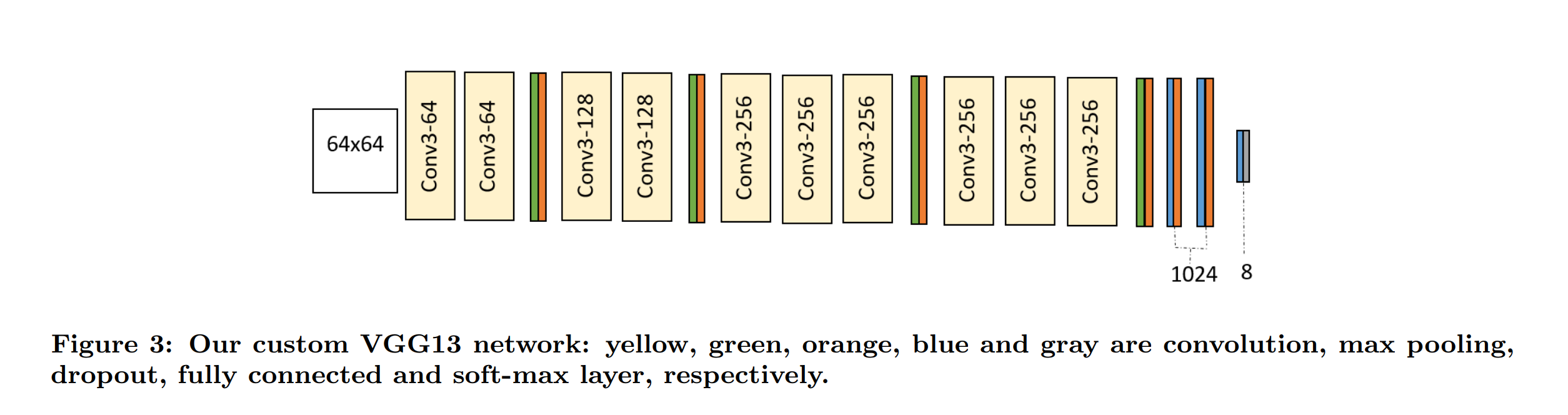"
|
||||
],
|
||||
"cell_type": "markdown"
|
||||
]
|
||||
},
|
||||
{
|
||||
"cell_type": "markdown",
|
||||
"metadata": {},
|
||||
"source": [
|
||||
"### Specify our Score and Environment Files"
|
||||
],
|
||||
"cell_type": "markdown"
|
||||
]
|
||||
},
|
||||
{
|
||||
"cell_type": "markdown",
|
||||
"metadata": {},
|
||||
"source": [
|
||||
"We are now going to deploy our ONNX Model on AML with inference in ONNX Runtime. We begin by writing a score.py file, which will help us run the model in our Azure ML virtual machine (VM), and then specify our environment by writing a yml file. You will also notice that we import the onnxruntime library to do runtime inference on our ONNX models (passing in input and evaluating out model's predicted output). More information on the API and commands can be found in the [ONNX Runtime documentation](https://aka.ms/onnxruntime).\n",
|
||||
@@ -267,13 +242,13 @@
|
||||
"### Write Score File\n",
|
||||
"\n",
|
||||
"A score file is what tells our Azure cloud service what to do. After initializing our model using azureml.core.model, we start an ONNX Runtime inference session to evaluate the data passed in on our function calls."
|
||||
],
|
||||
"cell_type": "markdown"
|
||||
]
|
||||
},
|
||||
{
|
||||
"cell_type": "code",
|
||||
"execution_count": null,
|
||||
"metadata": {},
|
||||
"outputs": [],
|
||||
"execution_count": null,
|
||||
"source": [
|
||||
"%%writefile score.py\n",
|
||||
"import json\n",
|
||||
@@ -339,20 +314,20 @@
|
||||
" prob = np.squeeze(prob)\n",
|
||||
" classes = np.argsort(prob)[::-1]\n",
|
||||
" return classes"
|
||||
],
|
||||
"cell_type": "code"
|
||||
]
|
||||
},
|
||||
{
|
||||
"cell_type": "markdown",
|
||||
"metadata": {},
|
||||
"source": [
|
||||
"### Write Environment File"
|
||||
],
|
||||
"cell_type": "markdown"
|
||||
]
|
||||
},
|
||||
{
|
||||
"cell_type": "code",
|
||||
"execution_count": null,
|
||||
"metadata": {},
|
||||
"outputs": [],
|
||||
"execution_count": null,
|
||||
"source": [
|
||||
"from azureml.core.conda_dependencies import CondaDependencies \n",
|
||||
"\n",
|
||||
@@ -360,72 +335,41 @@
|
||||
"\n",
|
||||
"with open(\"myenv.yml\",\"w\") as f:\n",
|
||||
" f.write(myenv.serialize_to_string())"
|
||||
],
|
||||
"cell_type": "code"
|
||||
]
|
||||
},
|
||||
{
|
||||
"cell_type": "markdown",
|
||||
"metadata": {},
|
||||
"source": [
|
||||
"### Create the Container Image\n",
|
||||
"\n",
|
||||
"This step will likely take a few minutes."
|
||||
],
|
||||
"cell_type": "markdown"
|
||||
"### Setup inference configuration"
|
||||
]
|
||||
},
|
||||
{
|
||||
"cell_type": "code",
|
||||
"execution_count": null,
|
||||
"metadata": {},
|
||||
"outputs": [],
|
||||
"execution_count": null,
|
||||
"source": [
|
||||
"from azureml.core.image import ContainerImage\n",
|
||||
"from azureml.core.model import InferenceConfig\n",
|
||||
"\n",
|
||||
"image_config = ContainerImage.image_configuration(execution_script = \"score.py\",\n",
|
||||
" runtime = \"python\",\n",
|
||||
" conda_file = \"myenv.yml\",\n",
|
||||
" docker_file = \"Dockerfile\",\n",
|
||||
" description = \"Emotion ONNX Runtime container\",\n",
|
||||
" tags = {\"demo\": \"onnx\"})\n",
|
||||
"\n",
|
||||
"\n",
|
||||
"image = ContainerImage.create(name = \"onnximage\",\n",
|
||||
" # this is the model object\n",
|
||||
" models = [model],\n",
|
||||
" image_config = image_config,\n",
|
||||
" workspace = ws)\n",
|
||||
"\n",
|
||||
"image.wait_for_creation(show_output = True)"
|
||||
],
|
||||
"cell_type": "code"
|
||||
"inference_config = InferenceConfig(runtime= \"python\", \n",
|
||||
" entry_script=\"score.py\",\n",
|
||||
" conda_file=\"myenv.yml\",\n",
|
||||
" extra_docker_file_steps = \"Dockerfile\")"
|
||||
]
|
||||
},
|
||||
{
|
||||
"cell_type": "markdown",
|
||||
"metadata": {},
|
||||
"source": [
|
||||
"In case you need to debug your code, the next line of code accesses the log file."
|
||||
],
|
||||
"cell_type": "markdown"
|
||||
"### Deploy the model"
|
||||
]
|
||||
},
|
||||
{
|
||||
"cell_type": "code",
|
||||
"execution_count": null,
|
||||
"metadata": {},
|
||||
"outputs": [],
|
||||
"execution_count": null,
|
||||
"source": [
|
||||
"print(image.image_build_log_uri)"
|
||||
],
|
||||
"cell_type": "code"
|
||||
},
|
||||
{
|
||||
"metadata": {},
|
||||
"source": [
|
||||
"We're all done specifying what we want our virtual machine to do. Let's configure and deploy our container image.\n",
|
||||
"\n",
|
||||
"### Deploy the container image"
|
||||
],
|
||||
"cell_type": "markdown"
|
||||
},
|
||||
{
|
||||
"metadata": {},
|
||||
"outputs": [],
|
||||
"execution_count": null,
|
||||
"source": [
|
||||
"from azureml.core.webservice import AciWebservice\n",
|
||||
"\n",
|
||||
@@ -433,40 +377,35 @@
|
||||
" memory_gb = 1, \n",
|
||||
" tags = {'demo': 'onnx'}, \n",
|
||||
" description = 'ONNX for emotion recognition model')"
|
||||
],
|
||||
"cell_type": "code"
|
||||
]
|
||||
},
|
||||
{
|
||||
"cell_type": "markdown",
|
||||
"metadata": {},
|
||||
"source": [
|
||||
"The following cell will likely take a few minutes to run as well."
|
||||
]
|
||||
},
|
||||
{
|
||||
"cell_type": "code",
|
||||
"execution_count": null,
|
||||
"metadata": {},
|
||||
"outputs": [],
|
||||
"execution_count": null,
|
||||
"source": [
|
||||
"from azureml.core.webservice import Webservice\n",
|
||||
"\n",
|
||||
"aci_service_name = 'onnx-demo-emotion'\n",
|
||||
"print(\"Service\", aci_service_name)\n",
|
||||
"\n",
|
||||
"aci_service = Webservice.deploy_from_image(deployment_config = aciconfig,\n",
|
||||
" image = image,\n",
|
||||
" name = aci_service_name,\n",
|
||||
" workspace = ws)\n",
|
||||
"\n",
|
||||
"aci_service = Model.deploy(ws, aci_service_name, [model], inference_config, aciconfig)\n",
|
||||
"aci_service.wait_for_deployment(True)\n",
|
||||
"print(aci_service.state)"
|
||||
],
|
||||
"cell_type": "code"
|
||||
},
|
||||
{
|
||||
"metadata": {},
|
||||
"source": [
|
||||
"The following cell will likely take a few minutes to run as well."
|
||||
],
|
||||
"cell_type": "markdown"
|
||||
]
|
||||
},
|
||||
{
|
||||
"cell_type": "code",
|
||||
"execution_count": null,
|
||||
"metadata": {},
|
||||
"outputs": [],
|
||||
"execution_count": null,
|
||||
"source": [
|
||||
"if aci_service.state != 'Healthy':\n",
|
||||
" # run this command for debugging.\n",
|
||||
@@ -474,10 +413,10 @@
|
||||
"\n",
|
||||
" # If your deployment fails, make sure to delete your aci_service before trying again!\n",
|
||||
" # aci_service.delete()"
|
||||
],
|
||||
"cell_type": "code"
|
||||
]
|
||||
},
|
||||
{
|
||||
"cell_type": "markdown",
|
||||
"metadata": {},
|
||||
"source": [
|
||||
"### Success!\n",
|
||||
@@ -485,24 +424,24 @@
|
||||
"If you've made it this far, you've deployed a working VM with a facial emotion recognition model running in the cloud using Azure ML. Congratulations!\n",
|
||||
"\n",
|
||||
"Let's see how well our model deals with our test images."
|
||||
],
|
||||
"cell_type": "markdown"
|
||||
]
|
||||
},
|
||||
{
|
||||
"cell_type": "markdown",
|
||||
"metadata": {},
|
||||
"source": [
|
||||
"## Testing and Evaluation\n",
|
||||
"\n",
|
||||
"### Useful Helper Functions\n",
|
||||
"\n",
|
||||
"We preprocess and postprocess our data (see score.py file) using the helper functions specified in the [ONNX FER+ Model page in the Model Zoo repository](https://github.com/onnx/models/tree/master/emotion_ferplus)."
|
||||
],
|
||||
"cell_type": "markdown"
|
||||
"We preprocess and postprocess our data (see score.py file) using the helper functions specified in the [ONNX FER+ Model page in the Model Zoo repository](https://github.com/onnx/models/tree/master/vision/body_analysis/emotion_ferplus)."
|
||||
]
|
||||
},
|
||||
{
|
||||
"cell_type": "code",
|
||||
"execution_count": null,
|
||||
"metadata": {},
|
||||
"outputs": [],
|
||||
"execution_count": null,
|
||||
"source": [
|
||||
"def emotion_map(classes, N=1):\n",
|
||||
" \"\"\"Take the most probable labels (output of postprocess) and returns the \n",
|
||||
@@ -530,10 +469,10 @@
|
||||
" prob = np.squeeze(prob)\n",
|
||||
" classes = np.argsort(prob)[::-1]\n",
|
||||
" return classes"
|
||||
],
|
||||
"cell_type": "code"
|
||||
]
|
||||
},
|
||||
{
|
||||
"cell_type": "markdown",
|
||||
"metadata": {},
|
||||
"source": [
|
||||
"### Load Test Data\n",
|
||||
@@ -541,13 +480,13 @@
|
||||
"These are already in your directory from your ONNX model download (from the model zoo).\n",
|
||||
"\n",
|
||||
"Notice that our Model Zoo files have a .pb extension. This is because they are [protobuf files (Protocol Buffers)](https://developers.google.com/protocol-buffers/docs/pythontutorial), so we need to read in our data through our ONNX TensorProto reader into a format we can work with, like numerical arrays."
|
||||
],
|
||||
"cell_type": "markdown"
|
||||
]
|
||||
},
|
||||
{
|
||||
"cell_type": "code",
|
||||
"execution_count": null,
|
||||
"metadata": {},
|
||||
"outputs": [],
|
||||
"execution_count": null,
|
||||
"source": [
|
||||
"# to manipulate our arrays\n",
|
||||
"import numpy as np \n",
|
||||
@@ -584,10 +523,10 @@
|
||||
" output_data = numpy_helper.to_array(tensor)\n",
|
||||
" output_processed = emotion_map(postprocess(output_data[0]))[0]\n",
|
||||
" test_outputs.append(output_processed)"
|
||||
],
|
||||
"cell_type": "code"
|
||||
]
|
||||
},
|
||||
{
|
||||
"cell_type": "markdown",
|
||||
"metadata": {
|
||||
"nbpresent": {
|
||||
"id": "c3f2f57c-7454-4d3e-b38d-b0946cf066ea"
|
||||
@@ -596,17 +535,17 @@
|
||||
"source": [
|
||||
"### Show some sample images\n",
|
||||
"We use `matplotlib` to plot 3 test images from the dataset."
|
||||
],
|
||||
"cell_type": "markdown"
|
||||
]
|
||||
},
|
||||
{
|
||||
"cell_type": "code",
|
||||
"execution_count": null,
|
||||
"metadata": {
|
||||
"nbpresent": {
|
||||
"id": "396d478b-34aa-4afa-9898-cdce8222a516"
|
||||
}
|
||||
},
|
||||
"outputs": [],
|
||||
"execution_count": null,
|
||||
"source": [
|
||||
"plt.figure(figsize = (20, 20))\n",
|
||||
"for test_image in np.arange(3):\n",
|
||||
@@ -617,20 +556,20 @@
|
||||
" plt.text(x = 10, y = -10, s = test_outputs[test_image], fontsize = 18)\n",
|
||||
" plt.imshow(test_inputs[test_image].reshape(64, 64), cmap = plt.cm.gray)\n",
|
||||
"plt.show()"
|
||||
],
|
||||
"cell_type": "code"
|
||||
]
|
||||
},
|
||||
{
|
||||
"cell_type": "markdown",
|
||||
"metadata": {},
|
||||
"source": [
|
||||
"### Run evaluation / prediction"
|
||||
],
|
||||
"cell_type": "markdown"
|
||||
]
|
||||
},
|
||||
{
|
||||
"cell_type": "code",
|
||||
"execution_count": null,
|
||||
"metadata": {},
|
||||
"outputs": [],
|
||||
"execution_count": null,
|
||||
"source": [
|
||||
"plt.figure(figsize = (16, 6), frameon=False)\n",
|
||||
"plt.subplot(1, 8, 1)\n",
|
||||
@@ -679,20 +618,20 @@
|
||||
" plt.imshow(test_inputs[i].reshape(64, 64), cmap = clr_map)\n",
|
||||
"\n",
|
||||
"plt.show()"
|
||||
],
|
||||
"cell_type": "code"
|
||||
]
|
||||
},
|
||||
{
|
||||
"cell_type": "markdown",
|
||||
"metadata": {},
|
||||
"source": [
|
||||
"### Try classifying your own images!"
|
||||
],
|
||||
"cell_type": "markdown"
|
||||
]
|
||||
},
|
||||
{
|
||||
"cell_type": "code",
|
||||
"execution_count": null,
|
||||
"metadata": {},
|
||||
"outputs": [],
|
||||
"execution_count": null,
|
||||
"source": [
|
||||
"# Preprocessing functions take your image and format it so it can be passed\n",
|
||||
"# as input into our ONNX model\n",
|
||||
@@ -718,13 +657,13 @@
|
||||
" grayscale = rgb2gray(img_to_preprocess)\n",
|
||||
" processed_img = resize_img(grayscale)\n",
|
||||
" return processed_img"
|
||||
],
|
||||
"cell_type": "code"
|
||||
]
|
||||
},
|
||||
{
|
||||
"cell_type": "code",
|
||||
"execution_count": null,
|
||||
"metadata": {},
|
||||
"outputs": [],
|
||||
"execution_count": null,
|
||||
"source": [
|
||||
"# Replace the following string with your own path/test image\n",
|
||||
"# Make sure your image is square and the dimensions are equal (i.e. 100 * 100 pixels or 28 * 28 pixels)\n",
|
||||
@@ -747,13 +686,13 @@
|
||||
" print(\"New Dimensions: \", img.shape)\n",
|
||||
"else:\n",
|
||||
" img = None"
|
||||
],
|
||||
"cell_type": "code"
|
||||
]
|
||||
},
|
||||
{
|
||||
"cell_type": "code",
|
||||
"execution_count": null,
|
||||
"metadata": {},
|
||||
"outputs": [],
|
||||
"execution_count": null,
|
||||
"source": [
|
||||
"if img is None:\n",
|
||||
" print(\"Add the path for your image data.\")\n",
|
||||
@@ -778,21 +717,21 @@
|
||||
" plt.text(x = -10, y = -10, s = \"Model Input image: \", fontsize = 14)\n",
|
||||
" plt.imshow(img.reshape((64, 64)), cmap = plt.cm.gray) \n",
|
||||
" "
|
||||
],
|
||||
"cell_type": "code"
|
||||
]
|
||||
},
|
||||
{
|
||||
"cell_type": "code",
|
||||
"execution_count": null,
|
||||
"metadata": {},
|
||||
"outputs": [],
|
||||
"execution_count": null,
|
||||
"source": [
|
||||
"# remember to delete your service after you are done using it!\n",
|
||||
"\n",
|
||||
"# aci_service.delete()"
|
||||
],
|
||||
"cell_type": "code"
|
||||
]
|
||||
},
|
||||
{
|
||||
"cell_type": "markdown",
|
||||
"metadata": {},
|
||||
"source": [
|
||||
"## Conclusion\n",
|
||||
@@ -808,9 +747,34 @@
|
||||
"- If you have not already, check out another interesting ONNX/AML application that lets you set up a state-of-the-art [handwritten image classification model (MNIST)](https://github.com/Azure/MachineLearningNotebooks/blob/master/how-to-use-azureml/deployment/onnx/onnx-inference-mnist-deploy.ipynb) in the cloud! This tutorial deploys a pre-trained ONNX Computer Vision model for handwritten digit classification in an Azure ML virtual machine.\n",
|
||||
"- Keep an eye out for an updated version of this tutorial that uses ONNX Runtime GPU.\n",
|
||||
"- Contribute to our [open source ONNX repository on github](http://github.com/onnx/onnx) and/or add to our [ONNX model zoo](http://github.com/onnx/models)"
|
||||
],
|
||||
"cell_type": "markdown"
|
||||
]
|
||||
}
|
||||
],
|
||||
"metadata": {
|
||||
"authors": [
|
||||
{
|
||||
"name": "viswamy"
|
||||
}
|
||||
],
|
||||
"kernelspec": {
|
||||
"display_name": "Python 3.6",
|
||||
"language": "python",
|
||||
"name": "python36"
|
||||
},
|
||||
"language_info": {
|
||||
"codemirror_mode": {
|
||||
"name": "ipython",
|
||||
"version": 3
|
||||
},
|
||||
"file_extension": ".py",
|
||||
"mimetype": "text/x-python",
|
||||
"name": "python",
|
||||
"nbconvert_exporter": "python",
|
||||
"pygments_lexer": "ipython3",
|
||||
"version": "3.6.5"
|
||||
},
|
||||
"msauthor": "vinitra.swamy"
|
||||
},
|
||||
"nbformat": 4,
|
||||
"nbformat_minor": 2
|
||||
}
|
||||
@@ -1,47 +1,22 @@
|
||||
{
|
||||
"metadata": {
|
||||
"kernelspec": {
|
||||
"display_name": "Python 3.6",
|
||||
"name": "python36",
|
||||
"language": "python"
|
||||
},
|
||||
"msauthor": "vinitra.swamy",
|
||||
"authors": [
|
||||
{
|
||||
"name": "viswamy"
|
||||
}
|
||||
],
|
||||
"language_info": {
|
||||
"mimetype": "text/x-python",
|
||||
"codemirror_mode": {
|
||||
"name": "ipython",
|
||||
"version": 3
|
||||
},
|
||||
"pygments_lexer": "ipython3",
|
||||
"name": "python",
|
||||
"file_extension": ".py",
|
||||
"nbconvert_exporter": "python",
|
||||
"version": "3.6.5"
|
||||
}
|
||||
},
|
||||
"nbformat": 4,
|
||||
"cells": [
|
||||
{
|
||||
"cell_type": "markdown",
|
||||
"metadata": {},
|
||||
"source": [
|
||||
"Copyright (c) Microsoft Corporation. All rights reserved. \n",
|
||||
"Licensed under the MIT License."
|
||||
],
|
||||
"cell_type": "markdown"
|
||||
]
|
||||
},
|
||||
{
|
||||
"cell_type": "markdown",
|
||||
"metadata": {},
|
||||
"source": [
|
||||
""
|
||||
],
|
||||
"cell_type": "markdown"
|
||||
]
|
||||
},
|
||||
{
|
||||
"cell_type": "markdown",
|
||||
"metadata": {},
|
||||
"source": [
|
||||
"# Handwritten Digit Classification (MNIST) using ONNX Runtime on Azure ML\n",
|
||||
@@ -57,10 +32,10 @@
|
||||
"- Describe the MNIST dataset and pretrained Convolutional Neural Net ONNX model, stored in the ONNX model zoo.\n",
|
||||
"- Deploy and run the pretrained MNIST ONNX model on an Azure Machine Learning instance\n",
|
||||
"- Predict labels for test set data points in the cloud using ONNX Runtime and Azure ML"
|
||||
],
|
||||
"cell_type": "markdown"
|
||||
]
|
||||
},
|
||||
{
|
||||
"cell_type": "markdown",
|
||||
"metadata": {},
|
||||
"source": [
|
||||
"## Prerequisites\n",
|
||||
@@ -79,14 +54,14 @@
|
||||
"\n",
|
||||
"### 3. Download sample data and pre-trained ONNX model from ONNX Model Zoo.\n",
|
||||
"\n",
|
||||
"In the following lines of code, we download [the trained ONNX MNIST model and corresponding test data](https://github.com/onnx/models/tree/master/mnist) and place them in the same folder as this tutorial notebook. For more information about the MNIST dataset, please visit [Yan LeCun's website](http://yann.lecun.com/exdb/mnist/)."
|
||||
],
|
||||
"cell_type": "markdown"
|
||||
"In the following lines of code, we download [the trained ONNX MNIST model and corresponding test data](https://github.com/onnx/models/tree/master/vision/classification/mnist) and place them in the same folder as this tutorial notebook. For more information about the MNIST dataset, please visit [Yan LeCun's website](http://yann.lecun.com/exdb/mnist/)."
|
||||
]
|
||||
},
|
||||
{
|
||||
"cell_type": "code",
|
||||
"execution_count": null,
|
||||
"metadata": {},
|
||||
"outputs": [],
|
||||
"execution_count": null,
|
||||
"source": [
|
||||
"# urllib is a built-in Python library to download files from URLs\n",
|
||||
"\n",
|
||||
@@ -98,13 +73,13 @@
|
||||
"onnx_model_url = \"https://www.cntk.ai/OnnxModels/mnist/opset_7/mnist.tar.gz\"\n",
|
||||
"\n",
|
||||
"urllib.request.urlretrieve(onnx_model_url, filename=\"mnist.tar.gz\")"
|
||||
],
|
||||
"cell_type": "code"
|
||||
]
|
||||
},
|
||||
{
|
||||
"cell_type": "code",
|
||||
"execution_count": null,
|
||||
"metadata": {},
|
||||
"outputs": [],
|
||||
"execution_count": null,
|
||||
"source": [
|
||||
"# the ! magic command tells our jupyter notebook kernel to run the following line of \n",
|
||||
"# code from the command line instead of the notebook kernel\n",
|
||||
@@ -112,10 +87,10 @@
|
||||
"# We use tar and xvcf to unzip the files we just retrieved from the ONNX model zoo\n",
|
||||
"\n",
|
||||
"!tar xvzf mnist.tar.gz"
|
||||
],
|
||||
"cell_type": "code"
|
||||
]
|
||||
},
|
||||
{
|
||||
"cell_type": "markdown",
|
||||
"metadata": {},
|
||||
"source": [
|
||||
"## Deploy a VM with your ONNX model in the Cloud\n",
|
||||
@@ -123,55 +98,55 @@
|
||||
"### Load Azure ML workspace\n",
|
||||
"\n",
|
||||
"We begin by instantiating a workspace object from the existing workspace created earlier in the configuration notebook."
|
||||
],
|
||||
"cell_type": "markdown"
|
||||
]
|
||||
},
|
||||
{
|
||||
"cell_type": "code",
|
||||
"execution_count": null,
|
||||
"metadata": {},
|
||||
"outputs": [],
|
||||
"execution_count": null,
|
||||
"source": [
|
||||
"# Check core SDK version number\n",
|
||||
"import azureml.core\n",
|
||||
"\n",
|
||||
"print(\"SDK version:\", azureml.core.VERSION)"
|
||||
],
|
||||
"cell_type": "code"
|
||||
]
|
||||
},
|
||||
{
|
||||
"cell_type": "code",
|
||||
"execution_count": null,
|
||||
"metadata": {},
|
||||
"outputs": [],
|
||||
"execution_count": null,
|
||||
"source": [
|
||||
"from azureml.core import Workspace\n",
|
||||
"\n",
|
||||
"ws = Workspace.from_config()\n",
|
||||
"print(ws.name, ws.resource_group, ws.location, sep = '\\n')"
|
||||
],
|
||||
"cell_type": "code"
|
||||
]
|
||||
},
|
||||
{
|
||||
"cell_type": "markdown",
|
||||
"metadata": {},
|
||||
"source": [
|
||||
"### Registering your model with Azure ML"
|
||||
],
|
||||
"cell_type": "markdown"
|
||||
]
|
||||
},
|
||||
{
|
||||
"cell_type": "code",
|
||||
"execution_count": null,
|
||||
"metadata": {},
|
||||
"outputs": [],
|
||||
"execution_count": null,
|
||||
"source": [
|
||||
"model_dir = \"mnist\" # replace this with the location of your model files\n",
|
||||
"\n",
|
||||
"# leave as is if it's in the same folder as this notebook"
|
||||
],
|
||||
"cell_type": "code"
|
||||
]
|
||||
},
|
||||
{
|
||||
"cell_type": "code",
|
||||
"execution_count": null,
|
||||
"metadata": {},
|
||||
"outputs": [],
|
||||
"execution_count": null,
|
||||
"source": [
|
||||
"from azureml.core.model import Model\n",
|
||||
"\n",
|
||||
@@ -180,30 +155,30 @@
|
||||
" model_name = \"mnist_1\",\n",
|
||||
" tags = {\"onnx\": \"demo\"},\n",
|
||||
" description = \"MNIST image classification CNN from ONNX Model Zoo\",)"
|
||||
],
|
||||
"cell_type": "code"
|
||||
]
|
||||
},
|
||||
{
|
||||
"cell_type": "markdown",
|
||||
"metadata": {},
|
||||
"source": [
|
||||
"### Optional: Displaying your registered models\n",
|
||||
"\n",
|
||||
"This step is not required, so feel free to skip it."
|
||||
],
|
||||
"cell_type": "markdown"
|
||||
]
|
||||
},
|
||||
{
|
||||
"cell_type": "code",
|
||||
"execution_count": null,
|
||||
"metadata": {},
|
||||
"outputs": [],
|
||||
"execution_count": null,
|
||||
"source": [
|
||||
"models = ws.models\n",
|
||||
"for name, m in models.items():\n",
|
||||
" print(\"Name:\", name,\"\\tVersion:\", m.version, \"\\tDescription:\", m.description, m.tags)"
|
||||
],
|
||||
"cell_type": "code"
|
||||
]
|
||||
},
|
||||
{
|
||||
"cell_type": "markdown",
|
||||
"metadata": {
|
||||
"nbpresent": {
|
||||
"id": "c3f2f57c-7454-4d3e-b38d-b0946cf066ea"
|
||||
@@ -212,7 +187,7 @@
|
||||
"source": [
|
||||
"### ONNX MNIST Model Methodology\n",
|
||||
"\n",
|
||||
"The image classification model we are using is pre-trained using Microsoft's deep learning cognitive toolkit, [CNTK](https://github.com/Microsoft/CNTK), from the [ONNX model zoo](http://github.com/onnx/models). The model zoo has many other models that can be deployed on cloud providers like AzureML without any additional training. To ensure that our cloud deployed model works, we use testing data from the famous MNIST data set, provided as part of the [trained MNIST model](https://github.com/onnx/models/tree/master/mnist) in the ONNX model zoo.\n",
|
||||
"The image classification model we are using is pre-trained using Microsoft's deep learning cognitive toolkit, [CNTK](https://github.com/Microsoft/CNTK), from the [ONNX model zoo](http://github.com/onnx/models). The model zoo has many other models that can be deployed on cloud providers like AzureML without any additional training. To ensure that our cloud deployed model works, we use testing data from the famous MNIST data set, provided as part of the [trained MNIST model](https://github.com/onnx/models/tree/master/vision/classification/mnist) in the ONNX model zoo.\n",
|
||||
"\n",
|
||||
"***Input: Handwritten Images from MNIST Dataset***\n",
|
||||
"\n",
|
||||
@@ -221,13 +196,13 @@
|
||||
"***Output: Digit prediction for input image***\n",
|
||||
"\n",
|
||||
"Run the cell below to look at some of the sample images from the MNIST dataset that we used to train this ONNX model. Remember, once the application is deployed in Azure ML, you can use your own images as input for the model to classify!"
|
||||
],
|
||||
"cell_type": "markdown"
|
||||
]
|
||||
},
|
||||
{
|
||||
"cell_type": "code",
|
||||
"execution_count": null,
|
||||
"metadata": {},
|
||||
"outputs": [],
|
||||
"execution_count": null,
|
||||
"source": [
|
||||
"# for images and plots in this notebook\n",
|
||||
"import matplotlib.pyplot as plt \n",
|
||||
@@ -235,26 +210,26 @@
|
||||
"\n",
|
||||
"# display images inline\n",
|
||||
"%matplotlib inline"
|
||||
],
|
||||
"cell_type": "code"
|
||||
]
|
||||
},
|
||||
{
|
||||
"cell_type": "code",
|
||||
"execution_count": null,
|
||||
"metadata": {},
|
||||
"outputs": [],
|
||||
"execution_count": null,
|
||||
"source": [
|
||||
"Image(url=\"http://3.bp.blogspot.com/_UpN7DfJA0j4/TJtUBWPk0SI/AAAAAAAAABY/oWPMtmqJn3k/s1600/mnist_originals.png\", width=200, height=200)"
|
||||
],
|
||||
"cell_type": "code"
|
||||
]
|
||||
},
|
||||
{
|
||||
"cell_type": "markdown",
|
||||
"metadata": {},
|
||||
"source": [
|
||||
"### Specify our Score and Environment Files"
|
||||
],
|
||||
"cell_type": "markdown"
|
||||
]
|
||||
},
|
||||
{
|
||||
"cell_type": "markdown",
|
||||
"metadata": {},
|
||||
"source": [
|
||||
"We are now going to deploy our ONNX Model on AML with inference in ONNX Runtime. We begin by writing a score.py file, which will help us run the model in our Azure ML virtual machine (VM), and then specify our environment by writing a yml file. You will also notice that we import the onnxruntime library to do runtime inference on our ONNX models (passing in input and evaluating out model's predicted output). More information on the API and commands can be found in the [ONNX Runtime documentation](https://aka.ms/onnxruntime).\n",
|
||||
@@ -262,13 +237,13 @@
|
||||
"### Write Score File\n",
|
||||
"\n",
|
||||
"A score file is what tells our Azure cloud service what to do. After initializing our model using azureml.core.model, we start an ONNX Runtime inference session to evaluate the data passed in on our function calls."
|
||||
],
|
||||
"cell_type": "markdown"
|
||||
]
|
||||
},
|
||||
{
|
||||
"cell_type": "code",
|
||||
"execution_count": null,
|
||||
"metadata": {},
|
||||
"outputs": [],
|
||||
"execution_count": null,
|
||||
"source": [
|
||||
"%%writefile score.py\n",
|
||||
"import json\n",
|
||||
@@ -321,22 +296,22 @@
|
||||
"def choose_class(result_prob):\n",
|
||||
" \"\"\"We use argmax to determine the right label to choose from our output\"\"\"\n",
|
||||
" return int(np.argmax(result_prob, axis=0))"
|
||||
],
|
||||
"cell_type": "code"
|
||||
]
|
||||
},
|
||||
{
|
||||
"cell_type": "markdown",
|
||||
"metadata": {},
|
||||
"source": [
|
||||
"### Write Environment File\n",
|
||||
"\n",
|
||||
"This step creates a YAML environment file that specifies which dependencies we would like to see in our Linux Virtual Machine."
|
||||
],
|
||||
"cell_type": "markdown"
|
||||
]
|
||||
},
|
||||
{
|
||||
"cell_type": "code",
|
||||
"execution_count": null,
|
||||
"metadata": {},
|
||||
"outputs": [],
|
||||
"execution_count": null,
|
||||
"source": [
|
||||
"from azureml.core.conda_dependencies import CondaDependencies \n",
|
||||
"\n",
|
||||
@@ -344,71 +319,41 @@
|
||||
"\n",
|
||||
"with open(\"myenv.yml\",\"w\") as f:\n",
|
||||
" f.write(myenv.serialize_to_string())"
|
||||
],
|
||||
"cell_type": "code"
|
||||
]
|
||||
},
|
||||
{
|
||||
"cell_type": "markdown",
|
||||
"metadata": {},
|
||||
"source": [
|
||||
"### Create the Container Image\n",
|
||||
"This step will likely take a few minutes."
|
||||
],
|
||||
"cell_type": "markdown"
|
||||
"### Create Inference Configuration"
|
||||
]
|
||||
},
|
||||
{
|
||||
"cell_type": "code",
|
||||
"execution_count": null,
|
||||
"metadata": {},
|
||||
"outputs": [],
|
||||
"execution_count": null,
|
||||
"source": [
|
||||
"from azureml.core.image import ContainerImage\n",
|
||||
"from azureml.core.model import InferenceConfig\n",
|
||||
"\n",
|
||||
"image_config = ContainerImage.image_configuration(execution_script = \"score.py\",\n",
|
||||
" runtime = \"python\",\n",
|
||||
" conda_file = \"myenv.yml\",\n",
|
||||
" docker_file = \"Dockerfile\",\n",
|
||||
" description = \"MNIST ONNX Runtime container\",\n",
|
||||
" tags = {\"demo\": \"onnx\"}) \n",
|
||||
"\n",
|
||||
"\n",
|
||||
"image = ContainerImage.create(name = \"onnximage\",\n",
|
||||
" # this is the model object\n",
|
||||
" models = [model],\n",
|
||||
" image_config = image_config,\n",
|
||||
" workspace = ws)\n",
|
||||
"\n",
|
||||
"image.wait_for_creation(show_output = True)"
|
||||
],
|
||||
"cell_type": "code"
|
||||
"inference_config = InferenceConfig(runtime= \"python\", \n",
|
||||
" entry_script=\"score.py\",\n",
|
||||
" extra_docker_file_steps = \"Dockerfile\",\n",
|
||||
" conda_file=\"myenv.yml\")"
|
||||
]
|
||||
},
|
||||
{
|
||||
"cell_type": "markdown",
|
||||
"metadata": {},
|
||||
"source": [
|
||||
"In case you need to debug your code, the next line of code accesses the log file."
|
||||
],
|
||||
"cell_type": "markdown"
|
||||
"### Deploy the model"
|
||||
]
|
||||
},
|
||||
{
|
||||
"cell_type": "code",
|
||||
"execution_count": null,
|
||||
"metadata": {},
|
||||
"outputs": [],
|
||||
"execution_count": null,
|
||||
"source": [
|
||||
"print(image.image_build_log_uri)"
|
||||
],
|
||||
"cell_type": "code"
|
||||
},
|
||||
{
|
||||
"metadata": {},
|
||||
"source": [
|
||||
"We're all done specifying what we want our virtual machine to do. Let's configure and deploy our container image.\n",
|
||||
"\n",
|
||||
"### Deploy the container image"
|
||||
],
|
||||
"cell_type": "markdown"
|
||||
},
|
||||
{
|
||||
"metadata": {},
|
||||
"outputs": [],
|
||||
"execution_count": null,
|
||||
"source": [
|
||||
"from azureml.core.webservice import AciWebservice\n",
|
||||
"\n",
|
||||
@@ -416,40 +361,35 @@
|
||||
" memory_gb = 1, \n",
|
||||
" tags = {'demo': 'onnx'}, \n",
|
||||
" description = 'ONNX for mnist model')"
|
||||
],
|
||||
"cell_type": "code"
|
||||
]
|
||||
},
|
||||
{
|
||||
"cell_type": "markdown",
|
||||
"metadata": {},
|
||||
"source": [
|
||||
"The following cell will likely take a few minutes to run as well."
|
||||
],
|
||||
"cell_type": "markdown"
|
||||
"The following cell will likely take a few minutes to run."
|
||||
]
|
||||
},
|
||||
{
|
||||
"cell_type": "code",
|
||||
"execution_count": null,
|
||||
"metadata": {},
|
||||
"outputs": [],
|
||||
"execution_count": null,
|
||||
"source": [
|
||||
"from azureml.core.webservice import Webservice\n",
|
||||
"\n",
|
||||
"aci_service_name = 'onnx-demo-mnist'\n",
|
||||
"print(\"Service\", aci_service_name)\n",
|
||||
"\n",
|
||||
"aci_service = Webservice.deploy_from_image(deployment_config = aciconfig,\n",
|
||||
" image = image,\n",
|
||||
" name = aci_service_name,\n",
|
||||
" workspace = ws)\n",
|
||||
"\n",
|
||||
"aci_service = Model.deploy(ws, aci_service_name, [model], inference_config, aciconfig)\n",
|
||||
"aci_service.wait_for_deployment(True)\n",
|
||||
"print(aci_service.state)"
|
||||
],
|
||||
"cell_type": "code"
|
||||
]
|
||||
},
|
||||
{
|
||||
"cell_type": "code",
|
||||
"execution_count": null,
|
||||
"metadata": {},
|
||||
"outputs": [],
|
||||
"execution_count": null,
|
||||
"source": [
|
||||
"if aci_service.state != 'Healthy':\n",
|
||||
" # run this command for debugging.\n",
|
||||
@@ -457,10 +397,10 @@
|
||||
"\n",
|
||||
" # If your deployment fails, make sure to delete your aci_service or rename your service before trying again!\n",
|
||||
" # aci_service.delete()"
|
||||
],
|
||||
"cell_type": "code"
|
||||
]
|
||||
},
|
||||
{
|
||||
"cell_type": "markdown",
|
||||
"metadata": {},
|
||||
"source": [
|
||||
"### Success!\n",
|
||||
@@ -468,19 +408,19 @@
|
||||
"If you've made it this far, you've deployed a working VM with a handwritten digit classifier running in the cloud using Azure ML. Congratulations!\n",
|
||||
"\n",
|
||||
"You can get the URL for the webservice with the code below. Let's now see how well our model deals with our test images."
|
||||
],
|
||||
"cell_type": "markdown"
|
||||
]
|
||||
},
|
||||
{
|
||||
"cell_type": "code",
|
||||
"execution_count": null,
|
||||
"metadata": {},
|
||||
"outputs": [],
|
||||
"execution_count": null,
|
||||
"source": [
|
||||
"print(aci_service.scoring_uri)"
|
||||
],
|
||||
"cell_type": "code"
|
||||
]
|
||||
},
|
||||
{
|
||||
"cell_type": "markdown",
|
||||
"metadata": {},
|
||||
"source": [
|
||||
"## Testing and Evaluation\n",
|
||||
@@ -490,13 +430,13 @@
|
||||
"These are already in your directory from your ONNX model download (from the model zoo).\n",
|
||||
"\n",
|
||||
"Notice that our Model Zoo files have a .pb extension. This is because they are [protobuf files (Protocol Buffers)](https://developers.google.com/protocol-buffers/docs/pythontutorial), so we need to read in our data through our ONNX TensorProto reader into a format we can work with, like numerical arrays."
|
||||
],
|
||||
"cell_type": "markdown"
|
||||
]
|
||||
},
|
||||
{
|
||||
"cell_type": "code",
|
||||
"execution_count": null,
|
||||
"metadata": {},
|
||||
"outputs": [],
|
||||
"execution_count": null,
|
||||
"source": [
|
||||
"# to manipulate our arrays\n",
|
||||
"import numpy as np \n",
|
||||
@@ -535,10 +475,10 @@
|
||||
" \n",
|
||||
"if len(test_inputs) == test_data_size:\n",
|
||||
" print('Test data loaded successfully.')"
|
||||
],
|
||||
"cell_type": "code"
|
||||
]
|
||||
},
|
||||
{
|
||||
"cell_type": "markdown",
|
||||
"metadata": {
|
||||
"nbpresent": {
|
||||
"id": "c3f2f57c-7454-4d3e-b38d-b0946cf066ea"
|
||||
@@ -547,17 +487,17 @@
|
||||
"source": [
|
||||
"### Show some sample images\n",
|
||||
"We use `matplotlib` to plot 3 test images from the dataset."
|
||||
],
|
||||
"cell_type": "markdown"
|
||||
]
|
||||
},
|
||||
{
|
||||
"cell_type": "code",
|
||||
"execution_count": null,
|
||||
"metadata": {
|
||||
"nbpresent": {
|
||||
"id": "396d478b-34aa-4afa-9898-cdce8222a516"
|
||||
}
|
||||
},
|
||||
"outputs": [],
|
||||
"execution_count": null,
|
||||
"source": [
|
||||
"plt.figure(figsize = (16, 6))\n",
|
||||
"for test_image in np.arange(3):\n",
|
||||
@@ -566,20 +506,20 @@
|
||||
" plt.axvline('')\n",
|
||||
" plt.imshow(test_inputs[test_image].reshape(28, 28), cmap = plt.cm.Greys)\n",
|
||||
"plt.show()"
|
||||
],
|
||||
"cell_type": "code"
|
||||
]
|
||||
},
|
||||
{
|
||||
"cell_type": "markdown",
|
||||
"metadata": {},
|
||||
"source": [
|
||||
"### Run evaluation / prediction"
|
||||
],
|
||||
"cell_type": "markdown"
|
||||
]
|
||||
},
|
||||
{
|
||||
"cell_type": "code",
|
||||
"execution_count": null,
|
||||
"metadata": {},
|
||||
"outputs": [],
|
||||
"execution_count": null,
|
||||
"source": [
|
||||
"plt.figure(figsize = (16, 6), frameon=False)\n",
|
||||
"plt.subplot(1, 8, 1)\n",
|
||||
@@ -628,22 +568,22 @@
|
||||
" plt.imshow(test_inputs[i].reshape(28, 28), cmap = clr_map)\n",
|
||||
"\n",
|
||||
"plt.show()"
|
||||
],
|
||||
"cell_type": "code"
|
||||
]
|
||||
},
|
||||
{
|
||||
"cell_type": "markdown",
|
||||
"metadata": {},
|
||||
"source": [
|
||||
"### Try classifying your own images!\n",
|
||||
"\n",
|
||||
"Create your own handwritten image and pass it into the model."
|
||||
],
|
||||
"cell_type": "markdown"
|
||||
]
|
||||
},
|
||||
{
|
||||
"cell_type": "code",
|
||||
"execution_count": null,
|
||||
"metadata": {},
|
||||
"outputs": [],
|
||||
"execution_count": null,
|
||||
"source": [
|
||||
"# Preprocessing functions take your image and format it so it can be passed\n",
|
||||
"# as input into our ONNX model\n",
|
||||
@@ -669,13 +609,13 @@
|
||||
" grayscale = rgb2gray(img_to_preprocess)\n",
|
||||
" processed_img = resize_img(grayscale)\n",
|
||||
" return processed_img"
|
||||
],
|
||||
"cell_type": "code"
|
||||
]
|
||||
},
|
||||
{
|
||||
"cell_type": "code",
|
||||
"execution_count": null,
|
||||
"metadata": {},
|
||||
"outputs": [],
|
||||
"execution_count": null,
|
||||
"source": [
|
||||
"# Replace this string with your own path/test image\n",
|
||||
"# Make sure your image is square and the dimensions are equal (i.e. 100 * 100 pixels or 28 * 28 pixels)\n",
|
||||
@@ -697,13 +637,13 @@
|
||||
" print(\"New Dimensions: \", img.shape)\n",
|
||||
"else:\n",
|
||||
" img = None"
|
||||
],
|
||||
"cell_type": "code"
|
||||
]
|
||||
},
|
||||
{
|
||||
"cell_type": "code",
|
||||
"execution_count": null,
|
||||
"metadata": {},
|
||||
"outputs": [],
|
||||
"execution_count": null,
|
||||
"source": [
|
||||
"if img is None:\n",
|
||||
" print(\"Add the path for your image data.\")\n",
|
||||
@@ -727,10 +667,10 @@
|
||||
" plt.text(x = 0, y = -10, s = str(time_ms) + \" ms\", fontsize = 14)\n",
|
||||
" plt.text(x = -100, y = 14, s = \"Input image: \", fontsize = 14)\n",
|
||||
" plt.imshow(img.reshape(28, 28), cmap = plt.cm.gray) "
|
||||
],
|
||||
"cell_type": "code"
|
||||
]
|
||||
},
|
||||
{
|
||||
"cell_type": "markdown",
|
||||
"metadata": {},
|
||||
"source": [
|
||||
"## Optional: How does our ONNX MNIST model work? \n",
|
||||
@@ -747,57 +687,57 @@
|
||||
"\n",
|
||||
"\n",
|
||||
"These filters are scanned across the image performing the dot product between the weights and corresponding input value ($x$). The bias value is added to the output of the dot product and the resulting sum is optionally mapped through an activation function. This process is illustrated in the following animation."
|
||||
],
|
||||
"cell_type": "markdown"
|
||||
]
|
||||
},
|
||||
{
|
||||
"cell_type": "code",
|
||||
"execution_count": null,
|
||||
"metadata": {},
|
||||
"outputs": [],
|
||||
"execution_count": null,
|
||||
"source": [
|
||||
"Image(url=\"https://www.cntk.ai/jup/cntk103d_conv2d_final.gif\", width= 200)"
|
||||
],
|
||||
"cell_type": "code"
|
||||
]
|
||||
},
|
||||
{
|
||||
"cell_type": "markdown",
|
||||
"metadata": {},
|
||||
"source": [
|
||||
"### Model Description\n",
|
||||
"\n",
|
||||
"The MNIST model from the ONNX Model Zoo uses maxpooling to update the weights in its convolutions, summarized by the graphic below. You can see the entire workflow of our pre-trained model in the following image, with our input images and our output probabilities of each of our 10 labels. If you're interested in exploring the logic behind creating a Deep Learning model further, please look at the [training tutorial for our ONNX MNIST Convolutional Neural Network](https://github.com/Microsoft/CNTK/blob/master/Tutorials/CNTK_103D_MNIST_ConvolutionalNeuralNetwork.ipynb). "
|
||||
],
|
||||
"cell_type": "markdown"
|
||||
]
|
||||
},
|
||||
{
|
||||
"cell_type": "markdown",
|
||||
"metadata": {},
|
||||
"source": [
|
||||
"#### Max-Pooling for Convolutional Neural Nets\n",
|
||||
"\n",
|
||||
""
|
||||
],
|
||||
"cell_type": "markdown"
|
||||
]
|
||||
},
|
||||
{
|
||||
"cell_type": "markdown",
|
||||
"metadata": {},
|
||||
"source": [
|
||||
"#### Pre-Trained Model Architecture\n",
|
||||
"\n",
|
||||
""
|
||||
],
|
||||
"cell_type": "markdown"
|
||||
]
|
||||
},
|
||||
{
|
||||
"cell_type": "code",
|
||||
"execution_count": null,
|
||||
"metadata": {},
|
||||
"outputs": [],
|
||||
"execution_count": null,
|
||||
"source": [
|
||||
"# remember to delete your service after you are done using it!\n",
|
||||
"\n",
|
||||
"# aci_service.delete()"
|
||||
],
|
||||
"cell_type": "code"
|
||||
]
|
||||
},
|
||||
{
|
||||
"cell_type": "markdown",
|
||||
"metadata": {},
|
||||
"source": [
|
||||
"## Conclusion\n",
|
||||
@@ -812,9 +752,34 @@
|
||||
"Next steps:\n",
|
||||
"- Check out another interesting application based on a Microsoft Research computer vision paper that lets you set up a [facial emotion recognition model](https://github.com/Azure/MachineLearningNotebooks/blob/master/how-to-use-azureml/deployment/onnx/onnx-inference-facial-expression-recognition-deploy.ipynb) in the cloud! This tutorial deploys a pre-trained ONNX Computer Vision model in an Azure ML virtual machine.\n",
|
||||
"- Contribute to our [open source ONNX repository on github](http://github.com/onnx/onnx) and/or add to our [ONNX model zoo](http://github.com/onnx/models)"
|
||||
],
|
||||
"cell_type": "markdown"
|
||||
]
|
||||
}
|
||||
],
|
||||
"metadata": {
|
||||
"authors": [
|
||||
{
|
||||
"name": "viswamy"
|
||||
}
|
||||
],
|
||||
"kernelspec": {
|
||||
"display_name": "Python 3.6",
|
||||
"language": "python",
|
||||
"name": "python36"
|
||||
},
|
||||
"language_info": {
|
||||
"codemirror_mode": {
|
||||
"name": "ipython",
|
||||
"version": 3
|
||||
},
|
||||
"file_extension": ".py",
|
||||
"mimetype": "text/x-python",
|
||||
"name": "python",
|
||||
"nbconvert_exporter": "python",
|
||||
"pygments_lexer": "ipython3",
|
||||
"version": "3.6.5"
|
||||
},
|
||||
"msauthor": "vinitra.swamy"
|
||||
},
|
||||
"nbformat": 4,
|
||||
"nbformat_minor": 2
|
||||
}
|
||||
@@ -1,47 +1,23 @@
|
||||
{
|
||||
"metadata": {
|
||||
"kernelspec": {
|
||||
"display_name": "Python 3.6",
|
||||
"name": "python36",
|
||||
"language": "python"
|
||||
},
|
||||
"authors": [
|
||||
{
|
||||
"name": "viswamy"
|
||||
}
|
||||
],
|
||||
"language_info": {
|
||||
"mimetype": "text/x-python",
|
||||
"codemirror_mode": {
|
||||
"name": "ipython",
|
||||
"version": 3
|
||||
},
|
||||
"pygments_lexer": "ipython3",
|
||||
"name": "python",
|
||||
"file_extension": ".py",
|
||||
"nbconvert_exporter": "python",
|
||||
"version": "3.6.5"
|
||||
}
|
||||
},
|
||||
"nbformat": 4,
|
||||
"cells": [
|
||||
{
|
||||
"cell_type": "markdown",
|
||||
"metadata": {},
|
||||
"source": [
|
||||
"Copyright (c) Microsoft Corporation. All rights reserved. \n",
|
||||
"\n",
|
||||
"Licensed under the MIT License."
|
||||
],
|
||||
"cell_type": "markdown"
|
||||
]
|
||||
},
|
||||
{
|
||||
"cell_type": "markdown",
|
||||
"metadata": {},
|
||||
"source": [
|
||||
""
|
||||
],
|
||||
"cell_type": "markdown"
|
||||
]
|
||||
},
|
||||
{
|
||||
"cell_type": "markdown",
|
||||
"metadata": {},
|
||||
"source": [
|
||||
"# ResNet50 Image Classification using ONNX and AzureML\n",
|
||||
@@ -52,11 +28,11 @@
|
||||
"ONNX is an open format for representing machine learning and deep learning models. ONNX enables open and interoperable AI by enabling data scientists and developers to use the tools of their choice without worrying about lock-in and flexibility to deploy to a variety of platforms. ONNX is developed and supported by a community of partners including Microsoft, Facebook, and Amazon. For more information, explore the [ONNX website](http://onnx.ai).\n",
|
||||
"\n",
|
||||
"## ResNet50 Details\n",
|
||||
"ResNet classifies the major object in an input image into a set of 1000 pre-defined classes. For more information about the ResNet50 model and how it was created can be found on the [ONNX Model Zoo github](https://github.com/onnx/models/tree/master/models/image_classification/resnet). "
|
||||
],
|
||||
"cell_type": "markdown"
|
||||
"ResNet classifies the major object in an input image into a set of 1000 pre-defined classes. For more information about the ResNet50 model and how it was created can be found on the [ONNX Model Zoo github](https://github.com/onnx/models/tree/master/vision/classification/resnet). "
|
||||
]
|
||||
},
|
||||
{
|
||||
"cell_type": "markdown",
|
||||
"metadata": {},
|
||||
"source": [
|
||||
"## Prerequisites\n",
|
||||
@@ -67,34 +43,34 @@
|
||||
"* If you are using an Azure Machine Learning Notebook VM, you are all set. Otherwise, go through the [configuration notebook](../../../configuration.ipynb) to:\n",
|
||||
" * install the AML SDK\n",
|
||||
" * create a workspace and its configuration file (config.json)"
|
||||
],
|
||||
"cell_type": "markdown"
|
||||
]
|
||||
},
|
||||
{
|
||||
"cell_type": "code",
|
||||
"execution_count": null,
|
||||
"metadata": {},
|
||||
"outputs": [],
|
||||
"execution_count": null,
|
||||
"source": [
|
||||
"# Check core SDK version number\n",
|
||||
"import azureml.core\n",
|
||||
"\n",
|
||||
"print(\"SDK version:\", azureml.core.VERSION)"
|
||||
],
|
||||
"cell_type": "code"
|
||||
]
|
||||
},
|
||||
{
|
||||
"cell_type": "markdown",
|
||||
"metadata": {},
|
||||
"source": [
|
||||
"#### Download pre-trained ONNX model from ONNX Model Zoo.\n",
|
||||
"\n",
|
||||
"Download the [ResNet50v2 model and test data](https://s3.amazonaws.com/onnx-model-zoo/resnet/resnet50v2/resnet50v2.tar.gz) and extract it in the same folder as this tutorial notebook.\n"
|
||||
],
|
||||
"cell_type": "markdown"
|
||||
]
|
||||
},
|
||||
{
|
||||
"cell_type": "code",
|
||||
"execution_count": null,
|
||||
"metadata": {},
|
||||
"outputs": [],
|
||||
"execution_count": null,
|
||||
"source": [
|
||||
"import urllib.request\n",
|
||||
"\n",
|
||||
@@ -102,50 +78,50 @@
|
||||
"urllib.request.urlretrieve(onnx_model_url, filename=\"resnet50v2.tar.gz\")\n",
|
||||
"\n",
|
||||
"!tar xvzf resnet50v2.tar.gz"
|
||||
],
|
||||
"cell_type": "code"
|
||||
]
|
||||
},
|
||||
{
|
||||
"cell_type": "markdown",
|
||||
"metadata": {},
|
||||
"source": [
|
||||
"## Deploying as a web service with Azure ML"
|
||||
],
|
||||
"cell_type": "markdown"
|
||||
]
|
||||
},
|
||||
{
|
||||
"cell_type": "markdown",
|
||||
"metadata": {},
|
||||
"source": [
|
||||
"### Load your Azure ML workspace\n",
|
||||
"\n",
|
||||
"We begin by instantiating a workspace object from the existing workspace created earlier in the configuration notebook."
|
||||
],
|
||||
"cell_type": "markdown"
|
||||
]
|
||||
},
|
||||
{
|
||||
"cell_type": "code",
|
||||
"execution_count": null,
|
||||
"metadata": {},
|
||||
"outputs": [],
|
||||
"execution_count": null,
|
||||
"source": [
|
||||
"from azureml.core import Workspace\n",
|
||||
"\n",
|
||||
"ws = Workspace.from_config()\n",
|
||||
"print(ws.name, ws.location, ws.resource_group, sep = '\\n')"
|
||||
],
|
||||
"cell_type": "code"
|
||||
]
|
||||
},
|
||||
{
|
||||
"cell_type": "markdown",
|
||||
"metadata": {},
|
||||
"source": [
|
||||
"### Register your model with Azure ML\n",
|
||||
"\n",
|
||||
"Now we upload the model and register it in the workspace."
|
||||
],
|
||||
"cell_type": "markdown"
|
||||
]
|
||||
},
|
||||
{
|
||||
"cell_type": "code",
|
||||
"execution_count": null,
|
||||
"metadata": {},
|
||||
"outputs": [],
|
||||
"execution_count": null,
|
||||
"source": [
|
||||
"from azureml.core.model import Model\n",
|
||||
"\n",
|
||||
@@ -154,42 +130,42 @@
|
||||
" tags = {\"onnx\": \"demo\"},\n",
|
||||
" description = \"ResNet50v2 from ONNX Model Zoo\",\n",
|
||||
" workspace = ws)"
|
||||
],
|
||||
"cell_type": "code"
|
||||
]
|
||||
},
|
||||
{
|
||||
"cell_type": "markdown",
|
||||
"metadata": {},
|
||||
"source": [
|
||||
"#### Displaying your registered models\n",
|
||||
"\n",
|
||||
"You can optionally list out all the models that you have registered in this workspace."
|
||||
],
|
||||
"cell_type": "markdown"
|
||||
]
|
||||
},
|
||||
{
|
||||
"cell_type": "code",
|
||||
"execution_count": null,
|
||||
"metadata": {},
|
||||
"outputs": [],
|
||||
"execution_count": null,
|
||||
"source": [
|
||||
"models = ws.models\n",
|
||||
"for name, m in models.items():\n",
|
||||
" print(\"Name:\", name,\"\\tVersion:\", m.version, \"\\tDescription:\", m.description, m.tags)"
|
||||
],
|
||||
"cell_type": "code"
|
||||
]
|
||||
},
|
||||
{
|
||||
"cell_type": "markdown",
|
||||
"metadata": {},
|
||||
"source": [
|
||||
"### Write scoring file\n",
|
||||
"\n",
|
||||
"We are now going to deploy our ONNX model on Azure ML using the ONNX Runtime. We begin by writing a score.py file that will be invoked by the web service call. The `init()` function is called once when the container is started so we load the model using the ONNX Runtime into a global session object."
|
||||
],
|
||||
"cell_type": "markdown"
|
||||
]
|
||||
},
|
||||
{
|
||||
"cell_type": "code",
|
||||
"execution_count": null,
|
||||
"metadata": {},
|
||||
"outputs": [],
|
||||
"execution_count": null,
|
||||
"source": [
|
||||
"%%writefile score.py\n",
|
||||
"import json\n",
|
||||
@@ -239,27 +215,27 @@
|
||||
" except Exception as e:\n",
|
||||
" result = str(e)\n",
|
||||
" return {\"error\": result}"
|
||||
],
|
||||
"cell_type": "code"
|
||||
]
|
||||
},
|
||||
{
|
||||
"cell_type": "markdown",
|
||||
"metadata": {},
|
||||
"source": [
|
||||
"### Create container image"
|
||||
],
|
||||
"cell_type": "markdown"
|
||||
"### Create inference configuration"
|
||||
]
|
||||
},
|
||||
{
|
||||
"cell_type": "markdown",
|
||||
"metadata": {},
|
||||
"source": [
|
||||
"First we create a YAML file that specifies which dependencies we would like to see in our container."
|
||||
],
|
||||
"cell_type": "markdown"
|
||||
]
|
||||
},
|
||||
{
|
||||
"cell_type": "code",
|
||||
"execution_count": null,
|
||||
"metadata": {},
|
||||
"outputs": [],
|
||||
"execution_count": null,
|
||||
"source": [
|
||||
"from azureml.core.conda_dependencies import CondaDependencies \n",
|
||||
"\n",
|
||||
@@ -267,70 +243,41 @@
|
||||
"\n",
|
||||
"with open(\"myenv.yml\",\"w\") as f:\n",
|
||||
" f.write(myenv.serialize_to_string())"
|
||||
],
|
||||
"cell_type": "code"
|
||||
]
|
||||
},
|
||||
{
|
||||
"cell_type": "markdown",
|
||||
"metadata": {},
|
||||
"source": [
|
||||
"Then we have Azure ML create the container. This step will likely take a few minutes."
|
||||
],
|
||||
"cell_type": "markdown"
|
||||
"Create the inference configuration object"
|
||||
]
|
||||
},
|
||||
{
|
||||
"cell_type": "code",
|
||||
"execution_count": null,
|
||||
"metadata": {},
|
||||
"outputs": [],
|
||||
"execution_count": null,
|
||||
"source": [
|
||||
"from azureml.core.image import ContainerImage\n",
|
||||
"from azureml.core.model import InferenceConfig\n",
|
||||
"\n",
|
||||
"image_config = ContainerImage.image_configuration(execution_script = \"score.py\",\n",
|
||||
" runtime = \"python\",\n",
|
||||
" conda_file = \"myenv.yml\",\n",
|
||||
" docker_file = \"Dockerfile\",\n",
|
||||
" description = \"ONNX ResNet50 Demo\",\n",
|
||||
" tags = {\"demo\": \"onnx\"}\n",
|
||||
" )\n",
|
||||
"\n",
|
||||
"\n",
|
||||
"image = ContainerImage.create(name = \"onnxresnet50v2\",\n",
|
||||
" models = [model],\n",
|
||||
" image_config = image_config,\n",
|
||||
" workspace = ws)\n",
|
||||
"\n",
|
||||
"image.wait_for_creation(show_output = True)"
|
||||
],
|
||||
"cell_type": "code"
|
||||
"inference_config = InferenceConfig(runtime= \"python\", \n",
|
||||
" entry_script=\"score.py\",\n",
|
||||
" conda_file=\"myenv.yml\",\n",
|
||||
" extra_docker_file_steps = \"Dockerfile\")"
|
||||
]
|
||||
},
|
||||
{
|
||||
"cell_type": "markdown",
|
||||
"metadata": {},
|
||||
"source": [
|
||||
"In case you need to debug your code, the next line of code accesses the log file."
|
||||
],
|
||||
"cell_type": "markdown"
|
||||
"### Deploy the model"
|
||||
]
|
||||
},
|
||||
{
|
||||
"cell_type": "code",
|
||||
"execution_count": null,
|
||||
"metadata": {},
|
||||
"outputs": [],
|
||||
"execution_count": null,
|
||||
"source": [
|
||||
"print(image.image_build_log_uri)"
|
||||
],
|
||||
"cell_type": "code"
|
||||
},
|
||||
{
|
||||
"metadata": {},
|
||||
"source": [
|
||||
"We're all set! Let's get our model chugging.\n",
|
||||
"\n",
|
||||
"### Deploy the container image"
|
||||
],
|
||||
"cell_type": "markdown"
|
||||
},
|
||||
{
|
||||
"metadata": {},
|
||||
"outputs": [],
|
||||
"execution_count": null,
|
||||
"source": [
|
||||
"from azureml.core.webservice import AciWebservice\n",
|
||||
"\n",
|
||||
@@ -338,90 +285,109 @@
|
||||
" memory_gb = 1, \n",
|
||||
" tags = {'demo': 'onnx'}, \n",
|
||||
" description = 'web service for ResNet50 ONNX model')"
|
||||
],
|
||||
"cell_type": "code"
|
||||
]
|
||||
},
|
||||
{
|
||||
"cell_type": "markdown",
|
||||
"metadata": {},
|
||||
"source": [
|
||||
"The following cell will likely take a few minutes to run as well."
|
||||
],
|
||||
"cell_type": "markdown"
|
||||
]
|
||||
},
|
||||
{
|
||||
"cell_type": "code",
|
||||
"execution_count": null,
|
||||
"metadata": {},
|
||||
"outputs": [],
|
||||
"execution_count": null,
|
||||
"source": [
|
||||
"from azureml.core.webservice import Webservice\n",
|
||||
"from random import randint\n",
|
||||
"\n",
|
||||
"aci_service_name = 'onnx-demo-resnet50'+str(randint(0,100))\n",
|
||||
"print(\"Service\", aci_service_name)\n",
|
||||
"\n",
|
||||
"aci_service = Webservice.deploy_from_image(deployment_config = aciconfig,\n",
|
||||
" image = image,\n",
|
||||
" name = aci_service_name,\n",
|
||||
" workspace = ws)\n",
|
||||
"\n",
|
||||
"aci_service = Model.deploy(ws, aci_service_name, [model], inference_config, aciconfig)\n",
|
||||
"aci_service.wait_for_deployment(True)\n",
|
||||
"print(aci_service.state)"
|
||||
],
|
||||
"cell_type": "code"
|
||||
]
|
||||
},
|
||||
{
|
||||
"cell_type": "markdown",
|
||||
"metadata": {},
|
||||
"source": [
|
||||
"In case the deployment fails, you can check the logs. Make sure to delete your aci_service before trying again."
|
||||
],
|
||||
"cell_type": "markdown"
|
||||
]
|
||||
},
|
||||
{
|
||||
"cell_type": "code",
|
||||
"execution_count": null,
|
||||
"metadata": {},
|
||||
"outputs": [],
|
||||
"execution_count": null,
|
||||
"source": [
|
||||
"if aci_service.state != 'Healthy':\n",
|
||||
" # run this command for debugging.\n",
|
||||
" print(aci_service.get_logs())\n",
|
||||
" aci_service.delete()"
|
||||
],
|
||||
"cell_type": "code"
|
||||
]
|
||||
},
|
||||
{
|
||||
"cell_type": "markdown",
|
||||
"metadata": {},
|
||||
"source": [
|
||||
"## Success!\n",
|
||||
"\n",
|
||||
"If you've made it this far, you've deployed a working web service that does image classification using an ONNX model. You can get the URL for the webservice with the code below."
|
||||
],
|
||||
"cell_type": "markdown"
|
||||
]
|
||||
},
|
||||
{
|
||||
"cell_type": "code",
|
||||
"execution_count": null,
|
||||
"metadata": {},
|
||||
"outputs": [],
|
||||
"execution_count": null,
|
||||
"source": [
|
||||
"print(aci_service.scoring_uri)"
|
||||
],
|
||||
"cell_type": "code"
|
||||
]
|
||||
},
|
||||
{
|
||||
"cell_type": "markdown",
|
||||
"metadata": {},
|
||||
"source": [
|
||||
"When you are eventually done using the web service, remember to delete it."
|
||||
],
|
||||
"cell_type": "markdown"
|
||||
]
|
||||
},
|
||||
{
|
||||
"cell_type": "code",
|
||||
"execution_count": null,
|
||||
"metadata": {},
|
||||
"outputs": [],
|
||||
"execution_count": null,
|
||||
"source": [
|
||||
"#aci_service.delete()"
|
||||
],
|
||||
"cell_type": "code"
|
||||
]
|
||||
}
|
||||
],
|
||||
"metadata": {
|
||||
"authors": [
|
||||
{
|
||||
"name": "viswamy"
|
||||
}
|
||||
],
|
||||
"kernelspec": {
|
||||
"display_name": "Python 3.6",
|
||||
"language": "python",
|
||||
"name": "python36"
|
||||
},
|
||||
"language_info": {
|
||||
"codemirror_mode": {
|
||||
"name": "ipython",
|
||||
"version": 3
|
||||
},
|
||||
"file_extension": ".py",
|
||||
"mimetype": "text/x-python",
|
||||
"name": "python",
|
||||
"nbconvert_exporter": "python",
|
||||
"pygments_lexer": "ipython3",
|
||||
"version": "3.6.5"
|
||||
}
|
||||
},
|
||||
"nbformat": 4,
|
||||
"nbformat_minor": 2
|
||||
}
|
||||
@@ -1,110 +1,85 @@
|
||||
{
|
||||
"metadata": {
|
||||
"kernelspec": {
|
||||
"display_name": "Python 3.6",
|
||||
"name": "python36",
|
||||
"language": "python"
|
||||
},
|
||||
"authors": [
|
||||
{
|
||||
"name": "aashishb"
|
||||
}
|
||||
],
|
||||
"language_info": {
|
||||
"mimetype": "text/x-python",
|
||||
"codemirror_mode": {
|
||||
"name": "ipython",
|
||||
"version": 3
|
||||
},
|
||||
"pygments_lexer": "ipython3",
|
||||
"name": "python",
|
||||
"file_extension": ".py",
|
||||
"nbconvert_exporter": "python",
|
||||
"version": "3.6.6"
|
||||
}
|
||||
},
|
||||
"nbformat": 4,
|
||||
"cells": [
|
||||
{
|
||||
"cell_type": "markdown",
|
||||
"metadata": {},
|
||||
"source": [
|
||||
"Copyright (c) Microsoft Corporation. All rights reserved.\n",
|
||||
"\n",
|
||||
"Licensed under the MIT License."
|
||||
],
|
||||
"cell_type": "markdown"
|
||||
]
|
||||
},
|
||||
{
|
||||
"cell_type": "markdown",
|
||||
"metadata": {},
|
||||
"source": [
|
||||
""
|
||||
],
|
||||
"cell_type": "markdown"
|
||||
]
|
||||
},
|
||||
{
|
||||
"cell_type": "markdown",
|
||||
"metadata": {},
|
||||
"source": [
|
||||
"# Deploying a web service to Azure Kubernetes Service (AKS)\n",
|
||||
"This notebook shows the steps for deploying a service: registering a model, creating an image, provisioning a cluster (one time action), and deploying a service to it. \n",
|
||||
"We then test and delete the service, image and model."
|
||||
],
|
||||
"cell_type": "markdown"
|
||||
]
|
||||
},
|
||||
{
|
||||
"cell_type": "code",
|
||||
"execution_count": null,
|
||||
"metadata": {},
|
||||
"outputs": [],
|
||||
"execution_count": null,
|
||||
"source": [
|
||||
"from azureml.core import Workspace\n",
|
||||
"from azureml.core.compute import AksCompute, ComputeTarget\n",
|
||||
"from azureml.core.webservice import Webservice, AksWebservice\n",
|
||||
"from azureml.core.image import Image\n",
|
||||
"from azureml.core.model import Model"
|
||||
],
|
||||
"cell_type": "code"
|
||||
]
|
||||
},
|
||||
{
|
||||
"cell_type": "code",
|
||||
"execution_count": null,
|
||||
"metadata": {},
|
||||
"outputs": [],
|
||||
"execution_count": null,
|
||||
"source": [
|
||||
"import azureml.core\n",
|
||||
"print(azureml.core.VERSION)"
|
||||
],
|
||||
"cell_type": "code"
|
||||
]
|
||||
},
|
||||
{
|
||||
"cell_type": "markdown",
|
||||
"metadata": {},
|
||||
"source": [
|
||||
"# Get workspace\n",
|
||||
"Load existing workspace from the config file info."
|
||||
],
|
||||
"cell_type": "markdown"
|
||||
]
|
||||
},
|
||||
{
|
||||
"cell_type": "code",
|
||||
"execution_count": null,
|
||||
"metadata": {},
|
||||
"outputs": [],
|
||||
"execution_count": null,
|
||||
"source": [
|
||||
"from azureml.core.workspace import Workspace\n",
|
||||
"\n",
|
||||
"ws = Workspace.from_config()\n",
|
||||
"print(ws.name, ws.resource_group, ws.location, ws.subscription_id, sep = '\\n')"
|
||||
],
|
||||
"cell_type": "code"
|
||||
]
|
||||
},
|
||||
{
|
||||
"cell_type": "markdown",
|
||||
"metadata": {},
|
||||
"source": [
|
||||
"# Register the model\n",
|
||||
"Register an existing trained model, add descirption and tags."
|
||||
],
|
||||
"cell_type": "markdown"
|
||||
]
|
||||
},
|
||||
{
|
||||
"cell_type": "code",
|
||||
"execution_count": null,
|
||||
"metadata": {},
|
||||
"outputs": [],
|
||||
"execution_count": null,
|
||||
"source": [
|
||||
"#Register the model\n",
|
||||
"from azureml.core.model import Model\n",
|
||||
@@ -115,21 +90,64 @@
|
||||
" workspace = ws)\n",
|
||||
"\n",
|
||||
"print(model.name, model.description, model.version)"
|
||||
],
|
||||
"cell_type": "code"
|
||||
]
|
||||
},
|
||||
{
|
||||
"cell_type": "markdown",
|
||||
"metadata": {},
|
||||
"source": [
|
||||
"# Create an image\n",
|
||||
"Create an image using the registered model the script that will load and run the model."
|
||||
],
|
||||
"cell_type": "markdown"
|
||||
"# Create the Environment\n",
|
||||
"Create an environment that the model will be deployed with"
|
||||
]
|
||||
},
|
||||
{
|
||||
"cell_type": "code",
|
||||
"execution_count": null,
|
||||
"metadata": {},
|
||||
"outputs": [],
|
||||
"source": [
|
||||
"from azureml.core import Environment\n",
|
||||
"from azureml.core.conda_dependencies import CondaDependencies \n",
|
||||
"\n",
|
||||
"conda_deps = CondaDependencies.create(conda_packages=['numpy','scikit-learn'], pip_packages=['azureml-defaults'])\n",
|
||||
"myenv = Environment(name='myenv')\n",
|
||||
"myenv.python.conda_dependencies = conda_deps"
|
||||
]
|
||||
},
|
||||
{
|
||||
"cell_type": "markdown",
|
||||
"metadata": {},
|
||||
"source": [
|
||||
"#### Use a custom Docker image\n",
|
||||
"\n",
|
||||
"You can also specify a custom Docker image to be used as base image if you don't want to use the default base image provided by Azure ML. Please make sure the custom Docker image has Ubuntu >= 16.04, Conda >= 4.5.\\* and Python(3.5.\\* or 3.6.\\*).\n",
|
||||
"\n",
|
||||
"Only supported with `python` runtime.\n",
|
||||
"```python\n",
|
||||
"# use an image available in public Container Registry without authentication\n",
|
||||
"myenv.docker.base_image = \"mcr.microsoft.com/azureml/o16n-sample-user-base/ubuntu-miniconda\"\n",
|
||||
"\n",
|
||||
"# or, use an image available in a private Container Registry\n",
|
||||
"myenv.docker.base_image = \"myregistry.azurecr.io/mycustomimage:1.0\"\n",
|
||||
"myenv.docker.base_image_registry.address = \"myregistry.azurecr.io\"\n",
|
||||
"myenv.docker.base_image_registry.username = \"username\"\n",
|
||||
"myenv.docker.base_image_registry.password = \"password\"\n",
|
||||
"```"
|
||||
]
|
||||
},
|
||||
{
|
||||
"cell_type": "markdown",
|
||||
"metadata": {},
|
||||
"source": [
|
||||
"# Write the Entry Script\n",
|
||||
"Write the script that will be used to predict on your model"
|
||||
]
|
||||
},
|
||||
{
|
||||
"cell_type": "code",
|
||||
"execution_count": null,
|
||||
"metadata": {},
|
||||
"outputs": [],
|
||||
"source": [
|
||||
"%%writefile score.py\n",
|
||||
"import pickle\n",
|
||||
@@ -158,84 +176,40 @@
|
||||
" except Exception as e:\n",
|
||||
" error = str(e)\n",
|
||||
" return error"
|
||||
],
|
||||
"cell_type": "code"
|
||||
]
|
||||
},
|
||||
{
|
||||
"cell_type": "markdown",
|
||||
"metadata": {},
|
||||
"source": [
|
||||
"# Create the InferenceConfig\n",
|
||||
"Create the inference config that will be used when deploying the model"
|
||||
]
|
||||
},
|
||||
{
|
||||
"cell_type": "code",
|
||||
"execution_count": null,
|
||||
"metadata": {},
|
||||
"outputs": [],
|
||||
"execution_count": null,
|
||||
"source": [
|
||||
"from azureml.core.conda_dependencies import CondaDependencies \n",
|
||||
"from azureml.core.model import InferenceConfig\n",
|
||||
"\n",
|
||||
"myenv = CondaDependencies.create(conda_packages=['numpy','scikit-learn'])\n",
|
||||
"\n",
|
||||
"with open(\"myenv.yml\",\"w\") as f:\n",
|
||||
" f.write(myenv.serialize_to_string())"
|
||||
],
|
||||
"cell_type": "code"
|
||||
},
|
||||
{
|
||||
"metadata": {},
|
||||
"outputs": [],
|
||||
"execution_count": null,
|
||||
"source": [
|
||||
"from azureml.core.image import ContainerImage\n",
|
||||
"\n",
|
||||
"image_config = ContainerImage.image_configuration(execution_script = \"score.py\",\n",
|
||||
" runtime = \"python\",\n",
|
||||
" conda_file = \"myenv.yml\",\n",
|
||||
" description = \"Image with ridge regression model\",\n",
|
||||
" tags = {'area': \"diabetes\", 'type': \"regression\"}\n",
|
||||
" )\n",
|
||||
"\n",
|
||||
"image = ContainerImage.create(name = \"myimage1\",\n",
|
||||
" # this is the model object\n",
|
||||
" models = [model],\n",
|
||||
" image_config = image_config,\n",
|
||||
" workspace = ws)\n",
|
||||
"\n",
|
||||
"image.wait_for_creation(show_output = True)"
|
||||
],
|
||||
"cell_type": "code"
|
||||
},
|
||||
{
|
||||
"metadata": {},
|
||||
"source": [
|
||||
"#### Use a custom Docker image\n",
|
||||
"\n",
|
||||
"You can also specify a custom Docker image to be used as base image if you don't want to use the default base image provided by Azure ML. Please make sure the custom Docker image has Ubuntu >= 16.04, Conda >= 4.5.\\* and Python(3.5.\\* or 3.6.\\*).\n",
|
||||
"\n",
|
||||
"Only Supported for `ContainerImage`(from azureml.core.image) with `python` runtime.\n",
|
||||
"```python\n",
|
||||
"# use an image available in public Container Registry without authentication\n",
|
||||
"image_config.base_image = \"mcr.microsoft.com/azureml/o16n-sample-user-base/ubuntu-miniconda\"\n",
|
||||
"\n",
|
||||
"# or, use an image available in a private Container Registry\n",
|
||||
"image_config.base_image = \"myregistry.azurecr.io/mycustomimage:1.0\"\n",
|
||||
"image_config.base_image_registry.address = \"myregistry.azurecr.io\"\n",
|
||||
"image_config.base_image_registry.username = \"username\"\n",
|
||||
"image_config.base_image_registry.password = \"password\"\n",
|
||||
"\n",
|
||||
"# or, use an image built during training.\n",
|
||||
"image_config.base_image = run.properties[\"AzureML.DerivedImageName\"]\n",
|
||||
"```\n",
|
||||
"You can get the address of training image from the properties of a Run object. Only new runs submitted with azureml-sdk>=1.0.22 to AMLCompute targets will have the 'AzureML.DerivedImageName' property. Instructions on how to get a Run can be found in [manage-runs](../../training/manage-runs/manage-runs.ipynb). \n"
|
||||
],
|
||||
"cell_type": "markdown"
|
||||
"inf_config = InferenceConfig(entry_script='score.py', environment=myenv)"
|
||||
]
|
||||
},
|
||||
{
|
||||
"cell_type": "markdown",
|
||||
"metadata": {},
|
||||
"source": [
|
||||
"# Provision the AKS Cluster\n",
|
||||
"This is a one time setup. You can reuse this cluster for multiple deployments after it has been created. If you delete the cluster or the resource group that contains it, then you would have to recreate it."
|
||||
],
|
||||
"cell_type": "markdown"
|
||||
]
|
||||
},
|
||||
{
|
||||
"cell_type": "code",
|
||||
"execution_count": null,
|
||||
"metadata": {},
|
||||
"outputs": [],
|
||||
"execution_count": null,
|
||||
"source": [
|
||||
"# Use the default configuration (can also provide parameters to customize)\n",
|
||||
"prov_config = AksCompute.provisioning_configuration()\n",
|
||||
@@ -245,147 +219,148 @@
|
||||
"aks_target = ComputeTarget.create(workspace = ws, \n",
|
||||
" name = aks_name, \n",
|
||||
" provisioning_configuration = prov_config)"
|
||||
],
|
||||
"cell_type": "code"
|
||||
]
|
||||
},
|
||||
{
|
||||
"cell_type": "markdown",
|
||||
"metadata": {},
|
||||
"source": [
|
||||
"# Create AKS Cluster in an existing virtual network (optional)\n",
|
||||
"See code snippet below. Check the documentation [here](https://docs.microsoft.com/en-us/azure/machine-learning/service/how-to-enable-virtual-network#use-azure-kubernetes-service) for more details."
|
||||
],
|
||||
"cell_type": "markdown"
|
||||
]
|
||||
},
|
||||
{
|
||||
"cell_type": "code",
|
||||
"execution_count": null,
|
||||
"metadata": {},
|
||||
"outputs": [],
|
||||
"execution_count": null,
|
||||
"source": [
|
||||
"'''\n",
|
||||
"from azureml.core.compute import ComputeTarget, AksCompute\n",
|
||||
"# from azureml.core.compute import ComputeTarget, AksCompute\n",
|
||||
"\n",
|
||||
"# Create the compute configuration and set virtual network information\n",
|
||||
"config = AksCompute.provisioning_configuration(location=\"eastus2\")\n",
|
||||
"config.vnet_resourcegroup_name = \"mygroup\"\n",
|
||||
"config.vnet_name = \"mynetwork\"\n",
|
||||
"config.subnet_name = \"default\"\n",
|
||||
"config.service_cidr = \"10.0.0.0/16\"\n",
|
||||
"config.dns_service_ip = \"10.0.0.10\"\n",
|
||||
"config.docker_bridge_cidr = \"172.17.0.1/16\"\n",
|
||||
"# # Create the compute configuration and set virtual network information\n",
|
||||
"# config = AksCompute.provisioning_configuration(location=\"eastus2\")\n",
|
||||
"# config.vnet_resourcegroup_name = \"mygroup\"\n",
|
||||
"# config.vnet_name = \"mynetwork\"\n",
|
||||
"# config.subnet_name = \"default\"\n",
|
||||
"# config.service_cidr = \"10.0.0.0/16\"\n",
|
||||
"# config.dns_service_ip = \"10.0.0.10\"\n",
|
||||
"# config.docker_bridge_cidr = \"172.17.0.1/16\"\n",
|
||||
"\n",
|
||||
"# Create the compute target\n",
|
||||
"aks_target = ComputeTarget.create(workspace = ws,\n",
|
||||
" name = \"myaks\",\n",
|
||||
" provisioning_configuration = config)\n",
|
||||
"'''"
|
||||
],
|
||||
"cell_type": "code"
|
||||
"# # Create the compute target\n",
|
||||
"# aks_target = ComputeTarget.create(workspace = ws,\n",
|
||||
"# name = \"myaks\",\n",
|
||||
"# provisioning_configuration = config)"
|
||||
]
|
||||
},
|
||||
{
|
||||
"cell_type": "markdown",
|
||||
"metadata": {},
|
||||
"source": [
|
||||
"# Enable SSL on the AKS Cluster (optional)\n",
|
||||
"See code snippet below. Check the documentation [here](https://docs.microsoft.com/en-us/azure/machine-learning/service/how-to-secure-web-service) for more details"
|
||||
],
|
||||
"cell_type": "markdown"
|
||||
]
|
||||
},
|
||||
{
|
||||
"cell_type": "code",
|
||||
"execution_count": null,
|
||||
"metadata": {},
|
||||
"outputs": [],
|
||||
"execution_count": null,
|
||||
"source": [
|
||||
"# provisioning_config = AksCompute.provisioning_configuration(ssl_cert_pem_file=\"cert.pem\", ssl_key_pem_file=\"key.pem\", ssl_cname=\"www.contoso.com\")"
|
||||
],
|
||||
"cell_type": "code"
|
||||
]
|
||||
},
|
||||
{
|
||||
"cell_type": "code",
|
||||
"execution_count": null,
|
||||
"metadata": {},
|
||||
"outputs": [],
|
||||
"execution_count": null,
|
||||
"source": [
|
||||
"%%time\n",
|
||||
"aks_target.wait_for_completion(show_output = True)\n",
|
||||
"print(aks_target.provisioning_state)\n",
|
||||
"print(aks_target.provisioning_errors)"
|
||||
],
|
||||
"cell_type": "code"
|
||||
]
|
||||
},
|
||||
{
|
||||
"cell_type": "markdown",
|
||||
"metadata": {},
|
||||
"source": [
|
||||
"## Optional step: Attach existing AKS cluster\n",
|
||||
"\n",
|
||||
"If you have existing AKS cluster in your Azure subscription, you can attach it to the Workspace."
|
||||
],
|
||||
"cell_type": "markdown"
|
||||
]
|
||||
},
|
||||
{
|
||||
"cell_type": "code",
|
||||
"execution_count": null,
|
||||
"metadata": {},
|
||||
"outputs": [],
|
||||
"execution_count": null,
|
||||
"source": [
|
||||
"'''\n",
|
||||
"# Use the default configuration (can also provide parameters to customize)\n",
|
||||
"resource_id = '/subscriptions/92c76a2f-0e1c-4216-b65e-abf7a3f34c1e/resourcegroups/raymondsdk0604/providers/Microsoft.ContainerService/managedClusters/my-aks-0605d37425356b7d01'\n",
|
||||
"# # Use the default configuration (can also provide parameters to customize)\n",
|
||||
"# resource_id = '/subscriptions/92c76a2f-0e1c-4216-b65e-abf7a3f34c1e/resourcegroups/raymondsdk0604/providers/Microsoft.ContainerService/managedClusters/my-aks-0605d37425356b7d01'\n",
|
||||
"\n",
|
||||
"create_name='my-existing-aks' \n",
|
||||
"# Create the cluster\n",
|
||||
"attach_config = AksCompute.attach_configuration(resource_id=resource_id)\n",
|
||||
"aks_target = ComputeTarget.attach(workspace=ws, name=create_name, attach_configuration=attach_config)\n",
|
||||
"# Wait for the operation to complete\n",
|
||||
"aks_target.wait_for_completion(True)\n",
|
||||
"'''"
|
||||
],
|
||||
"cell_type": "code"
|
||||
"# create_name='my-existing-aks' \n",
|
||||
"# # Create the cluster\n",
|
||||
"# attach_config = AksCompute.attach_configuration(resource_id=resource_id)\n",
|
||||
"# aks_target = ComputeTarget.attach(workspace=ws, name=create_name, attach_configuration=attach_config)\n",
|
||||
"# # Wait for the operation to complete\n",
|
||||
"# aks_target.wait_for_completion(True)"
|
||||
]
|
||||
},
|
||||
{
|
||||
"cell_type": "markdown",
|
||||
"metadata": {},
|
||||
"source": [
|
||||
"# Deploy web service to AKS"
|
||||
],
|
||||
"cell_type": "markdown"
|
||||
]
|
||||
},
|
||||
{
|
||||
"cell_type": "code",
|
||||
"execution_count": null,
|
||||
"metadata": {},
|
||||
"outputs": [],
|
||||
"execution_count": null,
|
||||
"source": [
|
||||
"#Set the web service configuration (using default here)\n",
|
||||
"aks_config = AksWebservice.deploy_configuration()"
|
||||
],
|
||||
"cell_type": "code"
|
||||
"# Set the web service configuration (using default here)\n",
|
||||
"aks_config = AksWebservice.deploy_configuration()\n",
|
||||
"\n",
|
||||
"# # Enable token auth and disable (key) auth on the webservice\n",
|
||||
"# aks_config = AksWebservice.deploy_configuration(token_auth_enabled=True, auth_enabled=False)\n"
|
||||
]
|
||||
},
|
||||
{
|
||||
"cell_type": "code",
|
||||
"execution_count": null,
|
||||
"metadata": {},
|
||||
"outputs": [],
|
||||
"execution_count": null,
|
||||
"source": [
|
||||
"%%time\n",
|
||||
"aks_service_name ='aks-service-1'\n",
|
||||
"\n",
|
||||
"aks_service = Webservice.deploy_from_image(workspace = ws, \n",
|
||||
" name = aks_service_name,\n",
|
||||
" image = image,\n",
|
||||
" deployment_config = aks_config,\n",
|
||||
" deployment_target = aks_target)\n",
|
||||
"aks_service = Model.deploy(workspace=ws,\n",
|
||||
" name=aks_service_name,\n",
|
||||
" models=[model],\n",
|
||||
" inference_config=inf_config,\n",
|
||||
" deployment_config=aks_config,\n",
|
||||
" deployment_target=aks_target)\n",
|
||||
"\n",
|
||||
"aks_service.wait_for_deployment(show_output = True)\n",
|
||||
"print(aks_service.state)"
|
||||
],
|
||||
"cell_type": "code"
|
||||
]
|
||||
},
|
||||
{
|
||||
"cell_type": "markdown",
|
||||
"metadata": {},
|
||||
"source": [
|
||||
"# Test the web service using run method\n",
|
||||
"We test the web sevice by passing data.\n",
|
||||
"Run() method retrieves API keys behind the scenes to make sure that call is authenticated."
|
||||
],
|
||||
"cell_type": "markdown"
|
||||
]
|
||||
},
|
||||
{
|
||||
"cell_type": "code",
|
||||
"execution_count": null,
|
||||
"metadata": {},
|
||||
"outputs": [],
|
||||
"execution_count": null,
|
||||
"source": [
|
||||
"%%time\n",
|
||||
"import json\n",
|
||||
@@ -398,80 +373,105 @@
|
||||
"\n",
|
||||
"prediction = aks_service.run(input_data = test_sample)\n",
|
||||
"print(prediction)"
|
||||
],
|
||||
"cell_type": "code"
|
||||
]
|
||||
},
|
||||
{
|
||||
"cell_type": "markdown",
|
||||
"metadata": {},
|
||||
"source": [
|
||||
"# Test the web service using raw HTTP request (optional)\n",
|
||||
"Alternatively you can construct a raw HTTP request and send it to the service. In this case you need to explicitly pass the HTTP header. This process is shown in the next 2 cells."
|
||||
],
|
||||
"cell_type": "markdown"
|
||||
]
|
||||
},
|
||||
{
|
||||
"cell_type": "code",
|
||||
"execution_count": null,
|
||||
"metadata": {},
|
||||
"outputs": [],
|
||||
"execution_count": null,
|
||||
"source": [
|
||||
"# retreive the API keys. AML generates two keys.\n",
|
||||
"'''\n",
|
||||
"key1, Key2 = aks_service.get_keys()\n",
|
||||
"print(key1)\n",
|
||||
"'''"
|
||||
],
|
||||
"cell_type": "code"
|
||||
"# # if (key) auth is enabled, retrieve the API keys. AML generates two keys.\n",
|
||||
"# key1, Key2 = aks_service.get_keys()\n",
|
||||
"# print(key1)\n",
|
||||
"\n",
|
||||
"# # if token auth is enabled, retrieve the token.\n",
|
||||
"# access_token, refresh_after = aks_service.get_token()"
|
||||
]
|
||||
},
|
||||
{
|
||||
"cell_type": "code",
|
||||
"execution_count": null,
|
||||
"metadata": {},
|
||||
"outputs": [],
|
||||
"execution_count": null,
|
||||
"source": [
|
||||
"# construct raw HTTP request and send to the service\n",
|
||||
"'''\n",
|
||||
"%%time\n",
|
||||
"# %%time\n",
|
||||
"\n",
|
||||
"import requests\n",
|
||||
"# import requests\n",
|
||||
"\n",
|
||||
"import json\n",
|
||||
"# import json\n",
|
||||
"\n",
|
||||
"test_sample = json.dumps({'data': [\n",
|
||||
" [1,2,3,4,5,6,7,8,9,10], \n",
|
||||
" [10,9,8,7,6,5,4,3,2,1]\n",
|
||||
"]})\n",
|
||||
"test_sample = bytes(test_sample,encoding = 'utf8')\n",
|
||||
"# test_sample = json.dumps({'data': [\n",
|
||||
"# [1,2,3,4,5,6,7,8,9,10], \n",
|
||||
"# [10,9,8,7,6,5,4,3,2,1]\n",
|
||||
"# ]})\n",
|
||||
"# test_sample = bytes(test_sample,encoding = 'utf8')\n",
|
||||
"\n",
|
||||
"# Don't forget to add key to the HTTP header.\n",
|
||||
"headers = {'Content-Type':'application/json', 'Authorization': 'Bearer ' + key1}\n",
|
||||
"# # If (key) auth is enabled, don't forget to add key to the HTTP header.\n",
|
||||
"# headers = {'Content-Type':'application/json', 'Authorization': 'Bearer ' + key1}\n",
|
||||
"\n",
|
||||
"resp = requests.post(aks_service.scoring_uri, test_sample, headers=headers)\n",
|
||||
"# # If token auth is enabled, don't forget to add token to the HTTP header.\n",
|
||||
"# headers = {'Content-Type':'application/json', 'Authorization': 'Bearer ' + access_token}\n",
|
||||
"\n",
|
||||
"# resp = requests.post(aks_service.scoring_uri, test_sample, headers=headers)\n",
|
||||
"\n",
|
||||
"\n",
|
||||
"print(\"prediction:\", resp.text)\n",
|
||||
"'''"
|
||||
],
|
||||
"cell_type": "code"
|
||||
"# print(\"prediction:\", resp.text)"
|
||||
]
|
||||
},
|
||||
{
|
||||
"cell_type": "markdown",
|
||||
"metadata": {},
|
||||
"source": [
|
||||
"# Clean up\n",
|
||||
"Delete the service, image and model."
|
||||
],
|
||||
"cell_type": "markdown"
|
||||
]
|
||||
},
|
||||
{
|
||||
"cell_type": "code",
|
||||
"execution_count": null,
|
||||
"metadata": {},
|
||||
"outputs": [],
|
||||
"execution_count": null,
|
||||
"source": [
|
||||
"%%time\n",
|
||||
"aks_service.delete()\n",
|
||||
"image.delete()\n",
|
||||
"model.delete()"
|
||||
],
|
||||
"cell_type": "code"
|
||||
]
|
||||
}
|
||||
],
|
||||
"metadata": {
|
||||
"authors": [
|
||||
{
|
||||
"name": "aashishb"
|
||||
}
|
||||
],
|
||||
"kernelspec": {
|
||||
"display_name": "Python 3.6",
|
||||
"language": "python",
|
||||
"name": "python36"
|
||||
},
|
||||
"language_info": {
|
||||
"codemirror_mode": {
|
||||
"name": "ipython",
|
||||
"version": 3
|
||||
},
|
||||
"file_extension": ".py",
|
||||
"mimetype": "text/x-python",
|
||||
"name": "python",
|
||||
"nbconvert_exporter": "python",
|
||||
"pygments_lexer": "ipython3",
|
||||
"version": "3.6.6"
|
||||
}
|
||||
},
|
||||
"nbformat": 4,
|
||||
"nbformat_minor": 2
|
||||
}
|
||||
@@ -1,47 +1,23 @@
|
||||
{
|
||||
"metadata": {
|
||||
"kernelspec": {
|
||||
"display_name": "Python 3.6",
|
||||
"name": "python36",
|
||||
"language": "python"
|
||||
},
|
||||
"authors": [
|
||||
{
|
||||
"name": "aashishb"
|
||||
}
|
||||
],
|
||||
"language_info": {
|
||||
"mimetype": "text/x-python",
|
||||
"codemirror_mode": {
|
||||
"name": "ipython",
|
||||
"version": 3
|
||||
},
|
||||
"pygments_lexer": "ipython3",
|
||||
"name": "python",
|
||||
"file_extension": ".py",
|
||||
"nbconvert_exporter": "python",
|
||||
"version": "3.6.6"
|
||||
}
|
||||
},
|
||||
"nbformat": 4,
|
||||
"cells": [
|
||||
{
|
||||
"cell_type": "markdown",
|
||||
"metadata": {},
|
||||
"source": [
|
||||
"Copyright (c) Microsoft Corporation. All rights reserved.\n",
|
||||
"\n",
|
||||
"Licensed under the MIT License."
|
||||
],
|
||||
"cell_type": "markdown"
|
||||
]
|
||||
},
|
||||
{
|
||||
"cell_type": "markdown",
|
||||
"metadata": {},
|
||||
"source": [
|
||||
""
|
||||
],
|
||||
"cell_type": "markdown"
|
||||
]
|
||||
},
|
||||
{
|
||||
"cell_type": "markdown",
|
||||
"metadata": {},
|
||||
"source": [
|
||||
"## Register Model, Create Image and Deploy Service\n",
|
||||
@@ -58,78 +34,78 @@
|
||||
" * This notebook requires you to first complete [train-within-notebook](../../training/train-within-notebook/train-within-notebook.ipynb) example\n",
|
||||
" \n",
|
||||
"The train-within-notebook example taught you how to deploy a web service directly from model in one step. This Notebook shows a more advanced approach that gives you more control over model versions and Docker image versions. "
|
||||
],
|
||||
"cell_type": "markdown"
|
||||
]
|
||||
},
|
||||
{
|
||||
"cell_type": "markdown",
|
||||
"metadata": {},
|
||||
"source": [
|
||||
"## Prerequisites\n",
|
||||
"If you are using an Azure Machine Learning Notebook VM, you are all set. Otherwise, make sure you go through the [configuration](../../../configuration.ipynb) Notebook first if you haven't."
|
||||
],
|
||||
"cell_type": "markdown"
|
||||
]
|
||||
},
|
||||
{
|
||||
"cell_type": "code",
|
||||
"execution_count": null,
|
||||
"metadata": {},
|
||||
"outputs": [],
|
||||
"execution_count": null,
|
||||
"source": [
|
||||
"# Check core SDK version number\n",
|
||||
"import azureml.core\n",
|
||||
"\n",
|
||||
"print(\"SDK version:\", azureml.core.VERSION)"
|
||||
],
|
||||
"cell_type": "code"
|
||||
]
|
||||
},
|
||||
{
|
||||
"cell_type": "markdown",
|
||||
"metadata": {},
|
||||
"source": [
|
||||
"## Initialize Workspace\n",
|
||||
"\n",
|
||||
"Initialize a workspace object from persisted configuration."
|
||||
],
|
||||
"cell_type": "markdown"
|
||||
]
|
||||
},
|
||||
{
|
||||
"cell_type": "code",
|
||||
"execution_count": null,
|
||||
"metadata": {
|
||||
"tags": [
|
||||
"create workspace"
|
||||
]
|
||||
},
|
||||
"outputs": [],
|
||||
"execution_count": null,
|
||||
"source": [
|
||||
"from azureml.core import Workspace\n",
|
||||
"\n",
|
||||
"ws = Workspace.from_config()\n",
|
||||
"print(ws.name, ws.resource_group, ws.location, ws.subscription_id, sep = '\\n')"
|
||||
],
|
||||
"cell_type": "code"
|
||||
]
|
||||
},
|
||||
{
|
||||
"cell_type": "markdown",
|
||||
"metadata": {},
|
||||
"source": [
|
||||
"### Register Model"
|
||||
],
|
||||
"cell_type": "markdown"
|
||||
]
|
||||
},
|
||||
{
|
||||
"cell_type": "markdown",
|
||||
"metadata": {},
|
||||
"source": [
|
||||
"You can add tags and descriptions to your models. Note you need to have a `sklearn_linreg_model.pkl` file in the current directory. This file is generated by the 01 notebook. The below call registers that file as a model with the same name `sklearn_linreg_model.pkl` in the workspace.\n",
|
||||
"\n",
|
||||
"Using tags, you can track useful information such as the name and version of the machine learning library used to train the model. Note that tags must be alphanumeric."
|
||||
],
|
||||
"cell_type": "markdown"
|
||||
]
|
||||
},
|
||||
{
|
||||
"cell_type": "code",
|
||||
"execution_count": null,
|
||||
"metadata": {
|
||||
"tags": [
|
||||
"register model from file"
|
||||
]
|
||||
},
|
||||
"outputs": [],
|
||||
"execution_count": null,
|
||||
"source": [
|
||||
"from azureml.core.model import Model\n",
|
||||
"import sklearn\n",
|
||||
@@ -141,65 +117,65 @@
|
||||
" tags = {'area': \"diabetes\", 'type': \"regression\", 'version': library_version},\n",
|
||||
" description = \"Ridge regression model to predict diabetes\",\n",
|
||||
" workspace = ws)"
|
||||
],
|
||||
"cell_type": "code"
|
||||
]
|
||||
},
|
||||
{
|
||||
"cell_type": "markdown",
|
||||
"metadata": {},
|
||||
"source": [
|
||||
"You can explore the registered models within your workspace and query by tag. Models are versioned. If you call the register_model command many times with same model name, you will get multiple versions of the model with increasing version numbers."
|
||||
],
|
||||
"cell_type": "markdown"
|
||||
]
|
||||
},
|
||||
{
|
||||
"cell_type": "code",
|
||||
"execution_count": null,
|
||||
"metadata": {
|
||||
"tags": [
|
||||
"register model from file"
|
||||
]
|
||||
},
|
||||
"outputs": [],
|
||||
"execution_count": null,
|
||||
"source": [
|
||||
"regression_models = Model.list(workspace=ws, tags=['area'])\n",
|
||||
"for m in regression_models:\n",
|
||||
" print(\"Name:\", m.name,\"\\tVersion:\", m.version, \"\\tDescription:\", m.description, m.tags)"
|
||||
],
|
||||
"cell_type": "code"
|
||||
]
|
||||
},
|
||||
{
|
||||
"cell_type": "markdown",
|
||||
"metadata": {},
|
||||
"source": [
|
||||
"You can pick a specific model to deploy"
|
||||
],
|
||||
"cell_type": "markdown"
|
||||
]
|
||||
},
|
||||
{
|
||||
"cell_type": "code",
|
||||
"execution_count": null,
|
||||
"metadata": {},
|
||||
"outputs": [],
|
||||
"execution_count": null,
|
||||
"source": [
|
||||
"print(model.name, model.description, model.version, sep = '\\t')"
|
||||
],
|
||||
"cell_type": "code"
|
||||
]
|
||||
},
|
||||
{
|
||||
"cell_type": "markdown",
|
||||
"metadata": {},
|
||||
"source": [
|
||||
"### Create Docker Image"
|
||||
],
|
||||
"cell_type": "markdown"
|
||||
]
|
||||
},
|
||||
{
|
||||
"cell_type": "markdown",
|
||||
"metadata": {},
|
||||
"source": [
|
||||
"Show `score.py`. Note that the `sklearn_regression_model.pkl` in the `get_model_path` call is referring to a model named `sklearn_linreg_model.pkl` registered under the workspace. It is NOT referenceing the local file."
|
||||
],
|
||||
"cell_type": "markdown"
|
||||
]
|
||||
},
|
||||
{
|
||||
"cell_type": "code",
|
||||
"execution_count": null,
|
||||
"metadata": {},
|
||||
"outputs": [],
|
||||
"execution_count": null,
|
||||
"source": [
|
||||
"%%writefile score.py\n",
|
||||
"import pickle\n",
|
||||
@@ -228,13 +204,13 @@
|
||||
" except Exception as e:\n",
|
||||
" error = str(e)\n",
|
||||
" return error"
|
||||
],
|
||||
"cell_type": "code"
|
||||
]
|
||||
},
|
||||
{
|
||||
"cell_type": "code",
|
||||
"execution_count": null,
|
||||
"metadata": {},
|
||||
"outputs": [],
|
||||
"execution_count": null,
|
||||
"source": [
|
||||
"from azureml.core.conda_dependencies import CondaDependencies \n",
|
||||
"\n",
|
||||
@@ -242,26 +218,26 @@
|
||||
"\n",
|
||||
"with open(\"myenv.yml\",\"w\") as f:\n",
|
||||
" f.write(myenv.serialize_to_string())"
|
||||
],
|
||||
"cell_type": "code"
|
||||
]
|
||||
},
|
||||
{
|
||||
"cell_type": "markdown",
|
||||
"metadata": {},
|
||||
"source": [
|
||||
"Note that following command can take few minutes. \n",
|
||||
"\n",
|
||||
"You can add tags and descriptions to images. Also, an image can contain multiple models."
|
||||
],
|
||||
"cell_type": "markdown"
|
||||
]
|
||||
},
|
||||
{
|
||||
"cell_type": "code",
|
||||
"execution_count": null,
|
||||
"metadata": {
|
||||
"tags": [
|
||||
"create image"
|
||||
]
|
||||
},
|
||||
"outputs": [],
|
||||
"execution_count": null,
|
||||
"source": [
|
||||
"from azureml.core.image import Image, ContainerImage\n",
|
||||
"\n",
|
||||
@@ -277,23 +253,23 @@
|
||||
" models = [model],\n",
|
||||
" image_config = image_config, \n",
|
||||
" workspace = ws)"
|
||||
],
|
||||
"cell_type": "code"
|
||||
]
|
||||
},
|
||||
{
|
||||
"cell_type": "code",
|
||||
"execution_count": null,
|
||||
"metadata": {
|
||||
"tags": [
|
||||
"create image"
|
||||
]
|
||||
},
|
||||
"outputs": [],
|
||||
"execution_count": null,
|
||||
"source": [
|
||||
"image.wait_for_creation(show_output = True)"
|
||||
],
|
||||
"cell_type": "code"
|
||||
]
|
||||
},
|
||||
{
|
||||
"cell_type": "markdown",
|
||||
"metadata": {},
|
||||
"source": [
|
||||
"#### Use a custom Docker image\n",
|
||||
@@ -315,40 +291,41 @@
|
||||
"image_config.base_image = run.properties[\"AzureML.DerivedImageName\"]\n",
|
||||
"```\n",
|
||||
"You can get the address of training image from the properties of a Run object. Only new runs submitted with azureml-sdk>=1.0.22 to AMLCompute targets will have the 'AzureML.DerivedImageName' property. Instructions on how to get a Run can be found in [manage-runs](../../training/manage-runs/manage-runs.ipynb). \n"
|
||||
],
|
||||
"cell_type": "markdown"
|
||||
]
|
||||
},
|
||||
{
|
||||
"cell_type": "markdown",
|
||||
"metadata": {},
|
||||
"source": [
|
||||
"List images by tag and find out the detailed build log for debugging."
|
||||
],
|
||||
"cell_type": "markdown"
|
||||
]
|
||||
},
|
||||
{
|
||||
"cell_type": "code",
|
||||
"execution_count": null,
|
||||
"metadata": {
|
||||
"tags": [
|
||||
"create image"
|
||||
]
|
||||
},
|
||||
"outputs": [],
|
||||
"execution_count": null,
|
||||
"source": [
|
||||
"for i in Image.list(workspace = ws,tags = [\"area\"]):\n",
|
||||
" print('{}(v.{} [{}]) stored at {} with build log {}'.format(i.name, i.version, i.creation_state, i.image_location, i.image_build_log_uri))"
|
||||
],
|
||||
"cell_type": "code"
|
||||
]
|
||||
},
|
||||
{
|
||||
"cell_type": "markdown",
|
||||
"metadata": {},
|
||||
"source": [
|
||||
"### Deploy image as web service on Azure Container Instance\n",
|
||||
"\n",
|
||||
"Note that the service creation can take few minutes."
|
||||
],
|
||||
"cell_type": "markdown"
|
||||
]
|
||||
},
|
||||
{
|
||||
"cell_type": "code",
|
||||
"execution_count": null,
|
||||
"metadata": {
|
||||
"tags": [
|
||||
"deploy service",
|
||||
@@ -356,7 +333,6 @@
|
||||
]
|
||||
},
|
||||
"outputs": [],
|
||||
"execution_count": null,
|
||||
"source": [
|
||||
"from azureml.core.webservice import AciWebservice\n",
|
||||
"\n",
|
||||
@@ -364,10 +340,11 @@
|
||||
" memory_gb = 1, \n",
|
||||
" tags = {'area': \"diabetes\", 'type': \"regression\"}, \n",
|
||||
" description = 'Predict diabetes using regression model')"
|
||||
],
|
||||
"cell_type": "code"
|
||||
]
|
||||
},
|
||||
{
|
||||
"cell_type": "code",
|
||||
"execution_count": null,
|
||||
"metadata": {
|
||||
"tags": [
|
||||
"deploy service",
|
||||
@@ -375,7 +352,6 @@
|
||||
]
|
||||
},
|
||||
"outputs": [],
|
||||
"execution_count": null,
|
||||
"source": [
|
||||
"from azureml.core.webservice import Webservice\n",
|
||||
"\n",
|
||||
@@ -387,24 +363,25 @@
|
||||
" workspace = ws)\n",
|
||||
"aci_service.wait_for_deployment(True)\n",
|
||||
"print(aci_service.state)"
|
||||
],
|
||||
"cell_type": "code"
|
||||
]
|
||||
},
|
||||
{
|
||||
"cell_type": "markdown",
|
||||
"metadata": {},
|
||||
"source": [
|
||||
"### Test web service"
|
||||
],
|
||||
"cell_type": "markdown"
|
||||
]
|
||||
},
|
||||
{
|
||||
"cell_type": "markdown",
|
||||
"metadata": {},
|
||||
"source": [
|
||||
"Call the web service with some dummy input data to get a prediction."
|
||||
],
|
||||
"cell_type": "markdown"
|
||||
]
|
||||
},
|
||||
{
|
||||
"cell_type": "code",
|
||||
"execution_count": null,
|
||||
"metadata": {
|
||||
"tags": [
|
||||
"deploy service",
|
||||
@@ -412,7 +389,6 @@
|
||||
]
|
||||
},
|
||||
"outputs": [],
|
||||
"execution_count": null,
|
||||
"source": [
|
||||
"import json\n",
|
||||
"\n",
|
||||
@@ -424,17 +400,18 @@
|
||||
"\n",
|
||||
"prediction = aci_service.run(input_data=test_sample)\n",
|
||||
"print(prediction)"
|
||||
],
|
||||
"cell_type": "code"
|
||||
]
|
||||
},
|
||||
{
|
||||
"cell_type": "markdown",
|
||||
"metadata": {},
|
||||
"source": [
|
||||
"### Delete ACI to clean up"
|
||||
],
|
||||
"cell_type": "markdown"
|
||||
]
|
||||
},
|
||||
{
|
||||
"cell_type": "code",
|
||||
"execution_count": null,
|
||||
"metadata": {
|
||||
"tags": [
|
||||
"deploy service",
|
||||
@@ -442,12 +419,35 @@
|
||||
]
|
||||
},
|
||||
"outputs": [],
|
||||
"execution_count": null,
|
||||
"source": [
|
||||
"aci_service.delete()"
|
||||
],
|
||||
"cell_type": "code"
|
||||
]
|
||||
}
|
||||
],
|
||||
"metadata": {
|
||||
"authors": [
|
||||
{
|
||||
"name": "aashishb"
|
||||
}
|
||||
],
|
||||
"kernelspec": {
|
||||
"display_name": "Python 3.6",
|
||||
"language": "python",
|
||||
"name": "python36"
|
||||
},
|
||||
"language_info": {
|
||||
"codemirror_mode": {
|
||||
"name": "ipython",
|
||||
"version": 3
|
||||
},
|
||||
"file_extension": ".py",
|
||||
"mimetype": "text/x-python",
|
||||
"name": "python",
|
||||
"nbconvert_exporter": "python",
|
||||
"pygments_lexer": "ipython3",
|
||||
"version": "3.6.6"
|
||||
}
|
||||
},
|
||||
"nbformat": 4,
|
||||
"nbformat_minor": 2
|
||||
}
|
||||
@@ -1,8 +1,11 @@
|
||||
## Using explain model APIs
|
||||
|
||||
<a name="samples"></a>
|
||||
# Explain Model SDK Sample Notebooks
|
||||
|
||||
Follow these sample notebooks to learn:
|
||||
|
||||
1. [Explain tabular data locally](explain-tabular-data-local): Basic example of explaining model trained on tabular data.
|
||||
4. [Explain on remote AMLCompute](explain-on-amlcompute): Explain a model on a remote AMLCompute target.
|
||||
5. [Explain tabular data with Run History](explain-tabular-data-run-history): Explain a model with Run History.
|
||||
7. [Explain raw features](explain-tabular-data-raw-features): Explain the raw features of a trained model.
|
||||
1. [Explain tabular data locally](tabular-data): Basic examples of explaining model trained on tabular data.
|
||||
2. [Explain on remote AMLCompute](azure-integration/remote-explanation): Explain a model on a remote AMLCompute target.
|
||||
3. [Explain tabular data with Run History](azure-integration/run-history): Explain a model with Run History.
|
||||
4. [Operationalize model explanation](azure-integration/scoring-time): Operationalize model explanation as a web service.
|
||||
|
||||